You Really Want Me to Go Home? Okay, Enjoy Losing the Client

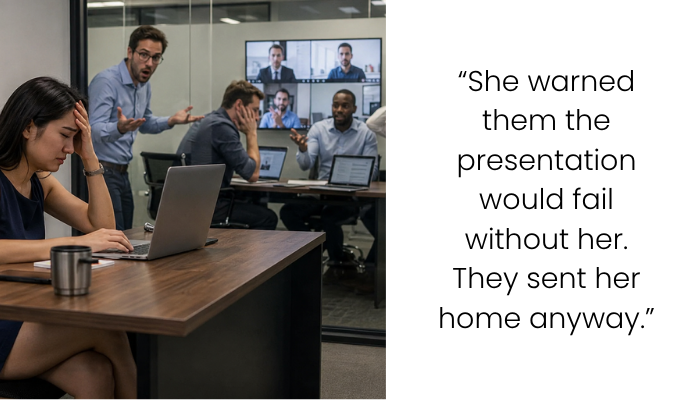
Working in the technology industry can come with many challenges, especially when employees feel that their skills and advice are not being respected. In this story, a female software engineer shared her experience during an important international client meeting. What should have been a simple workplace issue quickly became a bigger problem because of poor communication and strict company rules.
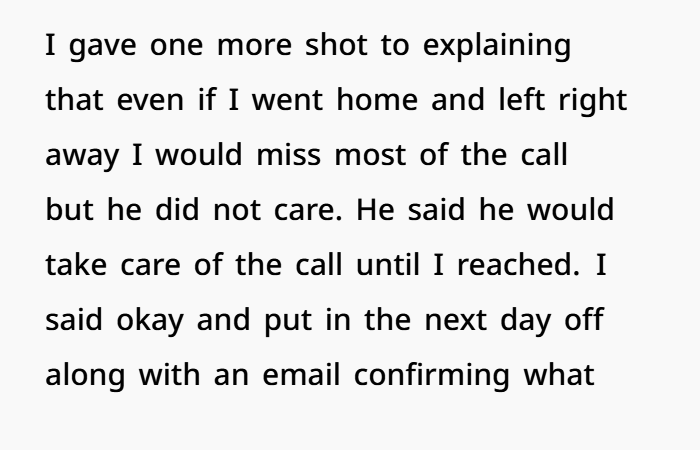
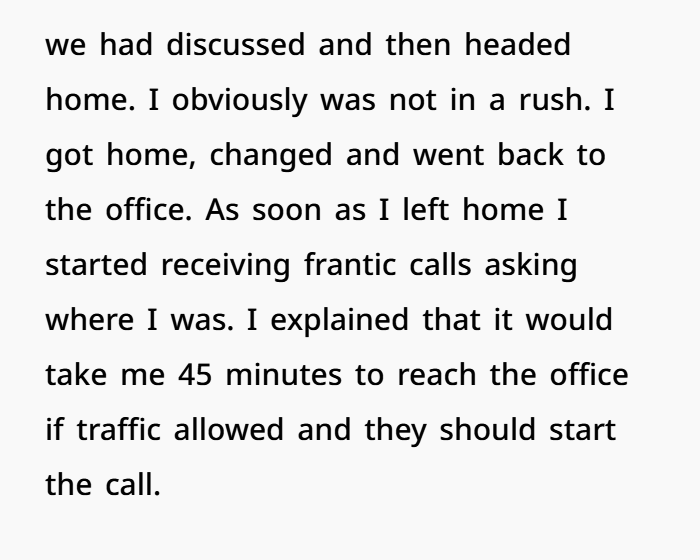
The developer said she warned management about the possible problems several times. She explained the situation, suggested simple solutions, and tried to prevent any issues before the meeting. However, company leaders decided to follow their own approach and did not listen to her professional advice.
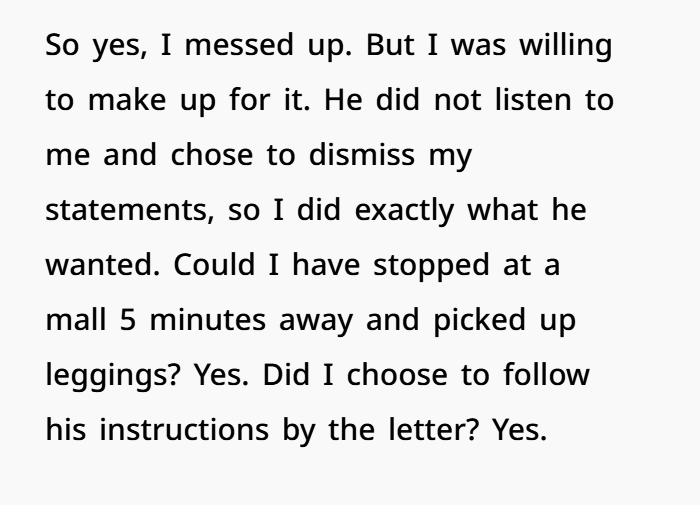
Instead of continuing to argue, she followed the instructions she was given and completed only the tasks that were expected from her role. She did not step in to fix additional problems that happened because of management decisions. This showed how important it is for companies to value employee knowledge and experience.
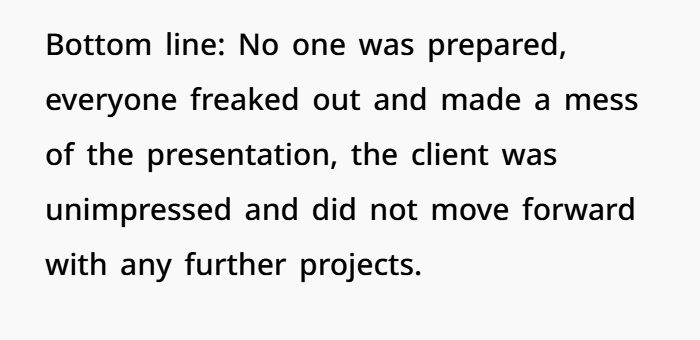
The situation became a lesson about workplace communication, leadership, and trusting skilled professionals. Poor decision-making and ignoring employee feedback can affect business reputation, client relationships, and future opportunities. A successful workplace depends on teamwork, respect, and allowing employees to share their expertise.

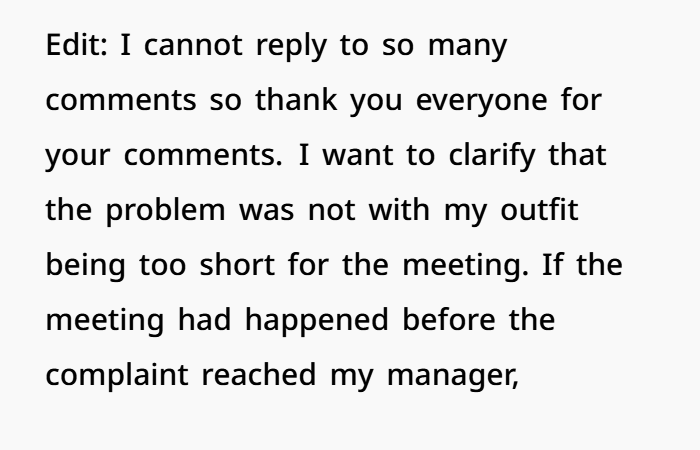
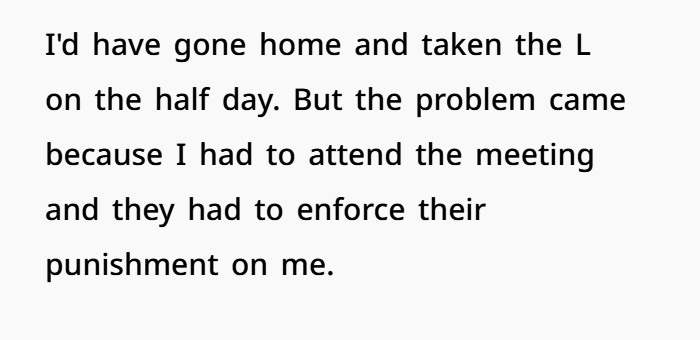
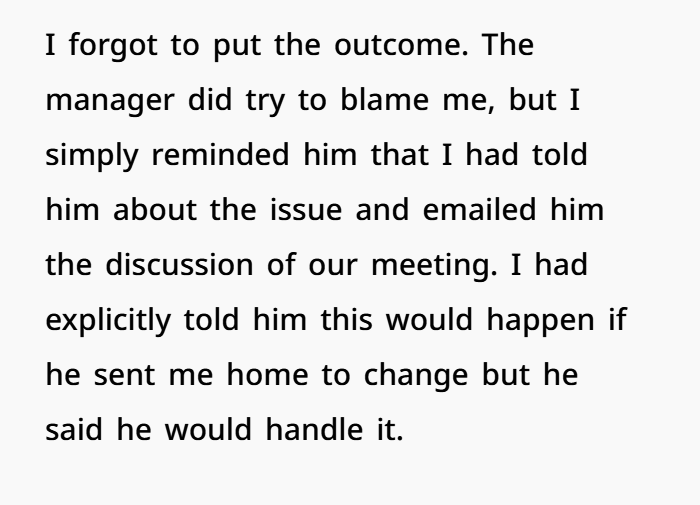
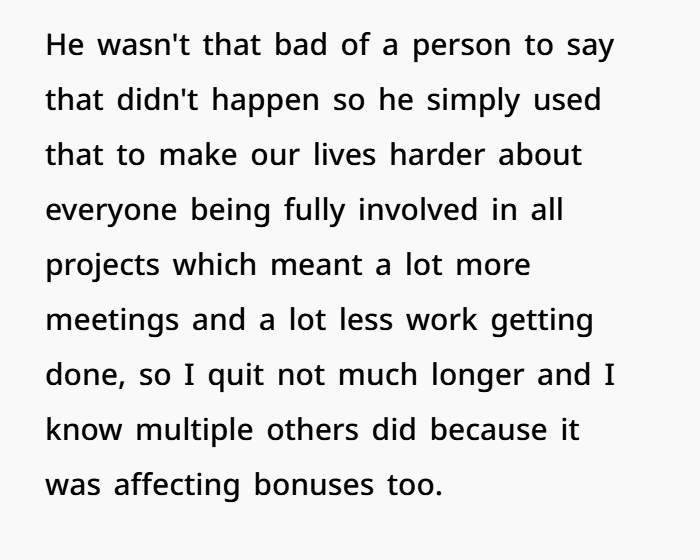
When Workplace Rules Clash With Common Sense: A Software Engineer’s Story About Management and Teamwork
Many people who work in technology jobs have experienced something similar: companies often talk about trust, teamwork, and flexibility, but real situations can sometimes become complicated when rules and practical solutions do not match.
This workplace story became popular because it raised an important question:
Should companies always follow strict policies, or should managers also consider common sense and business needs?
The situation involved a software engineer who was leading an important client presentation. She was not a new employee learning the system. She was one of the people who understood the project deeply and could answer technical questions during the meeting.
Why the Lead Developer Role Matters
In software engineering careers, some employees become key people on important projects.
They understand:
- How the software system works
- Client requirements
- Technical problems
- Project history
- Possible solutions
This is especially important in areas like:
- SaaS platforms
- Enterprise software development
- Cloud computing
- IT consulting
- Custom software solutions
A client presentation is not only about showing features. It is also about building trust. Companies want clients to feel confident that their technology partner understands the product.
A Simple Problem Became a Bigger Workplace Issue
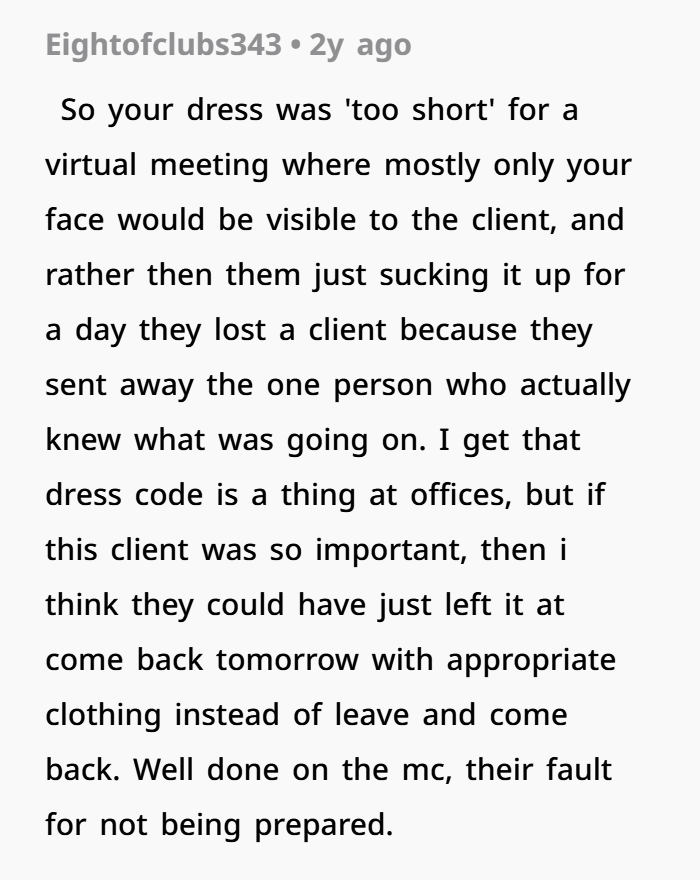
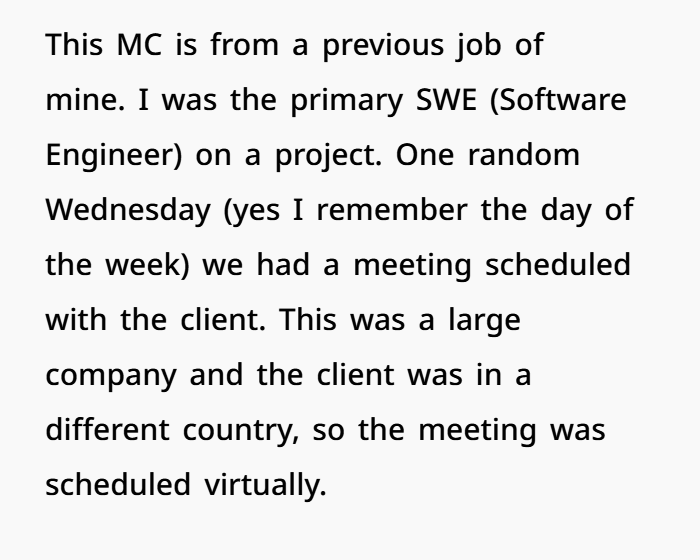
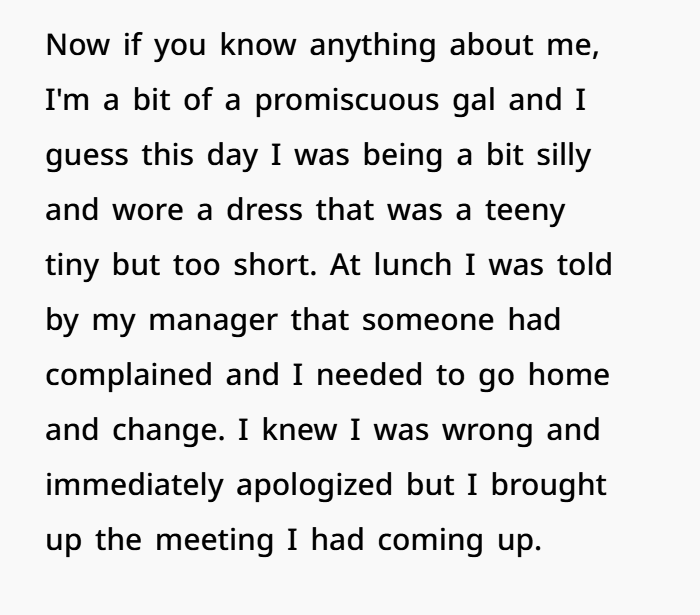
According to the story, the engineer realized there was a problem with her clothing before an important meeting.
She accepted that the situation was her mistake and apologized. However, she also suggested several practical solutions so the client meeting could continue smoothly.
Her goal was not to avoid responsibility. She wanted to protect an important business meeting and reduce disruption.
Finding Flexible Solutions at Work
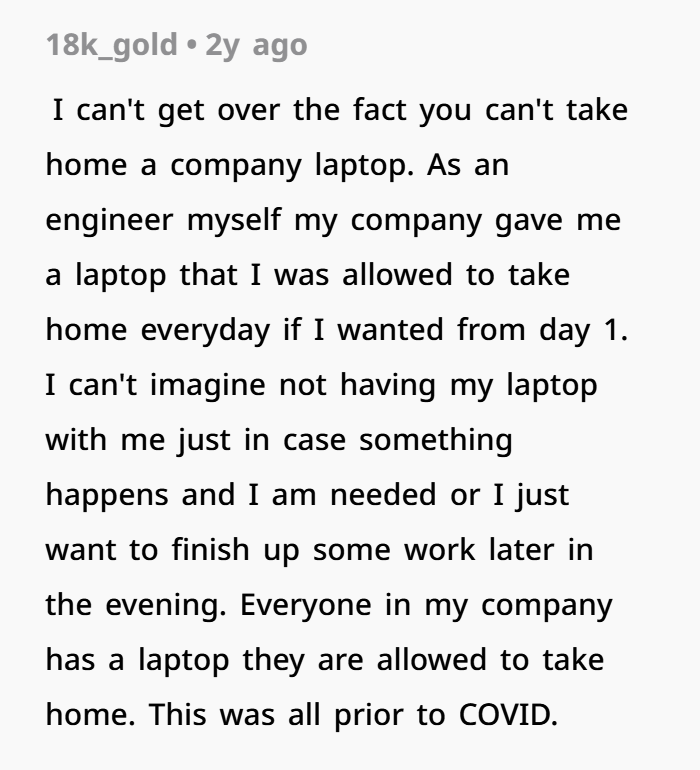
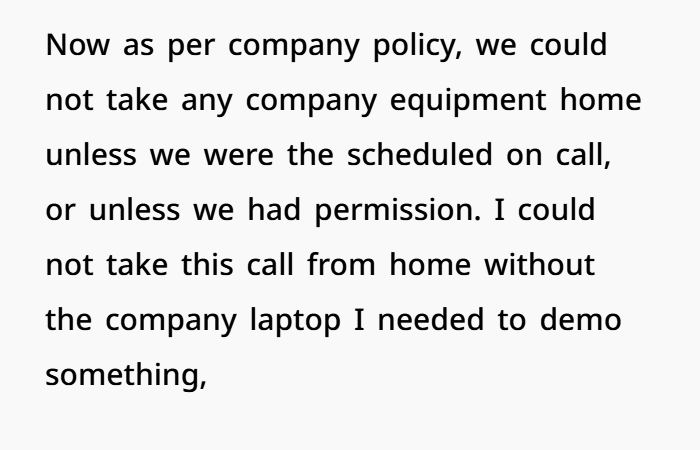
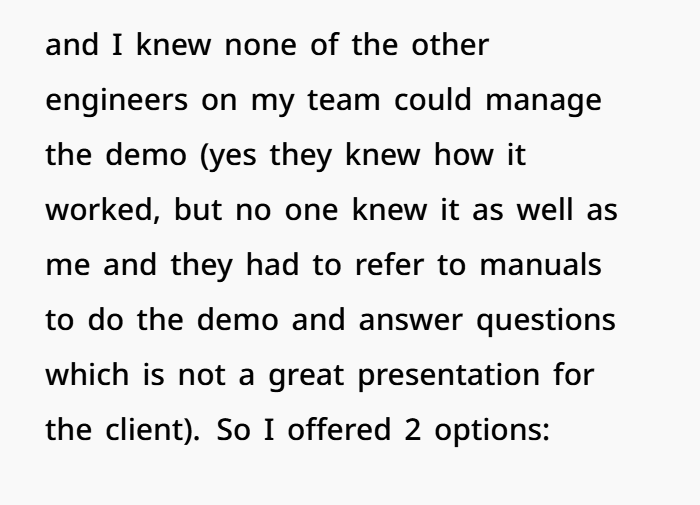
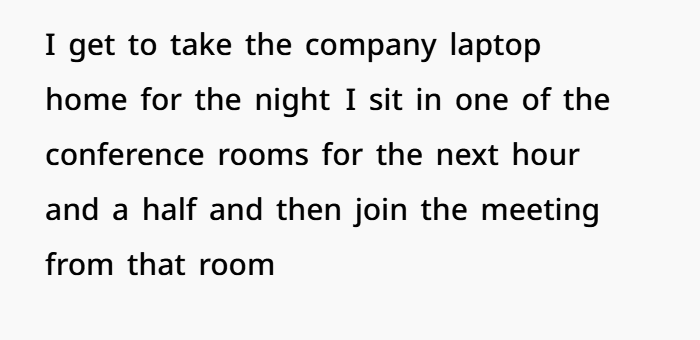
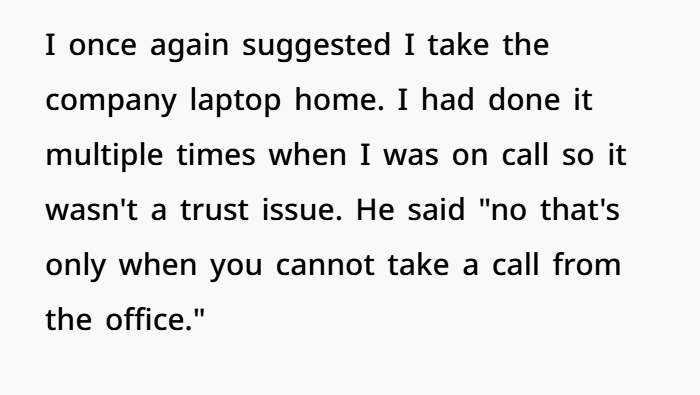
The engineer suggested taking the company laptop home and joining the meeting remotely.
This type of arrangement is common in many technology companies today. Remote work, hybrid teams, and virtual meetings have become normal parts of many software development jobs.
Another option she suggested was staying in a private office or conference room until the meeting finished.
From a business perspective, both solutions could have allowed:
- The client meeting to continue
- The project timeline to stay on track
- The team to avoid unnecessary problems
When Management and Employees See Problems Differently
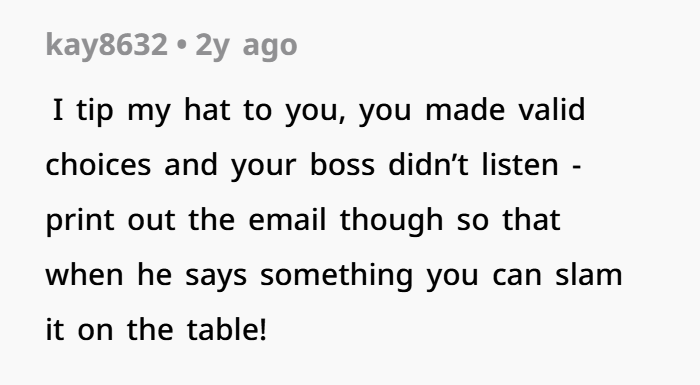
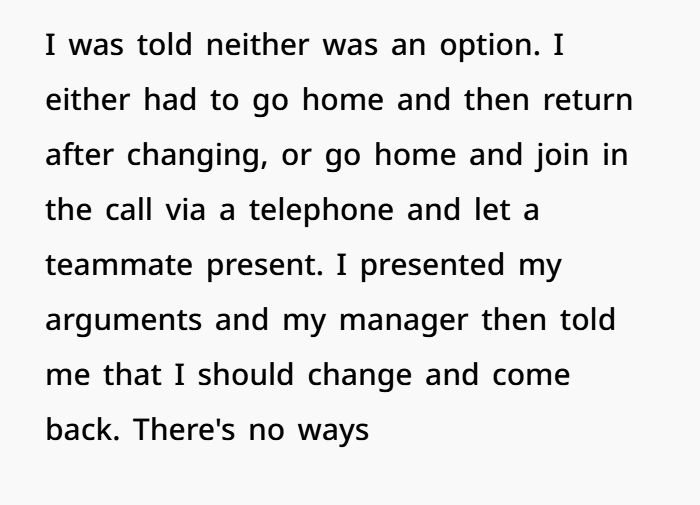
The main conflict was not really about the original mistake. It became about how management handled the situation afterward.
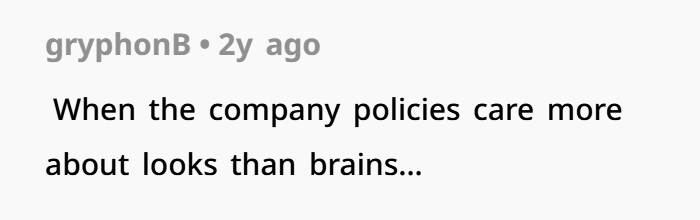
Sometimes workplace problems happen when managers focus heavily on following rules but do not consider the practical impact on the business.
Good leadership usually requires balancing:
- Company policies
- Employee needs
- Client expectations
- Business goals
Strong managers understand that flexibility and accountability can exist together.
Why Experienced Employees Are Valuable
Many companies have employees who quietly become essential to daily operations.
These employees often know:
- Important systems
- Customer expectations
- Technical details
- Common problems
- Workarounds that are not written down
This happens often in software companies and IT departments.
A team may have many talented employees, but some people have years of experience with a specific product or client. Losing access to their knowledge can create challenges.
The Importance of Communication During Projects
One major lesson from this story is the value of clear communication.
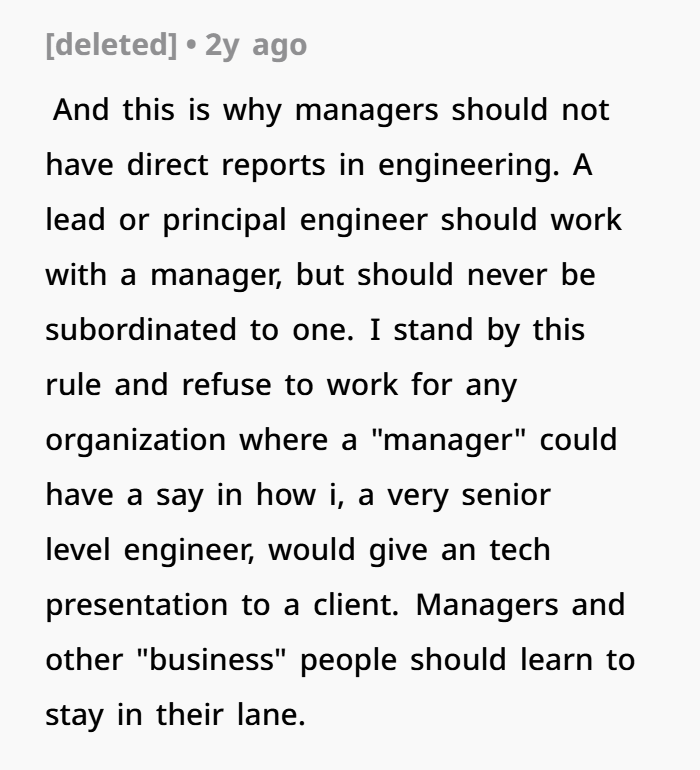
When employees raise concerns before a problem happens, managers should take time to understand the situation.
Good project management is not only about giving instructions. It is also about listening to people who have direct knowledge of the work.
In technology projects, small decisions can sometimes create larger business problems if teams do not communicate effectively.
Why Documentation Matters at Work
Another important point many professionals discuss is keeping written records of important conversations.
Clear communication through email, project tools, or written updates can help teams stay organized.
Documentation can provide:
- Clear expectations
- Project history
- Decision records
- Better accountability
In large companies, written communication often helps avoid confusion when problems happen.
The Challenge of Over-Management
After workplace problems occur, some companies respond by adding more rules, meetings, and approval steps.
Sometimes these changes are helpful. But too much process can also slow down productivity.
In software development, excessive meetings and unnecessary approvals may affect:
- Development speed
- Employee focus
- Innovation
- Team motivation
Good companies try to create systems that improve efficiency without making work harder.
Employee Retention and Workplace Culture
Another reason stories like this receive attention is because they connect with a larger workplace issue: employee satisfaction.
Skilled technology workers often have many career options, especially in fields like:
- Software engineering
- Cloud computing
- DevOps
- Cybersecurity
- Data technology
When employees feel they are not trusted or supported, they may start looking for new opportunities.
Strong workplace culture is built through respect, communication, and fair leadership.
The Bigger Lesson From This Workplace Story
The main takeaway is not simply about one meeting or one company rule.
It is about how businesses handle problems.
Employees should take responsibility for their mistakes. At the same time, managers should consider practical solutions and listen to experienced team members.
The best workplaces are usually the ones where people can communicate openly, solve problems together, and focus on the company’s goals.
In the fast-moving world of technology, teamwork and trust are just as important as technical skills. A successful company does not only need talented employees. It also needs leadership that knows how to support them.
The Comments Are In