The Lie That Almost Ended 17 Years: Marriage, Secrets, and a Second Chance

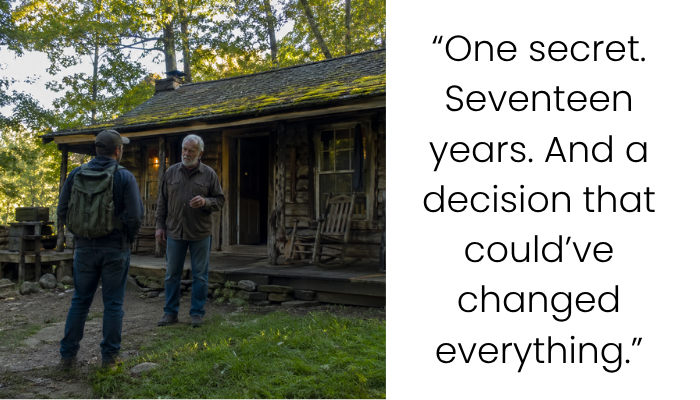
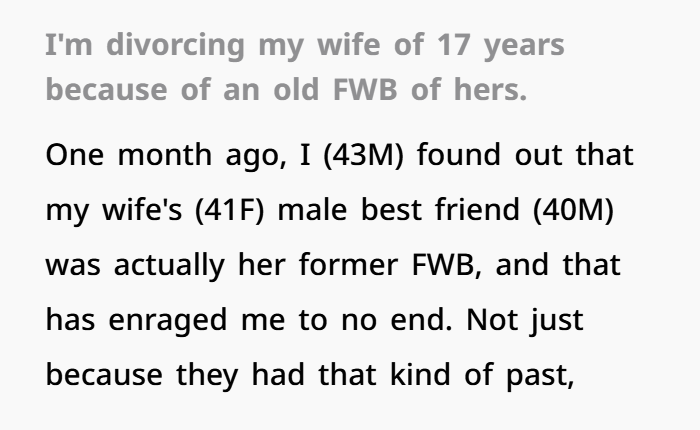
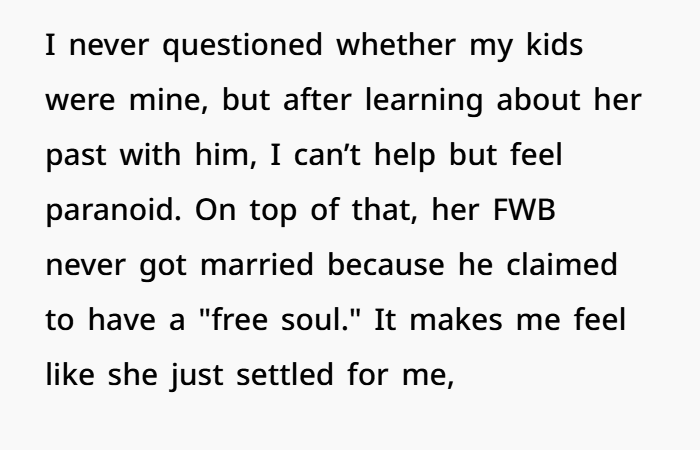
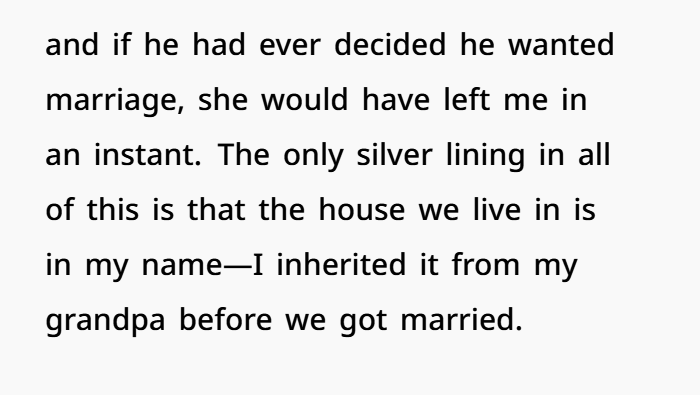
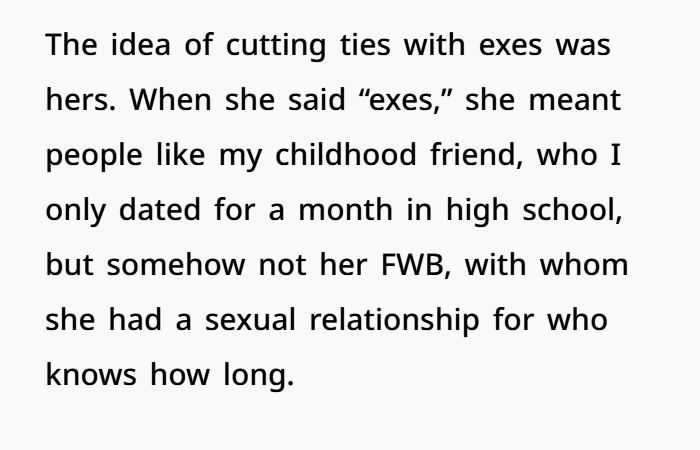
A man in his early 40s shared how his 17-year marriage almost ended after he discovered a painful secret from his wife’s past. The situation involved her close male friend and a hidden friends-with-benefits relationship that happened many years earlier. Although the event was from the past, learning about it later created strong emotions and damaged his sense of trust.
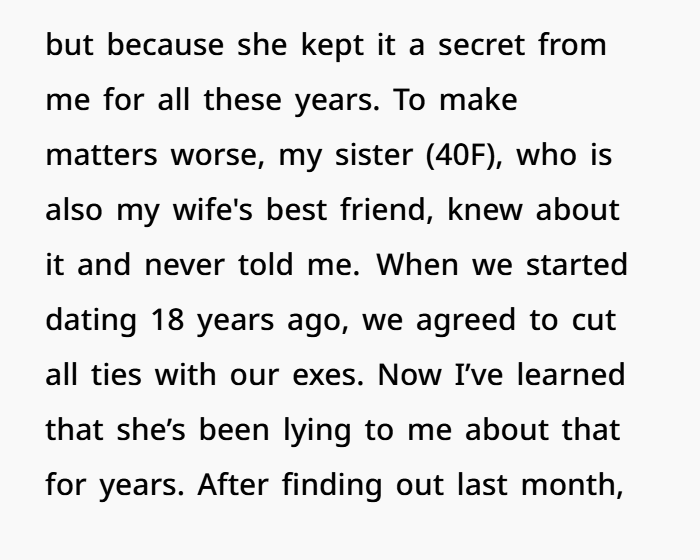
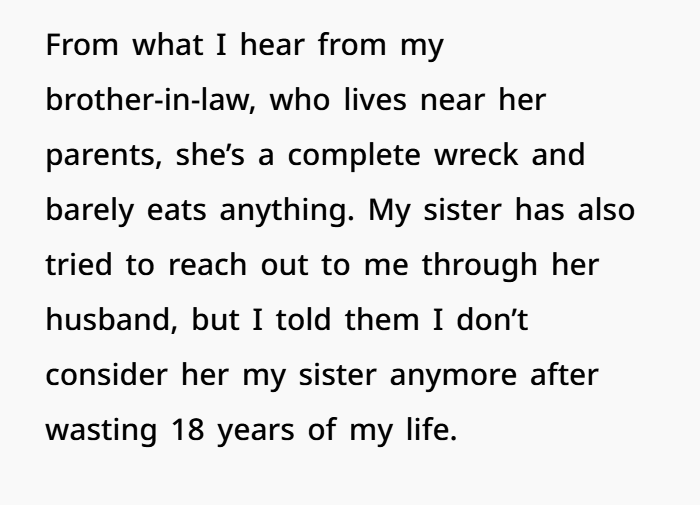
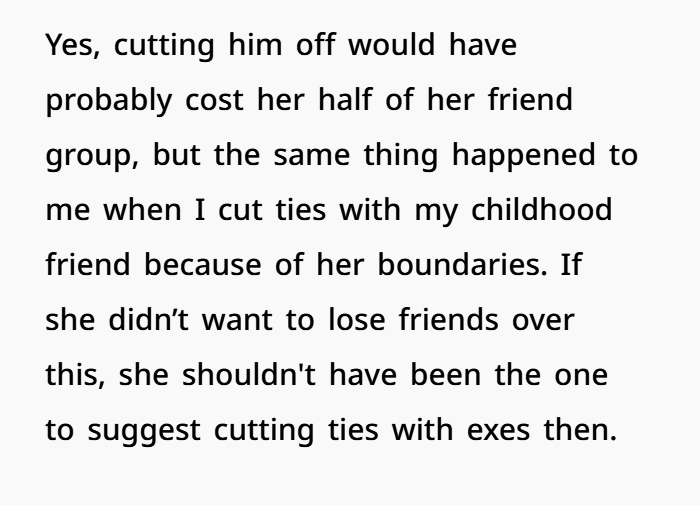
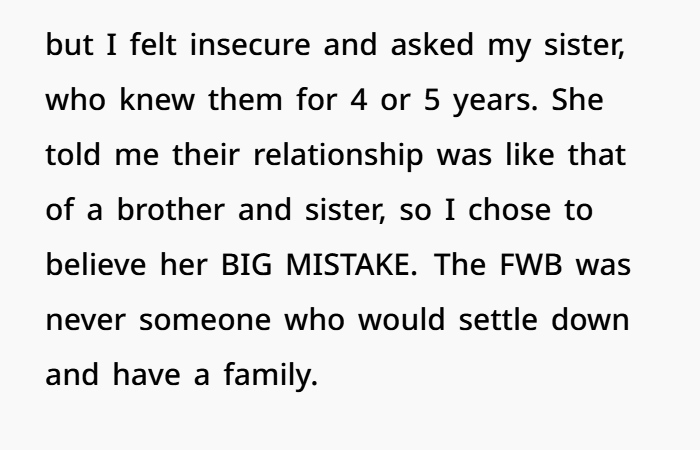
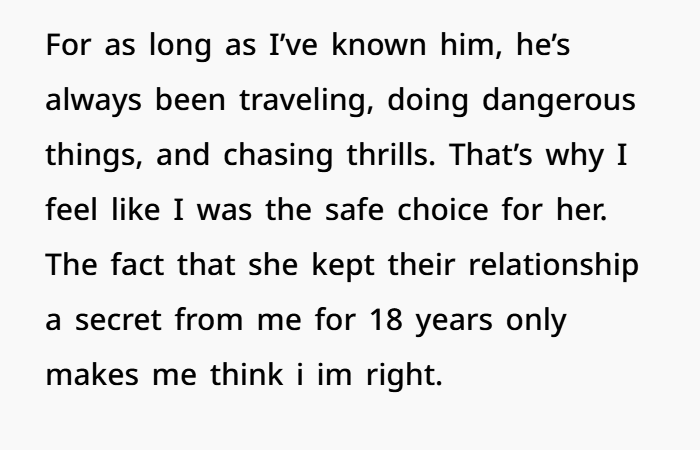
For him, the biggest issue was not only the past relationship. It was the fact that it had been kept secret for years. He also felt hurt because his wife’s friendship boundaries and the advice they had agreed on in their marriage had not been followed. Finding out that even his own sister knew about it made him feel even more betrayed.
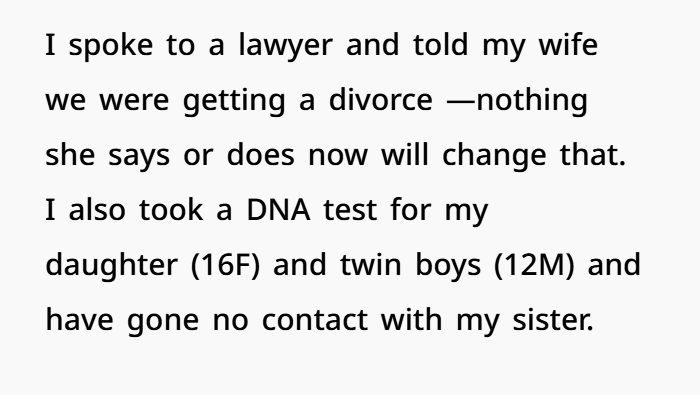
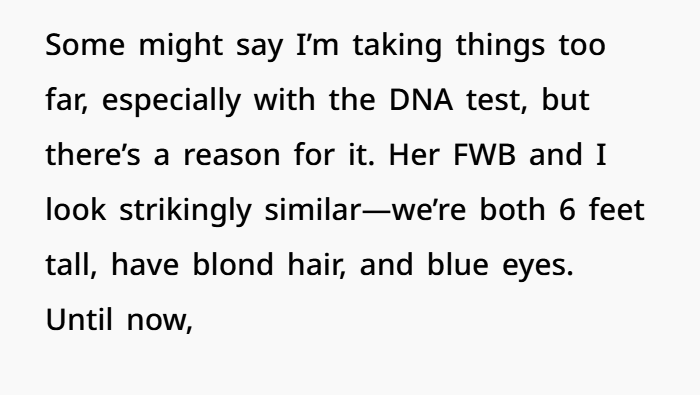
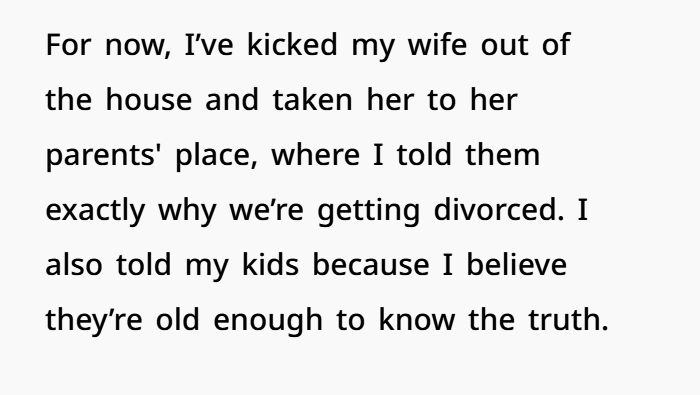
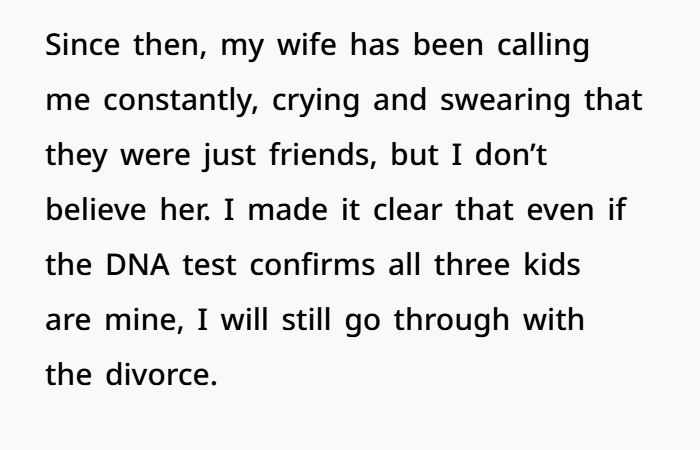
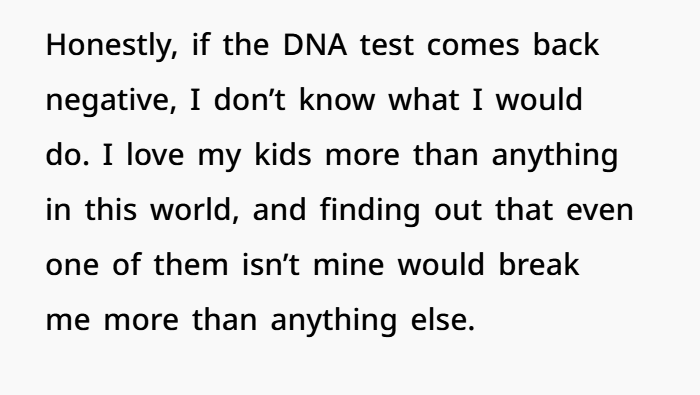
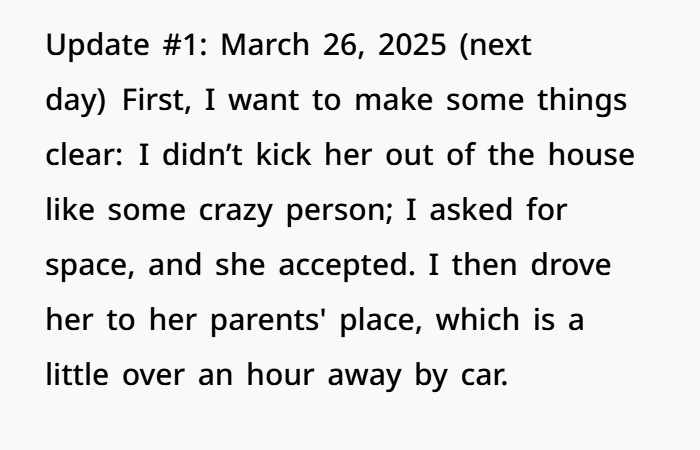
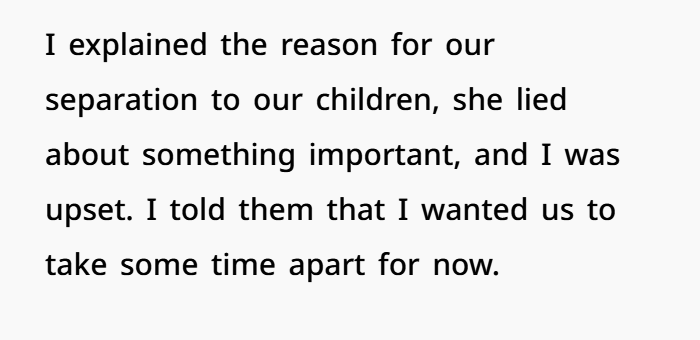
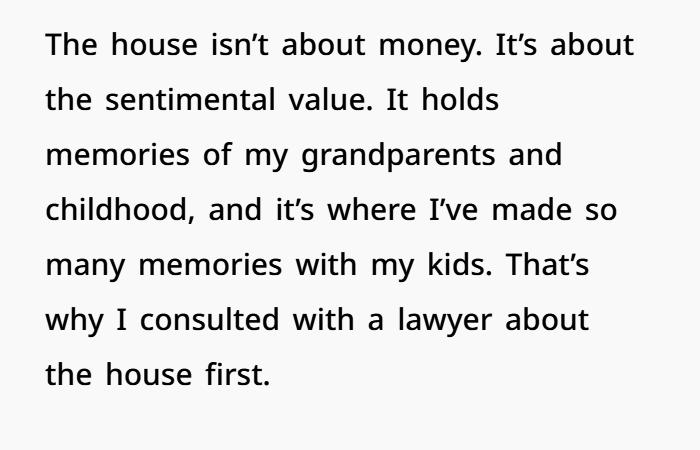
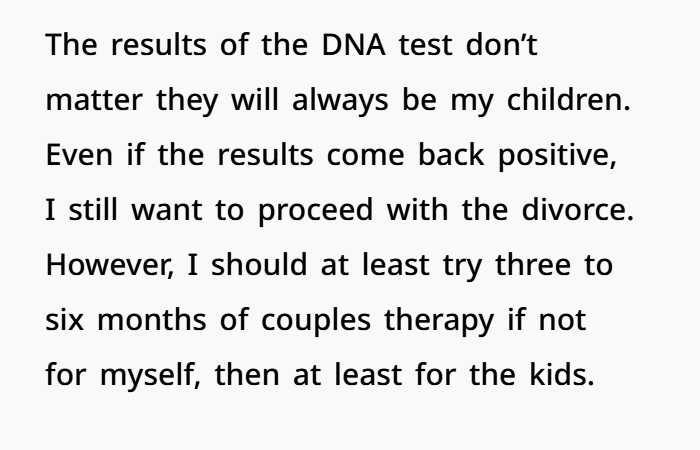
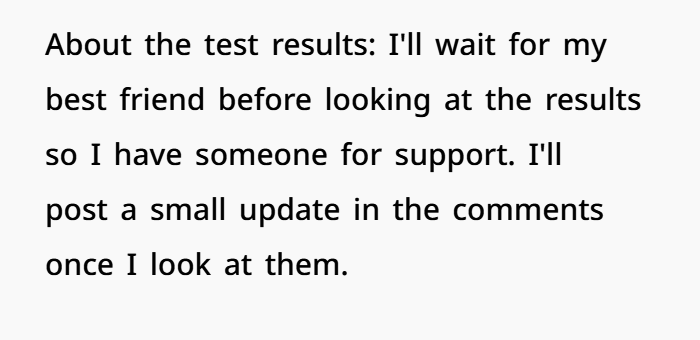
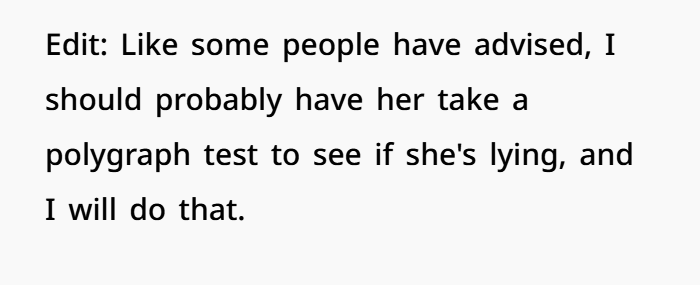
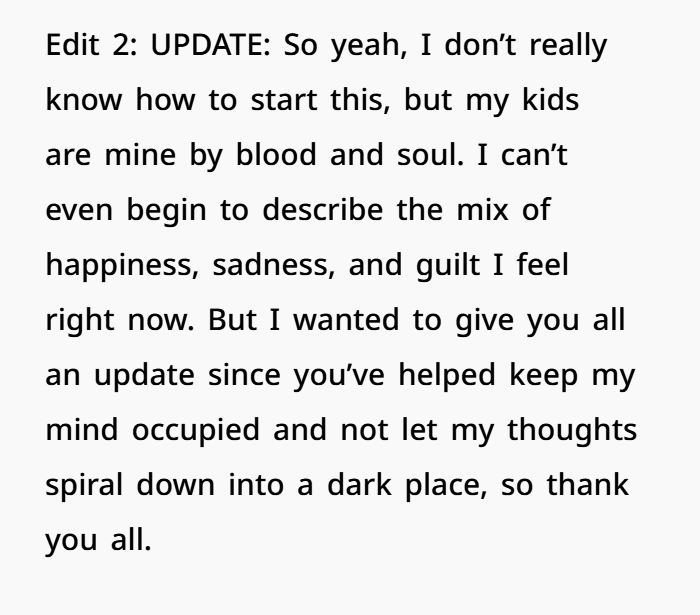
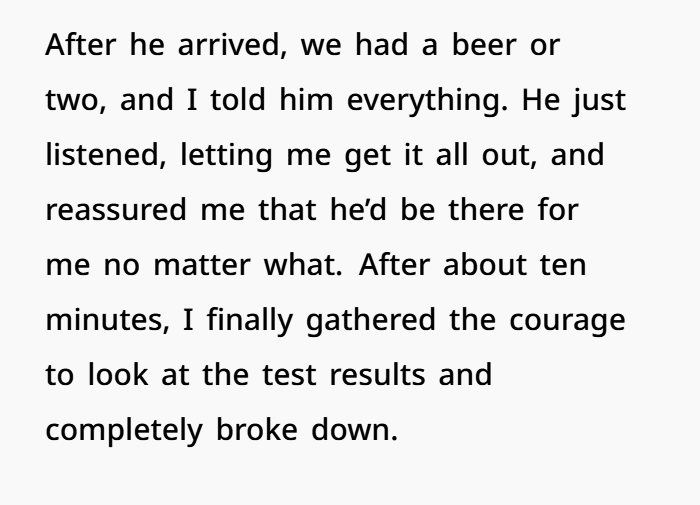
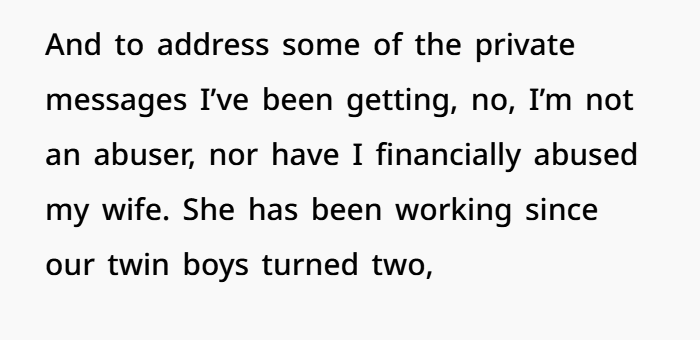
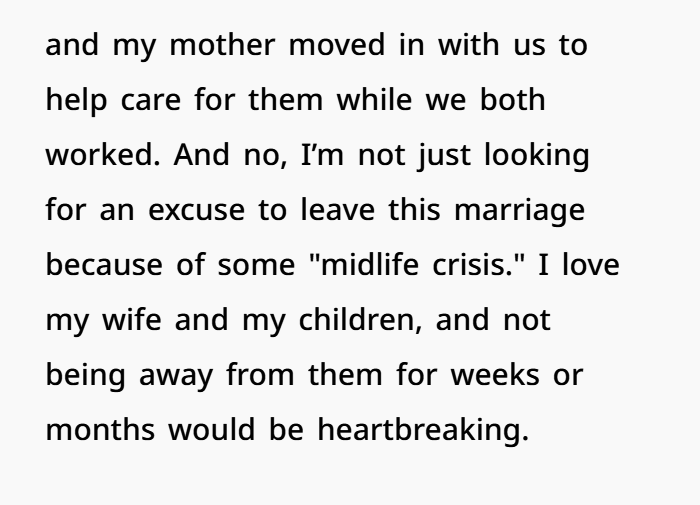
The situation became very serious. He started thinking about divorce, spoke with a lawyer, and considered important issues like child custody and financial decisions. A DNA test was also done to confirm that the children were his. Even though the results brought relief, the emotional pain and loss of trust were still difficult to handle.
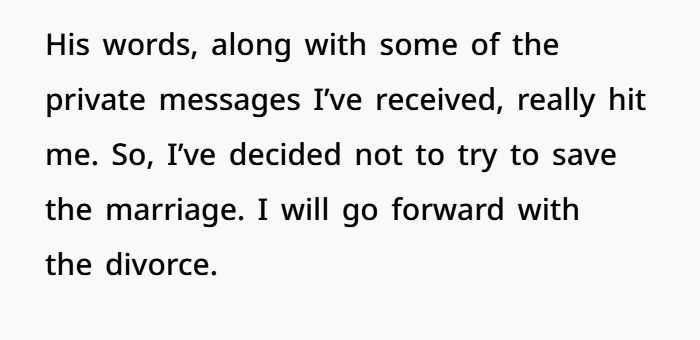
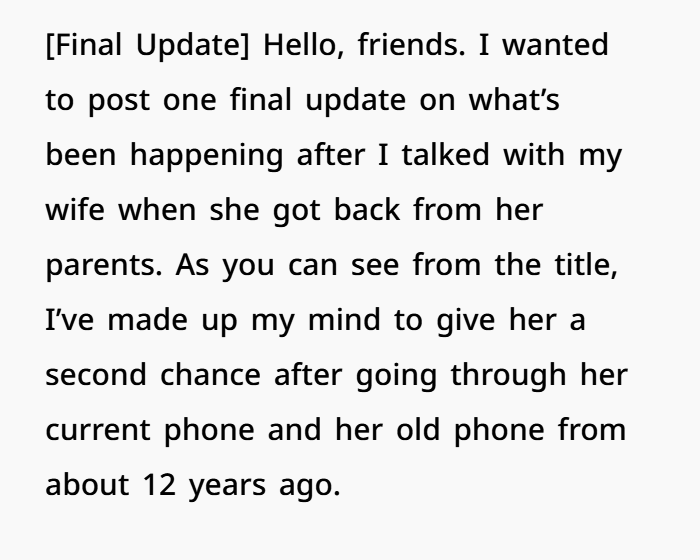
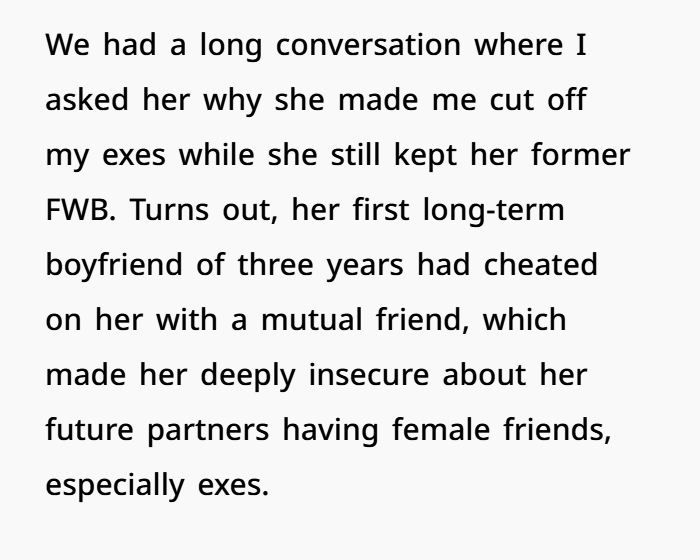
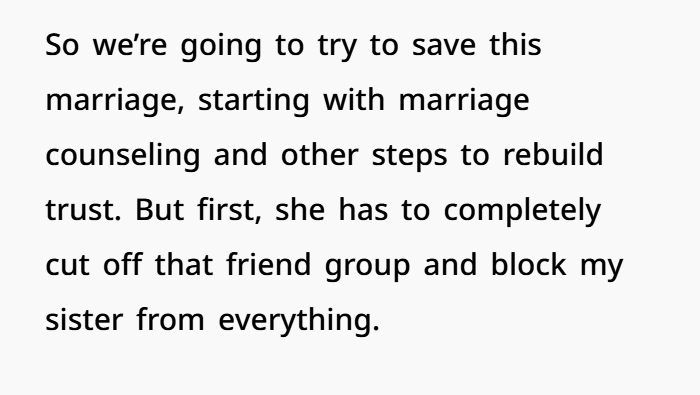
Later, the couple had deeper conversations about what happened and why it was hidden for so long. They realized the situation involved poor decisions, fear, and a lack of communication rather than a simple story of betrayal. While the hurt did not disappear, they decided to slow down the divorce process and try marriage counseling to rebuild trust.
Rebuilding a relationship after a major trust issue can take time and effort. The couple’s experience shows why honesty, communication, and clear boundaries are important in a long-term marriage. Sometimes repairing a relationship requires patience, understanding, and a willingness to work through difficult emotions together.

When Hidden Secrets Damage Trust in a Marriage
Some relationship problems are difficult because they are not always about one simple mistake.
They are often about trust, honesty, communication, and emotional safety.
A person may not physically cheat during a marriage, but hidden information and broken trust can still create deep emotional pain. Many relationship experts and marriage counselors explain that emotional dishonesty can sometimes hurt as much as physical betrayal because it changes how safe a person feels in the relationship.
This story is a good example of how small choices and hidden details can create bigger problems years later.
The Difference Between a Past Mistake and Hiding the Truth
Everyone has a past before marriage.
Having previous relationships or personal history is not automatically a problem.
The bigger issue is when a partner asks important questions and does not receive the full truth.
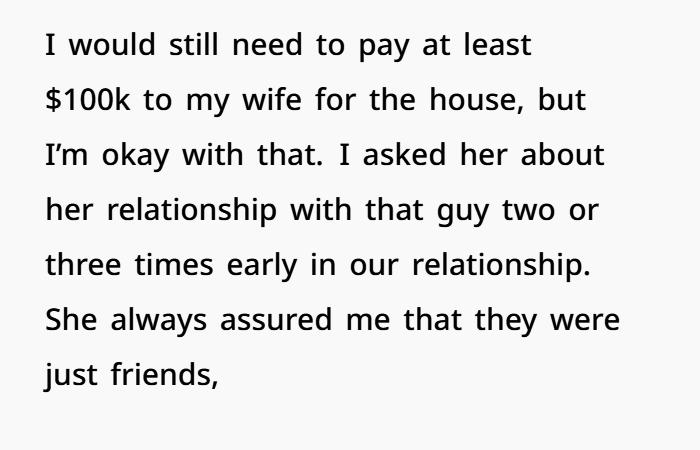
In this situation, the husband asked about a close male friend multiple times. He was told that the relationship was only a friendship. Later, he discovered there was more history behind it.
The painful part was not only what happened years ago.
The painful part was feeling like he was given incomplete information while making important life decisions.
Relationship therapists often talk about the importance of honesty and transparency in long-term relationships. Trust is built when partners feel they know the truth, even when the truth is uncomfortable.
When important information is hidden, it can create feelings of betrayal and confusion.
How Outside People Can Affect a Relationship
Relationships are not only affected by two people.
Friends and family members can also influence decisions.
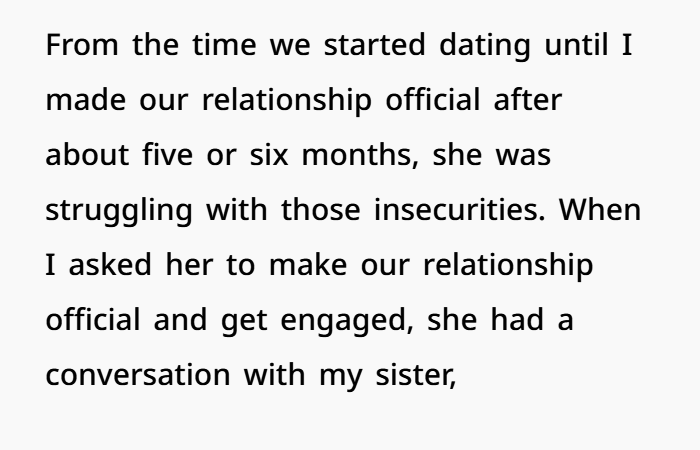
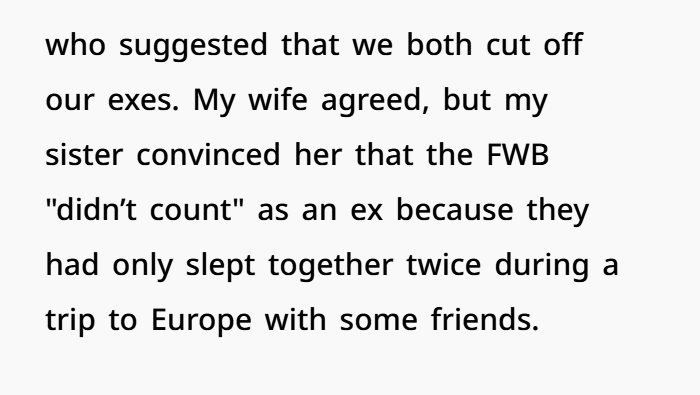
In this situation, the sister played a role by encouraging the secret to stay hidden. That created another layer of hurt because the husband felt betrayed by more than one person.
Sometimes people give advice based on their own feelings, friendships, or personal interests. They may believe they are helping, but their advice can still create problems.
This is why many marriage counseling professionals encourage couples to handle sensitive relationship issues directly instead of depending too much on outside opinions.
A marriage needs honesty between the two people involved.
Why a DNA Test Can Feel Like the Only Answer
When trust breaks, people often look for certainty.
A DNA test may seem extreme to some people, but emotions can become complicated when someone discovers a major secret.
After trust is damaged, fear can take over.
People may start thinking about worst-case situations because they are trying to protect themselves from more pain.
In this situation, the DNA test was not only about biology.
It was also about wanting clear answers.
When someone feels that their understanding of their own marriage has changed, they may search for facts that help them feel stable again.
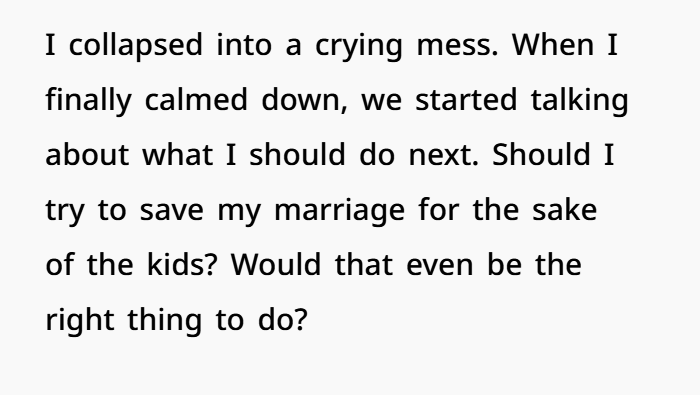
Should Couples Stay Together Only for Their Children?
Another important part of this story is the idea of staying married only for the kids.
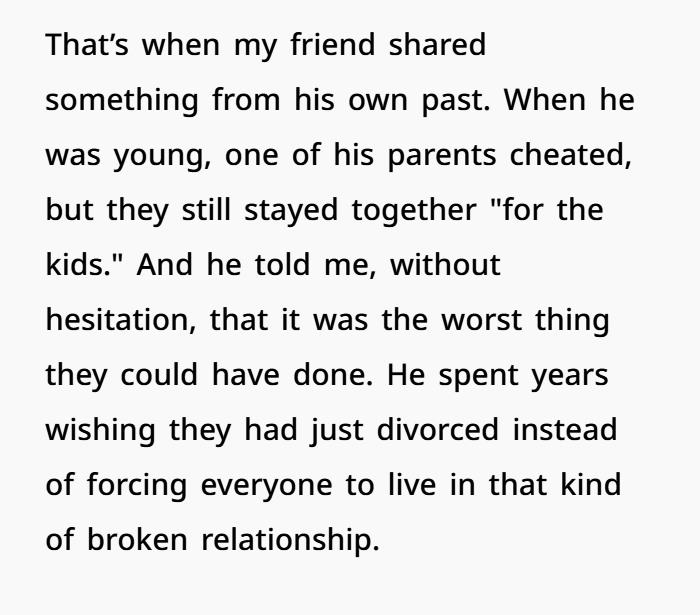
Many people believe children always benefit when parents stay together.
But family therapists often explain that the quality of the home environment matters more than simply having both parents under one roof.
Children can be affected by:
- Constant conflict
- Emotional distance
- Lack of respect between parents
- Ongoing stress at home
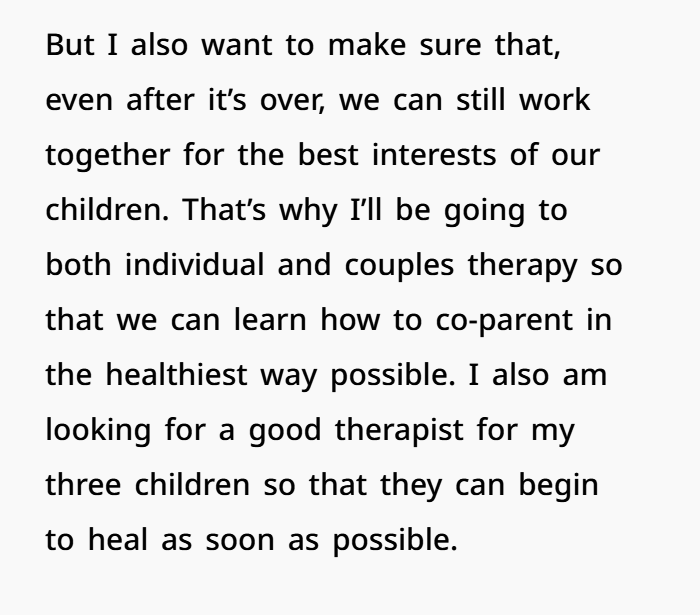
A peaceful separation can sometimes be healthier than a home filled with tension.
The goal is not only keeping a marriage together.
The goal is creating a safe and supportive environment for children.
What Helped Change the Situation?
Two things made a difference:
- Understanding the full story
- Taking responsibility
The wife’s explanation did not erase the hurt.
The hidden information still damaged trust.
However, understanding her fears, past experiences, and poor decisions gave more context to the situation.
There is a difference between someone trying to intentionally hurt their partner and someone making a bad decision because of fear or insecurity.
That difference matters when couples are trying to repair a relationship.
Why Accountability Matters in Relationship Repair
Many couples go through difficult situations, but rebuilding trust requires real effort.
Marriage counselors often say that relationship repair needs:
Honest communication
Both partners need to be able to talk openly without hiding important information.
Accountability
A person must accept how their actions affected their partner.
Consistent change
Trust does not return because of one apology. It returns through repeated actions over time.
Words matter, but behavior matters more.
Trust Can Break, But It Can Also Be Rebuilt
This story shows that relationships are complicated.
The husband’s pain was understandable because he felt that trust had been damaged.
The wife’s actions caused hurt, but her reasons and emotions were also part of the situation.
Both things can exist at the same time.
Real relationships are not always simple.
Sometimes people make mistakes, avoid difficult conversations, or handle situations poorly. What matters is whether they are willing to face those problems honestly.
Choosing to stay together after a major trust issue does not mean pretending nothing happened.
It means deciding whether both people are willing to do the work needed to create something healthier.
With strong boundaries, open communication, and professional support like couples therapy, some relationships can recover.
There are no guarantees.
But rebuilding trust is possible when both people are willing to be honest, patient, and committed to change.
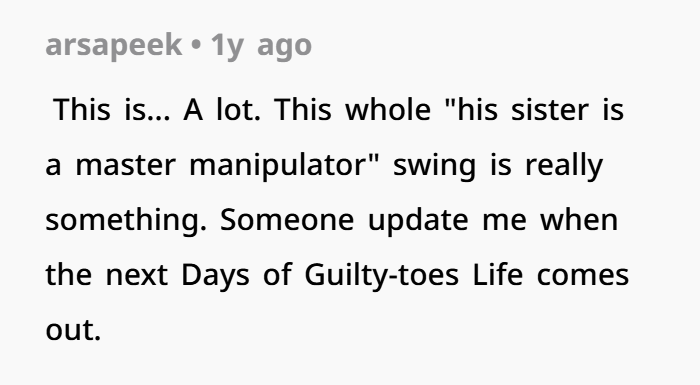
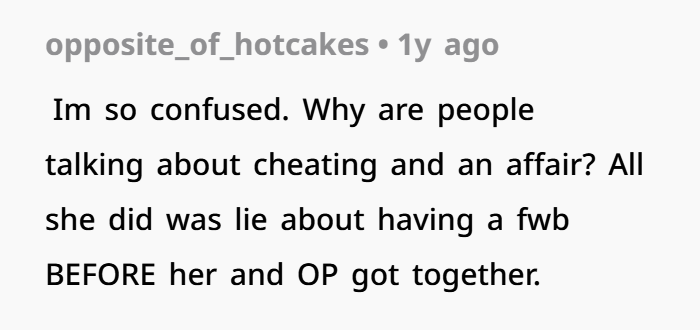
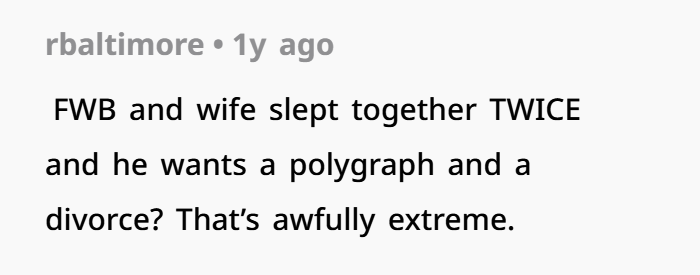
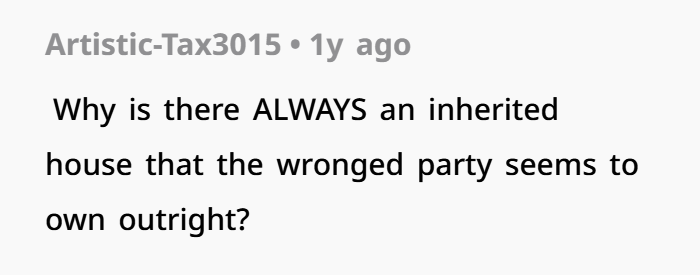
See The Comments Below