The 22-Year Gap That Echoed Through Generations

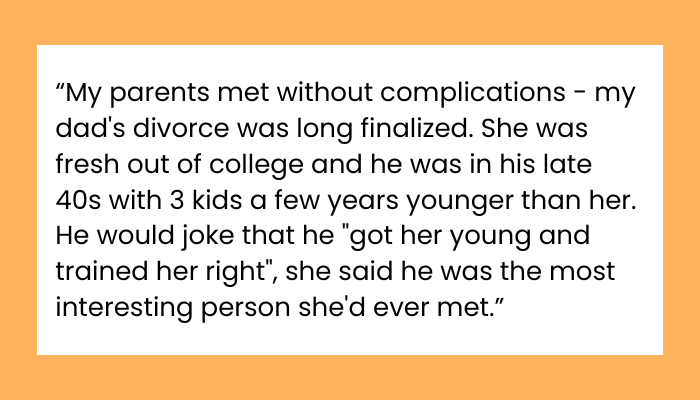
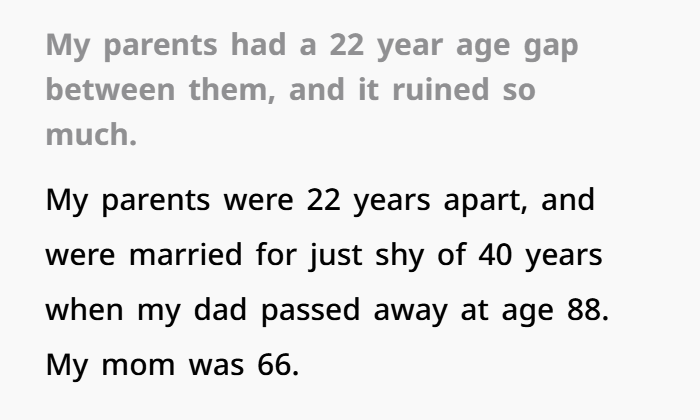
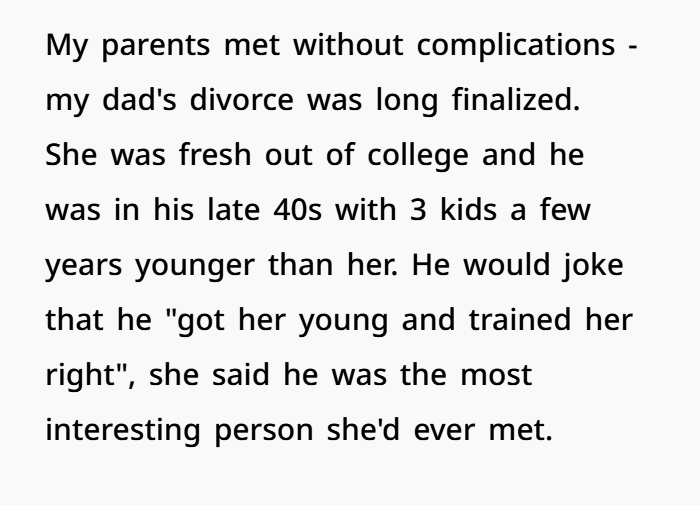
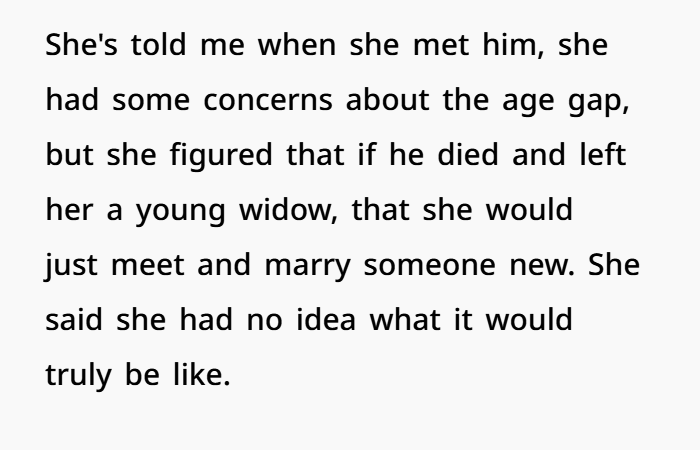
At first, this relationship looked like a happy love story. A young woman met an older man in his late 40s, and they built a life together. They got married and stayed together for almost 40 years. From the outside, their marriage appeared strong and successful.
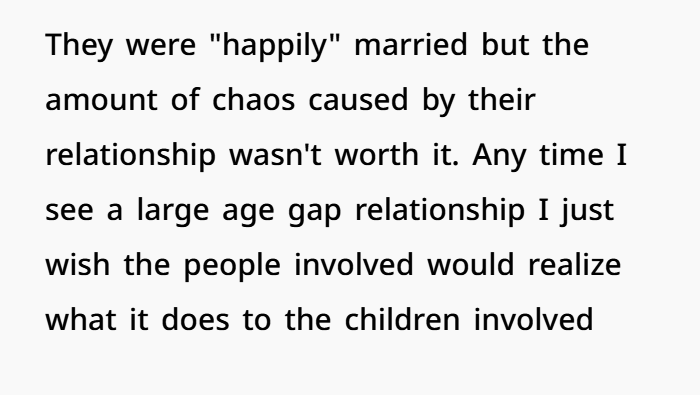
However, over time, the couple faced challenges that became harder to ignore. Their age difference created difficulties in areas like parenting, social life, and personal goals. They experienced emotional distance and communication problems that affected their relationship over the years.
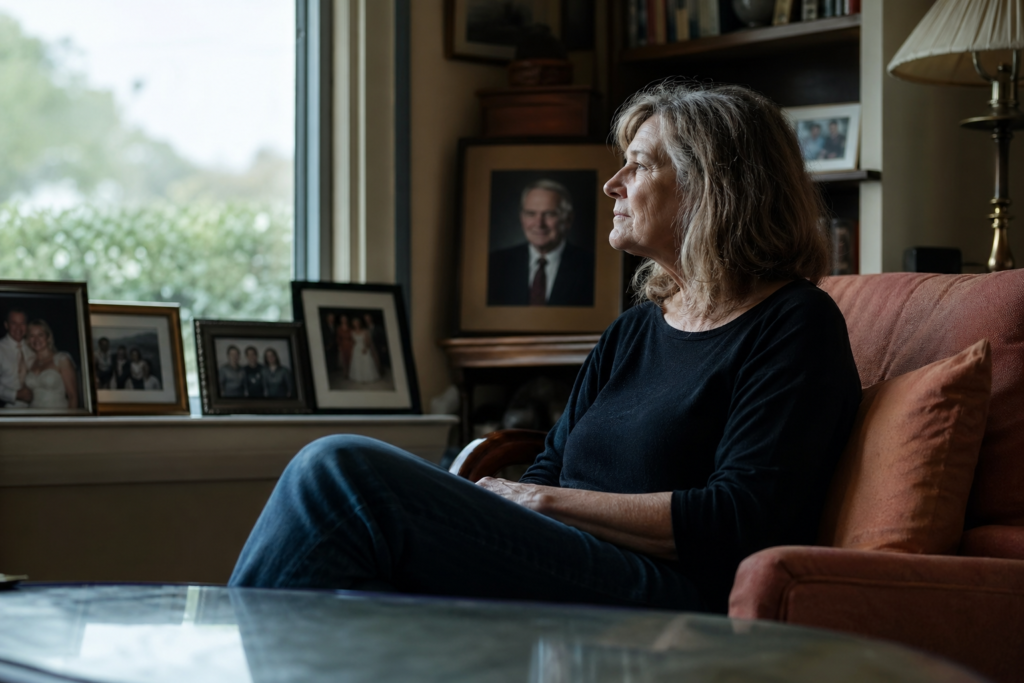
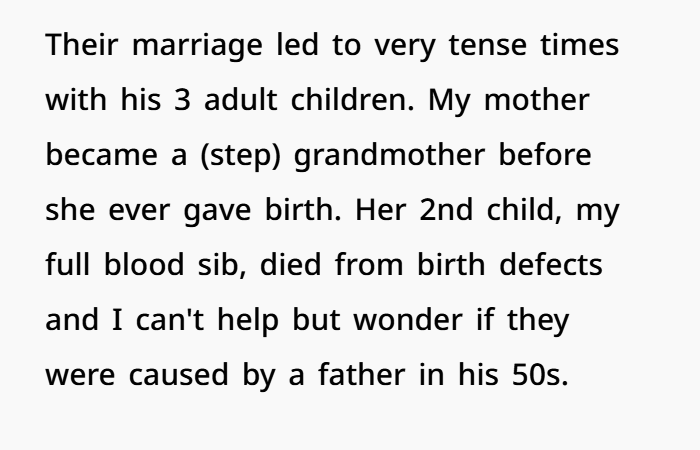
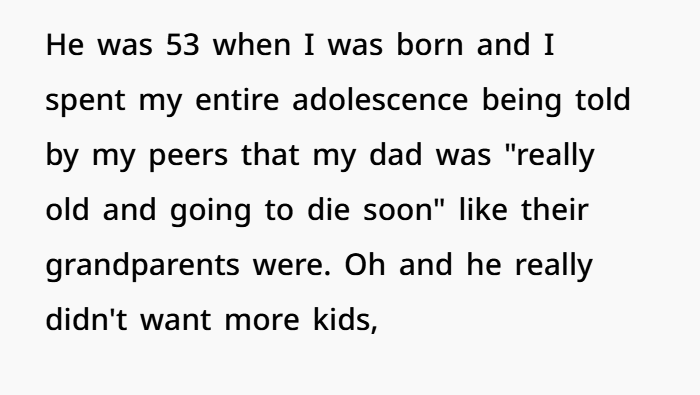
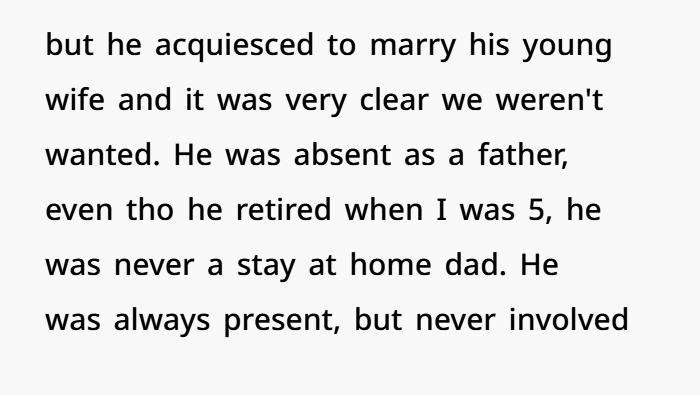
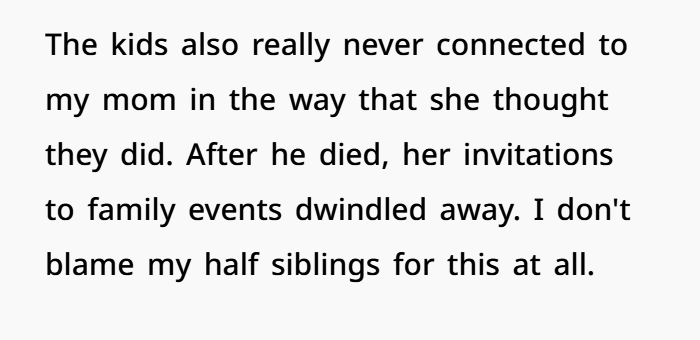
Their children were also impacted by the family situation. Some of the younger children found it difficult having a much older father compared to their friends’ parents. They felt the effects of family stress, changes in their parents’ relationship, and seeing their mother struggle emotionally.
The story shows that even long-term relationships can face serious challenges. Age differences, communication issues, and emotional needs can all affect a family. It also highlights why healthy communication, emotional support, and seeking professional help when needed can be important for couples and families.
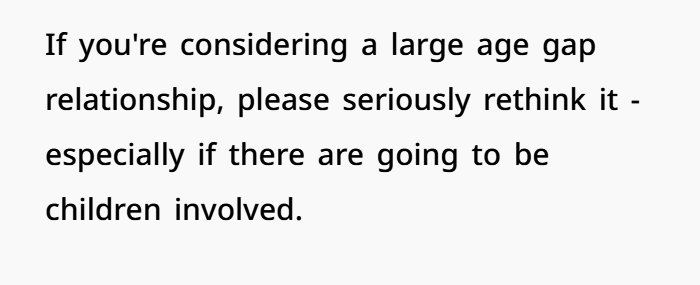
The Challenges of Large Age Gap Relationships
Age gap relationships do not always fail.
Many couples with a big age difference have happy and healthy relationships.
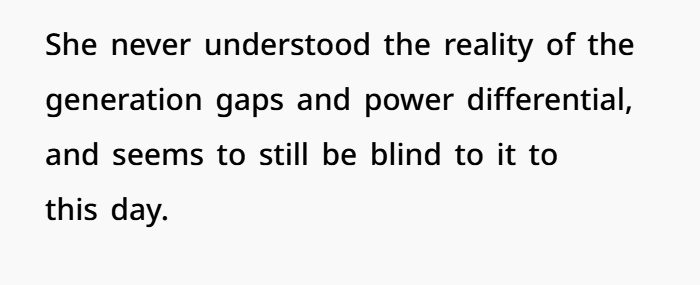
However, when the age gap becomes very large, such as 20 or 30 years, there can be extra challenges. These challenges are not only about love. They can involve different life goals, financial planning, health concerns, parenting styles, and family relationships.
When children are involved, these differences can affect the entire family.
Different Life Stages Can Create Problems
One of the biggest challenges in large age gap relationships is that both partners may be at very different stages of life.
For example, someone in their 20s may still be:
- Building their career
- Discovering their identity
- Exploring new experiences
Meanwhile, someone in their 50s may already have:
- A settled lifestyle
- Strong routines
- Different priorities
These differences do not automatically mean the relationship will fail.
But they can create situations where one person changes more than the other.
Losing Your Own Identity
A healthy relationship should allow both people to have their own interests, friendships, and goals.
Sometimes, in large age gap relationships, the younger partner may slowly start living the older partner’s lifestyle.
They may:
- Follow the same hobbies
- Spend time with the same people
- Adjust their goals
- Build their life around the other person
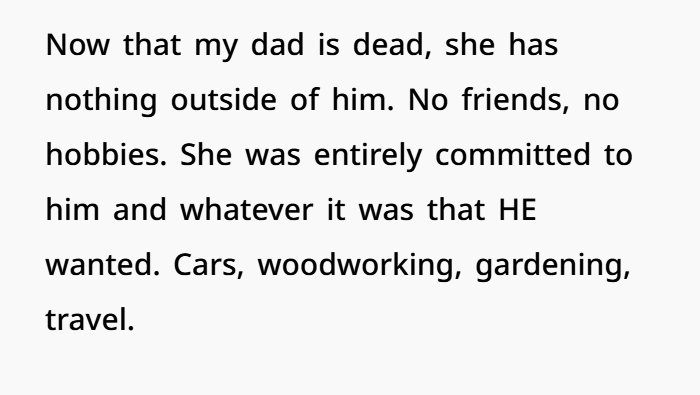
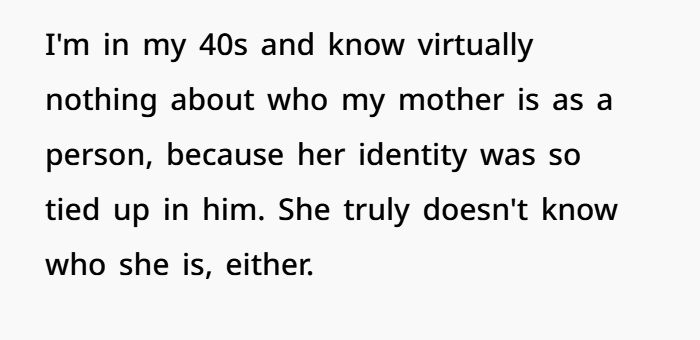
Over many years, this can create a loss of personal identity.
The person may feel happy while the relationship is strong, but later they may struggle if they lose their partner.
After decades together, losing a spouse can feel like losing more than a person.
It can feel like losing an entire way of life.
Some people experience:
- Loneliness
- Difficulty making decisions alone
- Trouble rebuilding their social life
- A need for emotional support or counseling
Having an independent identity is important in every long-term relationship.
Parenting Differences Between Generations
Another challenge can appear when couples have children many years apart.
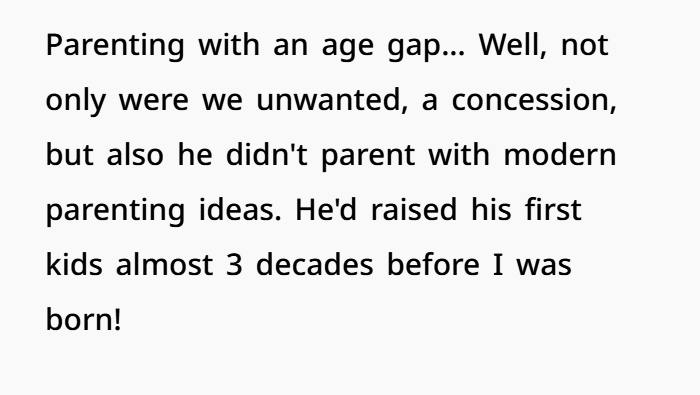
A parent who had children decades earlier may have a different parenting style compared to modern parenting approaches.
They may have different views about:
- Discipline
- Education
- Technology
- Emotional support
This does not mean older parents cannot be good parents.
Many older parents are loving and supportive.
However, a large age difference can sometimes create different expectations between parents and children.
Older parents may also have less energy for parenting young children compared to when they were younger.
This can affect family relationships if children feel emotionally distant.
Health and Age-Related Concerns
Age can also create health differences between partners.
When one parent is much older, families may face concerns related to:
- Energy levels
- Long-term health
- Future caregiving needs
- Family planning decisions
Medical research has also studied advanced paternal age and possible health risks. Older fathers may have a higher chance of certain genetic changes compared to younger fathers.
This does not mean older fathers cannot have healthy children.
Many do.
It simply means age can be one factor families consider when making decisions about having children.
Challenges in Blended Families
Large age gap relationships can become more complicated when there are children from previous relationships.
Blended families already require patience and communication.
Adding a large age difference can create additional challenges.
For example:
- Older children may feel replaced
- Step-parents may struggle to build trust
- Family roles may feel confusing
- Siblings may have different experiences growing up
Sometimes these problems continue for many years if families do not communicate openly.
Family counseling can help some families understand each other better and rebuild connections.
Money and Inheritance Problems
Financial issues are another common challenge in families with large age differences.
When one partner is much older, questions about:
- Retirement planning
- Property
- Savings
- Inheritance
can become emotional topics.
The younger spouse may need financial security for many years after the older spouse passes away.
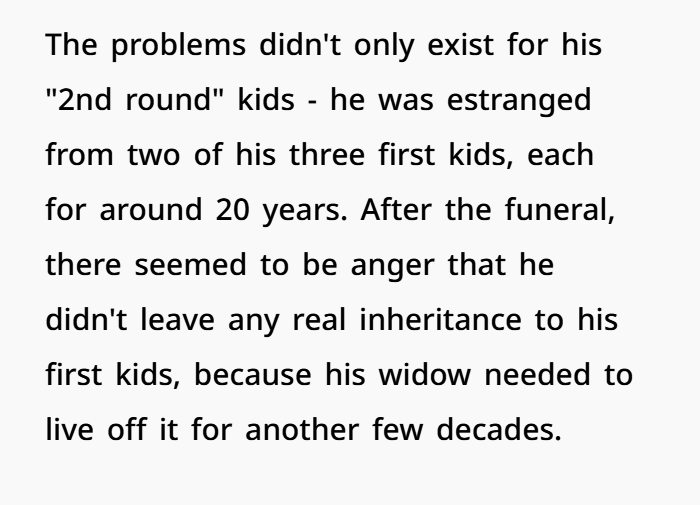
At the same time, older children may feel hurt if they believe family wealth or attention has changed.
Even when legal decisions are clear, emotions can still create conflict.
This is why estate planning and clear communication are important in blended families.
Social Isolation as a Couple
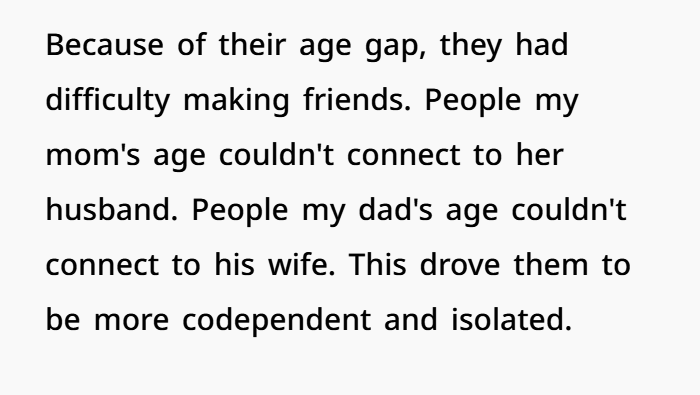
Some age gap couples slowly become very focused on each other.
At first, this can feel romantic and comfortable.
But over time, it may reduce outside connections.
They may spend less time with:
- Friends
- Family members
- People in their own age groups
This can become difficult if one partner passes away.
The surviving partner may suddenly feel alone because they do not have a strong personal support system.
Maintaining friendships and personal interests is important for emotional health.
How Children Experience These Relationships
People often focus on the couple when discussing age gap relationships.
But children experience the family environment too.
Children may struggle with:
- Feeling different from others
- Questions about their parents’ ages
- Emotional distance
- Family changes
- Feeling disconnected from a parent
Children usually care less about the age difference itself.
They care more about:
- Feeling loved
- Feeling supported
- Having stability
- Knowing they matter
A relationship can work with a large age gap if both partners create a healthy and supportive environment.
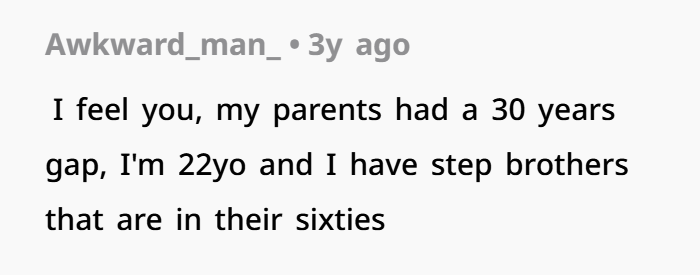
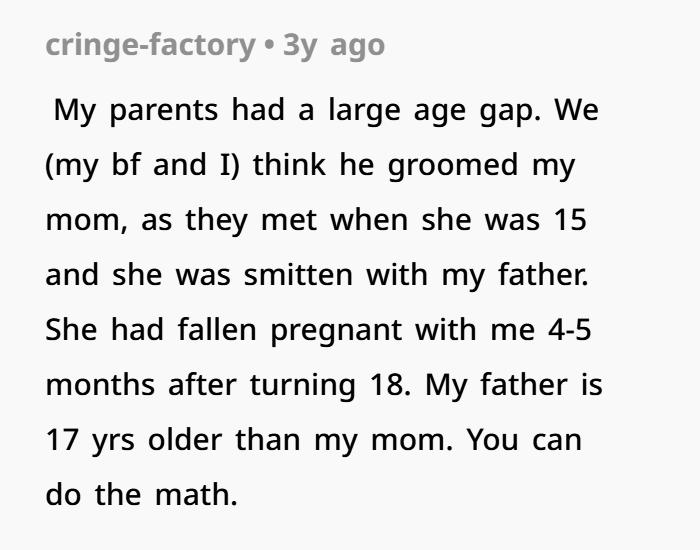
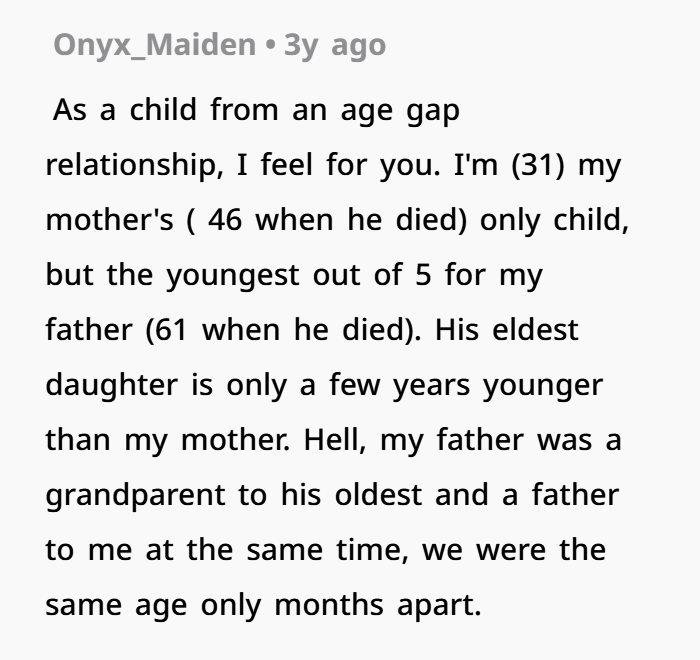
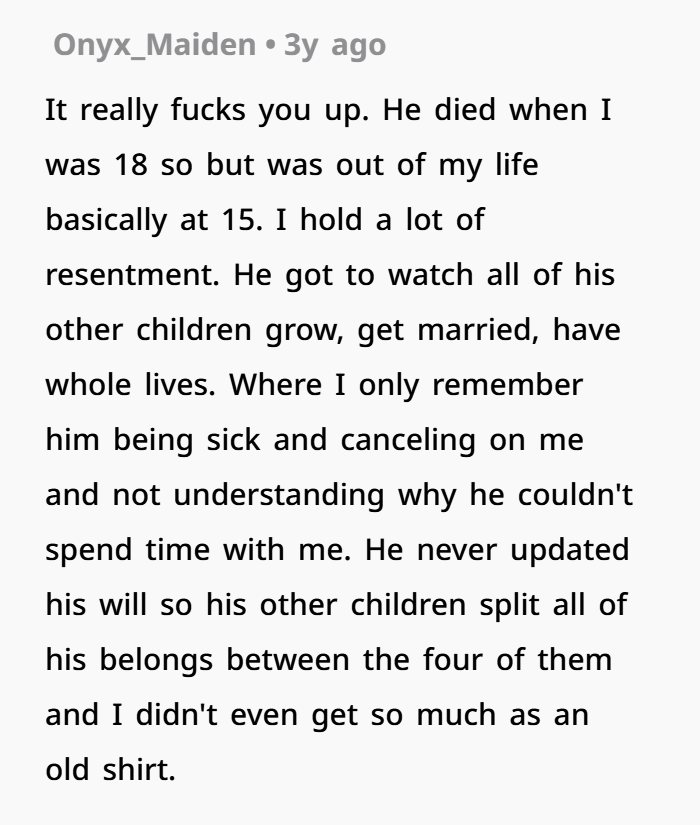
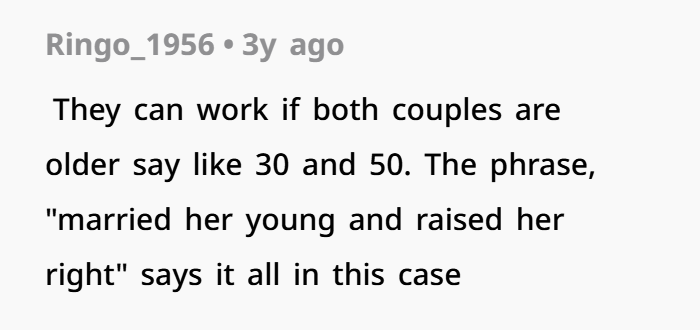
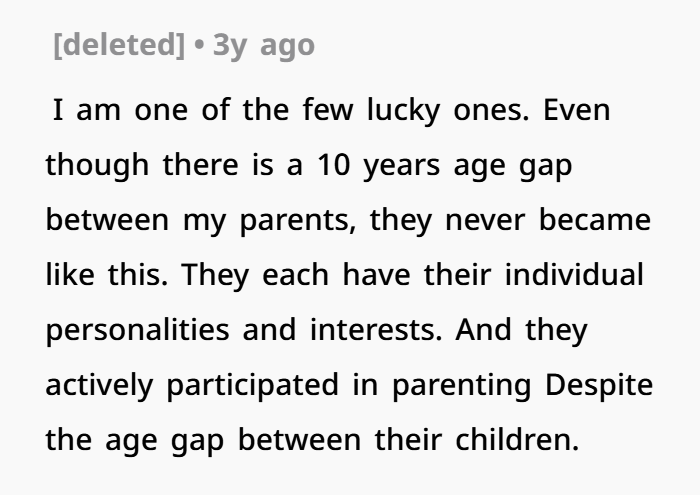
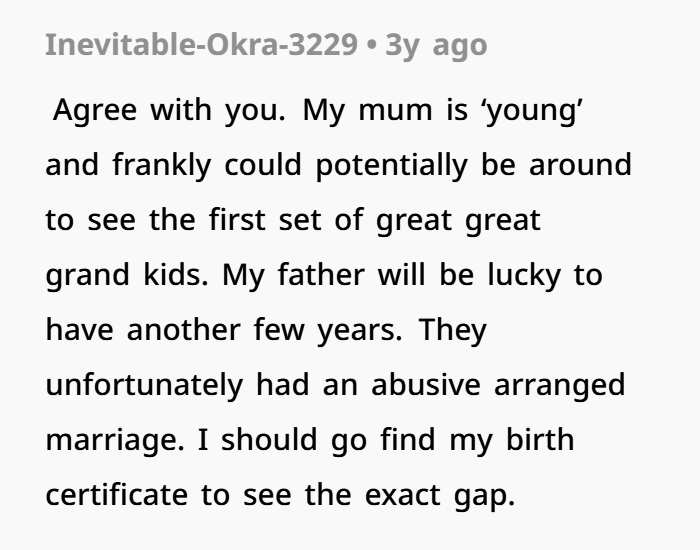
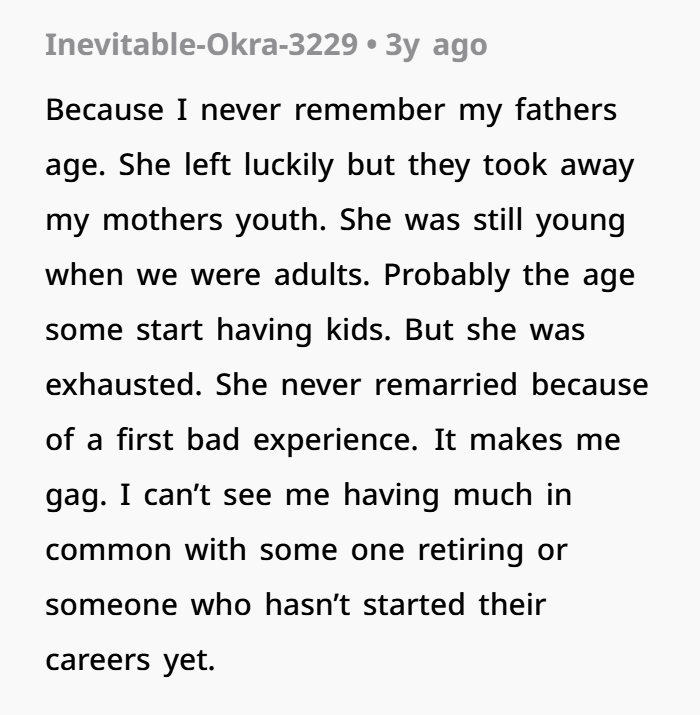
Many people in the comments actually expressed sympathy for both the author and her mom, and cited their own similar stories as well

Final Thoughts
A large age difference does not automatically make a relationship unhealthy.
Many couples successfully build loving families despite different ages.
However, large age gaps can bring unique challenges that require honest communication, financial planning, emotional independence, and strong family boundaries.
The most important things are not just age or numbers.
They are:
- Respect
- Trust
- Emotional support
- Shared goals
- Healthy communication
A strong relationship is built when both people continue growing as individuals while also building a life together.