My “Friend” at Work Crossed a Line I Can’t Forgive

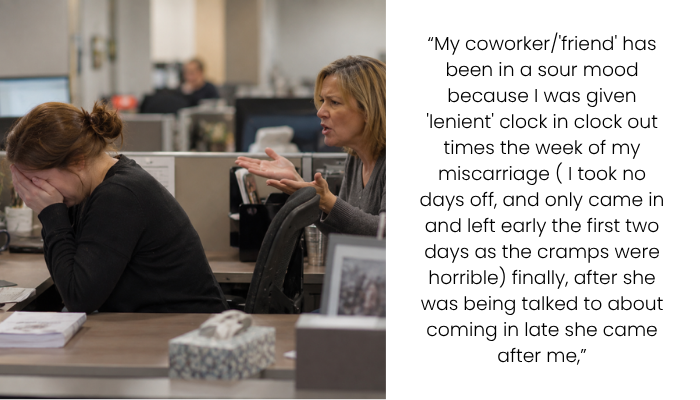
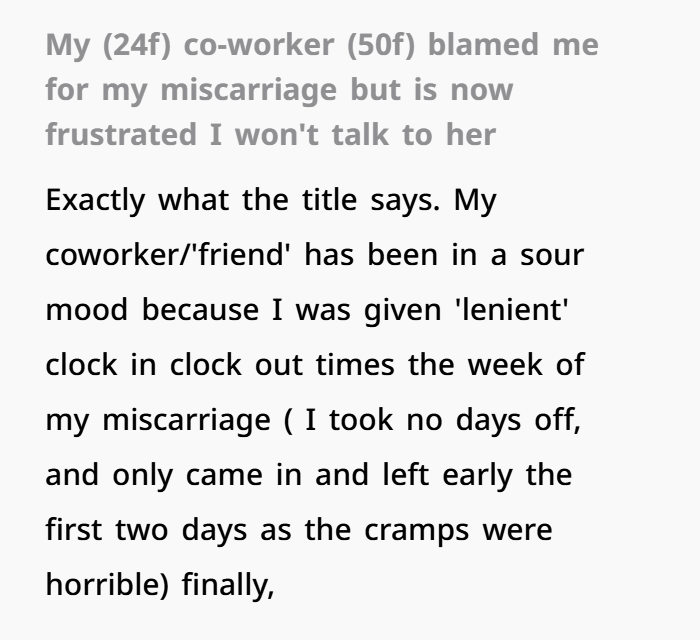
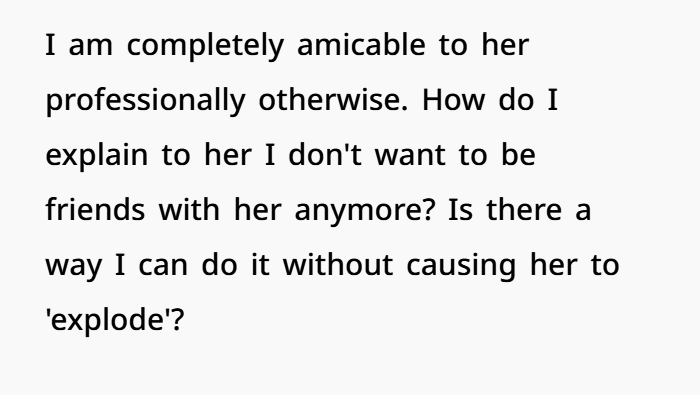
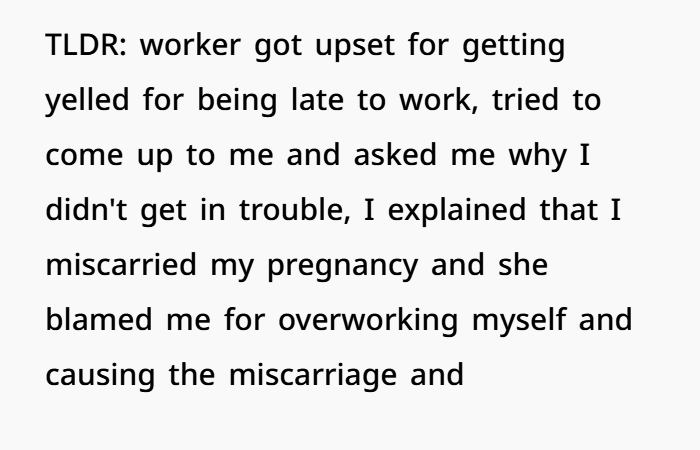
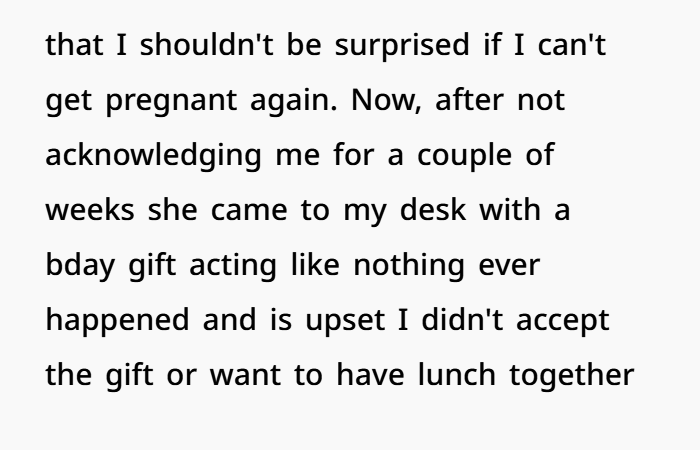
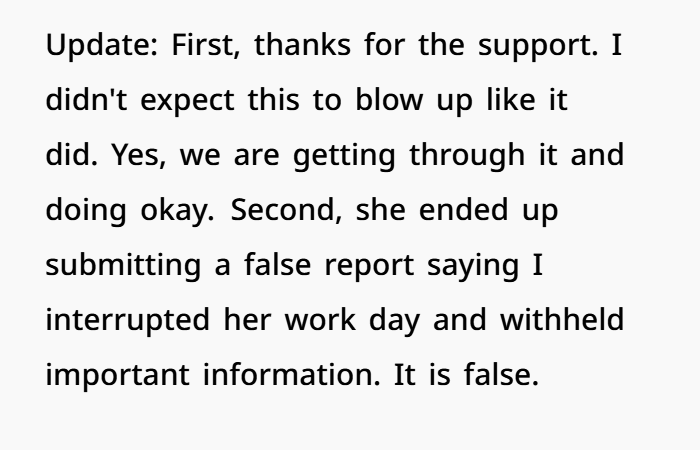
A workplace disagreement became a very painful experience for one young woman who was already dealing with a difficult personal loss. The 24-year-old employee had recently experienced a miscarriage and continued going to work while handling physical recovery, emotional stress, and grief. During that time, her manager allowed some flexibility with her schedule so she could manage her health and personal situation.
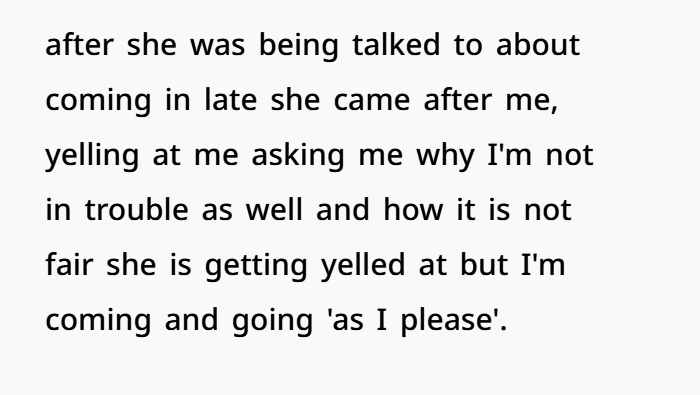
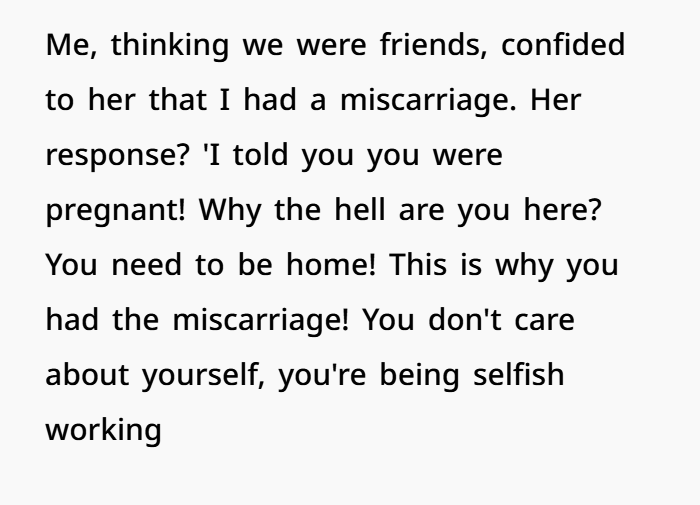
The conflict started when an older coworker became upset after being questioned about arriving late to work. The coworker noticed that the younger employee had different schedule arrangements and wanted to know why she was not receiving the same treatment. Believing they had a good relationship, the woman explained that she was given support because she was recovering from a miscarriage.
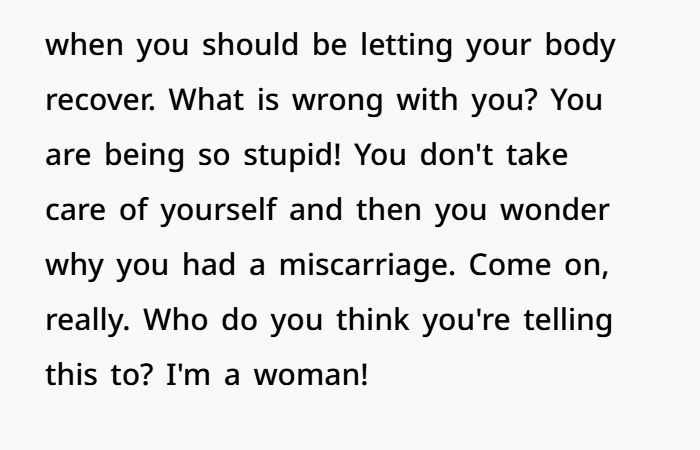
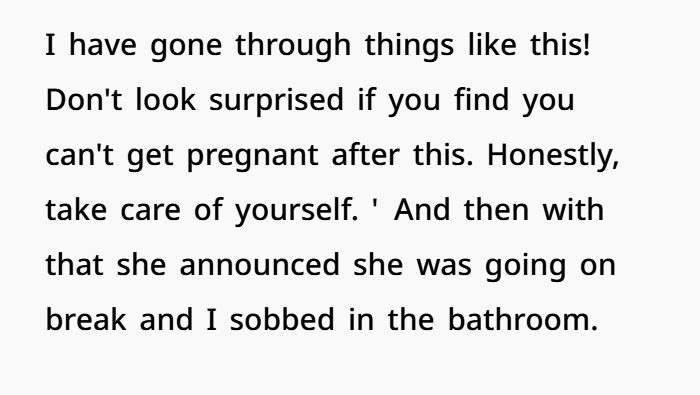
Instead of offering kindness, the coworker responded with hurtful comments. The woman says she was blamed for the pregnancy loss and told things that deeply affected her emotionally. The conversation left her feeling upset and alone while trying to manage both personal grief and workplace stress.
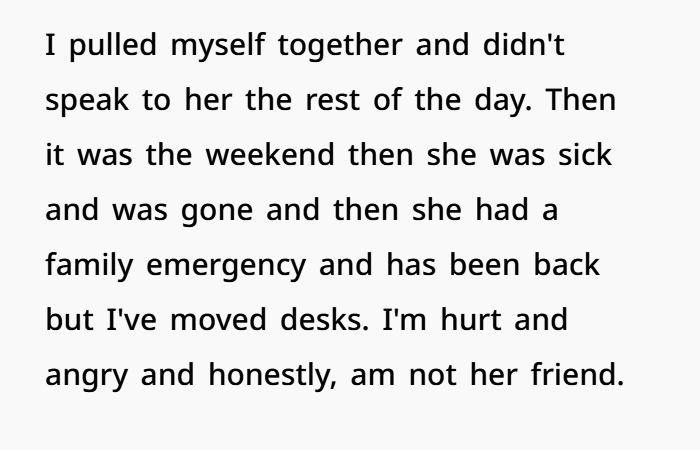
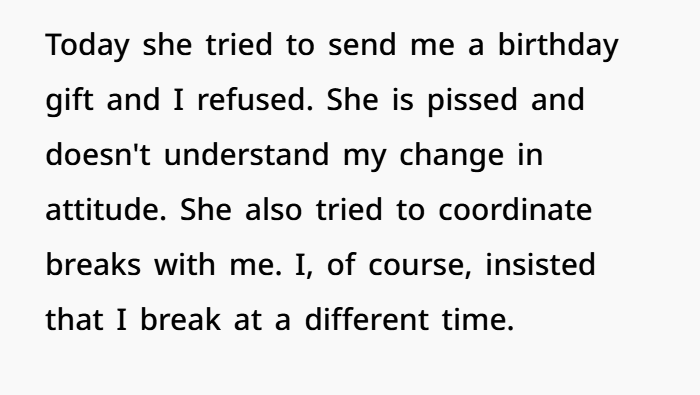
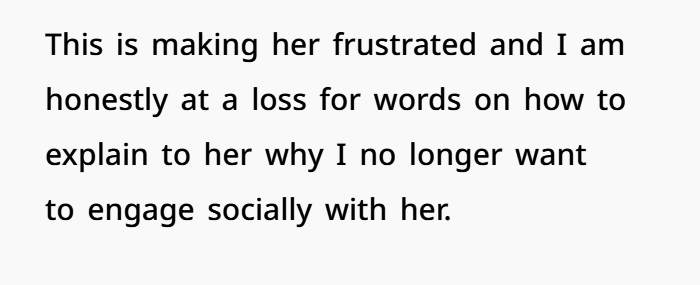
A few weeks later, the coworker began acting as if nothing had happened, trying to make plans and continue their usual work relationship. However, the woman felt that the trust between them had already been damaged. The situation later became a workplace conflict involving complaints, communication problems, and concerns about professional boundaries. This story highlights the importance of empathy, respectful workplace behavior, and emotional support for employees going through difficult life experiences.

When Workplace Conflict Hurts More: The Emotional Impact of Pregnancy Loss and Broken Trust
Some workplace situations are painful because they involve two difficult experiences at the same time:
Pregnancy loss and emotional stress at work.
Both can be extremely challenging on their own. When they happen together, the emotional impact can feel overwhelming.
This story is difficult because the original problem was not even about the pregnancy loss.
It started with a workplace disagreement about attendance and responsibility.
How Workplace Resentment Can Create Bigger Problems
The conflict began when one employee was criticized for being late often.
Instead of focusing on improving her own situation, she compared herself to another coworker who had received temporary flexibility during a very difficult personal situation.
That comparison created resentment.
However, the two situations were not the same.
One employee was dealing with pregnancy loss and trying to continue working while experiencing physical and emotional pain. Receiving understanding from an employer during a serious life event is different from receiving unfair treatment.
In many workplaces, misunderstandings happen when employees believe someone is receiving “special treatment.” Without proper communication, those feelings can turn into frustration and conflict.
Why Comments About Pregnancy Loss Can Be Extremely Hurtful
One of the most painful parts of this situation was the way the coworker spoke about the miscarriage.
Pregnancy loss can already bring many difficult emotions. Many women experience sadness, grief, confusion, and even feelings of guilt.
Some may quietly wonder:
- Did I do something wrong?
- Could I have prevented it?
- Was my stress responsible?
- Did I make a mistake?
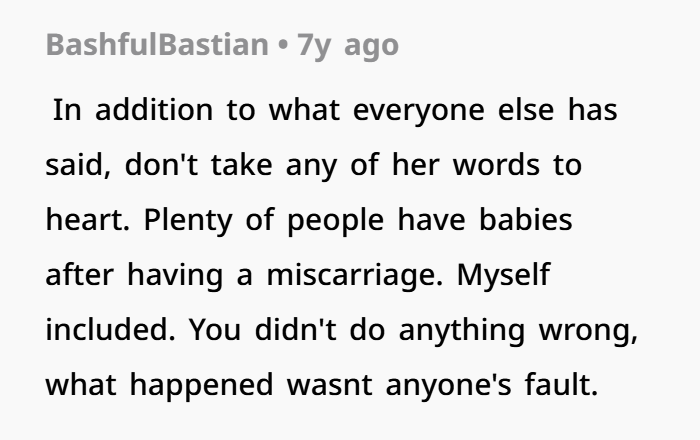
In reality, many miscarriages happen because of medical reasons outside a person’s control.
But emotions do not always follow facts.
That is why blaming someone for pregnancy loss can be deeply harmful.
A person going through grief usually needs kindness, understanding, and emotional support — not criticism.
The Importance of Compassion During Difficult Times
When someone is experiencing a personal loss, the way others respond can leave a lasting impression.
A supportive coworker might offer:
- Understanding
- Respect
- A listening ear
- Professional kindness
A hurtful comment, especially during a vulnerable moment, can damage trust for a long time.
Sometimes people do not realize how powerful their words can be.
A sentence said during anger may stay with someone for years.
Why the Friendship May Not Recover
After a serious emotional hurt, relationships often change.
The coworker later tried to return to normal by offering friendly gestures and acting as if things were the same.
But rebuilding trust usually requires more than acting friendly.
It often requires:
- A sincere apology
- Taking responsibility
- Understanding the other person’s feelings
- Respecting their healing process
A person cannot decide when someone else should stop feeling hurt.
Everyone processes grief and emotional pain differently.
Workplace Boundaries Can Be Healthy
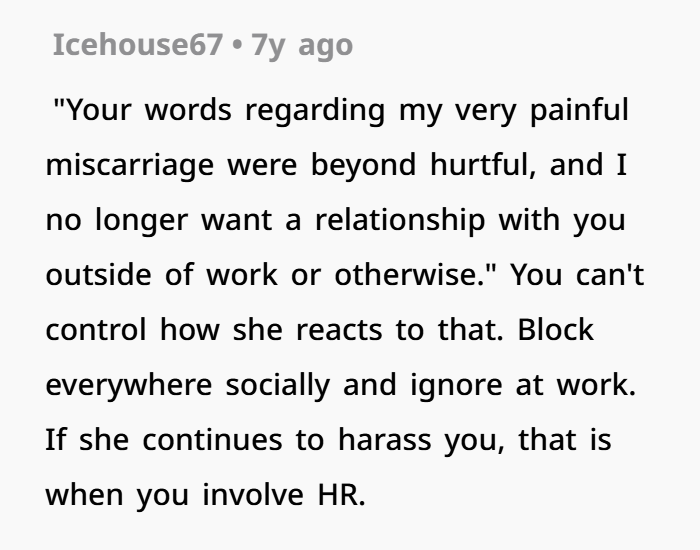
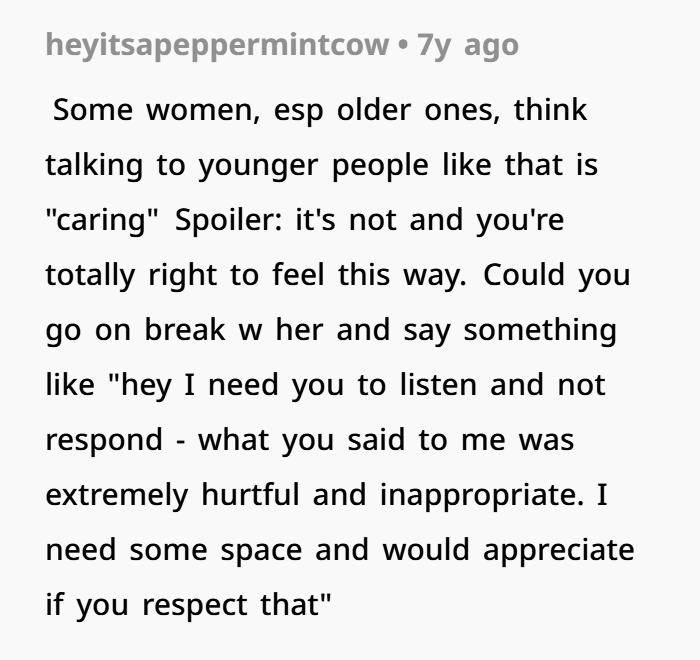
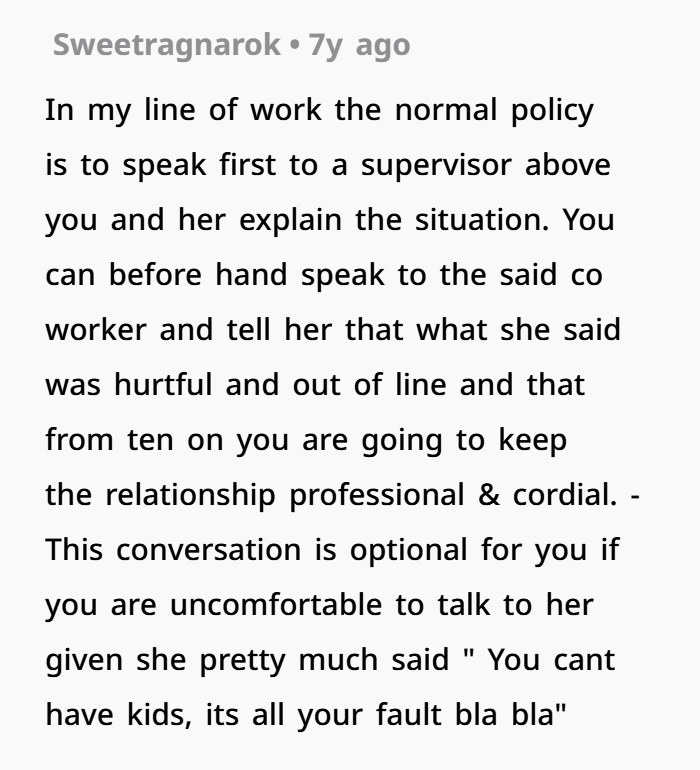
After the conflict, the employee chose to keep the relationship professional.
This can be a healthy workplace boundary.
Not every coworker relationship has to continue as a personal friendship.
People can still be respectful and professional while protecting their emotional wellbeing.
A healthy workplace does not require employees to share personal relationships with everyone around them.
The Challenge of Handling Conflict at Work
Workplace conflicts can become complicated because people still need to interact every day.
Unlike personal relationships, employees often cannot simply avoid someone who has hurt them.
They may need to:
- Communicate professionally
- Complete daily tasks
- Attend meetings together
- Maintain a respectful environment
This can be emotionally difficult, especially after a painful experience.
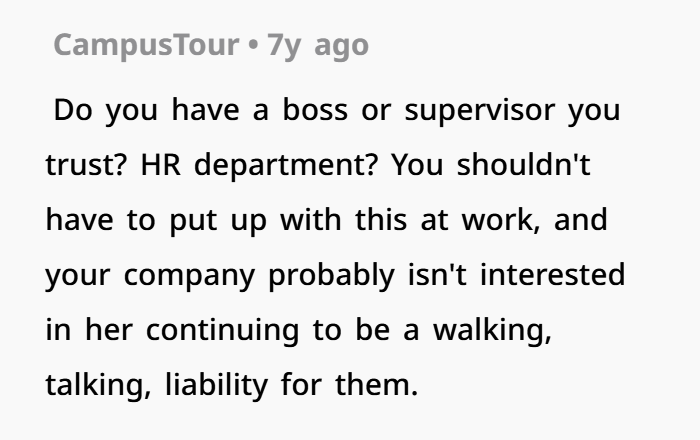
That is why many companies focus on strong HR policies, workplace communication, and employee wellbeing programs.
When Workplace Complaints Become Serious
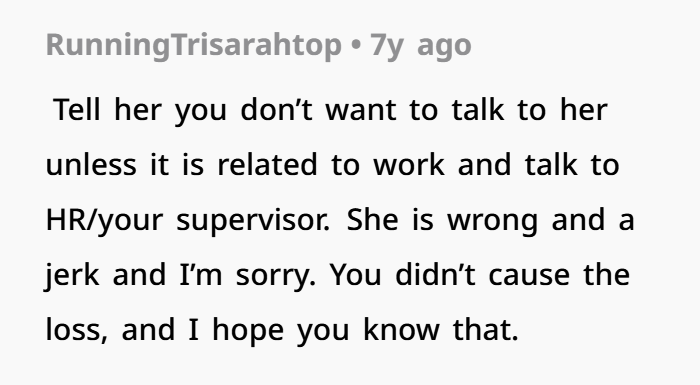
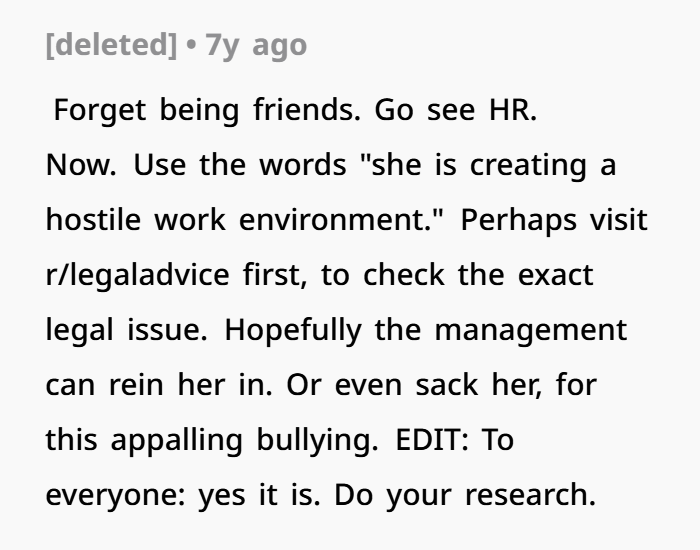
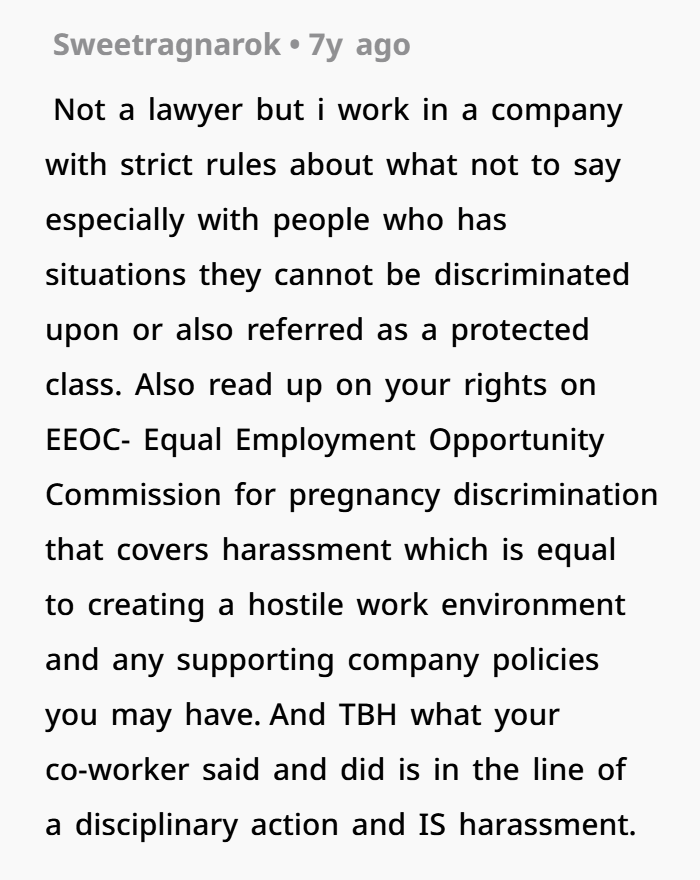
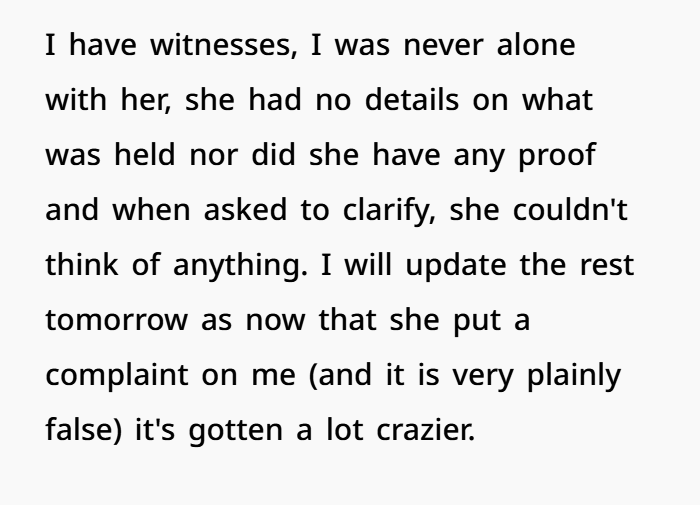
The situation became more complicated when a workplace complaint was made after the friendship ended.
In any workplace conflict, facts and documentation matter.
Clear communication, written records, and witnesses can help provide a fair understanding of what happened.
Workplaces should handle complaints carefully and focus on evidence rather than personal disagreements.
False or unsupported complaints can damage trust between employees and create unnecessary stress.
The Difference Between Coworkers and True Friends
One important lesson from this situation is that workplace closeness does not always mean emotional safety.
Coworkers may spend many hours together. They may share personal stories, have lunch together, and talk about their lives.
But true friendship is often shown during difficult moments.
A supportive friend does not judge someone when they are already struggling.
They offer compassion.
Healing After Emotional Betrayal
Pregnancy loss is not only a physical experience. For many people, it is also an emotional journey.
The physical recovery may happen faster than the emotional healing.
People may continue carrying grief long after returning to work and daily routines.
That is why support from family, friends, healthcare professionals, and understanding coworkers can be so important.
The Importance of Kindness and Respect
The biggest lesson from situations like this is simple:
People remember how they were treated during their hardest moments.
A workplace should be a place where employees can feel respected and supported.
Disagreements will happen. People will make mistakes.
But empathy, accountability, and respectful communication can prevent small conflicts from becoming deeply painful experiences.
Sometimes relationships can be repaired.
Sometimes they cannot.
Either way, everyone deserves kindness when they are facing one of life’s most difficult moments.
See The Comments Below