A Stranger Tried to Sit in My Mom’s Seat at My Own Wedding?!

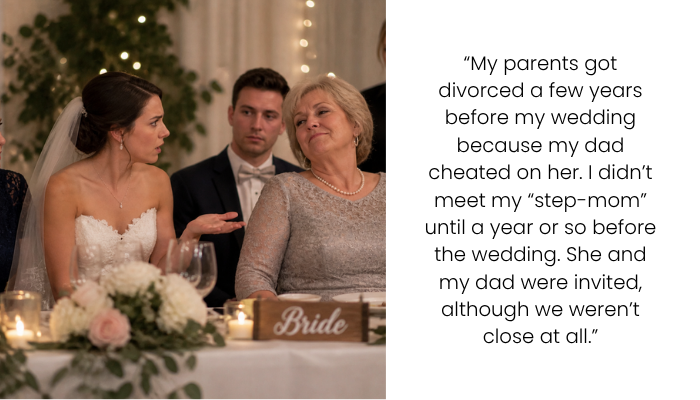
This story started as a beautiful and emotional wedding celebration. The couple planned a small wedding with around 80 guests because they wanted an intimate and meaningful day. The bride’s mother helped with many of the wedding details and played an important role in making the event special. Because of the support she had given her daughter, she was seated next to the bride at the reception.
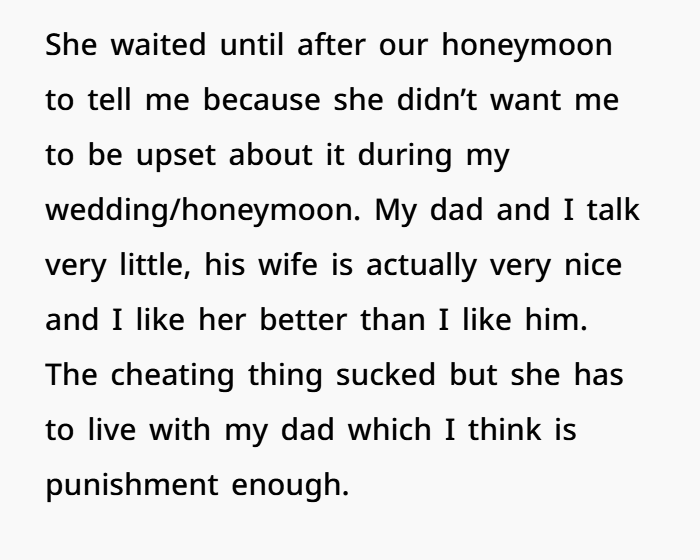
The seating arrangement also had emotional meaning because the bride’s parents had gone through a difficult divorce after her father was unfaithful. The bride felt especially close to her mother and wanted her to have an important place during the wedding celebration.
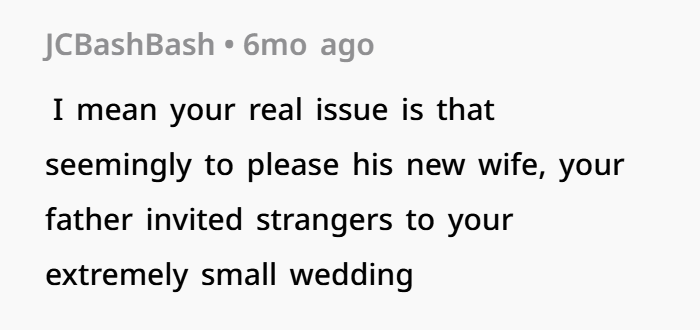
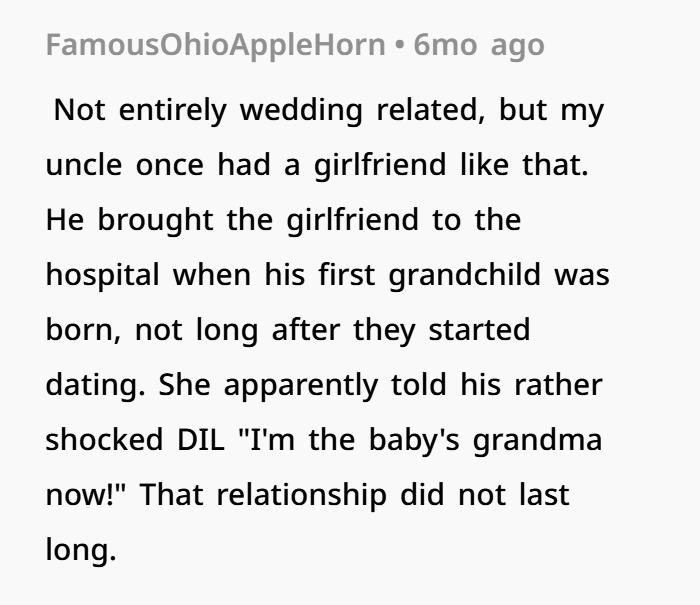
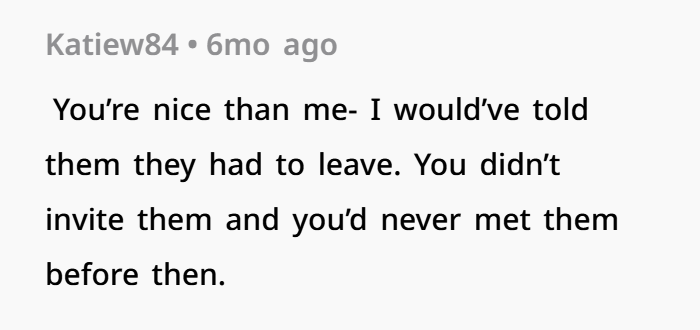
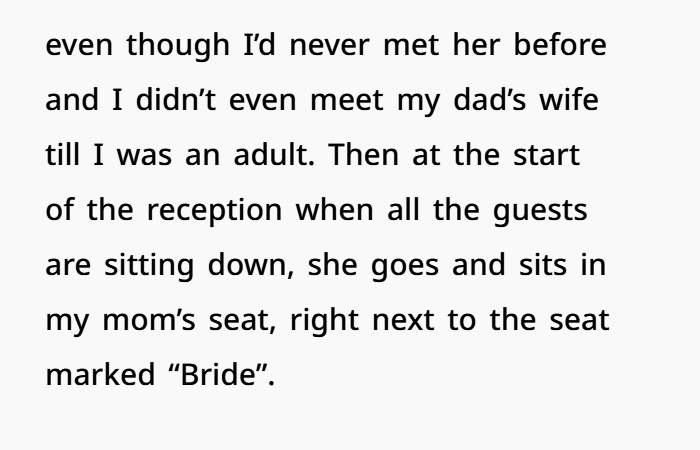
The situation became uncomfortable when the bride’s father arrived with members of his new wife’s family. Some of these guests were strangers to the bride and had not been part of her life before. One family member from the new wife’s side started acting very close to the bride and even referred to herself as “grandma,” which made the situation feel awkward because there was no existing relationship.
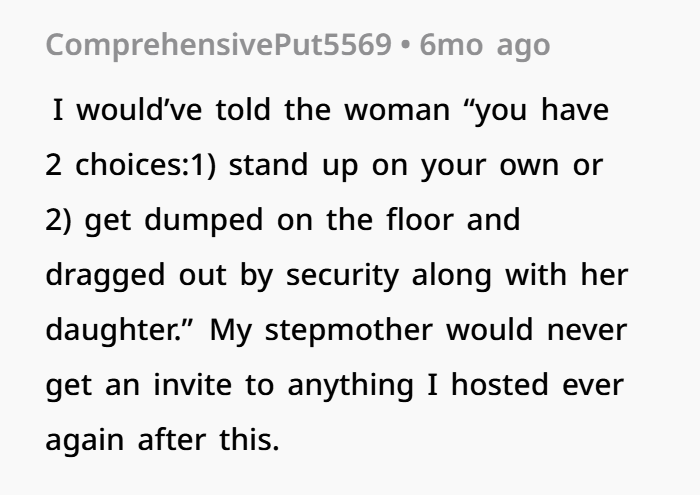
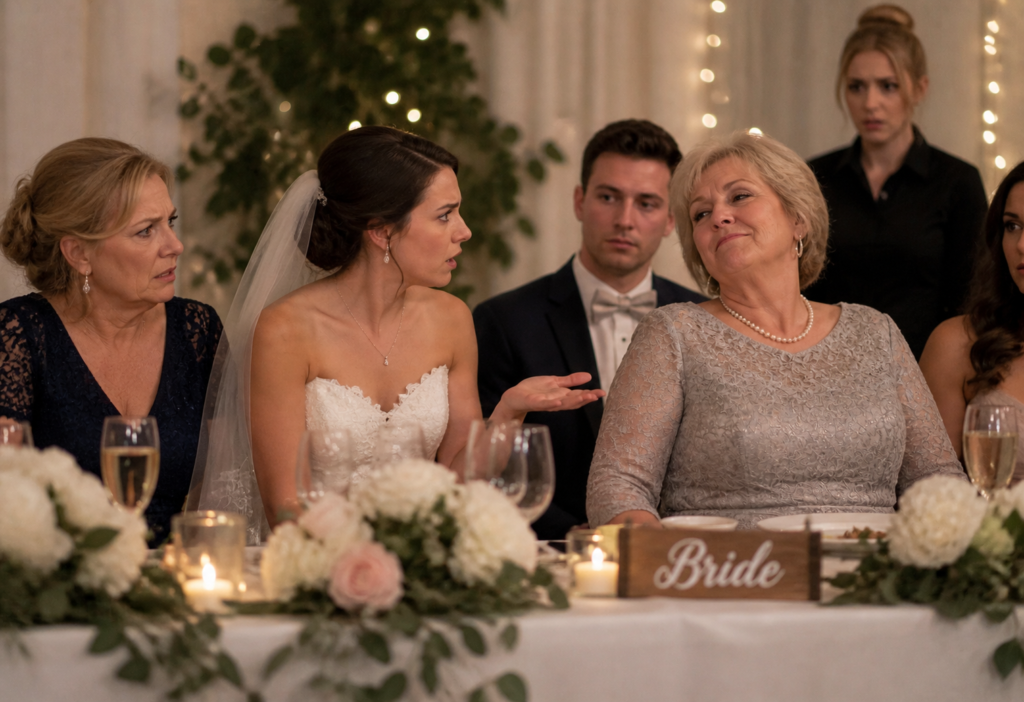
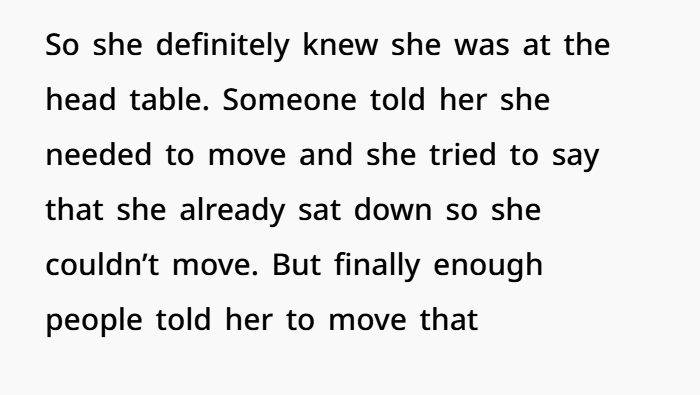
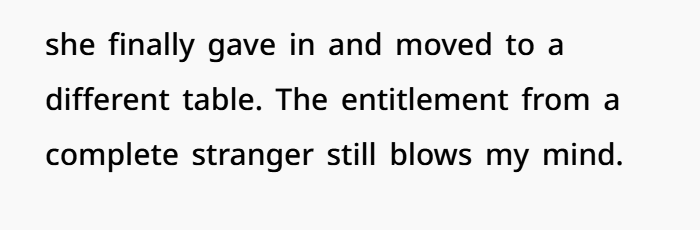
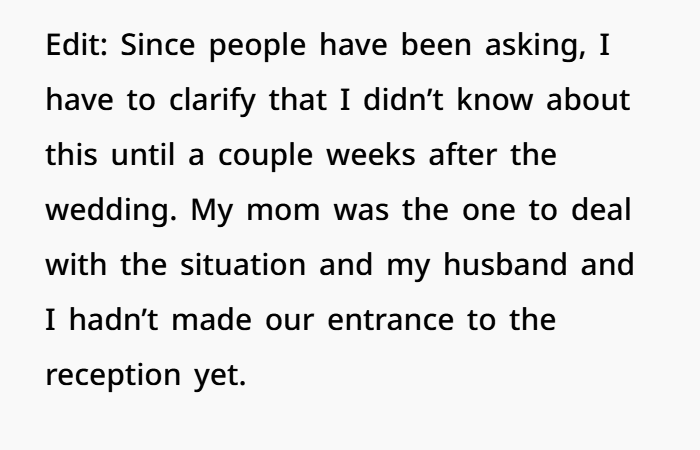
The biggest issue happened during the wedding reception when this guest sat in the seat reserved for the bride’s mother at the head table. When others explained that the seat was already taken, she reportedly refused to move at first. Several people had to step in before the seating issue was resolved. The bride did not find out about the situation until weeks later because her mother chose to handle it quietly and protect her daughter’s special day. The story highlights the importance of respecting wedding boundaries, family relationships, and the emotional meaning behind important celebrations.
Wedding Etiquette: When Guest Boundaries Create Family Tension
At first, this story may sound like a small wedding problem.
Someone sat in the wrong seat.
But when you look deeper, it becomes a story about wedding etiquette, family relationships, and respecting boundaries.
Weddings are not just casual parties.
They involve months of planning, careful decisions, and emotional meaning. Every detail, including the seating arrangement, usually has a purpose.
Why Wedding Seating Matters
At many weddings, seating is planned carefully.
The head table or special seating area is usually reserved for important people in the couple’s life, such as:
- The newly married couple
- Parents
- Siblings
- The wedding party
- Very close loved ones
These seats are not only about comfort.
They often represent relationships and the people the couple wants closest during the celebration.
That is why taking a reserved seat without permission can feel disrespectful.
A Mistake Is Different From Ignoring a Request
Sometimes guests make honest mistakes.
Large wedding venues can be confusing. Signs may not be clear, and people may not understand where they should sit.
That happens.
However, the situation changes when someone is told a seat is reserved and still refuses to move.
At that point, the issue is no longer simple confusion.
It becomes a matter of respecting the couple’s wishes and the event planning decisions.
The Bigger Issue: Family Boundaries
The seating problem was connected to a bigger family situation.
The bride came from a blended family.
Her parents had divorced, and her father later remarried. The bride had only met her stepmother as an adult, so their relationship was respectful but not deeply connected.
Then, at the wedding, members of the stepmother’s family appeared and acted very close to the bride.
This created an uncomfortable situation.
In blended families, relationships usually take time to build.
People do not automatically become close family members just because a marriage connects them.
Why Family Titles Can Feel Sensitive
Family names and titles can carry a lot of meaning.
Words like “grandma,” “aunt,” or “family” often represent years of love, trust, and shared memories.
Some people may use these titles because they want to feel included.
However, others may feel uncomfortable if those roles are taken too quickly.
Healthy family relationships usually grow naturally over time.
Respect and connection cannot be forced.
When People Try Too Hard to Belong
Sometimes people who feel like outsiders try very hard to become part of a group.
They may act overly familiar because they want acceptance.
This does not always come from a bad place.
They may simply want to feel included.
However, good intentions do not always prevent people from crossing social boundaries.
The best approach is to build relationships slowly and respect existing connections.
The Bride’s Mother Handled the Situation Well
One of the most positive parts of this story was how the bride’s mother responded.
Instead of creating a public argument, she quietly handled the situation.
She made sure the seating plan stayed correct and protected her daughter’s wedding experience.
She did not create stress during the celebration.
This type of calm problem-solving is valuable during important events.
Managing Conflict During a Wedding
Wedding planning often involves unexpected problems.
Professional wedding planners know that not every issue needs a dramatic reaction.
Sometimes the best solution is handling a problem quietly and quickly.
This helps protect:
- The couple’s happiness
- The guest experience
- The overall event atmosphere
Keeping a small problem from becoming a major conflict is an important event management skill.
The Role of Communication in Blended Families
Another important part of this situation is communication.
When families combine, clear expectations are important.
Parents and new family members should discuss:
- Guest lists
- Family roles
- Event responsibilities
- Personal boundaries
Good communication can prevent uncomfortable situations.
Without clear conversations, people may make assumptions that create tension.
The Importance of Supporting the Couple’s Wishes
A wedding belongs to the couple getting married.
Their choices about:
- Guests
- Seating
- Traditions
- Event details
should be respected.
Family members may have their own feelings, but the couple’s comfort and happiness should remain the priority.
The Main Lesson About Wedding Respect
This story was not really only about a chair.
It was about understanding boundaries.
A wedding is a meaningful event where every detail has emotional value.
Respecting someone’s seating plan, guest list, and family relationships is part of showing respect for their special day.
Good wedding etiquette is simple:
Ask before assuming.
Respect the couple’s decisions.
Understand that every role and every place has meaning.
At the end of the day, being part of someone’s celebration is a privilege.
The best guests are the ones who help make the day more joyful, not more stressful.
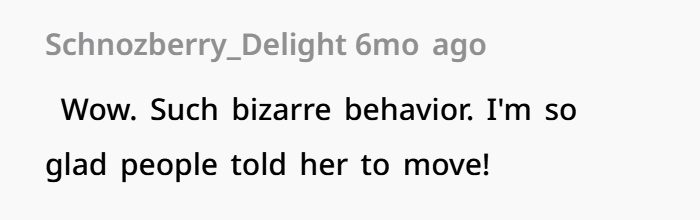
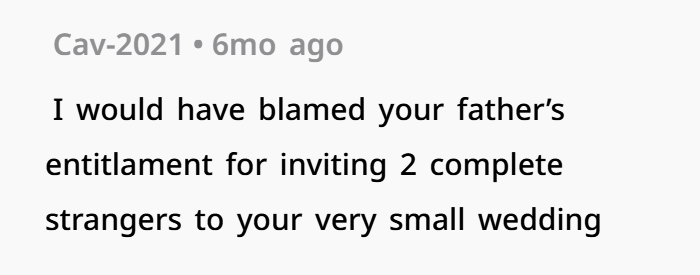
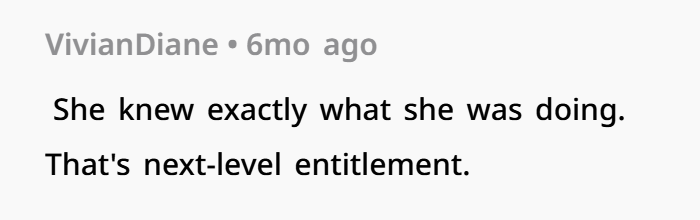
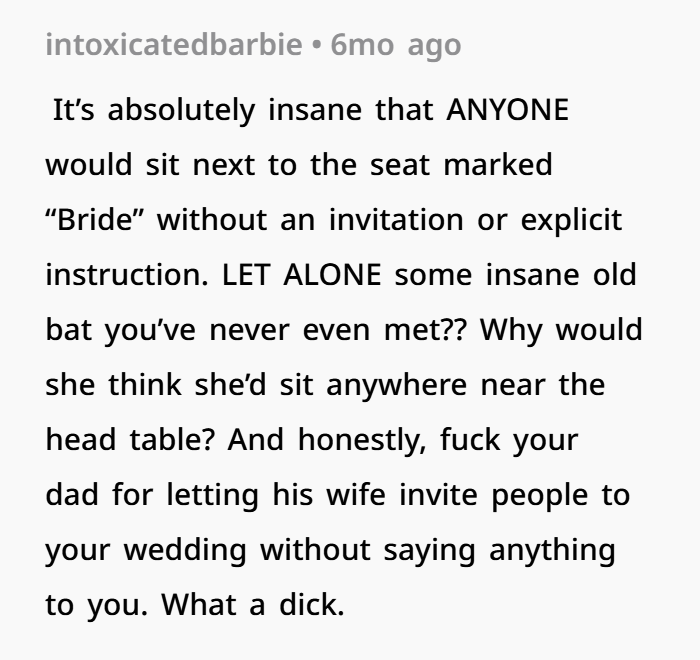
“Next level entitlement”: many people were shocked, but some agreed the dad was to blame