My Girlfriend Is Obsessed With the Kennedy Family and I Finally Snapped

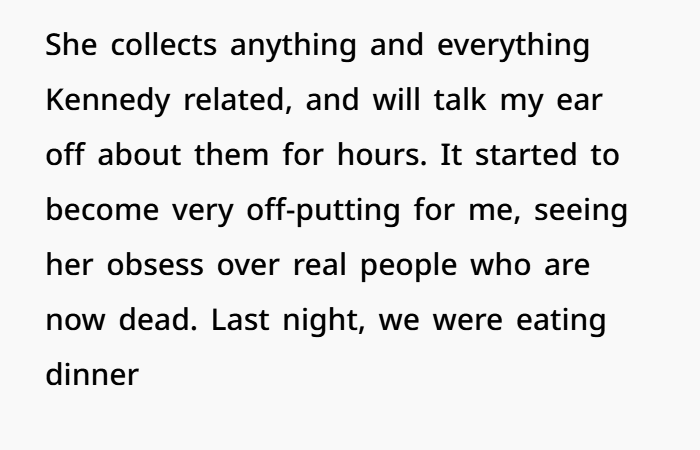
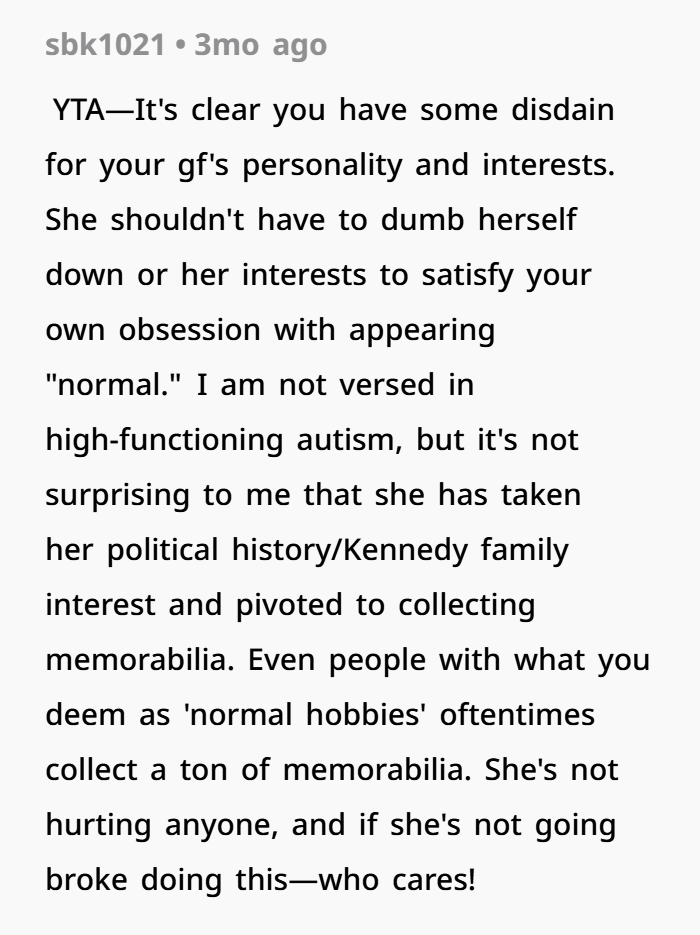
Sometimes relationship disagreements are about more than just one conversation. They can involve feelings, personal interests, and the way partners understand each other. In this story, a man shared that his girlfriend is autistic and has a strong interest in political history, especially the Kennedy family. What started as a simple hobby became a major passion for her over the years.
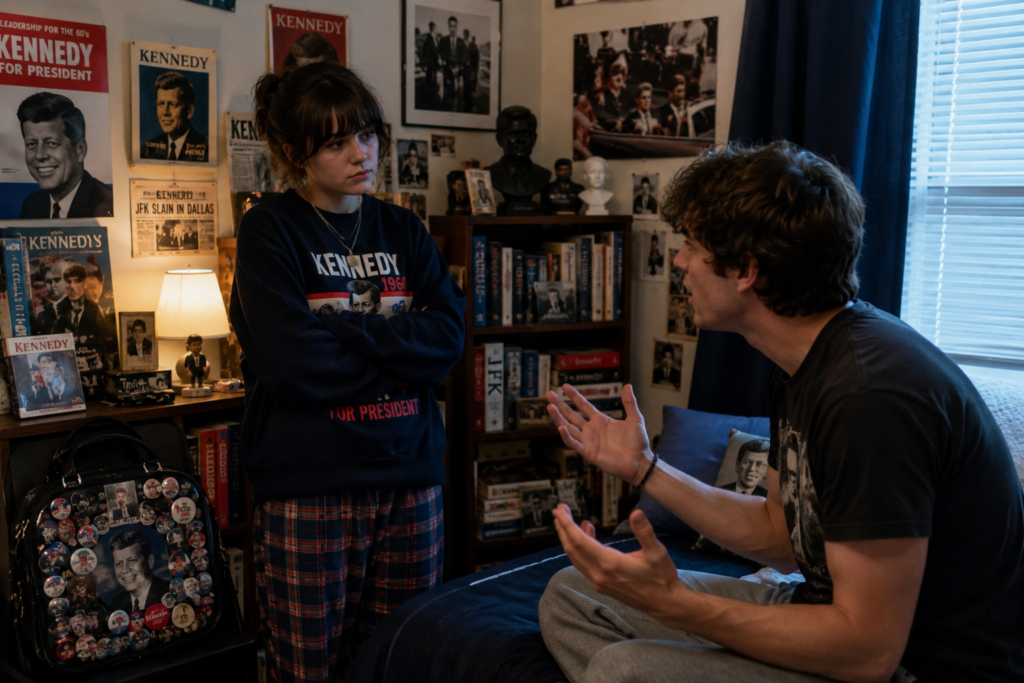
She enjoys learning about history, collecting related items, reading books, watching documentaries, and having detailed conversations about the people and events connected to that time period. At first, her boyfriend found the interest unique and interesting. However, after living together, he realized how important this hobby was in her daily life and personal identity.
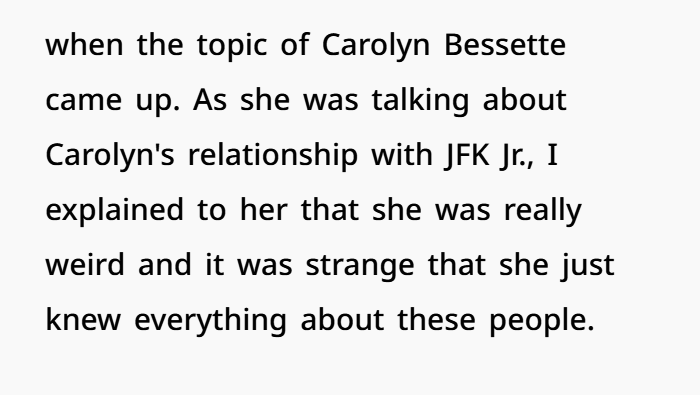
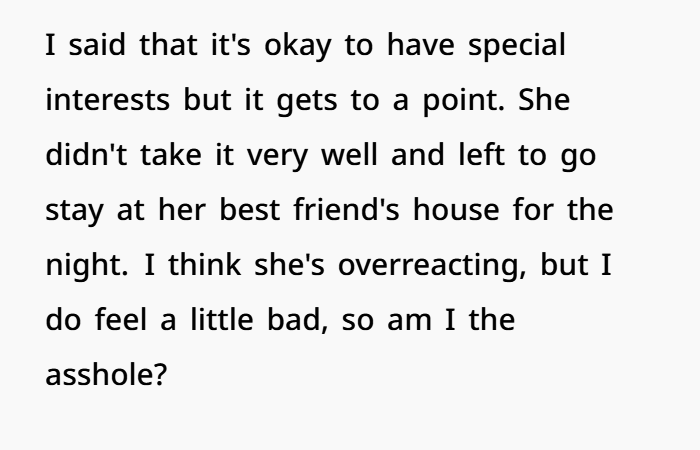
The conflict started during a conversation about Carolyn Bessette Kennedy and John F. Kennedy Jr. The boyfriend told her that he felt her level of interest was unusual and that he found it uncomfortable. He said he was only sharing his honest feelings, but his comments hurt her deeply. Instead of arguing, she quietly left and stayed with a close friend for some time.
Now he is thinking about whether he handled the situation the right way. He is wondering if his words were simply honest or if they hurt a sensitive part of her because of past experiences with criticism and feeling different from others. The situation highlights the importance of respect, communication, and understanding personal interests in relationships, especially when partners have different ways of expressing themselves.

When Different Interests Create Relationship Problems: A Story About Love, Autism, and Communication
Sometimes relationship problems are not really about the topic people are arguing about.
They are about feeling misunderstood.
This story may look like it is about a strong interest in John F. Kennedy, history, and collecting items.
But the deeper issue was about something many couples experience:
How do two people respect each other’s interests while also making space for their own emotional needs?
When a Hobby Becomes a Big Part of Someone’s Identity
Some people have hobbies they enjoy casually.
Others have interests that become a very important part of their life.
For many autistic people, special interests can be much deeper than normal hobbies. They can provide:
- Comfort
- Relaxation
- Emotional support
- A sense of routine
- A way to learn and explore
A special interest may involve years of research, collecting items, watching documentaries, reading books, and learning detailed information.
From one person’s perspective, this may feel like a meaningful passion.
It may be connected to their identity and happiness.
The Interest Itself Was Not the Main Problem
The Kennedy family is one of the most studied families in American history.
Many people research:
- Political history
- Presidential events
- Historical figures
- Famous families
- Cultural changes
Historians, students, collectors, and researchers spend years studying topics like these.
So having a strong interest in history is not unusual.
The challenge in this relationship was not the topic itself.
The challenge was how much space the interest took up in everyday life.
Living Together Can Change Relationship Dynamics
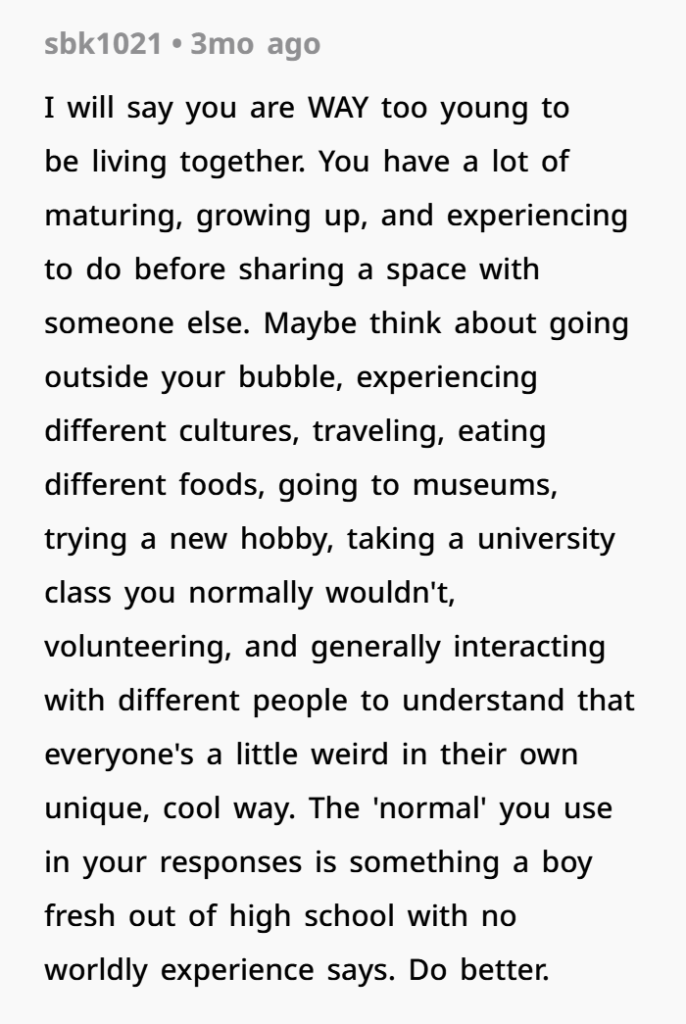
A hobby that seems harmless from a distance can feel different when two people share a home.
Books, collections, decorations, videos, and regular conversations about one subject can become part of daily life.
If one partner is deeply interested in a topic and the other partner does not share that same interest, the situation can become difficult.
The less interested partner may begin feeling:
- Overwhelmed
- Left out
- Emotionally tired
- Unable to connect on other topics
Those feelings do not mean they do not love their partner.
They simply mean balance is important.
Respect Matters More Than Shared Interests
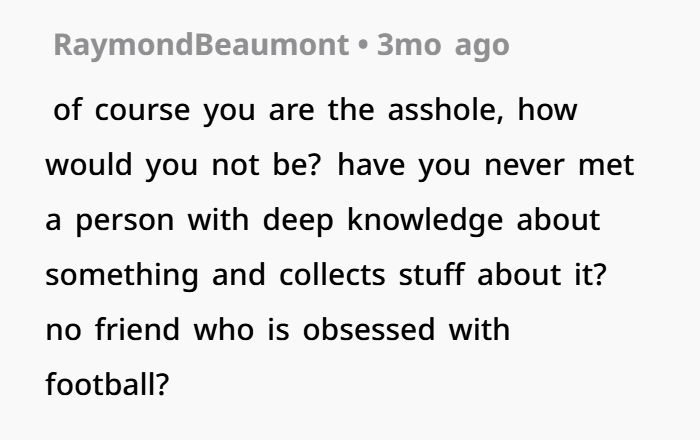
Healthy relationships do not require two people to love all the same things.
Partners can have different hobbies and passions.
One person may enjoy:
- History
- Sports
- Music
- Gaming
- Collecting
- Art
The other person may have completely different interests.
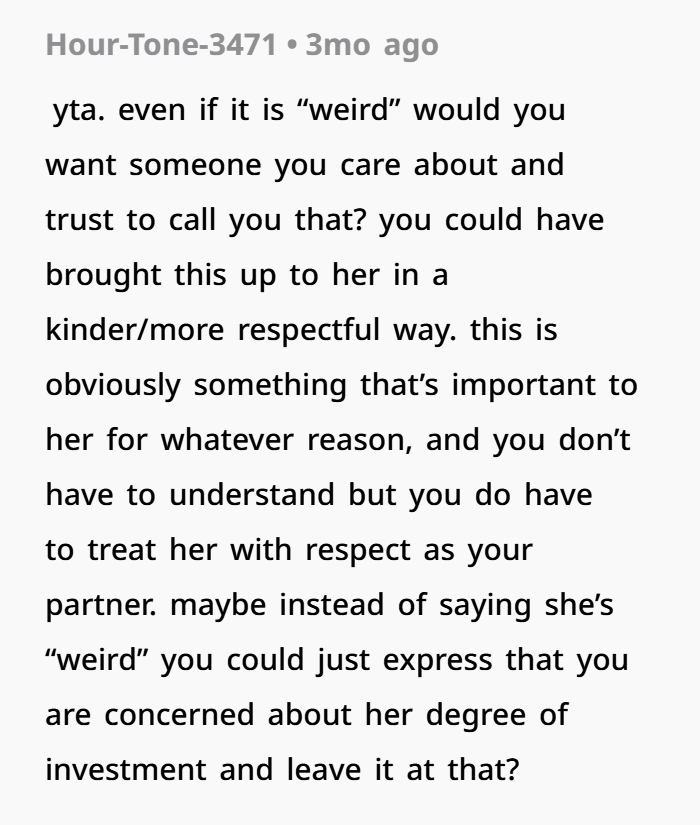
The important part is respecting each other.
There is a big difference between saying:
“I love how passionate you are, but I need some variety in our conversations.”
and saying:
“This interest is weird.”
One talks about balance.
The other can feel like a personal attack.
Why Words Can Hurt Deeply
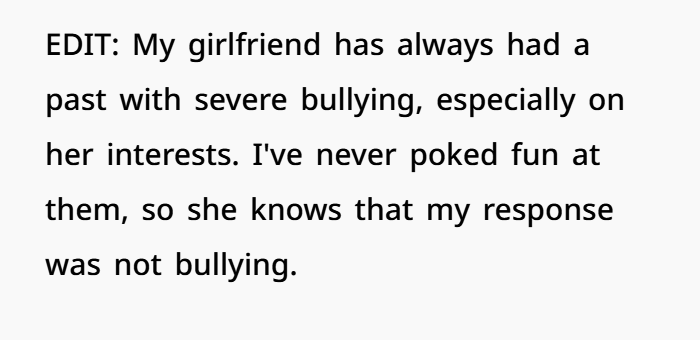
According to the story, she had experienced bullying related to being autistic and having strong interests.
Because of that history, certain comments may have felt especially painful.
Many autistic people grow up hearing negative messages about being:
- Too intense
- Too focused
- Different
- Unusual
When criticism comes from someone they trust, it can feel much more personal.
The issue may not only be the words themselves.
It may also be the feeling of not being accepted.
Understanding Emotional Reactions
The reaction in this story was not a loud argument.
Instead, she left the situation.
Sometimes people withdraw when they feel hurt or embarrassed.
For someone whose special interest provides comfort and emotional stability, feeling judged about that interest can feel like rejection.
This is why emotional safety matters in relationships.
Partners should feel that they can be themselves without fear of being mocked.
The Need for Better Communication
At the same time, both partners have valid needs.
One partner may need space from constant conversations about one topic.
The other partner may need acceptance and understanding.
A healthier conversation could sound like:
“I love seeing your passion, but I need some balance so we can enjoy other conversations too.”
This focuses on feelings and needs instead of criticizing someone’s personality.
Creating Balance in a Relationship
Healthy relationships require room for both people.
A good balance may include:
- Time for individual hobbies
- Shared activities
- Different conversation topics
- Respect for personal interests
- Clear communication
Supporting a partner does not mean pretending every interest is your own.
It means showing kindness while creating healthy boundaries.
Autism and Relationships
Autism affects people in different ways.
Some autistic people may experience:
- Deep interests
- Strong focus on certain topics
- Different communication styles
- A need for routines
These traits are part of who they are.
A partner does not need to understand every detail of an interest, but learning to respect differences can strengthen the relationship.
Learning From Different Perspectives
Many couples have differences.
One person may be highly social while the other enjoys quiet time.
One person may love routines while the other prefers flexibility.
Successful relationships are not built on being identical.
They are built on:
- Respect
- Patience
- Understanding
- Honest conversations
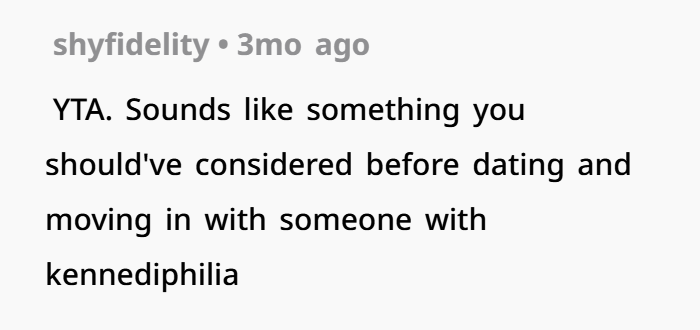
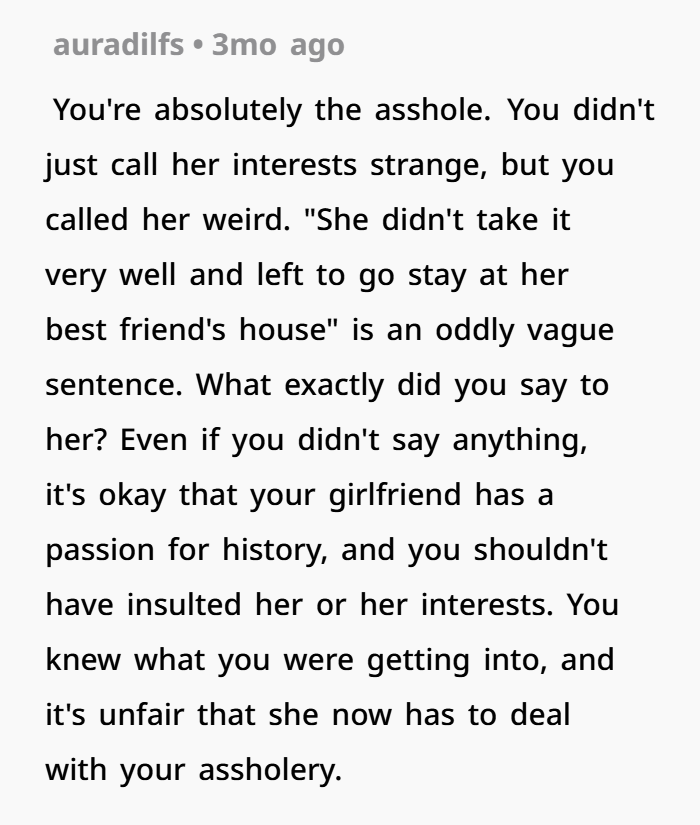
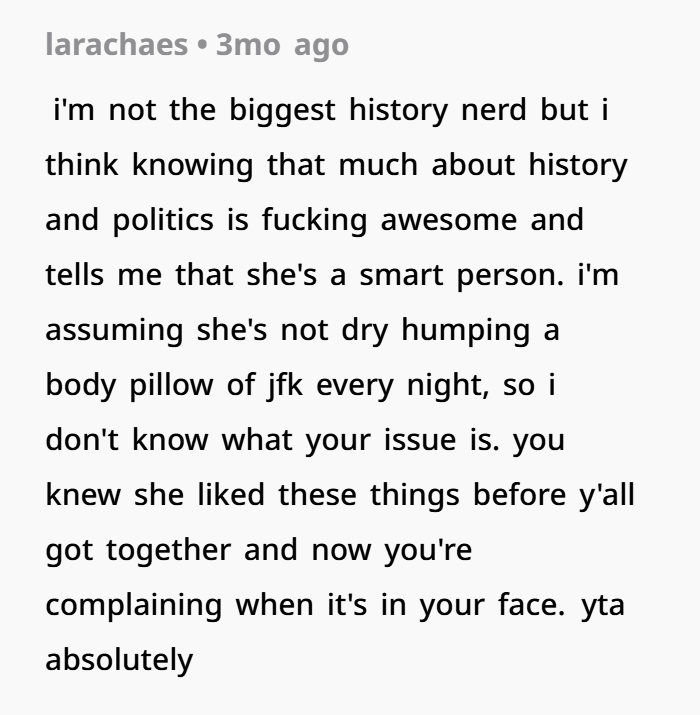
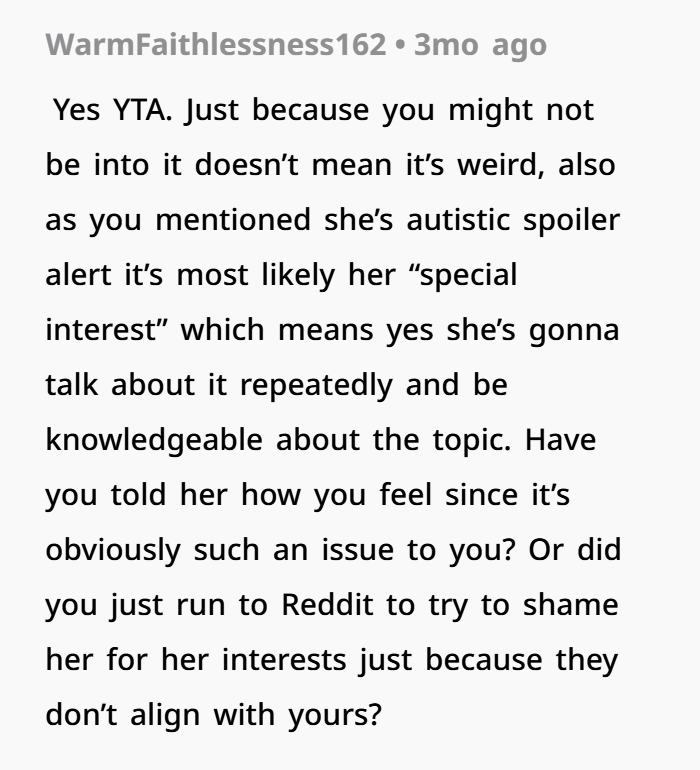
The Comments Are In
Final Thoughts
This story was never only about JFK history or a collection of items.
It was about feeling accepted and finding balance in a relationship.
Passion is not a problem.
Having different interests is not a problem.
The real challenge is learning how to support each other while making sure both people feel valued.
The strongest relationships allow people to be themselves while still creating space for their partner’s needs.