She Said “Wear Beige” So My MIL Wore a Literal Wedding Dress

A wedding day can sometimes bring unexpected family problems. While many families deal with small disagreements, one bride experienced a much more stressful situation with her mother-in-law. What started as a disagreement about wedding colors turned into a bigger family conflict.
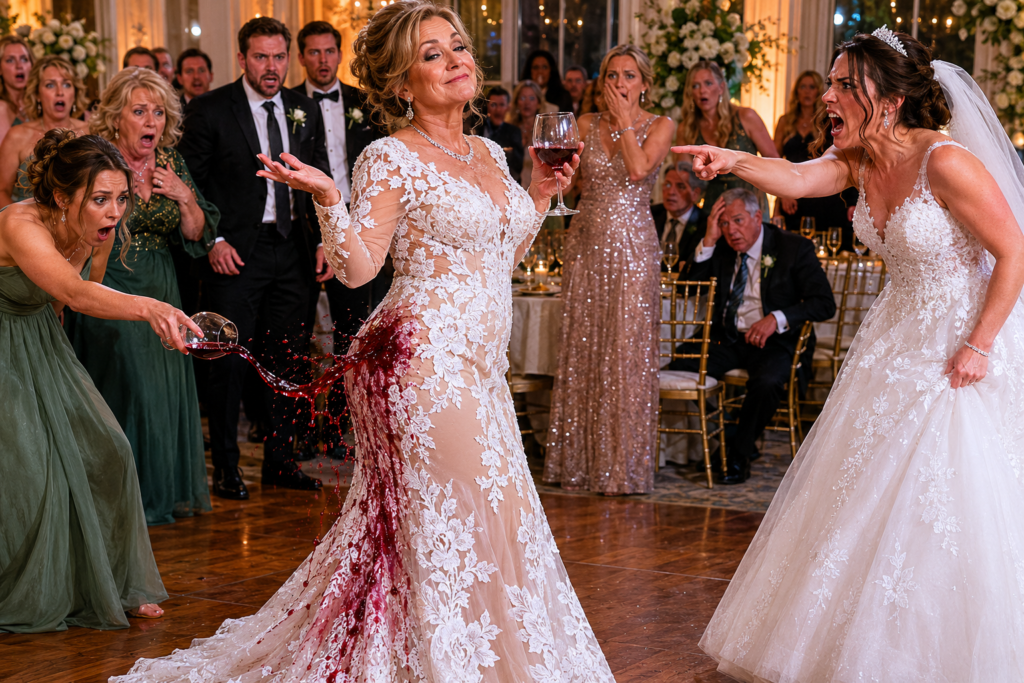
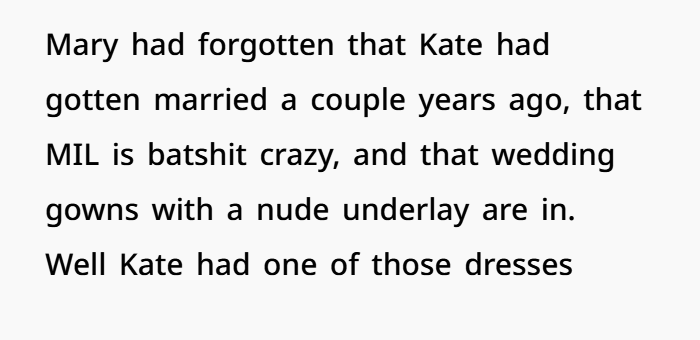
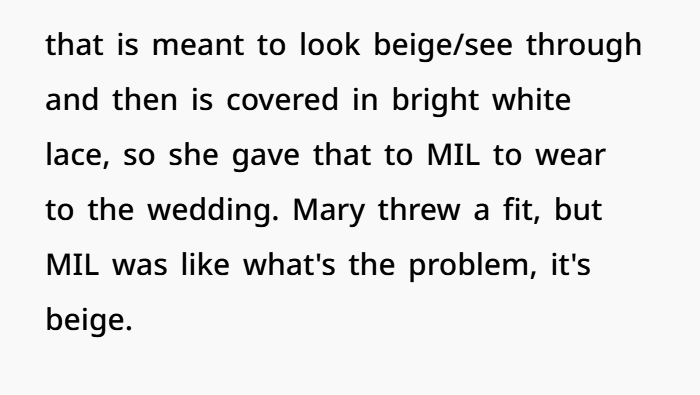
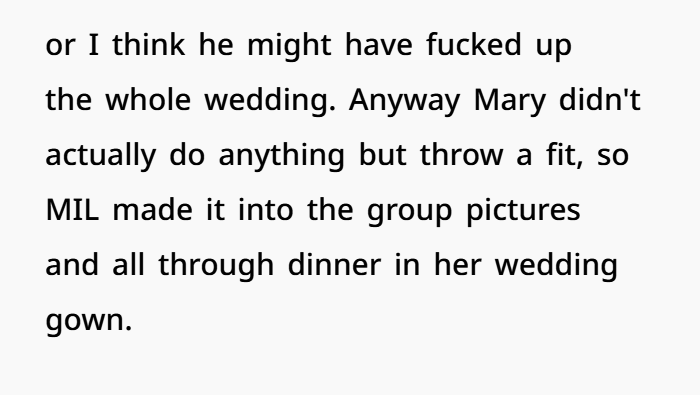
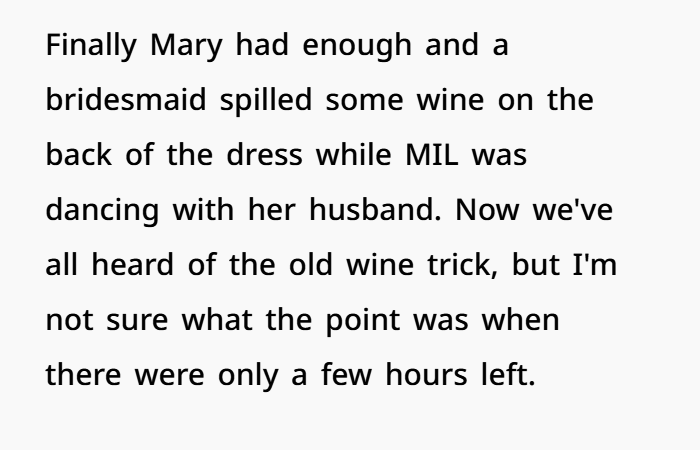
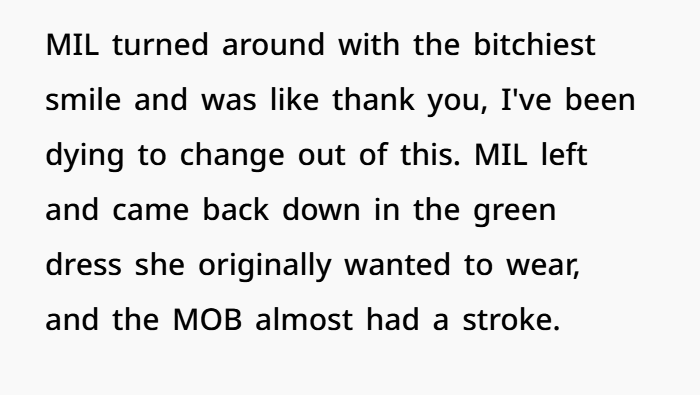
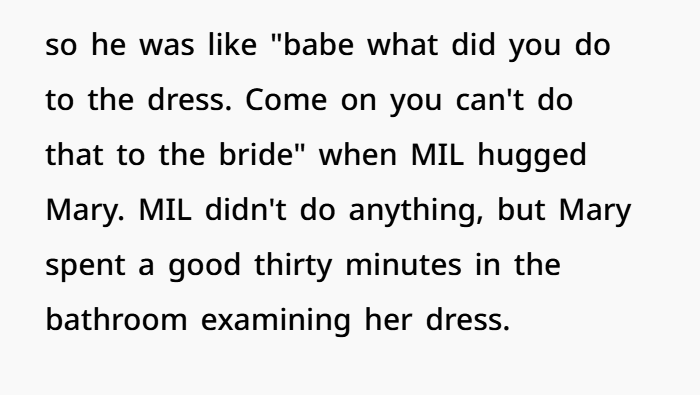
The bride asked her future mother-in-law to wear a simple beige outfit and not take attention away from the wedding. However, the mother-in-law arrived wearing a beige dress that looked very similar to a wedding gown. This made the bride feel uncomfortable and upset on an important day.
The situation became harder when other family members defended the mother-in-law instead of understanding the bride’s feelings. The bride spent much of her wedding feeling stressed and disappointed instead of enjoying the celebration.
This story shows why clear communication and healthy family boundaries are important during major life events. Weddings can bring different personalities together, but respect, understanding, and kindness can help families handle disagreements in a healthier way.
When Wedding Drama Becomes a Family Conflict: Understanding Boundaries and Relationships
Weddings are supposed to be happy celebrations, but sometimes family disagreements can create a lot of stress.
When old family problems, favoritism, disagreements, and emotional tension become part of wedding planning, the focus can shift away from the couple and turn into a conflict between family members.
In many cases, the problem is not really about a dress, a color, or a wedding rule. The bigger issue is often about respect, control, communication, and family boundaries.
When Wedding Traditions Create Conflict
Many families have wedding traditions about clothing, colors, and roles.
Some families believe certain colors should be reserved for specific people, while others do not follow those traditions at all.
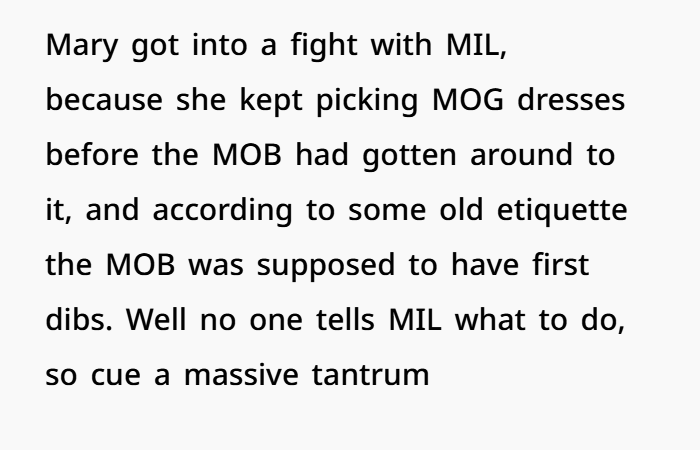
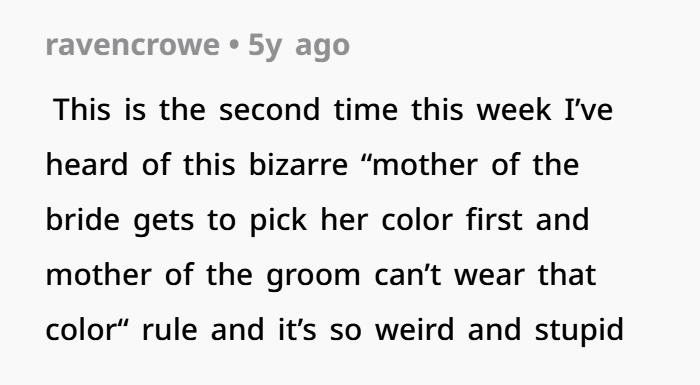
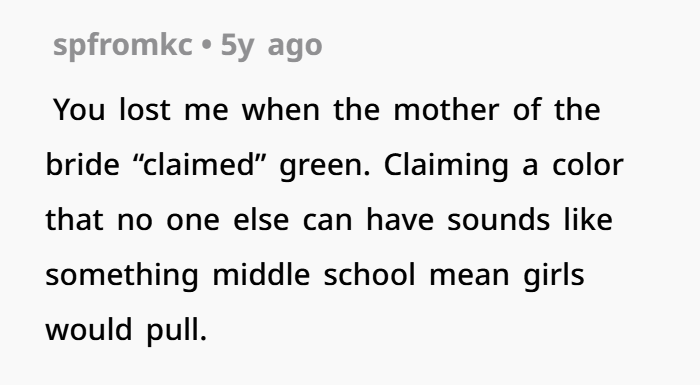
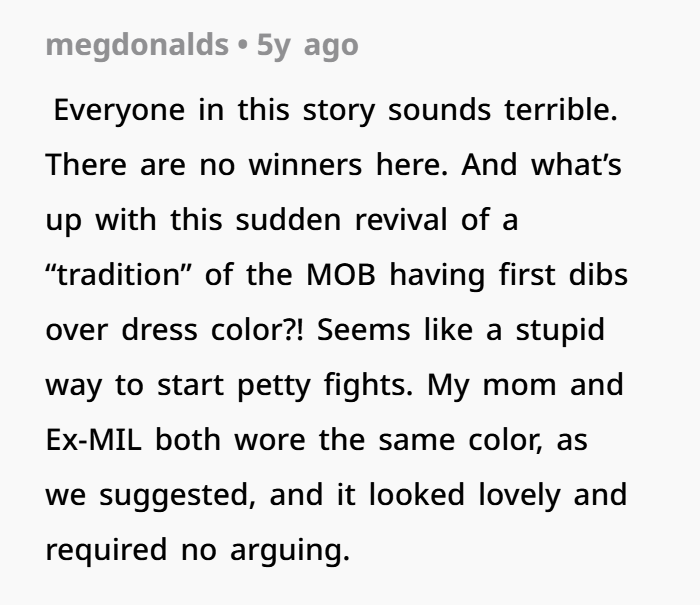
In this situation, the disagreement started because the bride’s mother wanted to choose a specific color before the mother of the groom.
A simple dress choice became a much bigger issue because emotions were already involved.
When family members already have a difficult relationship, small disagreements can quickly become personal.
When a Dress Becomes a Symbol of Power
The wedding dress conflict was not really about fashion.
It became a way for different family members to express their feelings about respect, control, and importance.
Sometimes people use situations like weddings to show their position in the family.
Instead of asking, “What will make the couple happy?” the focus can become, “Who gets to decide?”
This type of family conflict can create unnecessary stress during an important life event.
The Problem With Passive-Aggressive Behavior
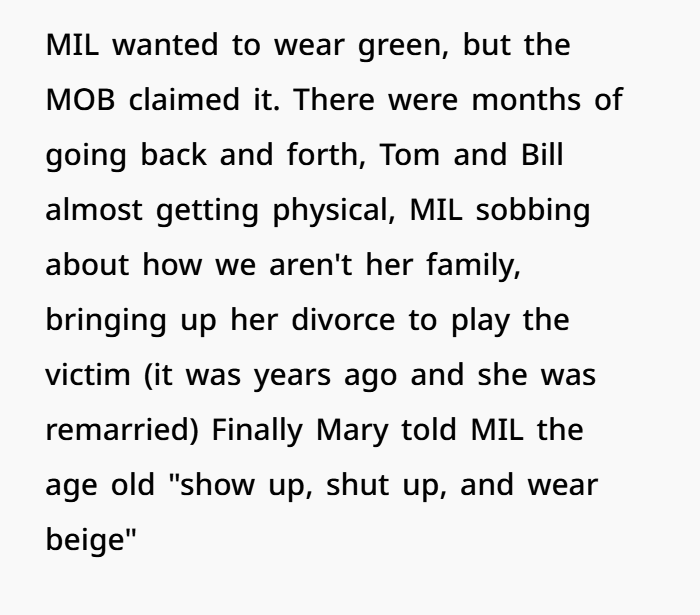
One comment that increased the tension was telling someone to “show up, stay quiet, and wear beige.”
Comments like this may seem like jokes, but they can hurt relationships when there is already conflict.
When people feel criticized or excluded, they may respond in ways that create even more drama.
Healthy communication is usually more effective than sarcasm, revenge, or trying to embarrass someone.
Favoritism Can Damage Family Relationships
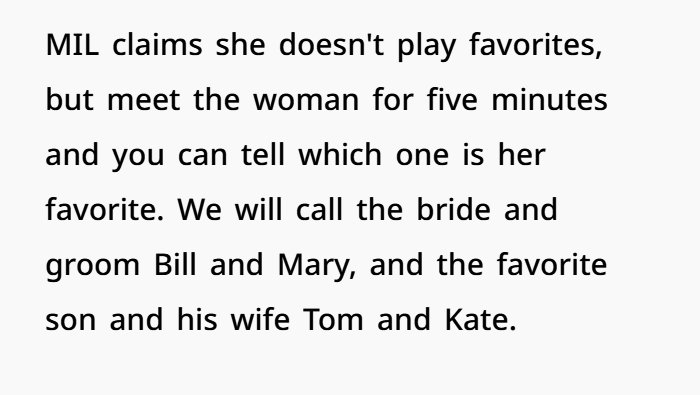
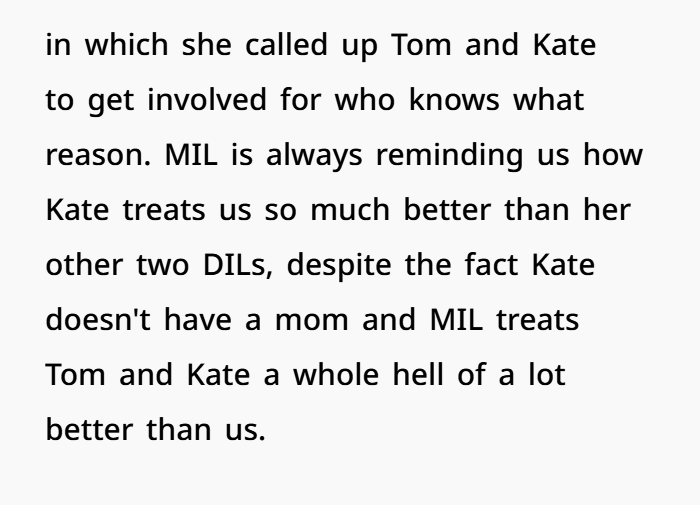
Another important issue in this story is family favoritism.
In some families, one child may receive more attention, support, or approval than others.
Over time, this can create resentment between siblings and their partners.
When family members feel they are treated differently, gatherings can become stressful because people start competing for acceptance.
A healthy family environment requires fairness, respect, and open communication.
The Importance of Setting Family Boundaries
Many family conflicts continue because people avoid setting clear boundaries.
They may ignore hurtful behavior because they want to keep peace.
However, avoiding problems does not always solve them.
Healthy boundaries can include:
- Communicating expectations clearly
- Respecting personal choices
- Not allowing disrespectful comments
- Creating limits around stressful situations
Boundaries are not about punishing family members. They are about protecting emotional well-being.
When Conflict Goes Too Far
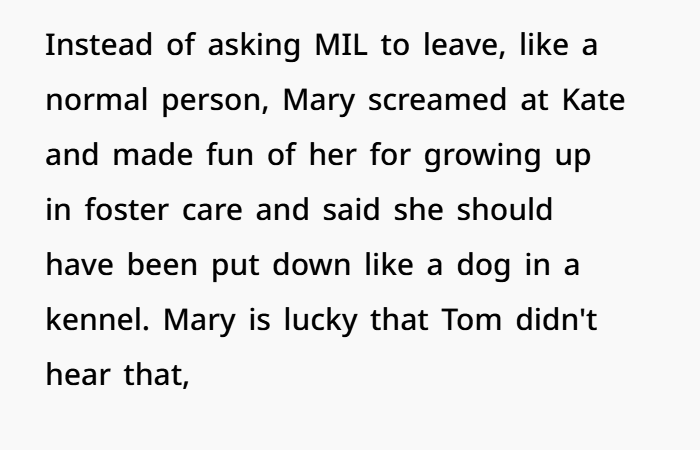
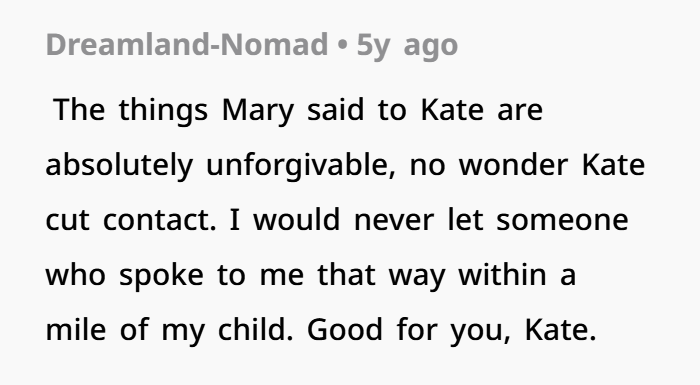
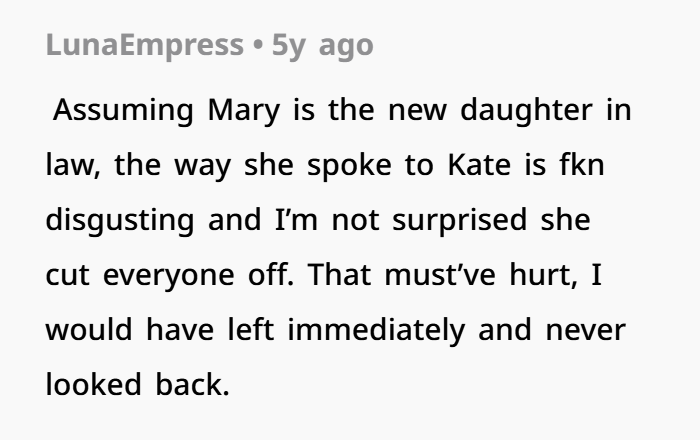
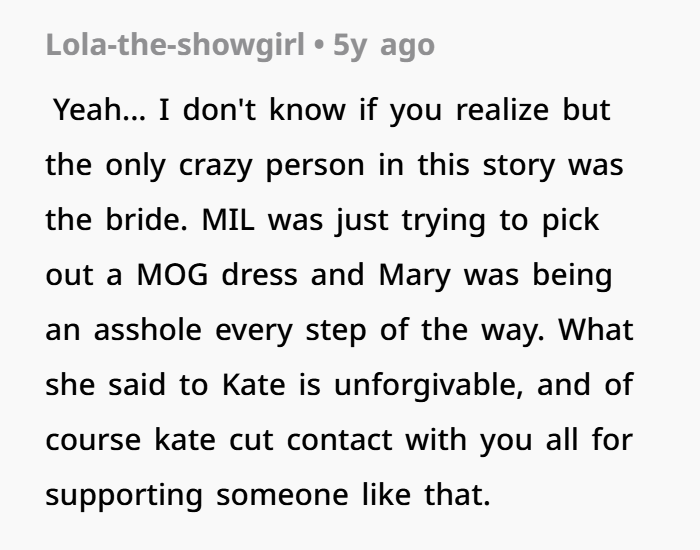
The situation became much more serious when hurtful comments were made about someone’s childhood and personal experiences.
Personal attacks can cause long-lasting emotional damage.
Family disagreements are normal, but there is a difference between having different opinions and intentionally hurting someone.
Respect should remain important, even during difficult conversations.
How Family Drama Can Affect Weddings
Wedding stress can bring out strong emotions.
People may feel pressure to make everything perfect, protect their traditions, or defend their role in the family.
However, when arguments become more important than the celebration itself, everyone loses.
The couple getting married can become caught between different family members who are trying to control the situation.
This can create unnecessary emotional stress at the beginning of a marriage.
The Role of Emotional Maturity
Healthy families understand that disagreements happen.
The goal is not to avoid every conflict. The goal is to handle disagreements with respect.
Emotionally mature communication includes:
- Listening before reacting
- Expressing feelings calmly
- Accepting different opinions
- Apologizing when mistakes happen
Without these skills, small problems can grow into long-term family tension.
When Distance Becomes Necessary
Sometimes family relationships become unhealthy because patterns of disrespect continue for years.
In some situations, people choose to create distance to protect their emotional health.
Every family situation is different, and decisions about contact should be made carefully.
The goal should always be creating a safer and healthier environment.
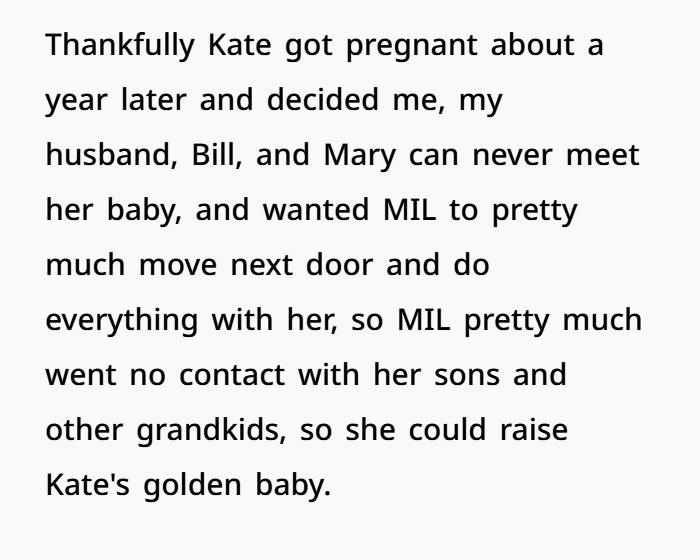
Protecting Future Generations
Family conflicts can also affect children and future relationships.
When family members repeat patterns of favoritism, resentment, or poor communication, those behaviors can continue through generations.
Breaking unhealthy patterns requires honesty, boundaries, and a willingness to treat people with respect.
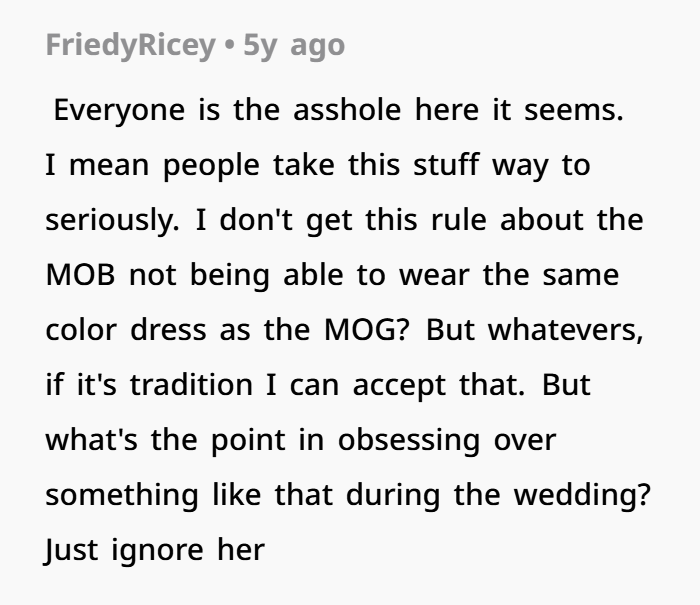
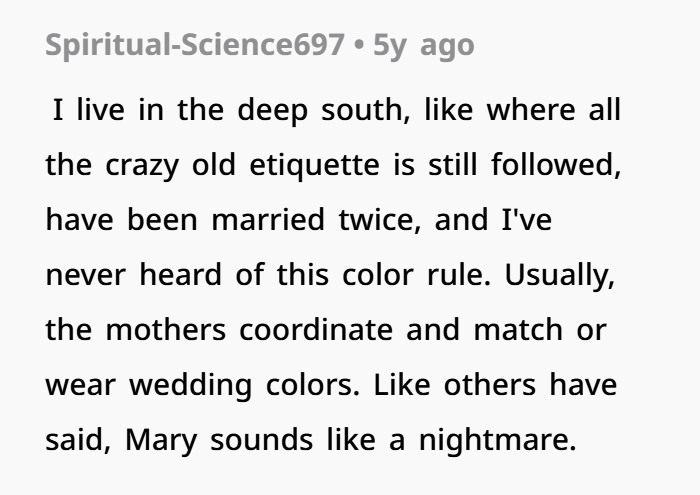
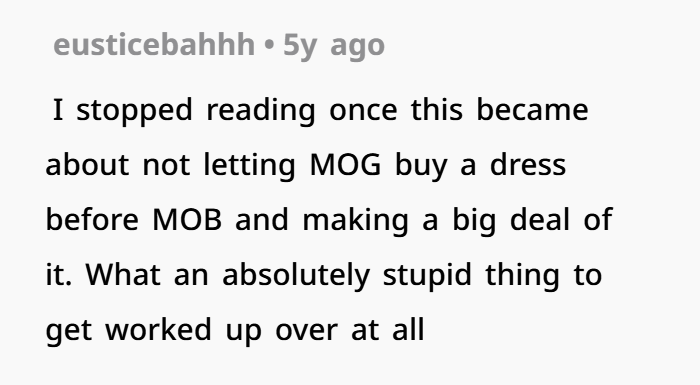
Comments From The Community


Final Thoughts
This wedding story shows how a small disagreement can become much bigger when old family issues are involved.
The dress was only the beginning. The deeper issues were about communication, respect, family expectations, and emotional boundaries.
Weddings should be a celebration of love and commitment, not a competition for control.
Strong family relationships are built through kindness, fairness, and healthy communication. Setting boundaries does not mean rejecting family. It means creating relationships where everyone can feel respected and valued.