AITA for telling my MIL if she expects me to get a DNA test for my son, then I want her to get a DNA test for my husband?

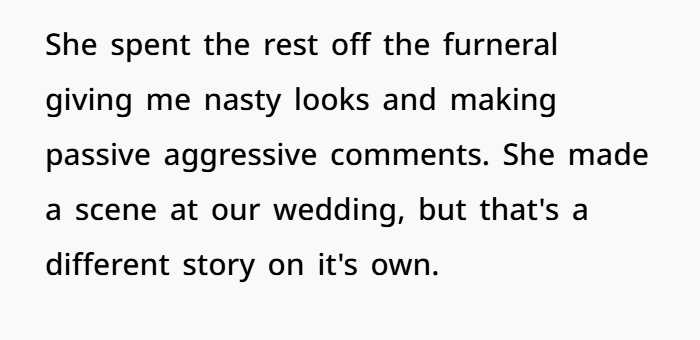
A 30-year-old woman had been dealing with ongoing problems with her mother-in-law for many years. Their relationship was often tense and uncomfortable. The mother-in-law would frequently criticize her and sometimes create awkward situations during family gatherings. Even during the woman’s pregnancy, the situation did not improve much and there was still emotional distance between them.
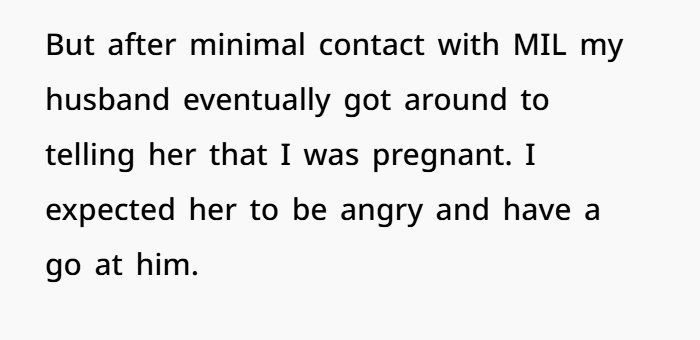
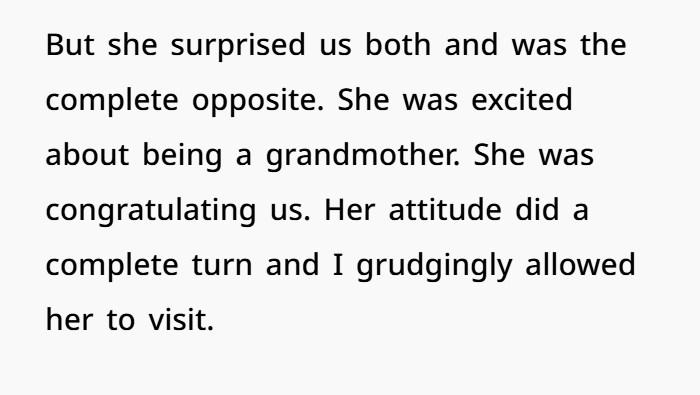
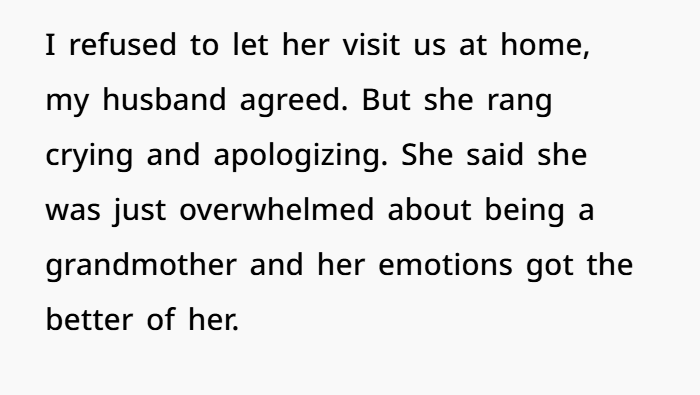
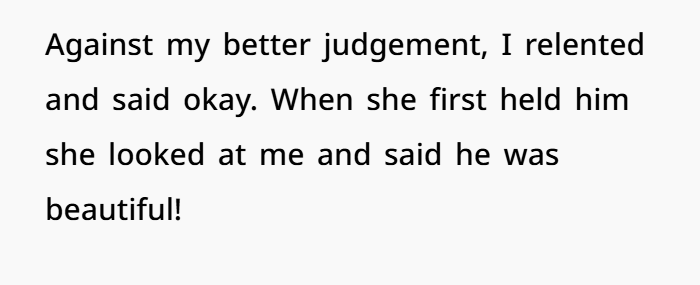
When the mother-in-law found out that she was going to become a grandmother, her behavior seemed to change for a short time. She appeared kinder and more calm, and the family started hoping that their relationship might finally improve. However, this calm period did not last long after the baby was born.
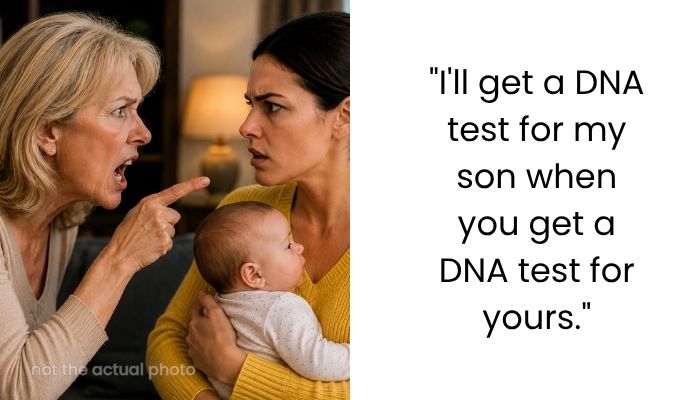
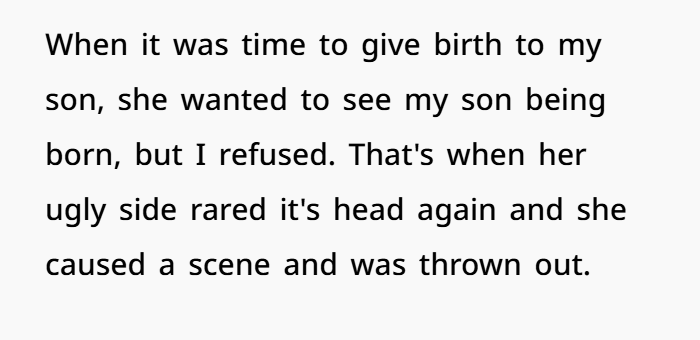
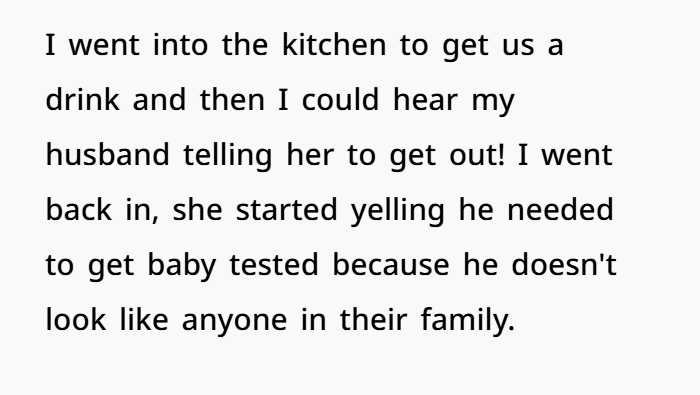
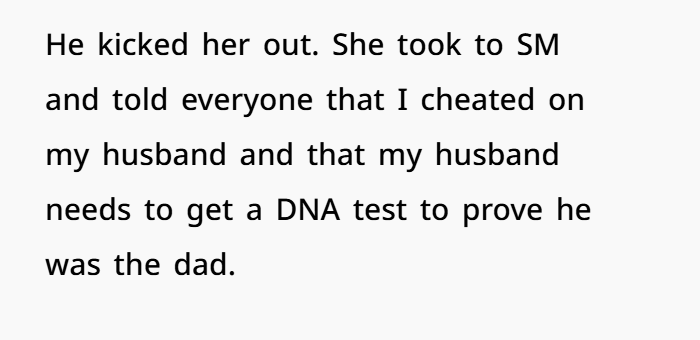
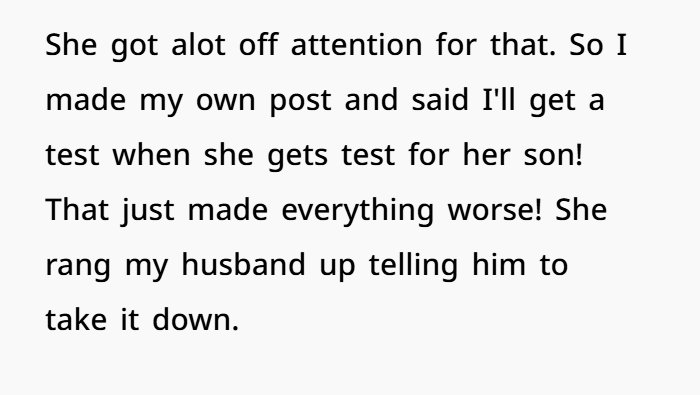
After the child’s birth, the situation became more serious. The grandmother made comments on social media suggesting that the newborn did not look like her side of the family. She also publicly asked for a paternity test. These posts quickly spread and were seen by relatives, friends, and many online users, turning a private family issue into a public dispute. This also raised concerns about online reputation management, since once personal matters are shared publicly, they can spread very quickly and become harder to control.
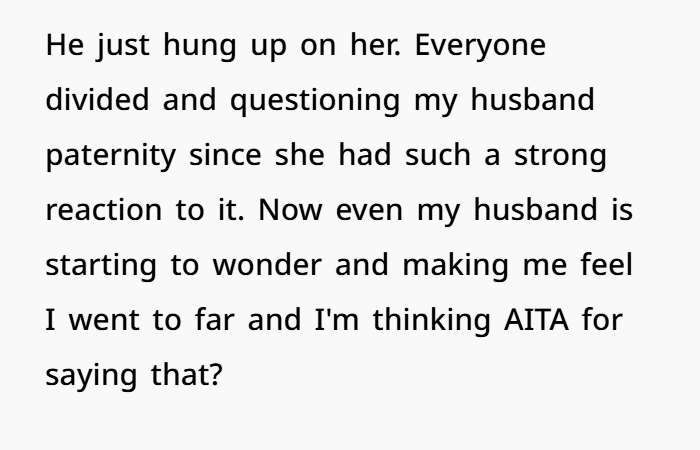
Instead of staying silent, the baby’s mother responded firmly. She said she was willing to agree to a DNA testing service for her child, but only if the grandmother first agreed to a DNA test for her own son, who is the woman’s husband. This unexpected response shifted the focus of the entire conversation, and family members began questioning deeper issues of trust rather than just the baby’s appearance.
As the discussion continued, the situation placed the husband in a difficult position. He tried to support his wife while also dealing with pressure and emotions from his own family. The conflict highlighted how quickly misunderstandings can grow within families, especially when trust becomes an issue.
This incident also shows how sensitive topics like paternity testing and family law matters should be handled carefully and privately. In many cases, couples seek marriage counseling or family counseling services to manage stress and improve communication instead of allowing conflicts to grow in public spaces. When such issues are shared on social media, they often become more complicated and emotionally damaging.
In the end, the situation serves as a reminder that family disagreements are best handled through calm communication, privacy, and, when needed, professional support rather than public confrontation.

DNA testing has made it much easier to find answers about biological relationships. Today’s genetic testing is very accurate and is often used in situations where there is a real need to confirm family connections. However, legal experts say it should be used carefully and not as a way to shame, pressure, or publicly blame someone.
In many countries, if a child is born during a marriage, the law usually considers the husband to be the legal father. This helps protect the child and gives stability to the family. Family law experts explain that strong legal or medical reasons are usually needed before parentage questions are officially raised.
Specialists in family law and relationship counseling also warn that children can be deeply affected when family disputes become public. When private issues are shared online, it can create emotional stress, confusion, and long-term family problems. That is why privacy is very important in sensitive cases.
In this situation, a private family disagreement became bigger after it was shared on social media. What started as a personal issue quickly turned into a public discussion. Relationship experts often say that posting accusations online can damage trust and make it harder to fix family problems later.
Family counseling professionals highlight the importance of healthy boundaries in extended families. When disagreements happen about parenting or family matters, it is better to talk directly and respectfully instead of involving outsiders or posting online. Gossip and public arguments usually make the situation worse instead of solving it.
This story also became more complicated because of the mother’s response to the accusations. Instead of ignoring the claim, she questioned whether the same level of testing or doubt should apply to everyone in the family. This shifted the focus of the discussion and made the situation even more tense.
Over time, DNA testing has led to many surprising results in families. Some people discover unknown relatives, while others find answers to long-standing questions. These results can bring clarity, but they can also bring emotional stress and difficult conversations.
Experts who study family behavior say that unexpected results can affect trust, identity, and relationships. Even when DNA results are clear, families may still need time, support, and sometimes professional help to accept and understand the outcome.
Trust is often the most important part of any family relationship. Once doubts or accusations begin, they can be very hard to remove. Even without proof, suspicion can create distance and tension between family members.
Marriage counseling and family therapy experts often recommend calm communication, respect, and teamwork between partners when dealing with conflict. Clear boundaries with extended family can also help reduce misunderstandings and protect relationships.
This situation also shows the risks of social media disputes. Online posts spread quickly and can stay on the internet for a long time. In some cases, public accusations can even lead to legal issues such as defamation concerns. Because of this, many legal professionals suggest keeping sensitive family matters private.
In the end, this is not only about DNA testing. It is about trust, privacy, and healthy family relationships. While DNA tests can give scientific answers, they cannot fix emotional damage or rebuild trust on their own.
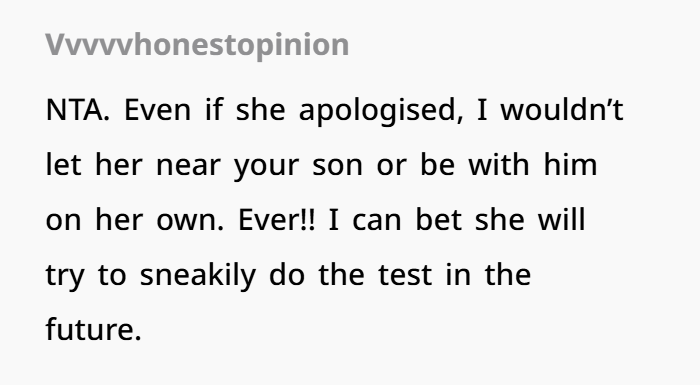
See The Comments Below





In many cases, the best solution comes from honest communication, healthy conflict resolution, and a shared commitment to protecting family relationships. Families may disagree from time to time, but handling concerns with respect and understanding can help prevent long-term damage.