Why I Had to Say No to Sewing My Future Sister-in-Law’s Dream Wedding Dress

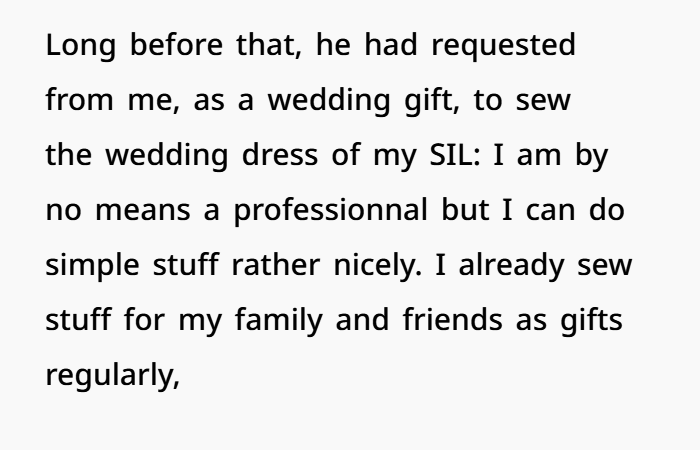
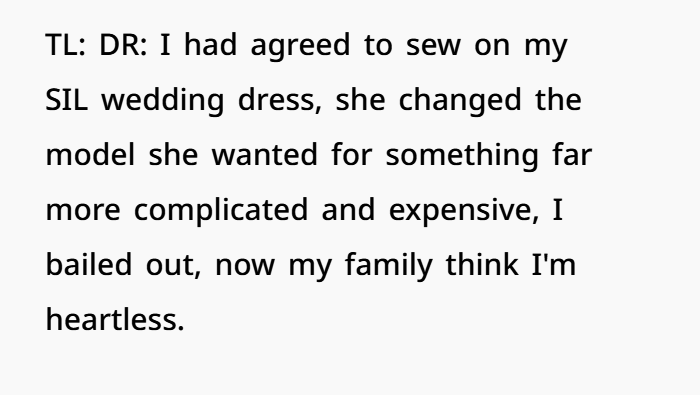
A woman shared her experience after agreeing to make her future sister-in-law’s wedding dress. She enjoyed sewing simple clothing, handmade gifts, and creative projects, so she thought making a basic wedding gown would be a fun and meaningful favor.
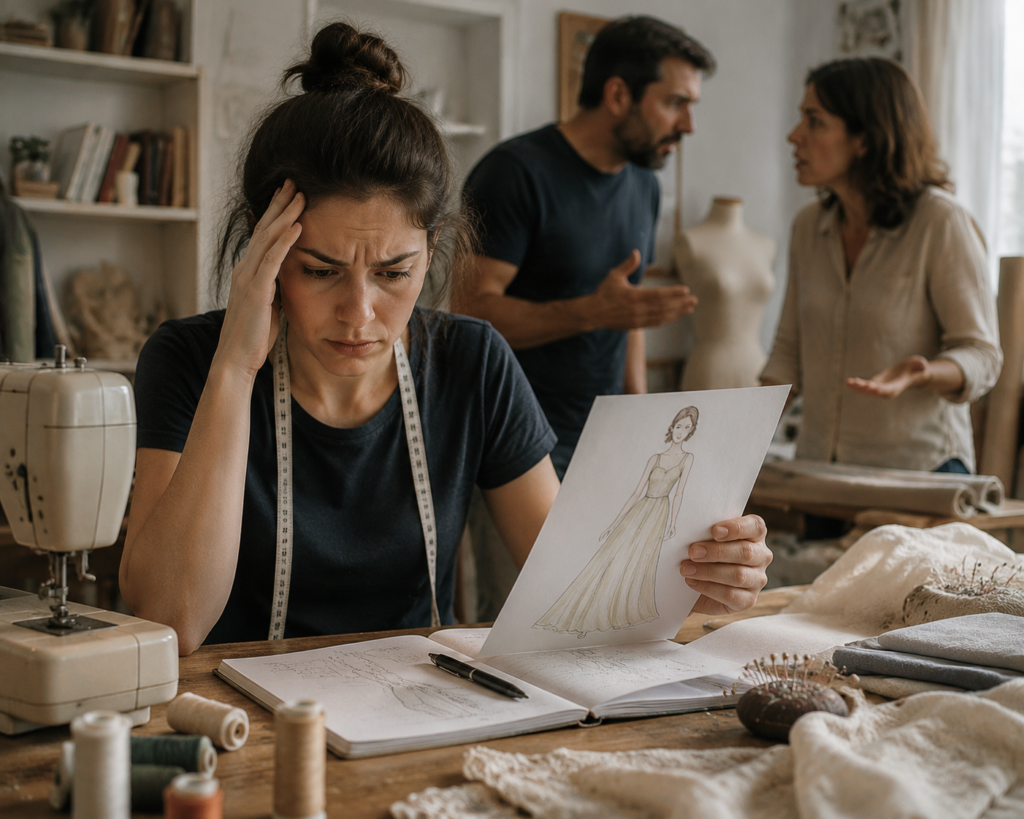
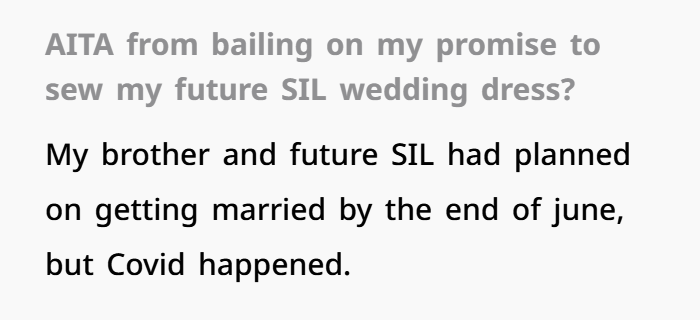
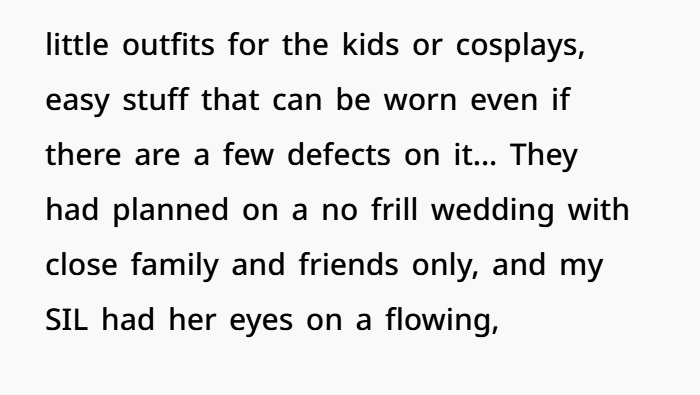
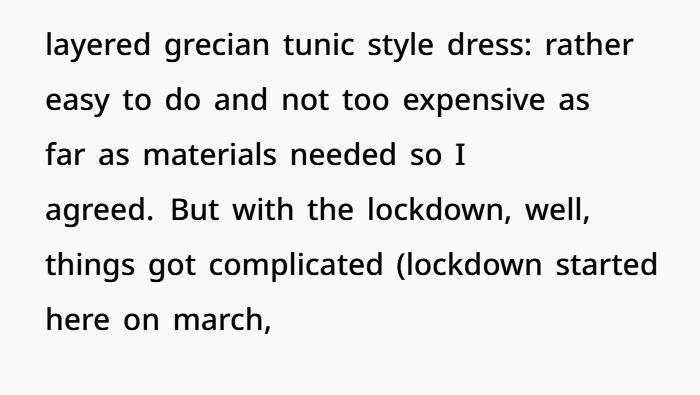
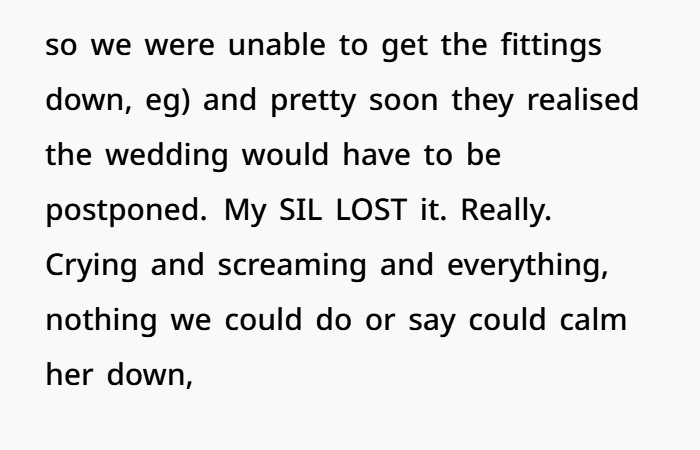
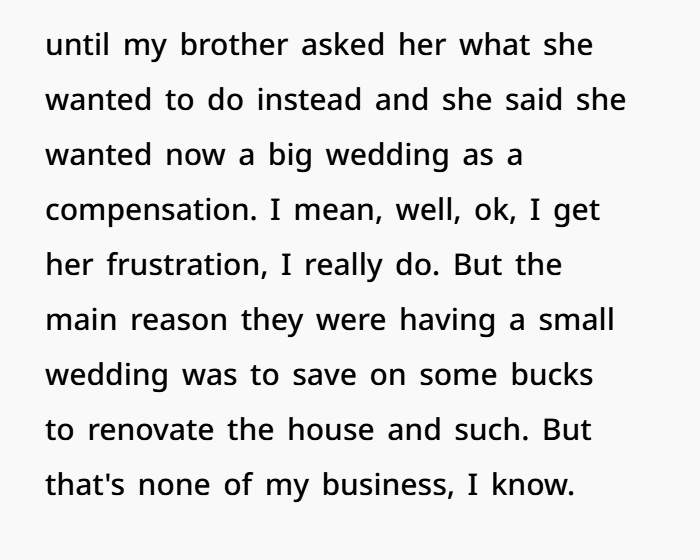
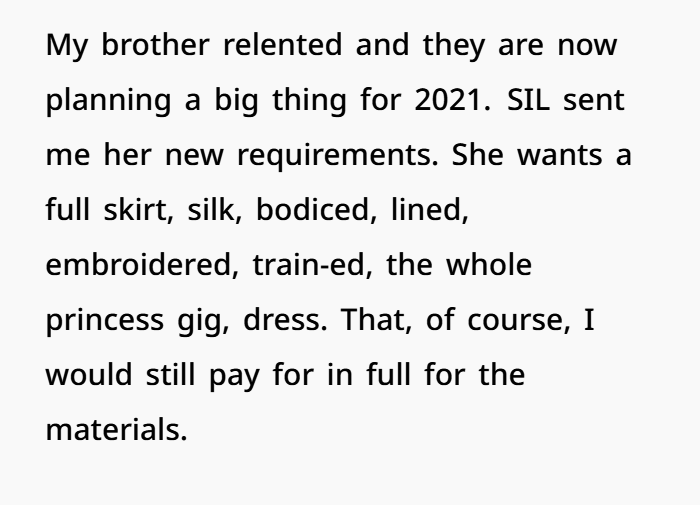
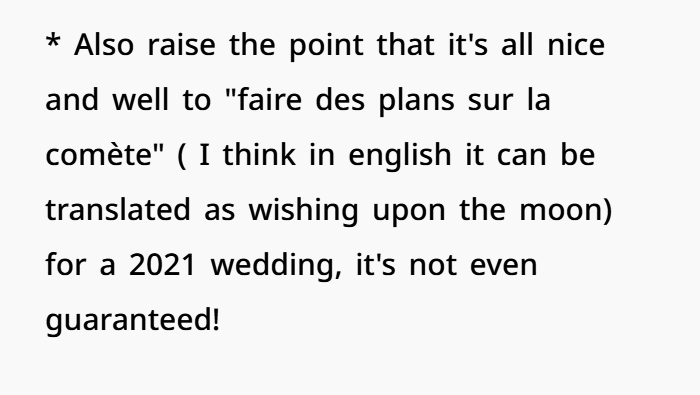
The original plan was for a simple, flowing dress for a small family wedding. However, after the wedding was delayed because of COVID, the dress design changed completely. Her sister-in-law wanted a much more detailed gown with expensive fabric, embroidery, a full lining, and a long train.
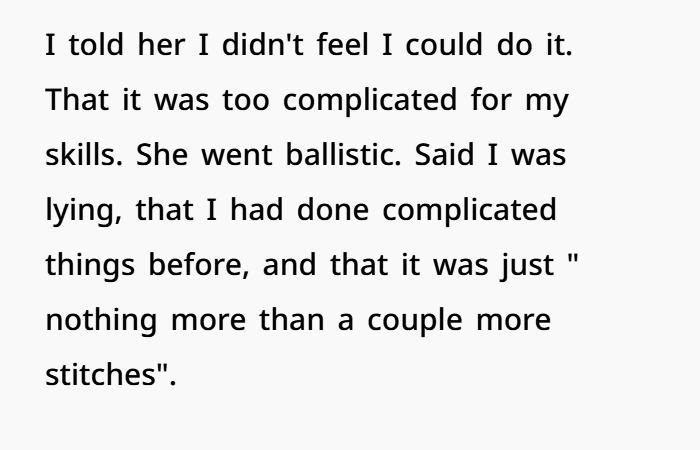
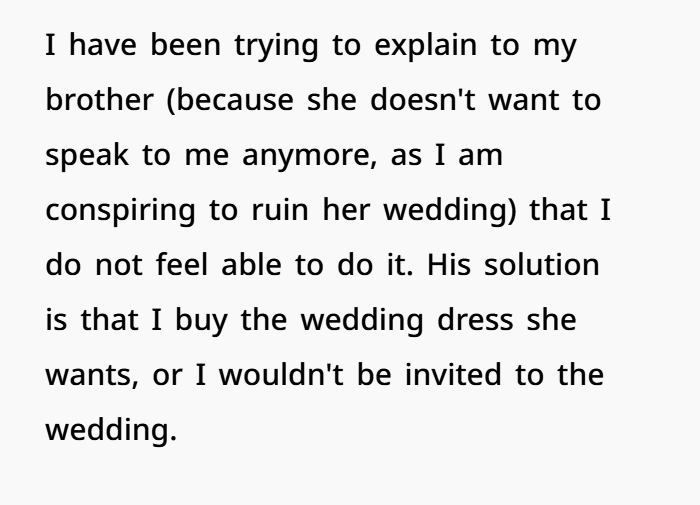
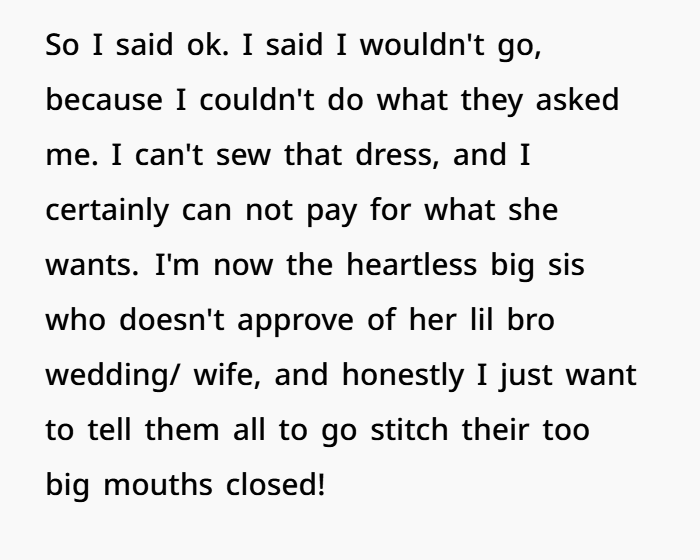
The woman quickly realized that the new design was beyond her sewing skills and the amount of time she could give. She tried to explain that she could not create such a complicated dress, but her sister-in-law became upset. This caused tension within the family.
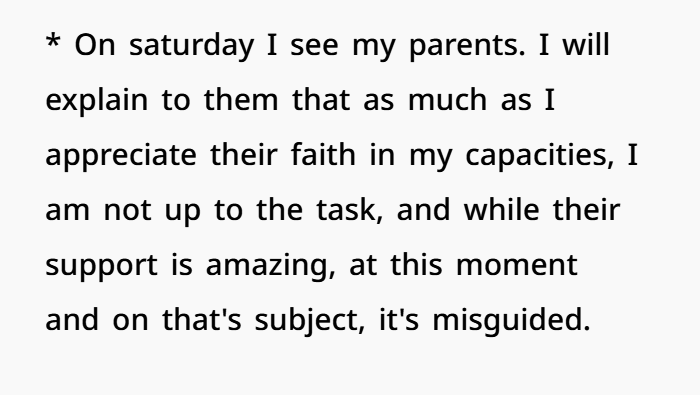
The woman felt bad because she wanted to help, but she also knew it was important to be honest about her abilities. She did not want to make promises she could not keep or create a wedding dress that would not meet expectations.
This situation shows why clear communication is important when taking on creative projects. DIY wedding plans can be exciting, but setting realistic expectations, discussing budgets, and understanding personal skills can help avoid stress and misunderstandings.
Why Saying No to Making a Wedding Dress Does Not Make You Heartless
Making a wedding dress sounds like a sweet and personal gift. Many people love the idea of creating something special for a family member’s big day.
But sewing a wedding dress is not as simple as it looks.
A basic dress and a detailed bridal gown are two completely different projects. A simple design may be possible for a skilled hobby sewer, but a full wedding gown with silk fabric, embroidery, a fitted bodice, lining, and a long train requires advanced sewing skills, time, and patience.
Creating a professional-looking wedding dress is not just about putting fabric together. It requires accurate measurements, pattern adjustments, fabric handling, and many hours of careful work.
A Simple Request Can Become a Big Project
At first, agreeing to make a simple wedding dress may feel manageable. However, problems can happen when the design changes and becomes much more complicated.
A dress that starts as a simple DIY sewing project can quickly turn into a professional-level bridal gown.
Many people underestimate how much work goes into wedding dress design. Even experienced sewers know that bridal clothing requires special techniques and attention to detail.
When a project grows beyond your skills or available time, it is reasonable to say so.
Setting Limits Does Not Mean You Do Not Care
Family situations can become emotional, especially during wedding planning.
A wedding is an important life event, and everyone wants things to be perfect. Because of these emotions, a practical concern can sometimes feel like a personal rejection.
However, saying “I cannot complete this project” does not mean saying “I do not care.”
It means being honest about your abilities and avoiding a situation where the final result may disappoint everyone.
Clear communication and healthy boundaries can actually protect family relationships.
The Cost of a Custom Wedding Dress Matters
Money is another important factor.
A detailed wedding gown can become very expensive. High-quality fabrics, special materials, embroidery, lining, and extra details can add significant costs.
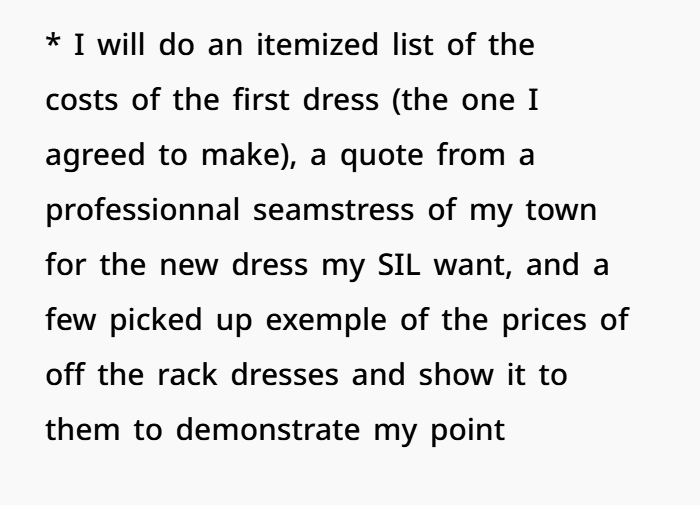
Professional bridal designers and seamstresses usually provide estimates because every detail affects the final price.
If the design becomes more complicated, the cost and time required also increase.
Expecting someone to suddenly create a luxury wedding dress without the necessary budget, experience, or equipment is not realistic.
Being honest about financial limits is part of responsible decision-making.
DIY Sewing Has Limits
DIY projects can be fun and rewarding. Many people create beautiful clothing, decorations, and handmade gifts.
However, some projects require professional experience.
Wedding dresses are one of those projects where mistakes can be stressful and expensive. A small fitting issue or fabric mistake can affect the entire look of the dress.
Many sewing experts recommend understanding your skill level before accepting a large project.
Knowing your limits is not failure. It is a smart way to protect your time, money, and peace of mind.
Family Pressure Can Make Things Harder
The situation becomes more difficult when family members feel disappointed or angry.
Sometimes people see helping with a wedding as an obligation because of family relationships. But being related to someone does not mean you must accept every request, especially when it creates stress or financial problems.
Healthy family relationships require understanding from both sides.
A person can love their family and still have boundaries.
How to Explain Your Decision Calmly
If you need to say no to a large project, the way you communicate matters.
Instead of focusing on what someone cannot have, explain what you can realistically do.
For example, you could say:
“I would love to help, but the new design is much more complex than what I can make. I do not want to promise something I cannot complete properly.”
You can also offer alternatives, such as:
- Helping choose a simpler design
- Assisting with smaller wedding details
- Helping find a professional seamstress
- Contributing time in another way
This shows care while still protecting your boundaries.
Why Evidence Can Help Reduce Conflict
Sometimes people understand a decision better when they see practical information.
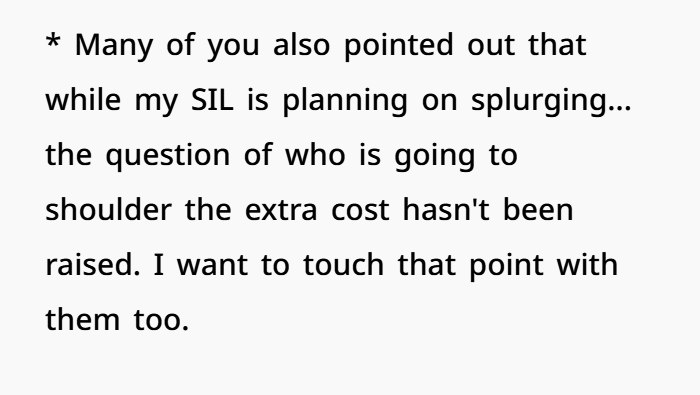
Sharing estimated costs, fabric prices, or examples of the work involved can help explain why the project has changed.
A clear explanation makes it easier for others to see that your decision is based on realistic limits, not a lack of love.
Protecting Your Mental Health Matters
Taking on a project that feels impossible can lead to stress, frustration, and resentment.
Instead of enjoying the wedding celebration, you may end up feeling pressured and overwhelmed.
Personal boundaries are important because they allow you to help others without harming yourself.
Being generous does not mean ignoring your own needs.
Saying No Can Be a Kind Choice
Sometimes people believe that refusing a request is selfish. But in many situations, saying no is actually the responsible choice.
A rushed or unfinished wedding dress could create more disappointment than an honest conversation early on.
A respectful refusal protects both sides.
It allows the bride to make other plans, and it allows you to avoid taking on a project that is beyond your skills.
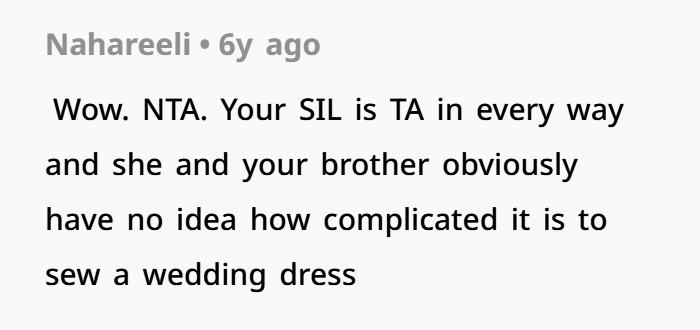
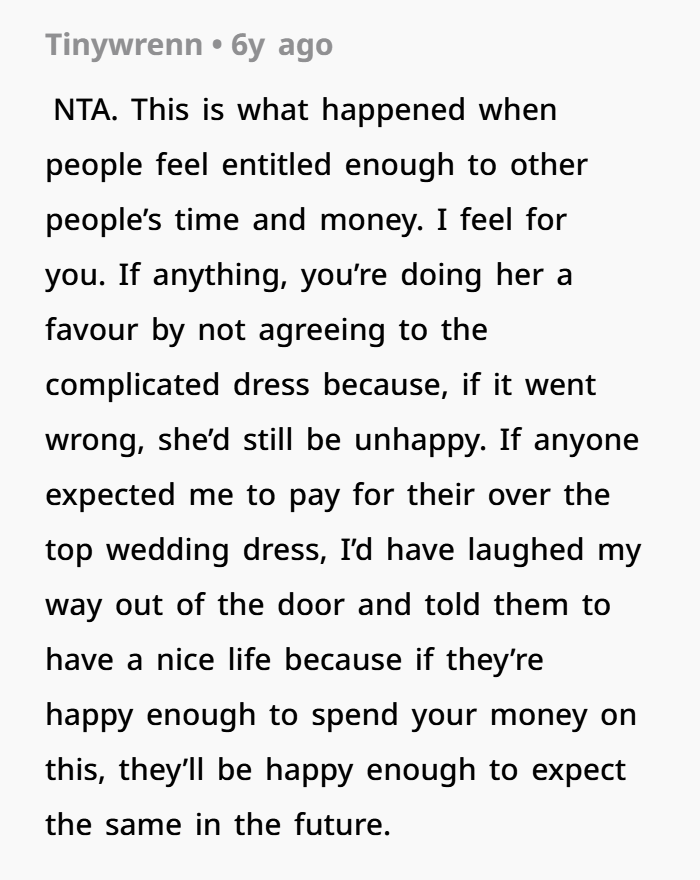
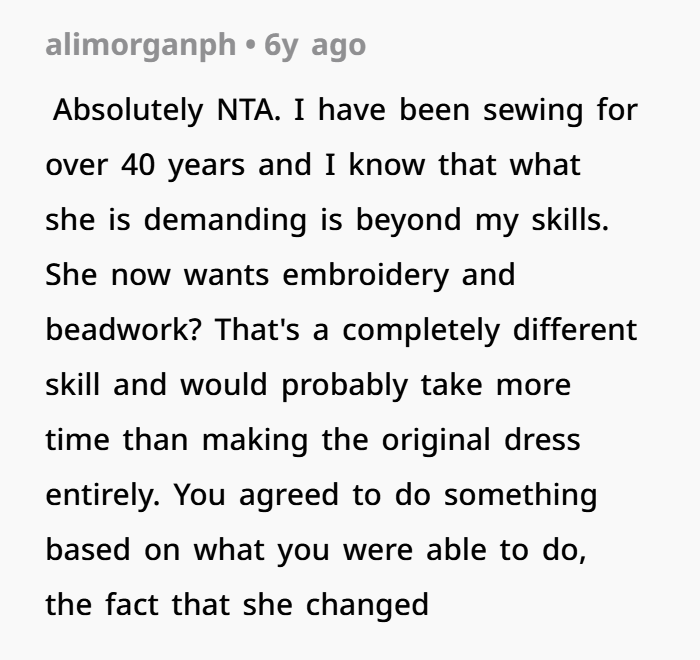
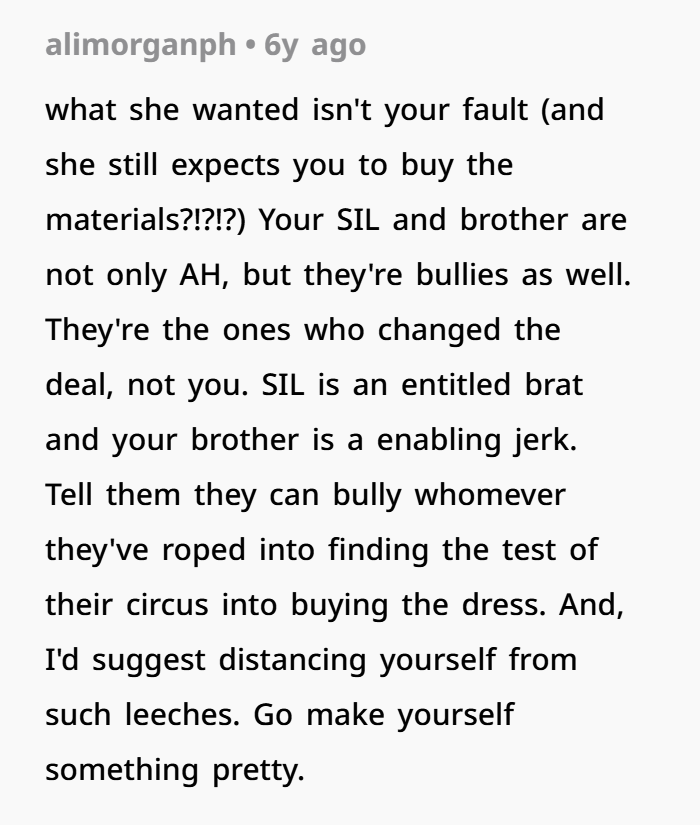
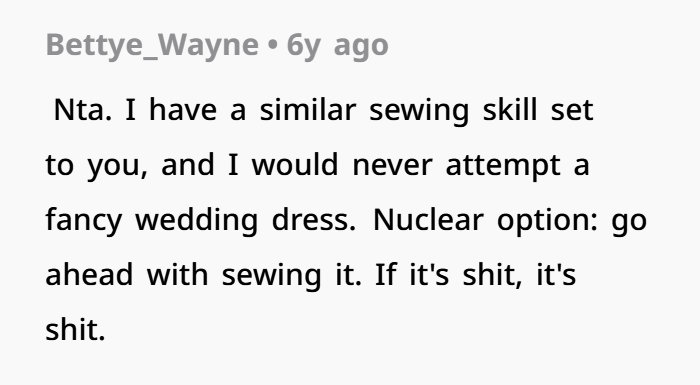
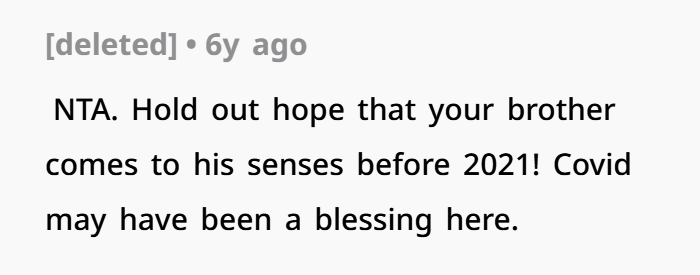
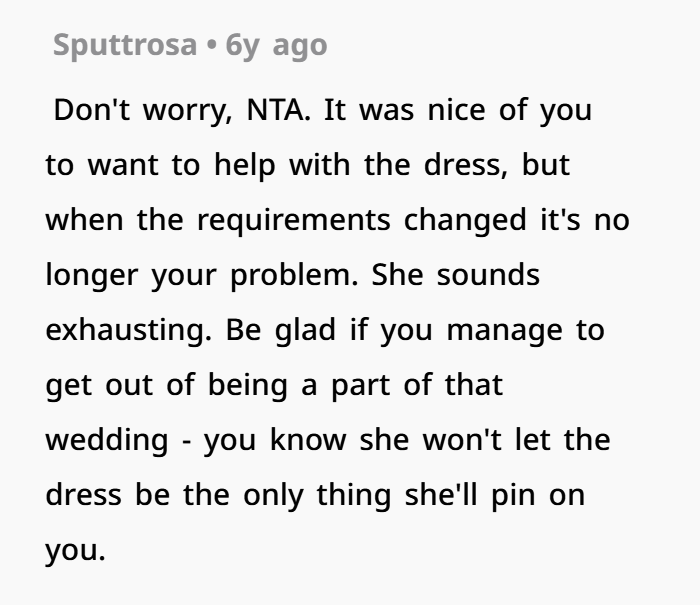
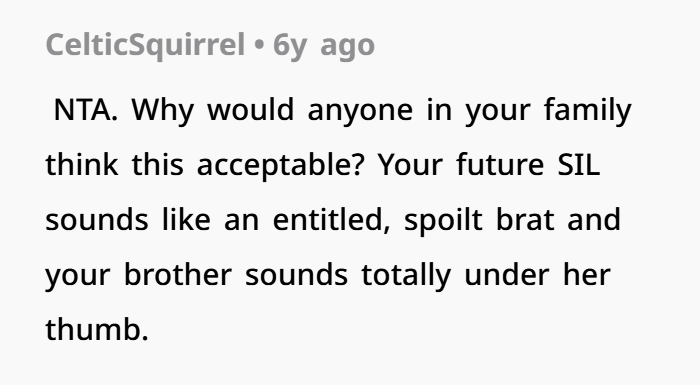
Top Comments From Readers
Final Thoughts
Making a wedding dress is a beautiful idea, but it is also a serious commitment. A simple DIY dress and a detailed bridal gown require very different levels of time, skill, and money.
If a project becomes too large or unrealistic, it is okay to set boundaries.
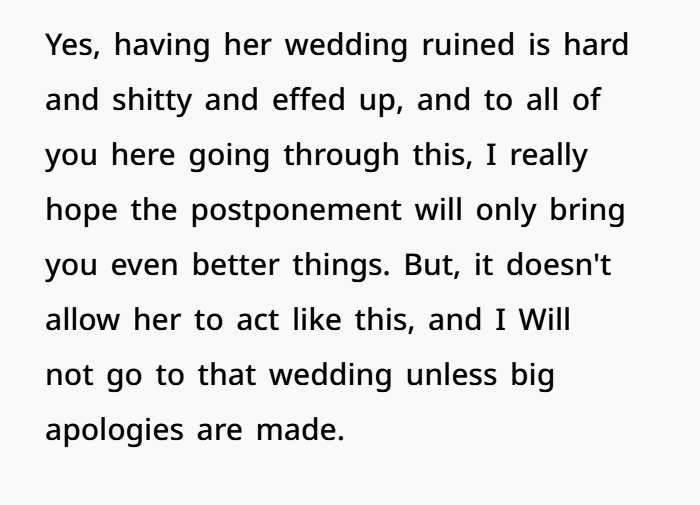
Saying no does not mean you are heartless. It means you are being honest about what you can provide.
Strong family relationships are built on respect, understanding, and clear communication. Sometimes the kindest thing you can do is be honest before a difficult situation becomes even harder.