
Telecom Company Loses $72K Contract Over Disputed $139 Phone Bill


Resolving a customer service complaint is not always easy. Many customers experience delays, repeated explanations, and difficulty getting clear answers when they have questions about a bill or service.
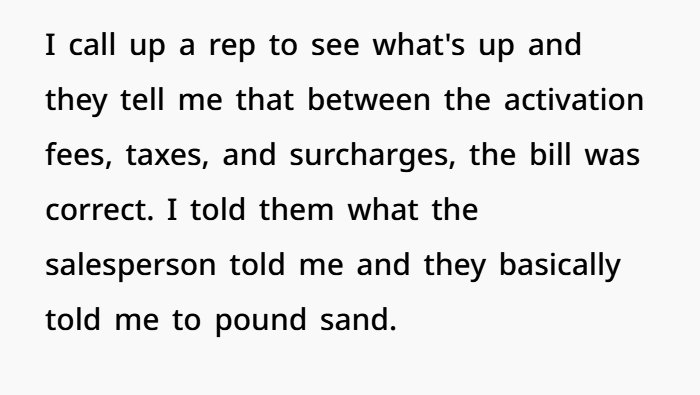
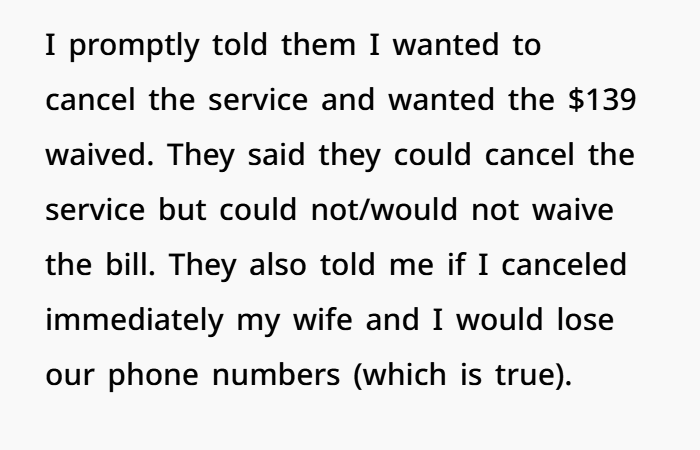
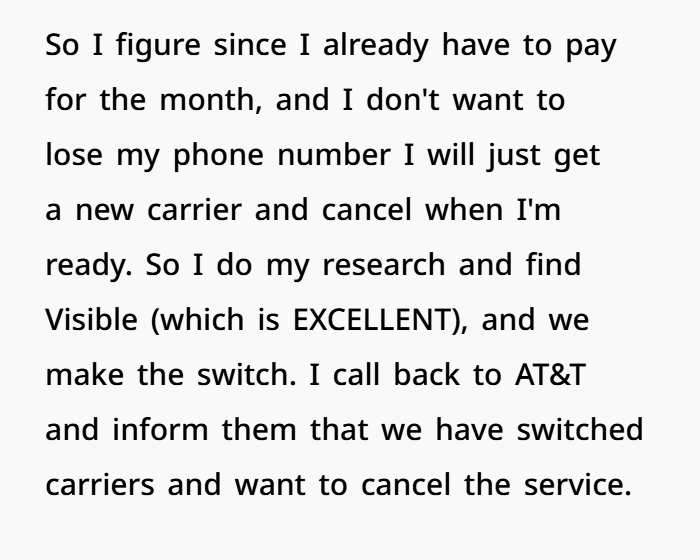
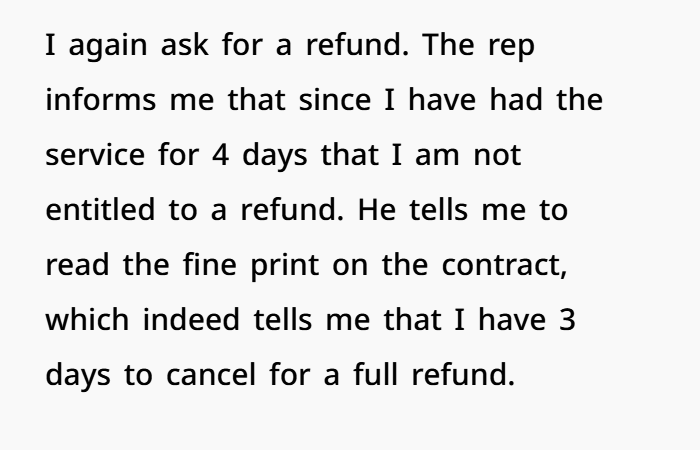
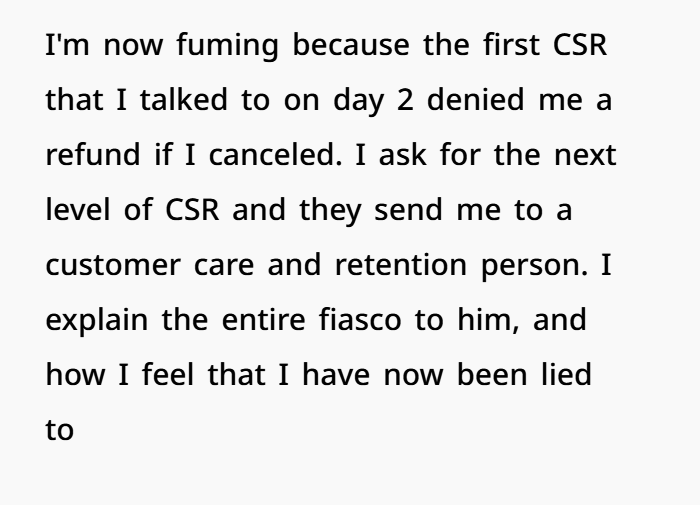
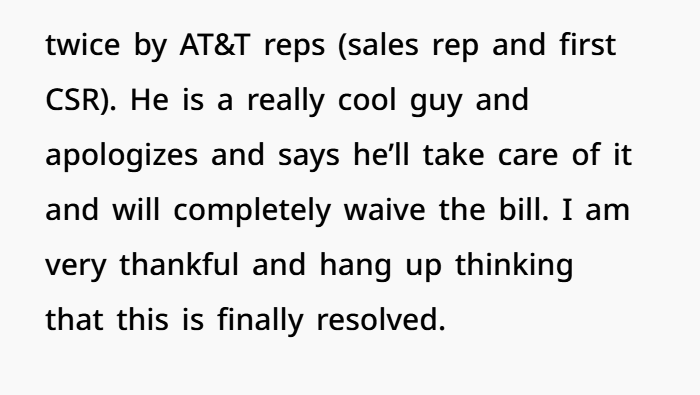
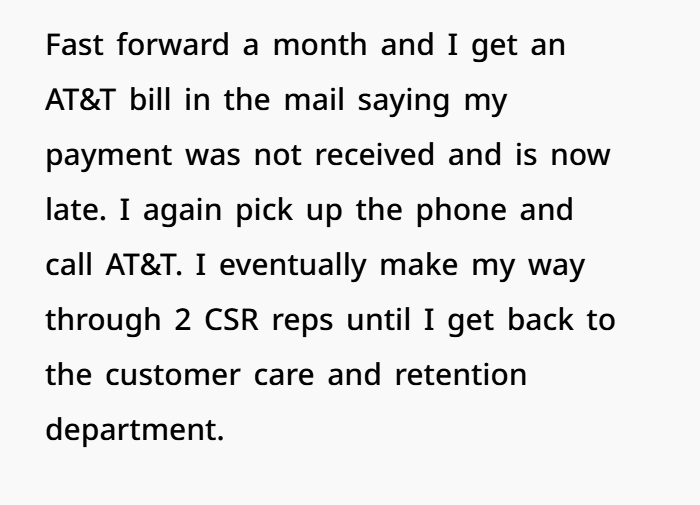
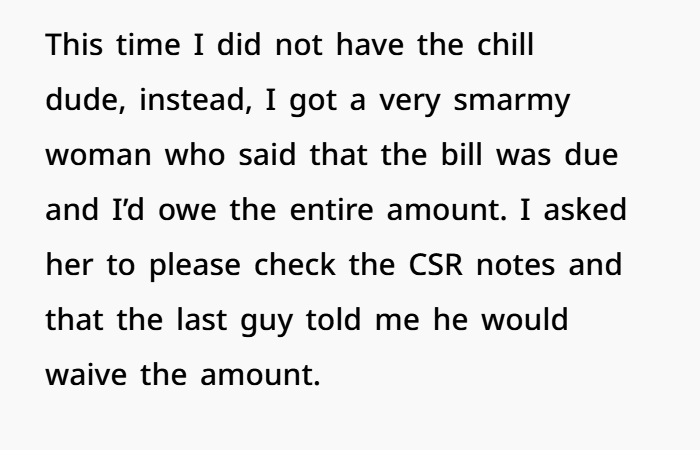
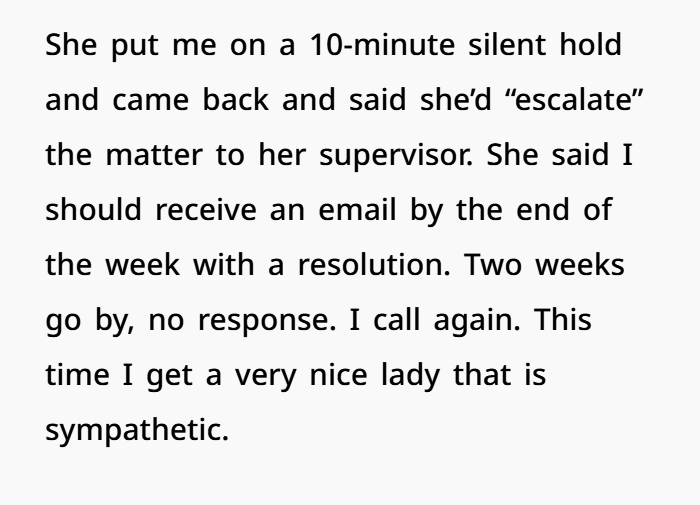
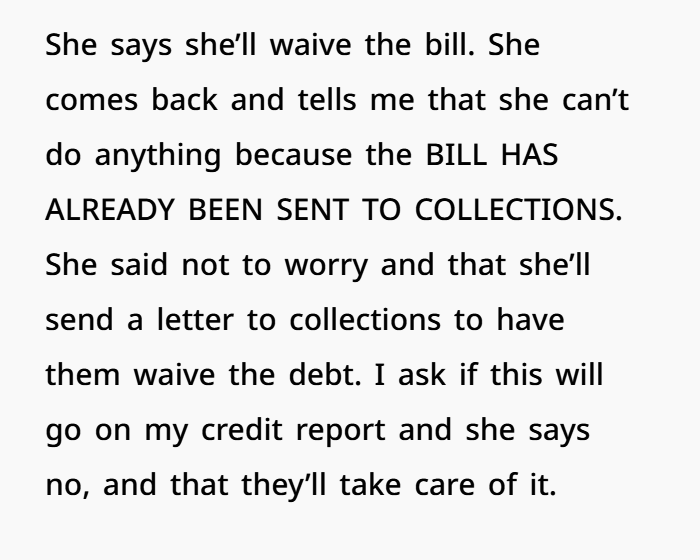
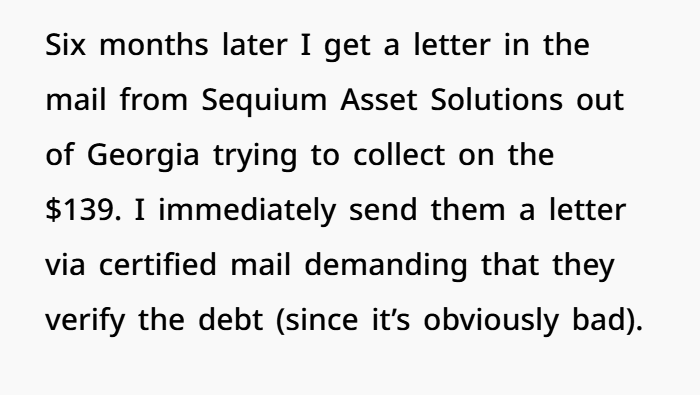
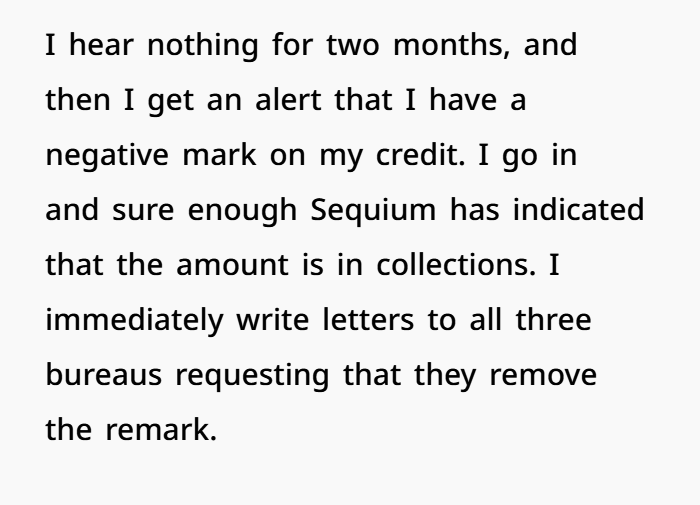
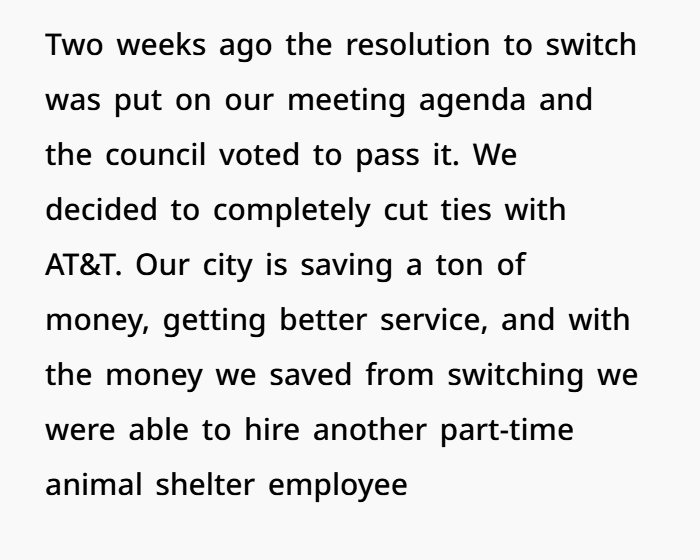
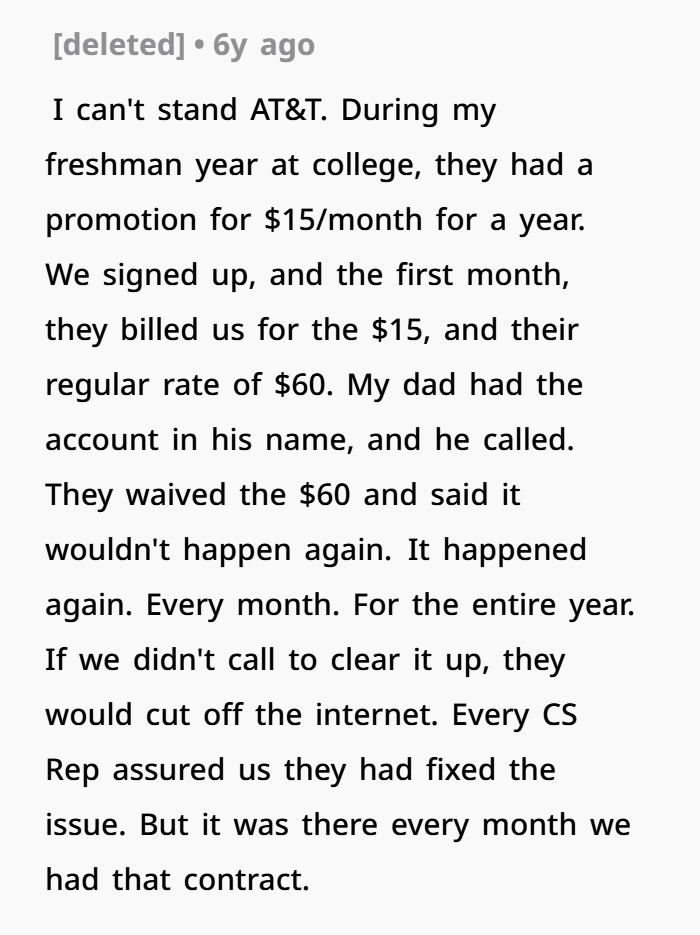
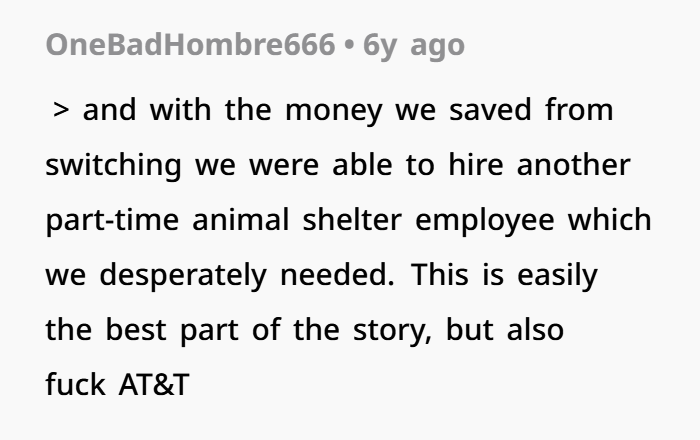
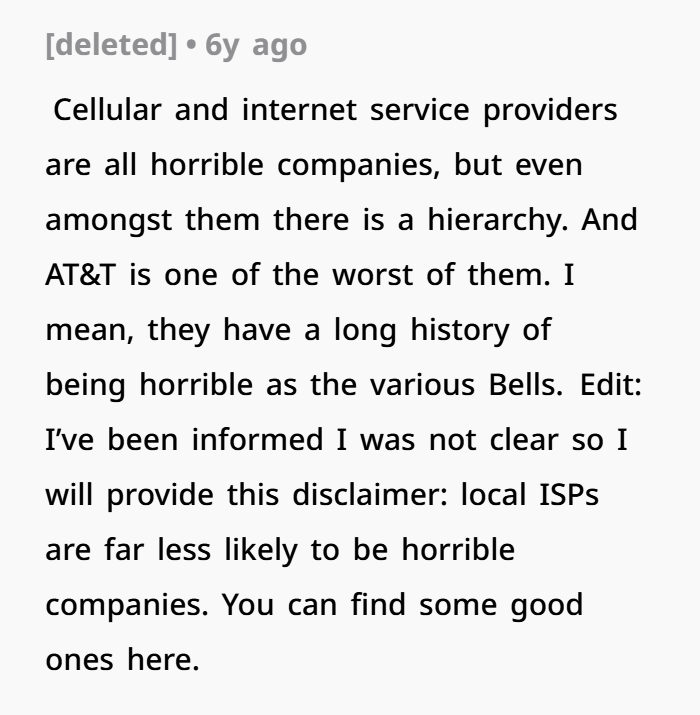
One customer faced this challenge after receiving a $139 billing issue from AT&T. Rather than ignoring the situation, the customer stayed patient and worked to find out why the charge appeared.
The disagreement became a larger discussion about customer support, company responsibility, and fair billing practices. The experience showed how important it is for businesses to listen to customers and provide helpful solutions.
The story attracted attention from people online who shared similar experiences. It reminded customers about the importance of reviewing bills, understanding service agreements, and communicating clearly when solving account-related concerns.









Employee Requested Meditation Breaks After Seeing Coworkers Take Prayer Breaks at Work
A discussion about workplace fairness started when one employee asked for the same break time that some coworkers received for religious practices.
The employee, known online as the original poster (OP), works at an international company where many employees follow the same religion. Several coworkers were allowed to take short breaks during the workday for prayer.
These breaks were part of the company’s religious accommodation policy. Employees could step away for a few minutes, complete their prayers, and return to their jobs while still receiving their normal pay.
For OP, the situation started to feel unfair.
The employee believed that coworkers were receiving extra paid break time while everyone was expected to complete the same amount of work.
The Employee Asked the Manager About the Policy
OP decided to speak with their manager and asked why some employees could take additional breaks during the day.
The manager explained that the company had to respect religious workplace accommodations and support employees’ religious practices.
Instead of challenging the rule, OP decided to request similar time for a different reason.
Although OP was not religious, they asked the company if they could have the same amount of time each day for meditation. They explained that meditation was important for their personal well-being and mental health.
At first, the request was denied.
However, after HR reviewed the situation, the company changed its decision. OP was allowed to spend about 30 minutes each day meditating in the company garden.
Other Employees Wanted Similar Benefits
The situation became more complicated when other non-religious employees learned about OP’s new break time.
Some coworkers also wanted access to similar personal breaks.
This created a bigger workplace discussion about employee benefits, equal treatment, and company policies.
OP said they were not trying to take anything away from religious employees. They believed they were simply asking for the same opportunity.
But the situation raised an important question:
Should companies provide the same personal time benefits to everyone, or should certain accommodations remain based on specific employee needs?
Why Companies Provide Religious Accommodations
Many companies have policies that support religious practices in the workplace.
In many countries, employers are expected to provide reasonable accommodations for employees’ religious beliefs, as long as those changes do not create major difficulties for the business.
These accommodations help employees follow important religious practices while continuing their professional responsibilities.
Workplace accommodations can include schedule changes, time adjustments, or other solutions that support employees.
The purpose is to create an inclusive workplace where employees can balance their personal needs with their job duties.
Workplace Fairness Is Not Always Simple
Fairness at work can mean different things to different people.
Some employees believe everyone should receive exactly the same benefits. Others believe fair treatment means supporting people based on their individual situations.
When employees feel that workplace policies are unclear, it can affect employee morale, workplace culture, and job satisfaction.
This is why many businesses invest in clear HR policies and employee communication. A transparent workplace policy helps employees understand why certain benefits or accommodations exist.
The Growth of Employee Wellness Programs
The conversation also connects with the growing popularity of workplace wellness programs.
Many companies now offer benefits focused on employee mental health, stress management, and work-life balance.
Meditation breaks, wellness activities, flexible schedules, and mental health support programs are becoming more common in modern workplaces.
Businesses are increasingly aware that supporting employee well-being can improve productivity, engagement, and overall workplace satisfaction.
Because of this trend, some people view meditation time as a reasonable employee wellness benefit rather than simply extra break time.
Companies Must Create Clear Workplace Policies
When a company approves one type of accommodation, it may lead to questions from other employees.
Businesses need to carefully consider how workplace benefits are created and applied.
Important factors include:
- Employee rights
- Company policies
- Workplace productivity
- Legal requirements
- Team cooperation
Clear guidelines can help companies avoid confusion and maintain a positive work environment.
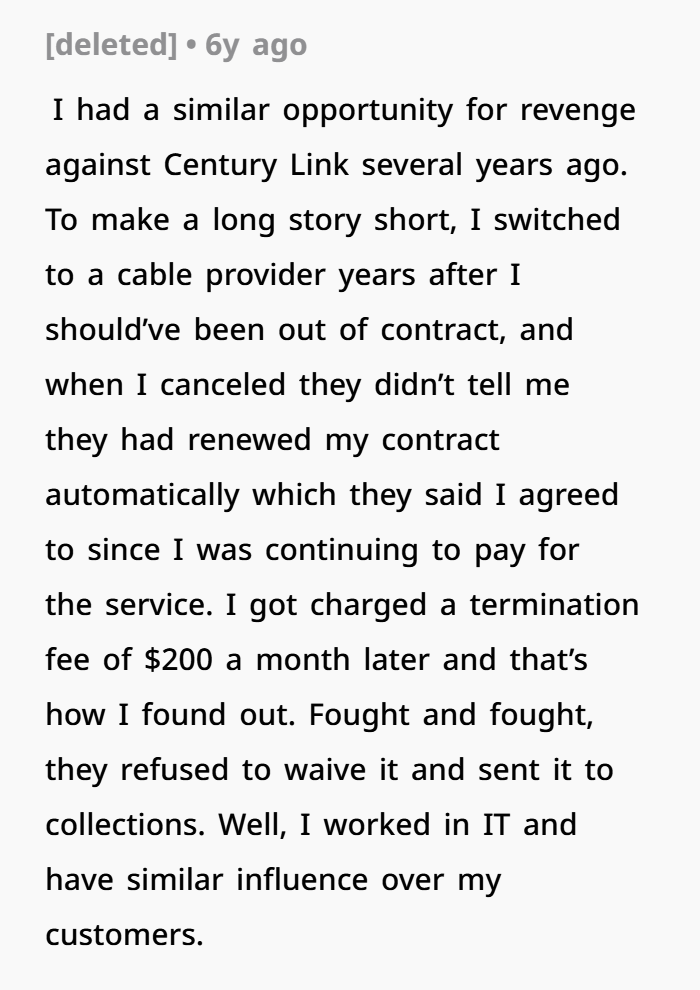
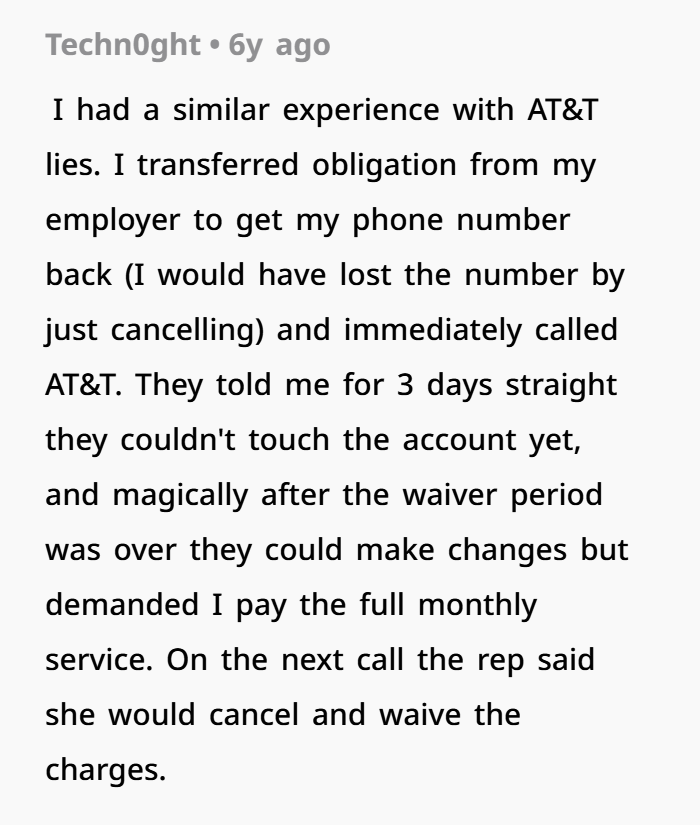
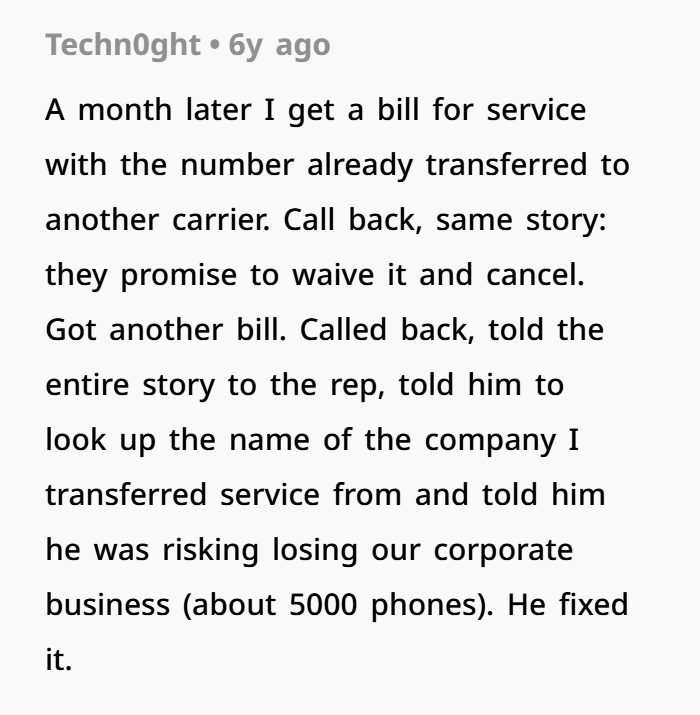
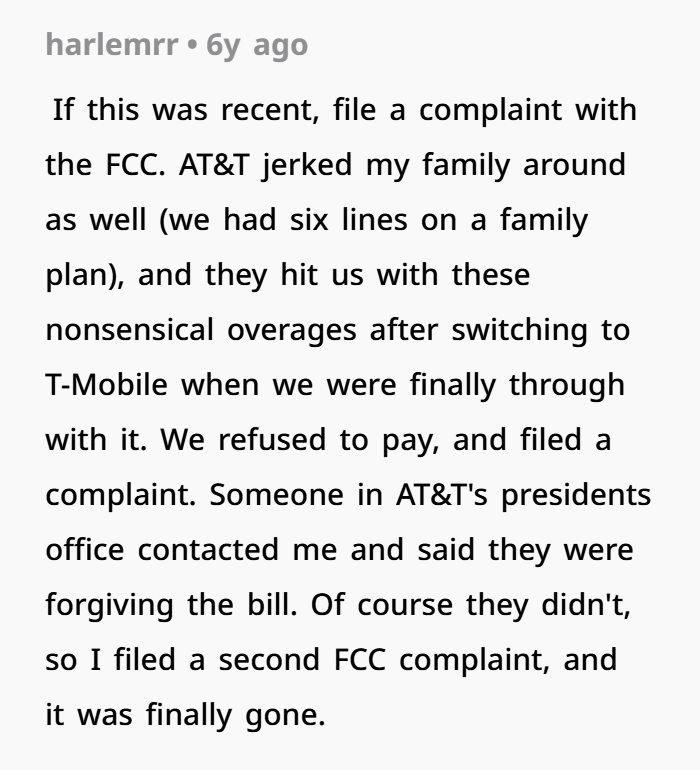
Top Comments From Readers

Final Thoughts
This workplace situation shows how difficult it can be to create policies that feel fair for everyone.
Some people believe OP’s request was a fair way to receive equal treatment. Others believe religious accommodations should remain separate from general employee benefits.
The discussion highlights a challenge many modern companies face: creating workplace policies that respect individual needs while maintaining fairness and productivity.
As businesses continue improving their employee benefits and HR strategies, finding the right balance between flexibility and workplace expectations will remain an important topic.
What do you think? Should companies offer equal personal break options to all employees, or should workplace accommodations depend on individual needs?