I Warned My Wife Our Son Wouldn’t Pay the Car Loan. I Was Right.

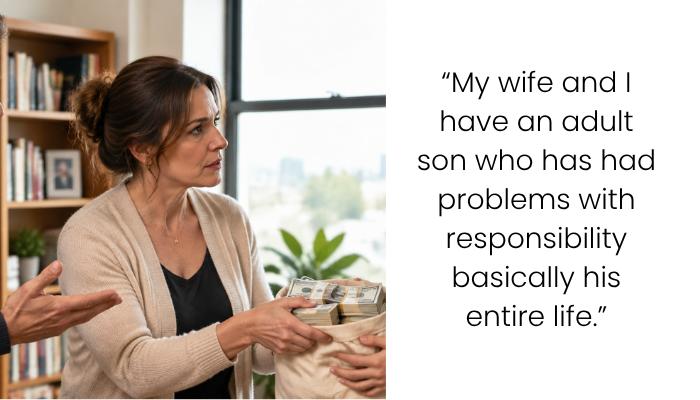
This story follows a husband and wife who struggle to agree on how to handle their son’s money problems. Their adult son has faced many challenges, including unstable work, poor financial choices, unpaid expenses, and depending on his parents for help.
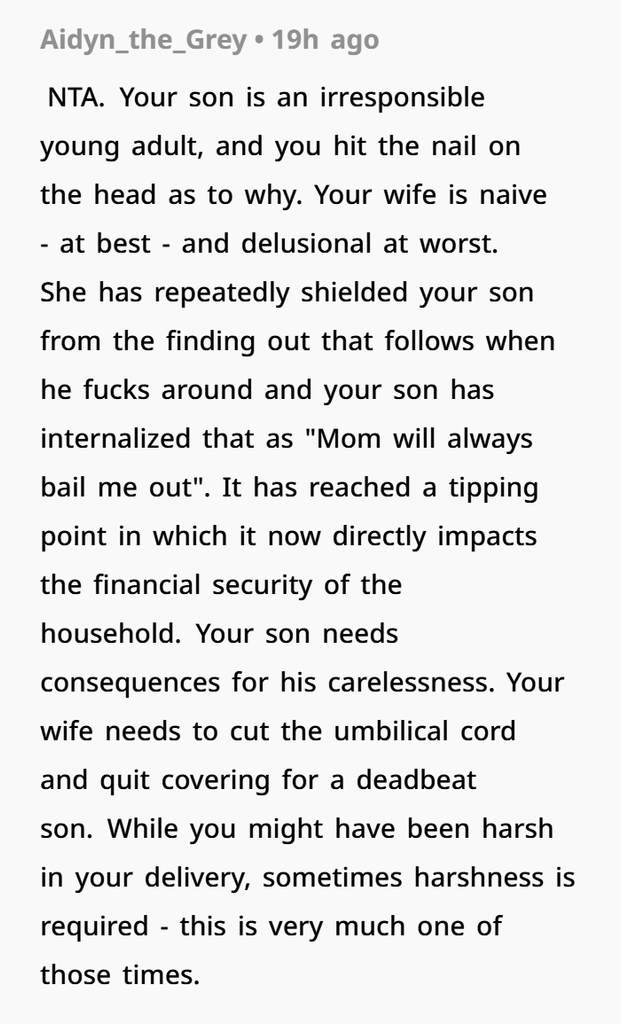
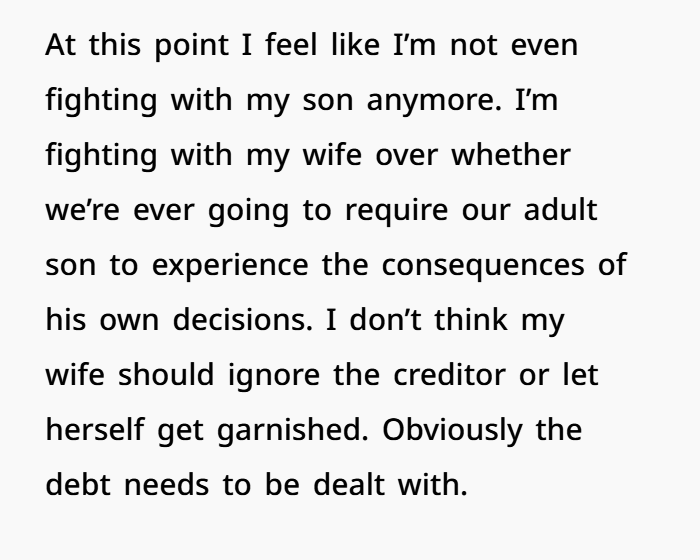
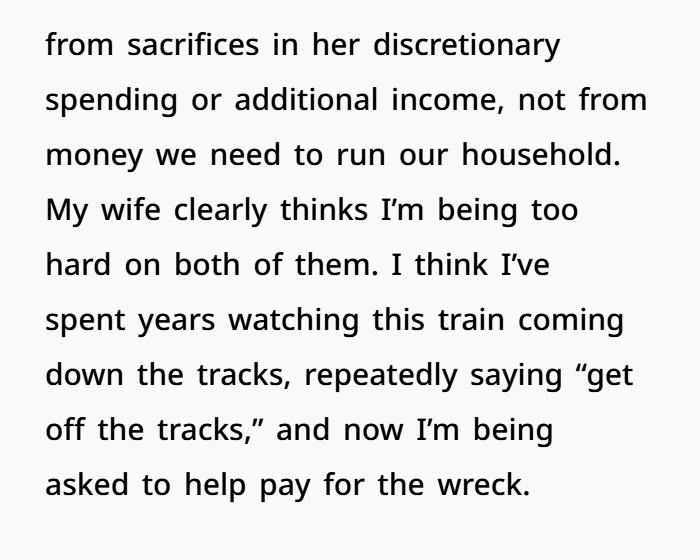
The father feels that their son needs to become more responsible and learn from his mistakes. He believes that setting clear limits can help young adults develop better habits. His wife sees things differently and often helps their son avoid the consequences of his decisions.
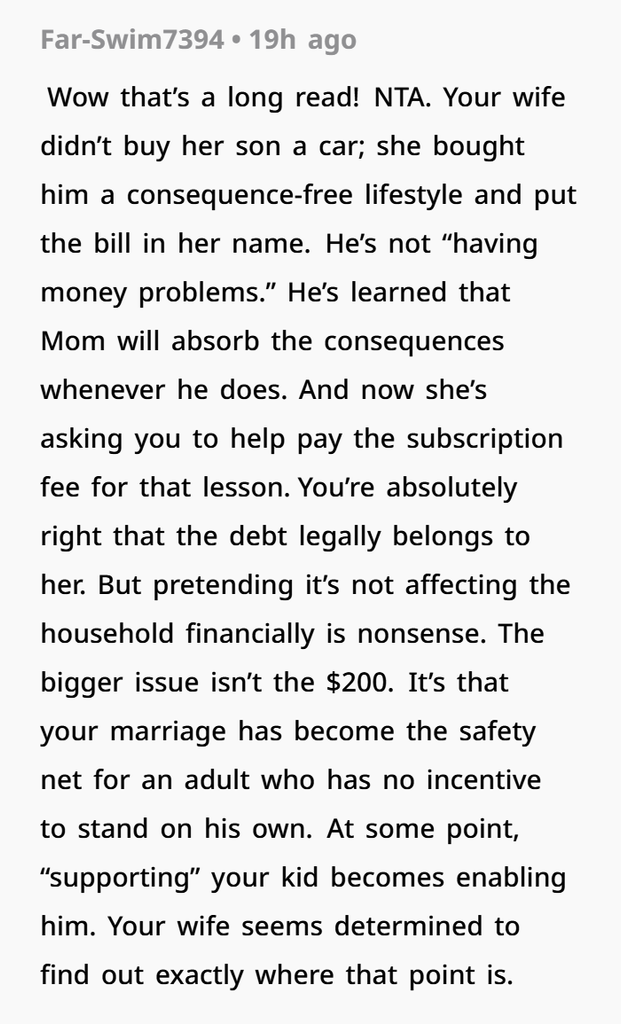
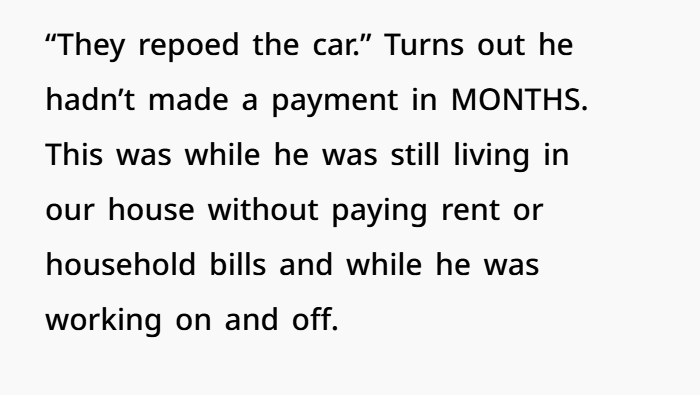
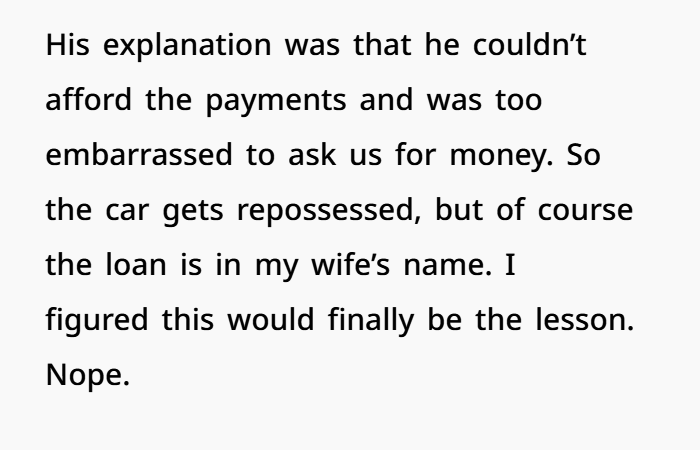
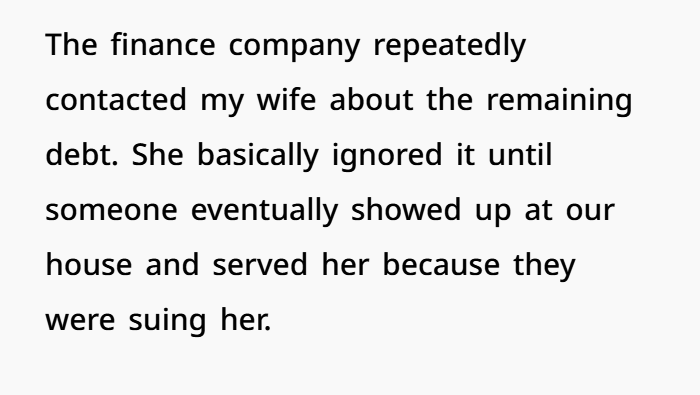
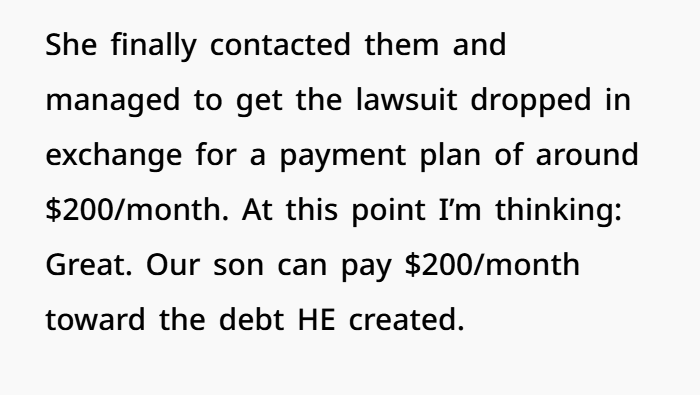
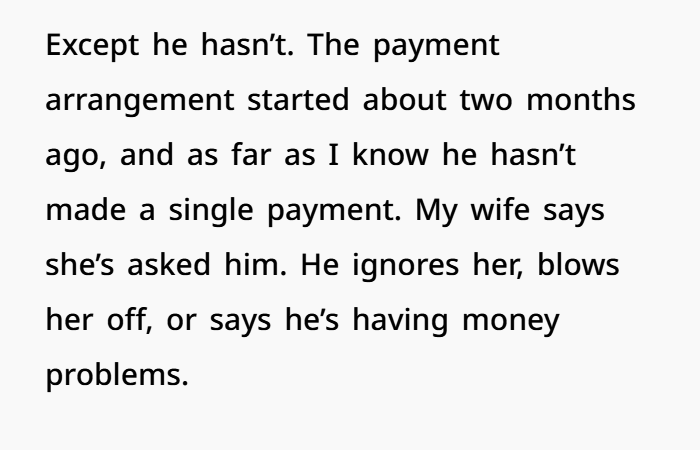
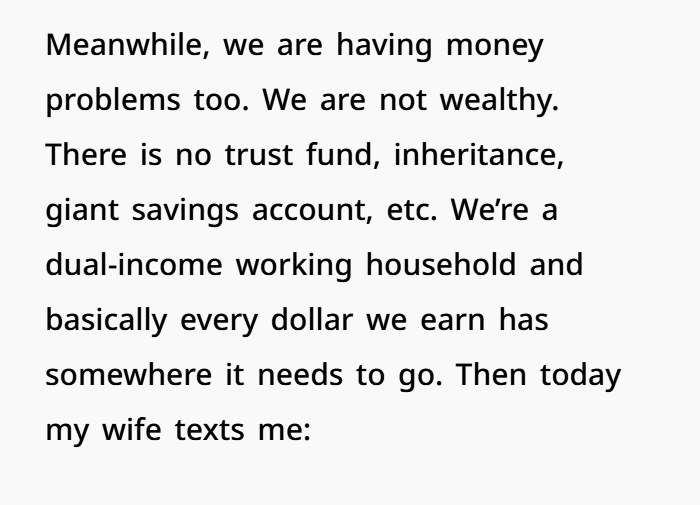
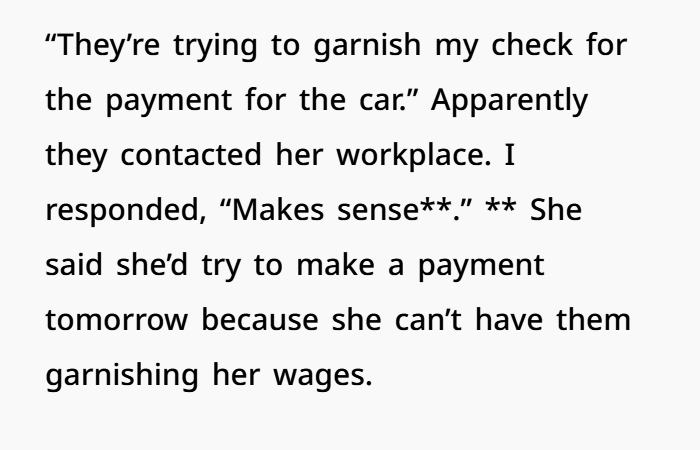
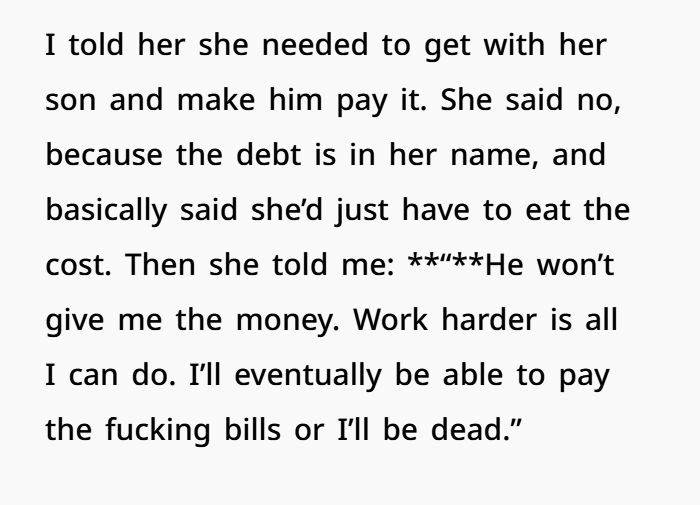
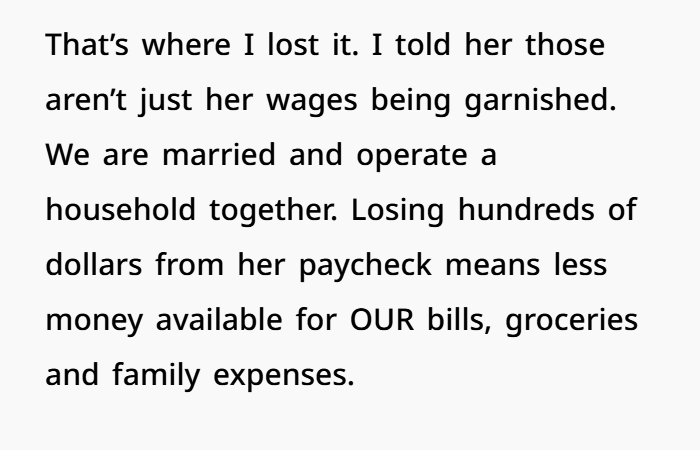
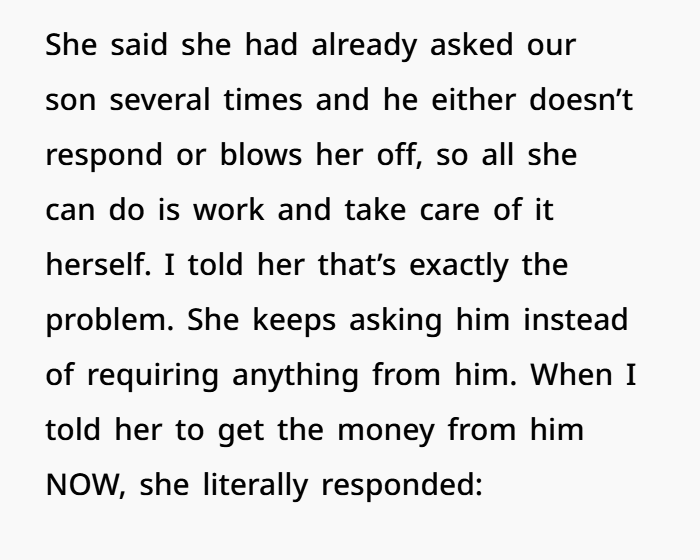
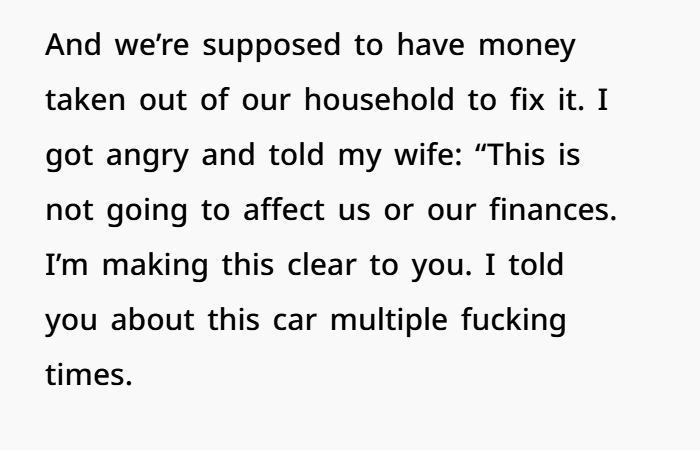
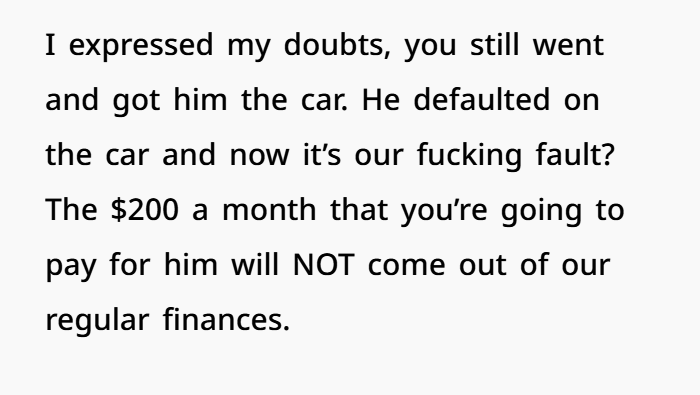
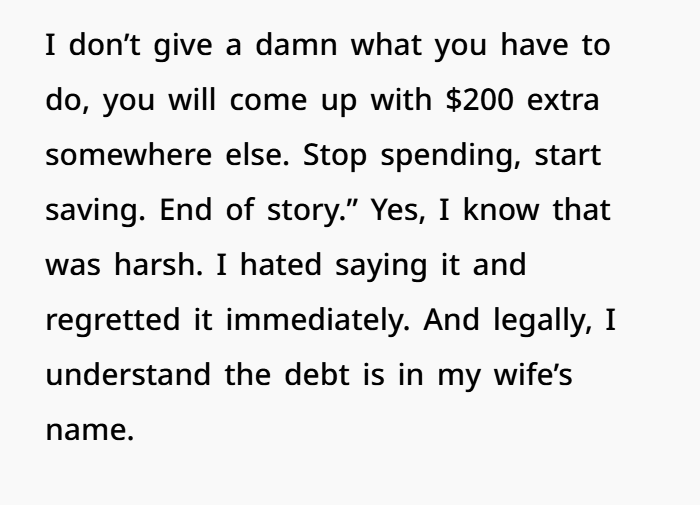
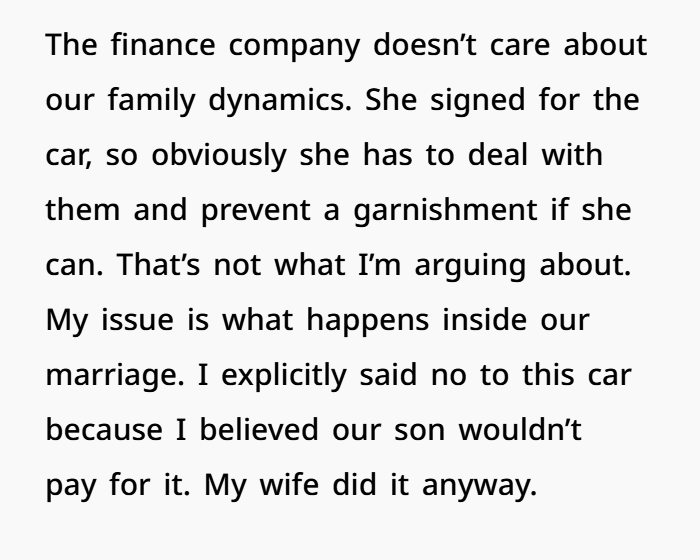
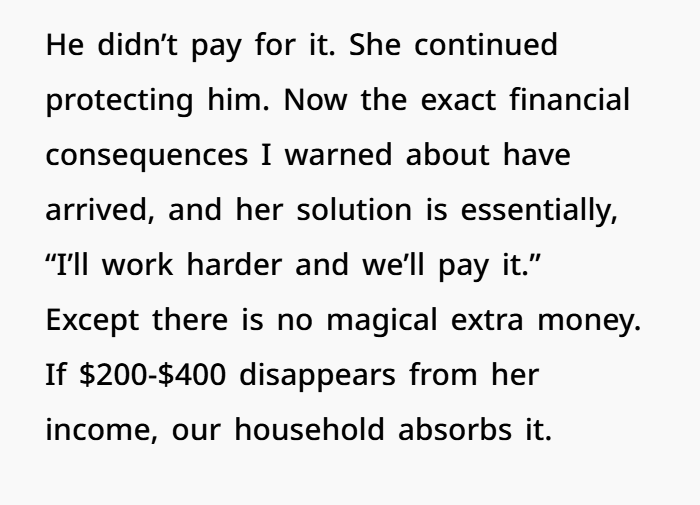
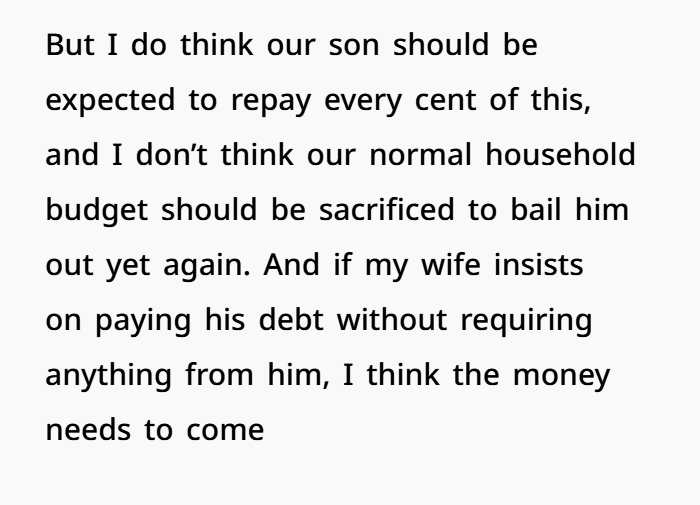
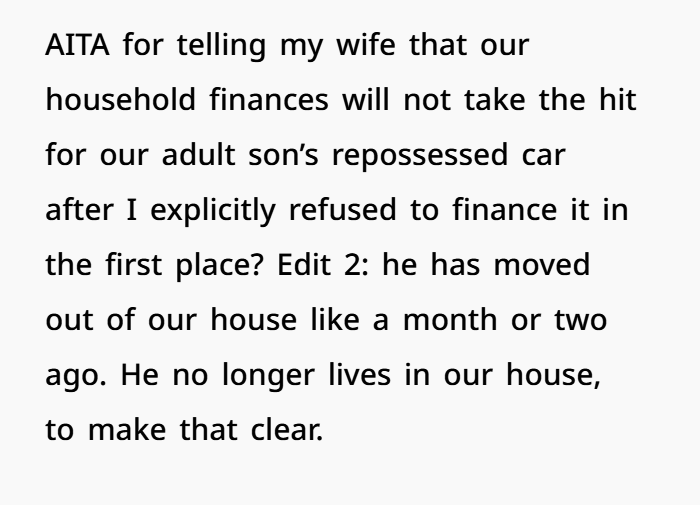
The situation becomes more stressful when the son convinces his mother to help him buy a used car. The father objects, but she moves forward with the loan. Later, when the son stops making payments, the debt becomes her responsibility and creates tension between the couple.
This story explores family support, financial responsibility, and the challenges of parenting grown children. It shows why couples need open communication and shared decisions when money, trust, and family responsibilities are involved.



Helping Adult Children: Boundaries, Money, and Family Responsibility
Many parents find it difficult to watch their adult children struggle.
A parent’s first instinct is often to help, protect, and solve problems. This comes from love and concern. However, sometimes helping too much can create new challenges.
This situation is often called parental enabling.
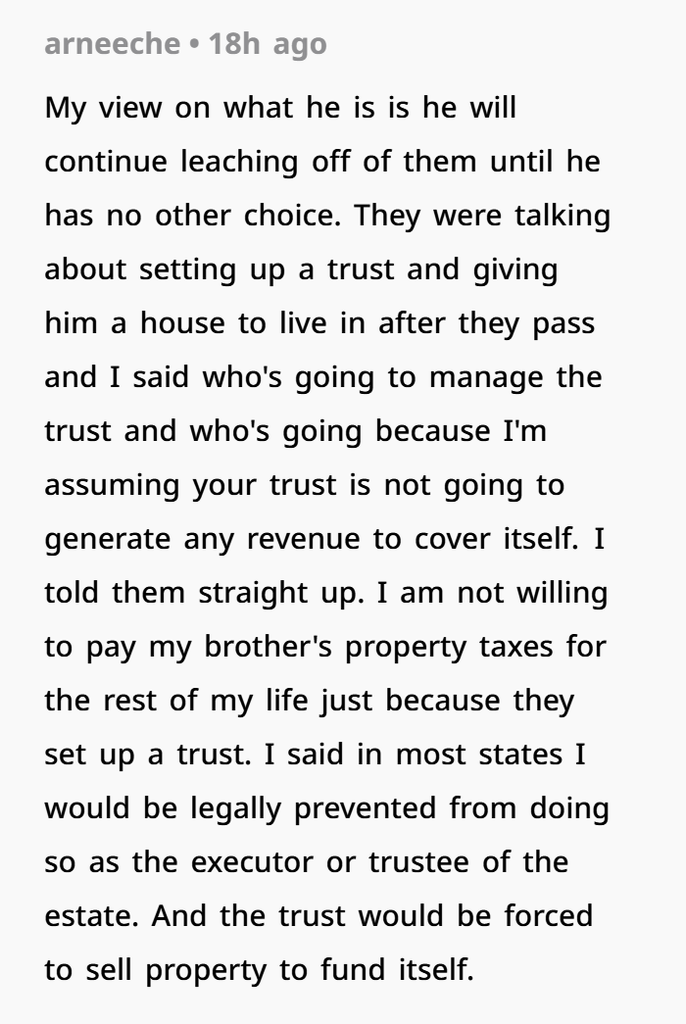
Parental enabling happens when a parent tries to protect an adult child from problems so often that the child has fewer chances to learn responsibility.
It usually does not happen because parents have bad intentions. It often comes from:
- Love
- Fear
- Guilt
- Worry about their child’s future
The challenge is finding the right balance between helping someone and allowing them to handle their own responsibilities.
The Difference Between Support and Rescuing
There is a big difference between supporting an adult child and rescuing them.
Support helps someone improve while allowing them to stay responsible for their choices.
Examples of healthy support include:
- Helping create a monthly budget
- Offering job search advice
- Helping find affordable transportation
- Sharing useful resources
Rescuing happens when someone removes every consequence of another person’s choices.
Examples may include:
- Paying the same debts repeatedly
- Taking financial responsibility for someone else’s decisions
- Solving problems while the person refuses to make changes
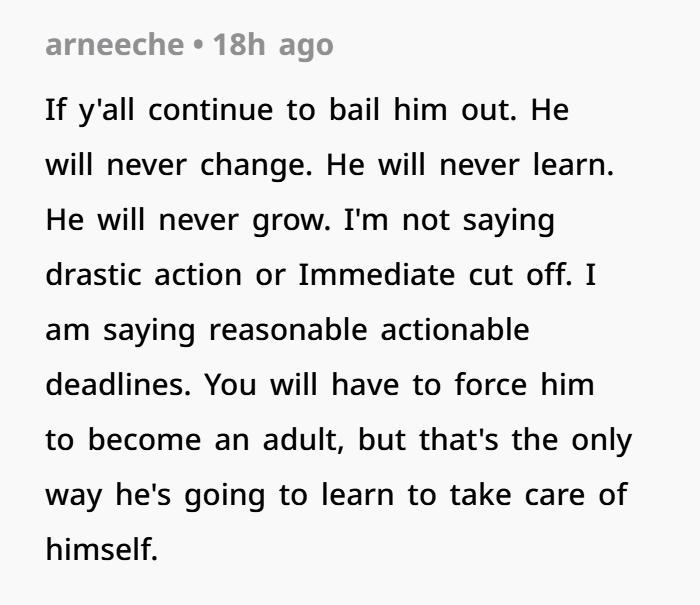
Support can help a person become stronger. Rescuing can sometimes prevent personal growth.
When Helping With a Car Loan Becomes a Financial Risk
Having a reliable vehicle can be important, especially for someone who needs transportation for work.
However, agreeing to a car loan for someone with a history of financial problems can create serious risks.
When a parent becomes a co-signer on a loan, they are not just offering emotional support. They are also accepting financial responsibility.
If the borrower stops making payments, the co-signer may become responsible for the debt.
Financial experts often recommend being careful before co-signing loans for family members. A lender considers the person’s name on the loan agreement responsible for repayment.
Good intentions do not remove financial obligations.
How Adult Children’s Money Problems Can Affect a Marriage
Financial decisions can affect the entire household, even when only one person makes the decision.
In a marriage, a loan or debt can impact:
- Monthly expenses
- Household savings
- Future financial goals
- Retirement planning
- Financial security
This is why many couples believe major financial decisions should be discussed together.
A disagreement about money is often not only about the amount being spent. It can also be about trust, teamwork, and feeling respected.
When Parents Have Different Parenting Styles
Many couples disagree about how to help their adult children.
One parent may think:
“My child needs support right now.”
The other parent may think:
“My child needs to learn from this experience.”
Both parents may have good intentions.
However, problems can develop when one person always becomes the helper and the other person feels ignored or blamed.
Over time, one spouse may feel that they are always saying no, while the other feels they are the only one showing compassion.
Finding a middle ground is important.
Why Resentment Can Build Between Spouses
In situations like this, the biggest problem is often not just money.
A spouse may feel frustrated because:
- They warned about possible problems
- Their concerns were not taken seriously
- The same financial patterns keep repeating
- They feel forced to deal with consequences they did not agree with
The frustration may come from feeling unheard rather than from one single payment or expense.
At the same time, the parent who wants to help may feel that refusing support means letting their child down.
Both emotions are understandable.
Parents Often Struggle With Letting Go
Parenting does not suddenly become easy when a child becomes an adult.
Many parents struggle with the change from raising a child to supporting an independent adult.
They may still feel responsible for protecting their child from pain or failure.
However, adulthood includes learning from mistakes.
Allowing an adult child to experience consequences does not mean a parent does not love them.
Sometimes facing consequences helps a person:
- Become more responsible
- Improve financial habits
- Make better decisions
- Build independence
Creating Healthy Financial Boundaries
Families often need clear boundaries when money is involved.
Healthy boundaries may include:
- Avoiding repeated loans
- Not taking on unnecessary debt for someone else
- Creating clear expectations before offering help
- Providing guidance instead of always providing money
- Discussing major financial decisions with your spouse
Boundaries are not a sign of rejection.
They can protect family relationships and encourage responsibility.
A Better Approach to Helping Adult Children
The goal is not to stop caring.
The goal is to help in a way that encourages growth.
Parents can offer:
- Emotional support
- Advice
- Encouragement
- Help finding solutions
But adult children also need the opportunity to manage their own choices and responsibilities.
A parent cannot build a stable future for another adult, but they can provide guidance and support along the way.
Finding Balance Between Compassion and Accountability
The deeper issue in situations like this is not only about a car payment or financial problem.
It is about learning how to love an adult child while also respecting healthy boundaries.
Parents can care deeply about their children without protecting them from every difficult situation.
Strong families often find a balance between:
- Compassion and responsibility
- Help and independence
- Love and healthy boundaries
Supporting an adult child does not mean carrying every burden for them.
Sometimes the most helpful thing a parent can do is stand beside their child while allowing them to take responsibility for their own life.
What The Internet Thinks