Affair With Younger Man Goes Wrong… Now She’s Begging Her Husband

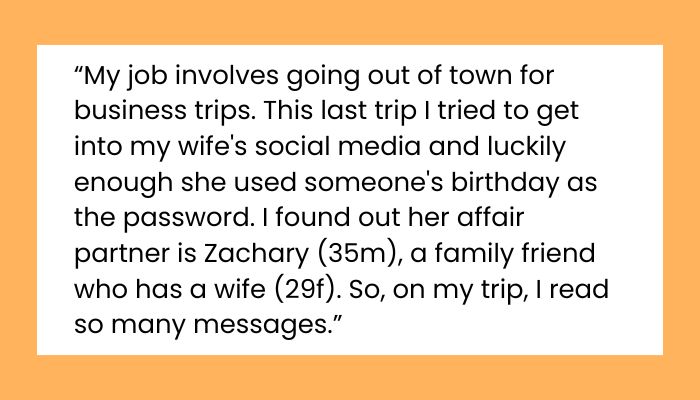
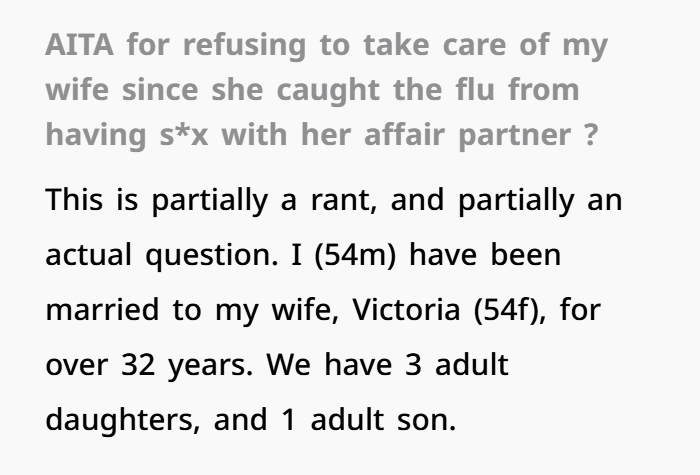
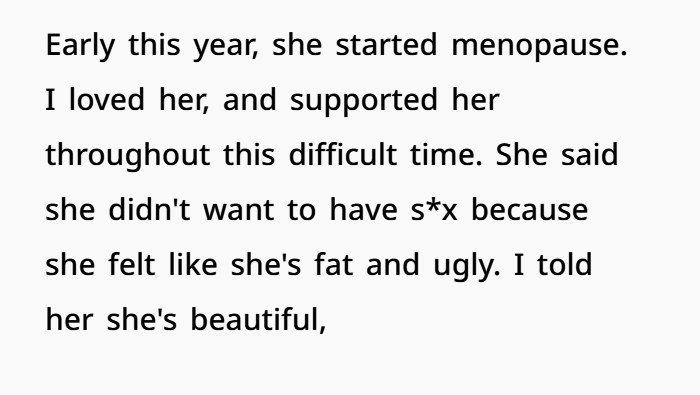
This is a difficult situation that involves trust, marriage, and emotional pain. A 54-year-old man had been married for many years and believed he was doing his best to support his wife. He stood by her during a challenging time when she was dealing with menopause symptoms, personal insecurities, and changes in their relationship. For him, marriage was about loyalty, patience, and staying committed through difficult moments.
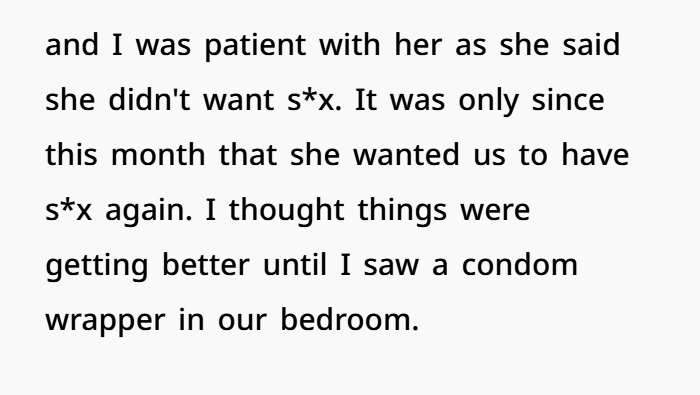
Over time, things seemed to improve. They started feeling closer again, and their relationship became stronger. When intimacy returned, he believed they had worked through their problems together. He thought they were moving forward and rebuilding their connection as a couple.
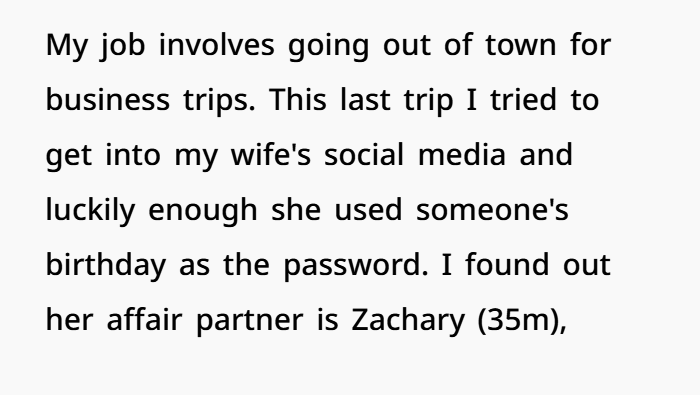
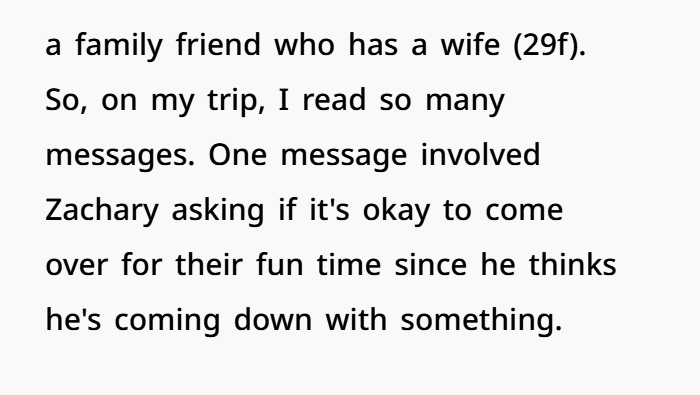
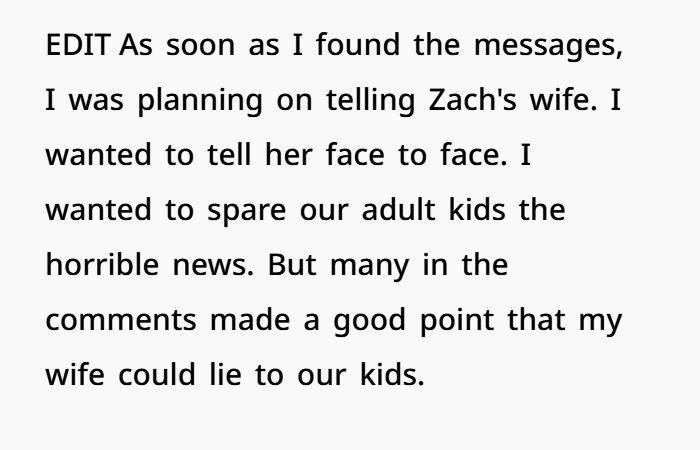
However, everything changed when he found a condom wrapper and later discovered messages that revealed his wife had been having an affair with someone much younger. The discovery completely damaged the trust he had built over many years. What hurt him even more was seeing messages that made the situation appear careless and showed a lack of concern for the impact of her choices.
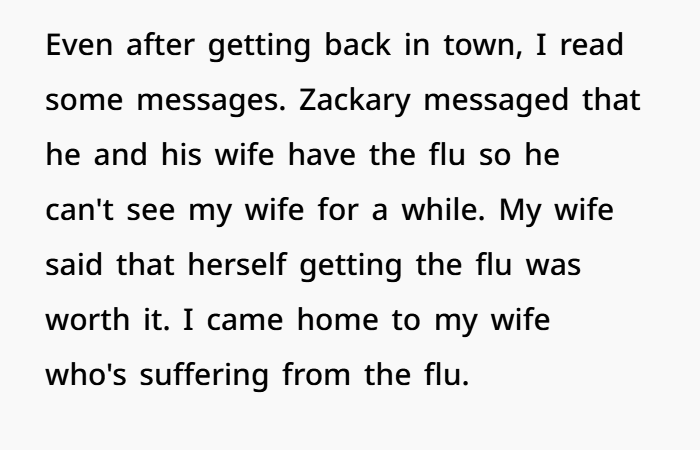
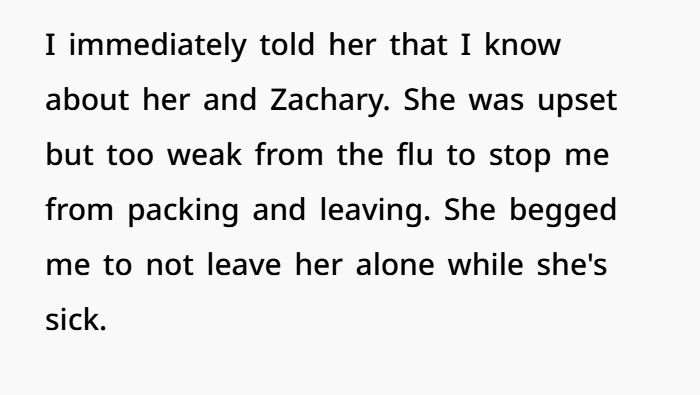
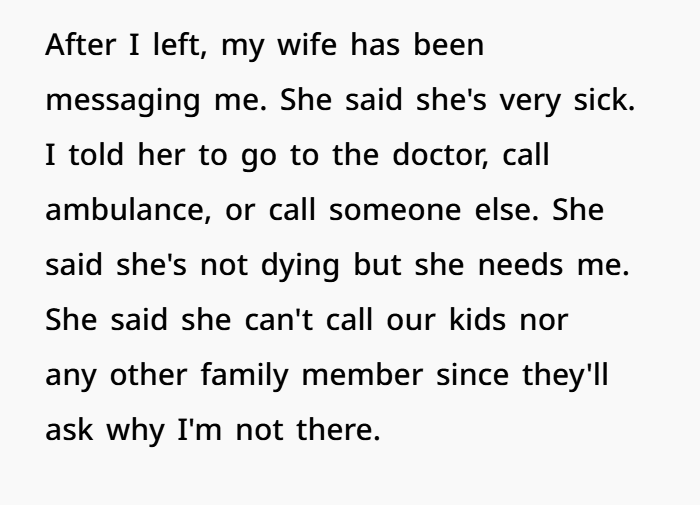
When he returned home and confronted her, she was already dealing with health problems. The situation became even more complicated because he felt hurt and betrayed, yet she was now expecting support from him. He was left struggling with feelings of anger, sadness, and confusion about his role in the relationship.
Situations involving infidelity, broken trust, and long-term marriage challenges can be emotionally overwhelming. Couples facing these issues often need honest communication, clear boundaries, and professional relationship support to understand what steps to take next.



Rebuilding Trust After Infidelity: Understanding Marriage, Boundaries, and Healing
Infidelity can be one of the most painful challenges a marriage can face.
At first, it may seem like the issue is only about cheating.
But in long-term relationships, the damage often goes much deeper. It involves:
- Trust
- Emotional connection
- Family relationships
- Financial planning
- Years of shared memories
When a couple has spent decades together, a betrayal can feel like the loss of an entire life they built together.
Why Long Marriages Can Be Deeply Affected by Betrayal
A marriage that lasts for many years is more than just a relationship.
Over time, couples often build:
- Shared goals
- Family traditions
- Financial plans
- Emotional support systems
- A shared history
After 32 years together, two people may be connected in many ways.
That is why discovering an affair after so many years can feel extremely painful.
It is not only about the action itself.
It is also about the feeling that something important was damaged after years of commitment.
Understanding Emotional Changes During Menopause
Life changes can affect relationships.
Menopause is a natural stage of life that can bring physical and emotional changes for many women.
Some people experience:
- Mood changes
- Changes in confidence
- Stress
- Changes in intimacy needs
- Feelings of uncertainty
These experiences are real and deserve understanding.
However, understanding someone’s struggles does not mean ignoring the choices they make.
There is a difference between experiencing difficult emotions and choosing actions that break trust in a relationship.
The Difference Between a Mistake and a Pattern
One important factor in rebuilding trust is whether the harmful behavior was a one-time event or a repeated pattern.
A single poor decision and a long-term secret relationship are often viewed very differently.
When someone continues a behavior over time, hides information, or makes repeated choices that hurt their partner, rebuilding trust becomes much harder.
Trust repair usually requires:
- Honesty
- Accountability
- Openness
- A willingness to change
Without these things, healing becomes difficult.
When Betrayal Involves Someone Close to the Family
Infidelity can feel even more painful when another person involved is connected to the family or social circle.
The hurt may not only come from the partner’s actions.
It can also create feelings like:
- “Who knew about this?”
- “Who can I trust?”
- “What else was hidden?”
This type of situation can affect a person’s sense of safety and trust in others.
Many people seek relationship counseling or emotional support after this kind of betrayal because the impact can be overwhelming.
Health, Responsibility, and Relationship Support
When one partner becomes sick, many people believe spouses should support each other.
Marriage often includes caring for one another during difficult times.
However, after serious relationship betrayal, emotions can become complicated.
A person may feel:
- Hurt
- Angry
- Confused
- Responsible but emotionally exhausted
Supporting someone who has caused deep emotional pain can feel very difficult.
This does not always mean someone does not care.
Sometimes it means they are trying to process their own feelings before they can provide support.
Setting Emotional Boundaries After Betrayal
After infidelity, boundaries can become an important part of emotional recovery.
A boundary is not always about punishment.
It can be about protecting mental health and creating space to heal.
For example, someone may decide:
“I need time before I can provide emotional support like I did before.”
This does not mean the person has no compassion.
It means they are recognizing their own emotional limits.
The Importance of Honesty Moving Forward
Secrets often make relationship problems worse.
When important information becomes known, everyone involved may need time to process what happened.
Moving forward usually requires honesty from all sides.
If a couple wants to repair their relationship, they often need:
- Open communication
- Professional relationship counseling
- A willingness to answer difficult questions
- Patience during the healing process
Without honesty, rebuilding trust is extremely challenging.
Are You Wrong for Creating Distance?
After betrayal, many people struggle with guilt.
They may wonder:
“Am I being too harsh?”
There is no single answer because every relationship is different.
However, creating emotional distance does not automatically mean someone is being cruel.
If a person still encourages their partner to seek medical help or support from others, they can still be acting responsibly while protecting their own emotional health.
Taking care of yourself after a painful experience is important.
What Happens Next?
After a major relationship crisis, couples often reach a turning point.
There are usually two possible paths:
Choosing Separation
Some couples decide the relationship cannot continue.
This may involve:
- Divorce discussions
- Financial planning
- Legal advice
- Creating new living arrangements
Trying to Rebuild the Relationship
Other couples choose to work on healing.
This usually requires:
- Full honesty
- Taking responsibility
- Rebuilding trust slowly
- Professional counseling
Rebuilding after infidelity is possible for some couples, but it requires effort from both people.
Supporting Yourself During Emotional Recovery
No matter what decision someone makes, emotional recovery takes time.
Helpful steps may include:
- Talking with trusted friends or family
- Seeking professional counseling
- Focusing on personal health
- Creating healthy routines
- Planning for the future
Healing does not mean forgetting what happened.
It means learning how to move forward in a healthier way.
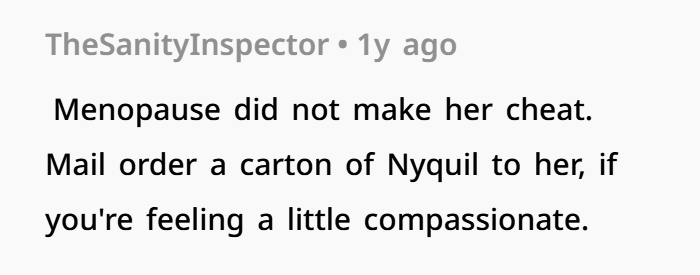
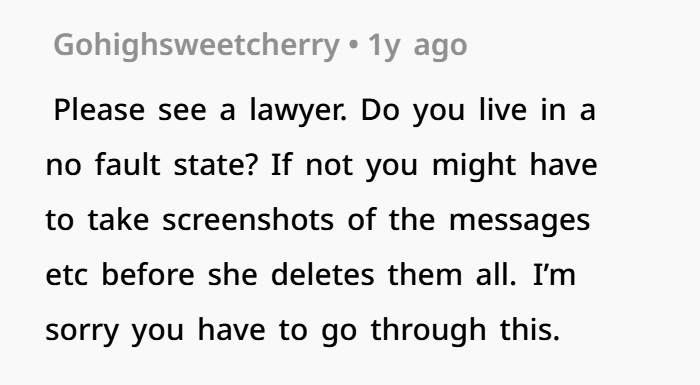
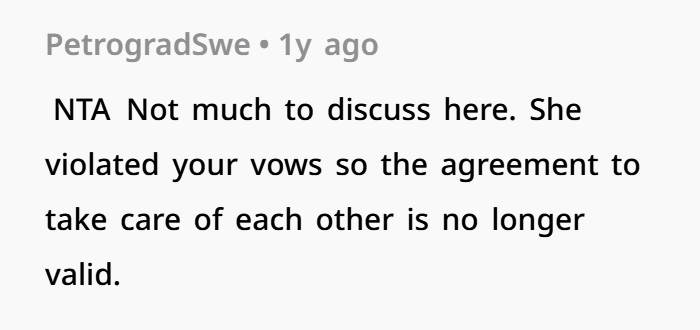
Comments From The Community







Final Thoughts
Infidelity can change a marriage in a very deep way, especially after many years together.
The pain is not only about the affair itself.
It is about broken trust, changed family relationships, and the loss of emotional security.
Understanding someone’s struggles is important, but accountability also matters.
Whether a couple chooses to rebuild or separate, the foundation must be honesty, respect, and emotional well-being.
Sometimes healing means repairing a relationship.
Sometimes healing means accepting that a relationship has changed.
The most important step is choosing a path that supports long-term emotional health and a healthier future.