My Girlfriend’s Secret Twitter Account Gave Me the Biggest Ick

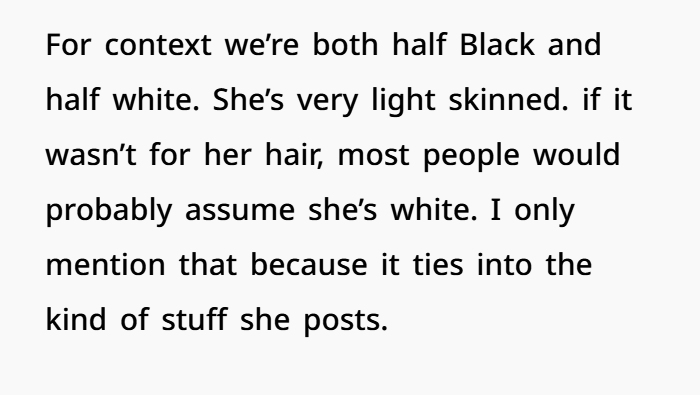
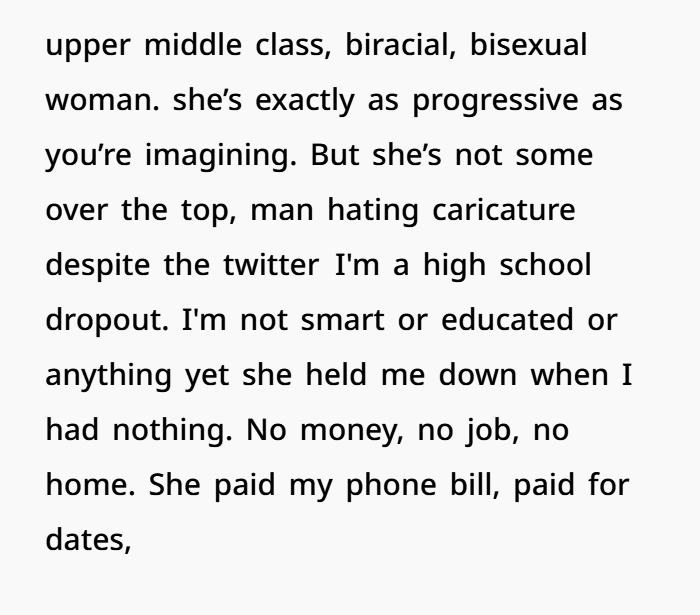
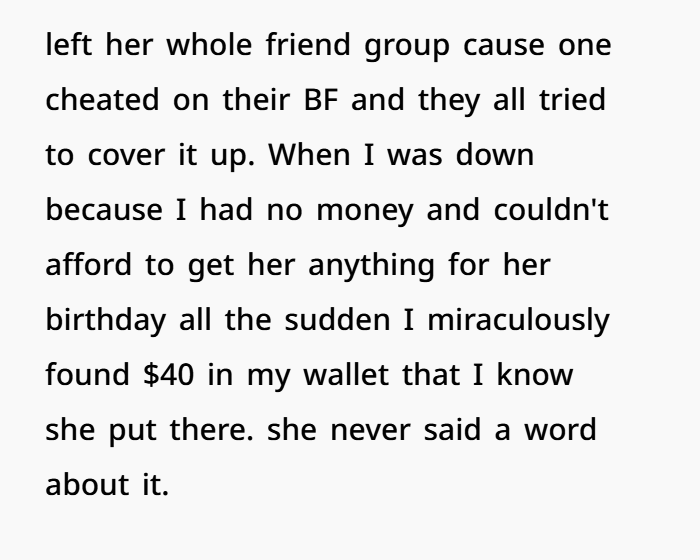
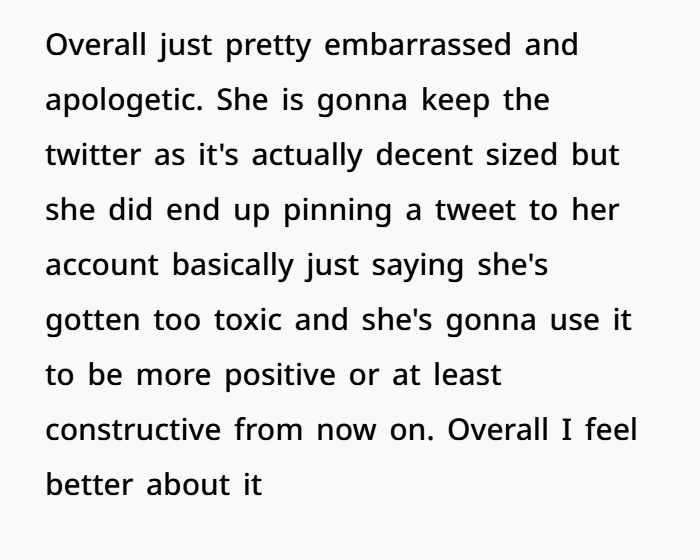
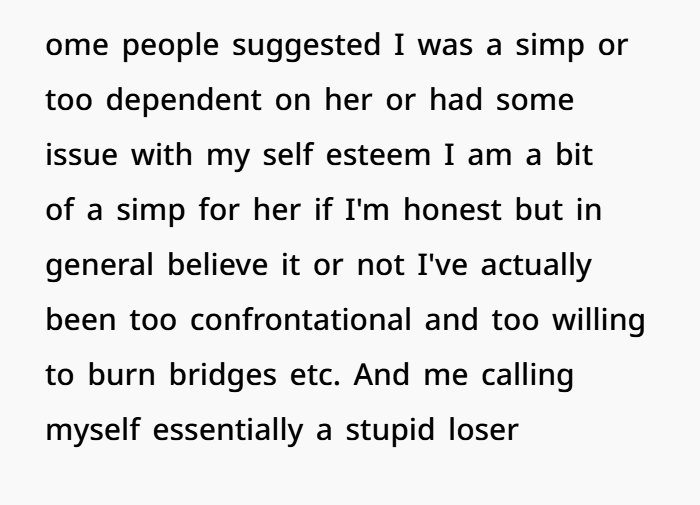
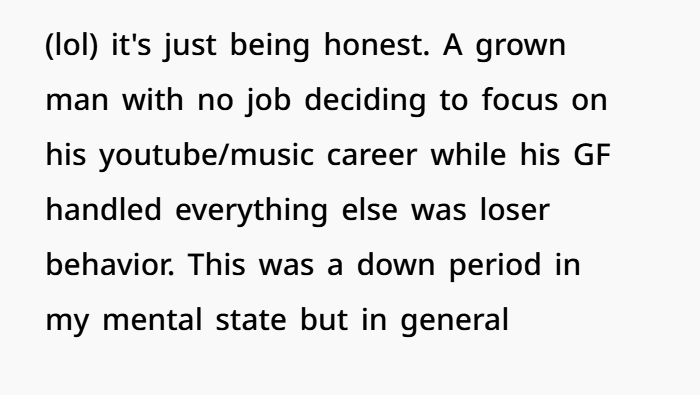
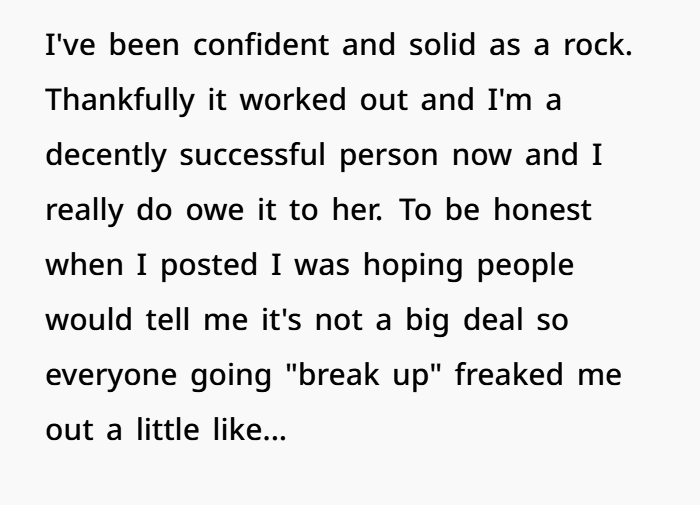
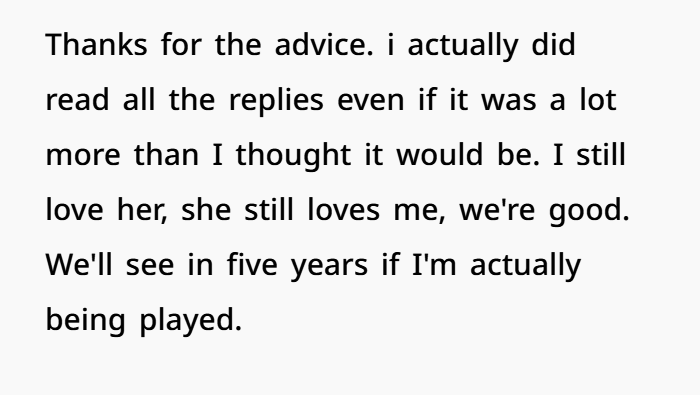
Sometimes people discover a side of their partner that they never expected to see. In this story, a man shared that he believed he had found the perfect girlfriend. She supported him during a difficult time in his life, helped him when he had financial struggles, and believed in him before he became successful.
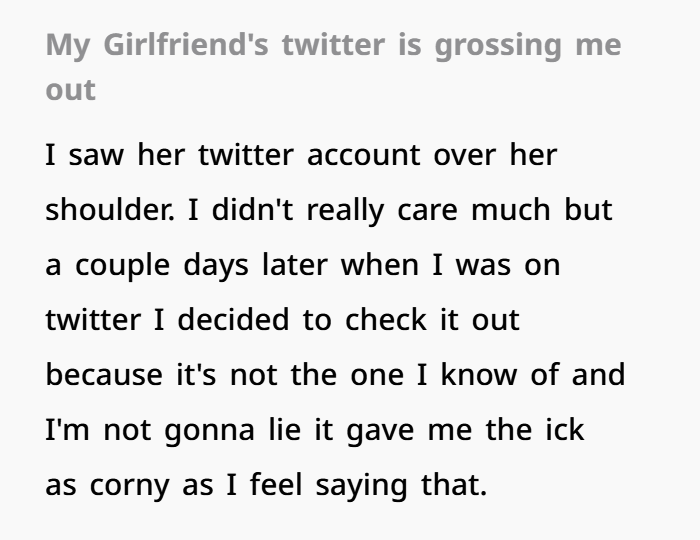
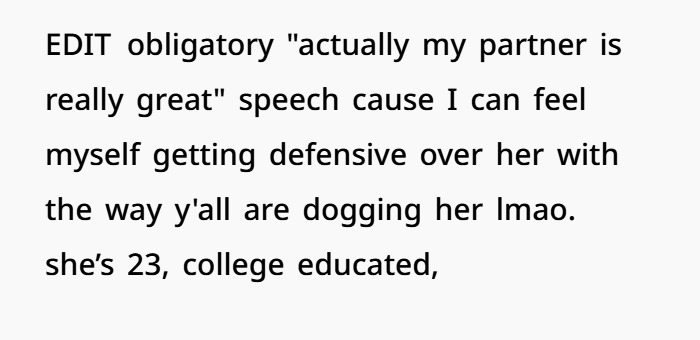
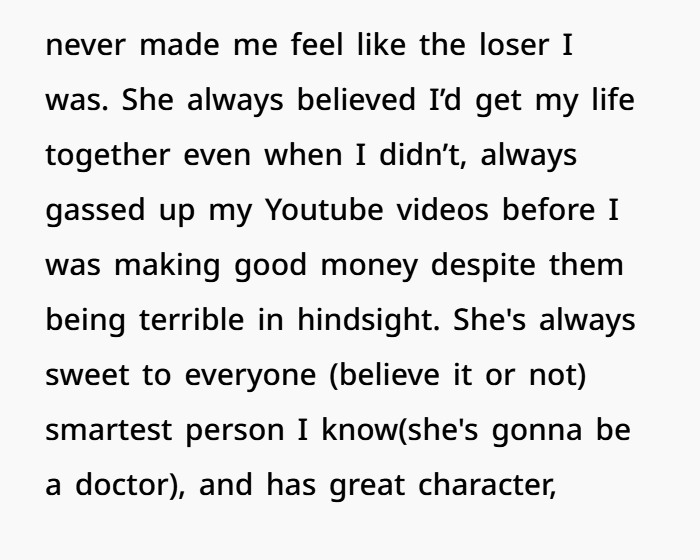
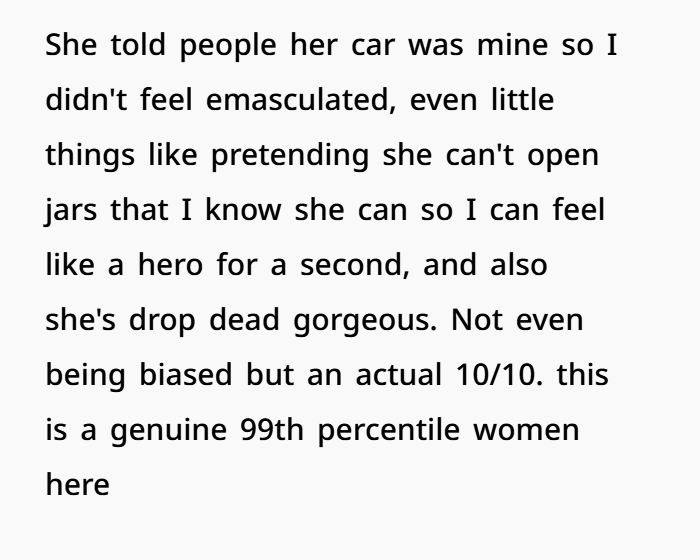
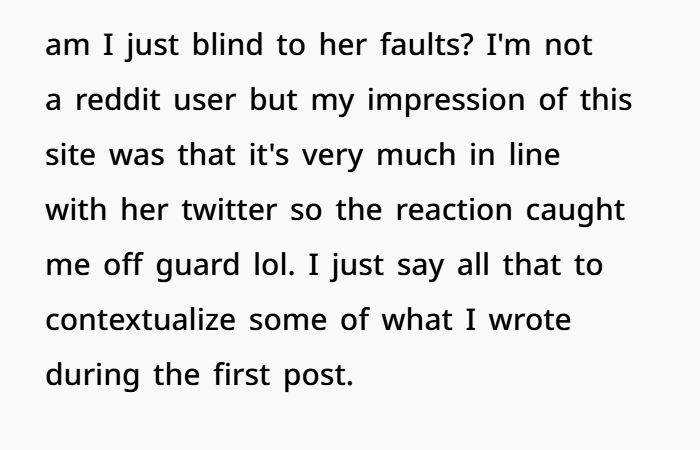
He described her as kind, intelligent, caring, and loyal. Their relationship seemed strong, and he felt lucky to have someone who supported him through challenges. However, his feelings changed after he accidentally found another social media account that she had not shared with him.
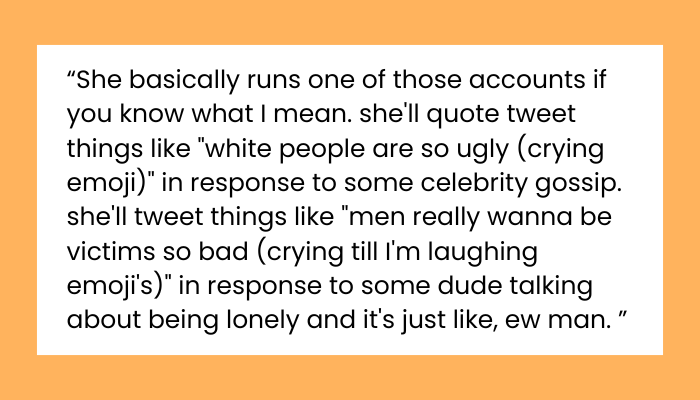
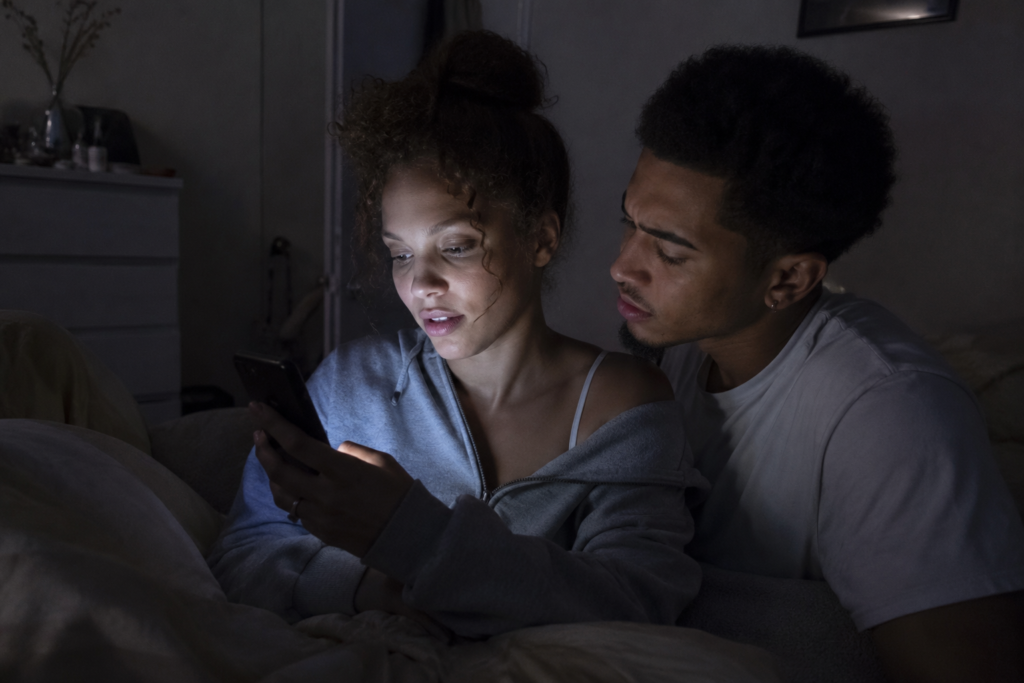
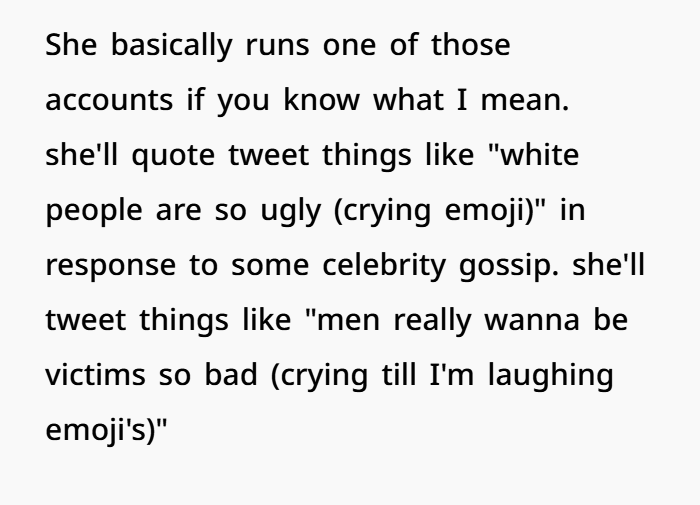
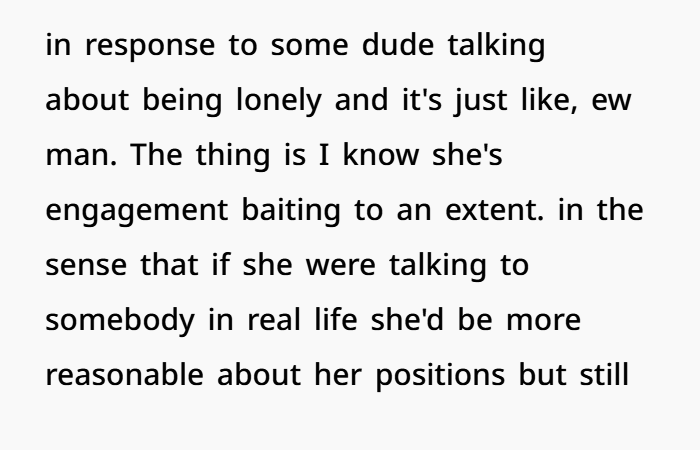
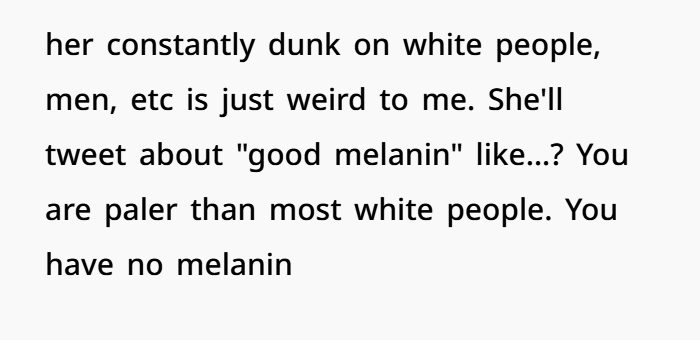
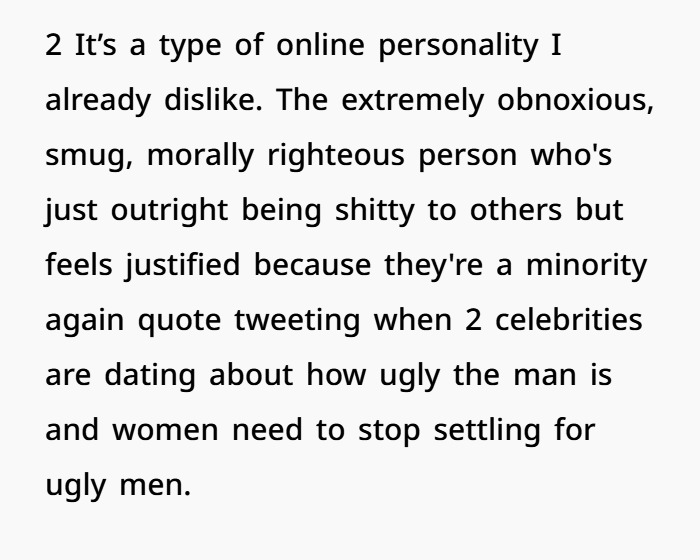
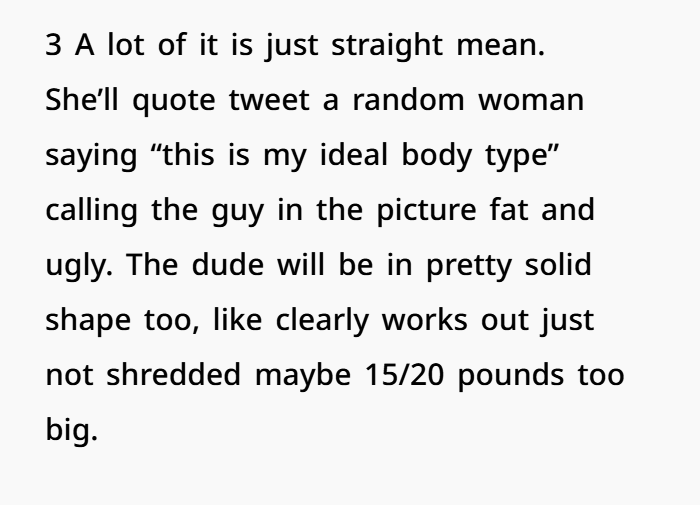
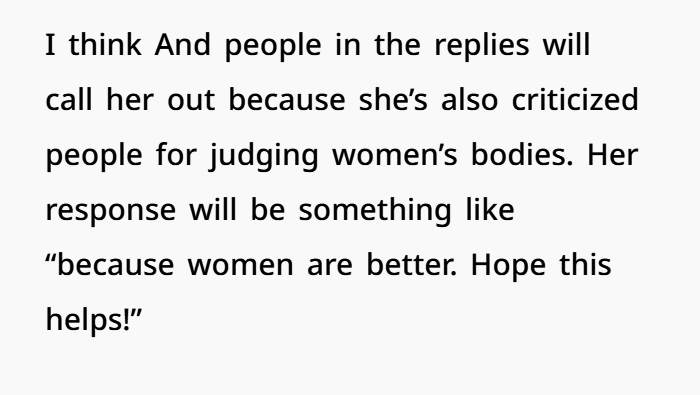
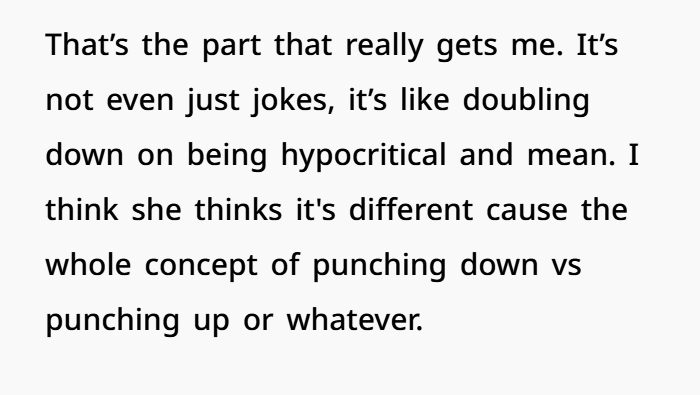
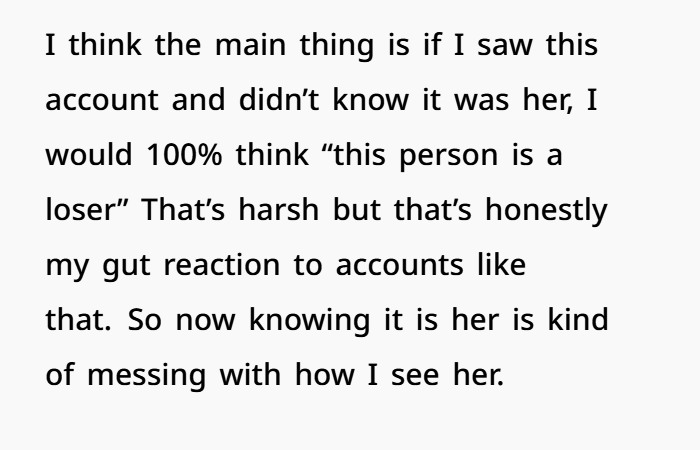
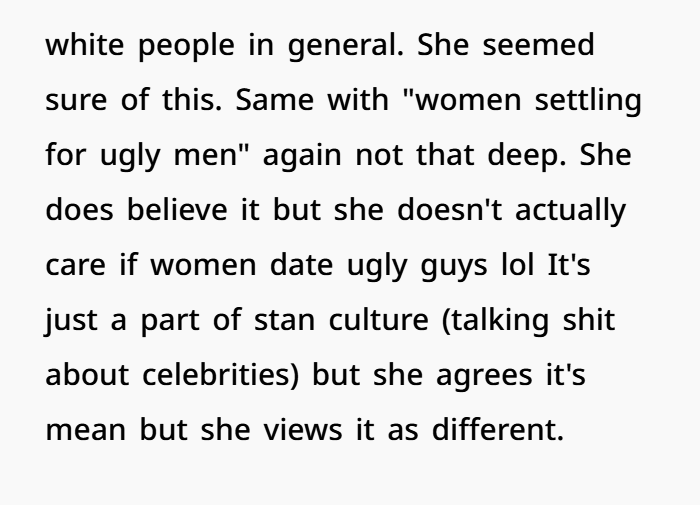
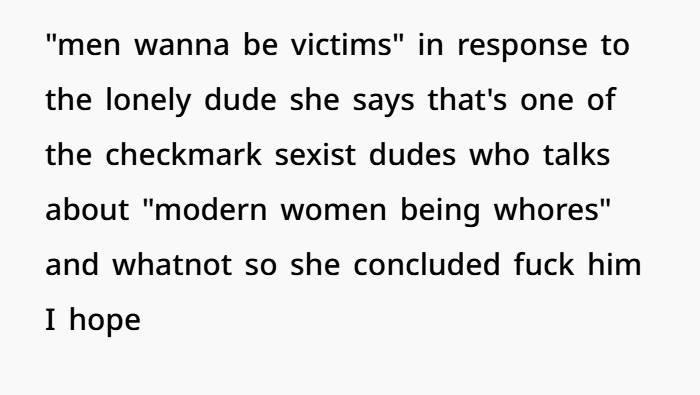
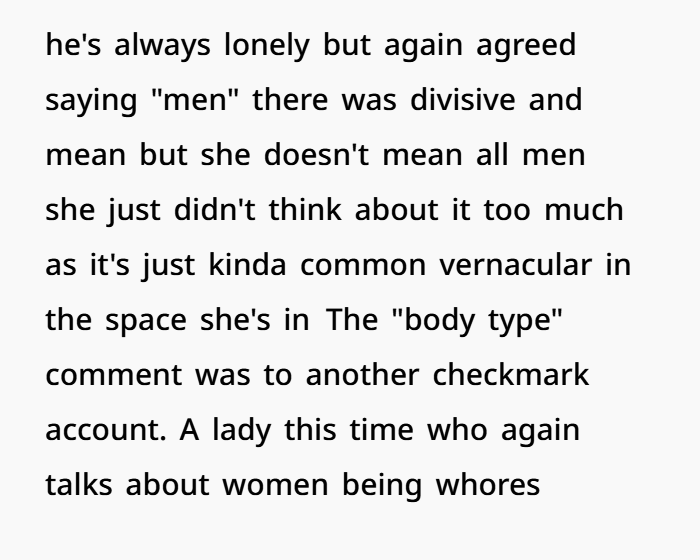
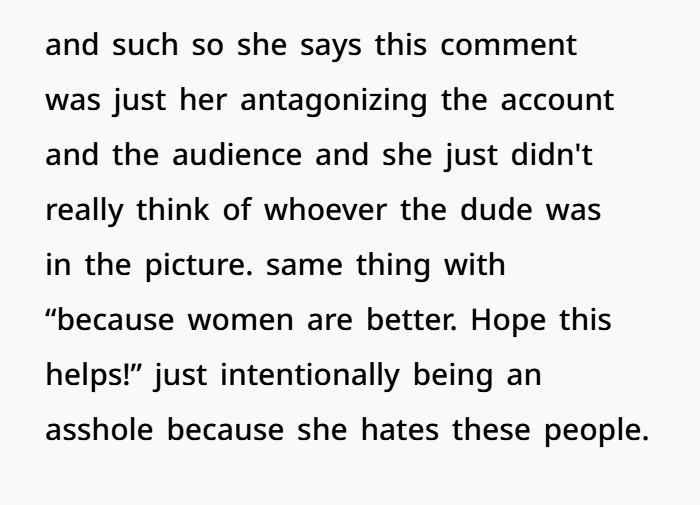
The account showed a very different side of her online. According to him, the posts included angry discussions, strong opinions, and comments that he found hurtful and negative. He was surprised because this online personality seemed very different from the person he knew in everyday life.
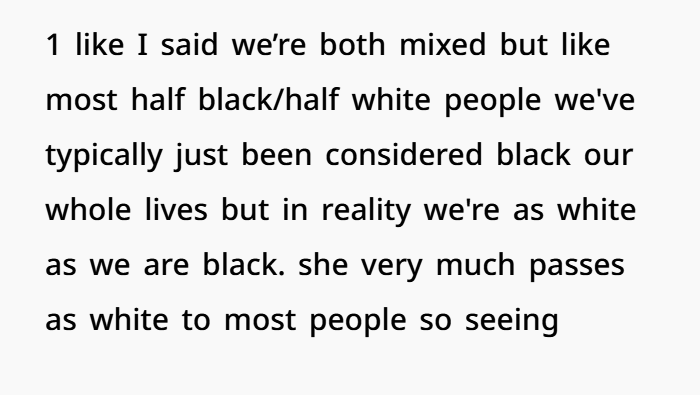
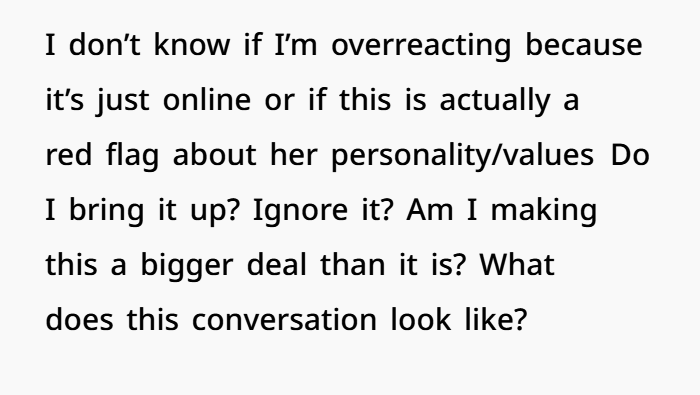
The biggest issue for him was the difference between her real-life behavior and her social media activity. He started wondering whether the account showed a hidden side of her personality or whether it was simply a different way she expressed herself online.
The situation made him think about trust, communication, and online behavior in relationships. Social media can sometimes show parts of a person that their partner may not see, which is why honest conversations and understanding each other’s values are important in a healthy relationship.
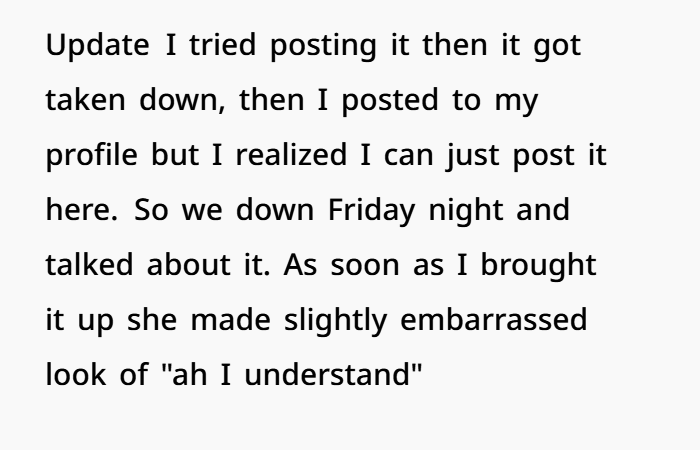
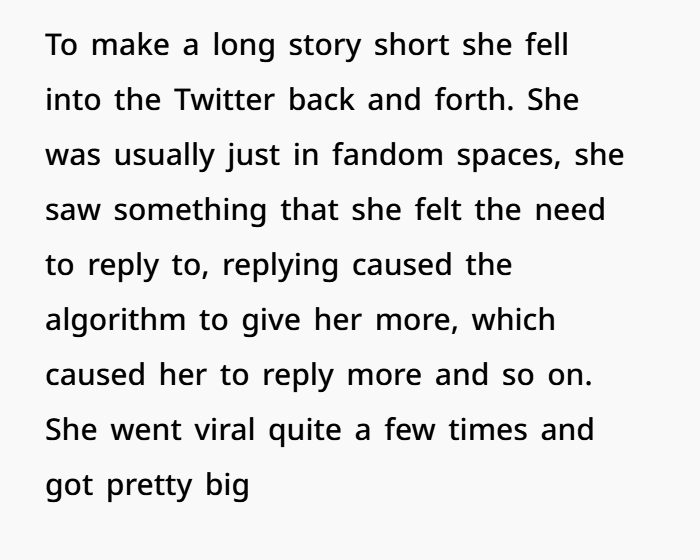
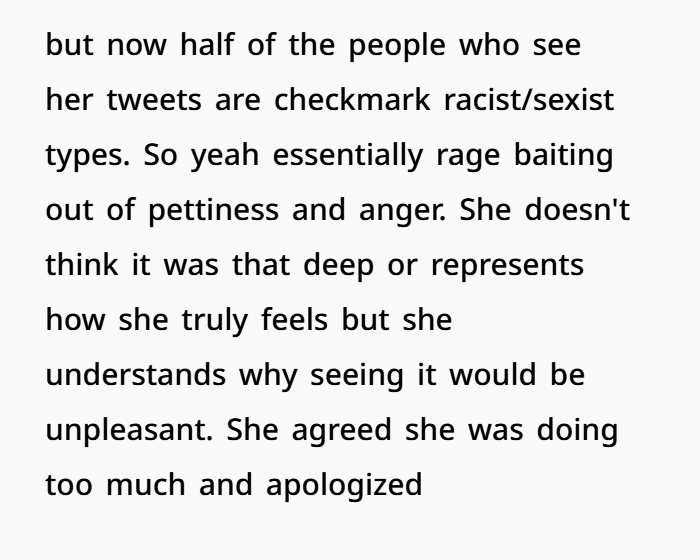
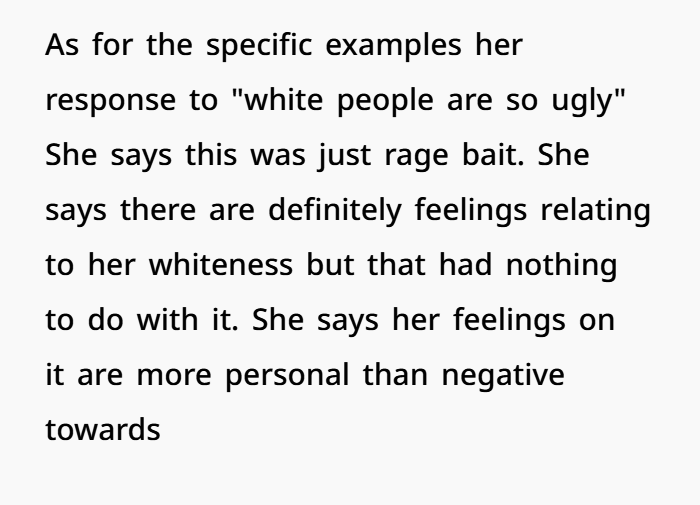
When Social Media Reveals a Different Side of Someone
Social media has changed the way people share their thoughts, opinions, and personalities.
Today, many people have an online identity that may look different from how they act in everyday life. Sometimes people discover old posts, private accounts, or online habits that make them wonder, “Is this really the same person I know?”
That is what makes stories like this so interesting.
The main issue was not simply about having different opinions. It was about discovering a side of someone that felt uncomfortable and difficult to understand.
When Online Behavior Changes How We See People
Many relationships today include conversations about social media use.
A person may be kind, caring, and supportive in real life but have a very different communication style online. Some people become more sarcastic, emotional, or aggressive when they are behind a screen.
This happens for many reasons:
- Social media rewards strong reactions
- Controversial posts often get more attention
- People may feel less responsible online
- Online communities can influence the way people think and communicate
Over time, someone can become used to posting content that creates arguments because the attention feels rewarding.
The Impact of Social Media Algorithms
Social media platforms are designed to keep people engaged.
Content that creates strong emotions often receives more comments, shares, and reactions. This can create a cycle where users continue posting more extreme opinions because those posts receive more attention.
For some people, this can lead to:
- Spending too much time online
- Seeking constant approval
- Becoming involved in online arguments
- Developing negative communication habits
This does not mean every person with strong opinions has a problem. However, it shows how digital environments can influence behavior.
When Online Personality Feels Different From Real Life
One of the hardest parts of discovering someone’s online activity is dealing with the difference between their public and private personality.
A person might wonder:
“How can someone who is caring with me say such harsh things online?”
The answer is that people are complicated.
Someone can have positive qualities and still develop unhealthy habits in certain environments. Online behavior may be influenced by trends, communities, humor styles, or the desire for attention.
The important question is whether the person is willing to reflect and improve.
The Problem With Online Negativity
Constant negativity on social media can affect both the person posting and the people watching.
Negative content can create stress, anger, and unnecessary conflict. Over time, spending too much time in online spaces built around criticism and arguments can affect mental health and relationships.
Healthy digital habits include:
- Taking breaks from social media
- Following positive and educational accounts
- Avoiding unnecessary online arguments
- Thinking before posting
- Treating others respectfully
Social media should be a tool for connection, not a source of constant conflict.
Why Self-Awareness Matters in Relationships
The way someone responds after being confronted says a lot.
In healthy relationships, people should be able to talk about uncomfortable topics without immediately becoming defensive.
A positive response can include:
- Listening to concerns
- Understanding another person’s perspective
- Accepting responsibility when needed
- Making changes when behavior becomes unhealthy
Nobody is perfect online or offline. What matters is the ability to learn and grow.
Internet Mistakes Do Not Always Define a Person
The internet often encourages extreme reactions.
Someone makes a mistake, and thousands of people immediately decide that person is completely good or completely bad.
Real life is usually more complicated.
People can make poor choices, spend time in unhealthy online communities, or post things they later regret. Growth happens when people recognize those mistakes and choose a better direction.
Supporting Someone Through Change
If a partner or friend discovers concerning online behavior, an honest conversation can be more helpful than immediate judgment.
A calm discussion can help both people understand:
- Why the behavior happened
- How it affected others
- What changes may be needed
- How to build healthier communication habits
Relationships are built on trust, respect, and the willingness to improve.
Creating a Healthier Online Life
The internet has many benefits. It helps people learn, connect, build businesses, and share ideas.
But balance is important.
A healthier relationship with social media may include:
- Spending more time offline
- Creating meaningful connections
- Sharing content that adds value
- Avoiding content that increases stress or anger
Digital wellness is becoming an important part of overall mental health because online experiences can affect how people think, feel, and interact.
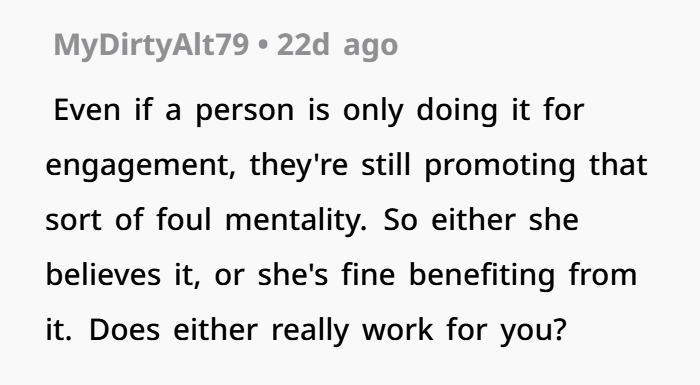
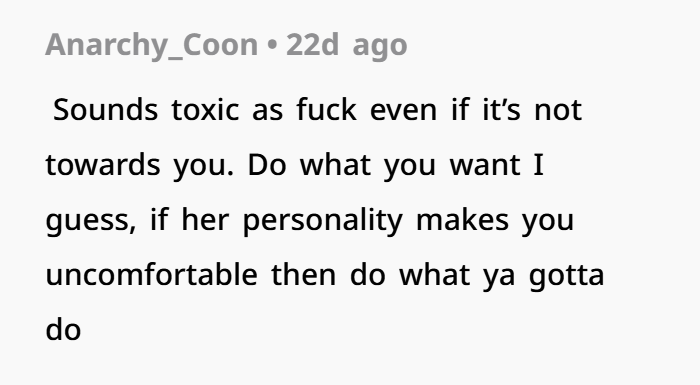
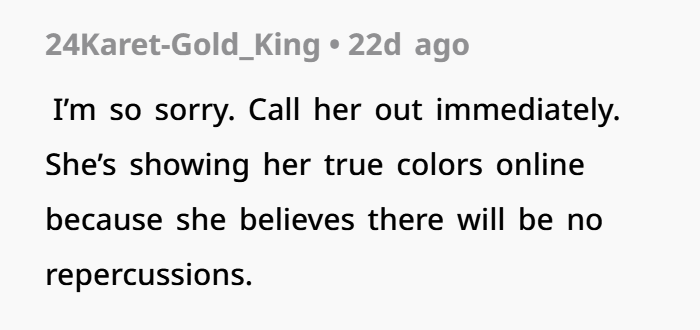
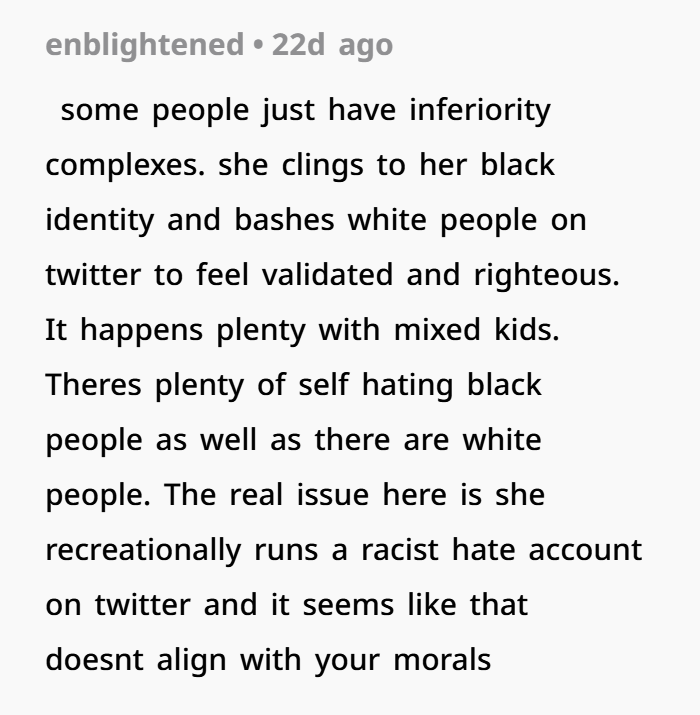
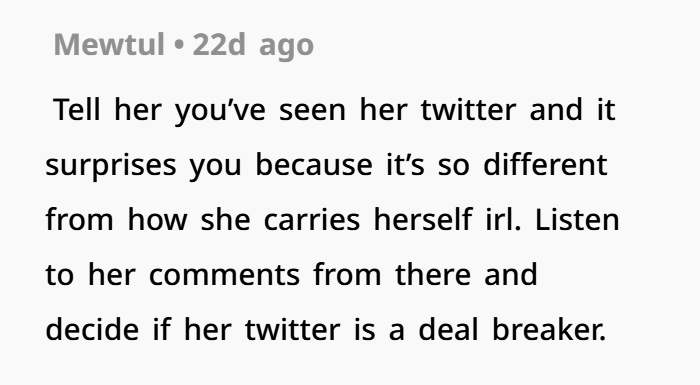
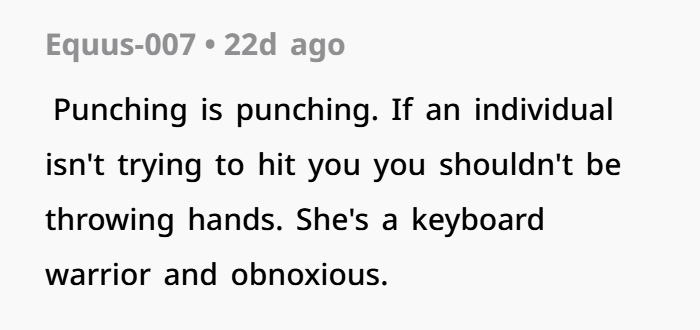
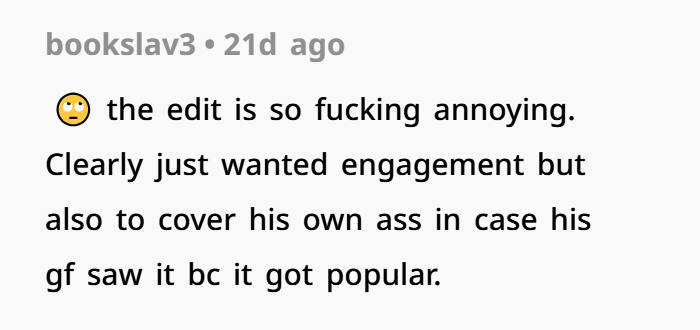
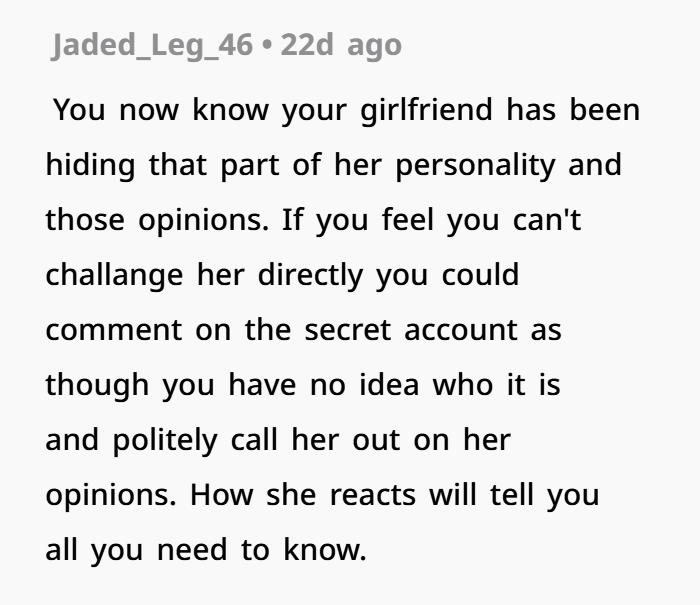
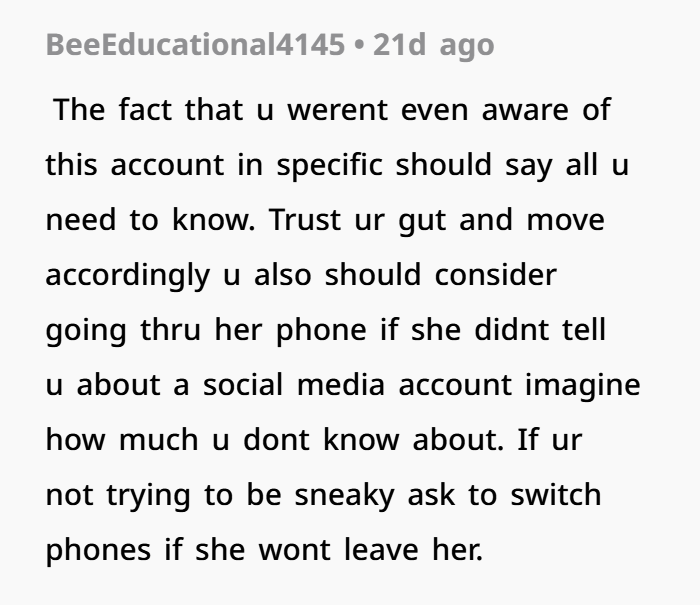
The Comments Are In
The Bigger Lesson
This story is not only about social media posts. It is about how online habits can affect real-life relationships.
The internet can sometimes encourage people to chase attention, reactions, and approval. But behind every account is a real person with real emotions.
The most important thing is not whether someone has made mistakes online. The bigger question is whether they can recognize unhealthy patterns and choose to do better.
Social media may show one version of a person, but real character is often revealed by how someone responds when they are given a chance to grow.