AITAH for Telling My Ex-Wife to Get Her Own Insurance After Our Divorce Filing?

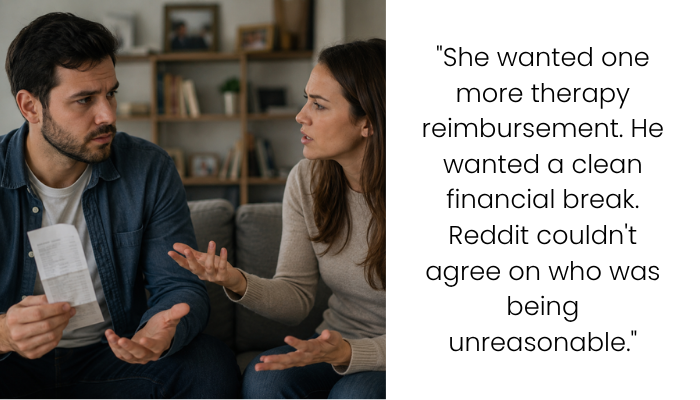
Divorce does not always end all responsibilities right away. Many couples continue dealing with shared finances, insurance plans, and other important matters even after they separate. This can make it difficult for both people to understand new boundaries and expectations.
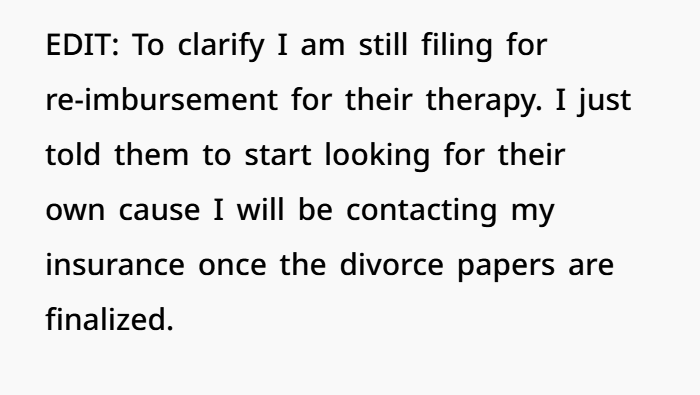
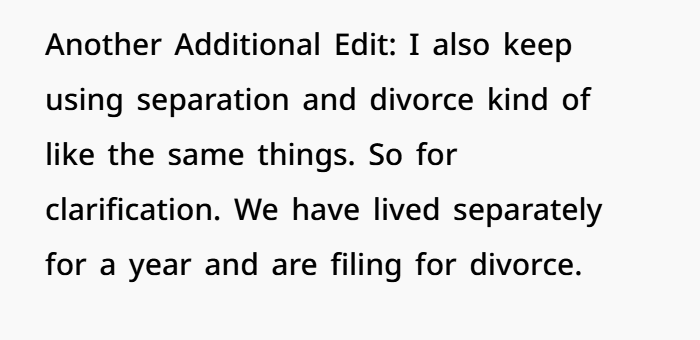
A man from Canada shared his experience after being separated from his wife for more than a year. They were preparing to complete their divorce, but they were still trying to maintain a friendly relationship. The situation became stressful when his ex-wife asked him to submit another therapy receipt through his workplace insurance so she could receive a refund.
The man agreed to help with the current claim, but he also explained that she should begin looking for her own healthcare coverage. He planned to remove her from his insurance policy once the divorce was complete. His ex-wife became upset and questioned whether he still wanted to have a friendship after the separation.
The situation made him wonder if he was being unfair or simply creating healthy boundaries. Divorce often requires people to separate their emotions, finances, and responsibilities. Clear communication, financial planning, and respectful boundaries can help both people move forward after a relationship ends.


Divorce, Health Insurance, and Setting Healthy Financial Boundaries
Divorce can be difficult for many reasons. It is not only about ending a marriage. It also involves money, healthcare, emotional changes, and learning how to move forward separately.
In this situation, the main issue is not really a therapy reimbursement claim. The bigger issue is about what financial support should look like after a marriage ends.
The husband did not refuse to help with the current insurance claim. He was willing to continue helping with that process. His concern was about what would happen after the divorce became official and whether his ex-wife would still be able to use his health insurance benefits.
This is a common challenge many divorced couples face.
Divorce Changes Financial Responsibilities
After a long marriage, two people may have different ideas about what life will look like after separation.
One person may believe the transition should happen slowly. They may expect some financial support and shared benefits to continue for a while.
The other person may see divorce as the point where both people begin becoming financially independent.
Neither person may have bad intentions. The problem often comes from having different expectations.
Clear communication about money, healthcare, and future responsibilities can prevent many conflicts during divorce.
Health Insurance After Divorce Is a Major Concern
Health insurance is one of the biggest issues people deal with during divorce.
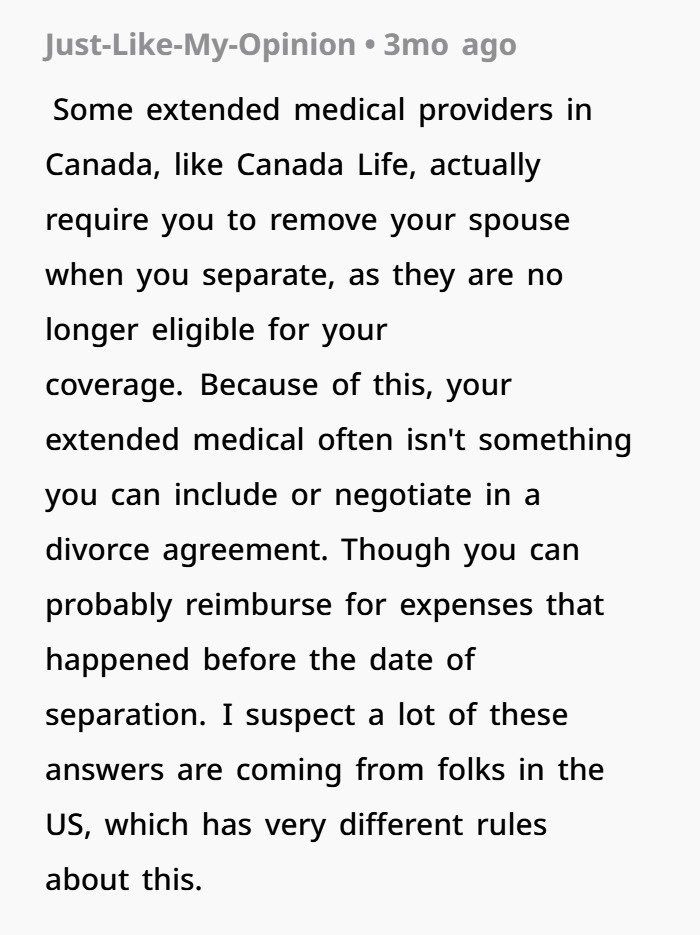
Many employer health insurance plans provide coverage only for legal spouses. Once a divorce is finalized, an ex-spouse may no longer qualify for benefits under that plan.
This can include:
- Medical insurance
- Therapy coverage
- Mental health services
- Prescription benefits
- Doctor visits
Because healthcare costs can be high, planning ahead is extremely important.
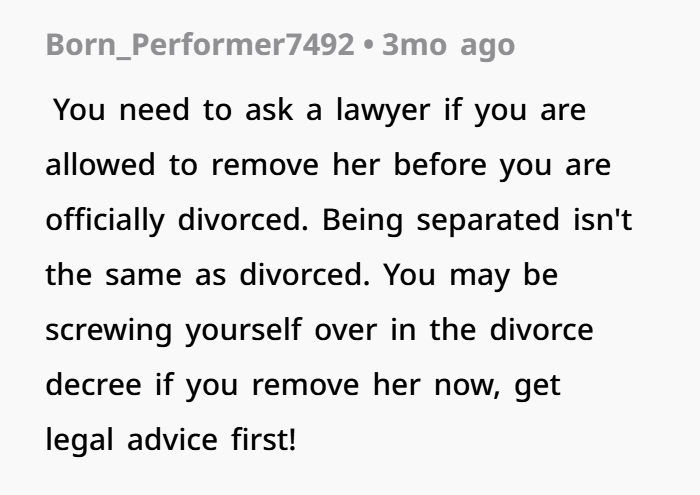
Many divorce attorneys and financial advisors recommend looking into new health insurance options before the divorce is complete.
Waiting until the last minute can create unnecessary stress.
Therapy and Mental Health Coverage Matter
Mental health care is an important part of many people’s lives.
Therapy and counseling can help people manage stress, anxiety, major life changes, and emotional challenges. However, without insurance coverage, these services can become expensive.
That is why losing health insurance benefits can feel overwhelming.
A person may worry about how they will continue important medical or mental health treatment.
These concerns are understandable.
At the same time, planning for new coverage is an important part of moving forward after divorce.
Giving Notice About Insurance Changes Can Be Responsible
The husband’s message was not that he wanted to suddenly remove support.
He was still willing to help with the current claim.
His point was that the current arrangement would not continue forever and that his ex-wife should begin preparing for her own health insurance coverage.
There is a big difference between ending support without warning and giving someone time to plan.
Advance communication can help reduce future problems.
If someone loses coverage unexpectedly after a divorce, they may feel stressed and unprepared. A warning gives them time to explore other options.
Friendship After Divorce Does Not Mean Shared Finances Forever
Another emotional part of this situation is the idea of staying friends after divorce.
Many former couples choose to remain respectful and friendly after separating.
A healthy post-divorce relationship can include:
- Kind communication
- Respect
- Support during difficult moments
- Cooperation when needed
However, friendship does not always mean continuing the same financial arrangements that existed during marriage.
For example, staying friends does not usually mean continuing shared bank accounts, paying all of an ex-partner’s expenses, or keeping financial benefits connected to the marriage forever.
Health insurance is often viewed the same way.
It is usually connected to legal marital status and employer policies.
Emotional Feelings Can Make Practical Decisions Hard
Money and healthcare are not just practical issues. They are also emotional.
For someone losing access to a spouse’s insurance plan, it may feel like another reminder that the marriage is truly ending.
That emotional reaction is understandable.
A person may feel sad, worried, or uncertain about the future.
However, feeling hurt does not always mean the other person is doing something wrong.
Sometimes divorce requires difficult conversations about boundaries, finances, and independence.
Why Clear Divorce Boundaries Are Important
Many family law professionals encourage couples to create clear boundaries after separation.
Unclear expectations can lead to more conflict later.
Important topics to discuss include:
- Health insurance coverage
- Financial responsibilities
- Housing arrangements
- Medical expenses
- Future support expectations
The earlier these conversations happen, the easier it may be for both people to adjust.
Planning for Financial Independence After Divorce
Divorce often requires both people to rebuild their financial lives separately.
This may include:
- Finding new insurance coverage
- Reviewing monthly expenses
- Creating a personal budget
- Understanding legal rights and responsibilities
- Planning for future healthcare costs
Financial planning after divorce can make the transition smoother and reduce stress.
The Importance of Respectful Communication
Divorce does not have to become a battle.
Even when two people are ending a marriage, they can still communicate with kindness and respect.
In this situation, continuing to help with the current claim while discussing future changes shows an attempt to balance support with personal boundaries.
Healthy boundaries are not about being unkind.
They are about creating a realistic plan for the future.
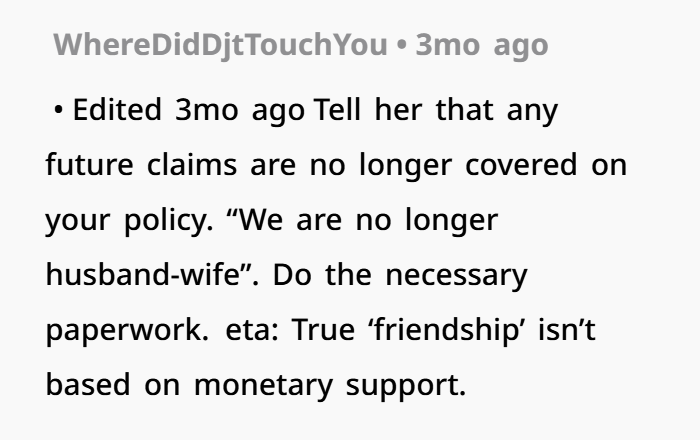
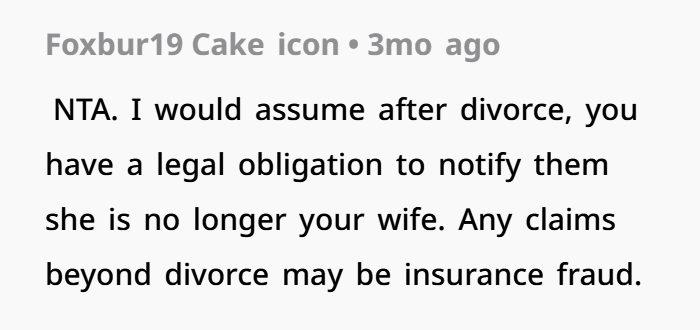
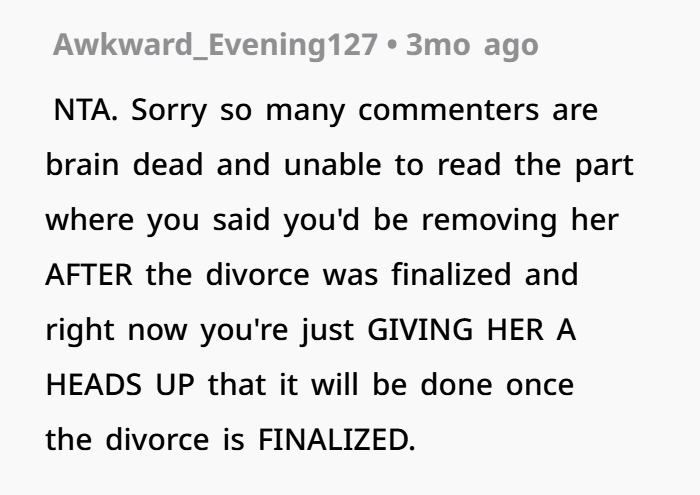
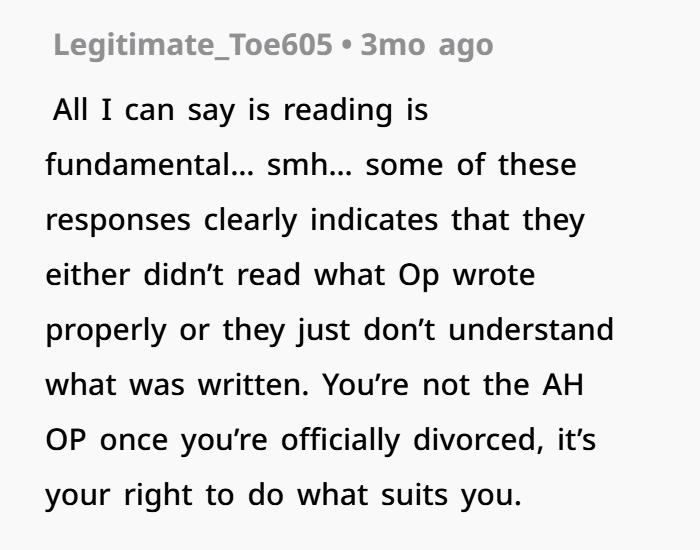
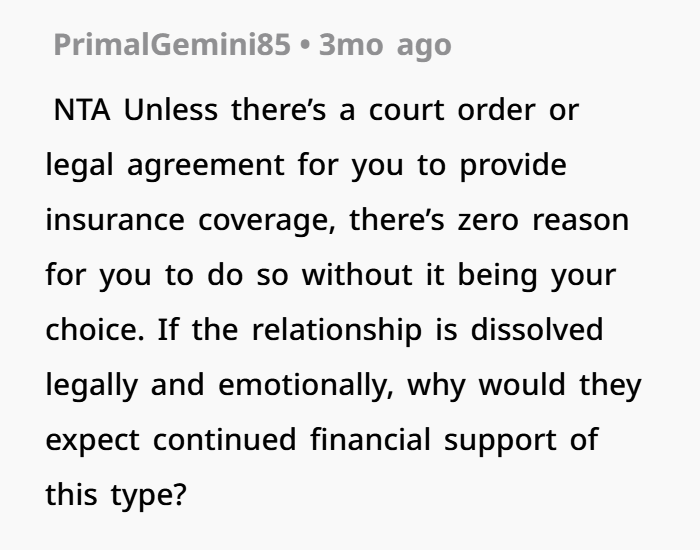
What The Comments Reveal




Final Thoughts
Divorce involves many changes, and health insurance is one of the most important areas to plan for.
A former spouse may still care about the other person and want them to be okay, while also needing to separate financial responsibilities.
Setting boundaries after divorce does not mean someone is being cruel. It can be a necessary step toward financial independence and a healthier future.
Based on the situation described, giving advance notice about future insurance changes appears to be a practical part of divorce planning. Open communication, careful financial planning, and mutual respect can help both people move forward after the end of a marriage.