Woman Demands a New BMW and an Employee’s Job—Then a Neighbor Exposes Her Story

Fraud can happen in many different ways, and it can affect anyone. When people make false insurance claims or misuse public services, it can create problems for honest families and local communities.
Some individuals try to take advantage of systems like car insurance claims, financial assistance programs, and public services to receive money or benefits they do not qualify for. These actions can lead to financial losses and make it harder for important services to support the people who truly need them.
In this story, a mother and daughter believed they could turn a damaged BMW into a chance to receive a larger payment through their local council. They thought the situation could bring them a financial benefit.
However, a neighbor noticed unusual activity and became concerned about what was happening. Instead of ignoring the situation, the neighbor decided to report it and help protect public resources.
The neighbor’s actions helped bring attention to the issue and showed why fraud prevention, consumer protection, and financial responsibility are important in every community.
This story is a reminder that honesty matters. Insurance companies, local councils, and public organizations rely on accurate information to provide fair support and services. When false claims are made, it can increase costs for others and affect trust in these systems.
Understanding how insurance fraud, financial scams, and false claims work can help people make better decisions and protect themselves from similar situations.
Always provide correct information when dealing with insurance providers, government services, or financial organizations. Being honest not only protects you but also helps create a safer and fairer community for everyone.

One Simple Question Changed a Car Damage Claim Investigation
A small observation can sometimes uncover a much bigger issue. In this neighborhood, one resident noticed a detail that changed the entire situation.
The area was a quiet street with only one entrance and one exit. A nearby primary school and roundabout made the location easy for residents to recognize. The local garbage collection workers visited every week and were known for providing reliable service, helping with recycling, and returning bins after collection.
One day, a conversation outside caught the attention of nearby residents.
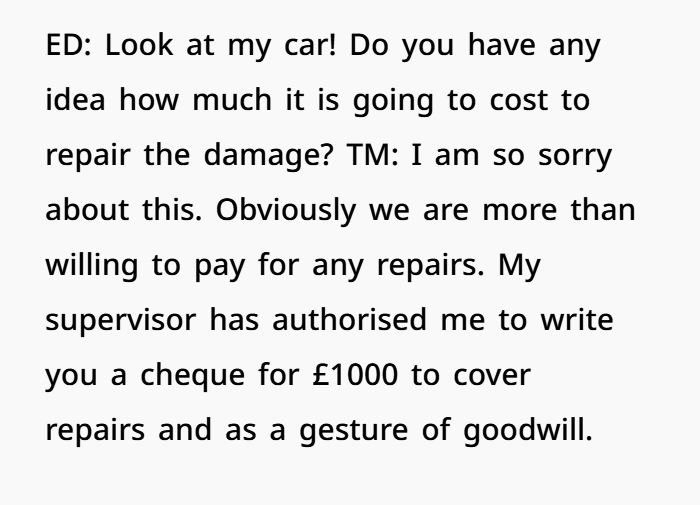
A woman and her adult daughter were standing beside a damaged BMW. A council representative had arrived after they reported that their parked car had been hit by a garbage truck.
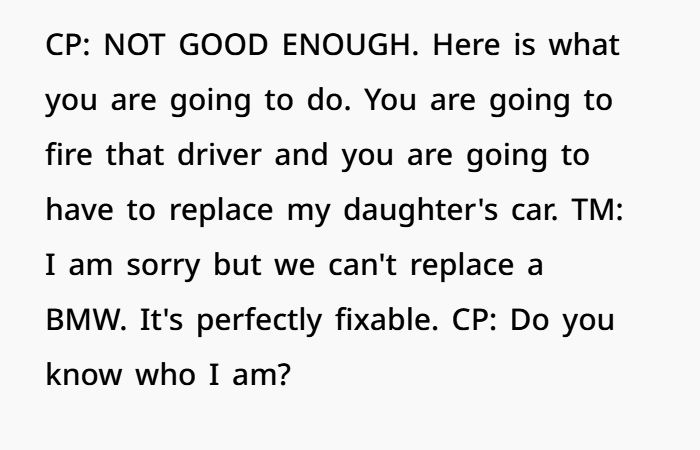
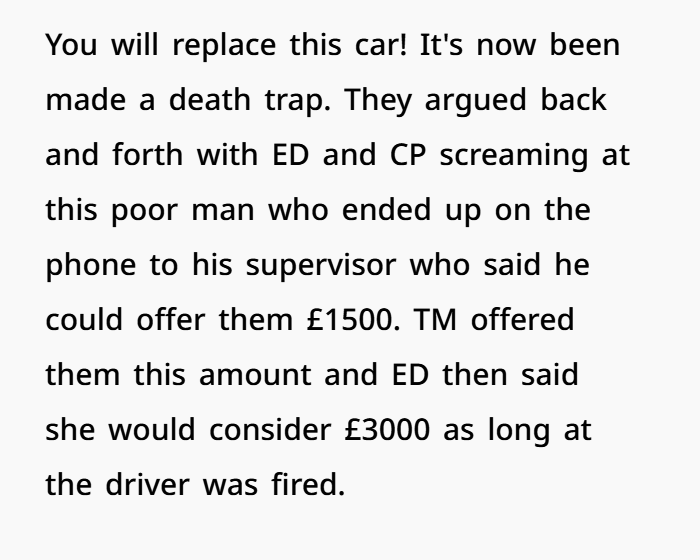
They believed the council should be responsible for the damage. They requested compensation, wanted the driver removed from his job, and asked for a replacement vehicle.
The council employee tried to handle the matter fairly. He first offered a £1,000 goodwill payment. After they rejected the offer, he increased it to £1,500.
The family continued to ask for £3,000 and maintained that the driver should face consequences.
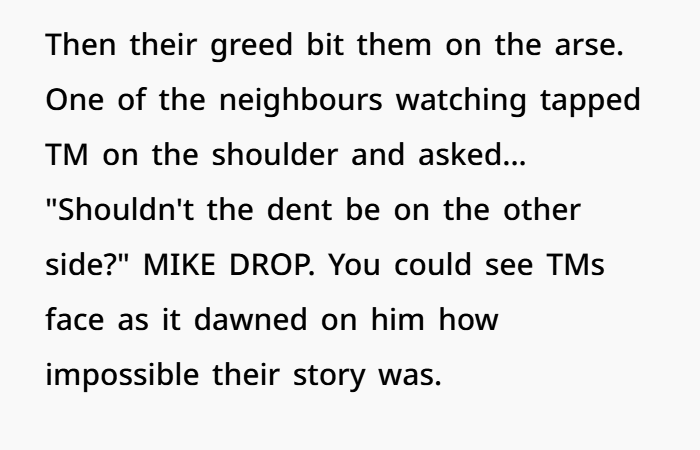
While everyone was discussing the situation, one neighbor looked carefully at the details of the damage.
The neighbor asked whether the damage location matched the direction the garbage truck would have traveled.
Since the street only allowed traffic to enter and leave from one route, the reported damage did not seem consistent with how the truck would have passed the vehicle.
This simple observation changed the conversation.
The council employee understood the concern and decided not to continue with the payment discussion. The situation showed why careful checks are important before approving insurance compensation claims, public service payments, or property damage requests.
Stories like this highlight the importance of fraud prevention, consumer protection, and financial responsibility. Incorrect claims can affect everyone because public organizations and businesses spend time and resources investigating reports.
For honest customers, false claims can also contribute to higher costs in areas such as car insurance premiums, claim processing, and financial services.
Experts in insurance, legal advice, and consumer protection often encourage people to provide complete and accurate information when making a claim. Honest reporting helps ensure that resources are used fairly and that genuine cases receive proper support.
The biggest lesson from this story is that details matter. A simple question from an observant neighbor helped prevent a possible mistake and protected valuable community resources.
Being responsible, truthful, and aware can make a real difference.
Have you ever noticed a small detail that changed your understanding of a situation? Share your thoughts below.
Comments From The Community