I Let Them Stay… They Tried to Control My House. AITA?

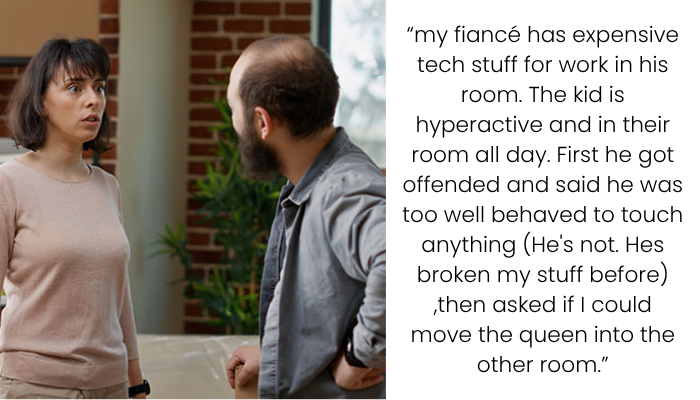
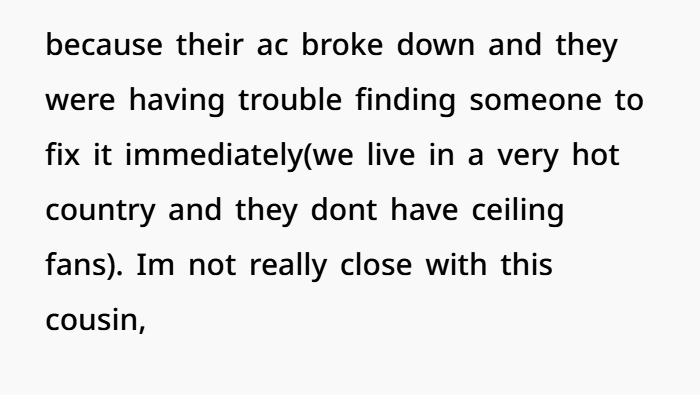
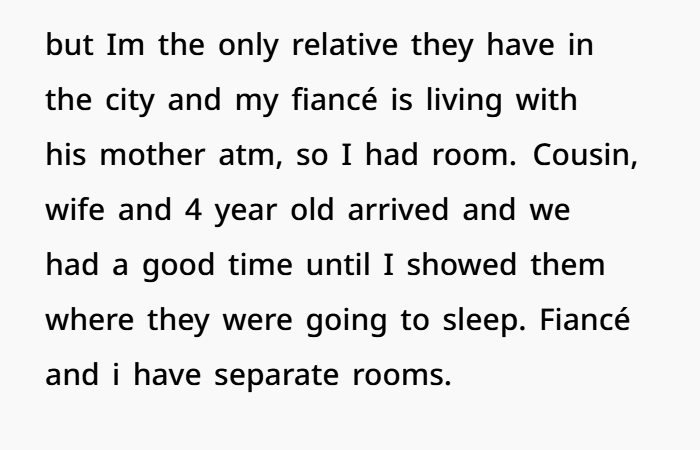
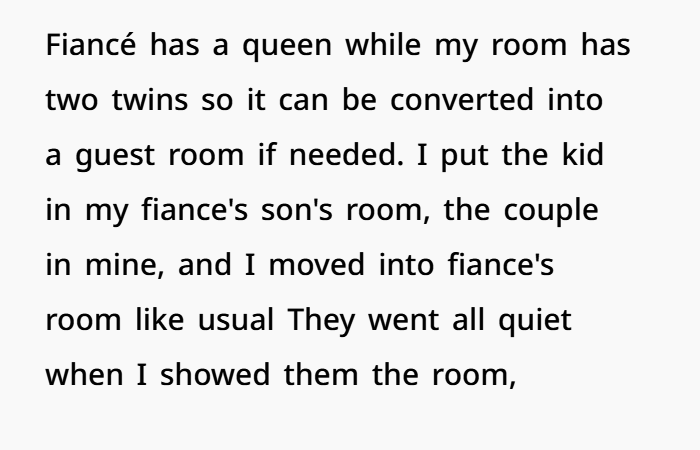
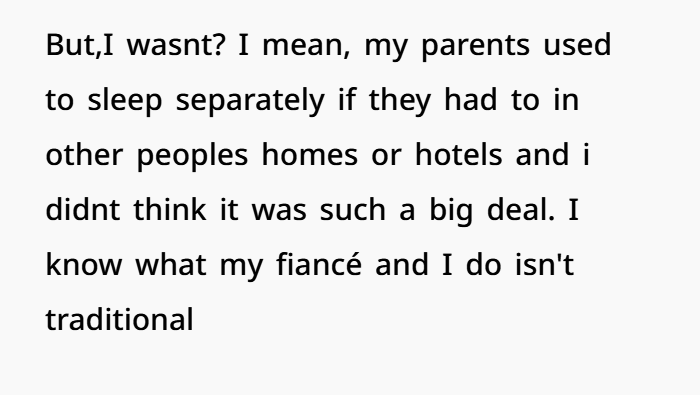
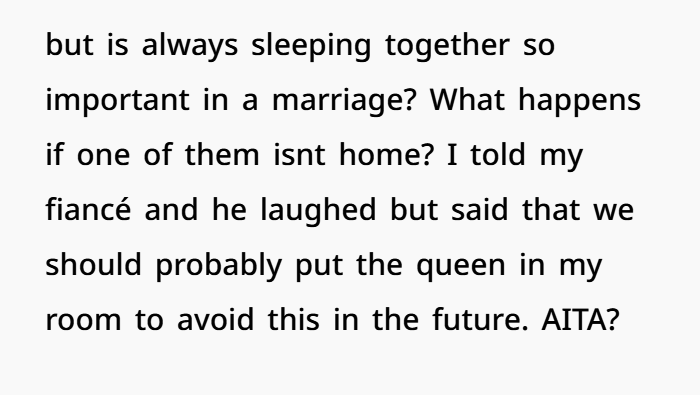
This story started with a simple act of kindness. A person decided to help a cousin, his wife, and their young child when their air conditioner stopped working during very hot weather. They were not extremely close, but they were family, and the person wanted to offer them a comfortable place to stay. Since the fiancé was away, the available space was arranged in a practical way. The child got one room, the couple got another room, and the host adjusted their own routine to help.
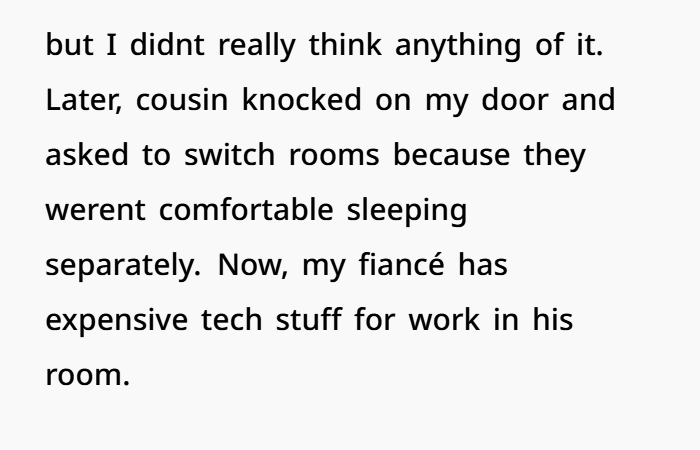
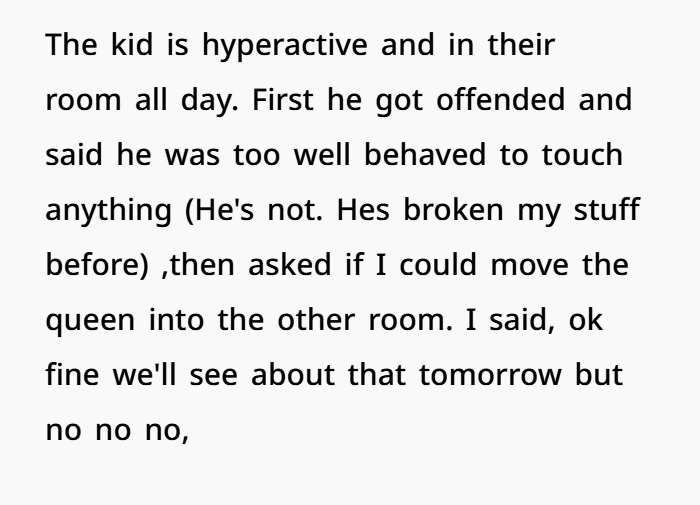
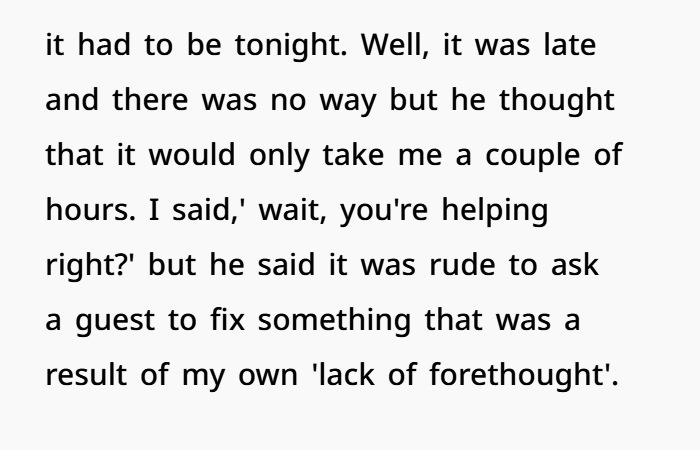
At first, everything seemed fine. However, problems started when the cousin became unhappy with the sleeping arrangements. He did not want to sleep separately from his wife, even for one night, and instead of calmly discussing the situation, he started making changes on his own. He moved furniture and tried to rearrange the rooms late at night without considering the person who was offering their home.
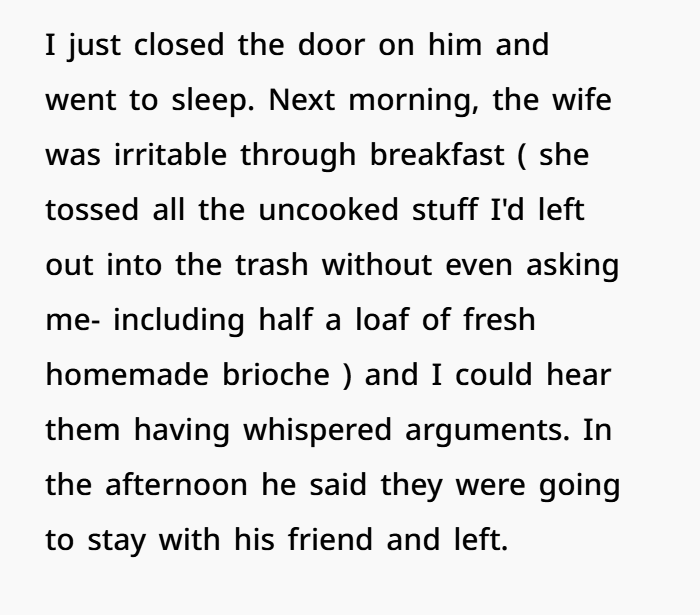
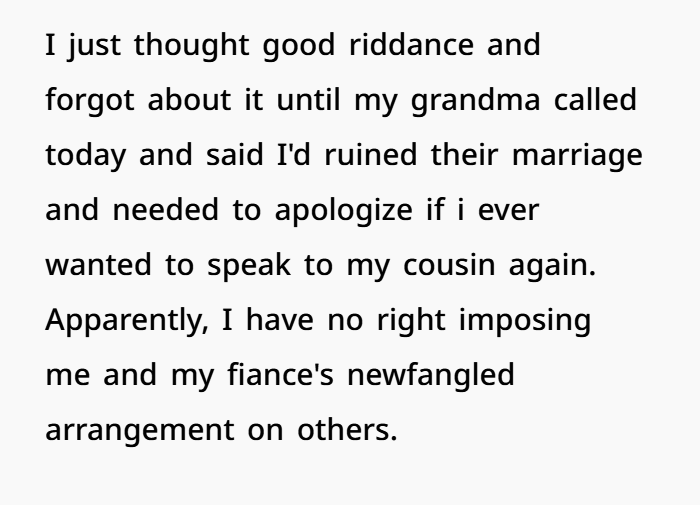
The situation became stressful when the host asked him to respect the original arrangement. The next morning, the atmosphere felt uncomfortable, with tension and negative behavior between everyone. Soon after, the guests decided to leave. The problem did not end there, though. A few days later, the host was blamed for causing problems in their relationship because of the sleeping arrangement.
Situations like this show how important communication, respect, and clear boundaries are when family members stay together. Helping someone during a difficult time is a kind gesture, but guests and hosts both need to consider each other’s comfort. Good family relationships often depend on understanding, appreciation, and respectful conversations.
When a Family Visit Turns Into Conflict: Understanding Boundaries, Respect, and Communication
At first, this situation may seem like it is only about where someone sleeps for one night.
But when you look deeper, it is really about something bigger:
- Personal boundaries
- Family expectations
- Respect between guests and hosts
- Communication problems
- How people handle disagreements
Small situations can sometimes reveal bigger relationship patterns.
The Balance Between Being a Guest and Being a Host
When someone stays at another person’s home, both sides have responsibilities.
A good host usually tries to make guests comfortable.
A good guest also understands that they are entering someone else’s space and should be flexible.
In this situation, the host appears to have made an effort:
- Preparing space for the guest
- Adjusting personal comfort
- Trying to help at short notice
Hosting can require patience and effort, especially when plans change unexpectedly.
At the same time, guests also need to show appreciation and understanding.
When Small Problems Become Bigger Arguments
The sleeping arrangement became the main topic of the disagreement.
Wanting to sleep near your spouse is understandable. Many couples enjoy having their usual routine and personal comfort.
However, temporary changes are also a normal part of life.
Travel, family visits, limited space, or unexpected situations sometimes require flexibility.
The bigger issue may not have been the sleeping arrangement itself.
Sometimes a small problem becomes a bigger argument because it connects to other feelings, stress, or existing relationship problems.
The Importance of Flexibility in Relationships
Healthy relationships often require compromise.
Couples do not always get everything exactly the way they want.
There may be times when partners need to adjust because of:
- Family situations
- Travel
- Work schedules
- Health needs
- Limited space
Relationship counselors often talk about flexibility as an important communication skill.
Being able to handle small inconveniences together can help couples build trust and teamwork.
When People Take Out Their Frustration on Others
Sometimes people experience stress in one area of life and express it somewhere else.
For example, someone may already be upset about a relationship issue, but the frustration comes out during an unrelated situation.
This can create misunderstandings.
The person who becomes part of the disagreement may feel unfairly blamed, even though the real problem started somewhere else.
Good communication means addressing the actual issue instead of placing frustration on another person.
Why Direct Communication Matters
Another important part of family conflicts is how people express disappointment.
Instead of showing anger indirectly, healthy communication usually involves saying what is wrong clearly.
Examples of healthier communication include:
- “I feel uncomfortable with this situation.”
- “Can we find another solution?”
- “I need to explain why this matters to me.”
Talking openly helps prevent resentment from building.
Different Views About Marriage and Personal Space
People from different backgrounds may have different ideas about marriage.
In some families and cultures, couples are expected to always stay together and share everything.
For others, small amounts of personal space or temporary changes are completely normal.
Neither approach works for every couple.
The important thing is whether both partners feel respected and comfortable with the arrangement.
A healthy relationship is usually built on trust, communication, and understanding—not only on following traditions.
The Practical Side of the Situation
There is also a simple practical issue.
Moving furniture or changing sleeping arrangements late at night can be difficult.
Large furniture takes time and effort to move safely.
When someone is staying as a guest, expecting the homeowner to make major changes immediately may create unnecessary stress.
A better approach is usually discussing options together.
Possible solutions could include:
- Using available sleeping spaces
- Bringing extra bedding
- Planning arrangements earlier
- Finding a compromise that works for everyone
How Family Conflicts Can Grow
Sometimes small disagreements become much bigger when more family members get involved.
A situation can change when:
- People choose sides
- Information is misunderstood
- Emotions become stronger
- The original issue gets exaggerated
This is why calm communication is important.
Instead of asking, “Who is the bad person?” it can be more helpful to ask:
“What happened, and how can everyone handle it better?”
Setting Healthy Boundaries
Having boundaries does not mean someone is being rude.
Healthy boundaries help people communicate their limits while still respecting others.
For example:
“I want to help, but I cannot make a major change at this moment.”
This is different from refusing to care.
It is about finding a balance between helping others and respecting your own needs.
What Can We Learn From This Situation?
This situation is not really about one night or one sleeping arrangement.
It shows how important respect, flexibility, and communication are in family relationships.
Guests should appreciate the effort hosts make.
Hosts should also communicate clearly about what they can and cannot provide.
Families work best when people listen to each other instead of assuming the worst.
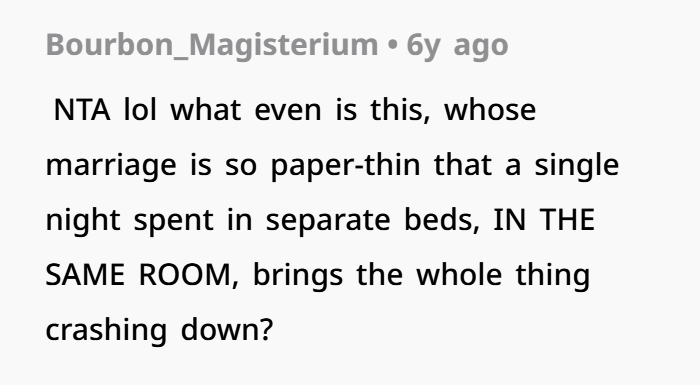
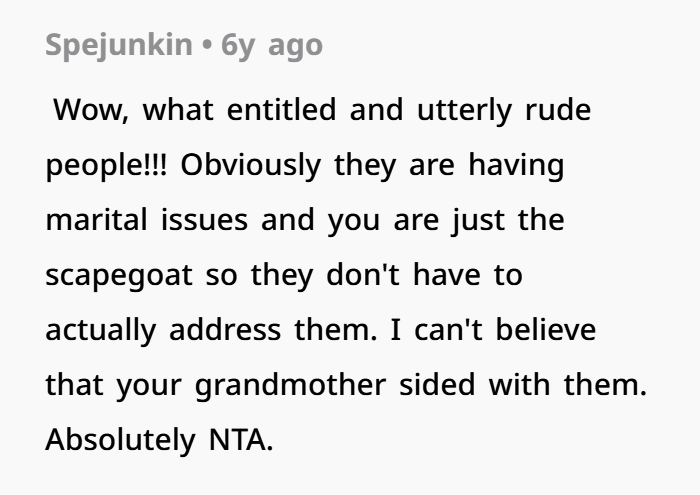
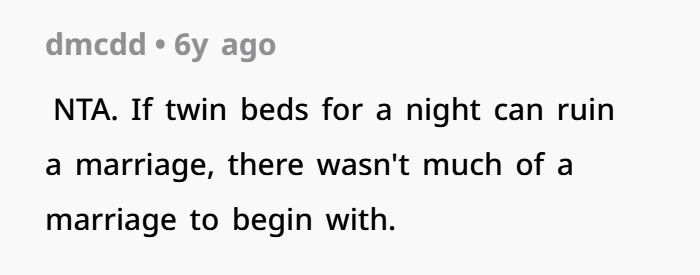
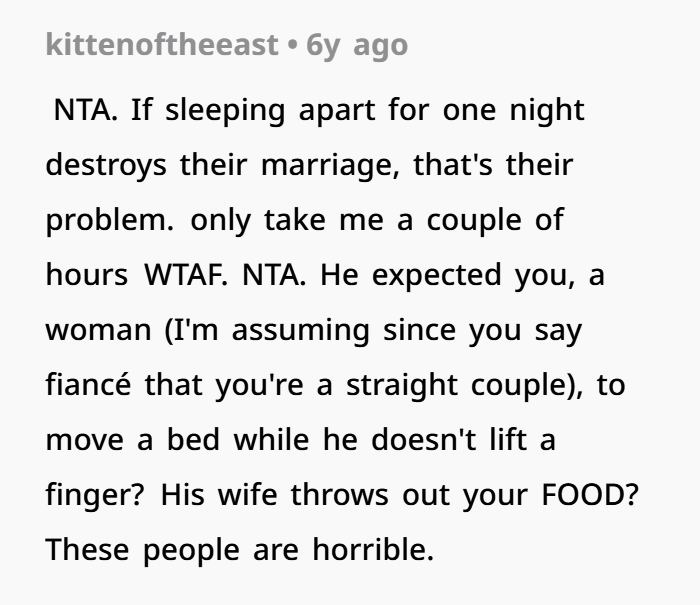
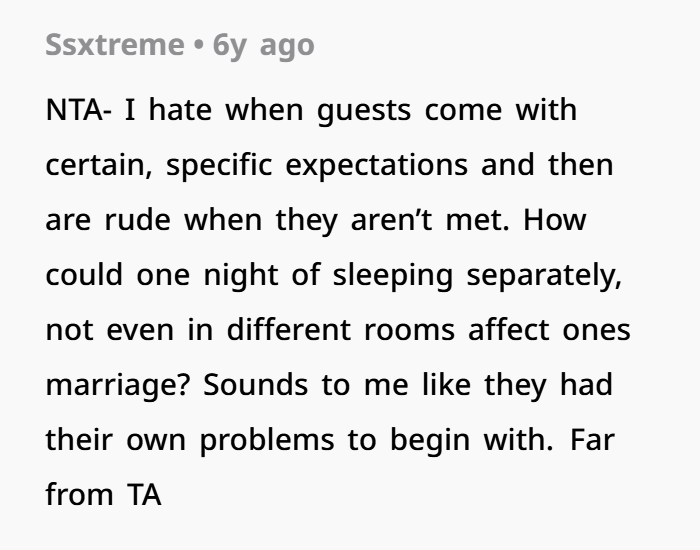
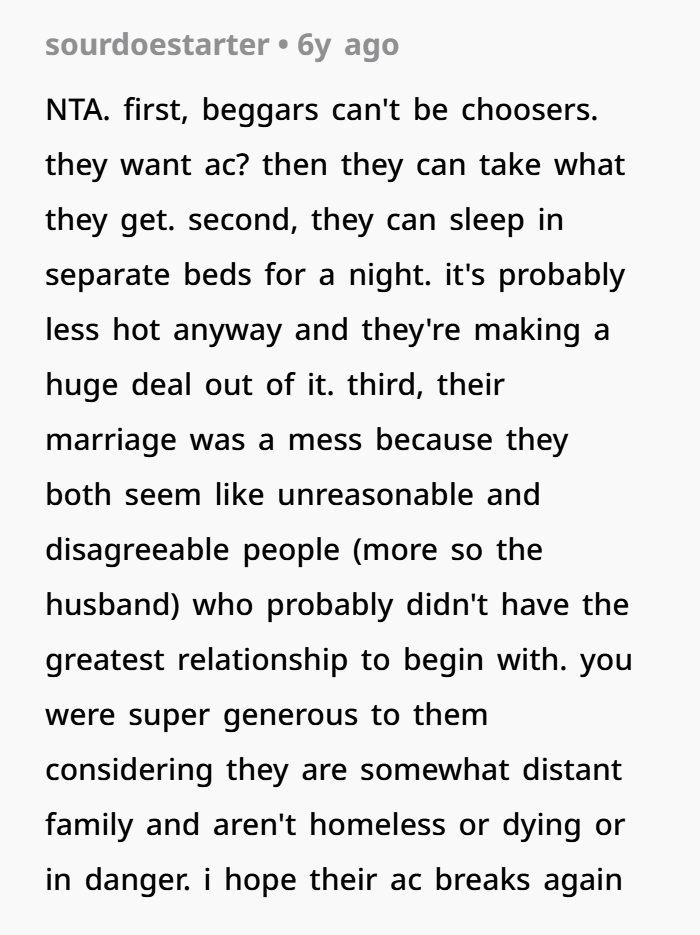
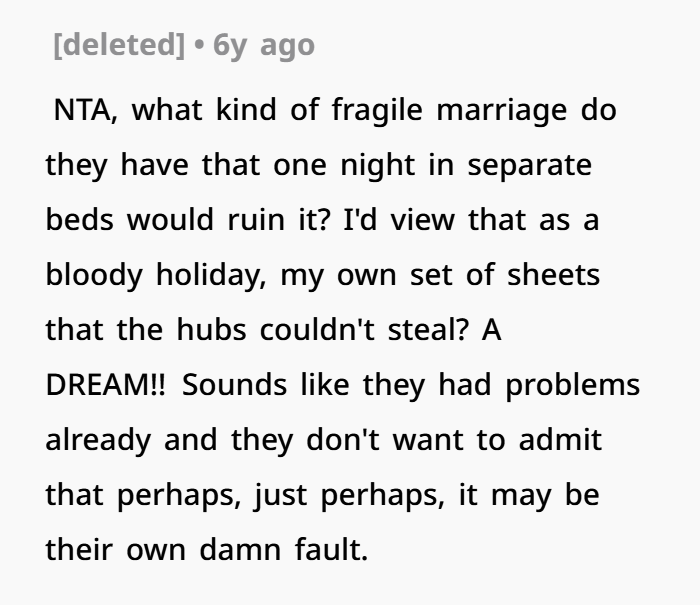
The Reactions Are In
Final Thoughts
A small disagreement does not always mean someone is wrong or someone is right.
Sometimes it simply shows that different people have different expectations.
The healthiest relationships are built when people can handle uncomfortable moments with patience, respect, and honest communication.
In the end, the real issue is not where someone sleeps.
It is how people treat each other when things do not go exactly as planned.