I Bought a Couch for Our Apartment—Now My Friends Want Their Money Back


Living with college roommates can sometimes create unexpected problems. Many roommate disagreements are about simple things like cleaning, groceries, or sharing household expenses. However, one student found herself dealing with a bigger conflict over something unusual — a used couch bought from Facebook Marketplace.
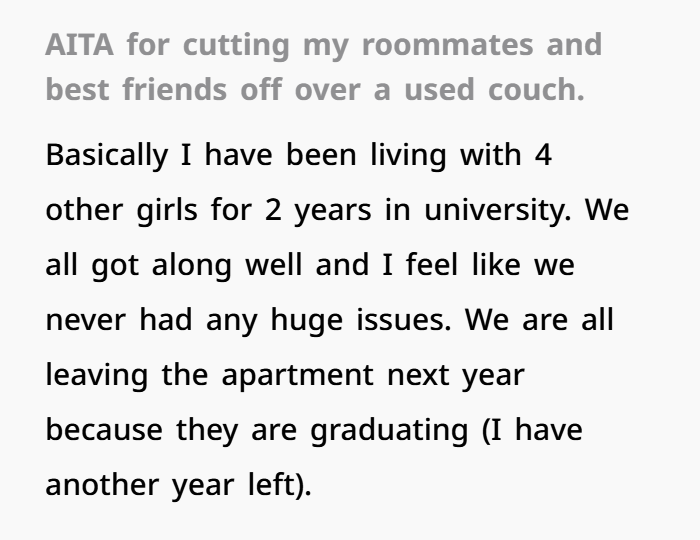
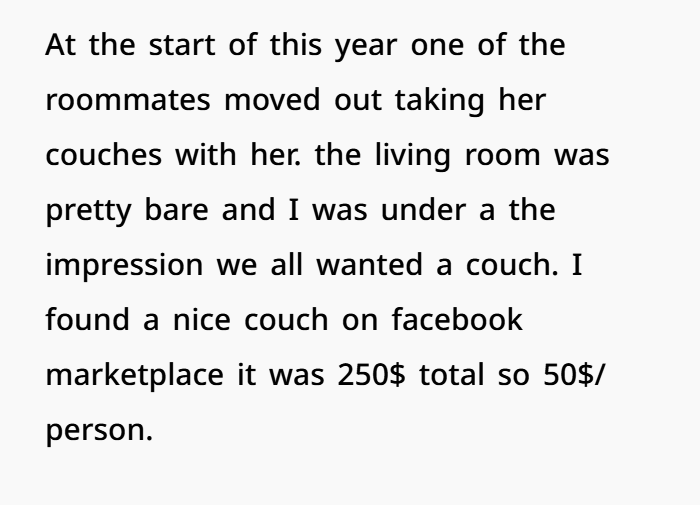
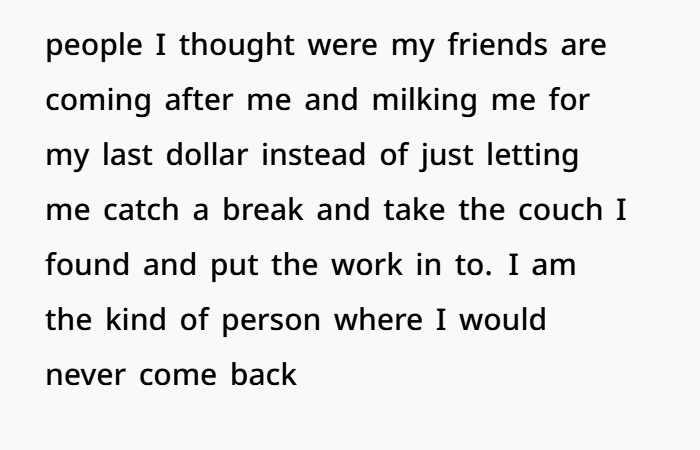
The student had lived with four roommates for almost two years, and everything was mostly peaceful. The problem started when one roommate moved out and took her furniture with her. The apartment living room needed a replacement couch, so the student searched online and found one for $250. She suggested that all five roommates split the cost, which meant each person would pay $50.
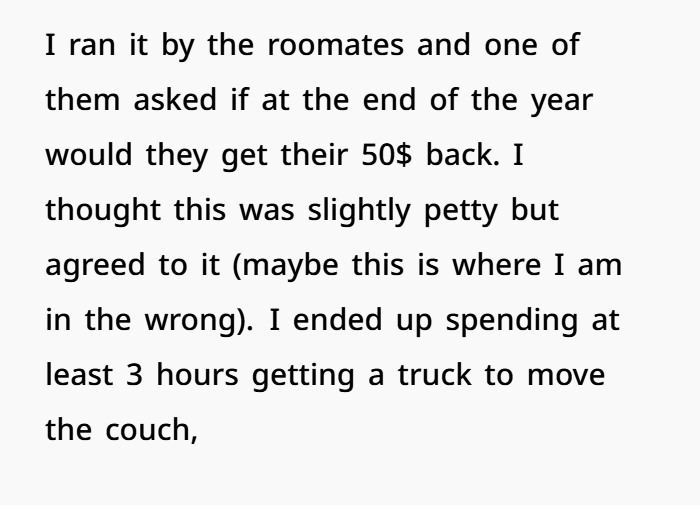
At first, everyone agreed to the plan. However, one roommate asked if she would get her $50 back when the lease ended. The student thought the question was a little unexpected, but she agreed because she wanted to avoid conflict. She believed the couch would simply stay in the apartment and everyone would enjoy using it.
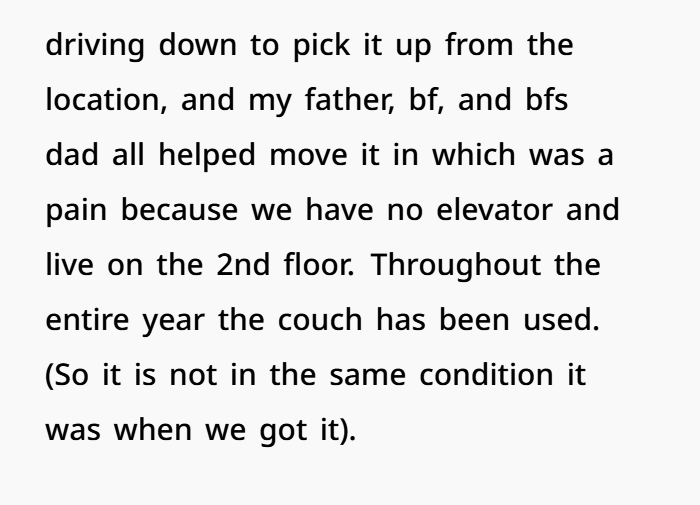
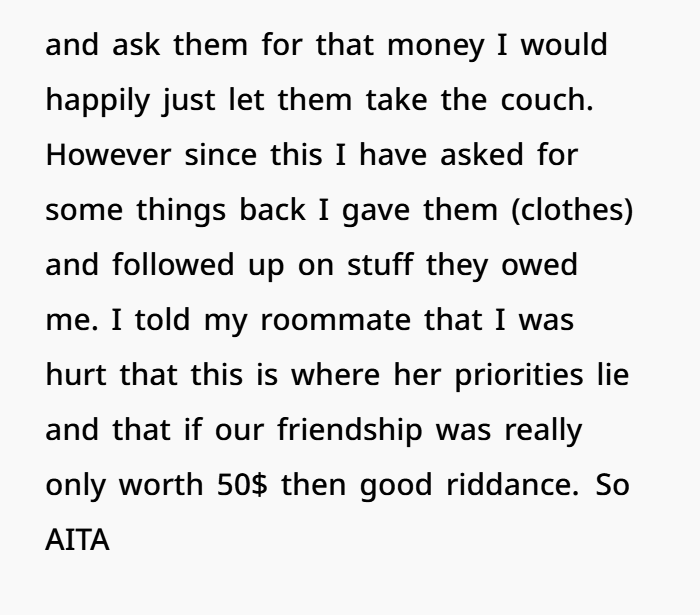
When the lease was ending a year later, the situation became complicated. The student had arranged the pickup, found transportation, and asked family members to help move the couch into the apartment. Because she had handled most of the work, she thought keeping the used couch would be fair.
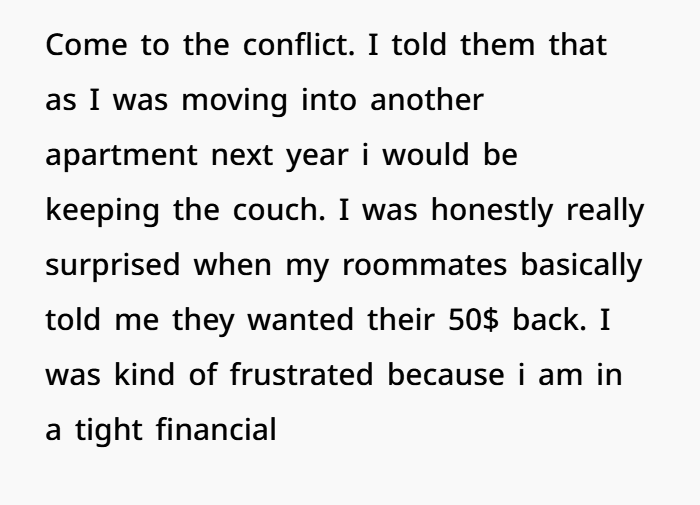
However, the roommates wanted their money back. They suggested getting their $50 through payment apps or selling the couch online and dividing the money. What started as a simple furniture purchase became a disagreement about shared expenses, ownership, and fairness.
Roommate situations can become stressful when people do not clearly discuss expectations from the beginning. Talking about money, shared items, and responsibilities early can help prevent misunderstandings and protect friendships.

Roommate Money Problems: How Small Expenses Can Create Big Conflicts
Living with roommates can be a great experience, but money issues can quickly create tension.
At first, small shared expenses seem easy.
You split groceries, buy household supplies together, and share furniture.
But later, simple questions can become difficult:
Who owns this item?
Should everyone get their money back?
Who paid more over time?
These conversations are usually not only about money. They are often about trust, fairness, and expectations.
The Couch Problem Was Bigger Than $50
In this situation, five roommates bought a $250 couch.
The simple math was easy:
$250 divided by 5 people = $50 each.
At first, it looked like a normal shared apartment purchase.
Everyone contributed money because they wanted a couch in the living room.
However, shared furniture can become complicated because people do not always have the same understanding.
Some roommates may think:
“We all paid for this, so it belongs to everyone.”
Others may think:
“We paid to use it while we lived here.”
That difference in expectations can create problems later.
Different Ways Roommates Handle Shared Items
There are a few common ways roommates manage shared furniture and household items.
Some groups treat everything as community property.
Everyone uses it, and nobody expects money back when they leave.
Other groups decide that one person owns the item and others simply contribute toward using it.
Another option is selling the item later and dividing the money based on the agreement.
The important thing is having a clear understanding from the beginning.
Why Getting a Full Refund Can Be Complicated
Furniture loses value over time.
This is called depreciation.
A new couch that costs $250 may not be worth the same amount after a year of daily use.
Factors like:
- Condition
- Age
- Cleaning
- Local demand
- Brand quality
can affect resale value.
Because of this, expecting a full refund for a used couch may not always match normal second-hand furniture prices.
In many shared housing situations, people consider the money paid for furniture as part of the cost of living there.
The item provided comfort and use during the time everyone shared the apartment.
The Value of Time and Effort
Money was not the only contribution in this situation.
One roommate also spent time finding the couch, contacting the seller, arranging transportation, and helping move it into the apartment.
That effort has value too.
In shared living situations, there are often hidden costs.
Someone usually becomes the person who:
- Organizes purchases
- Makes phone calls
- Drives to pick up items
- Handles planning
- Solves problems
Even if these tasks do not appear on a budget spreadsheet, they still require time and energy.
Why Small Money Issues Become Emotional
Many roommate disagreements are not really about the amount of money involved.
They are about feelings.
A $50 disagreement may feel bigger because it represents:
- Fairness
- Respect
- Appreciation
- Trust
People often react strongly when they believe they are being treated unfairly.
This is why clear communication about money is important in shared housing.
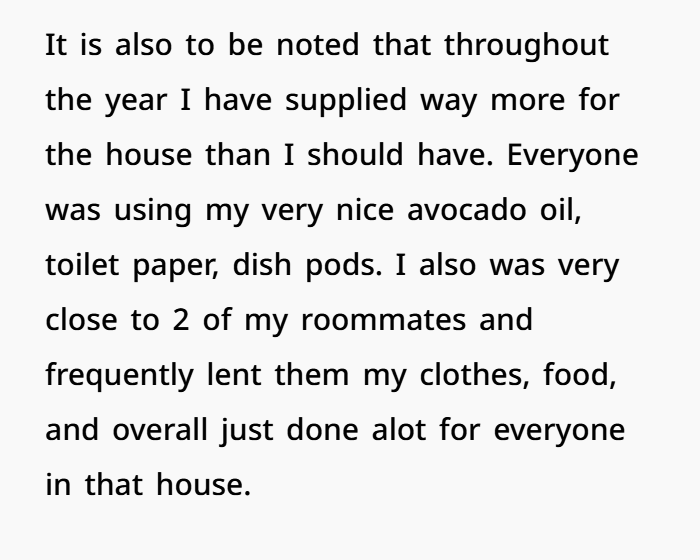
Household Supplies Can Add Up
Another important part of roommate finances is everyday household spending.
Items like:
- Toilet paper
- Cleaning products
- Cooking supplies
- Dishwasher tablets
- Kitchen basics
may seem small.
But over months, these expenses can add up.
Often, one roommate slowly becomes the person who buys most of the shared supplies.
Because these purchases happen regularly, people may not notice how much they spend.
This is why some roommates use budgeting apps or shared expense tracking tools.
Keeping simple records can prevent future disagreements.
Friendship Can Change Money Expectations
Money situations can become even more complicated when roommates are also friends.
Friends often help each other without thinking about every dollar.
They may share food, cover small expenses, or buy things for the home.
The relationship is based on trust instead of strict accounting.
However, problems can happen when people have different ideas about what friendship means financially.
One person may think:
“We are friends, so we help each other.”
Another person may think:
“We agreed to split this cost, so the money should be returned.”
Both viewpoints can make sense.
The problem is usually unclear expectations.
When Conversations Become Arguments
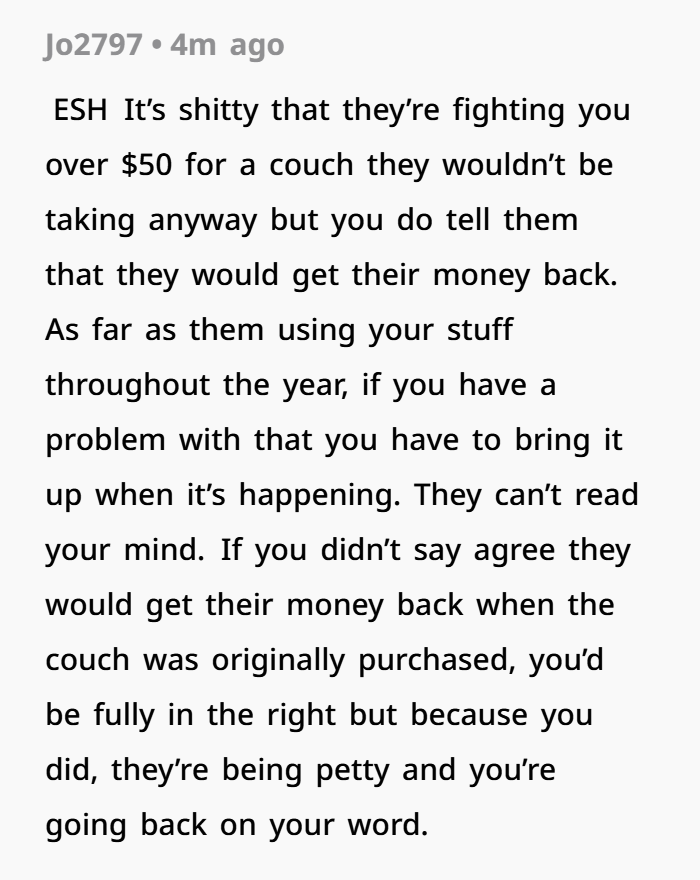
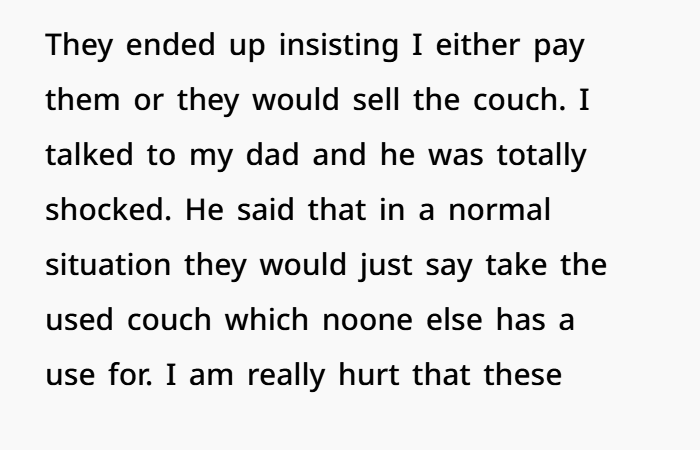
The conflict became more serious when the roommates suggested selling the couch if they were not paid back.
At that point, the conversation changed.
Instead of finding a solution together, it started feeling like pressure.
In money disagreements, the way people communicate matters.
A calm discussion can solve many problems.
Threats or frustration often make people feel defensive.
Who Is Right in This Situation?
The answer is not completely simple.
The roommates contributed money, so they may feel they deserve their share back.
At the same time, the person who purchased the couch handled the research, communication, transportation, and moving.
Everyone also used the couch for a year.
Both sides have understandable points.
The bigger problem was not the couch.
It was that everyone had a different understanding of the agreement.
Why Clear Agreements Matter
Shared living works best when expectations are discussed early.
Before buying expensive items, roommates should talk about:
- Who owns the item
- Whether money will be returned later
- What happens when someone moves out
- Whether the item will be sold
A simple conversation can prevent a major conflict.
The Personal Finance Lesson
This situation shows an important lesson about money and relationships.
Small expenses can become big problems when people do not communicate clearly.
Shared housing requires more than splitting bills.
It requires:
- Trust
- Respect
- Clear agreements
- Honest conversations
The couch was never really the main issue.
The real issue was understanding what everyone expected from the beginning.
When people talk openly about money, they can protect both their finances and their relationships.
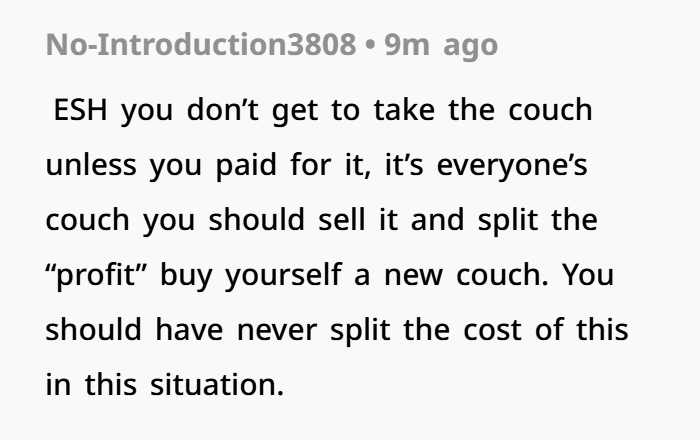
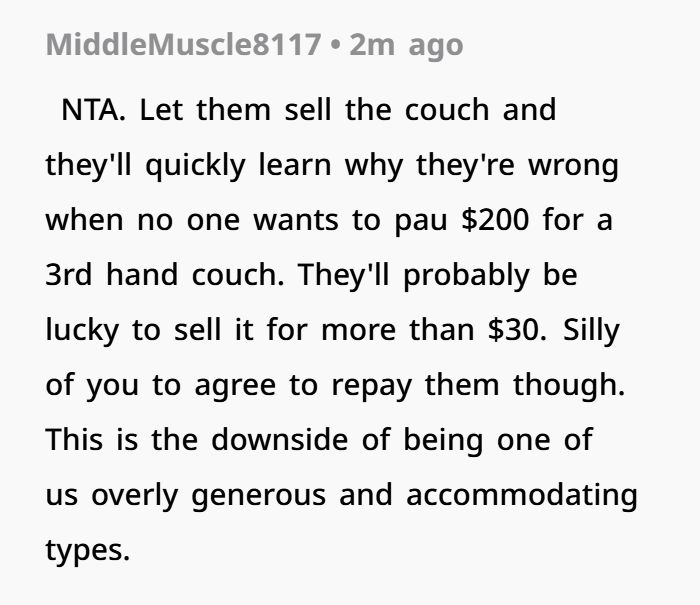
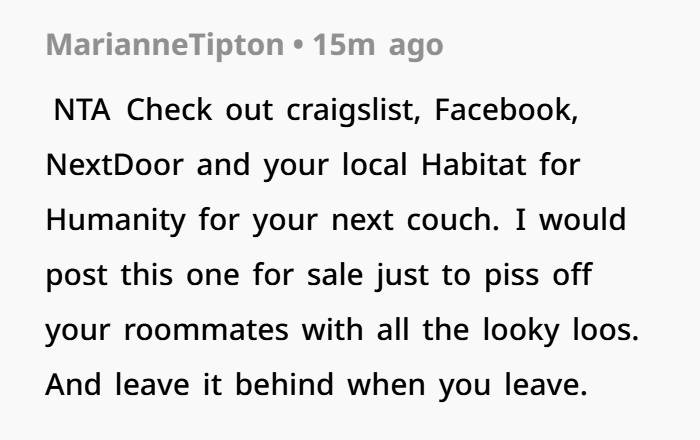
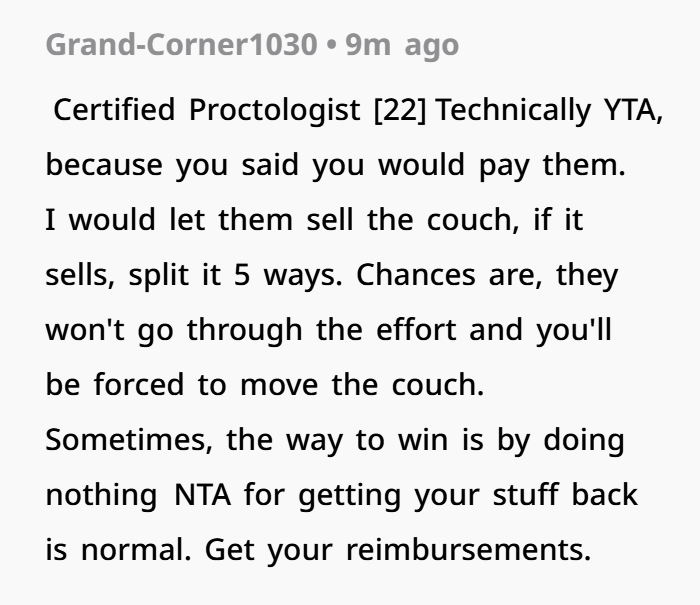
Here Are The Comments