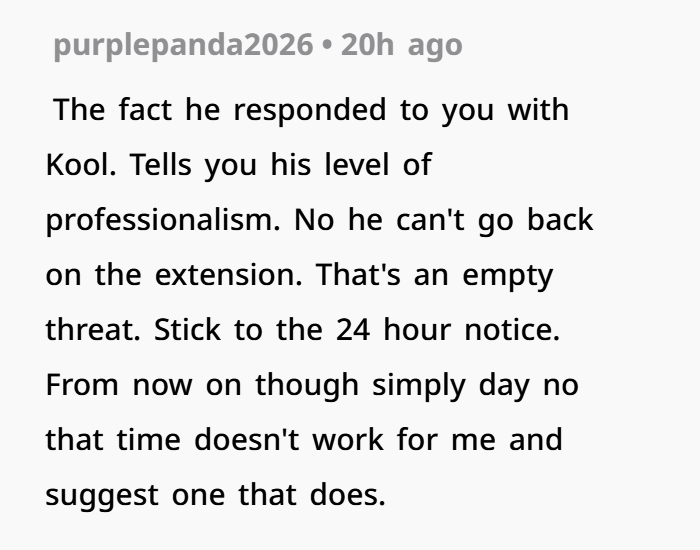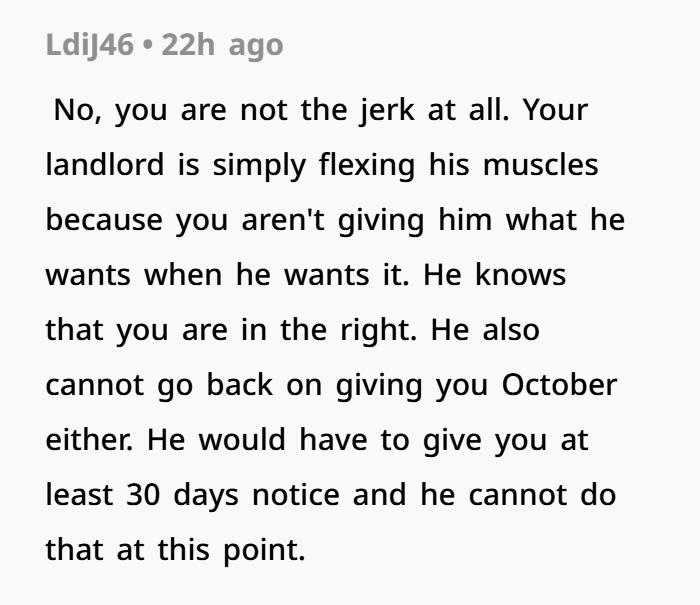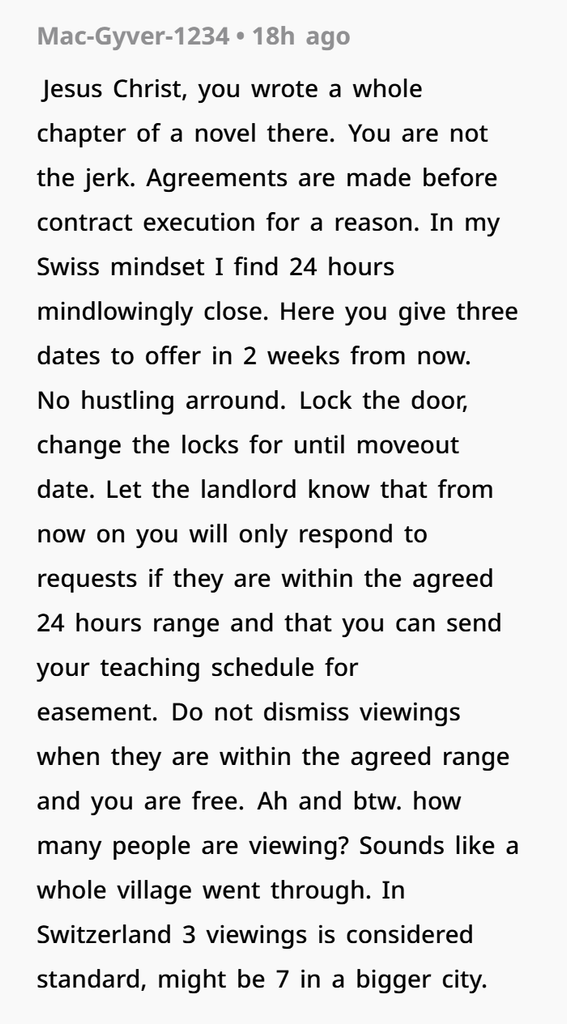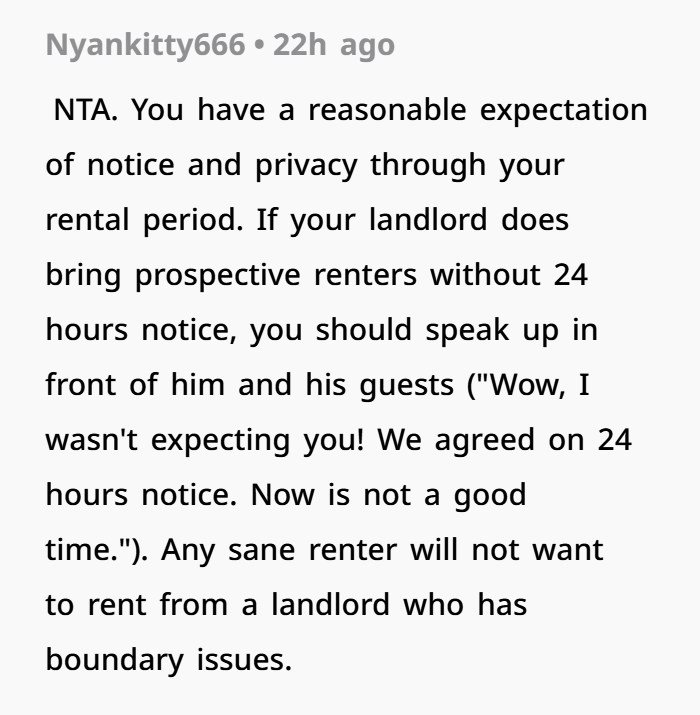
My Landlord Threatened My Extra Month Because I Said No to a Same-Day Viewing

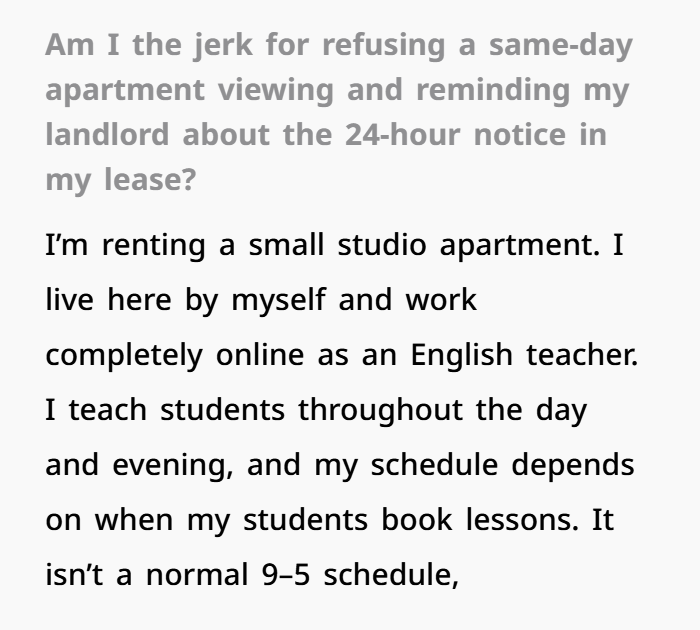
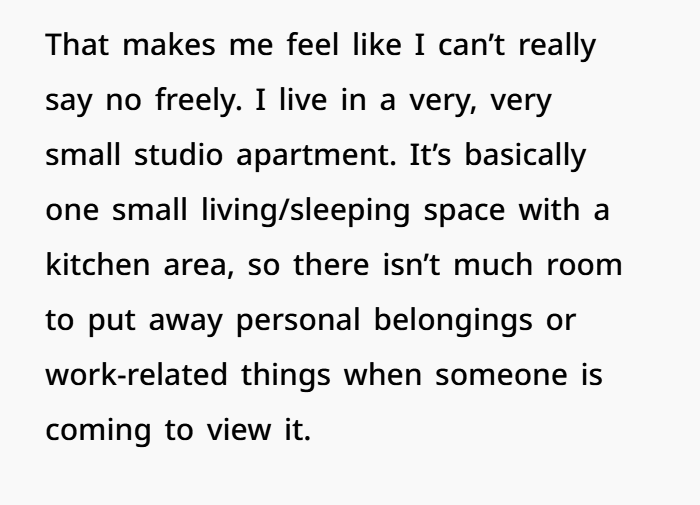
Living in a small studio apartment can already require careful planning, especially for someone who works from home. One renter shared that she felt stressed after refusing a same-day apartment viewing request from her landlord. As an online English teacher, her work schedule changes often depending on her students’ availability.
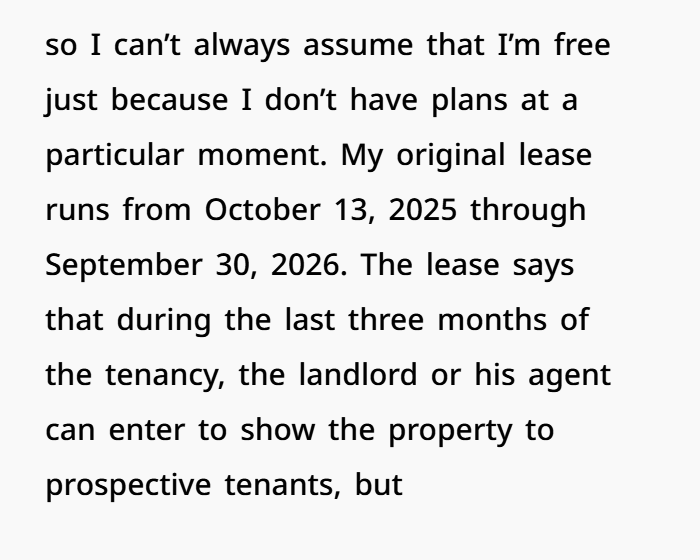
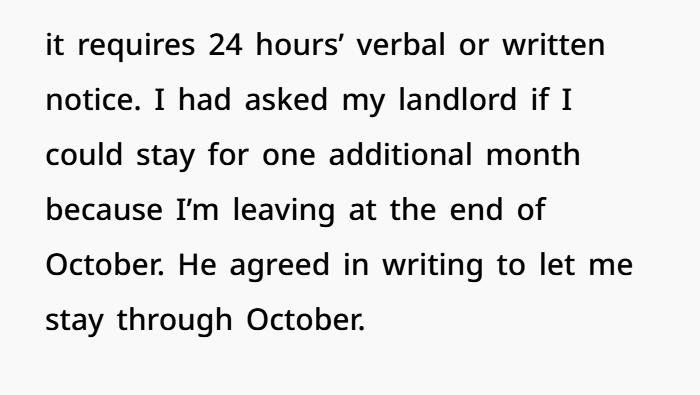
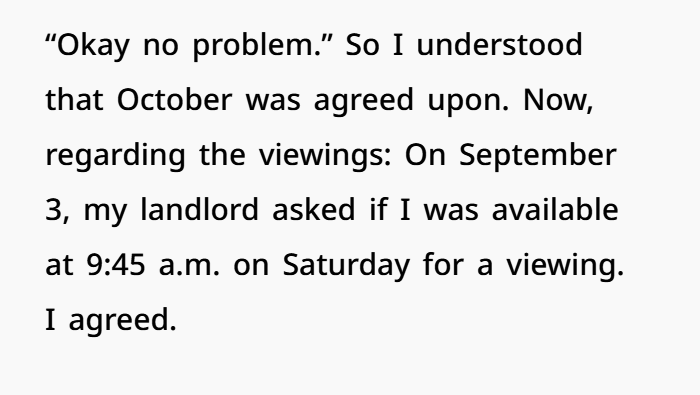
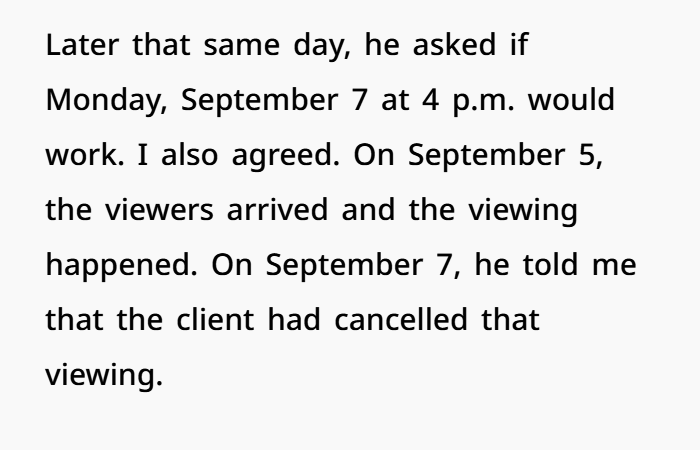
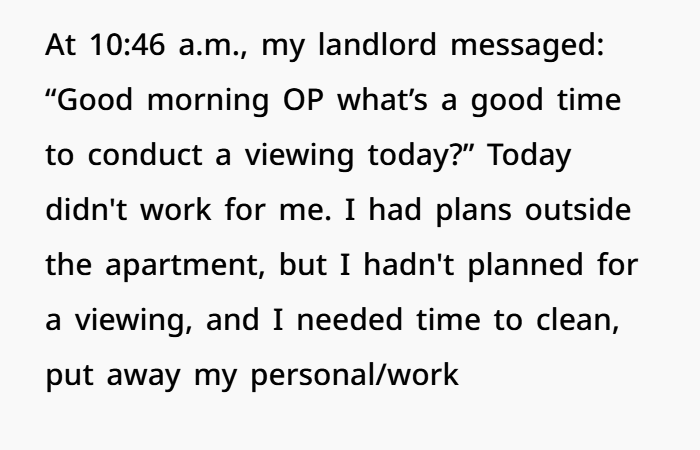
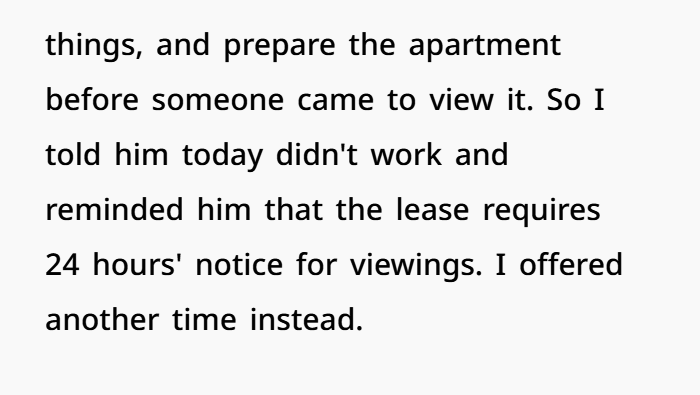
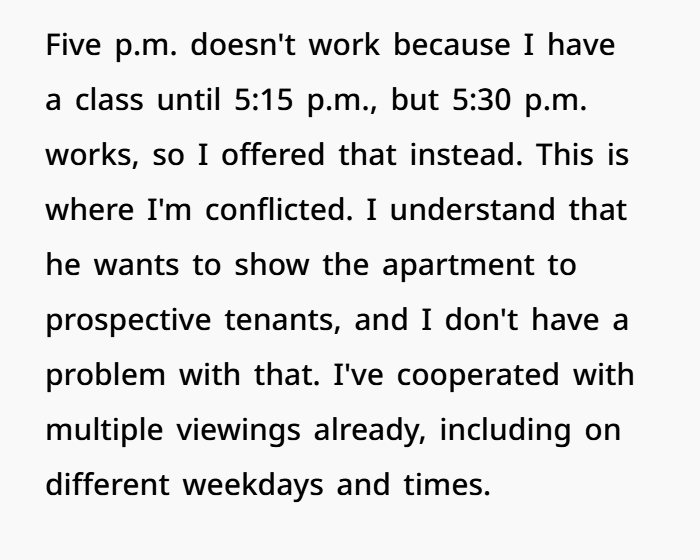
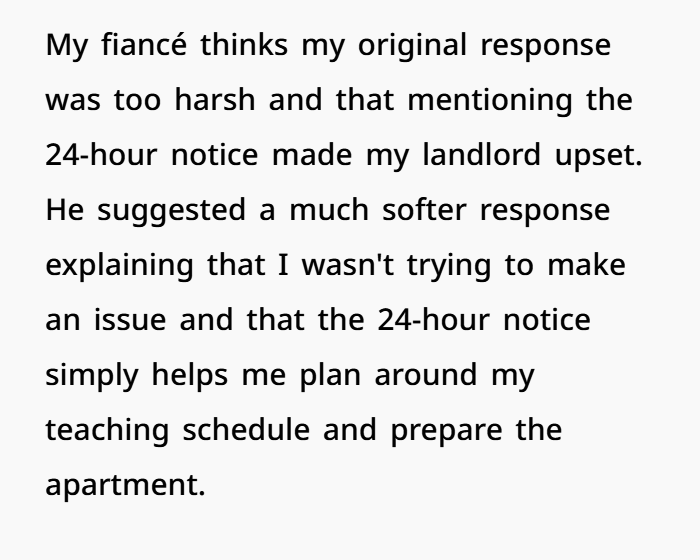
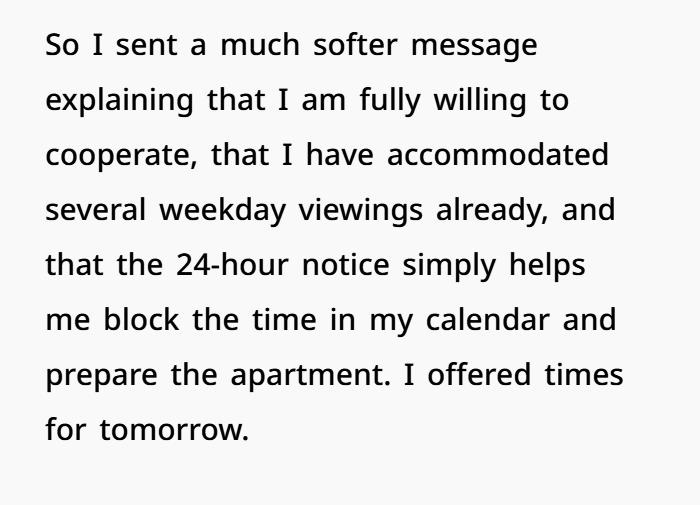
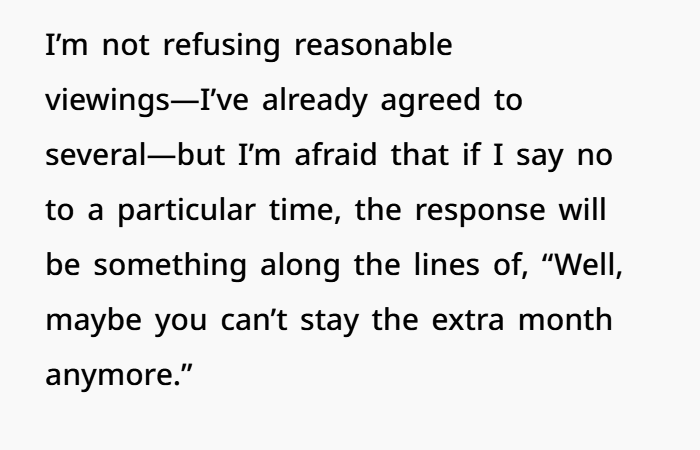
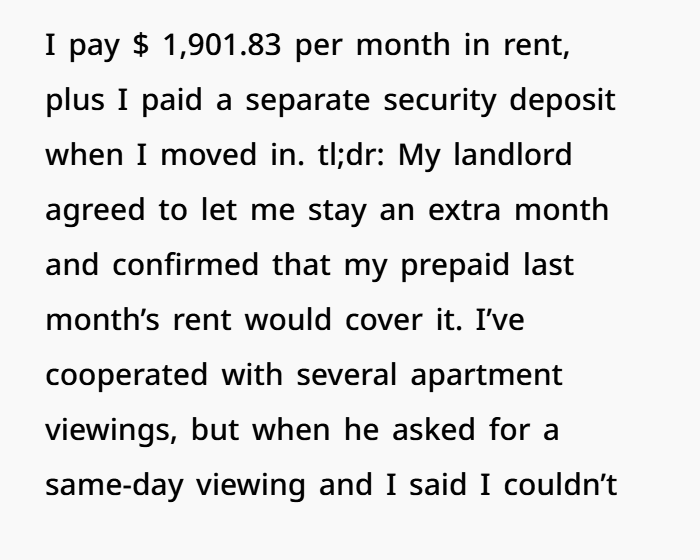
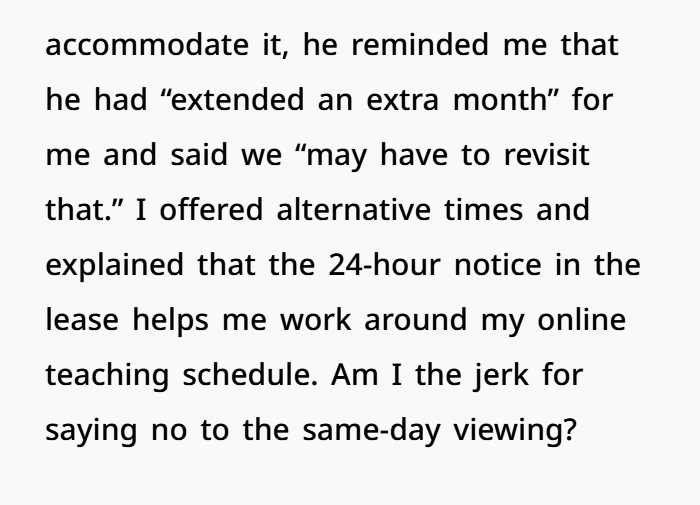
According to her rental agreement, apartment showings need 24 hours’ notice. She had been cooperative with previous viewing requests and agreed to different dates and times. However, she decided not to accept the last-minute request because she needed time to prepare her home and manage her online teaching schedule.
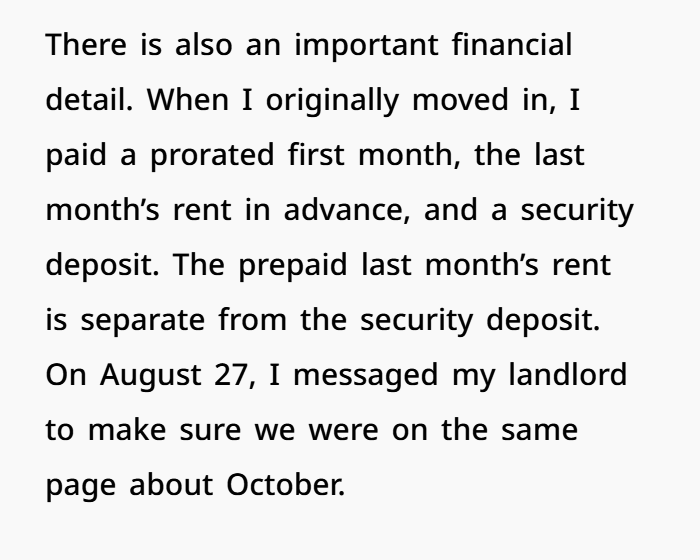
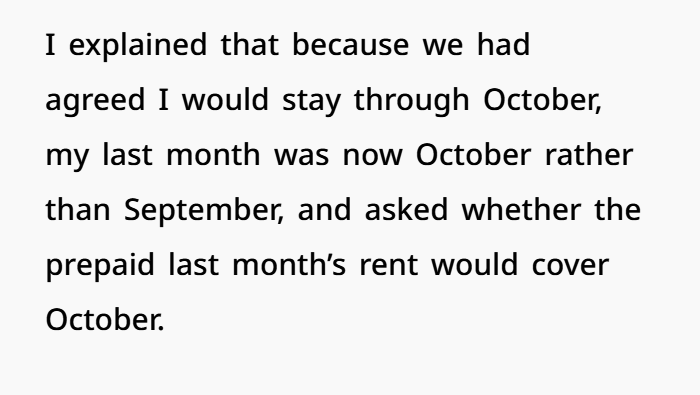
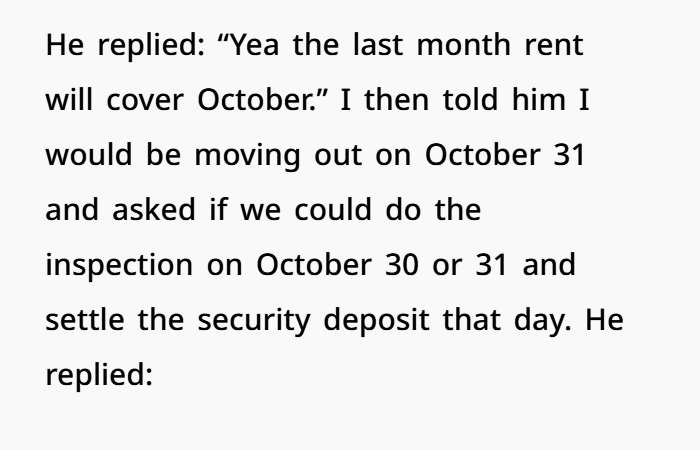
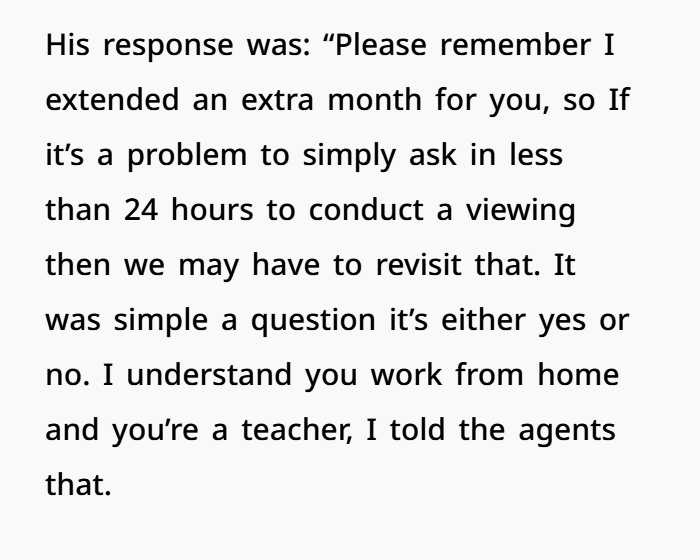
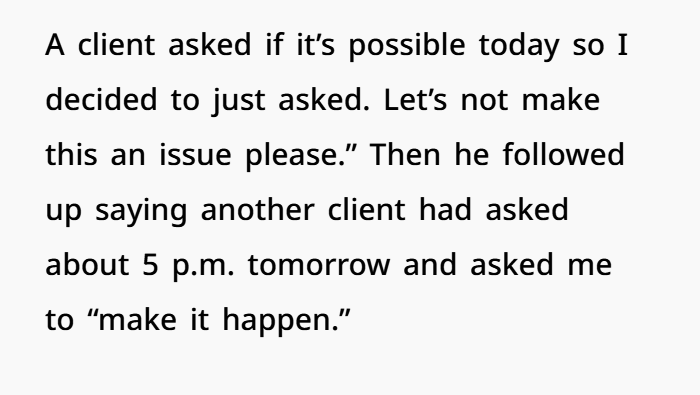
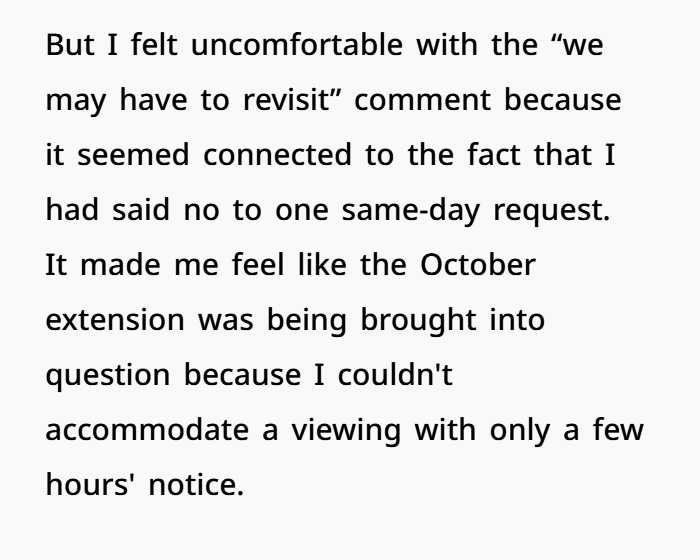
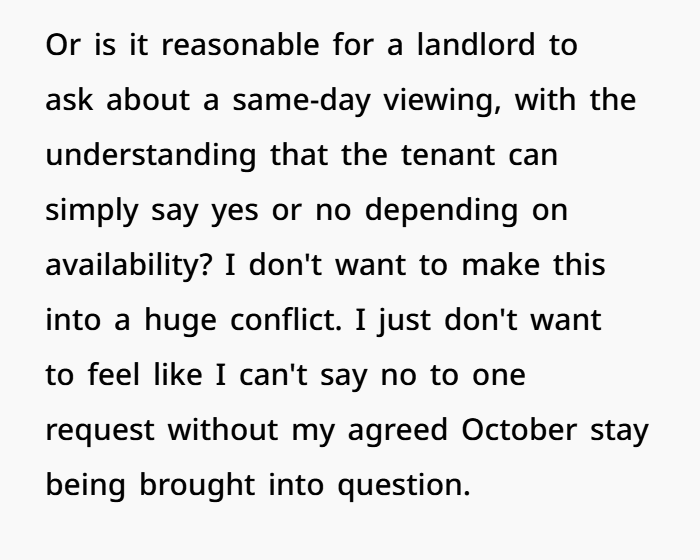
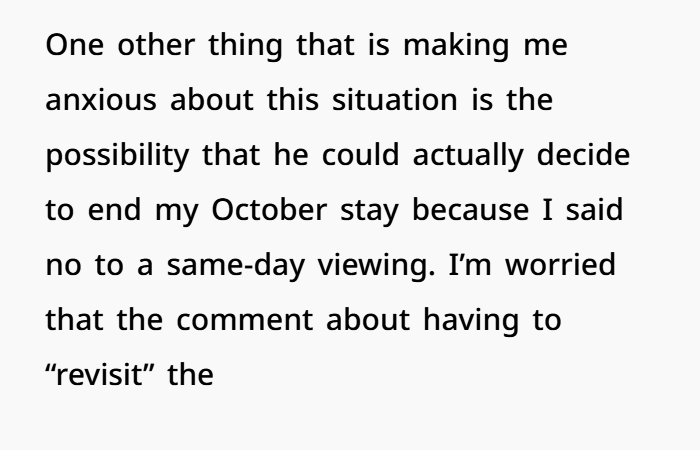
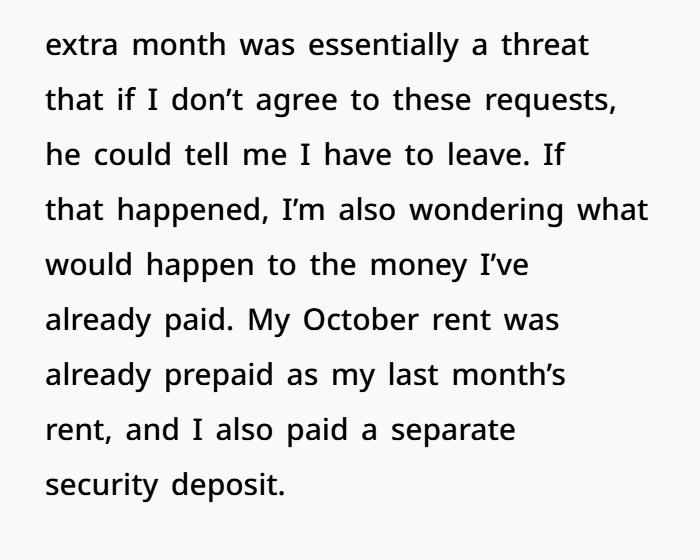
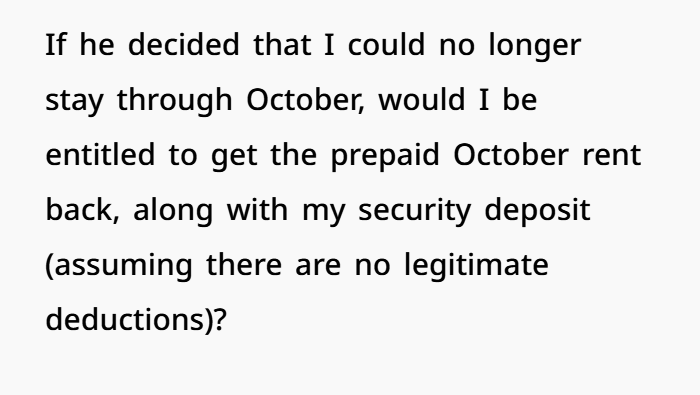
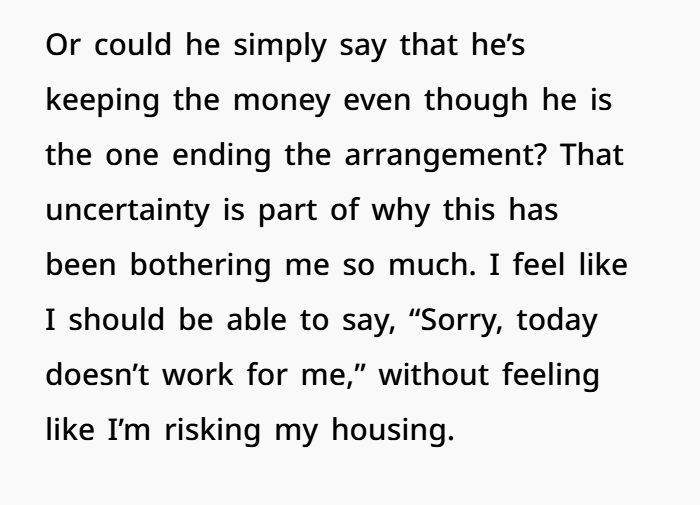
After she declined, her landlord mentioned that he had provided an extra month of housing and said they might need to talk about the agreement again. This made the renter worry about her future stay, prepaid rent, security deposit, and tenant protection.
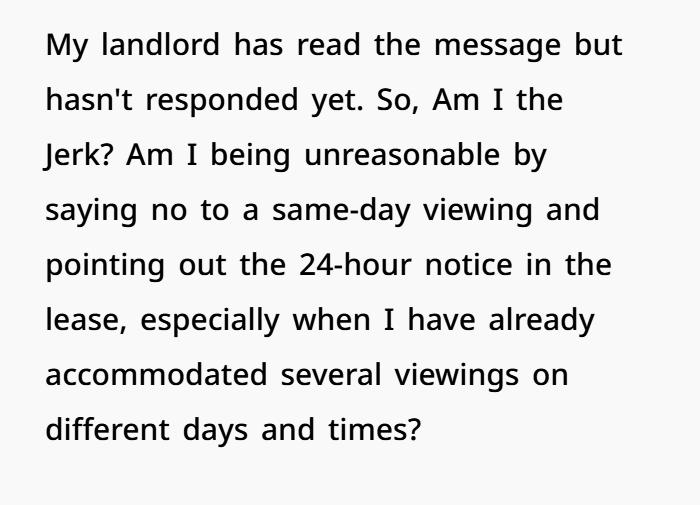
She is now thinking about whether she handled the situation correctly or if she should have responded differently. Her experience highlights the importance of respecting rental agreements, maintaining healthy landlord-tenant communication, and understanding basic housing rights.

Tenant Rights, Lease Agreements, and Why Last-Minute Requests Can Cause Rental Problems
Moving into a new apartment or finding a new tenant can be stressful for everyone.
Landlords want to rent their property quickly. They need to show the apartment, find reliable tenants, and avoid losing rental income.
Tenants have their own concerns too. They live in the property, keep their personal belongings there, follow daily routines, and expect a certain level of privacy.
Because of this, apartment showings can sometimes become a source of conflict between landlords and tenants.
Many rental disagreements are not only about the apartment viewing itself. They are often about communication, respect, and understanding the rules of a lease agreement.
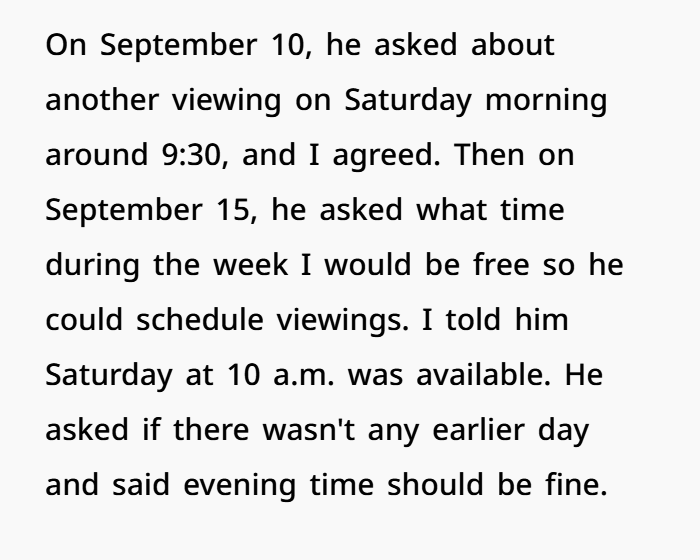
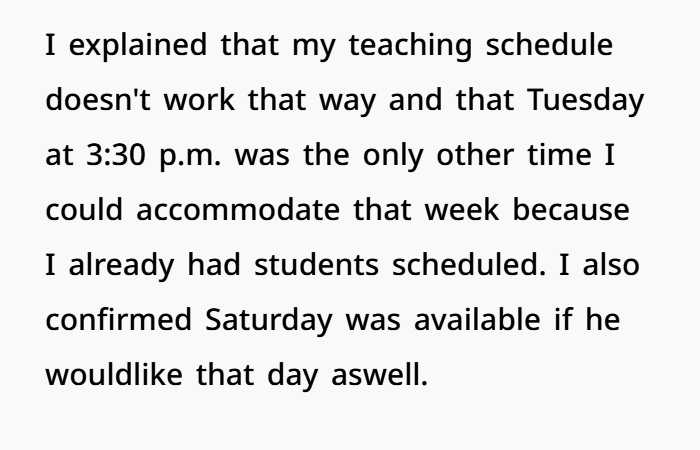
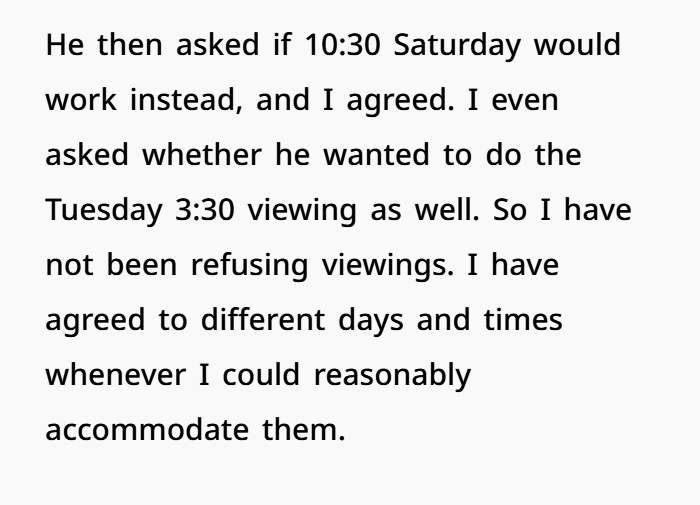
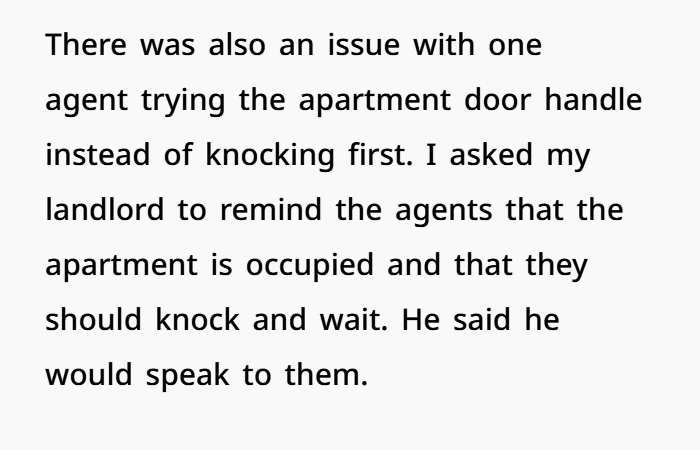
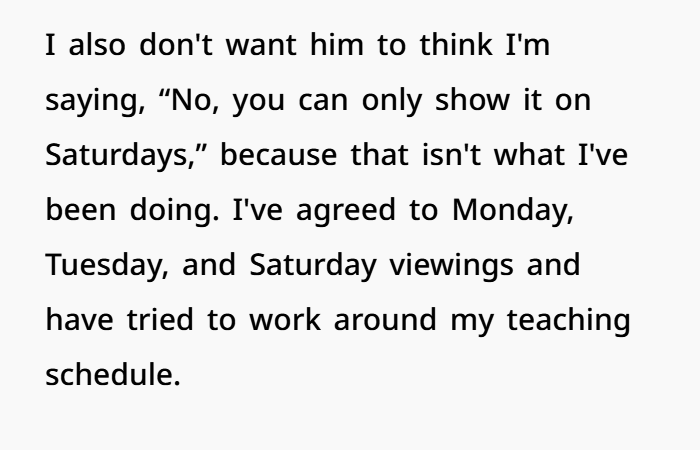
In this situation, the tenant was not refusing all apartment visits. She had already allowed several viewings during different times.
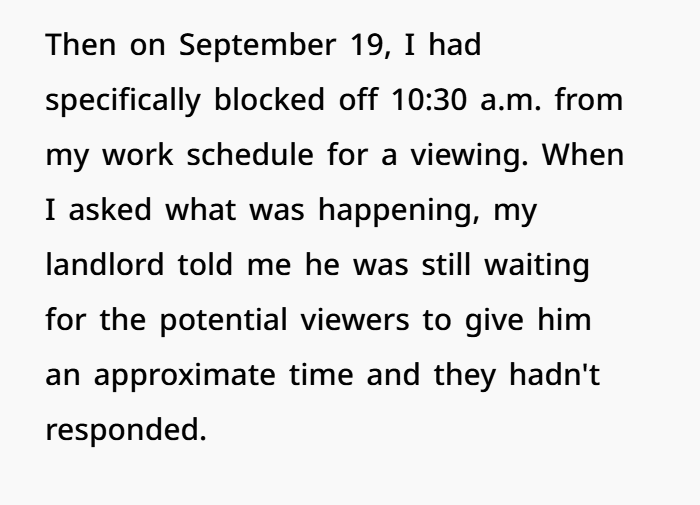
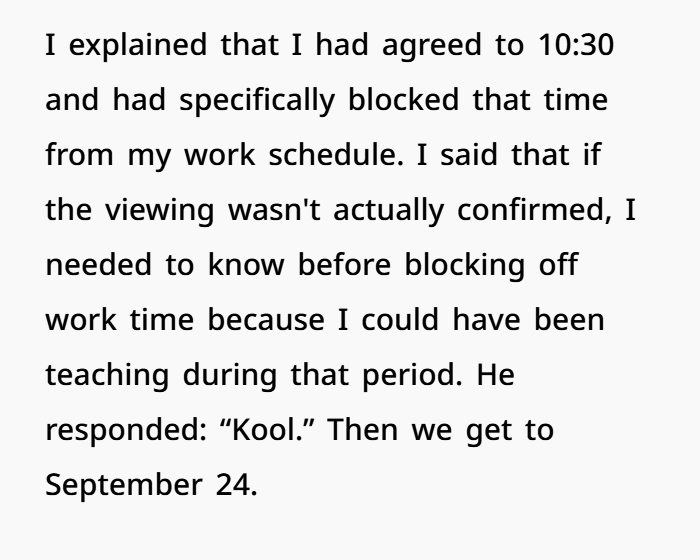
The disagreement happened when the landlord requested a viewing on the same day, and the tenant asked for more notice.
There is a big difference between saying:
“I cannot allow a viewing today.”
and saying:
“You can never show the apartment.”
One is about timing. The other is a complete refusal.
Why Lease Agreements Are Important
A lease agreement is one of the most important parts of a rental relationship.
It explains the responsibilities of both the landlord and the tenant. A rental contract usually includes details about:
- Monthly rent payments
- Payment dates
- Maintenance responsibilities
- Length of the rental period
- Rules for entering the property
Many rental agreements also include rules about landlord access.
Landlords may need to enter a property for different reasons, such as:
- Repairs
- Property inspections
- Emergency situations
- Showing the apartment to future renters
These rules help create a balance.
A landlord needs access to manage the property.
A tenant needs reasonable notice and enough time to prepare.
In this situation, the tenant said the lease included a notice requirement before apartment showings. She believed the landlord needed to provide advance notice before arranging a visit.
From her point of view, she was not creating a new rule. She was asking both sides to follow the rental agreement they had already accepted.
Why Same-Day Apartment Requests Can Be Difficult
Some people may wonder why a tenant cannot simply allow a viewing if they are already at home.
However, being home does not always mean someone is available.
Many people work remotely, but remote work still requires a schedule.
For example, someone who works from home may have online meetings, customer calls, or virtual classes. A free moment in the day does not always mean they can stop everything for an apartment showing.
There is also the matter of privacy.
Before strangers enter their home, many tenants want time to:
- Clean the apartment
- Organize personal items
- Protect private belongings
- Prepare their living space
This does not mean a tenant is trying to create problems.
It is often about feeling comfortable in their own home.
Looking at the Landlord’s Perspective
Landlords also have valid concerns.
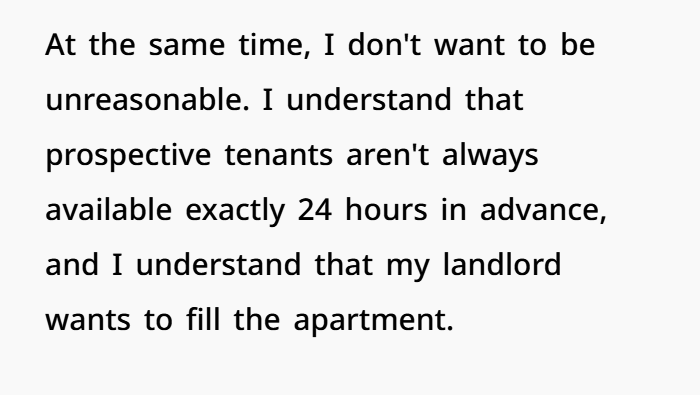
When an apartment becomes available, finding a new tenant quickly can be important. A landlord may worry about losing a potential renter if a viewing cannot happen at a convenient time.
A landlord may think:
“The apartment is available soon. Why not show it today?”
However, tenants are not just part of the rental process. They are still living in the property.
A rental property may be a financial investment for the landlord, but it is also someone’s home.
A positive landlord-tenant relationship usually depends on communication and respect.
A landlord can ask if a tenant is available for a same-day showing.
But asking is different from expecting the tenant to agree.
Can a Landlord Change a Lease Extension?
Questions about lease extensions depend on local rental laws and the exact details of the agreement.
When a landlord and tenant agree to extend a rental period, it is important to know how the agreement was made.
For example:
- Was the extension written down?
- Was there a new lease agreement?
- Was there a written update?
- Was the agreement only verbal?
Written communication can help prevent confusion.
In this situation, the tenant said the landlord confirmed in writing that she could stay longer and that prepaid rent would cover the additional month.
Those messages could become important if a disagreement happens later.
Understanding Last Month’s Rent and Security Deposits
Many renters have questions about prepaid rent and security deposits.
These payments usually have different purposes.
Last month’s rent is generally used to pay for a specific rental period.
A security deposit is usually kept for possible issues like property damage or unpaid costs, depending on local laws.
Because these payments serve different purposes, they are normally handled separately.
A disagreement about an apartment showing does not automatically change how these payments are used.
Why Keeping Rental Records Matters
One of the best ways to avoid rental disputes is keeping good records.
Important documents can include:
- Lease agreements
- Emails
- Text messages
- Rent payment records
- Messages about apartment showings
Written communication helps create a clear timeline.
In this situation, records showed details about:
- The agreed rental extension
- The prepaid rent arrangement
- Previous apartment viewings
- Alternative viewing times offered by the tenant
Keeping conversations polite and written can help avoid confusion and protect both sides.
Building a Better Landlord-Tenant Relationship
Many housing problems become bigger because of poor communication.
Sometimes the original issue is small, but frustration grows when people feel ignored or pressured.
Tenants usually want:
- Privacy
- Stability
- Respect for the lease agreement
Landlords usually want:
- Cooperation
- Access to manage their property
- A smooth rental process
Both sides have important needs.
Clear expectations can prevent many problems.
Landlords and tenants can discuss:
- How much notice is needed before showings
- Which times work best
- How urgent requests should be handled
- The best way to communicate
A tenant can have boundaries while still being cooperative.
A landlord can ask for flexibility while still respecting the tenant’s situation.
The key is understanding that a request is not the same as a requirement.
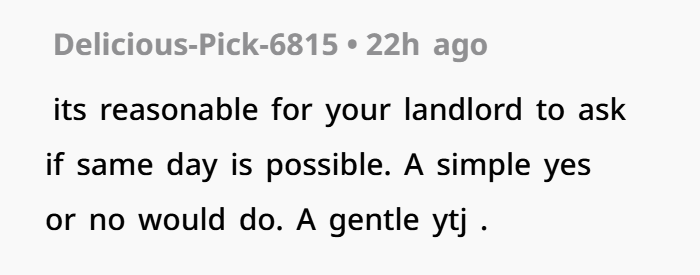
A same-day apartment viewing request may be reasonable to ask for.
A tenant saying the timing does not work may also be reasonable.
Final Thoughts on Rental Conflicts
A good rental relationship is built on trust, communication, and respect.
Lease agreements, tenant rights, property access, and rental responsibilities can become complicated when expectations are unclear.
Small scheduling issues do not need to become major conflicts.
With clear communication and a better understanding of each person’s responsibilities, landlords and tenants can solve problems more easily.
Whether you are renting a home or managing a property, knowing your rights and responsibilities can help create a smoother rental experience.
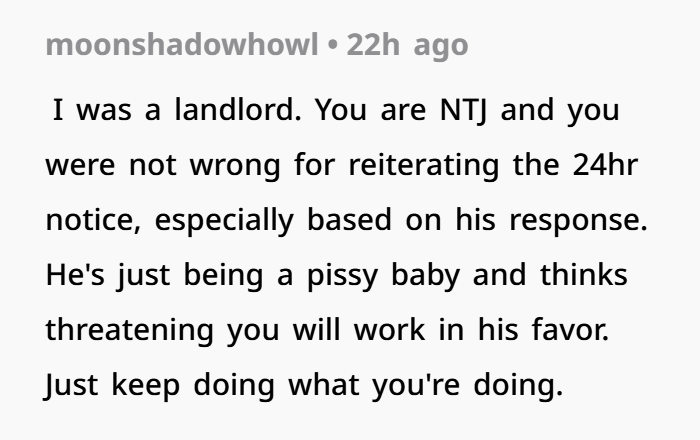
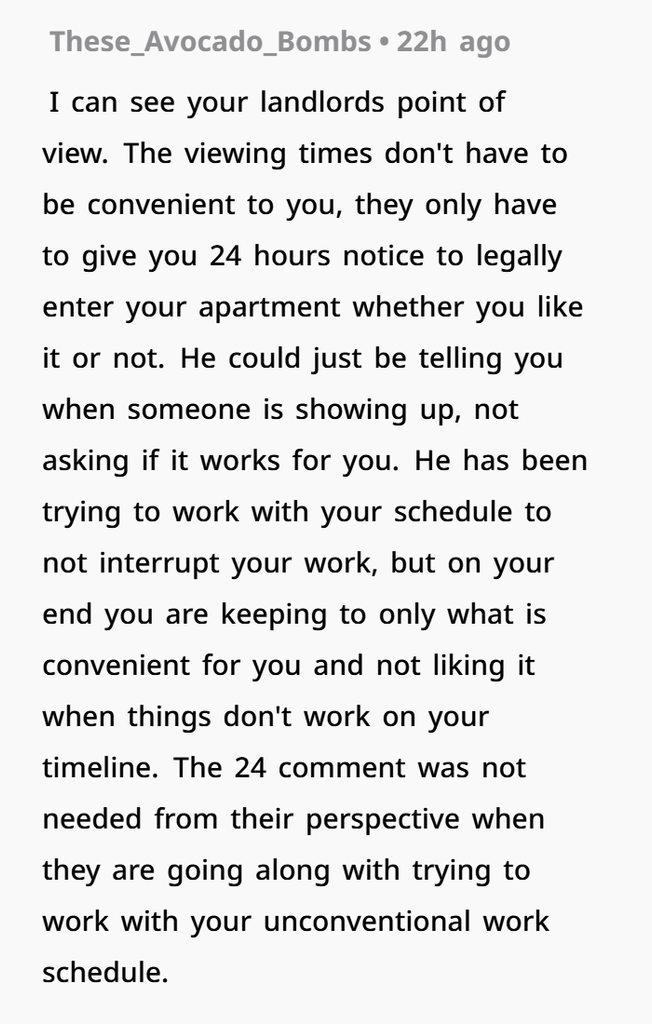
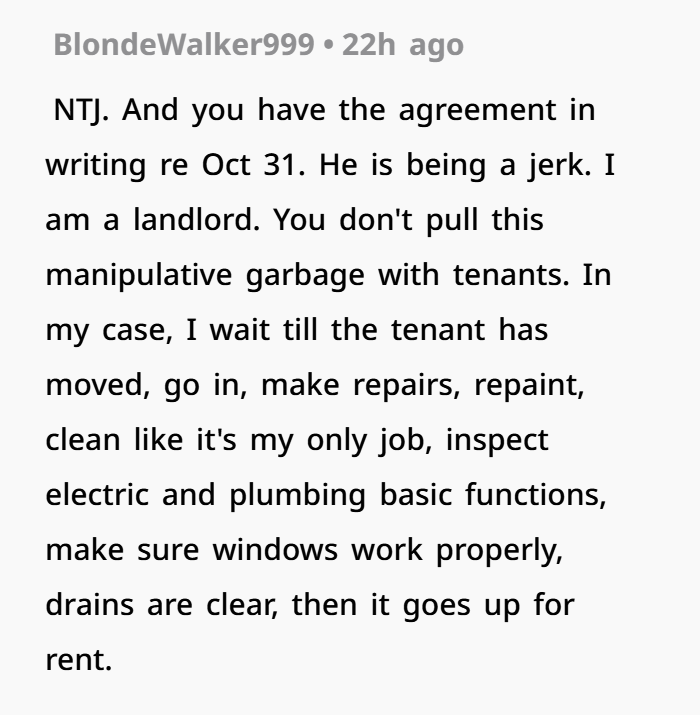
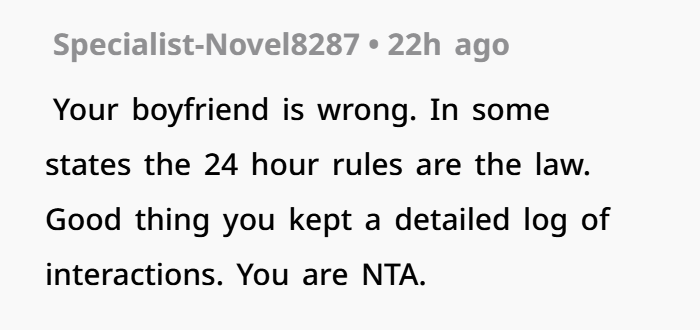
What The Comments Reveal