Petty Fence Revenge: When “I Built My Fence” Means “Don’t Trespass”

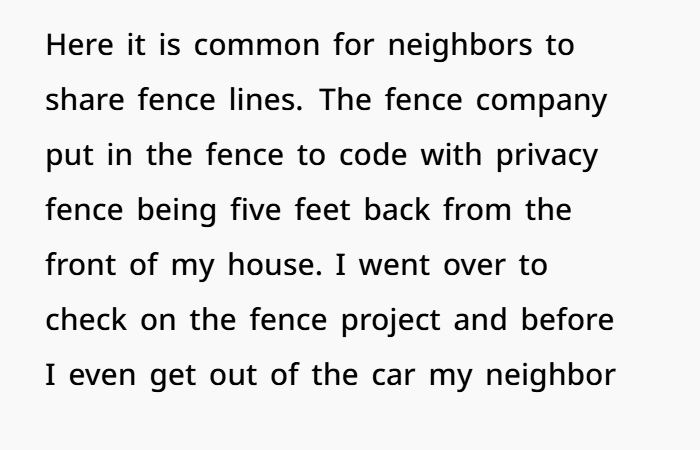
A homeowner shared a story about a disagreement with a neighbor after building a new fence around their property. Before starting the project, they bought the house, completed a property survey, hired professionals, and made sure the fence followed local rules. The fence was built fully on their own land and was approved during inspection.
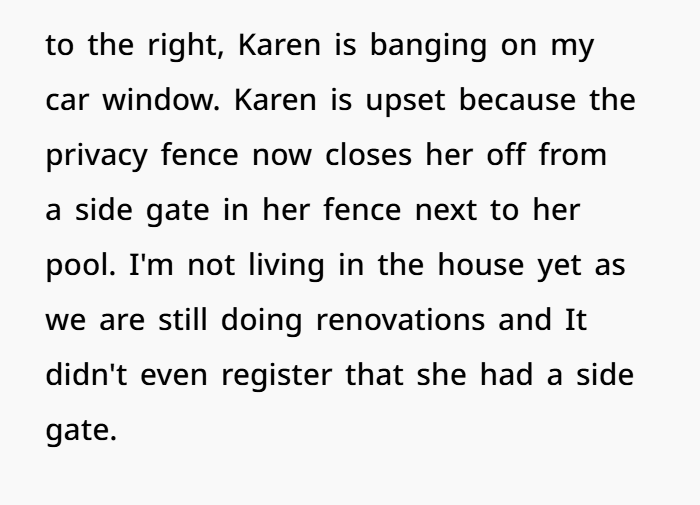
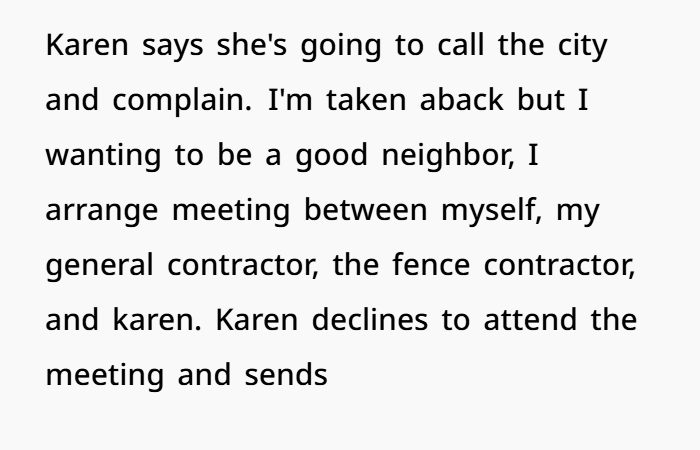
After the fence was completed, the neighbor became upset because she could no longer use a side gate near her pool. She wanted the homeowner to change the fence and move the gate so she could continue using that area. She also threatened to contact local authorities about the situation.
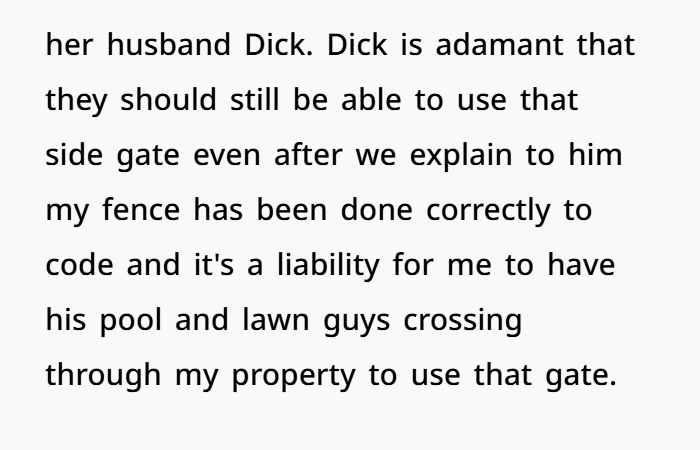
The homeowner explained that the fence was legally placed on their property and offered to help with costs if a solution could be found. However, the neighbor did not agree, so the homeowner decided to lock their gate and create more privacy by adding plants and hedges.
The situation became a reminder of why property boundaries, communication, and respect between neighbors are important. While the decision caused tension, the homeowner felt they had the right to protect their private space after following the proper legal steps and building a fence according to local requirements.
A woman’s neighbor was furious that a new, legally installed fence would block her unofficial shortcut
My Neighbor Wants Access Through My Yard After I Built A Fence — Am I Wrong To Say No?
Buying a home often comes with the hope of having privacy, safety, and control over your own property.
But sometimes, disagreements with neighbors can make things complicated.
One common issue homeowners face is property boundaries, fences, and questions about who has the right to use certain areas.
This situation raises important questions about property rights, neighbor disputes, privacy, and legal boundaries.
Who Owns The Fence?
The first question is simple:
Where exactly is the fence located?
Fence ownership often depends on whether the fence sits:
- Completely inside one person’s property line
- Directly on the shared boundary line
If a homeowner builds a fence completely on their own property, the fence generally belongs to that homeowner.
They are usually responsible for maintaining it, and they can decide who has access through gates connected to that fence.
If a fence sits directly on the property line, it may be considered a shared fence. In those situations, neighbors may have shared responsibilities depending on local laws.
In this situation, the homeowner had a property survey completed, built the fence according to local requirements, and received approval from the city.
That provides strong evidence that the fence is part of their own property.
A Gate Does Not Automatically Create A Right To Use Someone Else’s Property
Some neighbors become used to certain arrangements over time.
For example, a neighbor may regularly walk through another person’s yard because there was an open gate or an informal agreement.
However, using a space for convenience does not always create a legal right.
A person generally does not gain automatic access to someone else’s property just because they have used it before.
A legal right to cross another person’s land is usually called an easement or right of way.
An easement may come from:
- A written agreement
- Property records
- Certain legal requirements involving long-term use
Without a legal easement or permission from the homeowner, a neighbor may not have the right to continue using private property.
Protecting Your Privacy Is A Reasonable Choice
Many people buy homes because they want a private and secure space.
A fenced yard can provide:
- Safety for pets
- More privacy
- A secure outdoor area
- Peace of mind
If a homeowner installs a fence to protect their property and their pet, that is a reasonable reason.
Locking a gate does not automatically mean someone is being rude or unfair.
Sometimes it simply means the homeowner is setting a clear property boundary.
Offering A Compromise Shows Good Faith
In this situation, the homeowner did not ignore the neighbor completely.
They offered a possible solution by helping move the neighbor’s gate and sharing the cost.
That was an attempt to find a middle ground.
However, if the neighbor refuses a reasonable alternative, the homeowner is not always responsible for continuing to provide access through their own property.
Good neighbor relationships require cooperation from both sides.
Is Blocking The Access Just Being Petty?
There is a difference between protecting your property and intentionally trying to upset someone.
A fence built only to annoy a neighbor can create legal issues in some areas.
But a fence built for normal reasons — such as privacy, safety, or protecting a pet — is usually a different situation.
The neighbor’s frustration does not automatically mean the homeowner did something wrong.
A person can enforce property boundaries without trying to create conflict.
What If The Neighbor Complains?
Neighbor disputes can sometimes become stressful.
A neighbor may complain about the fence, access, or property use.
That is why keeping records is important.
Helpful documents may include:
- Property surveys
- Fence permits
- Inspection approvals
- Written communication with neighbors
Having proof that the fence was properly placed and approved can help explain the situation if questions come up later.
The Importance Of Understanding Property Rights
Many homeowner conflicts happen because people have different assumptions.
One neighbor may think:
“I have always used this path, so I should be able to continue.”
The homeowner may think:
“This is my property, and I want privacy.”
Both people may feel strongly about their position.
The best approach is to understand the actual property boundaries and local laws instead of relying only on past habits.
How To Handle A Neighbor Boundary Dispute
If you are dealing with a similar situation, consider these steps:
Check Your Property Records
A survey can help confirm where your property lines are.
Communicate Clearly
Explain your concerns calmly and respectfully.
Keep Documentation
Save agreements, messages, and official approvals.
Learn Local Laws
Property rules can vary depending on your location.
Consider Professional Advice
If a dispute becomes serious, speaking with a local property attorney can help you understand your options.
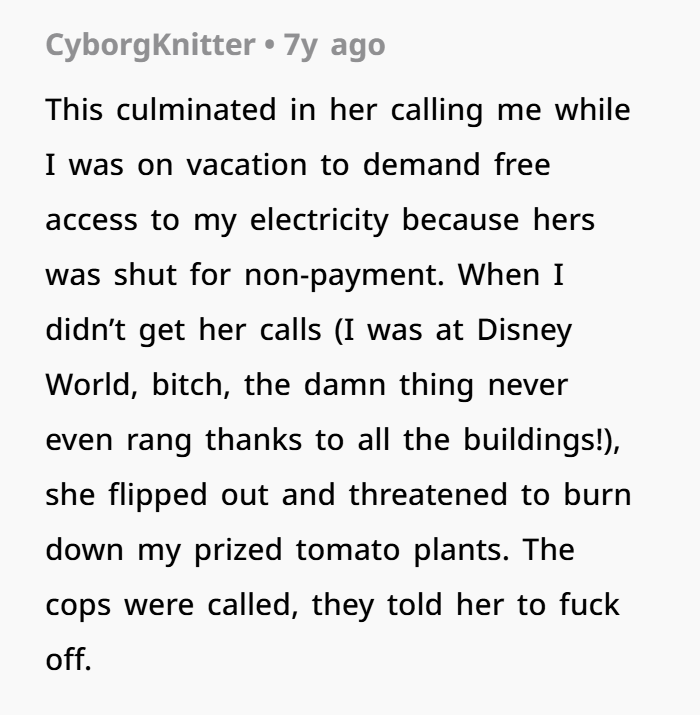
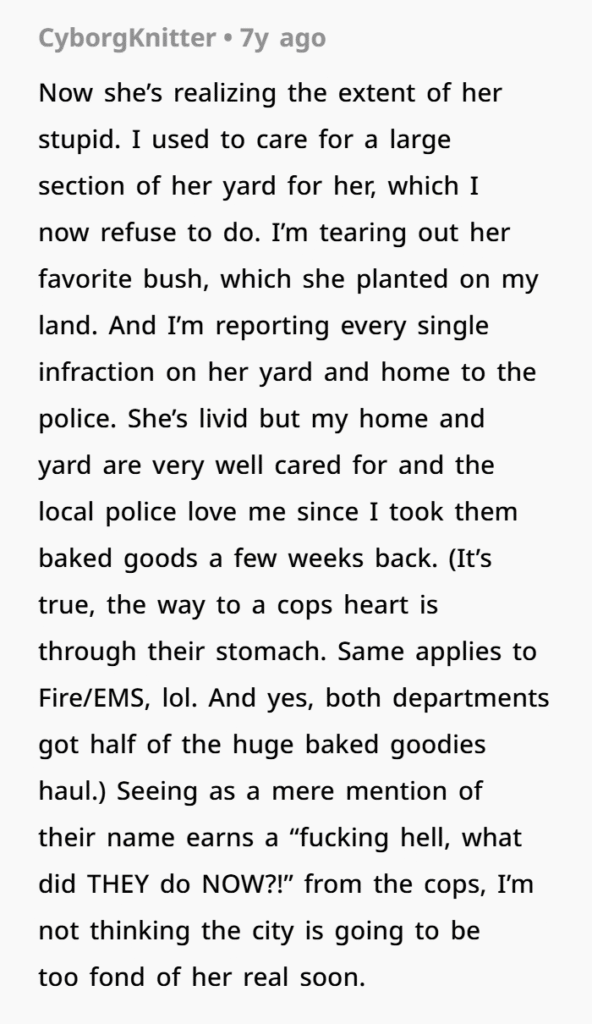
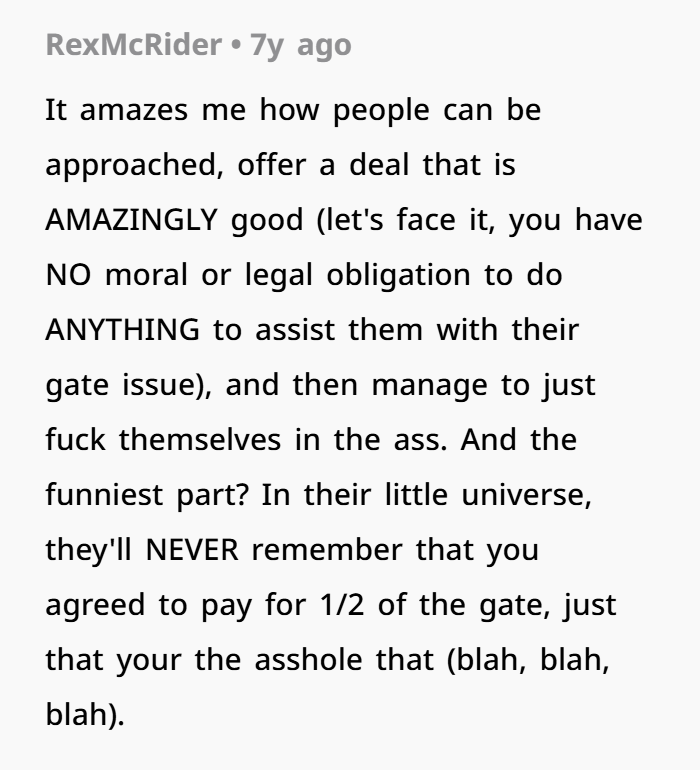
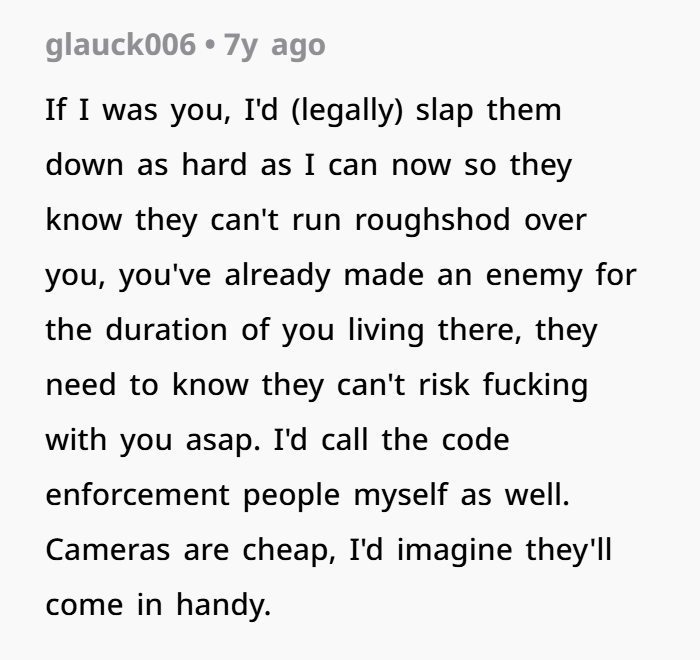
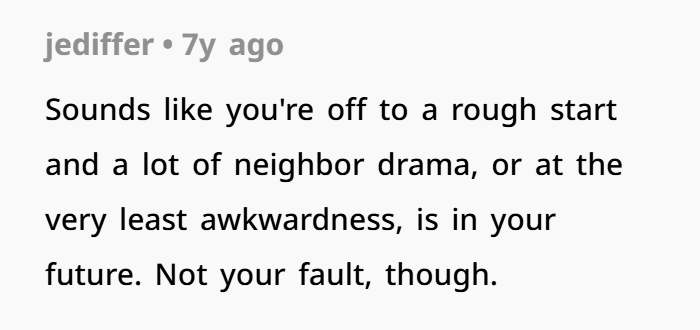
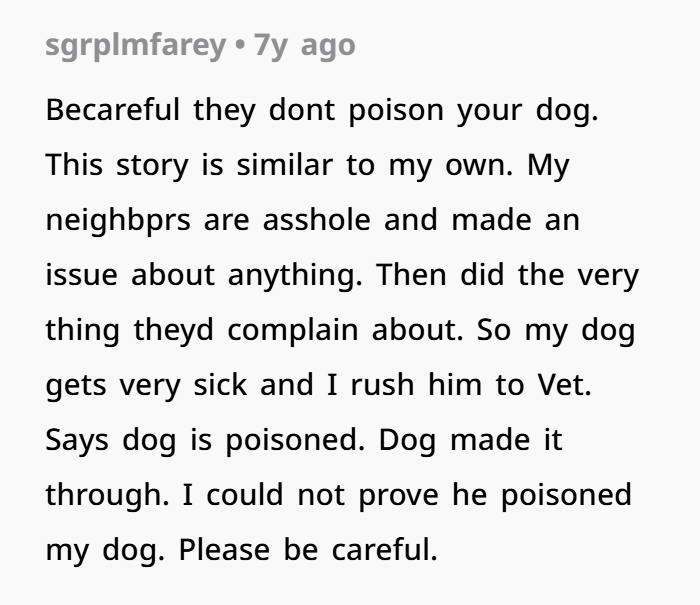
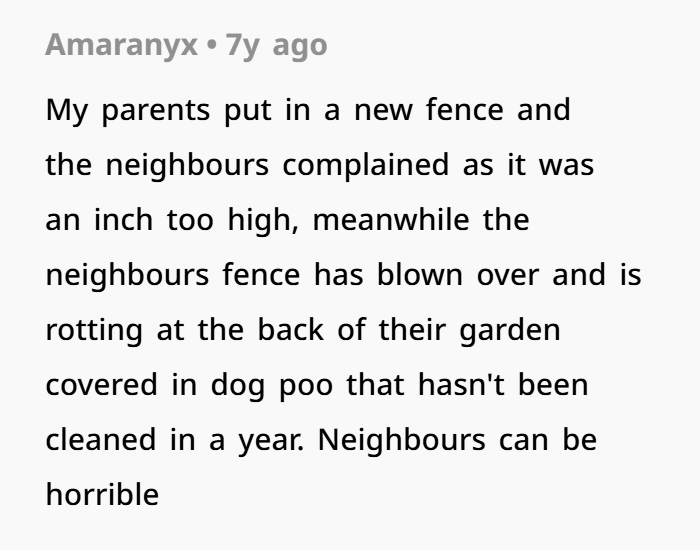
The internet cheered her on, calling it a perfect case of a petty neighbor playing themselves

Final Thoughts
A neighbor using your property for years does not always mean they have a permanent right to continue doing so.
Homeowners have the right to enjoy their property, protect their privacy, and create safe spaces.
At the same time, good communication can prevent unnecessary conflict.
The best solution is one that respects both property rights and neighbor relationships.
Setting boundaries around your own home is not automatically unfriendly.
Sometimes it is simply part of being a responsible homeowner.