She Kissed My Boyfriend for a Play… Then Crossed the Line

A 19-year-old drama student shared a story about a difficult situation involving her relationship and a classmate. She was dating a fellow student from her course, and she felt their relationship was healthy and stable. Even though he received attention from others, she trusted him and did not feel worried about their relationship.
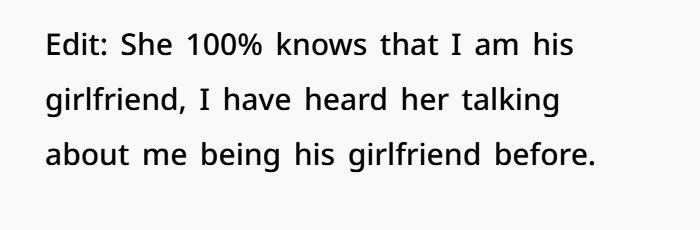
Things started to feel uncomfortable when another classmate, who we will call Victoria, began showing interest in him. At first, the behavior seemed small. Victoria often tried to work with him on projects, complimented his appearance in front of others, and even changed her role in a play so she could act as his romantic partner on stage.
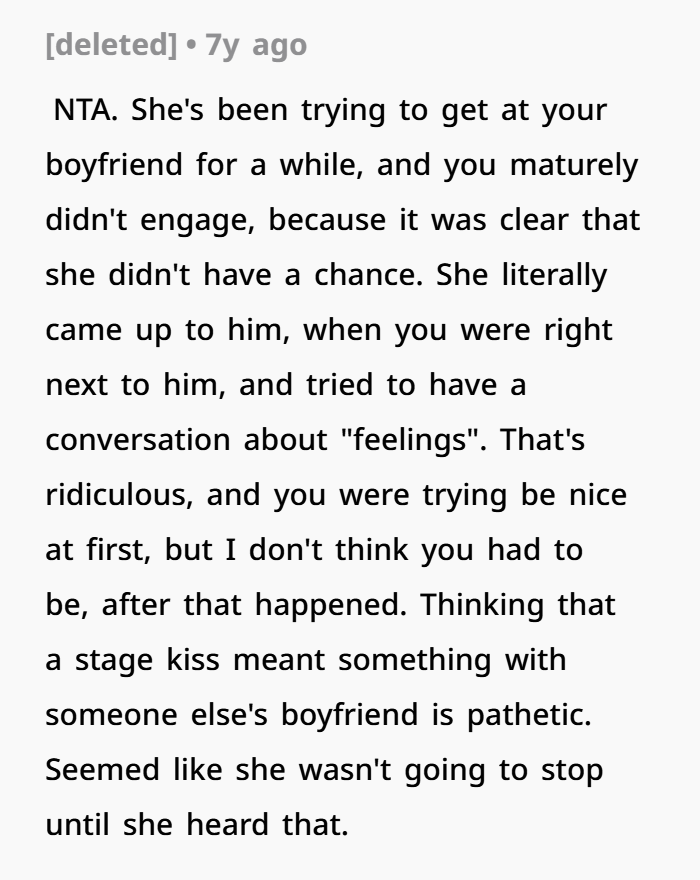
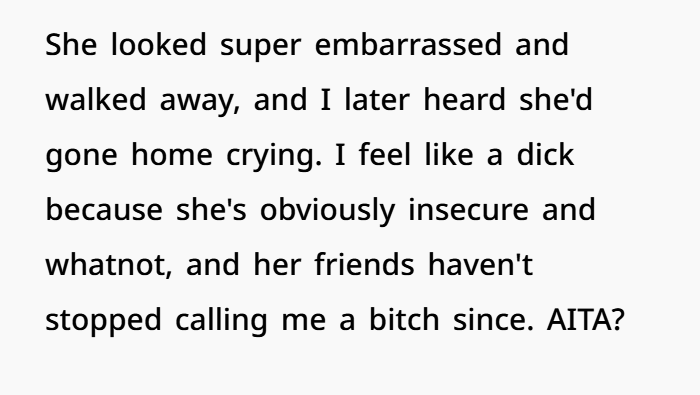
The situation became more awkward after the play ended. During a small gathering after the performance, Victoria talked about the stage kiss and suggested that it felt more meaningful than just acting. She continued making comments about their connection and complimented him while his girlfriend was nearby.
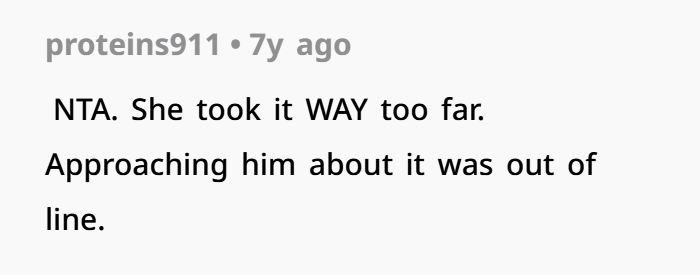
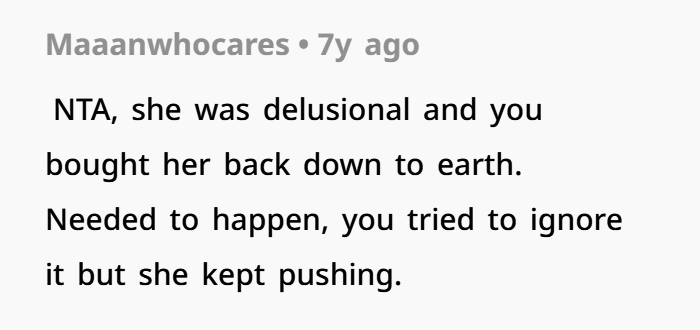
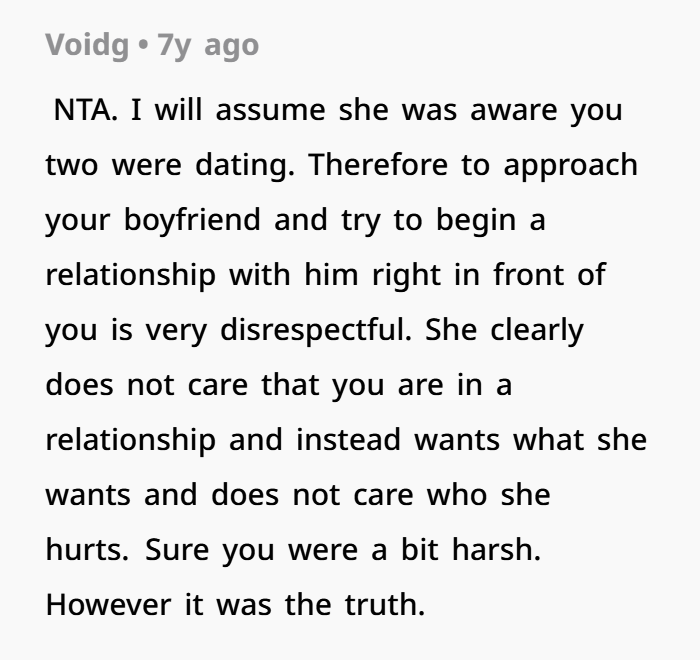
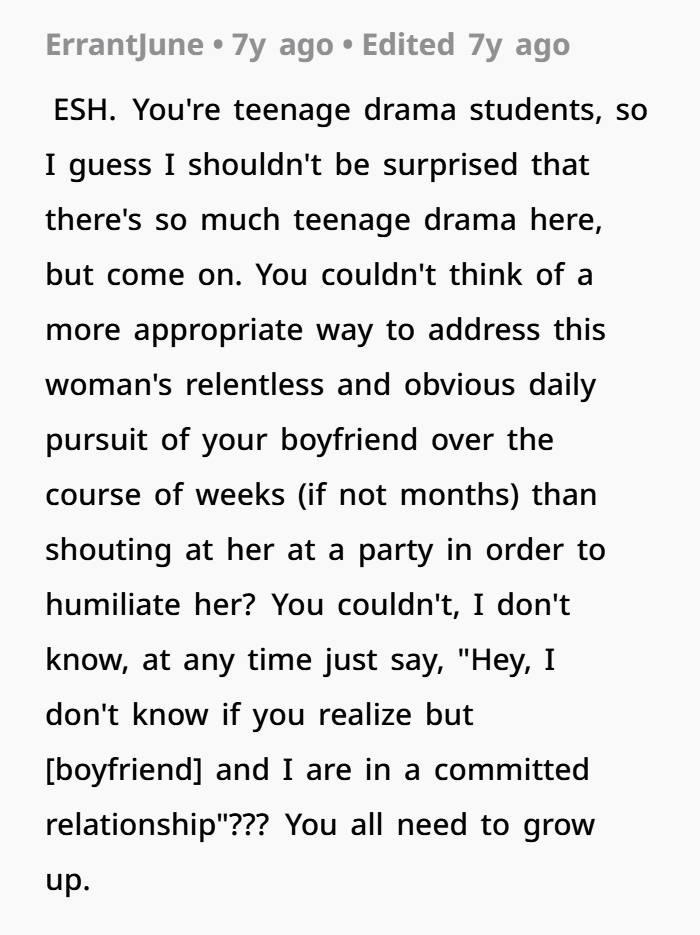
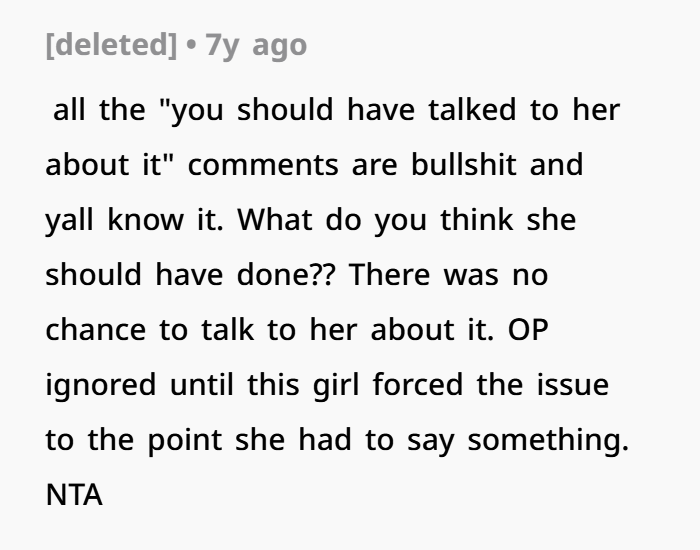
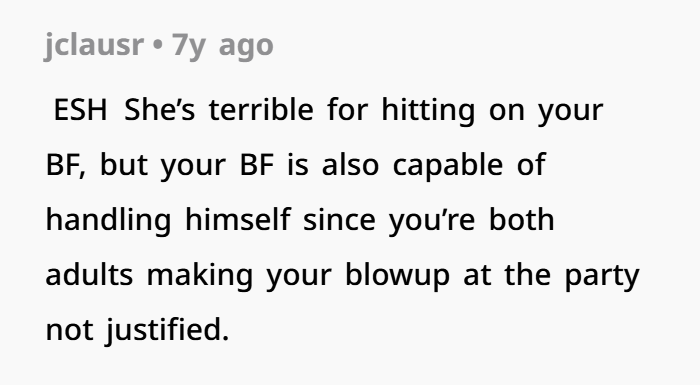
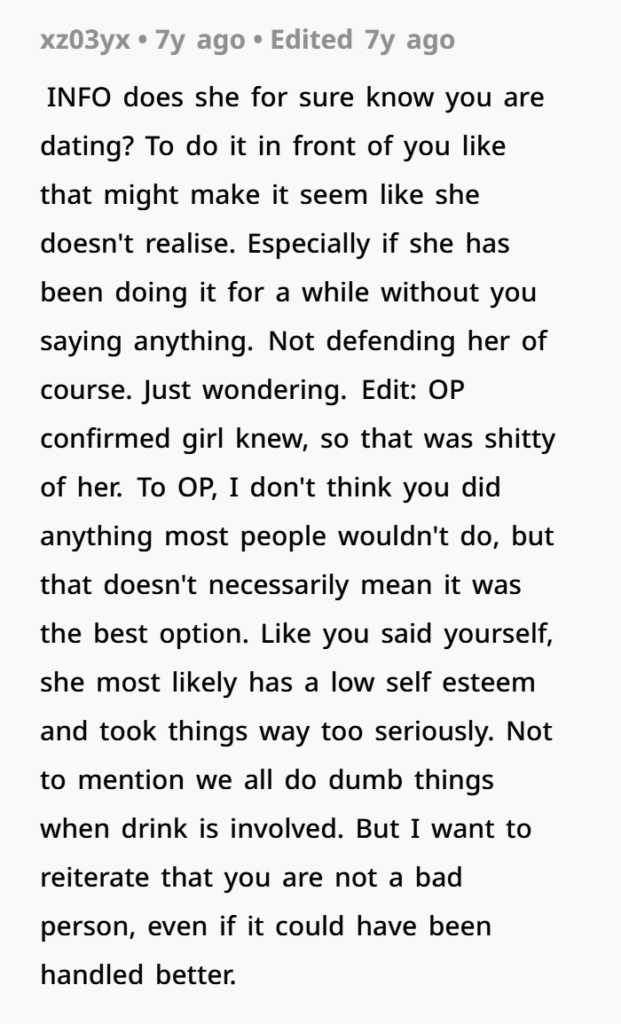
The girlfriend felt that Victoria had crossed a personal boundary. She became upset and confronted her in front of the group, saying that the behavior was inappropriate and disrespectful. The situation created tension between everyone involved.
The story shows how important communication, respect, and understanding boundaries can be in relationships. Acting and performance can involve close interactions, but it is still important for people to respect existing relationships and avoid making others feel uncomfortable.
Relationship Boundaries: Understanding Attraction, Respect, and Emotional Choices
Relationships can become complicated when feelings, friendships, and social situations mix together. Sometimes a person may develop feelings for someone who is already in a relationship. Having feelings is human, but how someone handles those feelings is what really matters.
In this situation, Victoria’s actions did not seem like a single mistake. Over time, her behavior showed a pattern. She often tried to be closer to the boyfriend, looked for more chances to interact with him, and openly talked about finding him attractive even though she knew he was already in a relationship.
Small actions can sometimes reveal bigger intentions. A person may start by spending extra time with someone, making flirty comments, or finding reasons to be around them. Each action may seem harmless on its own, but repeated behavior can create discomfort and make relationship boundaries feel ignored.
Healthy relationships depend on respect, trust, and clear communication. When someone knows another person is committed, respecting that relationship is an important part of emotional maturity.
When Acting and Real Feelings Become Confusing
The stage performance created another complicated situation. Acting can involve strong emotions, close interactions, and intense moments between characters. For some people, these experiences can feel very real.
Romantic scenes, emotional conversations, and physical closeness during performances can create a strong connection between actors. Sometimes people may confuse the emotions created during a performance with real-life feelings.
This does not mean every feeling is fake. A person can genuinely feel attracted to someone. Attraction is a normal human experience. The important part is what they choose to do after recognizing those feelings.
Feeling something is different from acting on it.
A person can have emotions privately while still choosing to respect someone else’s relationship. The problem begins when those feelings lead to actions that hurt others or cross personal boundaries.
Alcohol and Emotional Decisions
The afterparty added another layer to the situation. Alcohol can affect decision-making because it lowers self-control and makes people more likely to say or do things they might normally avoid.
However, alcohol usually does not create completely new feelings. Instead, it often removes the filter people use to control their behavior.
If Victoria talked about feeling a “spark” with someone who was already in a relationship, it may have shown that these thoughts were already there. Being under the influence may have simply made her more open about expressing them.
But emotions alone do not decide whether an action is right or wrong. Personal responsibility still matters.
Why the Girlfriend Reacted Strongly
The girlfriend’s reaction was emotional, but it came after several uncomfortable moments. She had already noticed different situations that made her feel disrespected:
- The repeated attempts to spend more time with her boyfriend
- Comments about his appearance
- Changes made to be closer to him during the play
- Open discussions about attraction at the party
When someone stays quiet about smaller issues, frustration can build over time. A final incident may feel bigger because it represents everything that happened before.
Her feelings were understandable because she felt her relationship boundaries were being challenged.
At the same time, the way someone communicates during conflict matters. Calling someone names or attacking their personality can make a situation worse. A calmer approach that focuses on the behavior rather than the person is usually more effective.
Public Conflict and Social Reactions
Ideally, relationship problems are handled privately and respectfully. A calm conversation can often solve issues better than a public argument.
However, real-life situations do not always happen perfectly. When someone feels hurt or embarrassed in front of others, emotions can take over.
A public response can sometimes make boundaries clear, but it can also create more tension. The healthiest approach is usually to communicate firmly while still showing respect.
The Role of Insecurity and Self-Worth
Victoria’s insecurity about her appearance adds another important point. Sometimes people who struggle with confidence may look for outside validation.
Getting attention from someone who seems unavailable can sometimes feel like proof of worth. A person may think, “If this person chooses me, then I must be special.”
However, personal confidence should not depend on winning someone else’s attention. Building self-esteem through personal growth, healthy friendships, and self-respect is much more valuable.
Understanding someone’s insecurity can help explain their actions, but it does not excuse behavior that crosses boundaries.
The Bigger Lesson About Relationships
This situation shows why respect and communication are so important. Attraction can happen unexpectedly, but mature decisions come from understanding consequences.
A strong relationship requires honesty, trust, and respect from everyone involved. People cannot always control their feelings, but they can control their choices.
Victoria’s feelings may have been real, and the girlfriend’s frustration was also real. Both emotions can exist at the same time. The difference comes from how people handle those emotions.
Healthy relationships are built when people respect boundaries, communicate clearly, and remember that feelings do not give anyone permission to hurt others.
See The Comments Below