You Want Every Purchase Request Signed in Person? Fine. Hope You Like Paperwork.

Every workplace has moments when a new manager changes the way things are done. Sometimes new rules help improve business operations, but other times they can create unnecessary problems. In this story, Ethan had worked in the procurement department of a heavy machinery repair company for years. The purchasing process was simple and effective. Employees sent approval requests, managers reviewed them, and the required parts were ordered quickly.
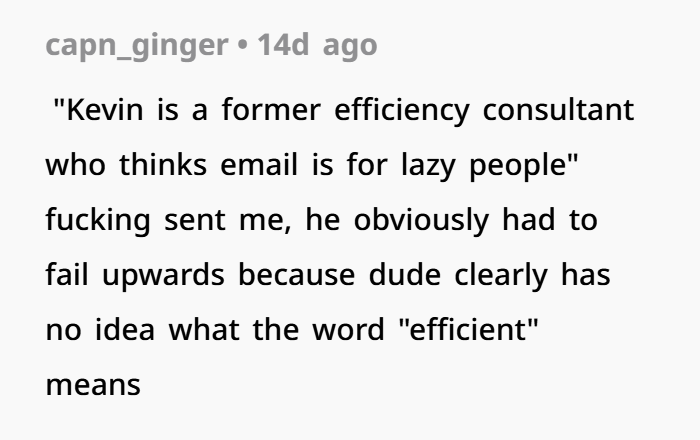
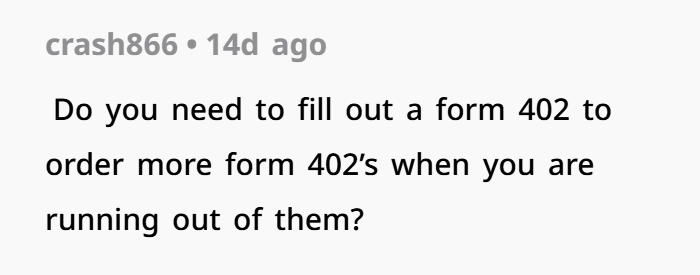
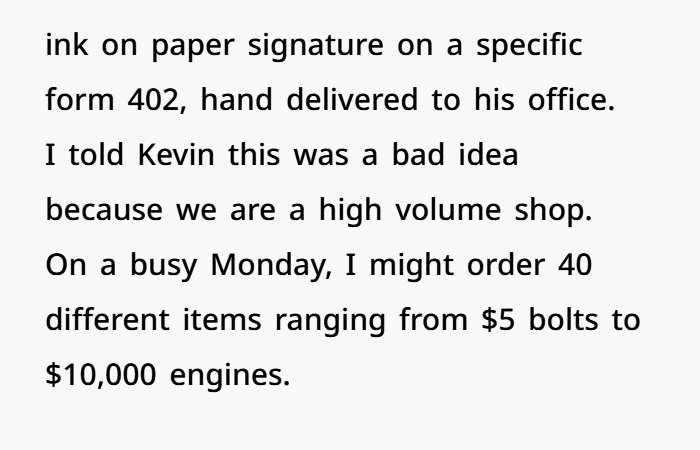
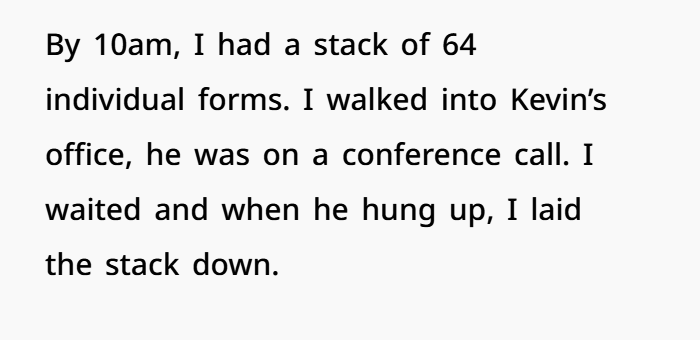
Things changed when a new operations director named Kevin joined the company. He wanted to create a more structured system and believed the current process needed more control. His solution was to require a handwritten Form 402 for every purchase request. This rule applied to everything, including small supplies like safety gloves, bolts, cleaning products, shop materials, and replacement parts.
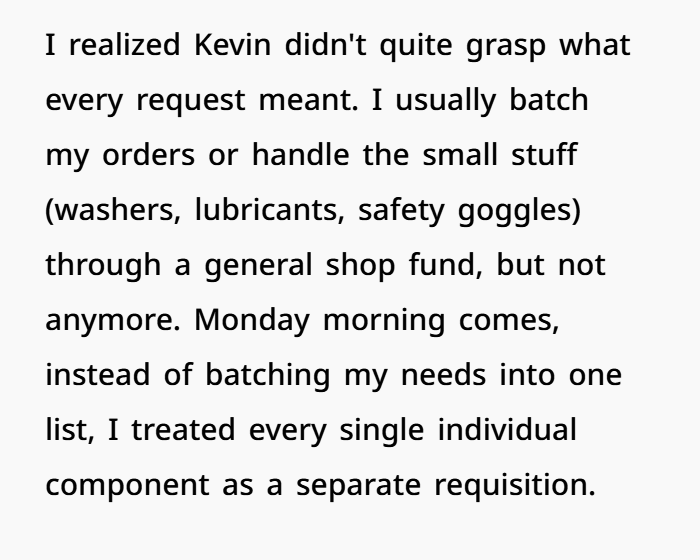
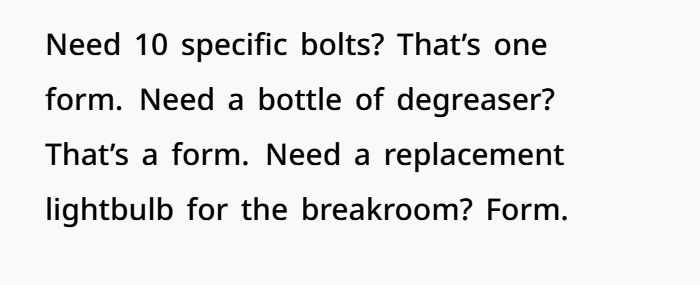
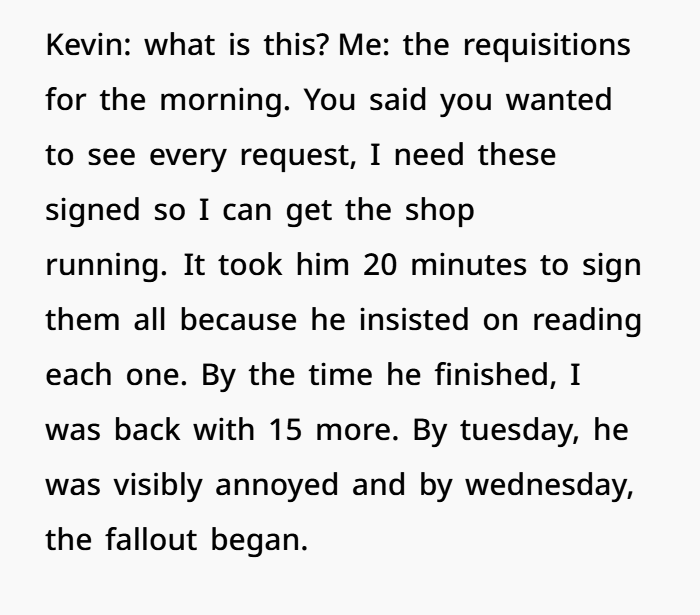
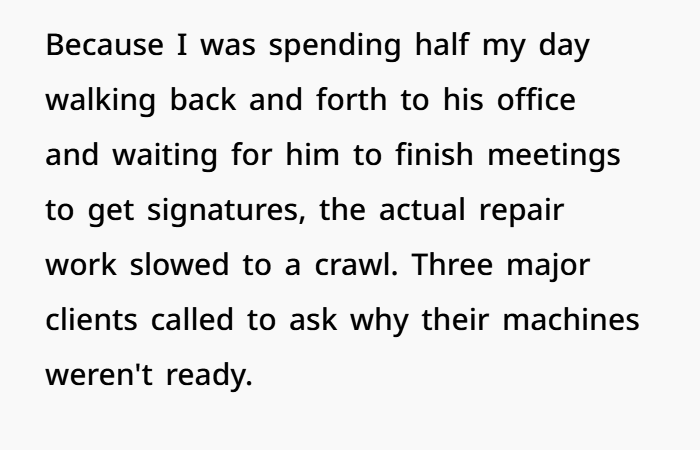
Ethan explained that the new process could slow down repair work and affect business efficiency. However, Kevin decided to continue with the new approval system. Ethan followed the instructions and submitted a separate request form for every item. Soon, the paperwork started piling up, purchase approvals became slower, and repair projects faced delays. Customers began noticing the slower service, and company leaders started receiving complaints.
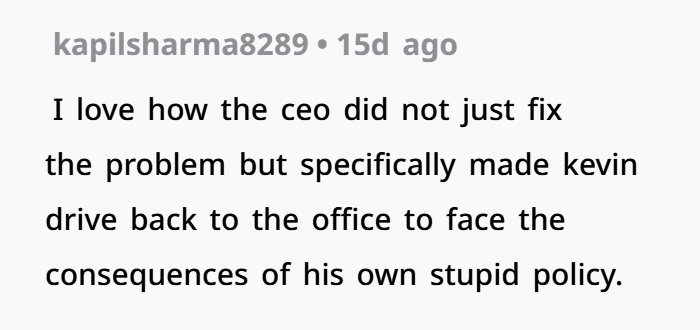
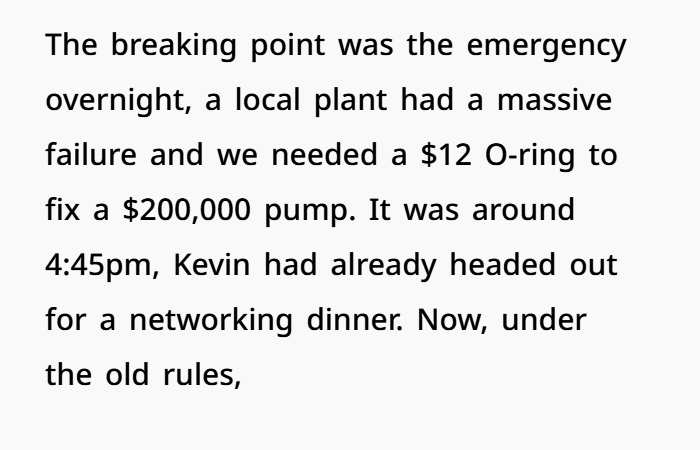
The biggest problem happened when an important industrial equipment project was at risk because a small replacement part needed approval. Kevin was away and could not quickly sign the request, causing unnecessary delays. After company executives saw how much the new system affected productivity and project management, the old email approval process was brought back. The situation became a reminder that good workplace policies should improve efficiency, not create extra barriers.


How a Bad Management Decision Created a Workplace Efficiency Problem
Some workplace stories are interesting because they show how small management decisions can create much bigger problems.
This story became popular because many employees can relate to dealing with a manager who changes a system without fully understanding how the work actually happens.
The situation involved a heavy equipment repair company where a new manager introduced a strict approval process. He believed he was improving business operations, but the new rules created delays, extra paperwork, and problems for employees and customers.
The biggest lesson from this story is simple:
Good management is not just about creating more rules. It is about understanding what helps people work better.
When Managers Change Systems Without Understanding Them
In many businesses, managers are asked to improve productivity, reduce costs, and create better processes.
That sounds positive.
However, problems happen when someone changes a working system without learning why it was created in the first place.
The repair company already had a simple purchasing system. Employees could request parts through email, receive approval, and continue repairs quickly.
This process worked because it balanced two important things:
- Financial control
- Fast decision-making
For a heavy machinery repair business, speed is extremely important. When industrial equipment stops working, customers can lose valuable time and money.
A delayed repair can affect manufacturing operations, construction projects, logistics companies, and other industrial businesses.
The Problem With Too Much Micromanagement
The new manager, Kevin, believed the purchasing process needed more control.
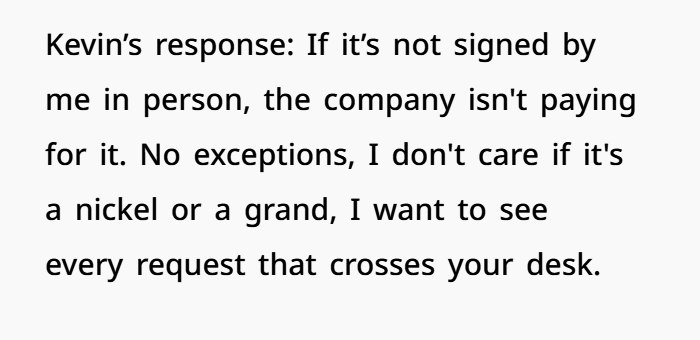
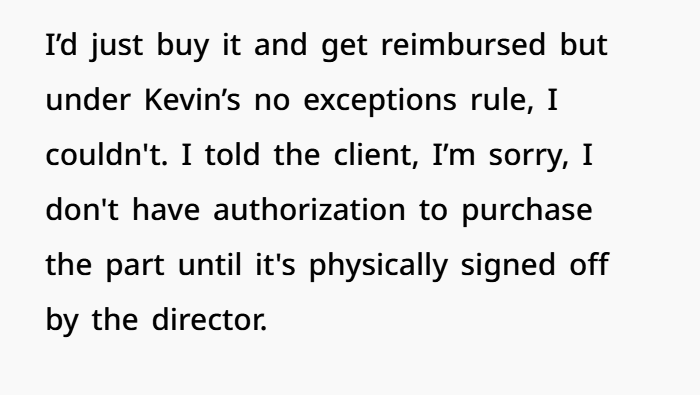
Instead of digital approvals, he required employees to complete physical paperwork and get his personal signature before buying supplies or repair parts.
At first, he probably thought this would improve accountability.
Many managers introduce extra approval steps because they want to prevent unnecessary spending. However, too many approval requirements can slow down daily operations.
This is where micromanagement can become a problem.
Good leadership means trusting skilled employees while creating systems that support the business. Too much control can reduce employee productivity and make simple tasks take much longer.
A Simple Purchase Became a Long Process
The new rule affected almost everything.
A technician needing a small repair item now had to complete a separate form and wait for approval.
Items that were normally purchased quickly now required additional paperwork.
Small requests such as:
- Replacement parts
- Cleaning supplies
- Safety equipment
- Workshop materials
all needed individual approval.
Soon, the manager was receiving piles of forms every day.
The process that was supposed to improve efficiency was creating more administrative work instead.
How Small Delays Create Big Business Problems
At first, the company tried to adjust.
Employees followed the new process because it was the official company policy.
However, problems started appearing.
In industrial businesses, delays can become expensive quickly. A machine that is not repaired on time can stop production, delay projects, and affect customer relationships.
This is why operational efficiency matters so much in industries like:
- Manufacturing
- Construction
- Logistics
- Industrial maintenance
- Equipment repair
Experienced workers often understand these challenges because they deal with real problems every day.
The $12 Part That Exposed the Problem
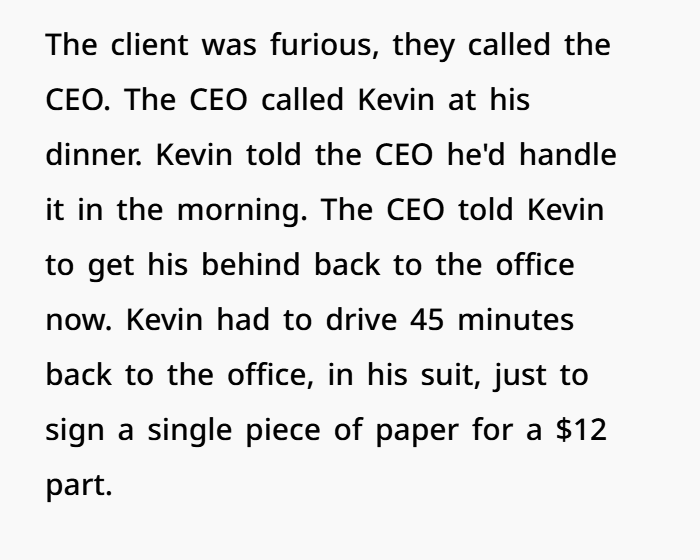
The biggest issue happened when a customer’s equipment needed a small replacement part.
The repair required a simple O-ring that cost only a few dollars.
Under the old system, the part could have been approved quickly, and the repair could have continued.
But under the new policy, the purchase required the manager’s physical signature.
Since there was no approval, the employee followed the rule and did not buy the part.
The result?
The customer’s equipment remained unavailable longer than necessary.
Eventually, the issue reached company leadership because the customer was unhappy with the delay.
That moment showed the company that the new process was not improving operations. It was slowing them down.
The Importance of Practical Business Processes
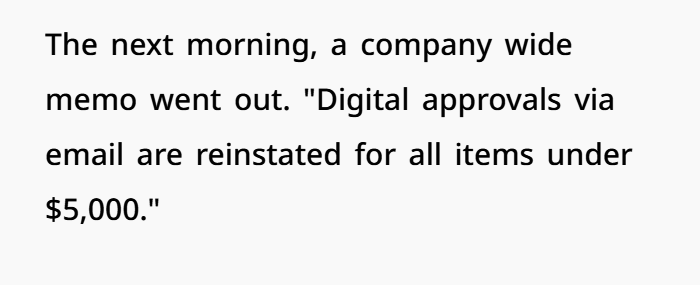
After the problem became clear, the company changed the approval system again.
Digital approvals returned for smaller purchases, while additional review remained for larger expenses.
This type of solution is common in successful businesses.
The best operational systems usually have:
- Clear approval limits
- Fast communication
- Employee trust
- Proper financial controls
A good process should protect the company without making everyday work unnecessarily difficult.
Why Employees Remember Poor Leadership Decisions
Workplace culture is strongly affected by how managers treat employees.
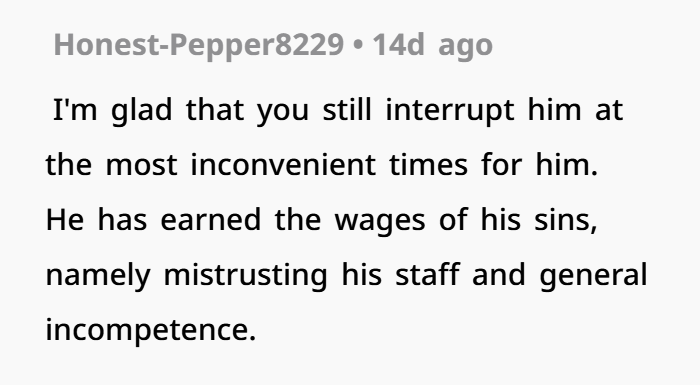
When workers feel that leadership does not understand their challenges, trust can decrease.
Employees usually appreciate managers who:
- Listen before making changes
- Respect employee experience
- Improve systems instead of adding unnecessary steps
- Focus on results rather than appearances
Strong leadership is not about creating more rules. It is about creating better solutions.
What Businesses Can Learn From This Story
This workplace story is a reminder that every process has a purpose.
Before changing a system, managers should ask:
- Why does this process exist?
- What problems does it solve?
- Will this change improve productivity?
- How will employees and customers be affected?
Business improvement should be based on real information, not just assumptions.
The best managers understand that efficiency comes from smart systems, teamwork, and communication.
Sometimes the biggest workplace lessons come from the smallest problems. In this case, a simple purchase request showed how important it is for leaders to balance control with common sense.
What The Comments Reveal