AI-Obsessed Manager Learns the Hard Way Why Human Skills Still Matter

Artificial Intelligence has quickly become part of modern work life. Many businesses are exploring AI tools to improve productivity, support employees, and make everyday processes easier.
Popular AI platforms are now being used for tasks like research, writing, customer support, and workplace organization. As companies continue their digital transformation, employees are learning how to use technology in smarter ways.
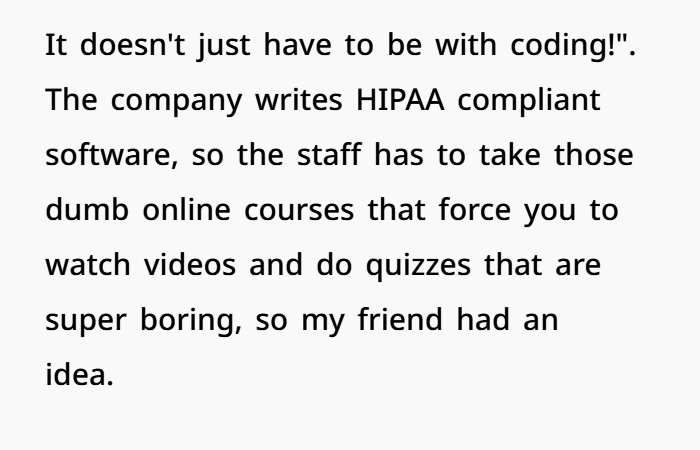
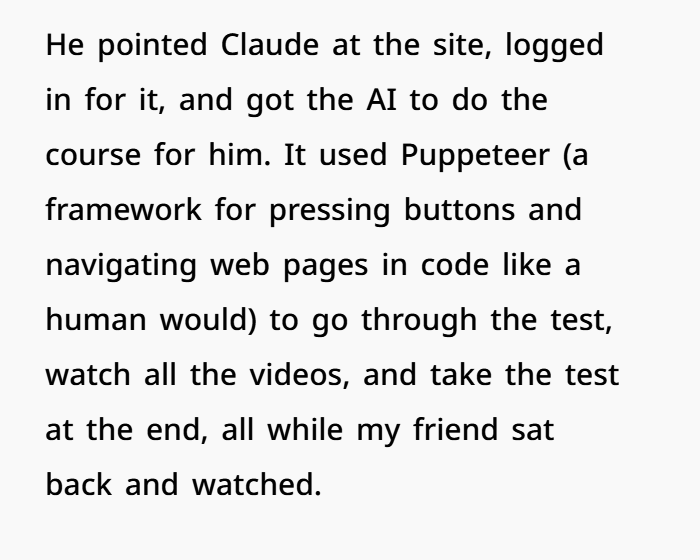
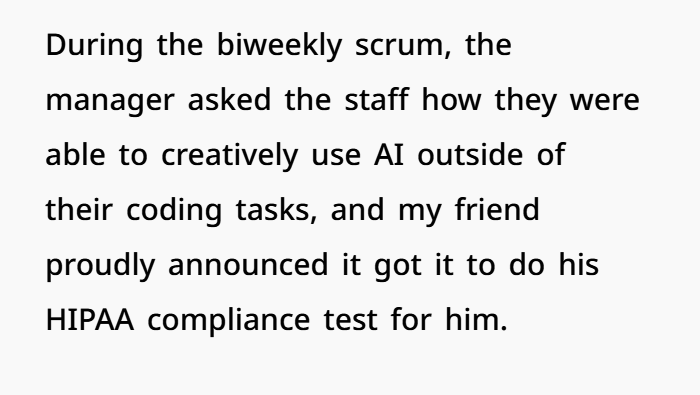
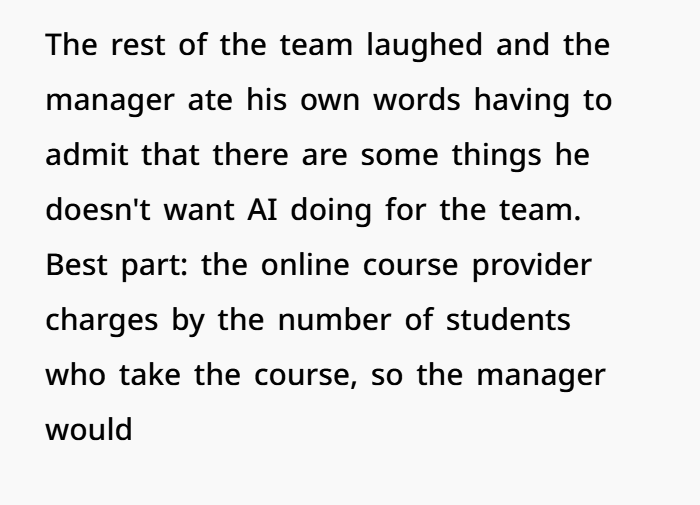
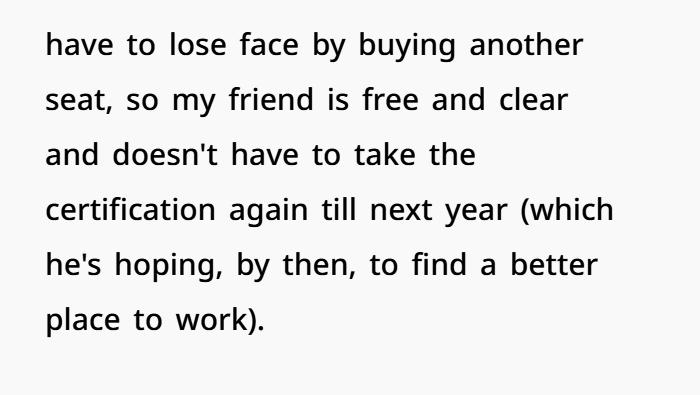
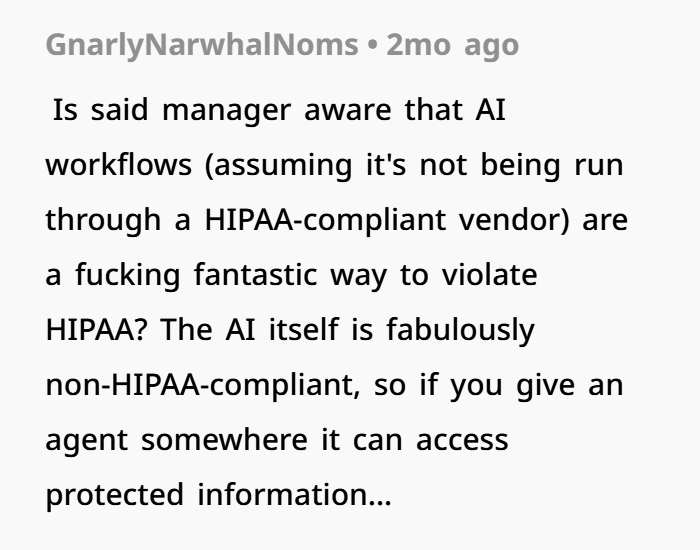
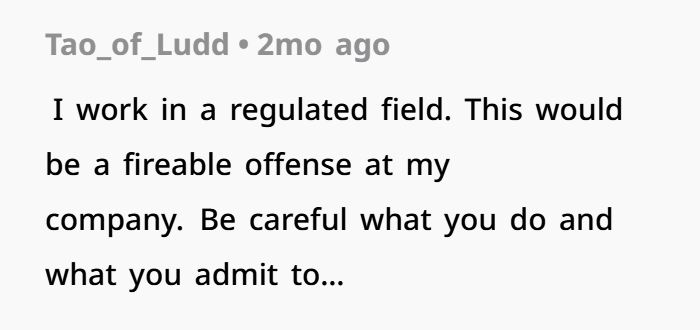
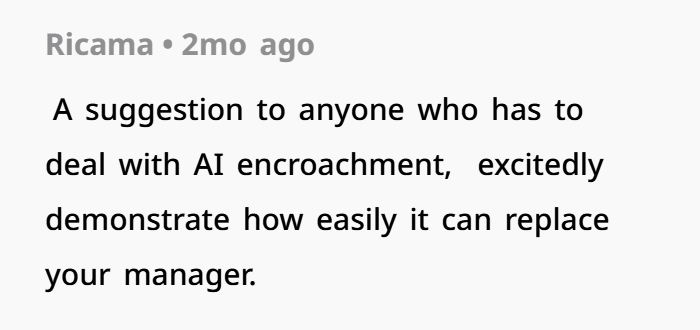
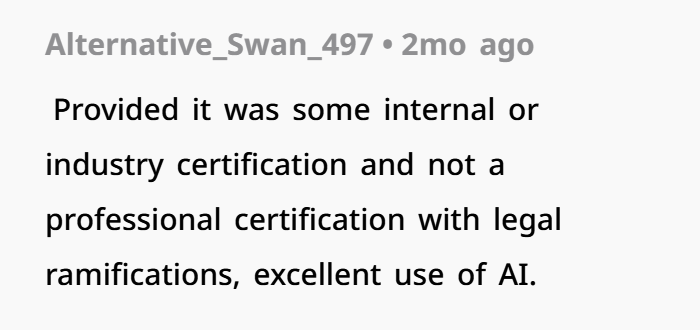
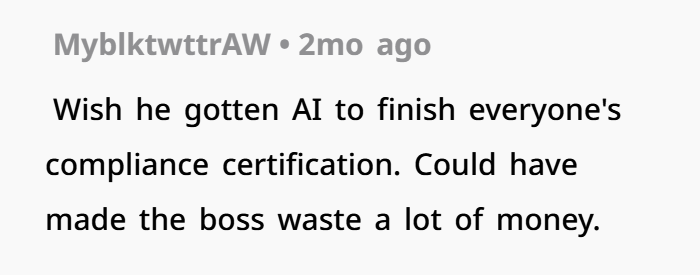
One employee discovered that not every task should be handled by AI after following a manager’s instructions too literally. The employee used an AI assistant to take a required workplace compliance test instead of completing it personally.
The situation created an important discussion about the role of AI in business. While technology can help people work better, human knowledge, ethics, and responsibility remain essential.

AI Is Changing the Workplace, But These Jobs May Be More Protected
Artificial Intelligence (AI) is changing the way many companies work. From customer service tools to advanced automation systems, businesses are using AI to complete tasks faster and improve efficiency.
For many workers, these changes have created uncertainty. People are wondering how AI technology, automation, and workplace changes could affect their careers in the future.
Experts say that AI will likely change many jobs over the next few years. However, that does not always mean people will completely lose their jobs. In many cases, workers may simply need to learn new skills and adapt to new ways of working.
AI Is Changing Many Types of Jobs
Companies across different industries are already using AI tools to improve productivity. Some businesses are automating repetitive tasks, analyzing data faster, and using AI software to support employees.
Because of this, some workers are worried about job security.
Recent reports show that some companies have announced job cuts connected to AI adoption. However, experts explain that AI is not only about replacing people.
In many workplaces, AI is expected to change job responsibilities rather than remove every position.
Employees may continue working in similar roles but use new tools and develop new skills.
Human Skills Are Still Very Valuable
Jobs that require human connection, creativity, and emotional understanding are expected to be more resistant to automation.
AI can process information quickly, but it cannot fully replace human qualities such as:
- Building personal relationships
- Understanding emotions
- Showing empathy
- Making complex decisions
- Providing personal care
These skills are especially important in careers where people work directly with others.
Healthcare Jobs May Remain Strong
Healthcare is one area where many experts believe human workers will continue to play an important role.
Jobs such as nurses, doctors, therapists, and counselors require decision-making, communication, and compassion.
Medical situations can be unpredictable, and healthcare professionals often need to respond to unique situations that require human judgment.
While AI can help healthcare workers by organizing information and supporting research, human professionals remain essential.
Education Careers Still Need People
The education field is another area where human skills are extremely important.
Teachers, instructors, and school administrators do more than share information. They motivate students, understand individual learning needs, and create supportive environments.
AI tools may help teachers with lesson planning, research, and administrative tasks, but human interaction remains a key part of education.
Creative Careers May Be Less Affected
Creative jobs may also be less likely to disappear completely because they involve imagination, personal experiences, and original ideas.
Careers such as:
- Writers
- Artists
- Musicians
- Journalists
- Designers
often require creativity and a unique human perspective.
Although AI can assist with creative work, many people still value the personal style and ideas that come from human creators.
Personal Service Jobs Require Human Connection
Many careers based on personal interaction are also expected to remain important.
Examples include:
- Hairdressers
- Beauty professionals
- Personal trainers
- Coaches
These jobs involve trust, communication, and understanding each person’s individual needs.
Many customers prefer working with real people who can provide personalized advice and encouragement.
AI Will Transform Jobs, Not Only Replace Them
Experts believe the future of work will be more about transformation than simple replacement.
Many employees may keep their current roles but face new expectations. They may need to learn how to use AI tools, analyze information, and work alongside new technology.
This means upskilling and career development will become increasingly important.
Workers who continue learning new skills may have more opportunities in an AI-focused economy.
Companies Need a Smart Approach to AI Adoption
Businesses also face challenges when introducing AI into the workplace.
Using AI successfully is not only about reducing costs. Companies need to think about employee training, productivity, and long-term growth.
Experts warn that businesses that replace too many workers too quickly could lose valuable experience and important knowledge.
A balanced approach allows companies to combine the strengths of both technology and human employees.
How Workers Can Prepare for the Future
The rise of AI does not mean workers should panic. Instead, many experts recommend focusing on skills that remain valuable.
Some useful skills for the future include:
Learn Digital Tools
Understanding AI software and modern technology can help employees stay competitive.
Improve Communication Skills
Strong communication and teamwork skills are valuable in almost every industry.
Build Creativity
Creative thinking and problem-solving are difficult for machines to fully copy.
Continue Learning
Professional development and training can help workers adapt to changing job requirements.
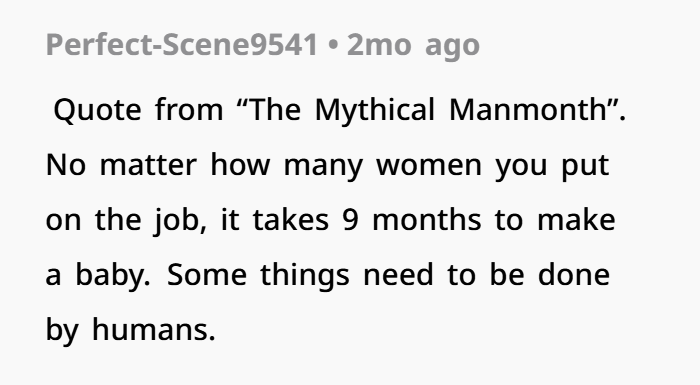
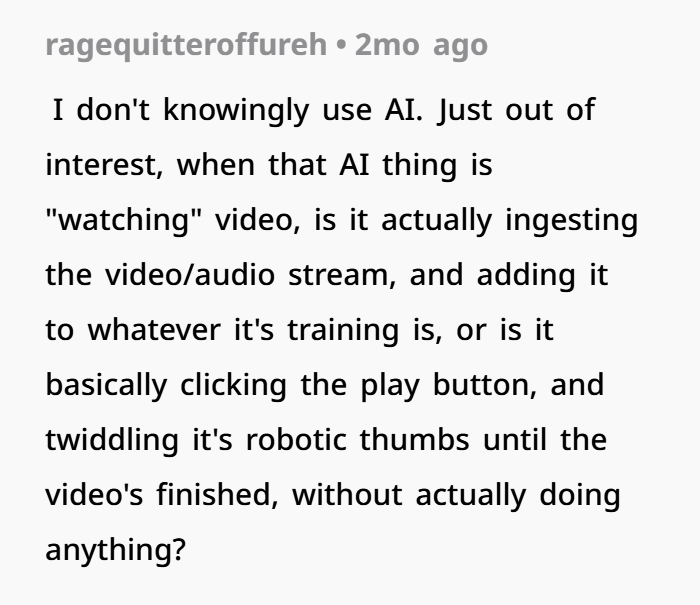
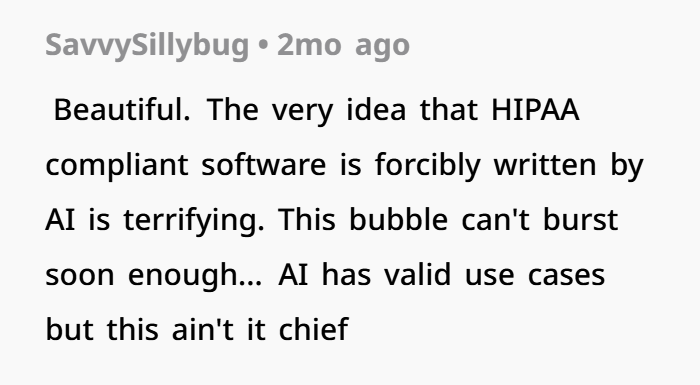
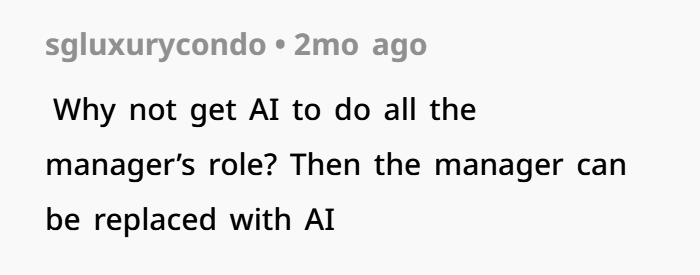
The Comments Are In
Final Thoughts
Artificial Intelligence is changing the workplace, but the future is not simply about humans versus machines.
The jobs most likely to remain strong are those that require creativity, emotional intelligence, decision-making, and personal relationships.
AI will continue to influence many industries, but people who learn new skills and adapt to change can find new opportunities.
The future of work will likely belong to those who know how to use technology while also bringing valuable human skills to the workplace.