Asked About Her Past Hookup… Now I’m the Problem?


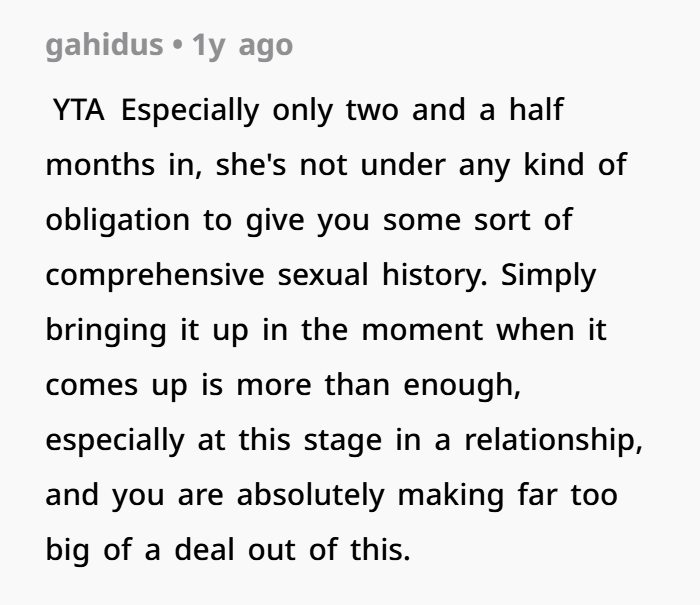
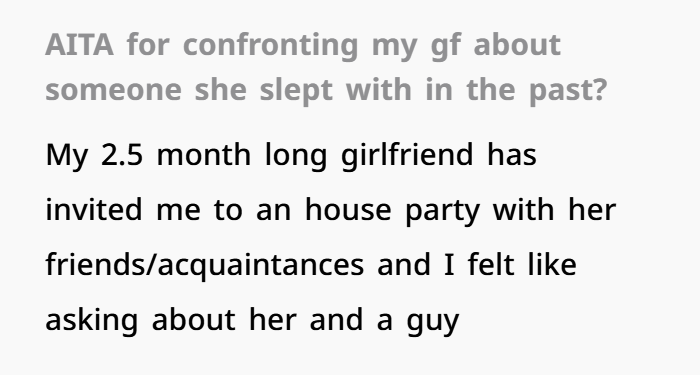
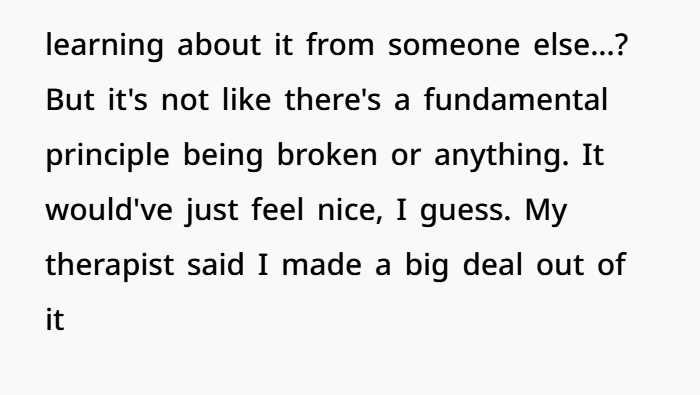
A man shared a situation from the early stage of his new relationship. He and his girlfriend had been dating for about two and a half months, so they were still learning about each other and building trust. During a party, he noticed a man his girlfriend had mentioned before and became curious about their connection.
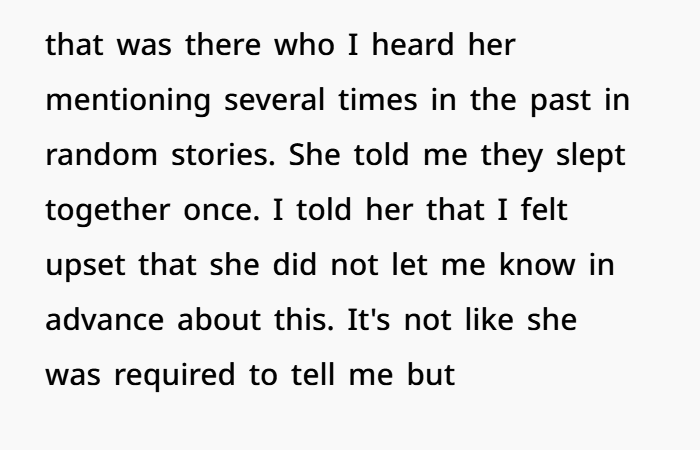
When he asked about the person, his girlfriend explained that they had a romantic history and had slept together once in the past. She said it was not an ongoing situation and that there was nothing happening between them now. However, the man felt uncomfortable because he wished she had told him earlier.
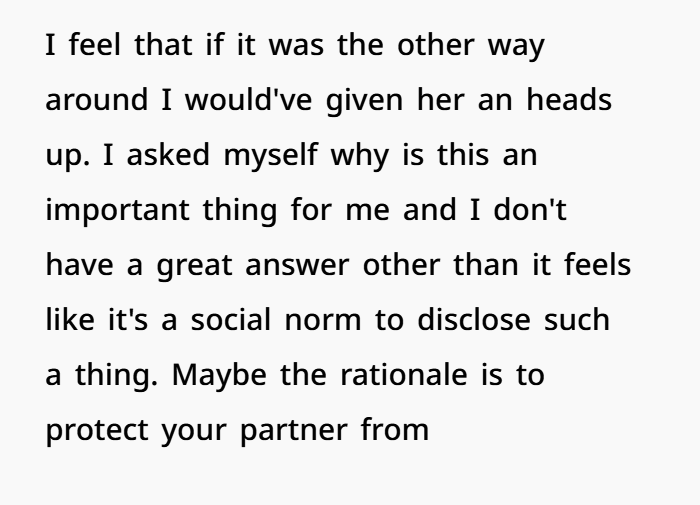
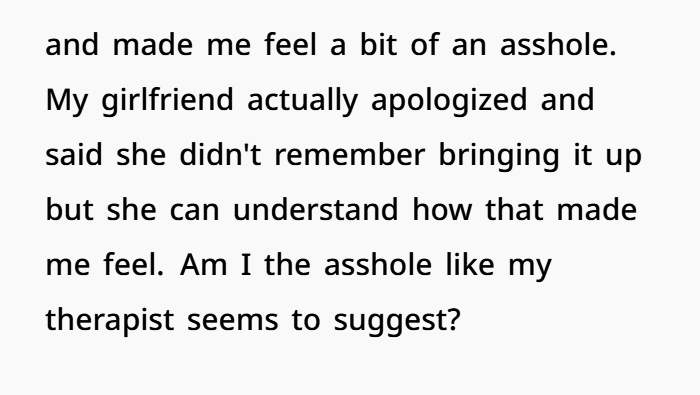
For him, the issue was not her past. He felt that sharing this information ahead of time would have shown better communication and helped him feel more prepared. His girlfriend did not become angry or defensive. Instead, she apologized and tried to understand his feelings.
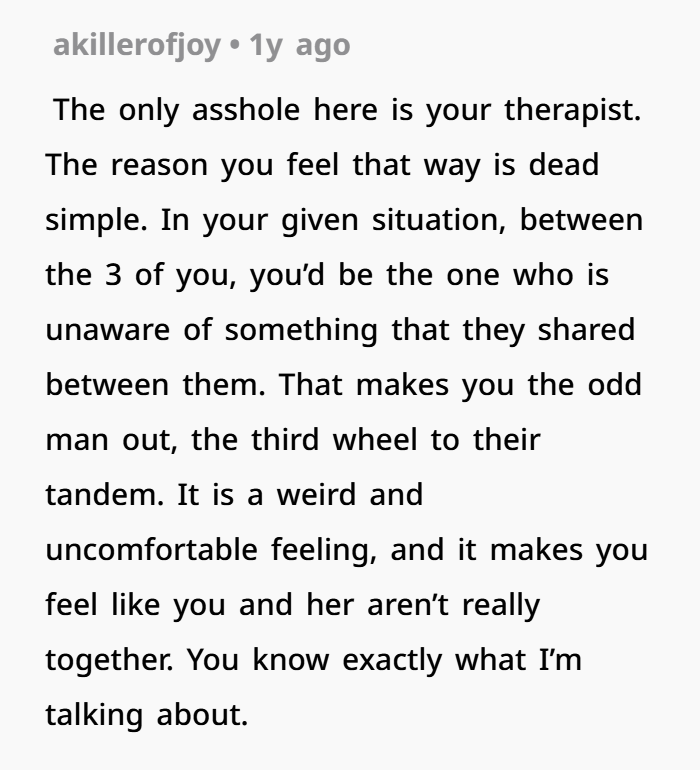
Later, his therapist suggested that he might be giving the situation more importance than necessary. This made him think about whether his reaction was based on a reasonable relationship boundary or if it came from insecurity and trust concerns.
The situation shows that new relationships often involve learning how to communicate, understand each other, and create healthy boundaries. Honest conversations and mutual respect can help couples handle uncomfortable topics in a positive way.

Should Your Partner Tell You About Their Dating History? Understanding Communication and Trust
Early relationships can bring up many unexpected situations.
Something that seems small, like meeting someone from your partner’s past, can create strong emotions. It can bring up questions about trust, communication, expectations, and how couples handle each other’s history.
These situations are common, especially when a relationship is still new and both people are learning about each other.
Talking About the Past in Relationships
There is no single rule about how much people should share about their dating history.
Some people are very open and talk about past relationships, while others only share information when it becomes relevant.
Both approaches are common.
Healthy relationships are not about sharing every detail of the past. They are about having honest communication and understanding what makes both partners feel comfortable.
For some people, knowing about a partner’s past connection with someone in their social circle feels helpful. It gives them context and prevents an uncomfortable surprise.
This is often less about jealousy and more about feeling prepared.
Why Unexpected Information Can Feel Uncomfortable
Finding out something unexpected about your partner can create a strong emotional reaction.
Your mind may quickly think:
“Why didn’t I know this before?”
That reaction does not always mean you do not trust your partner. Sometimes it simply means you were surprised and needed time to process the information.
In new relationships, this can feel stronger because trust and emotional security are still developing.
A relationship that is only a few months old is still in the stage where both people are learning each other’s communication styles and expectations.
Honesty and Healthy Communication Matter
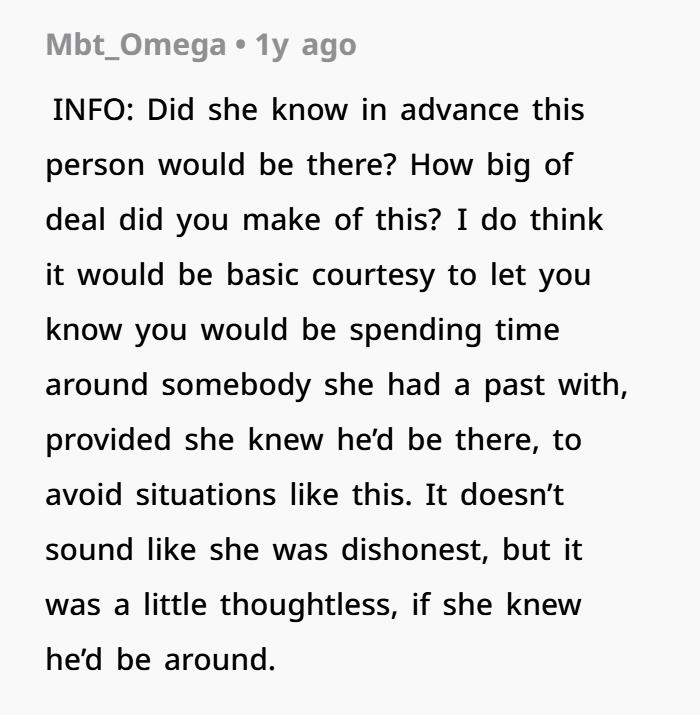
In this situation, the important detail is that the partner answered honestly when asked.
There was no evidence of lying or intentionally hiding information.
That is an important part of healthy relationship communication.
The fact that she apologized and tried to understand her partner’s feelings also shows emotional maturity. A good relationship is not about never making each other uncomfortable. It is about being able to talk through uncomfortable moments.
Feelings Are Real, But They Do Not Always Mean Someone Did Something Wrong
One important relationship skill is learning the difference between having a feeling and blaming someone for that feeling.
Feeling uncomfortable is completely valid.
However, discomfort does not always mean your partner broke a relationship rule.
In this situation, the expectation of getting a “heads-up” was important to one person, but it had never been clearly discussed before.
That means the issue may not be dishonesty. It may simply be different expectations.
Jealousy vs Feeling Awkward
It is helpful to understand the difference between jealousy and situational discomfort.
Jealousy often comes from fear, insecurity, or worry about losing someone.
Situational discomfort happens when something unexpected creates an awkward moment.
Meeting someone your partner dated in the past can feel strange, especially if you did not know their history beforehand.
But feeling awkward does not automatically mean there is a problem in the relationship.
How to Express Feelings Without Creating Conflict
The way we communicate emotions matters.
Saying:
“You should have told me this before.”
may sound like blame.
A softer approach could be:
“I felt a little surprised in that moment. I think I would feel more comfortable if I had some context in situations like that.”
Both statements express the same feeling, but the second one creates a better chance for understanding.
Good communication focuses on sharing feelings instead of assigning fault.
Understanding Different Relationship Expectations
Every person enters a relationship with different ideas about what should be shared.
Some people believe past experiences should be discussed openly.
Others believe the past only matters when it affects the present.
Neither approach is automatically wrong.
The important thing is that couples talk about expectations instead of assuming their partner already knows them.
Was This a Relationship Mistake?
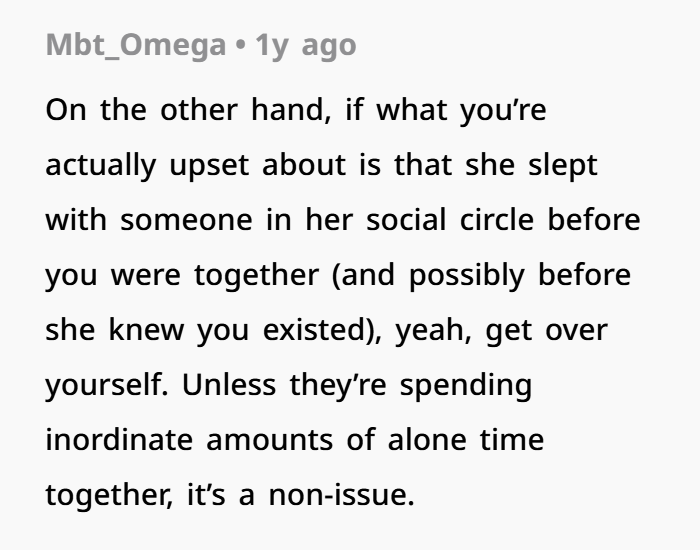
This situation is not really about one person being right and the other being wrong.
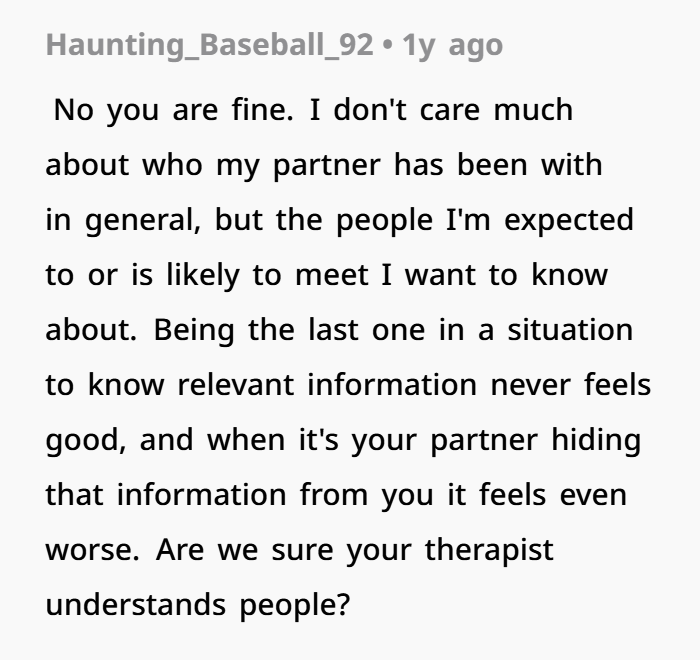
The concern was understandable because nobody wants to feel surprised in an uncomfortable social situation.
At the same time, the partner may not have considered it important because she did not see it as a problem.
Different viewpoints can exist without one person being dishonest.
Learning From the Situation
The positive part is that the issue was discussed instead of ignored.
Avoiding difficult conversations often creates bigger problems later.
A healthy relationship allows both people to say:
- “This made me uncomfortable.”
- “I understand why you felt that way.”
- “How can we handle this better next time?”
These conversations help couples build trust.
Moving Forward as a Couple
If knowing about past connections is important to you, communicate that as a personal preference, not as a strict rule.
At the same time, remember that your partner had a life before the relationship. Past experiences and old connections may exist, and learning to handle that with maturity is part of building trust.
The goal is not to remove every uncomfortable feeling.
The goal is to handle those feelings with respect, honesty, and understanding.
In the end, this situation was not about betrayal. It was about two people learning each other’s expectations and improving their communication.
And that is a normal part of building a healthy relationship.
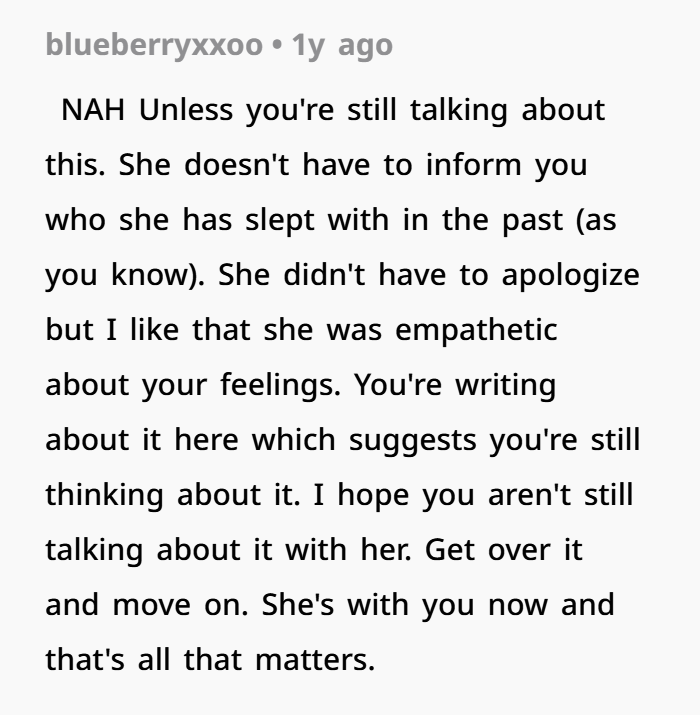
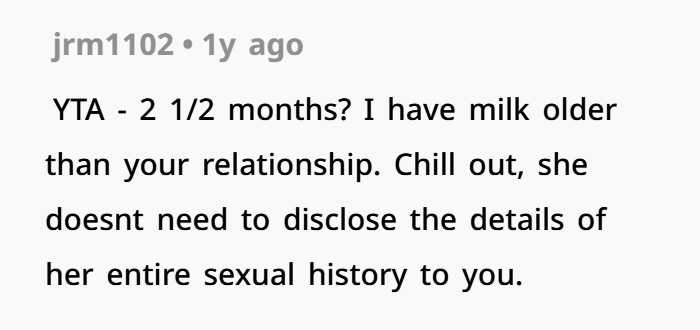
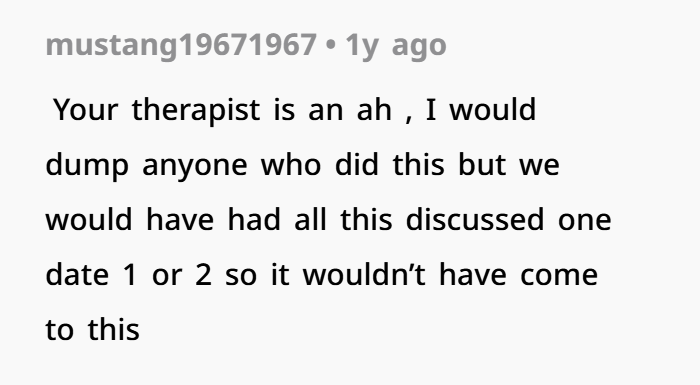
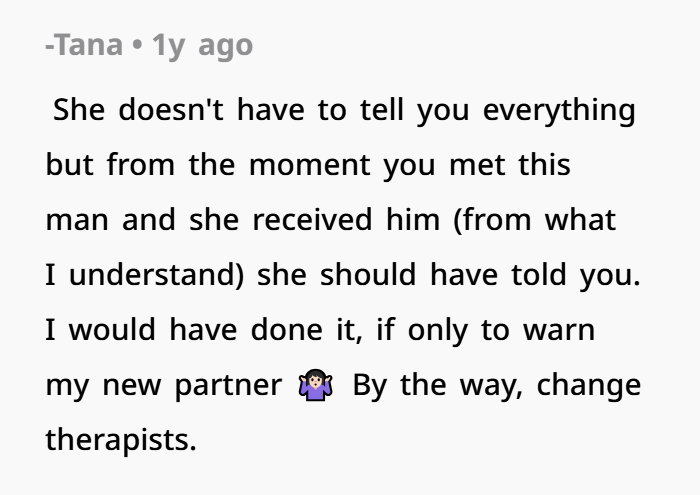
The Comments Are In