My Husband Volunteered Me to Babysit for Mother’s Day Weekend Without Asking

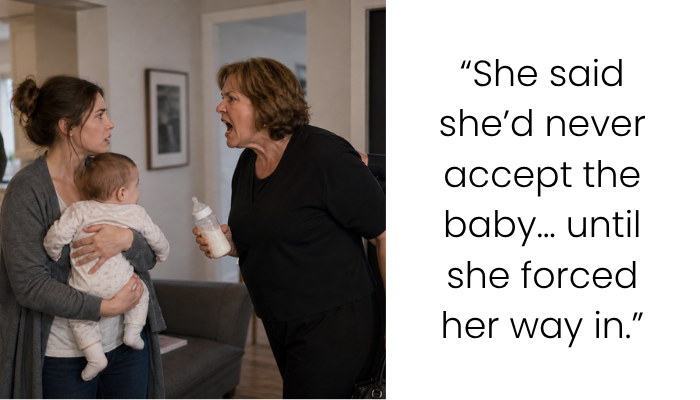
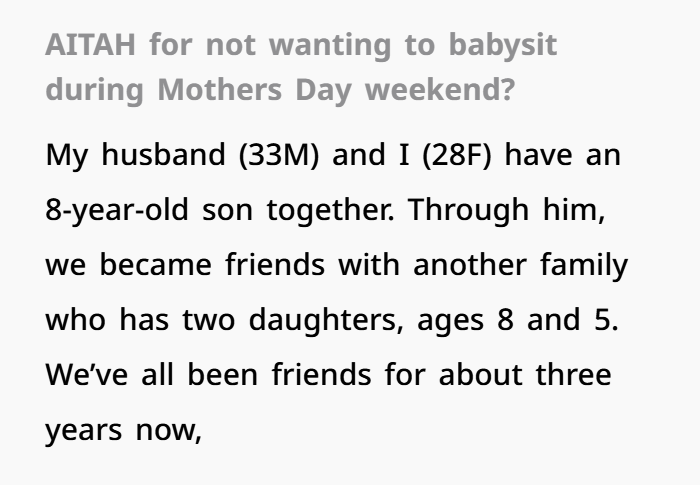
Family and childcare responsibilities can become stressful when couples do not communicate clearly. In this story, a 28-year-old mother shared why she felt upset after being expected to babysit another family’s children before Mother’s Day weekend.
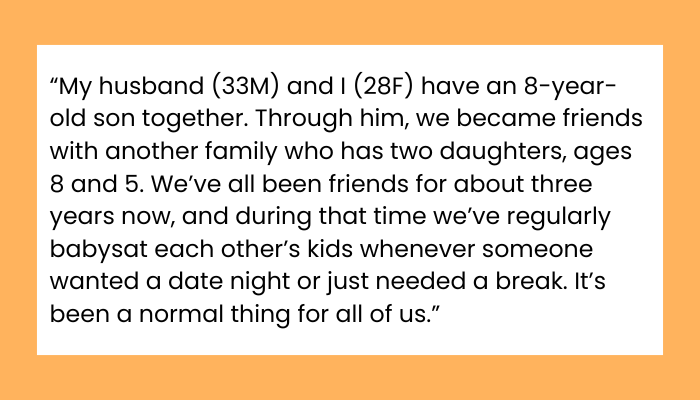
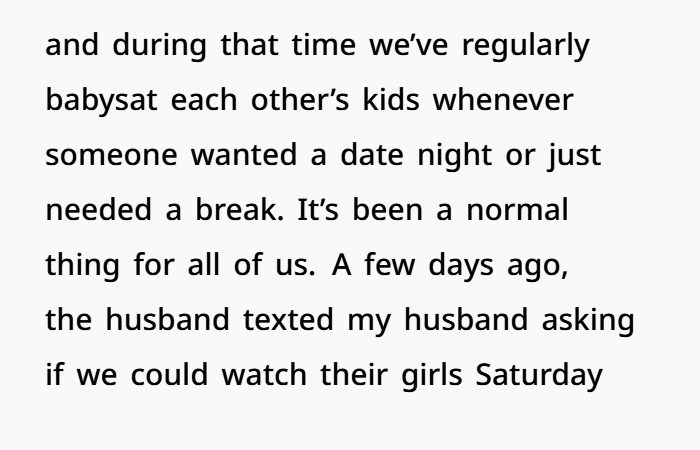
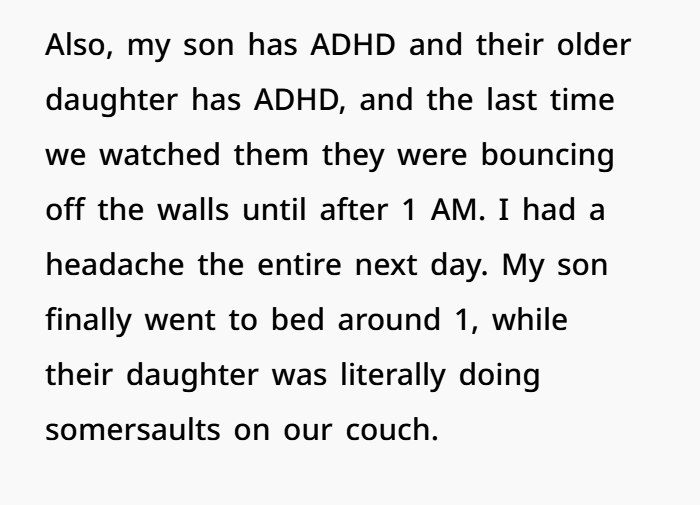
For years, she and her husband had exchanged babysitting help with another couple who also had children. The arrangement usually worked well and helped both families save money on childcare. However, this time the situation felt different because the decision was made without a proper conversation between the couple.
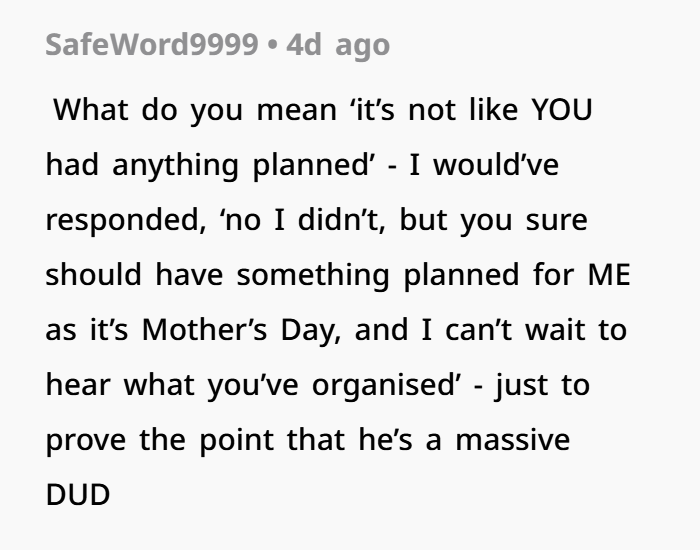
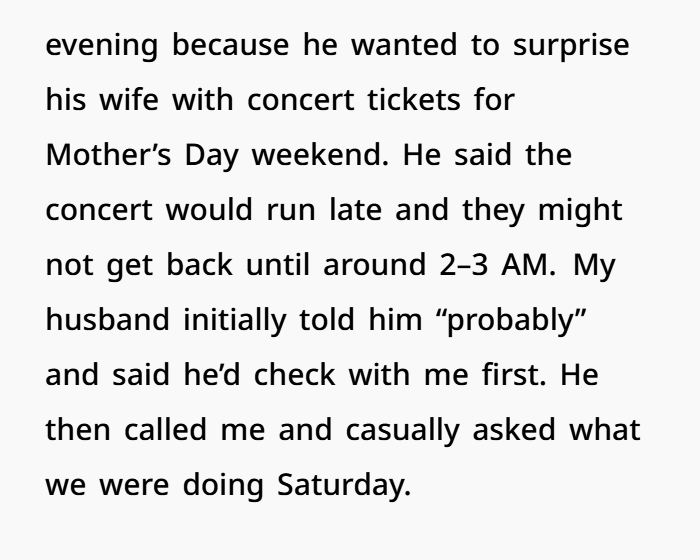
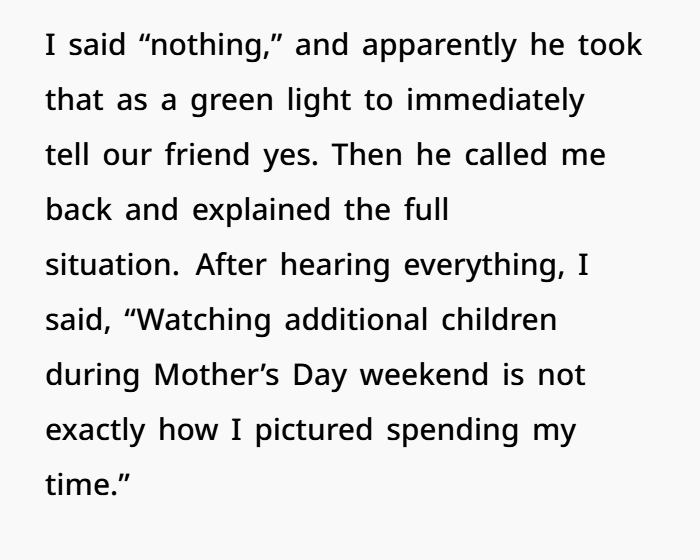
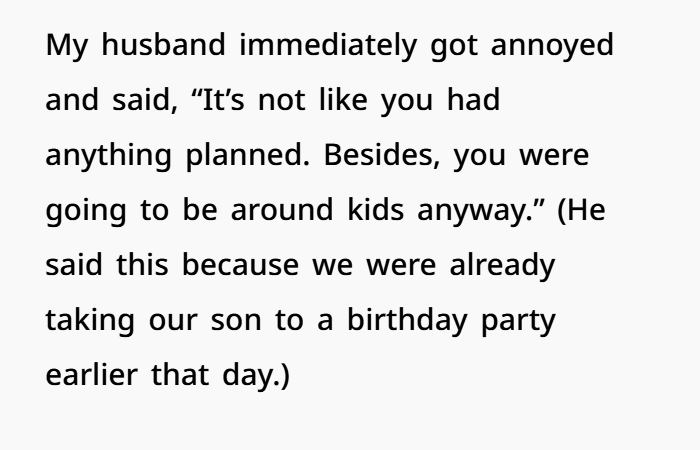
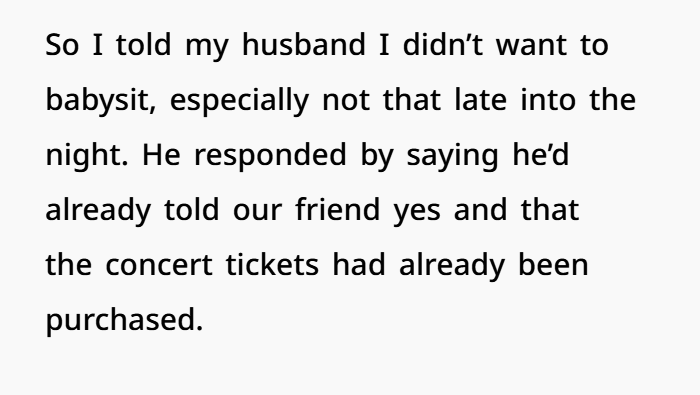
The other family asked if they could watch their daughters late on Saturday night so the parents could enjoy a special Mother’s Day outing. The woman’s husband believed she had agreed because she mentioned that she had no plans. He quickly accepted the request and offered their home for a late-night babysitting arrangement.
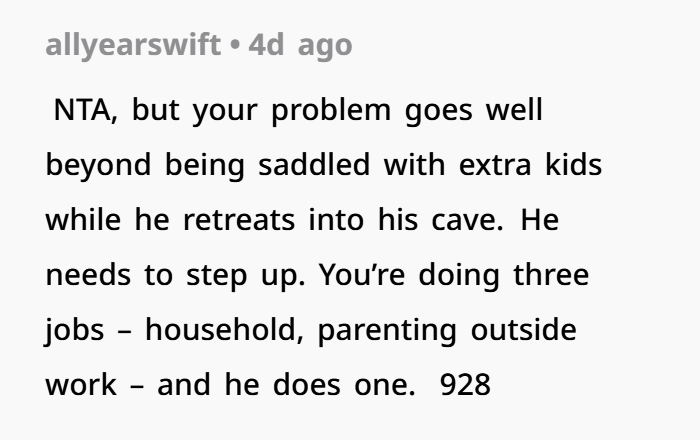
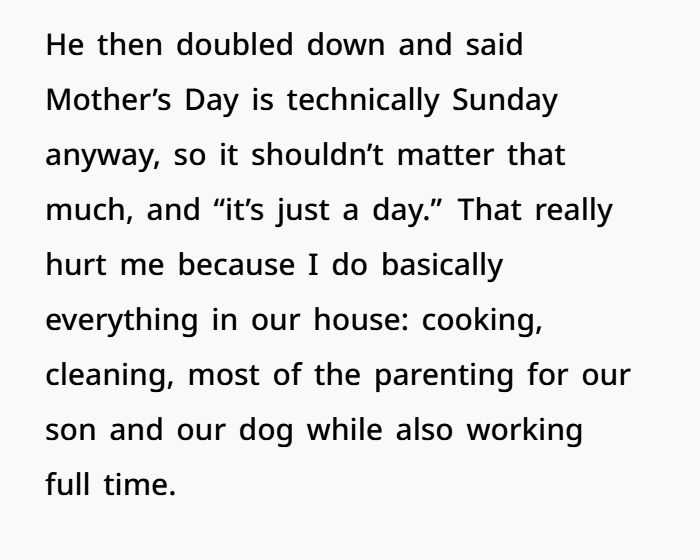
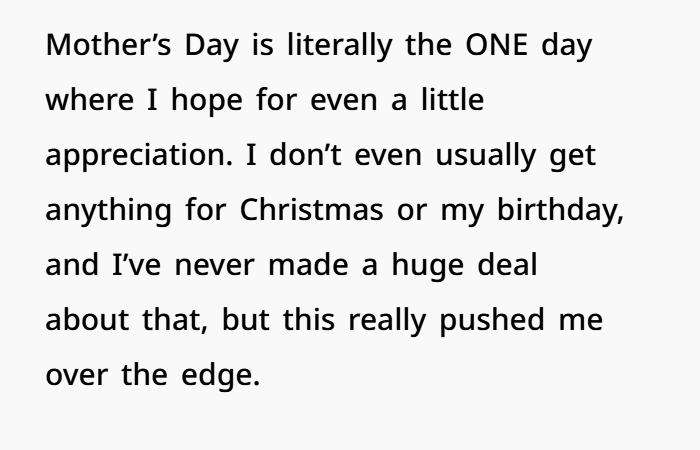
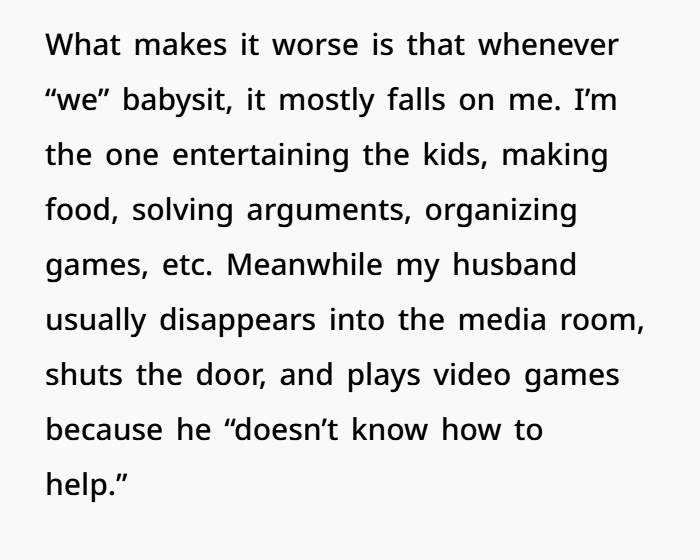
The woman felt frustrated because she believed most of the childcare work would fall on her. She usually handled meals, activities, bedtime routines, and managing conflicts between children, while her husband often took time for himself. She felt tired and unappreciated because the extra responsibility was added without asking how she felt.
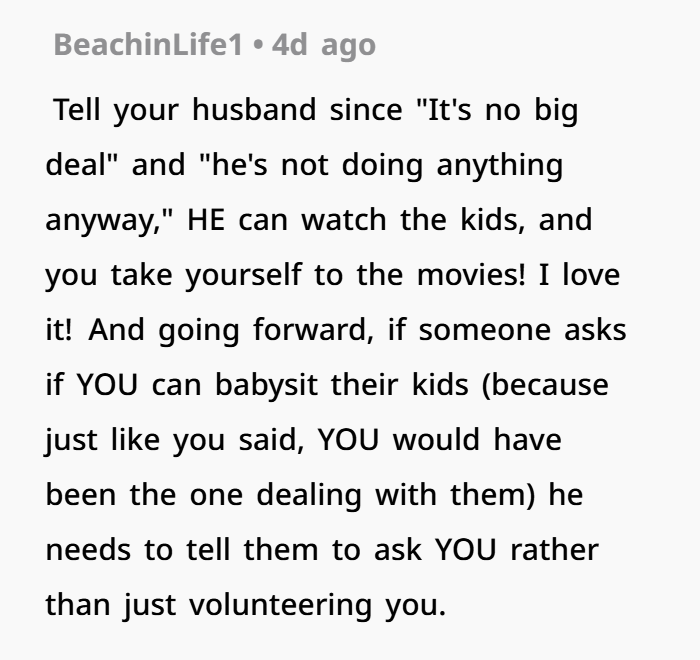
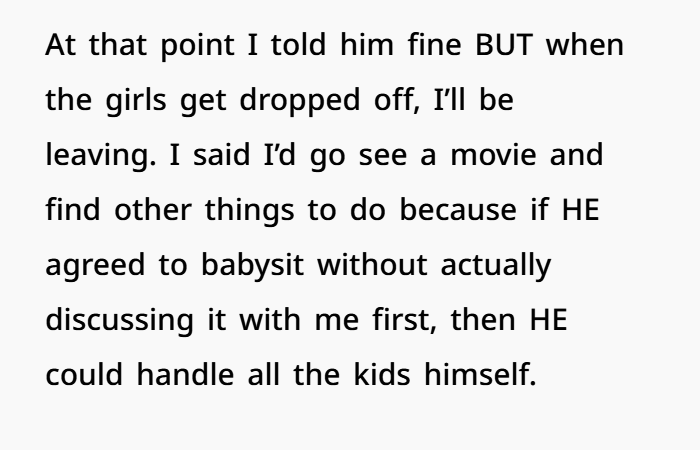
Eventually, she told her husband that if he wanted to make the babysitting plan, he should take full responsibility for it. She decided to spend her own time doing something for herself instead. The situation highlights the importance of communication, sharing parenting responsibilities, and respecting each partner’s time and energy.


When One Parent Feels Overlooked: The Hidden Stress Behind Family Responsibilities
At first, this story may seem like it is only about babysitting for one evening.
But many people connected with it because the bigger issue was not childcare alone. It was about feeling appreciated, sharing responsibilities, and the invisible work that keeps a family running.
Many parents experience this kind of stress, especially when one person becomes responsible for most of the planning, organizing, and daily tasks at home.
The Problem With Making Plans Without Asking
Helping friends and family is a good thing.
Many families share childcare responsibilities, take turns helping each other, and support one another during busy times.
However, there is an important difference between asking for help and assuming someone will help.
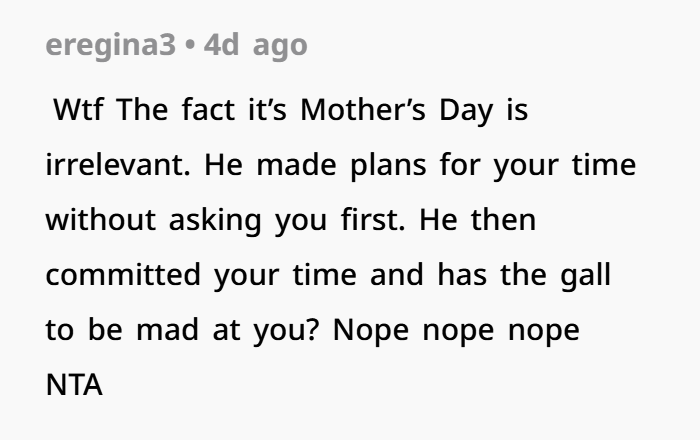
When one person makes a commitment that affects both partners without discussing it first, it can create stress.
The person who was not asked may feel:
- Their time is not valued
- Their opinion does not matter
- They are expected to handle the extra work automatically
Good communication is important in any relationship, especially when decisions involve childcare and family responsibilities.
Why Holidays Can Feel Important to Parents
Special occasions often carry emotional meaning.
For many parents, holidays are not only about a date on the calendar. They can represent a chance to feel appreciated after spending months or years caring for others.
Parents often spend a lot of time managing:
- Children’s schedules
- Household tasks
- Meals
- Appointments
- Emotional support
Because of this, even small situations during important occasions can feel bigger when someone already feels tired or overlooked.
Understanding the Mental Load of Parenting
Parenting is more than completing daily tasks.
There is also a mental side of parenting called the “mental load.”
The mental load includes things like:
- Remembering appointments
- Planning meals
- Organizing activities
- Managing routines
- Thinking ahead about family needs
Sometimes one parent becomes the person who remembers and manages most of these details.
Over time, this can create emotional exhaustion.
The Challenge of Unequal Household Responsibilities
In many relationships, one partner may feel they are doing more of the daily family work.
This does not always happen because someone does not care. Sometimes it happens because responsibilities slowly become habits.
For example, one person may naturally take over childcare routines, while the other person becomes less involved simply because they are not used to handling those tasks.
The solution is not blame.
The solution is learning, participating, and sharing responsibility.
Parenting is a skill that develops through practice. Both parents can learn how to manage routines, solve problems, and support their children.
When Parents Feel Burned Out
Taking care of children can be rewarding, but it can also be exhausting.
Managing several children, keeping routines organized, and staying patient for long periods requires a lot of energy.
Some situations become even more challenging when children have different needs, such as attention difficulties, learning differences, or high activity levels.
Parents need breaks too.
Rest, personal time, and emotional support are important parts of family wellness.
Why Feeling Heard Matters in Relationships
Many relationship conflicts are not only about the event itself.
Often, the deeper issue is how someone feels during the situation.
A person may not only be upset about babysitting. They may be feeling:
- Unappreciated
- Overworked
- Ignored
- Taken for granted
When couples only discuss the practical details and ignore the emotions underneath, the problem can continue.
Healthy communication means listening to understand, not just trying to prove who is right.
The Importance of Asking Before Making Commitments
Small conversations can prevent bigger conflicts.
Before making plans that involve both partners, couples can ask:
- “Are you comfortable with this?”
- “Do we have the energy for this right now?”
- “How will we divide the responsibility?”
- “Does this work for both of us?”
These simple questions show respect and teamwork.
Personal Time Is Important for Parents
Parents often put their own needs last.
Taking personal time does not mean someone does not care about their family.
Personal time can help with:
- Stress management
- Mental health
- Emotional balance
- Preventing burnout
A short break, a hobby, or time alone can help parents feel refreshed and more connected with their families.
Building a Better Family Routine
Every family has different challenges.
There is no perfect way to divide responsibilities, but healthy families usually focus on:
- Open communication
- Fair teamwork
- Respect for each other’s time
- Shared parenting duties
- Emotional support
The goal is not for one person to do everything.
The goal is for everyone to feel supported.
The Bigger Lesson
This story is about more than one babysitting request.
It highlights a common challenge many families face: balancing kindness toward others while also respecting the needs of your own household.
Helping friends and family is valuable, but so is making sure both partners feel heard and appreciated.
Strong relationships are built when people communicate, share responsibilities, and remember that everyone’s time and effort matter.
The Comments Are In