I Said Yes to an Open Marriage Just to See the Truth Now He Says I Betrayed Him

My husband and I were married for 20 years. We met when we were both 20 years old and grew up together. Over the years, we built a life together, including our home, finances, and family memories. We shared many important moments and believed we were building a strong future together.
When we turned 40, my husband started talking about feeling like we had missed out on other experiences because we had only been with each other. At first, it was just casual comments, but later he started having serious conversations about an open marriage and exploring other relationships. Eventually, he asked if we could change our marriage arrangement.
He told me he loved me and did not want a divorce, but he wanted the chance to experience something different. I explained that an open relationship was not something I wanted. I told him that if he truly wanted a different lifestyle, the honest choice would be to end our marriage. Something about the situation did not feel right, so I decided to look for the truth.
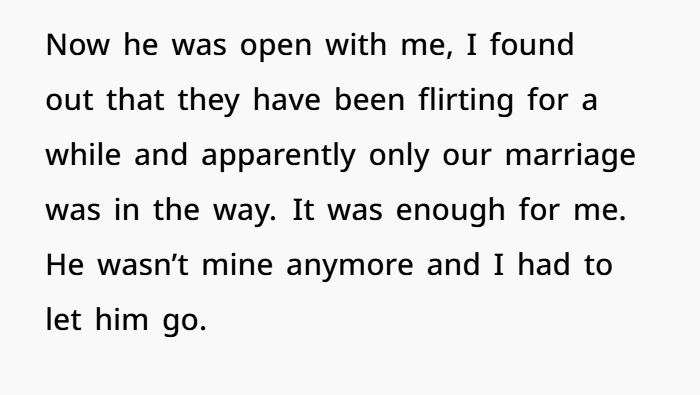
Soon after, I discovered there was already someone else involved. He had been getting close to a woman from his gym, and their connection had crossed emotional boundaries. He admitted that our marriage was the only thing stopping him from pursuing that relationship. That was the moment I realized I needed to protect my own peace and future.
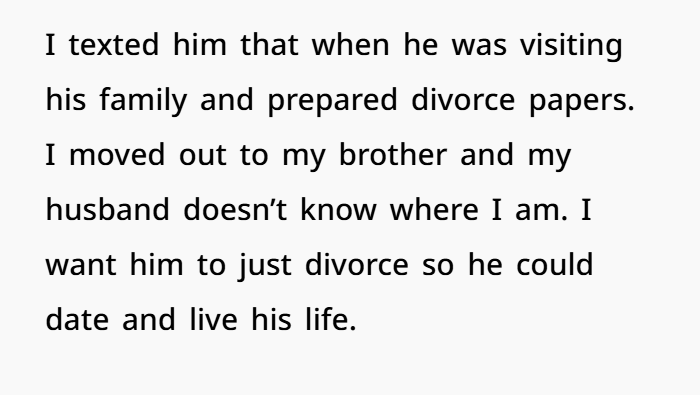
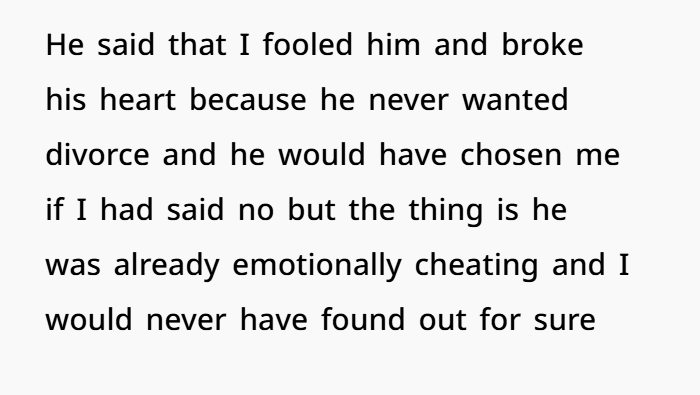
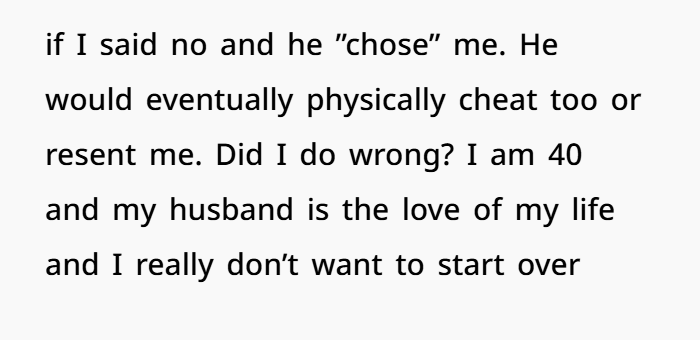
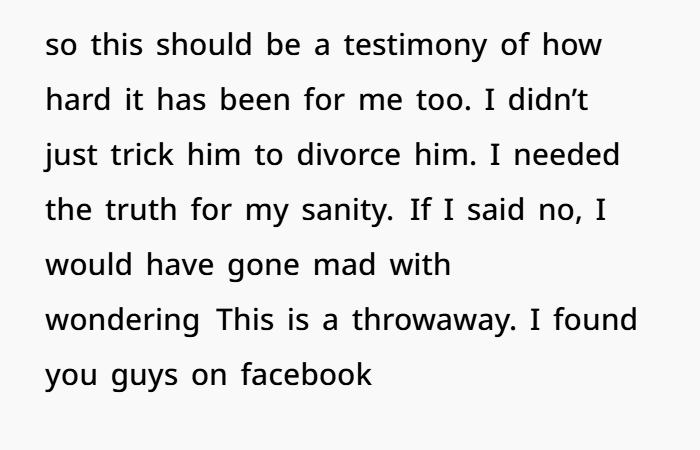
I contacted a divorce attorney and started the divorce process. Now he says I hurt him and that I handled things unfairly. But for me, honesty, trust, and emotional security were important. I needed to make a decision that protected my well-being and helped me move forward.
After 20 years of marriage, the author’s husband suggested opening their relationship, saying they were “missing out” on life experiences
When an Open Marriage Request Changes Everything: Understanding Trust, Boundaries, and Divorce Decisions
A long-term marriage can go through many challenges. But when one partner suddenly asks for an open relationship after 15 or 20 years together, it can bring up serious questions about trust, commitment, and the future of the relationship.
This situation is not only about an open marriage. It can involve emotional connection with another person, broken trust, marriage counseling, and even divorce decisions.
The most important thing to understand is that every relationship is different. Some couples choose consensual non-monogamy and make it work with honesty and agreement from both partners. However, an open marriage usually works best when both people truly want it, feel safe, and create clear boundaries together.
It becomes much more complicated when one partner asks for an open relationship because they are already interested in someone else.
The Difference Between an Open Marriage and Emotional Cheating
Healthy open relationships are based on trust, communication, and mutual agreement.
Both partners should feel comfortable with the decision. Nobody should feel pressured, afraid of losing the relationship, or forced to accept something they do not want.
Emotional cheating is different.
An emotional affair can happen when someone develops a strong romantic connection outside the marriage. It may include:
- Secret conversations
- Flirting
- Private messages
- Hiding communication
- Sharing emotional moments with another person instead of their spouse
For many couples, emotional intimacy with someone outside the marriage can feel like a serious betrayal, even if there has not been a physical relationship.
If a spouse is already flirting with someone and then suggests opening the marriage, the request may not really be about exploring a new lifestyle. It may be a way to continue an existing connection without feeling guilty.
Why Trust Becomes the Biggest Issue
In a long-term marriage, trust is the foundation of the relationship.
When someone admits they are interested in another person, it can completely change how their spouse sees the relationship.
Many people start asking difficult questions:
“Was this happening before?”
“Would they have continued if I never found out?”
“Am I still their first choice?”
These thoughts can create emotional stress and anxiety.
Sometimes people feel confused because they do not have complete proof of what happened. They may question their own feelings and wonder if they are overreacting.
But feelings of hurt and insecurity are important. A marriage cannot feel emotionally safe when one person feels like they are competing for their partner’s attention.
Understanding Divorce and Legal Considerations
Divorce laws are different depending on where a person lives. In many places, couples can file for divorce without proving that one person was at fault.
However, certain actions during a marriage can still become important during divorce discussions.
For example, if marital money was spent on another relationship, hidden expenses occurred, or shared assets were affected, those issues may need to be reviewed during the divorce process.
Anyone considering divorce after a long-term marriage should speak with a qualified divorce attorney or legal professional who understands their local laws.
Getting legal advice does not mean someone is trying to create conflict. It can simply help a person understand their rights, finances, property division, and future options.
Was Agreeing to an Open Marriage a Mistake?
One common question people ask is:
“Did I make a mistake by agreeing?”
Sometimes saying yes is not about giving permission. Sometimes it is about wanting clarity.
A person may feel that refusing an open relationship would leave them wondering:
“Would my spouse still want someone else?”
“Would they eventually cheat secretly?”
“Would they resent me?”
Living with constant doubt can damage emotional health over time.
In some situations, allowing a partner to make their own choice can reveal what they truly want.
Actions often provide more answers than words.
The Importance of Marriage Counseling
A 20-year marriage represents many years of memories, family, and shared experiences. Many couples benefit from marriage counseling when they face major problems.
A professional relationship counselor can help couples:
- Communicate more clearly
- Understand each other’s feelings
- Rebuild trust
- Make thoughtful decisions about the future
However, counseling works best when both partners are willing to participate honestly.
If one person is already emotionally committed to another relationship, repairing the marriage can become much more difficult.
Starting Over After Divorce
Ending a long marriage can feel frightening, especially later in life.
Many people worry about:
- Financial stability
- Retirement planning
- Living alone
- Starting over
- Losing the life they built together
These concerns are completely understandable.
Divorce after many years together is a major life change. That is why financial planning, emotional support, and professional guidance can be valuable.
Speaking with a financial advisor, divorce attorney, or therapist can help someone make decisions based on facts instead of fear.
The Real Question Is About Respect and Choice
At the center of this issue is not only the idea of an open marriage.
The deeper question is:
“Do both people still choose each other?”
A healthy relationship requires honesty, respect, and emotional security.
If someone feels like a second choice, constantly worries about another person, or no longer feels valued, those feelings deserve attention.
Sometimes painful situations bring difficult truths to the surface. While those truths can hurt, they can also help people make clearer decisions about their future.
A relationship should not only exist because of history. It should also exist because both people continue choosing each other every day.
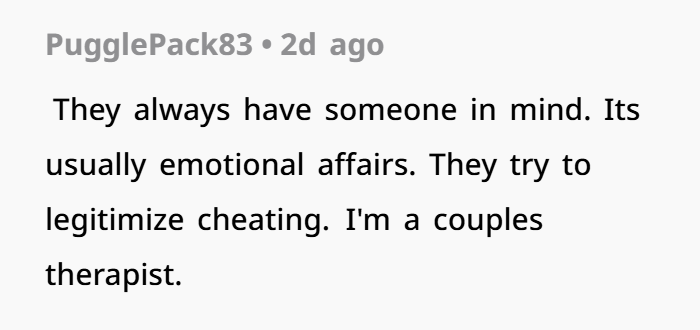
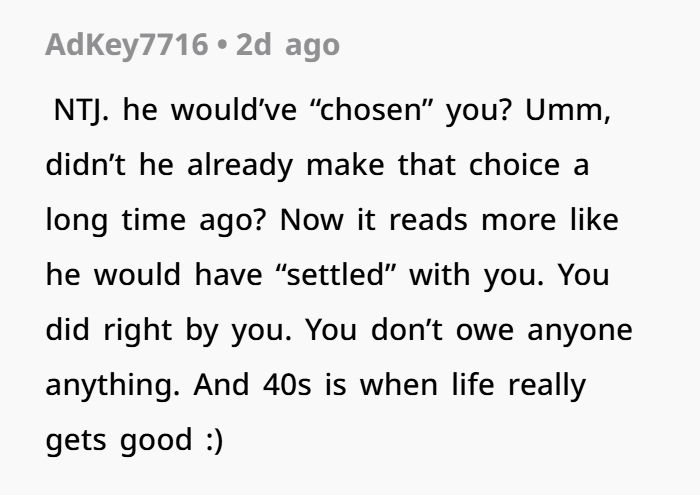
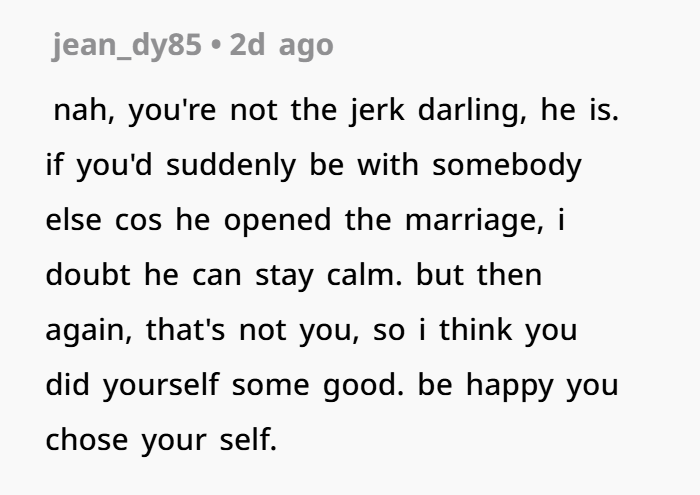
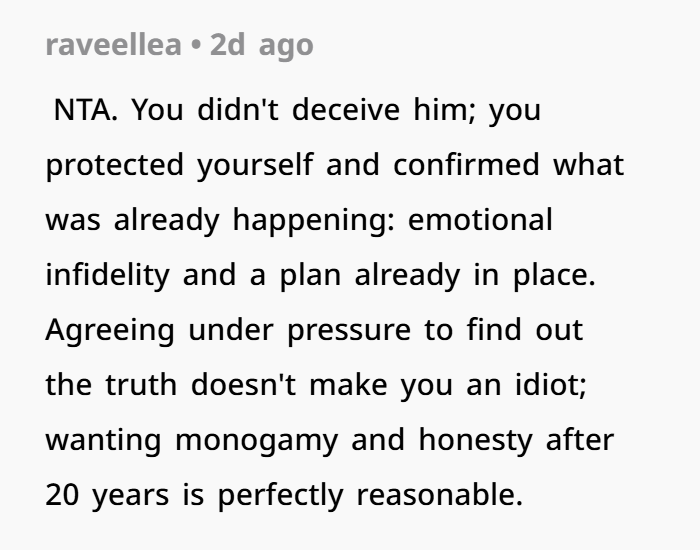
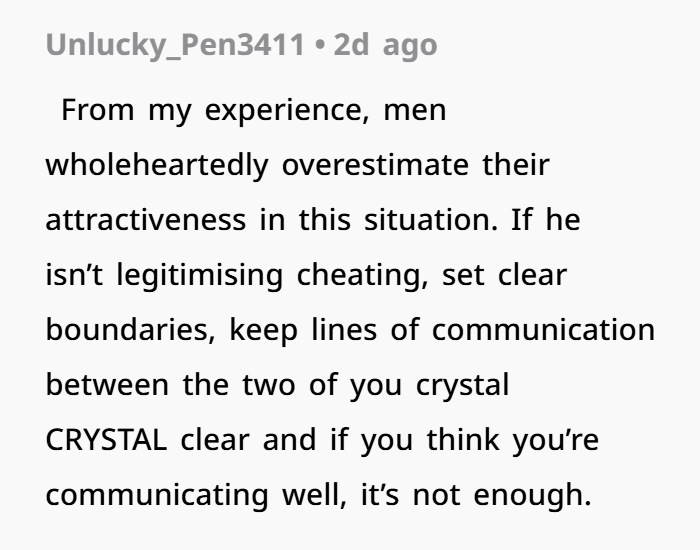
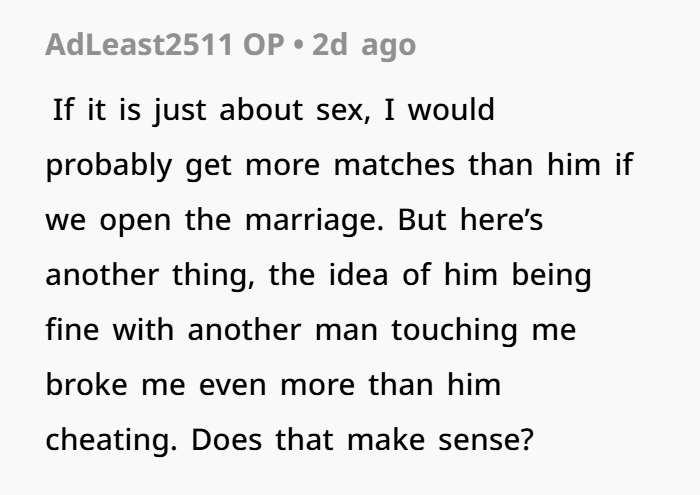
Netizens expressed sympathy for the author, suggested the open marriage proposal was less about growth and more about permission