I Stayed Behind While My Stepfamily Moved for Cancer—AITAH?

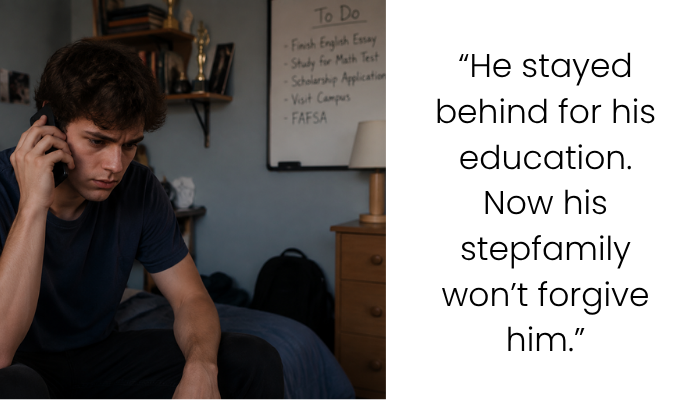
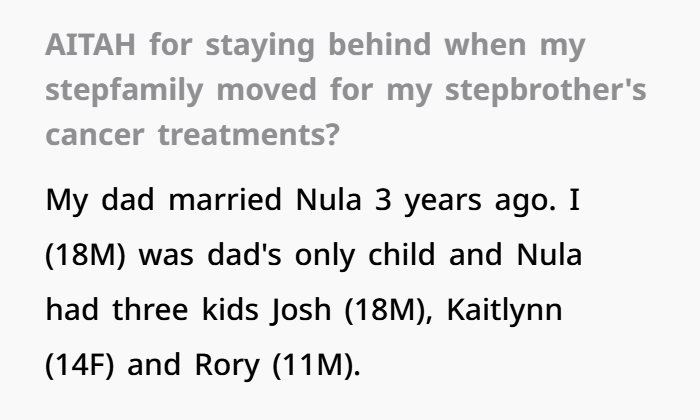
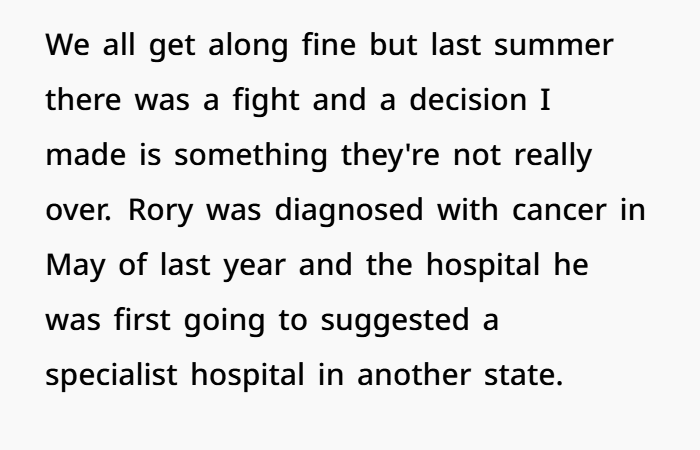
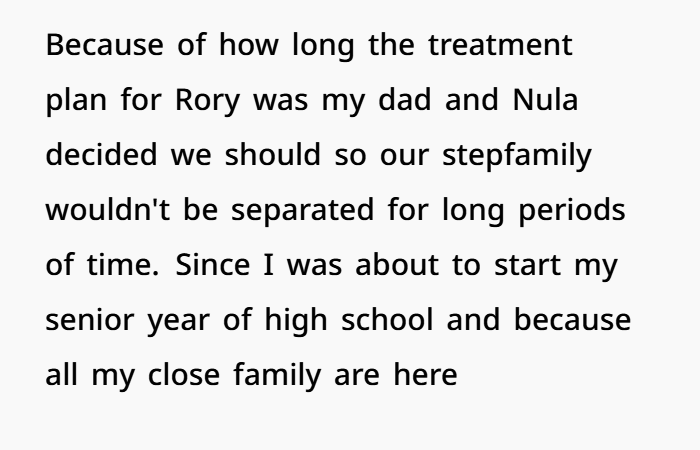
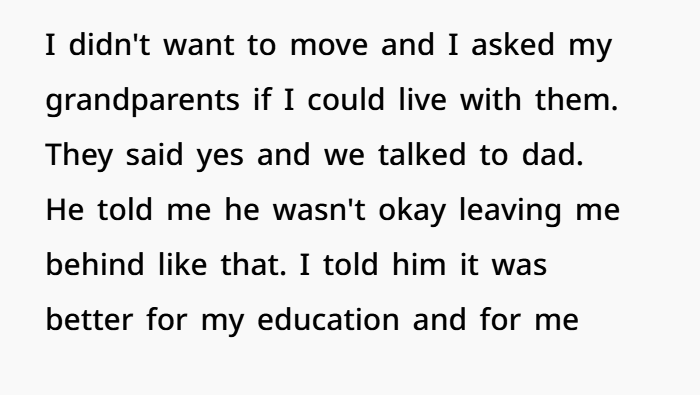
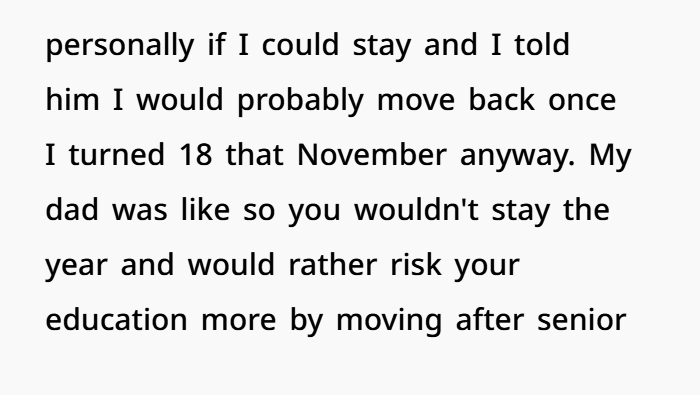
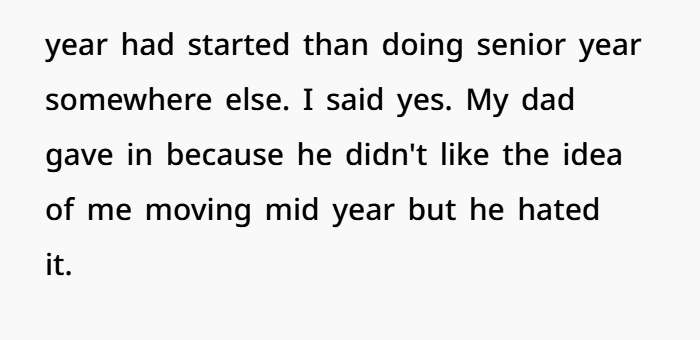
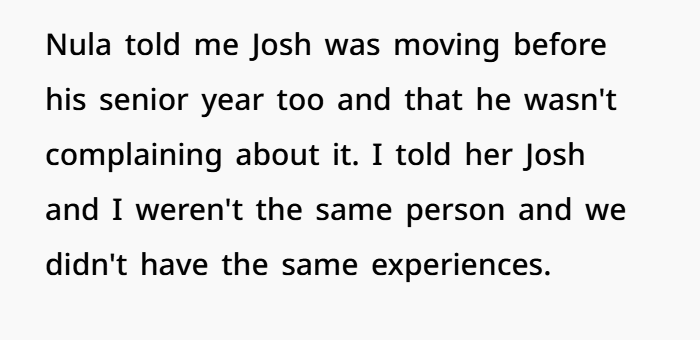
An 18-year-old young man faced a difficult choice when his stepbrother Rory was diagnosed with cancer. His parents decided to move the family to another state so Rory could receive special medical treatment. While his younger step-siblings moved with them, he chose to stay with his grandparents so he could finish his final year of school without major changes.
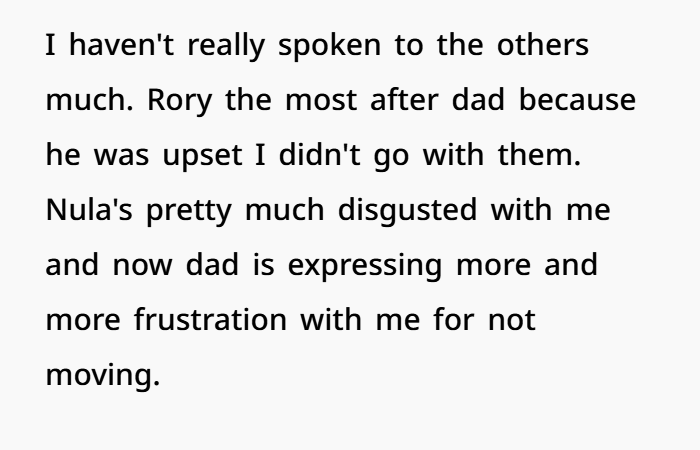
His decision caused tension within the family. His father and stepmother felt disappointed because they wanted everyone to stay together during such a difficult time. Rory was also hurt because he felt his stepbrother was not fully supporting him.
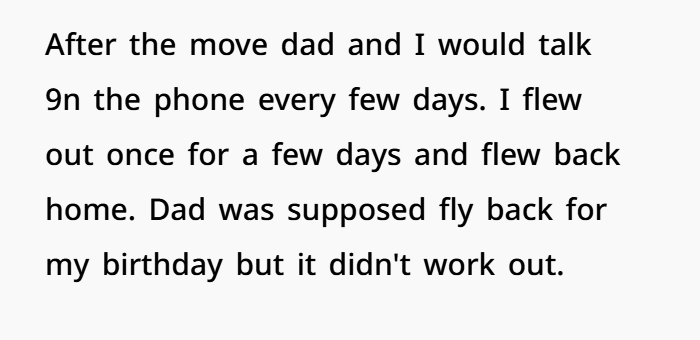
The young man explained that he still cared about his stepbrother and stayed in touch through phone calls and visits. He believed finishing school and protecting his education was also important for his future.
This situation shows how families can face difficult decisions during health challenges. Balancing family support, personal goals, and emotional well-being can be complicated. Open communication, understanding, and respect can help families handle stressful moments in a healthier way.

When a Teen Chooses School Stability During a Family Crisis
Making decisions as a teenager can be difficult, especially when family needs and personal goals do not always match.
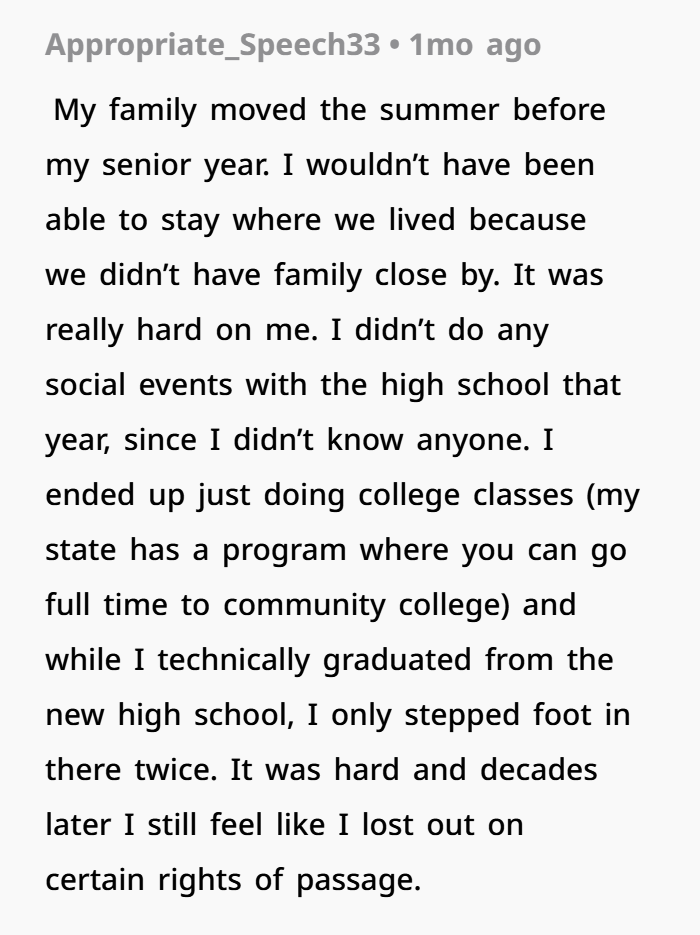
For students in their final year of high school, this time can be very important. Seniors often deal with college applications, exams, activities, friendships, and plans for the future.
A major change, such as moving to another state during senior year, can create stress and affect a student’s education and emotional well-being.
Why Staying in School Can Be Important
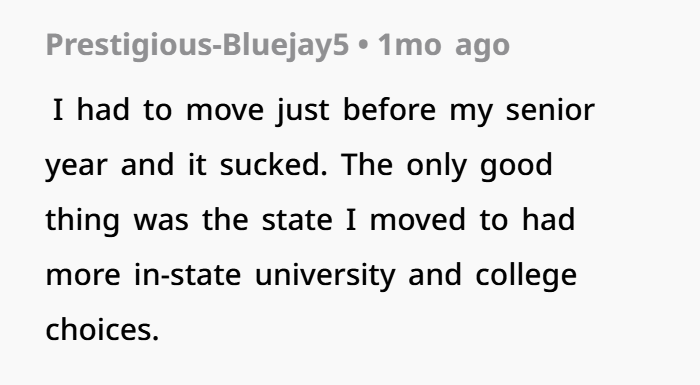
The teenager in this situation chose to stay with his grandparents so he could finish his final school year without major changes.
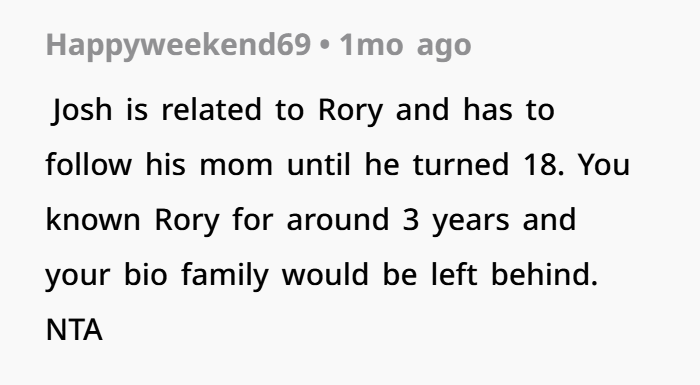
This decision was not necessarily about rejecting his stepfamily. It was about protecting his education and keeping his plans on track.
Senior year can affect:
- College opportunities
- Scholarships
- Academic goals
- Friendships
- Graduation plans
Choosing stability during an important academic year can be a responsible decision.
Supporting Family During a Health Crisis
The family was also dealing with a serious medical situation. When someone has cancer or another major illness, the entire family can feel the emotional impact.
During these times, family members often need extra support, patience, and understanding.
The stepfamily may have wanted everyone to stay together because they believed being physically present would provide more comfort and support.
That feeling is understandable.
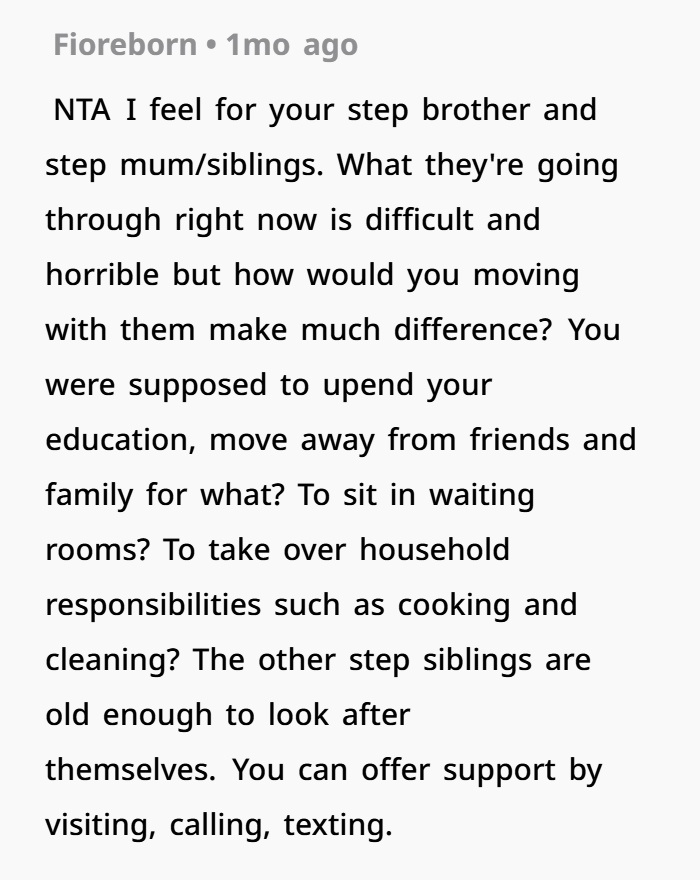
However, support does not always require living in the same home.
Different Ways to Show Support
A person can still be emotionally present even when they are not physically nearby.
Support can include:
- Regular phone calls
- Video chats
- Visiting when possible
- Sending messages
- Showing care and encouragement
The teenager continued calling and visiting, which showed that he still cared about his family member’s health and well-being.
Being apart does not always mean someone is disconnected.
The Challenges of Blended Families
Blended families can sometimes face complicated emotions.
Stepchildren and stepparents may have different expectations about family responsibilities. During stressful times, these differences can become more noticeable.
A parent may think:
“Everyone should make the same sacrifice.”
But each person’s situation is different.
Factors such as age, school responsibilities, relationships, and personal goals can affect how someone handles a difficult situation.
One child’s choice does not always mean another child should make the same choice.
Understanding Teen Independence
As teenagers become adults, they begin making more decisions about their own lives.
Learning independence is an important part of growing up.
Making choices about education, career goals, and personal responsibilities helps teenagers develop:
- Confidence
- Decision-making skills
- Responsibility
- Self-awareness
Choosing to complete school in a stable environment can be part of that growth.
The Importance of Communication
Family disagreements often become worse when people focus only on the decision and not the reason behind it.
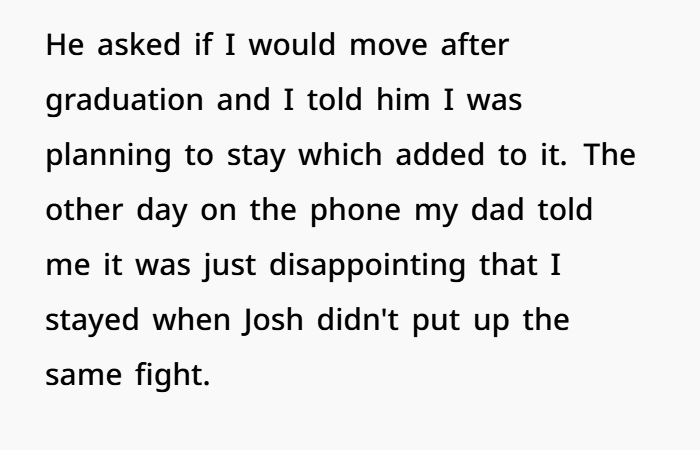
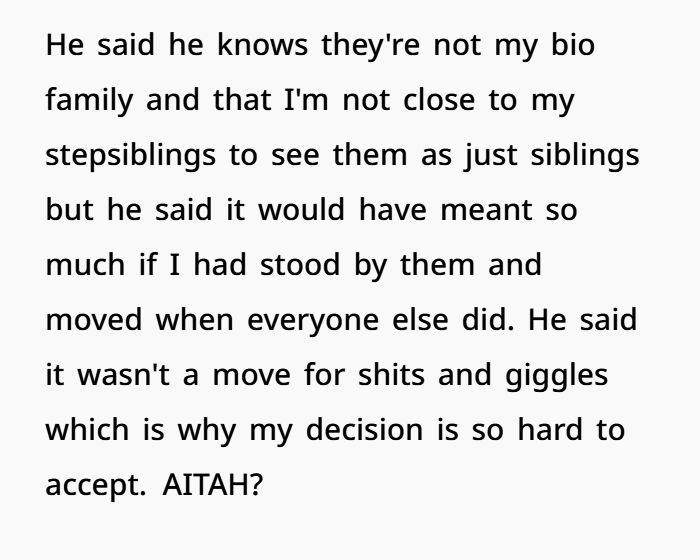
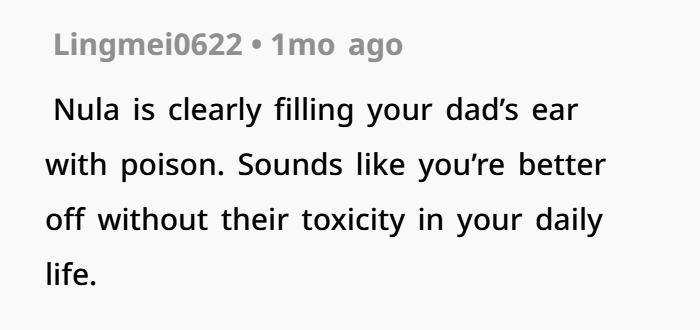
The father may have felt disappointed because he viewed the choice as a lack of family support.
However, understanding the teenager’s reasons can create a better conversation.
Healthy communication means:
- Listening to each other
- Respecting different feelings
- Finding compromises
- Avoiding guilt or pressure
A difficult choice does not always mean someone does not care.
Balancing Family and Personal Needs
Many young people struggle with balancing family responsibilities and personal goals.
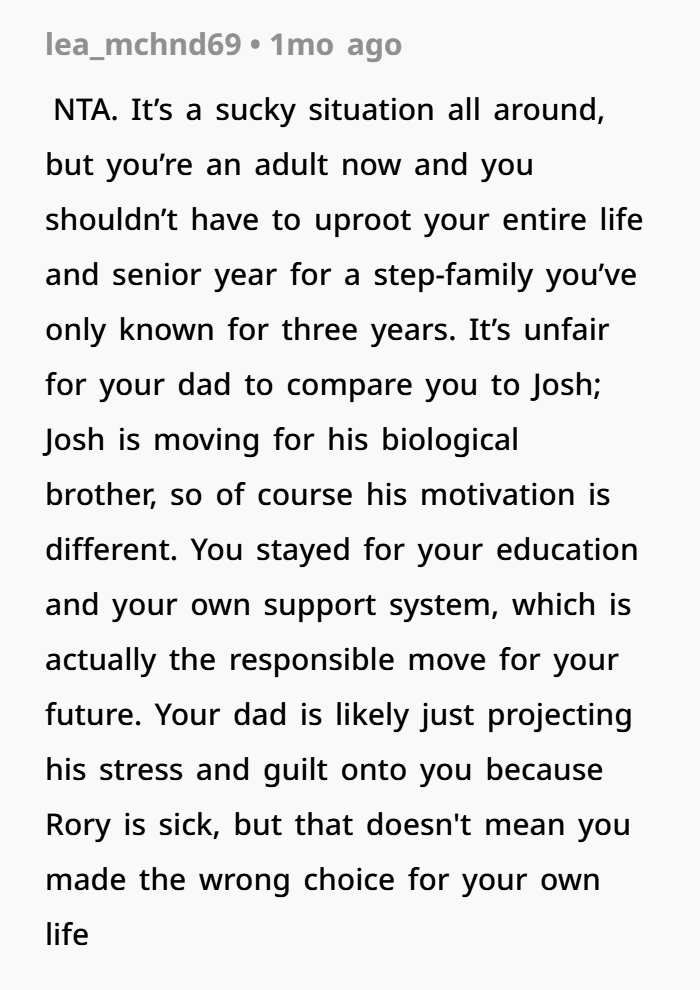
It is possible to care about family while also protecting your own future.
In this situation, the teenager tried to do both:
- Continue his education
- Stay connected with his family
- Provide emotional support
- Maintain important relationships
Finding this balance is not always easy, but it is an important life skill.
Why Boundaries Matter
Healthy boundaries help people understand their needs while still respecting others.
A teenager deciding where to live during an important school year is an example of making a personal choice.
Respecting boundaries does not mean a person does not love their family. It means recognizing that everyone has different needs and responsibilities.
“I should have been willing to be there with them anyway and show a united front and all of that,” the teen said, explaining his father’s perspective



Final Thoughts
Family situations involving illness, school, and blended family relationships can be very emotional.
The stepfamily’s feelings are understandable, but the teenager’s decision also had valid reasons. Protecting his education while staying connected with his family was a thoughtful approach.
Strong relationships are built through communication, understanding, and respect.
Sometimes caring for others also means making responsible choices for yourself.