He Took His Cheating Ex-Wife Back… But Only to Break Her Heart the Way She Broke His


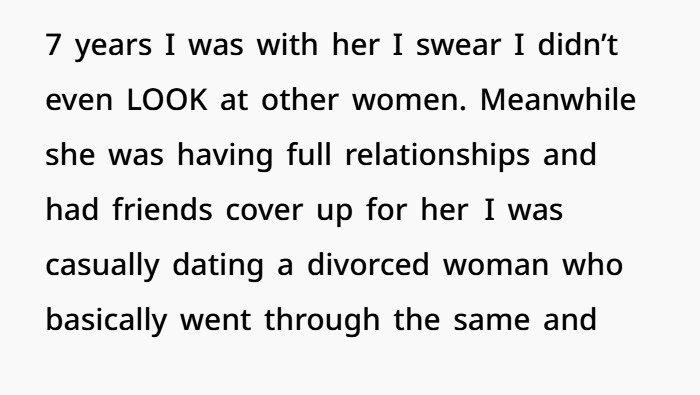
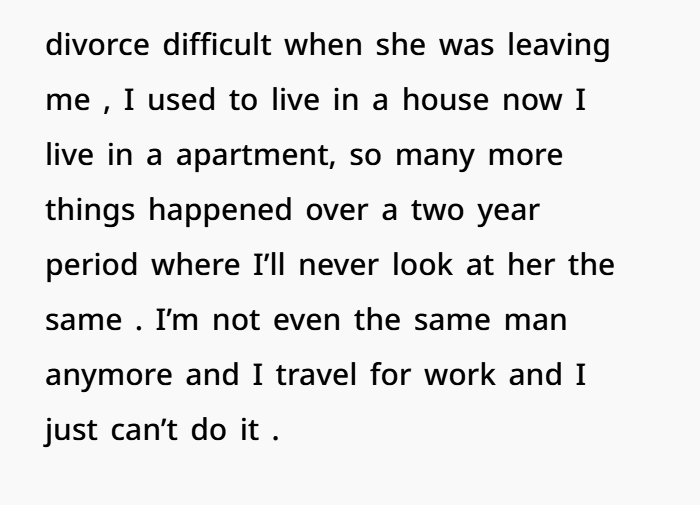
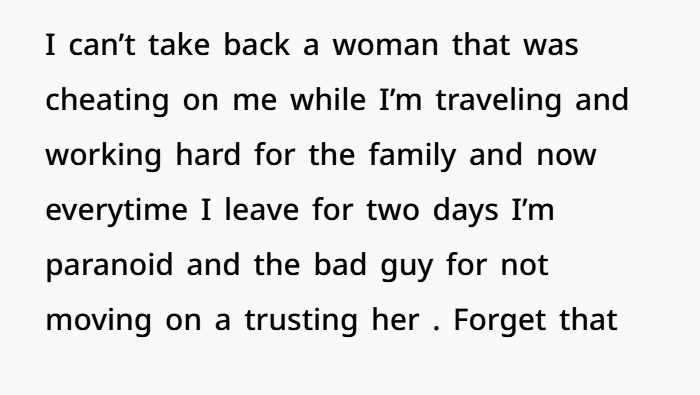
Infidelity can cause deep emotional pain and change the way people view relationships. In this story, a divorced father shared how his life changed after discovering that his wife had been involved in an affair. He believed they had a happy marriage with children, family routines, and a strong connection. Learning about the betrayal left him feeling hurt and unable to trust the people around him.
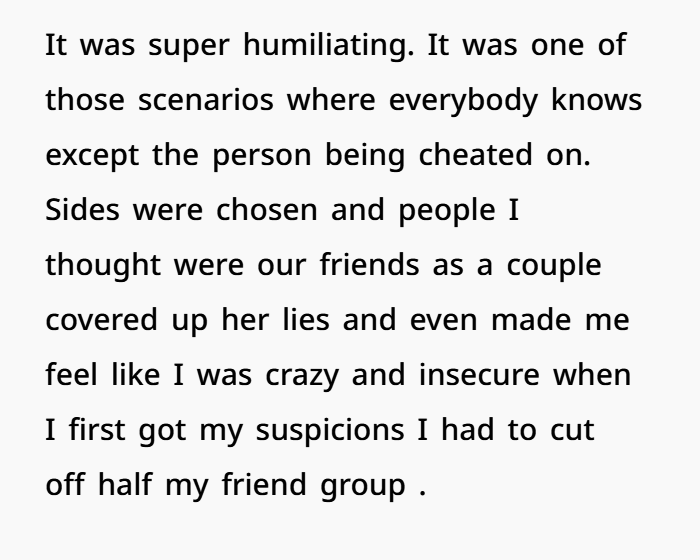
According to him, the hardest part was not only the affair but also feeling that other people knew about it before he did. He felt that friends and family members had hidden the truth from him, which made the experience even more painful. After the divorce, he struggled with anger, sadness, and the emotional effects of losing the relationship he thought he had.
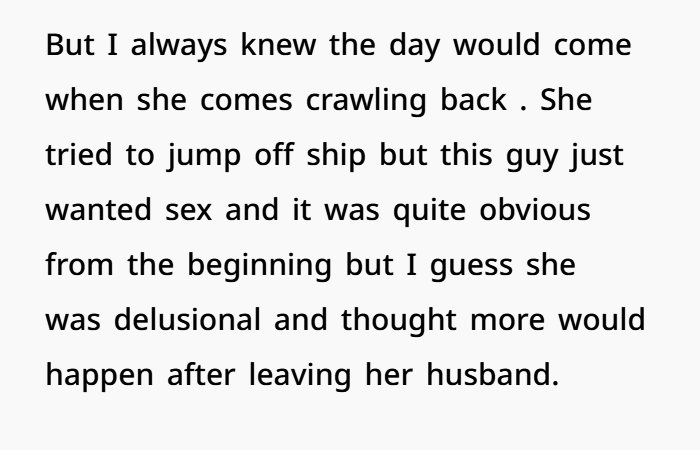
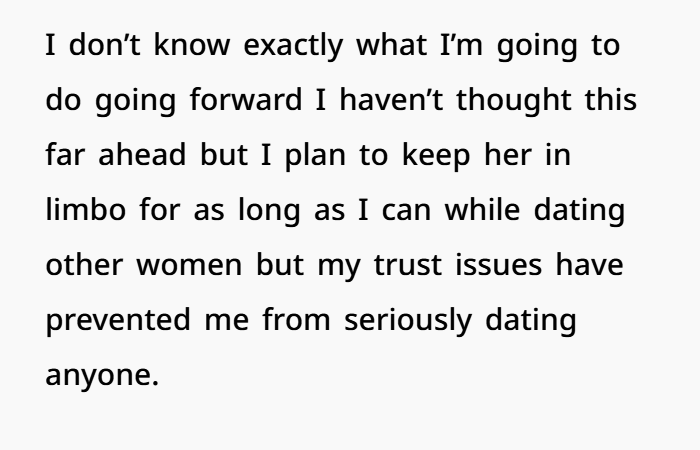
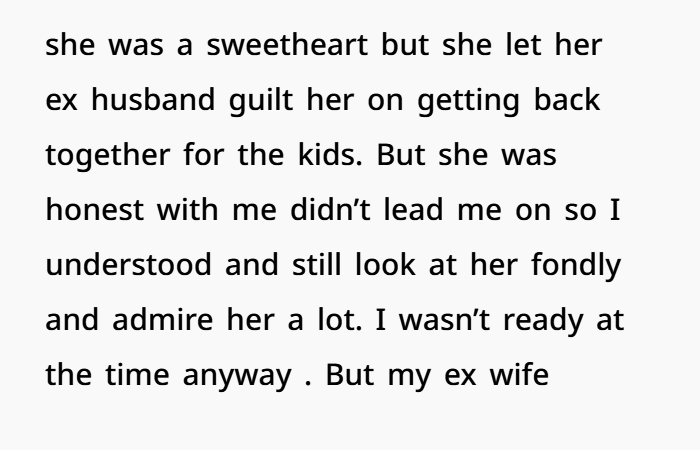
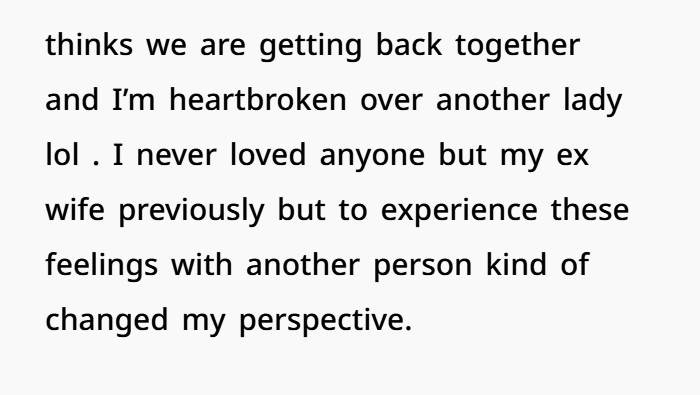
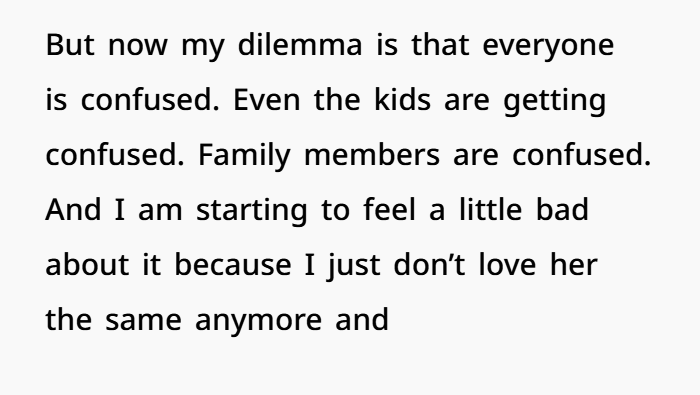
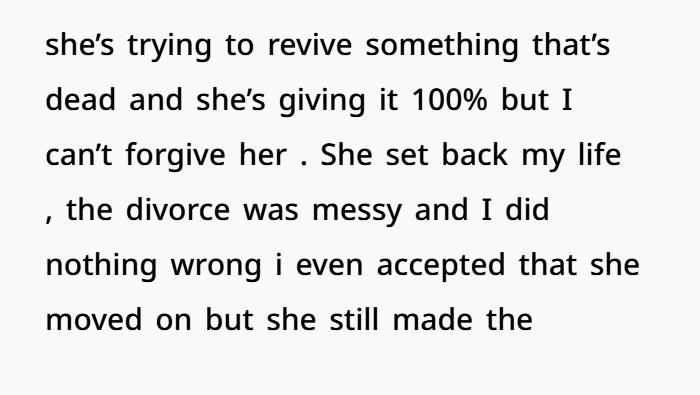
Instead of creating distance and moving forward, he admitted that he continued a close relationship with his ex-wife for a long time. He said he gave her hope that they might get back together while he was also seeing other people and trying to move on emotionally. Over time, this created more confusion and hurt between them.
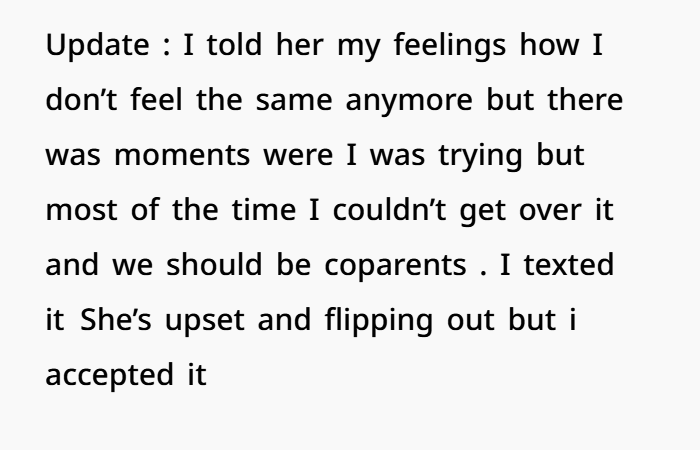
Eventually, he told his ex-wife that he no longer wanted a romantic relationship and only wanted to focus on healthy co-parenting. The situation made him question his own actions and whether his pain had caused him to make harmful choices. The story highlights the importance of healing after betrayal, honest communication, and creating respectful boundaries after a relationship ends.
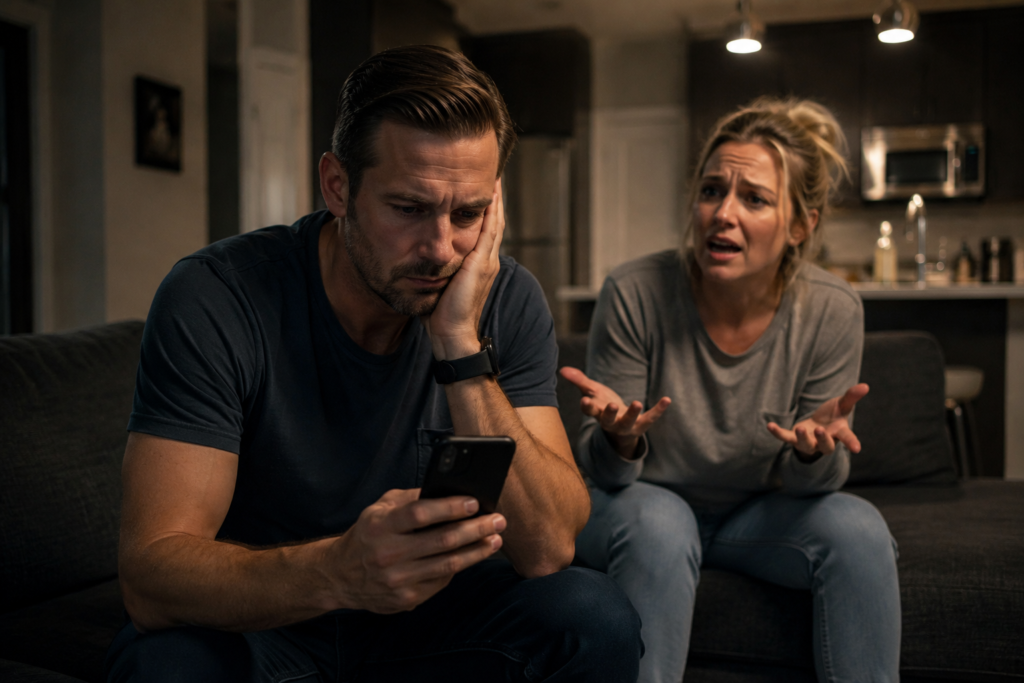





When Betrayal Changes a Relationship: The Emotional Side of Trust, Healing, and Moving Forward
Some relationship stories are not really about revenge.
They are about pain.
More specifically, they are about the pain of feeling betrayed, embarrassed, and emotionally broken by someone you trusted completely.
Betrayal can hurt deeply because it does not only affect a relationship. It can also affect a person’s confidence, self-esteem, and ability to trust others in the future.
The Difference Between Heartbreak and Humiliation
Heartbreak is painful, but humiliation can feel even heavier.
When someone discovers that their partner was unfaithful, the pain often comes from many places:
- Losing trust
- Questioning past memories
- Feeling embarrassed
- Feeling like others knew before them
- Wondering what was real and what was not
Infidelity can create emotional stress that lasts long after a relationship ends.
Many people who experience betrayal describe feeling confused, anxious, or disconnected from themselves.
How Betrayal Can Affect Mental Health
According to the story, the husband felt like he lost the person he used to be after discovering the affair.
This reaction is common for many people after serious relationship betrayal.
Some people experience:
- Trust issues
- Anxiety in future relationships
- Difficulty opening up again
- Fear of being hurt
- Constant overthinking
Emotional healing after infidelity often takes time because a person is not only recovering from a breakup. They are also rebuilding their sense of safety.
When Someone Feels They Gave Everything
One reason the situation felt especially painful was because he believed he was making sacrifices for his family while the betrayal was happening.
Many people experience deeper hurt when they feel they were working hard to support a relationship while important information was hidden from them.
Feeling like your efforts were not respected can create anger and disappointment.
When Friends Become Part of the Problem
Another difficult part of betrayal can be losing trust in people around the relationship.
When friends or family members know about a problem and do not speak honestly, the person who was hurt may feel isolated.
They may start questioning:
- Their own judgment
- Their friendships
- Their ability to read situations
This can make emotional recovery even harder.
Why Revenge Can Feel Appealing
After being deeply hurt, some people feel a strong desire to regain control.
Revenge is often less about anger and more about wanting to feel powerful again after feeling helpless.
However, revenge rarely creates true healing.
It may provide temporary satisfaction, but it can also keep someone emotionally connected to the person who hurt them.
Real healing usually comes from accepting what happened and creating a healthier future.
The Complicated Reality of Reconciliation
Some couples are able to rebuild their relationship after infidelity.
However, rebuilding trust usually requires:
- Honest communication
- Accountability
- Transparency
- Patience
- Marriage counseling or professional support
It is not enough to simply say sorry. Both people need to work on rebuilding emotional safety.
In some cases, couples decide that moving forward separately is healthier.
When Staying Connected Creates More Pain
According to the story, the couple continued spending time together after the divorce while one person was unsure about reconciliation.
This created emotional confusion.
When people continue a relationship without being honest about their feelings, both sides can experience more pain.
One person may believe healing is happening, while the other person may already feel emotionally disconnected.
Clear communication is important, especially when children are involved.
The Importance of Healthy Co-Parenting
When a relationship ends but children are involved, co-parenting becomes a major focus.
Healthy co-parenting requires:
- Respect
- Clear communication
- Putting children’s needs first
- Creating stable routines
Even when parents cannot repair their romantic relationship, they can still work toward a healthier family environment.
Understanding Both Sides
Stories involving betrayal are often discussed as if there is only one person who caused harm.
But complicated relationships can involve many emotions and mistakes.
A person who cheats may cause serious damage.
At the same time, someone who responds to pain by trying to hurt another person can also create more emotional harm.
Pain can explain behavior, but it does not always excuse it.
The Moment When Letting Go Becomes Necessary
One of the most important parts of healing is accepting when a relationship cannot return to what it was.
Sometimes people hold on because of:
- Memories
- Family history
- Hope for change
- Fear of starting over
But staying connected to a relationship that no longer has trust can prevent both people from moving forward.
Moving Forward After Betrayal
The healthiest outcome after betrayal is usually not revenge.
It is healing.
That may include:
- Therapy
- Emotional support
- Learning new boundaries
- Focusing on personal growth
- Building healthier relationships in the future
Healing does not mean forgetting what happened. It means refusing to let the pain control your entire life.
The Bigger Lesson About Love and Trust
The biggest lesson from this story is that trust is one of the most important parts of any relationship.
Love alone is not always enough.
Healthy relationships need:
- Honesty
- Respect
- Communication
- Emotional safety
- Commitment
Betrayal can change people, but it does not have to define their future.
Sometimes the strongest choice is not getting revenge.
Sometimes it is choosing peace, accepting the truth, and building a life beyond the hurt.
See The Comments Below