Employees Disappointed After Company Changes Plans For Charity Event


Many people take part in volunteer work and charity activities because they want to help others and support their communities. Usually, people do these activities without expecting anything in return. However, some companies also arrange paid volunteer programs where employees can help with community projects while receiving compensation for their time. These programs can improve employee engagement, support corporate social responsibility, and create a positive workplace culture.
In some workplaces, employees may be asked to join charity projects organized by their company. At first, many workers may feel excited because they get a chance to give back, spend time outside the office, and connect with their coworkers. A company-sponsored volunteer event can also be a good way to build teamwork and create meaningful experiences.
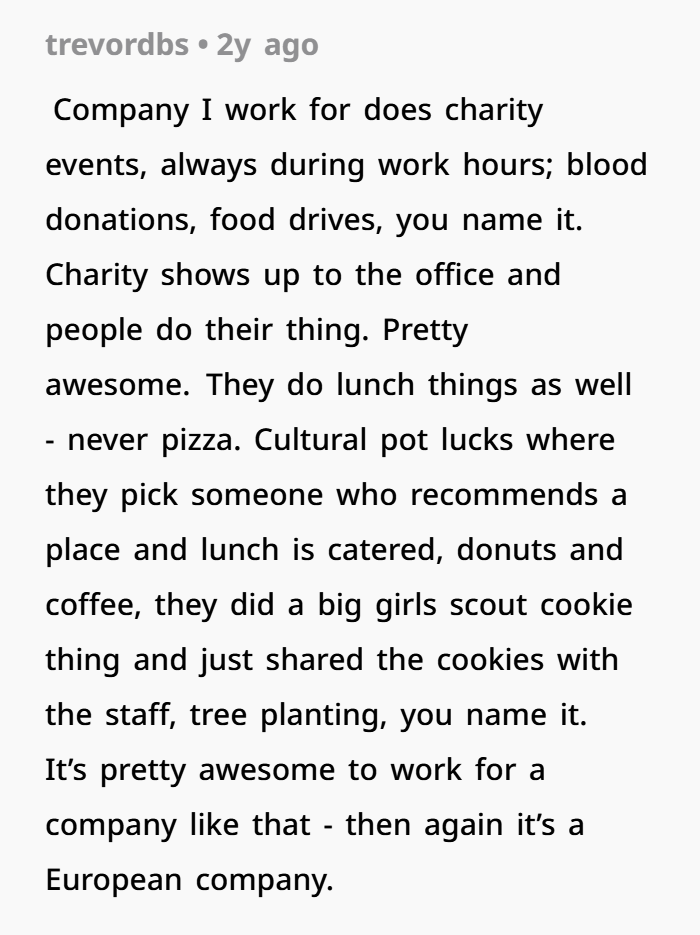
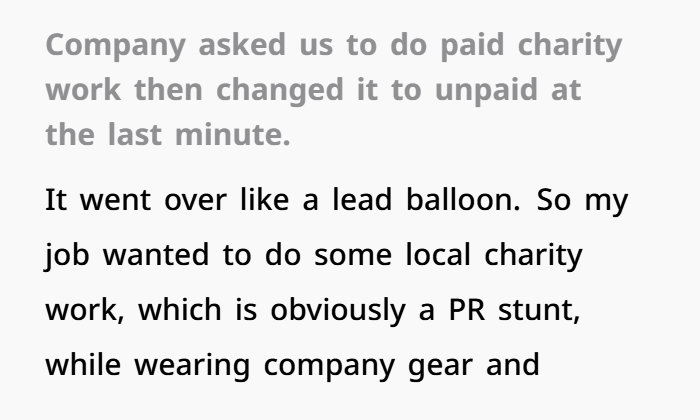
One employee recently shared their experience online about a company-organized charity project. The team was initially happy about the opportunity because it seemed like a fun and rewarding activity. They expected to help the local community, enjoy a different work environment, and have a positive day away from their regular tasks.
However, the excitement changed when the company made major updates to the original plan. Some employees felt disappointed because the new arrangements were different from what they had expected. The situation shows why clear communication, employee feedback, and thoughtful planning are important when companies create workplace volunteer programs and community initiatives.



How Workplace Charity Programs Can Create a Positive Impact
Many people enjoy helping others because doing good can create a sense of happiness and purpose. People support different causes through charity work, donations, and volunteering.
Volunteering is a common way for people to give back to their communities. Many individuals spend their free time helping nonprofit organizations, supporting local projects, or taking part in social causes.
One person shared a story about a workplace volunteer event that did not go as expected. They explained that they had experience with community service and understood how important volunteers are for charities.
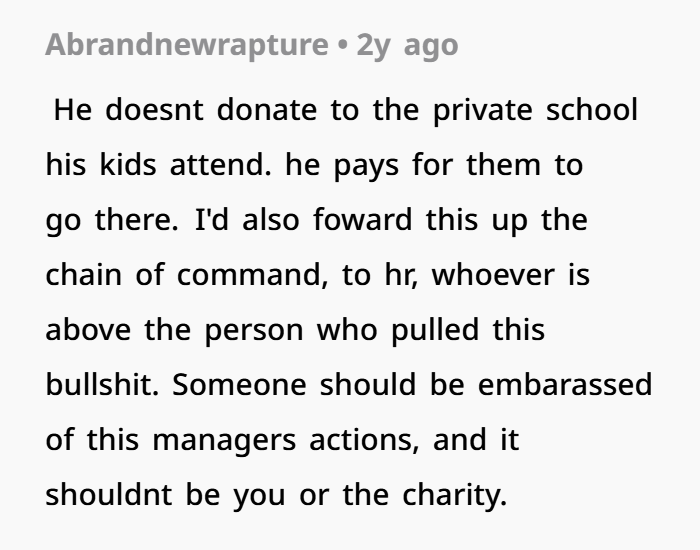
Because of that, they felt disappointed when their company’s plans did not work out. However, they believed the problem was not with the volunteers or the charity. They felt the issue came from poor management and planning.
When companies create strong corporate social responsibility programs, they can make a meaningful difference. Workplace volunteering, employee donation programs, and community support initiatives can help businesses give back while also improving employee engagement.
Many employees today want to work for companies that have clear values and support important causes. A workplace that encourages social responsibility can help employees feel connected and motivated.
The employee explained that their company had encouraged workers to volunteer on their own time before, but this was the first time the team planned a group volunteering activity.
Group participation made a big difference. When employees saw their coworkers joining, more people became interested in taking part. Simple encouragement between team members helped create excitement and increased participation.
Businesses can support charitable causes in many ways. Some companies offer donation matching programs, where they match the money employees give to charities. Others create employee charity funds or provide paid volunteer time so workers can support causes they care about.
These programs can help companies build a positive workplace culture and show employees that their contributions matter.
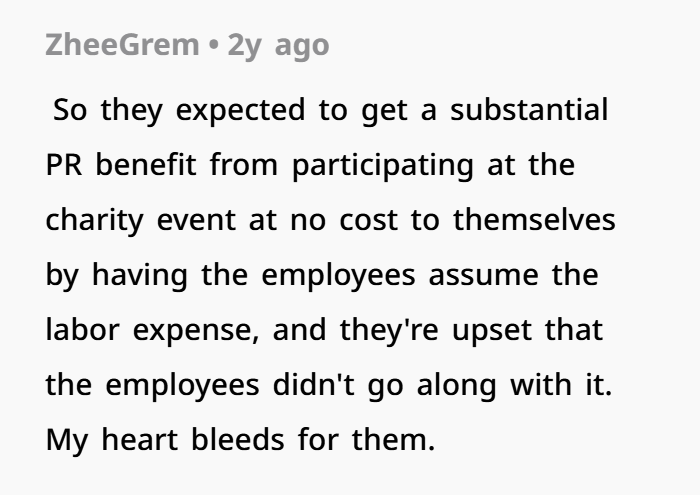
However, corporate giving works best when it is honest and consistent. Employees and customers can usually tell when a company is genuinely supporting a cause versus using charity only for marketing purposes.
A successful corporate social responsibility strategy should match the company’s values and create real benefits for the community.
Many younger professionals are especially interested in working with companies that support social impact. They often look for employers that encourage volunteering, community involvement, and ethical business practices.
Workplace giving programs can also improve employee morale and teamwork. When people work together toward a shared goal, it can create stronger connections among coworkers.
However, companies need to communicate clearly and keep their promises. When employees are encouraged to participate in a charity event and plans suddenly change, it can lead to disappointment and lower workplace trust.
One employee shared that younger workers were especially frustrated when a planned volunteering opportunity did not happen. Some older employees were less surprised because they had experienced workplace events being changed or canceled before.
The story highlights an important lesson for businesses: supporting charitable causes requires more than making announcements. Companies need proper planning, clear communication, and genuine commitment.
When done correctly, corporate philanthropy can benefit everyone. It can support important causes, improve employee satisfaction, and help businesses create a stronger connection with their communities.
The Comments Are In