My Toxic Mother Tried To Ruin Me Again… So I Destroyed The Life She Built

Growing up in an unsafe and difficult home can affect a person for many years. In this story, a woman shared that she experienced a painful childhood because of problems at home. She described her biological mother as struggling with serious personal issues and creating an unstable environment. Eventually, child protection services removed her from the home, and she later entered foster care before being adopted.
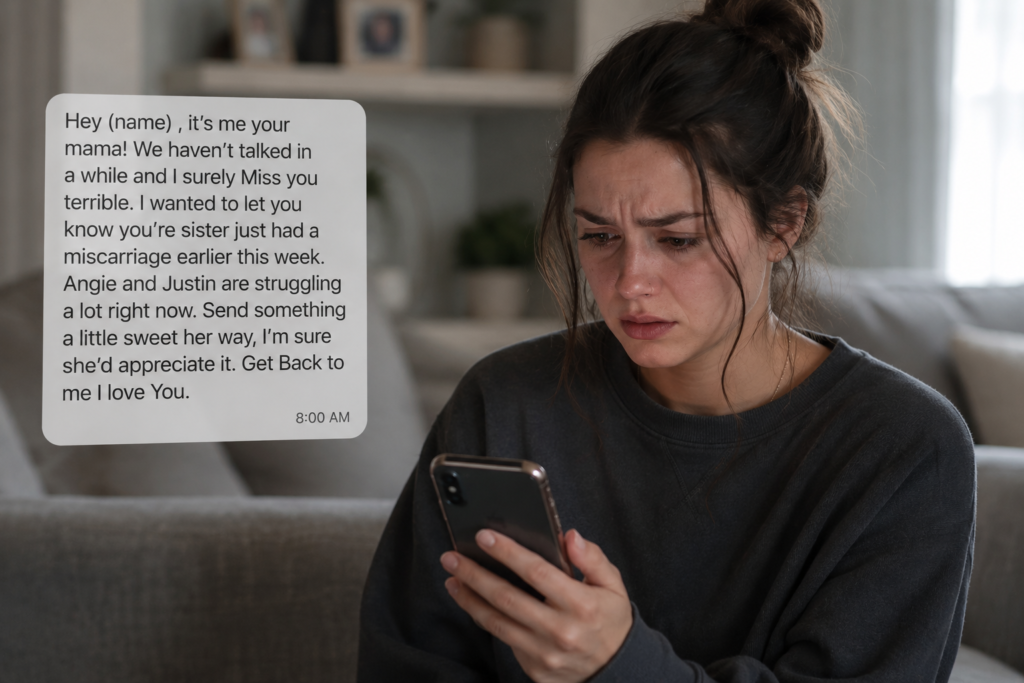
As an adult, she worked hard to heal from her past and build a better life. She moved to another state, reconnected with her biological father, and focused on creating a peaceful future. However, things became stressful again when her biological mother found her on social media and started sending upsetting messages. The messages brought back many painful memories from her childhood.
The situation became more serious when the woman learned that her mother was living with a partner who had three young daughters. Because of her own past experiences, she became concerned about the children’s safety and wanted to make sure they were protected. Instead of arguing online or creating public drama, she decided to use the proper legal channels and contacted child protection authorities to report her concerns.
The experience became a powerful reminder of the importance of child safety, emotional healing, and breaking unhealthy family patterns. While the past cannot be changed, people can take steps to protect themselves, seek support, and create healthier lives. Speaking up about safety concerns through the right resources can help protect children and support families in difficult situations.
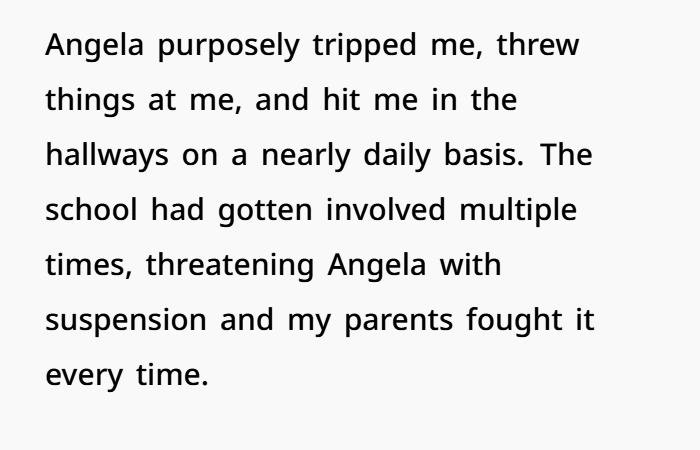
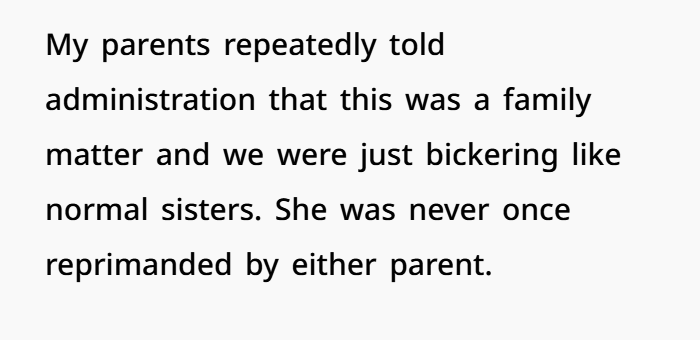
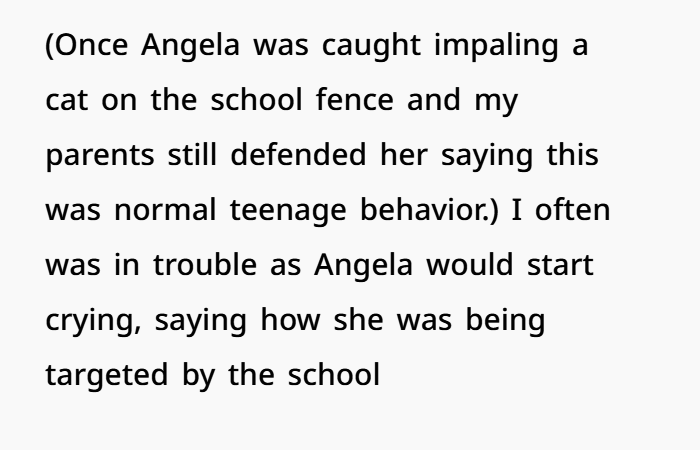
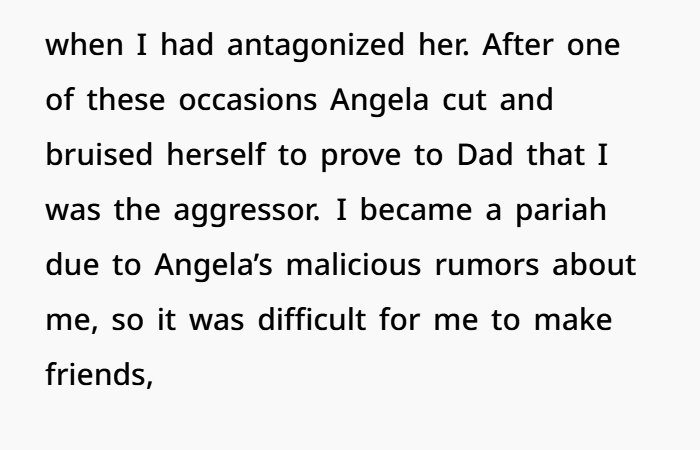
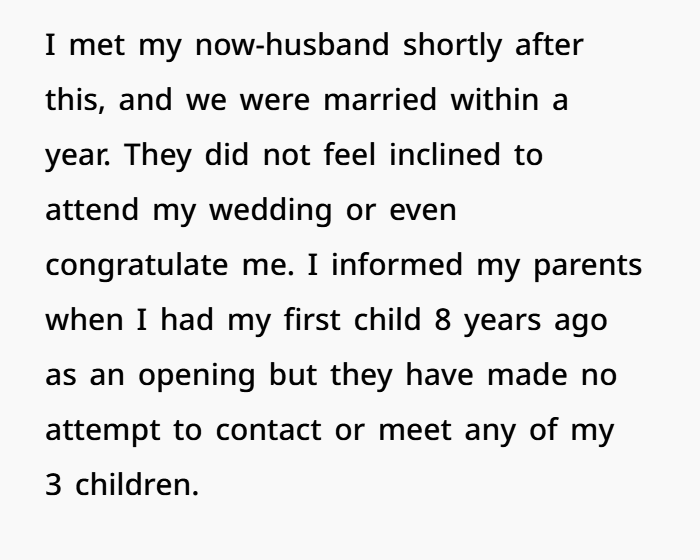
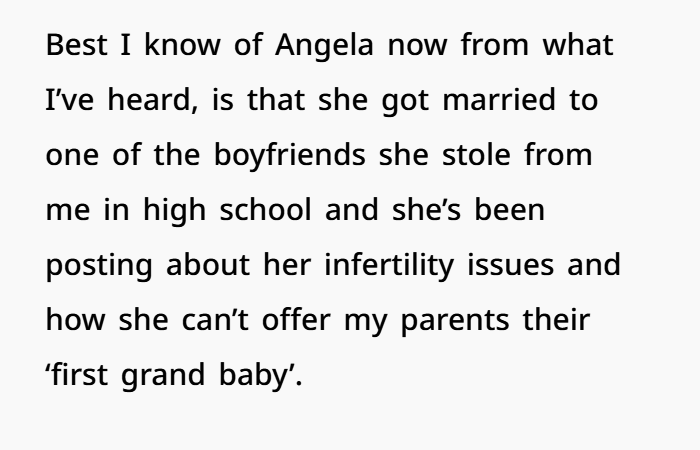
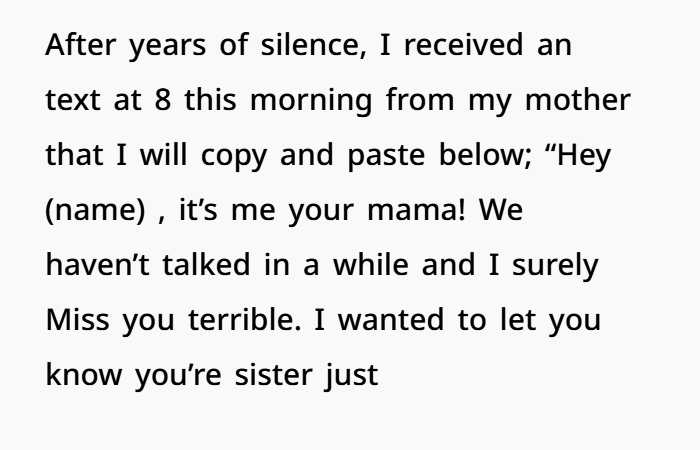
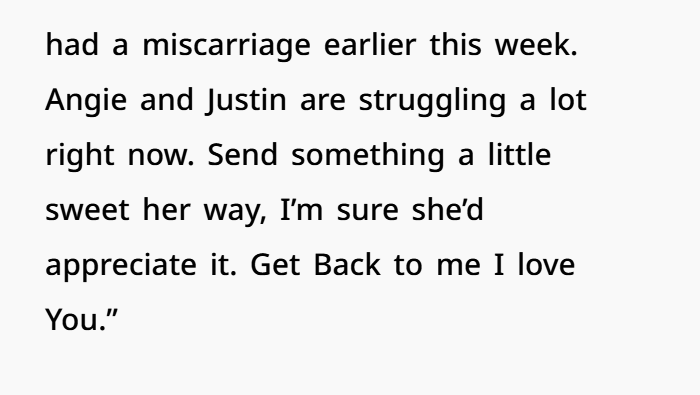
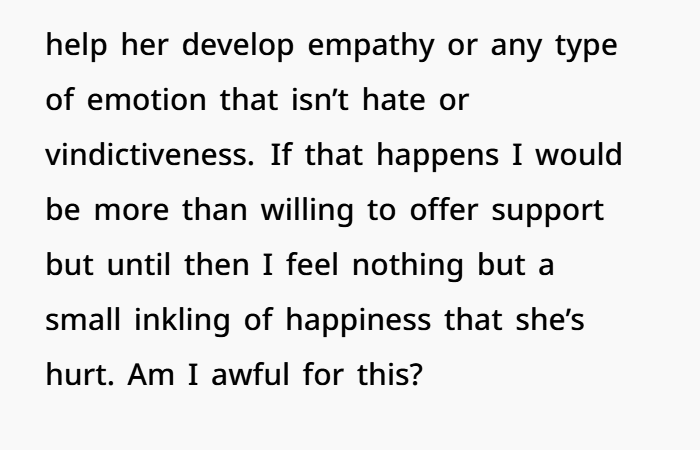
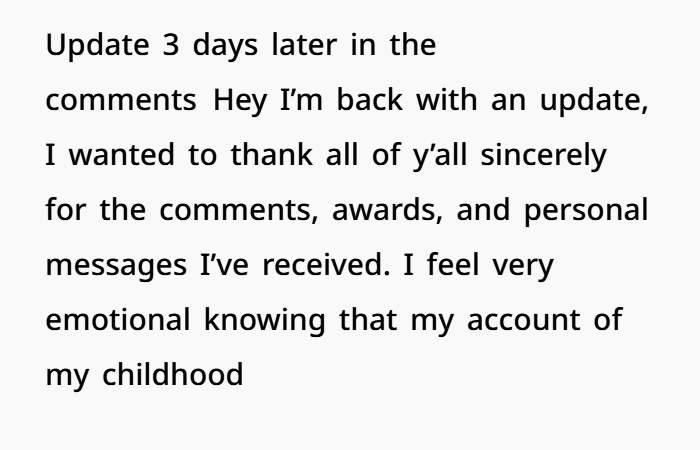
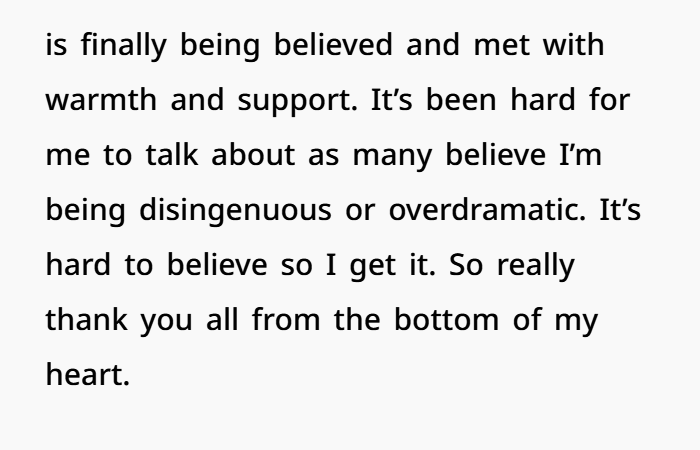
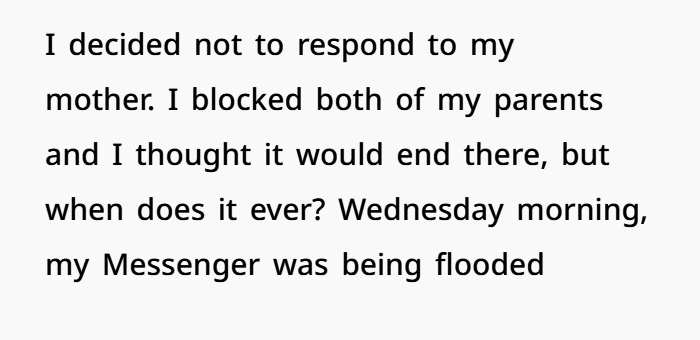
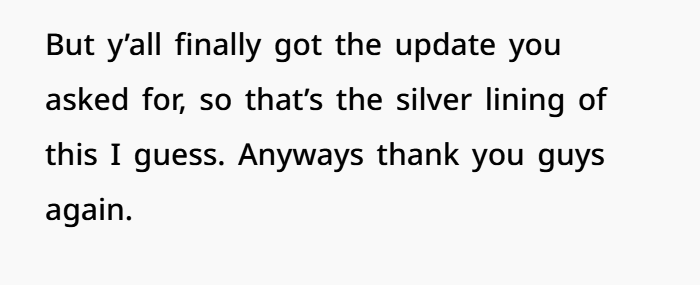
A Family Trauma Story About Healing, Boundaries, and Protecting Children
Some stories become popular online because they are not just about conflict.
They are about pain, survival, and finally finding the courage to protect yourself.
This story gained attention because it involved difficult topics such as childhood trauma, toxic family relationships, emotional abuse, child safety, and the challenges many survivors face when dealing with harmful family members.
Behind the anger and emotional reactions was a much deeper story about someone who spent years trying to heal from a painful childhood.
Childhood Trauma Can Affect People for Years
Many people believe that leaving an unhealthy home automatically ends the pain.
However, childhood experiences can continue to affect people long after they become adults.
Survivors of difficult family environments may struggle with:
- Trust issues
- Anxiety
- Stress
- Emotional triggers
- Low self-confidence
- Difficulty building relationships
Healing from childhood trauma often takes time. Many people spend years learning how to create healthy boundaries and build a safer life for themselves.
When Family Members Refuse to Take Responsibility
One of the hardest situations for many survivors is when the person who caused the pain refuses to accept responsibility.
In this story, the biological mother did not reconnect by offering an apology or acknowledging past mistakes.
Instead, the communication quickly became harmful and emotionally painful.
Healthy family relationships require respect, accountability, and a willingness to repair damage. Without those things, reconnecting with a family member can become emotionally unsafe.
The Importance of Boundaries With Toxic Family Members
Many mental health professionals explain that boundaries are an important part of protecting emotional well-being.
Boundaries can include:
- Limiting contact with harmful people
- Choosing when and how to communicate
- Protecting personal information
- Prioritizing emotional safety
Creating distance from a family member does not always mean someone is being cruel.
Sometimes it is a necessary step for healing and personal protection.
How Social Media Changed Family Connections
Modern technology has made it easier than ever for people to reconnect.
Social media platforms allow family members to find each other through profiles, photos, and mutual connections.
While this can be positive in many situations, it can also create challenges for people who are trying to move forward after painful experiences.
A single message from someone connected to past trauma can bring back strong emotions and memories.
This is why many survivors focus on managing their online privacy and creating healthy digital boundaries.
Protecting Children Became the Main Concern
The situation became more serious when children were involved.
For many parents, protecting their children is the highest priority.
People who have experienced unhealthy family environments themselves may become especially aware of warning signs because they understand how important a safe home environment can be.
In this story, the decision to contact child protection services was presented as an attempt to make sure children were safe.
Child safety organizations and social services exist to investigate concerns and help protect children when there may be risks in their environment.
Choosing Safety Over Keeping the Peace
Many people feel pressure to maintain relationships simply because they share family connections.
Society often says things like:
“Family is everything.”
“Always forgive your parents.”
However, family relationships also need respect and safety.
A biological connection does not remove the need for healthy behavior, accountability, and emotional responsibility.
For many survivors, choosing their own well-being is not about revenge.
It is about creating a healthier future.
The Search for Closure
Many people who experience family trauma still hope for closure.
They may want:
- An apology
- Recognition of what happened
- A chance to rebuild the relationship
- Confirmation that their feelings were valid
Sometimes people reconnect with family members hoping things will finally change.
Unfortunately, not every reunion leads to healing.
When someone continues harmful patterns, survivors may eventually decide that protecting themselves is more important than continuing to seek approval.
How Trauma Survivors Often Become Strong Protectors
People who grow up in difficult situations sometimes develop a strong awareness of emotional warning signs.
They may notice:
- Manipulative behavior
- Unhealthy communication patterns
- Unsafe situations
- Signs of emotional harm
This awareness can help them protect themselves and others.
However, healing is still a personal journey. Past experiences may leave emotional scars, and many survivors benefit from support systems, therapy, and healthy relationships.
Why Stories Like This Connect With People
Many readers connect with stories about family trauma because they recognize similar experiences.
Not everyone grows up in a supportive environment. Some people experience:
- Emotional neglect
- Family conflict
- Difficult childhood memories
- Broken relationships with relatives
These stories remind people that healing is possible and that creating a safe life is an important goal.
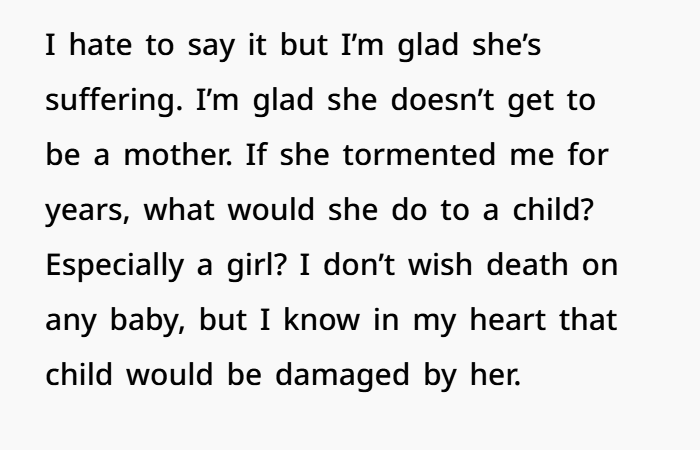
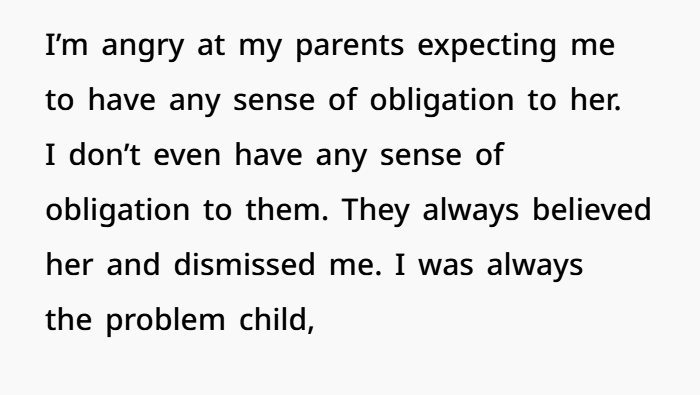
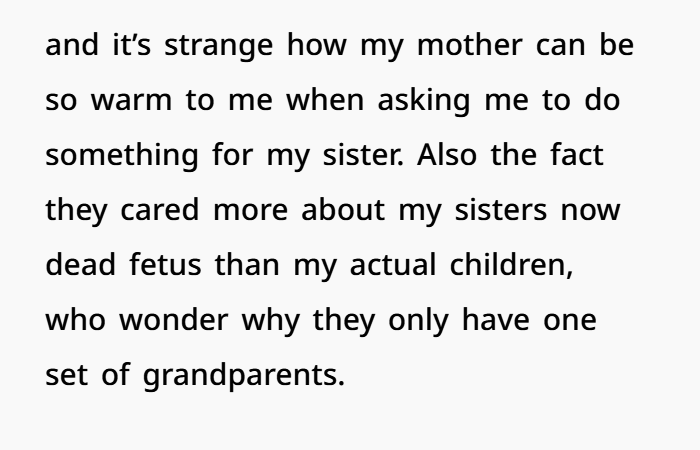
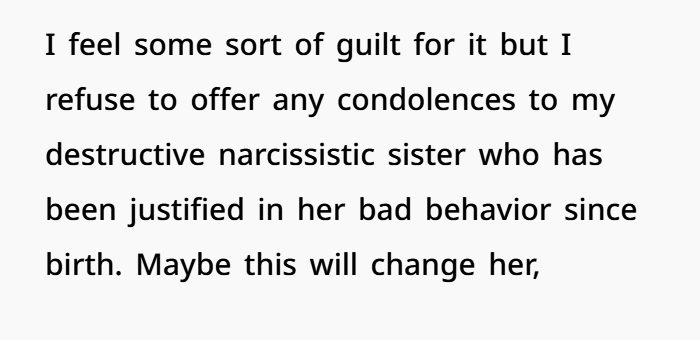
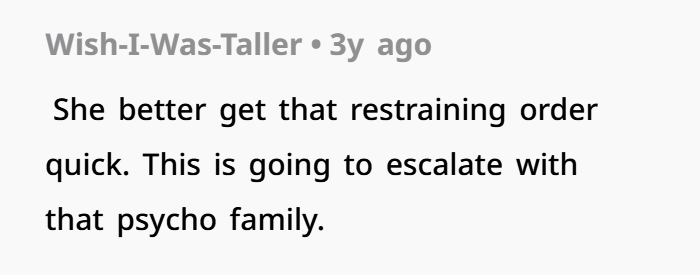
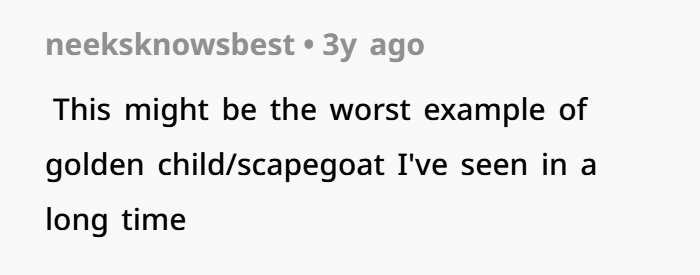
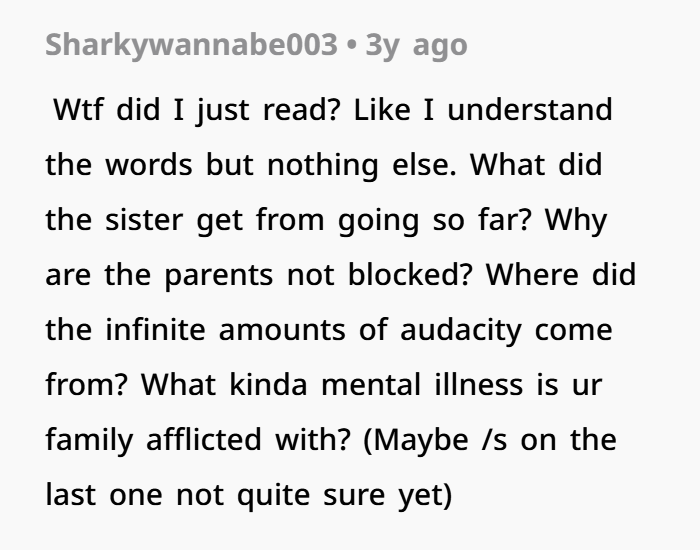
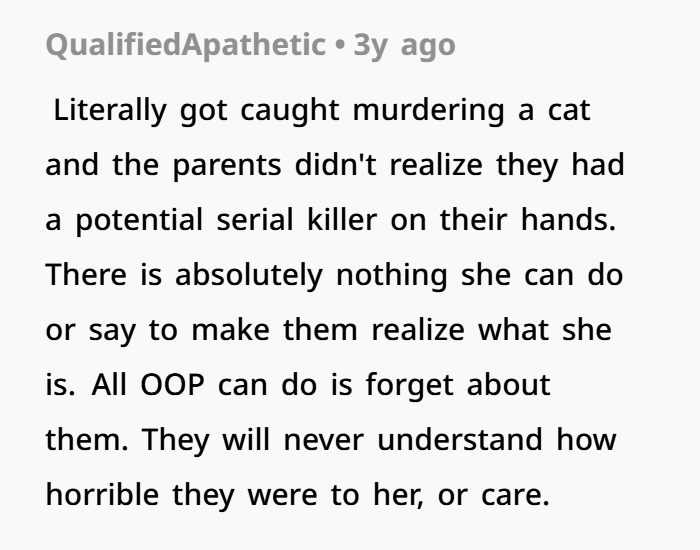
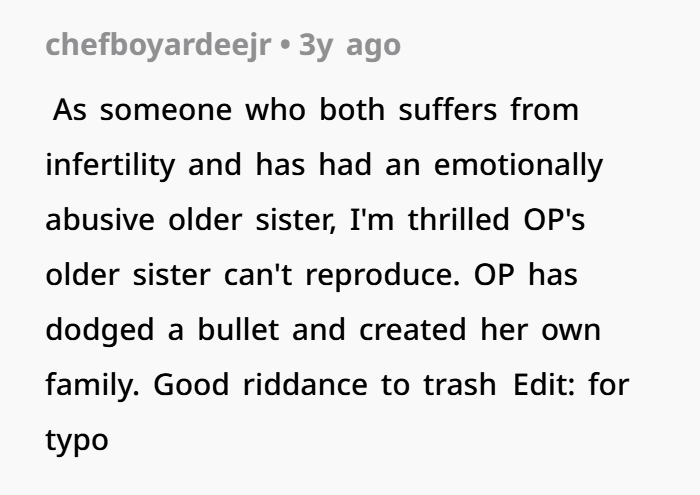
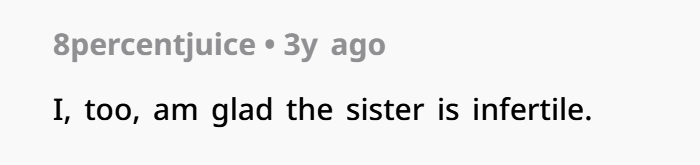
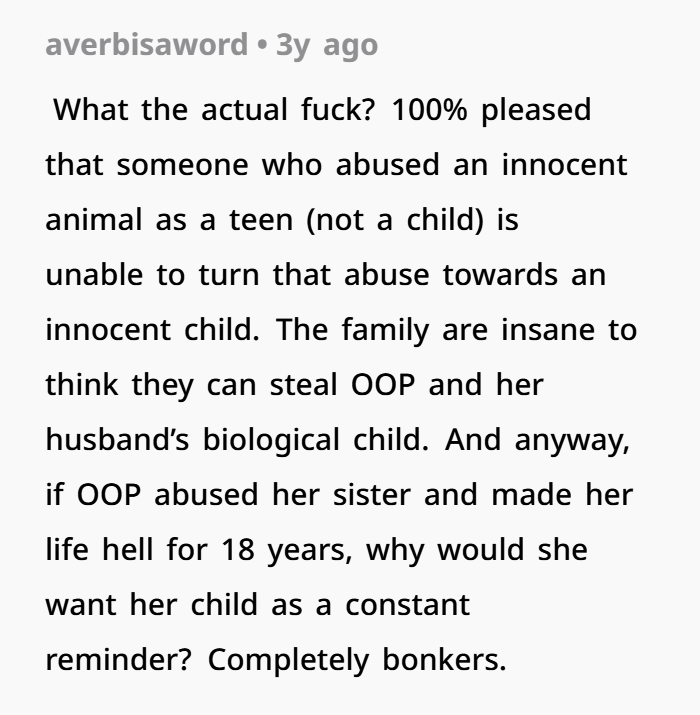
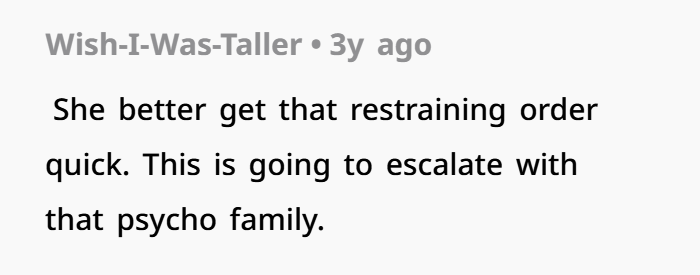
Top Comments From Readers
Final Thoughts
This story is not simply about conflict between family members.
At its heart, it is about healing, boundaries, and protecting vulnerable people.
The biggest change was not winning an argument or getting revenge.
The biggest change was taking control of one’s own life after years of feeling powerless.
For many survivors, healing begins when they understand that they deserve respect, safety, and a healthier future.