Entitled Brother Refused to Leave the Family House—So My Dad Had It Demolished


This story is about family conflict, property rights, and the importance of setting clear boundaries. The original poster shared how their father inherited the family home after a relative passed away. However, the father’s older brother moved into the house and continued living there for years without a proper agreement.
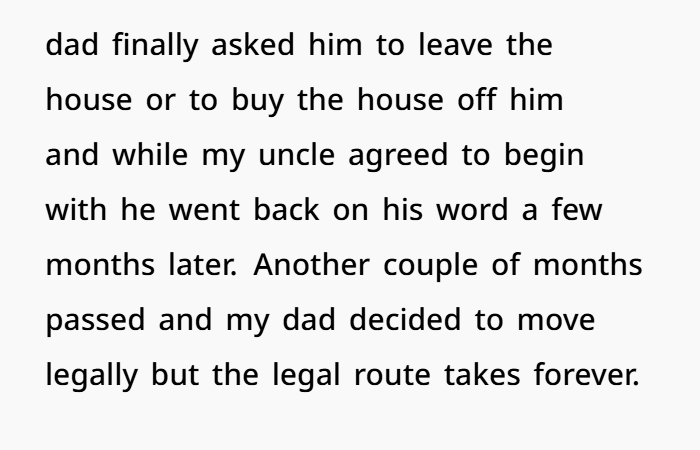
At first, the family tried to handle the situation peacefully. They gave him time to move out, sent legal notices, and even offered the option to buy the property. However, he refused to leave or make any arrangements. The situation became a long and stressful property dispute between family members.
Eventually, OP’s father made a surprising decision. Instead of continuing the fight over the house, he chose to have the property removed. The home was demolished, leaving no place for the ongoing disagreement. It was a difficult choice, but he wanted to protect his ownership rights and bring the conflict to an end.
The lesson from this story is about understanding property ownership, legal rights, and the importance of handling family matters carefully. Sometimes, setting firm boundaries is necessary when dealing with inherited property, real estate disputes, and complicated family situations.
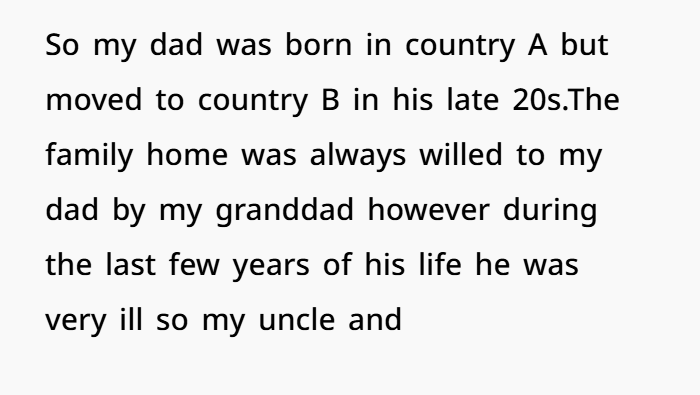
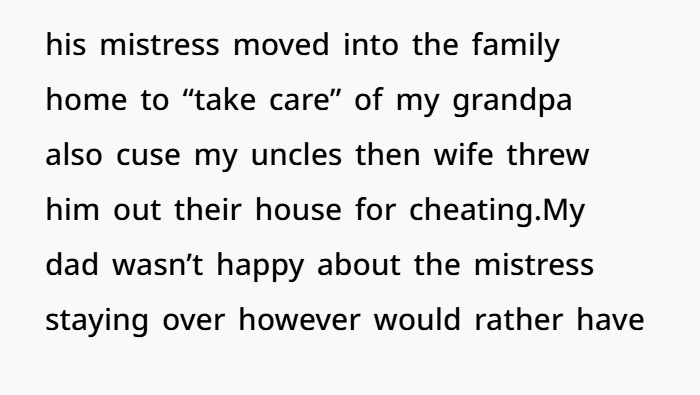
A man was set to inherit his family home, but his brother moved into the place with his mistress, stating that he’ll “take care” of their ailing dad
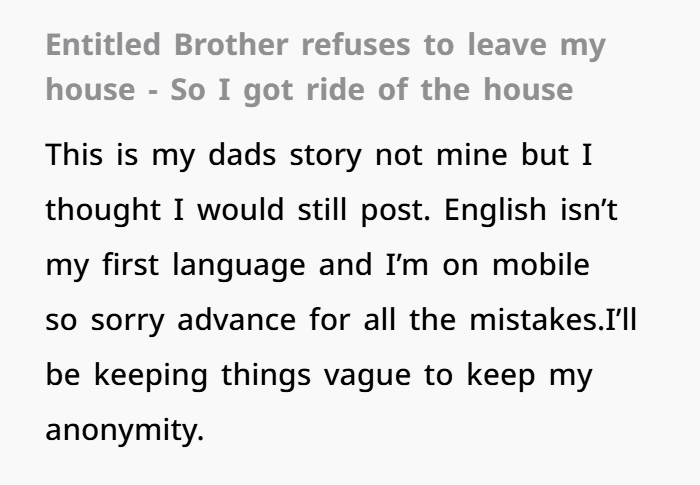

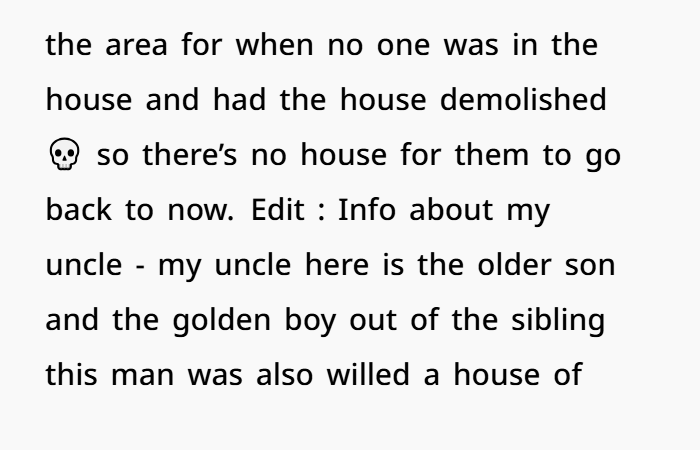
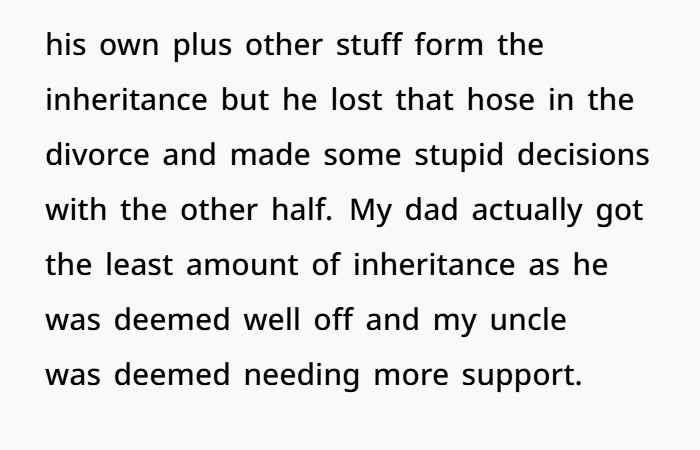
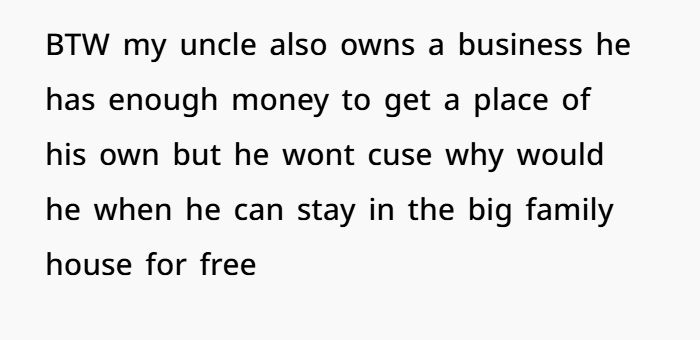
Family Inheritance Drama: When Free Living Turns Into a Big Family Problem
Family disagreements can become very complicated, especially when money, property, and inheritance are involved.
A home is not just a building. For many families, it represents memories, hard work, and years of emotional connections. That is why inheritance disputes can create long-lasting tension between relatives.
This story is a good example of how unclear expectations and family pressure can turn a simple property matter into a serious conflict.
When an Inherited Home Becomes a Family Dispute
The situation started when a father inherited his family home from his own father.
The inheritance was not based on a family argument or a verbal promise. The property was passed down through a legal will, meaning the ownership decision had already been made.
Many people believe family inheritance should always be divided equally, but that is not how inheritance laws work. A person can usually decide how their assets, including real estate property, should be passed on according to their wishes and local laws.
In this case, the grandfather chose to leave the house to one of his sons.
That decision created tension because another family member believed they deserved the home instead.
Helping Family Can Sometimes Create Problems
Before the grandfather passed away, another son moved into the home and helped take care of him.
Helping an aging parent is a big responsibility, and many families try to keep their loved ones at home instead of moving them into assisted living or senior care.
However, problems can happen when family members make informal arrangements without clear agreements.
Questions can come up later:
- Was the person living there a caregiver or a tenant?
- Was there an agreement about staying in the home?
- Was financial help being provided?
- What would happen after the family member passed away?
Without clear communication, these situations can quickly become difficult.
The Problem With Assuming Something Is Yours
After the grandfather passed away, the house legally belonged to the person named in the will.
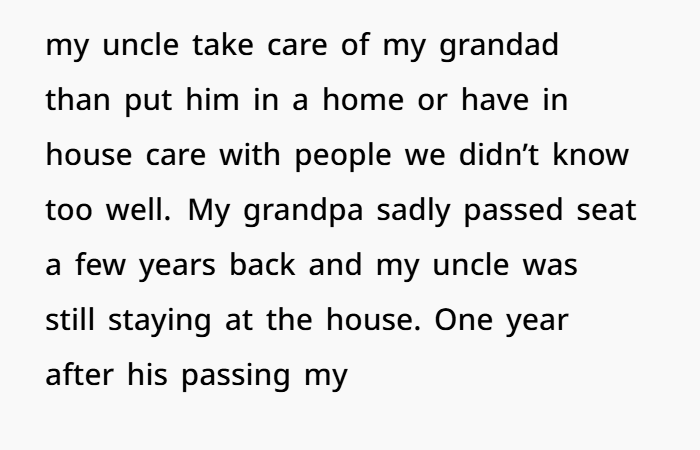
However, the relative who was already living there refused to leave.
This created a difficult situation because owning a property and removing someone from that property are not always simple matters.
In many places, even a property owner must follow proper legal steps when asking someone to leave. This can involve notices, eviction procedures, and sometimes legal advice.
That is why real estate law, property rights, and family estate planning are so important.
When Family Members Expect Too Much
One of the biggest issues in family conflicts is when someone starts viewing help as a permanent right.
A temporary living arrangement can slowly turn into an expectation.
For example, a family member may think:
“I have been here for years, so I should be allowed to stay.”
But the property owner may think:
“This was only meant to be temporary.”
When both sides have different expectations, resentment grows.
This is why families should create clear agreements about property, money, and living arrangements.
Setting Boundaries With Relatives
In this story, the homeowner reportedly tried to solve the problem peacefully.
Instead of immediately taking legal action, he gave options:
- Move out
- Purchase the property
- Find another housing arrangement
Trying to find a fair solution is often the best first step in family disputes.
However, when agreements are repeatedly ignored, people may eventually decide they need stronger boundaries.
Setting boundaries does not always mean someone is being cruel. Sometimes it means protecting your property, finances, and peace of mind.
Why Property Disputes Can Become So Emotional
Inheritance disputes are rarely only about money.
They often involve:
- Old family relationships
- Feelings of favoritism
- Past disagreements
- Expectations about fairness
- Unspoken promises
A person may feel hurt because they believe they were treated unfairly.
Another person may feel frustrated because they believe their legal rights are being ignored.
Both emotions can be very strong.
The Importance of Estate Planning
This situation also shows why proper estate planning is important.
A clear estate plan can help families avoid confusion after someone passes away.
Important steps can include:
- Creating a legal will
- Clearly naming beneficiaries
- Discussing property decisions with family members
- Keeping important documents organized
- Getting professional legal guidance when needed
Good planning can reduce stress during an already emotional time.
Family, Money, and Respect
At the center of many inheritance conflicts is one simple issue: respect.
Respect means understanding that a person’s property decisions matter. It also means communicating honestly and not taking advantage of someone’s kindness.
Helping family members is a wonderful thing, but help should not become a situation where one person carries all the responsibility while another person benefits without limits.
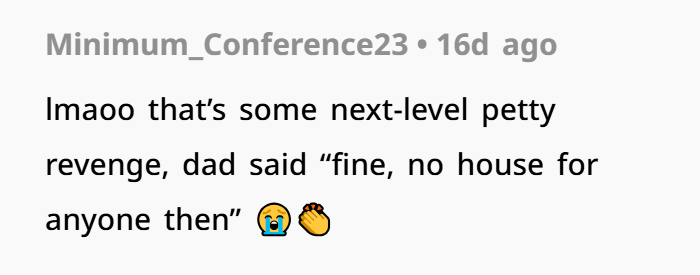
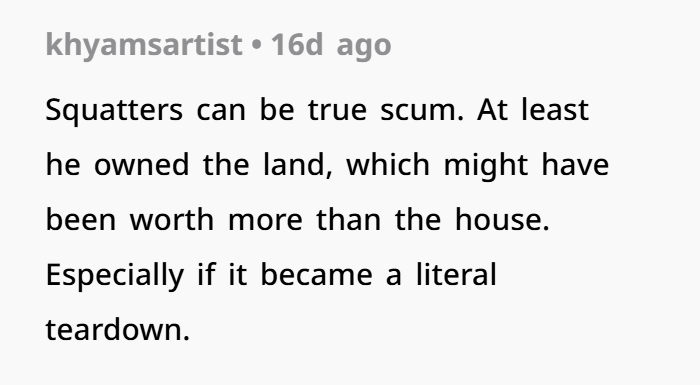
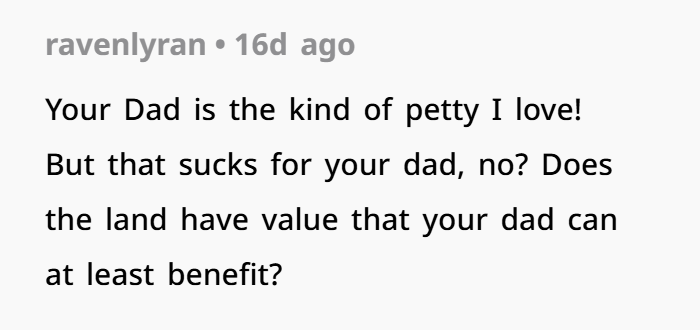
Folks were shocked by the man’s decision to demolish his home and felt that he could have taken other steps to get his brother to move

Final Thoughts
Family property disputes can be painful because they mix emotions with legal issues.
An inherited home may represent a family’s history, but ownership and responsibility still matter.
The biggest lesson from stories like this is the importance of communication, clear agreements, and healthy boundaries.
Family relationships are valuable, but protecting your rights and your future is important too.
Sometimes the hardest decisions are the ones needed to bring peace back into your life.