My Client Married My Ex… Do I Tell Her or Walk Away?

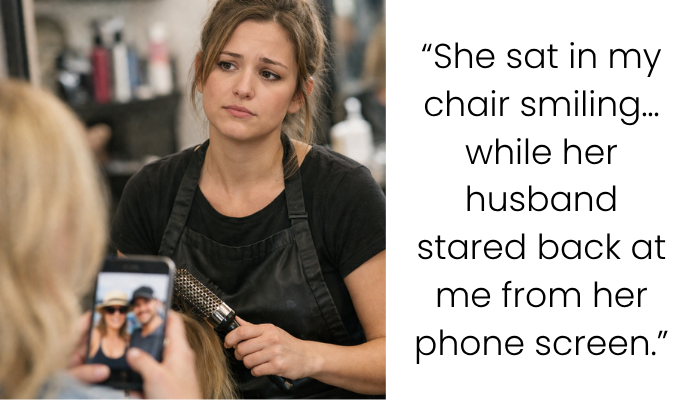
A 28-year-old hairstylist shared a surprising experience involving one of her regular clients. At first, everything seemed normal. She built a friendly relationship with a 29-year-old woman who visited the salon often. They talked, laughed, and shared small details about their lives, just like many hairstylists and clients do.
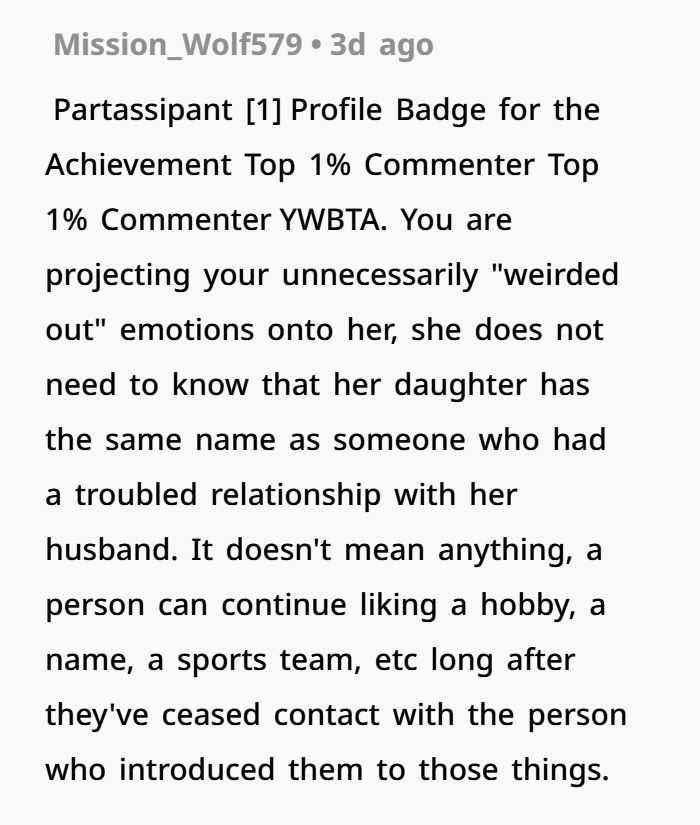
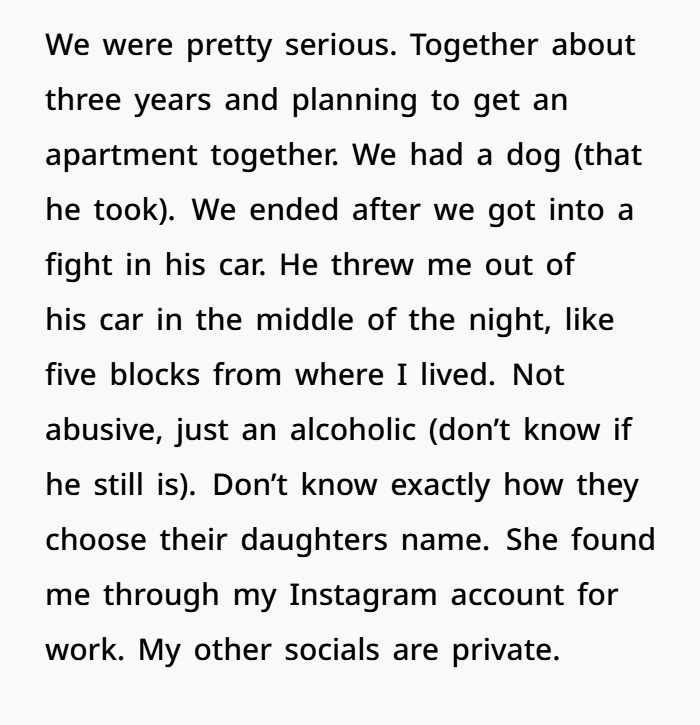
The client sometimes mentioned her husband, family, and personal life. She also shared that her daughter had the same unusual name as the hairstylist, which seemed like a fun coincidence. Over time, the two women continued having friendly conversations without any concerns.
However, the hairstylist started noticing small similarities between their lives. They had attended the same university and seemed to have similar backgrounds. At first, these details did not seem important, but they slowly became more noticeable.
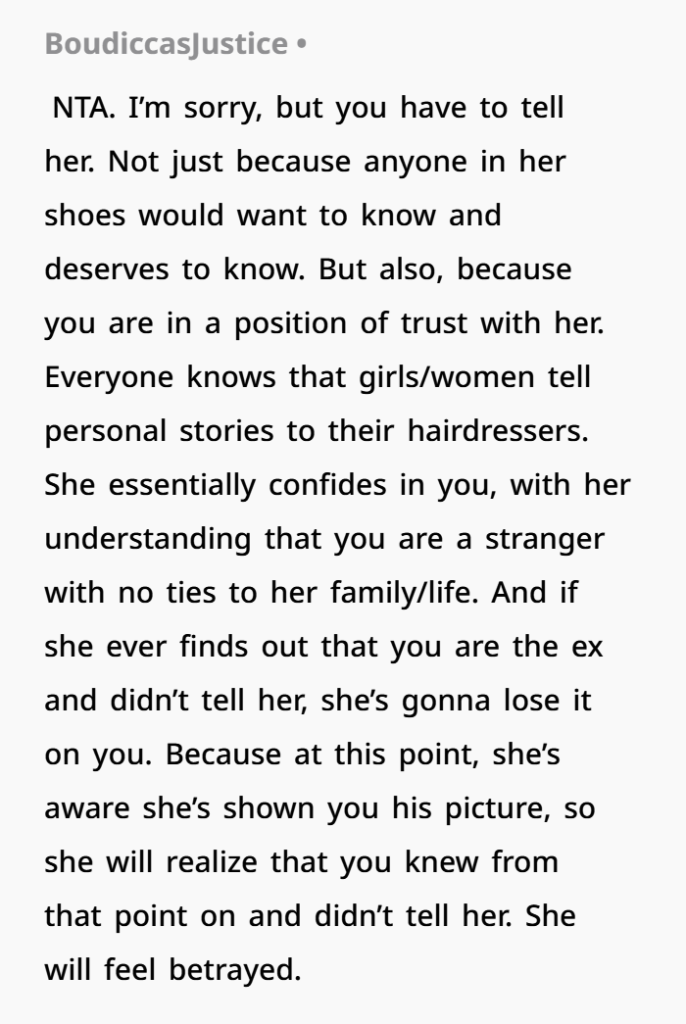
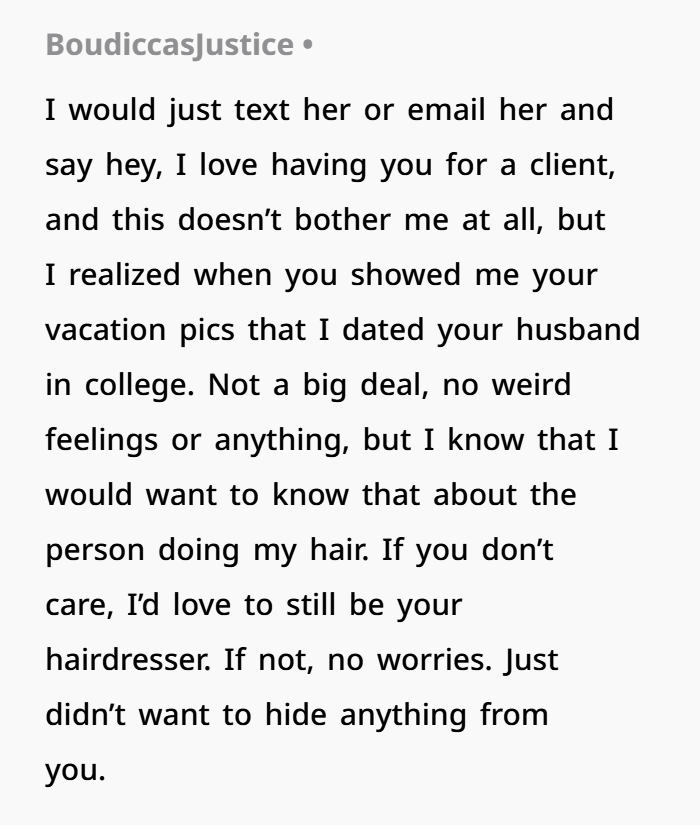
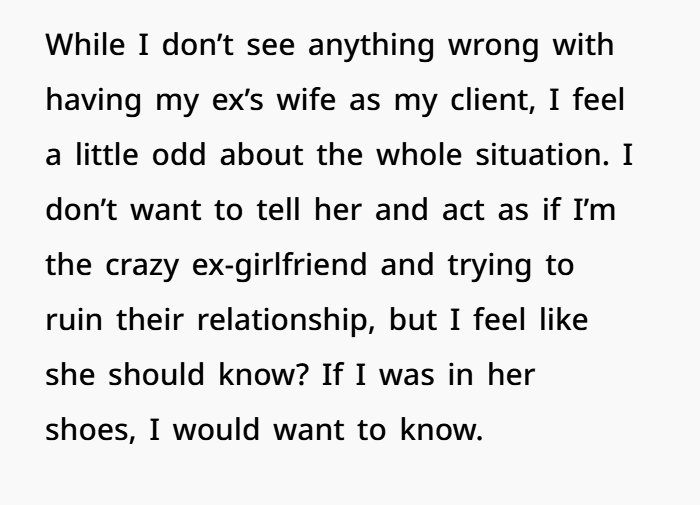
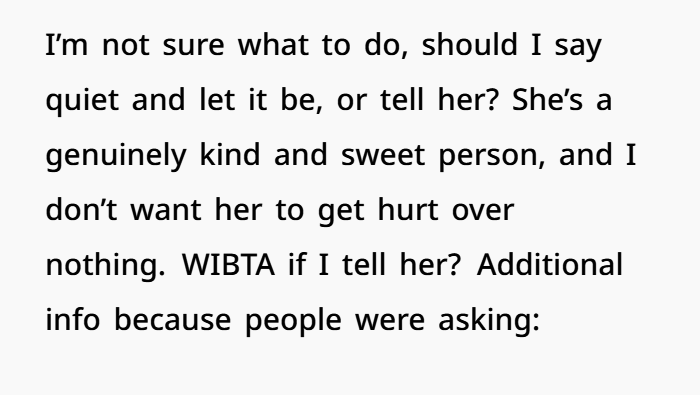
One day, the client showed some vacation photos during a conversation. The hairstylist was shocked when she saw the person in the pictures. It was her ex-boyfriend—the same man she had dated for three years and once imagined building a future with. Their breakup had been difficult, so seeing him connected to her client changed the situation completely.
What started as a normal professional relationship suddenly became an emotional and uncomfortable situation. The experience shows how unexpected connections from the past can sometimes appear in surprising ways and create complicated feelings.

Should You Tell Someone About Your Partner’s Past? Understanding Boundaries and Professional Ethics
Some situations are difficult because there is no simple right or wrong answer. They involve emotions, personal history, professional boundaries, and the question of whether sharing the truth is always the best choice.
This type of situation can happen in many service-based businesses, especially jobs where professionals build close relationships with clients. Hair stylists, beauty professionals, personal trainers, and other service providers often hear personal stories from their clients. Over time, trust and comfort naturally grow.
However, even with a friendly relationship, the connection is still professional. A service provider has to understand where personal feelings end and professional responsibility begins.
Keeping Personal History Separate From Business
A hairstylist may meet many people throughout their career. Sometimes, they may already know a client’s family member, friend, or partner from the past.
Knowing someone before they became part of a client’s life is not automatically a problem. A past connection does not always need to be shared, especially if it has no effect on the service being provided.
Professional boundaries are important because clients come to businesses expecting a safe and comfortable experience. Bringing personal history into that space can sometimes create unnecessary stress or confusion.
Before sharing personal information, it is helpful to ask:
- Does this information affect the client’s current situation?
- Will knowing this help them make an important decision?
- Am I sharing this for their benefit or because I feel emotional about it?
These questions can help people make better choices.
When the Past Brings Up Strong Emotions
The situation becomes more complicated when the past relationship was serious.
A long-term relationship can leave a lasting emotional impact. When people spend years together, they often share important memories, responsibilities, and plans for the future.
A difficult breakup can also leave emotional wounds. Seeing a former partner again unexpectedly can bring back old feelings, even after many years have passed.
Sometimes small details can make emotions stronger. A familiar name, a similar situation, or an unexpected connection can make someone start thinking about the past again.
However, emotions from the past do not always mean there is a problem in the present.
People change, relationships end, and life moves forward.
Does the Other Person Need to Know?
This is where many people have different opinions.
Some people believe complete honesty is always the best choice. They feel that sharing information about the past shows openness and prevents future trust issues.
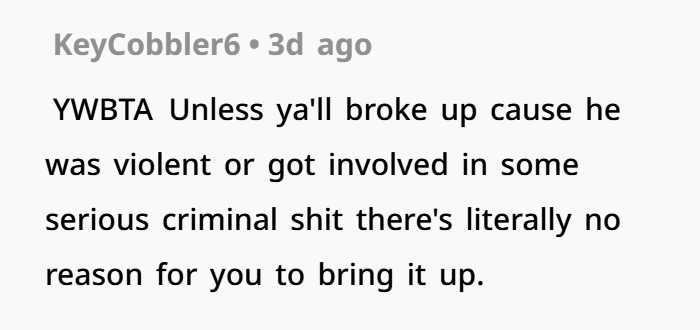
Others believe that not every detail from the past needs to be shared, especially when it has no effect on the present relationship.
A useful way to look at this is through relevance.
Ask yourself:
Does this information protect someone, help them, or affect their choices today?
If the answer is no, sharing it may only create unnecessary worry.
In this situation, there was no current relationship problem, no hidden relationship, and no ongoing connection that affected the marriage. The information was simply about something that happened before.
Sometimes sharing old information can create questions and doubts that were never there before.
The Importance of Emotional Intelligence
Honesty is important, but emotional intelligence matters too.
Being honest does not always mean saying every thought or every piece of information you know. Good communication also considers timing, purpose, and possible impact.
Before sharing something personal, it helps to think about:
- Why am I saying this?
- What result do I hope to create?
- Could this create unnecessary stress?
- Is this information actually useful?
A thoughtful approach can prevent unnecessary conflict.
Protecting Client Trust and Professional Relationships
In client-based businesses, trust is extremely valuable.
Customers want to feel comfortable, respected, and confident with the person providing a service. A strong client relationship is built through reliability, professionalism, and positive experiences.
Sharing sensitive personal information about someone’s partner could change that relationship. Even with good intentions, the client may feel confused, uncomfortable, or unsure about the situation.
This can affect the professional relationship and make future appointments feel different.
For small businesses, customer experience and reputation management are especially important. A single uncomfortable situation can sometimes affect reviews, referrals, and word-of-mouth marketing.
Choosing Distance as a Healthy Boundary
Sometimes the best solution is not a big conversation. Sometimes it is simply creating distance.
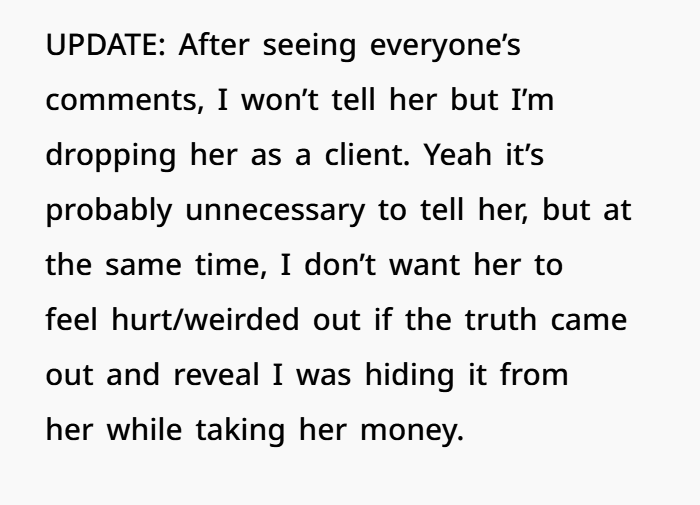
If a professional feels uncomfortable continuing a client relationship because of personal history, stepping away respectfully can be a healthy choice.
This does not mean they are being unprofessional. It means they are recognizing their own emotional limits and protecting their personal well-being.
Healthy boundaries are important in both personal and professional life.
A person can care about doing the right thing while also choosing what feels emotionally healthy for them.
The Bigger Lesson About Truth and Boundaries
At the end of the day, situations like this are not always about choosing between honesty and secrecy.
They are about understanding the difference between useful information and unnecessary information.
Good relationships—both personal and professional—are built on trust, respect, and thoughtful communication.
Sometimes telling the truth can solve a problem. Other times, sharing information that has no real impact can create a problem that did not exist.
The best choice is often the one that considers everyone involved, protects trust, and creates the most respectful outcome.
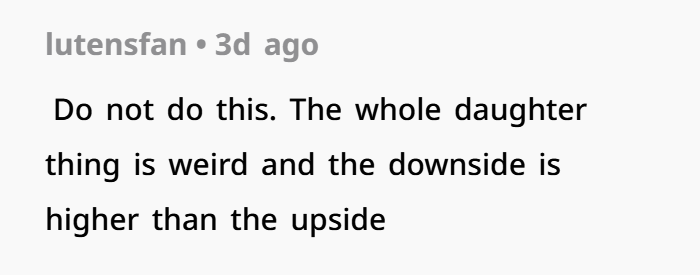
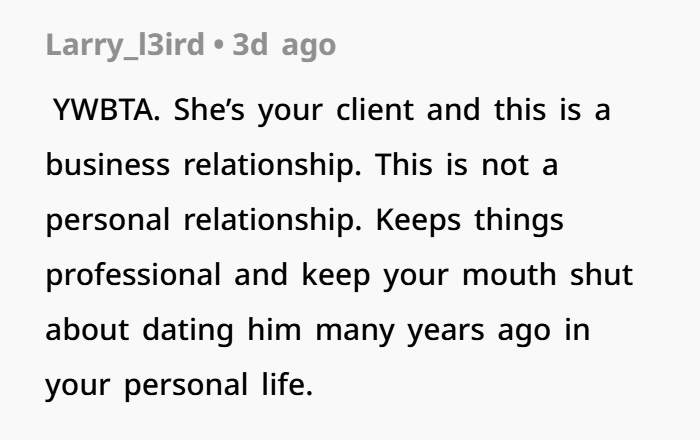
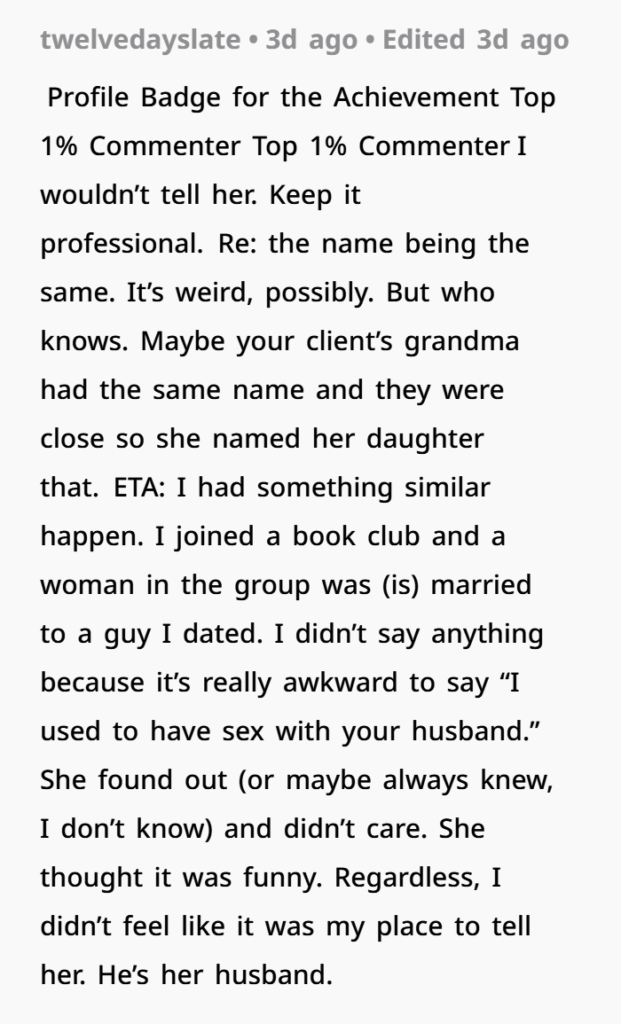
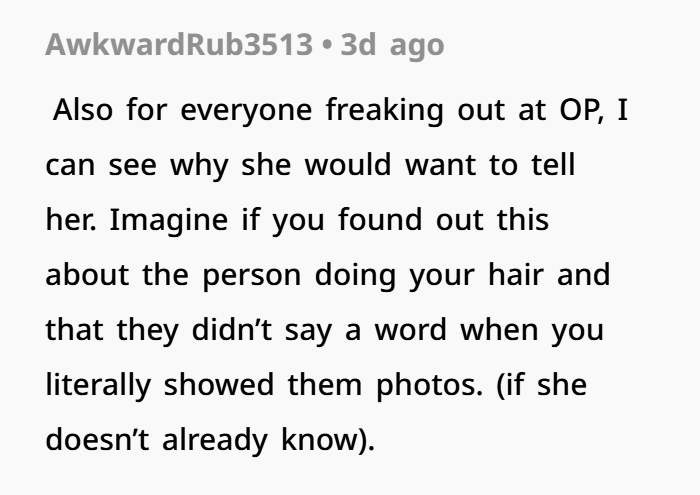
See The Comments Below