Woman Tried to Shame My Dad on Mother’s Day… So I Told Her I Don’t Have a Mom

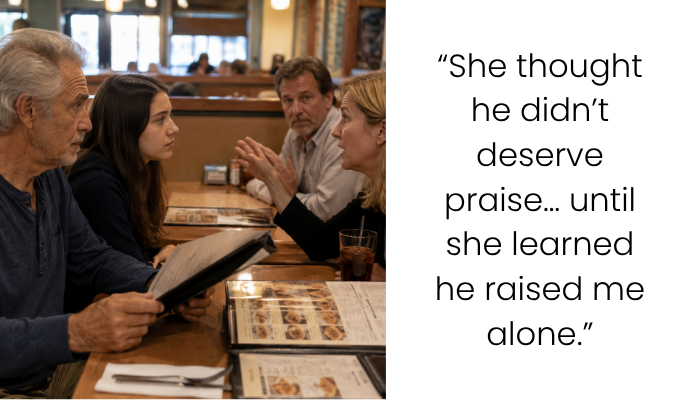
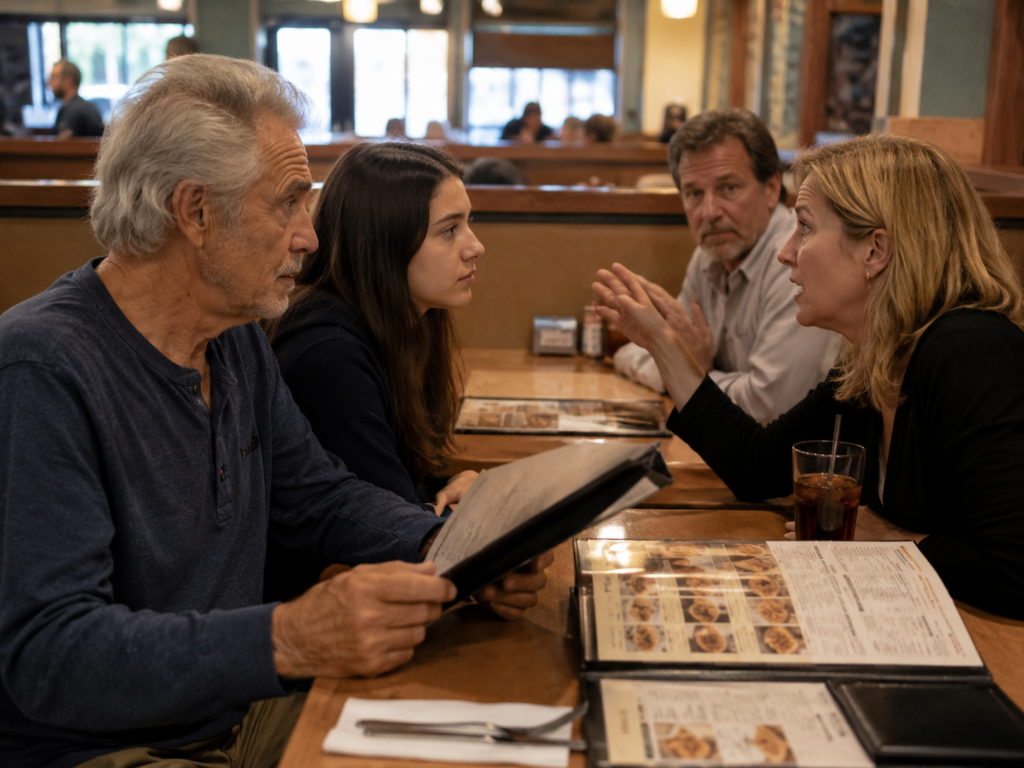
Mother’s Day is usually a time for families to show love, appreciation, and gratitude. However, one family dinner became uncomfortable when a stranger questioned who should be celebrated during the holiday. A 19-year-old woman was having dinner with her 70-year-old father when another customer wished them a happy Mother’s Day. The father politely accepted the kind words, and they continued enjoying their meal.
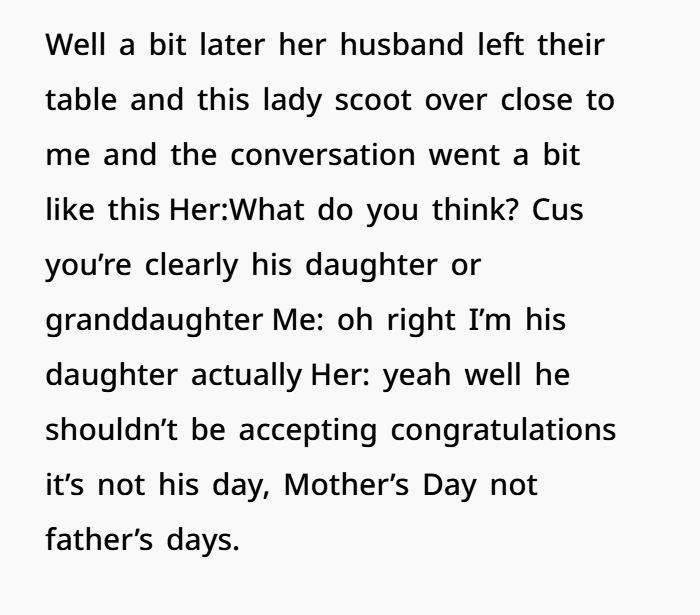
The situation changed when another woman nearby became upset. She believed the father should not accept a Mother’s Day greeting because there was no mother at the table. She approached the daughter and questioned why her father was being included in the celebration.
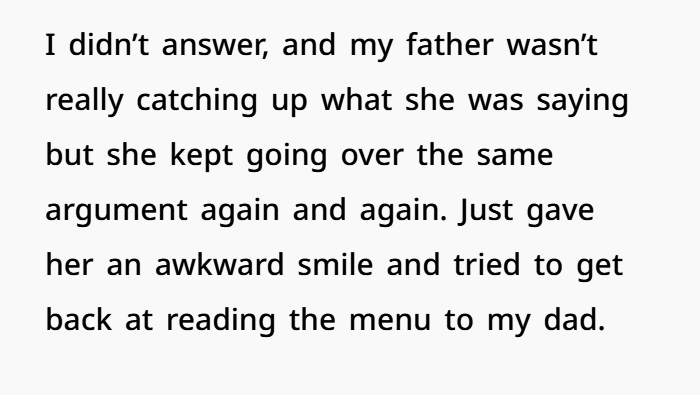
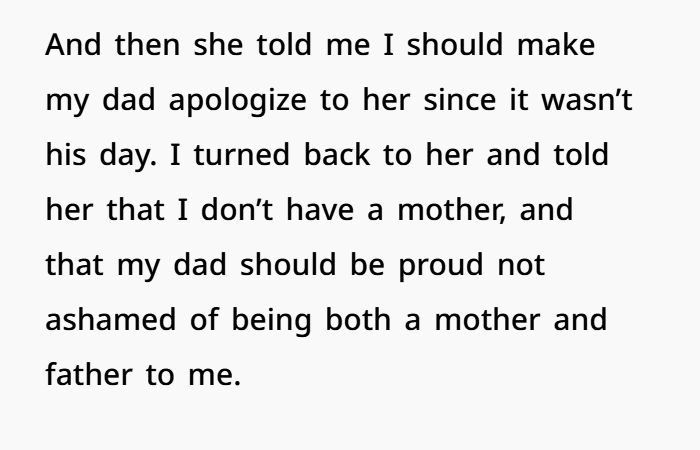
The daughter tried to stay calm and avoid an argument, but the comments continued. Eventually, she explained that she did not have a mother and that her father had been the person who supported and cared for her throughout her life. She shared that he had taken on the responsibilities of both parents and deserved appreciation for everything he had done.
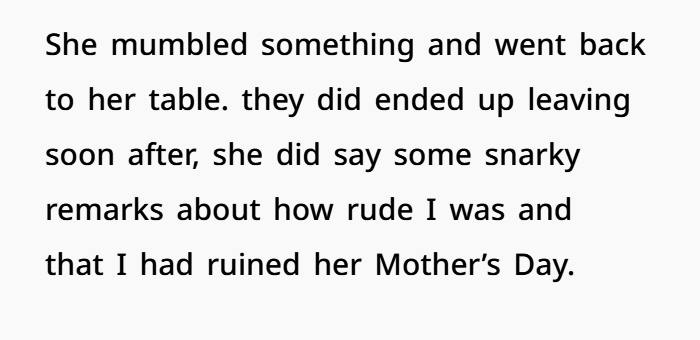
After hearing the explanation, the stranger stopped the conversation. The moment later became a discussion about family, parenting, and the many different ways people celebrate special occasions. The story also showed why it is important to avoid making quick assumptions about other people’s lives, because every family has a unique story.
Why Family Stories Are Complicated: A Lesson About Single Parents and Understanding Others
Some family situations become popular because they remind people of something important: we never truly know what another person’s family has been through.
This story created a lot of discussion because it involved family, grief, parenting, and the different ways people celebrate special occasions.
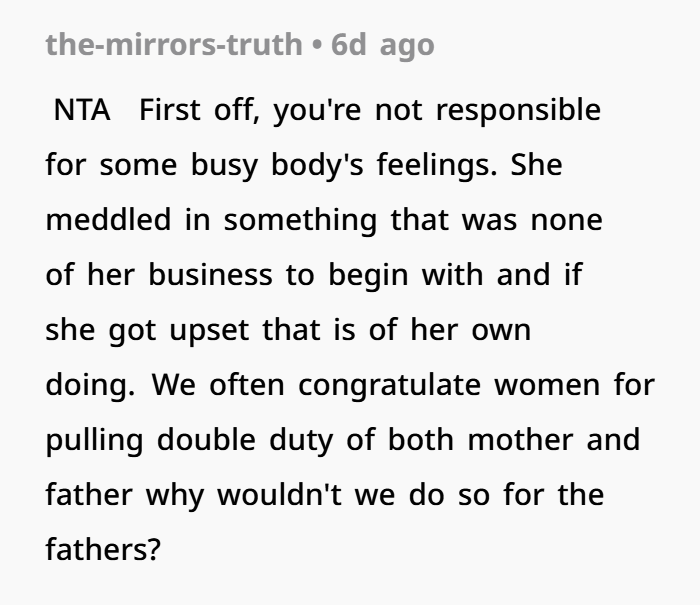
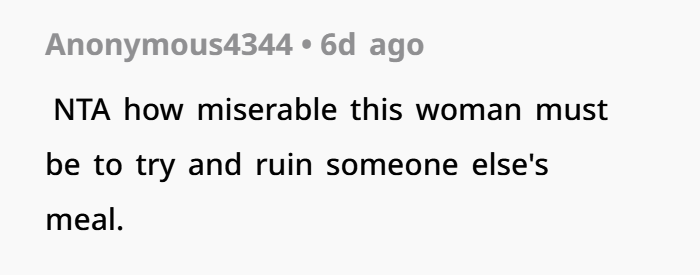
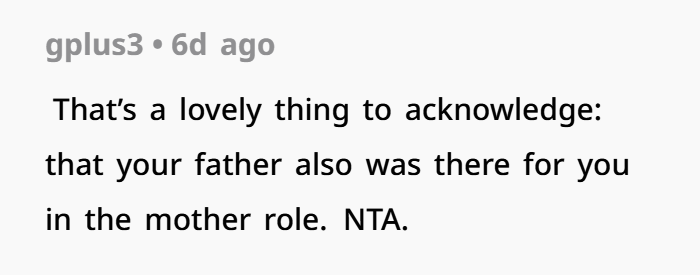
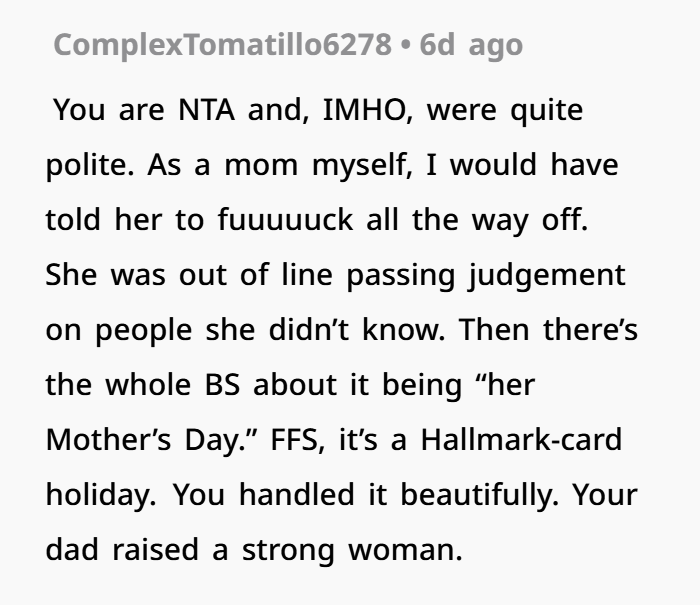
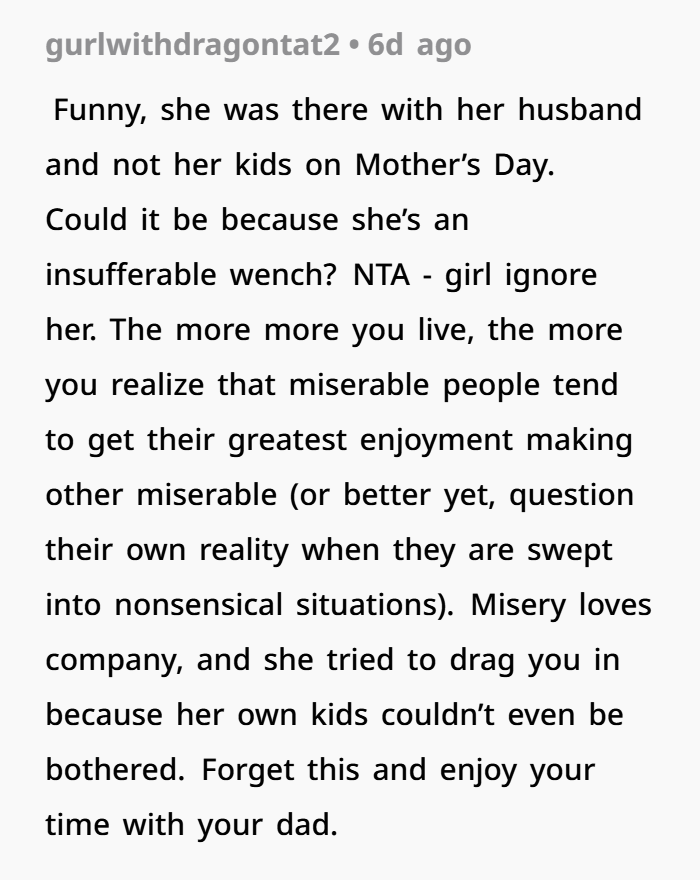
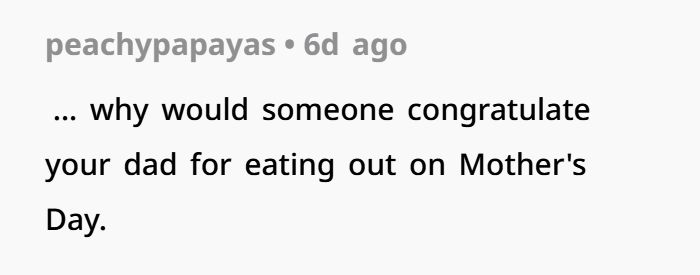
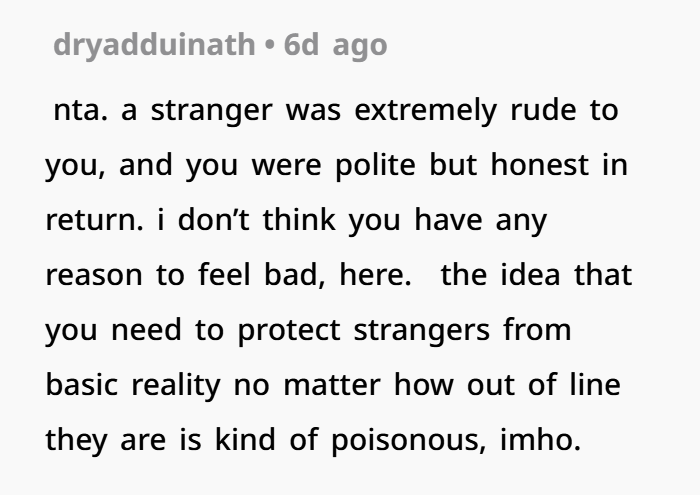
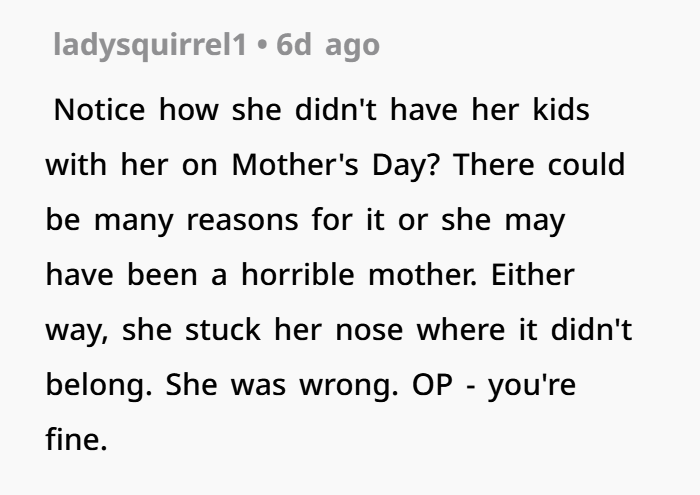
Many people had different opinions about how everyone handled the conversation. Some felt the daughter’s reaction was understandable, while others believed the situation could have been ignored.
But when looking closely at the situation, many people agreed on one important point: making assumptions about strangers can easily lead to unnecessary conflict.
A Simple Holiday Greeting Became a Bigger Issue
The situation started with a simple Mother’s Day greeting.
A person congratulated a father and daughter during the holiday. In many public places, people say kind things without knowing someone’s full family story.
They usually do not know:
- Who raised the children
- Who is a single parent
- Who has lost a family member
- What challenges a family has experienced
Most of the time, these comments are meant to be friendly.
The father and daughter responded politely, and many people felt the moment could have ended there.
Families Do Not All Look the Same
One reason this story connected with many people was because it highlighted how different families can be.
Not every child grows up in the same situation.
Some children are raised by:
- Single mothers
- Single fathers
- Grandparents
- Relatives
- Foster parents
- Other caregivers
A family is not defined only by traditional roles. Many parents take on multiple responsibilities to support their children.
Single fathers, in particular, often balance many roles at once, including:
- Providing financially
- Supporting their child emotionally
- Managing daily responsibilities
- Creating a safe and loving home
Why the Daughter’s Reaction Felt Personal
The daughter in the story was young and had experienced the loss of her mother.
Losing a parent can create deep emotional pain that lasts for many years. Grief can affect how people respond when someone makes comments about their family.
For her, the holiday may not have been only about celebrating mothers. It may have been about appreciating the parent who was present and supported her.
Many people understood why she wanted her father to feel valued.
The Importance of Emotional Support in Parenting
Parenting is not only about providing basic needs. It is also about emotional support, guidance, and being there during difficult moments.
Many parents who raise children alone carry a huge responsibility.
They often become:
- Caregivers
- Teachers
- Protectors
- Emotional support systems
Their efforts are sometimes overlooked because people focus only on traditional ideas of parenting.
Stories like this remind people that every family has a different journey.
The Problem With Making Quick Judgments
A major lesson from this situation is how quickly people can create stories about strangers without knowing the truth.
Someone may see only a small moment and make assumptions based on limited information.
But behind every family are experiences that others cannot see.
You may not know:
- Someone’s history
- Someone’s loss
- Someone’s struggles
- Someone’s sacrifices
This is why kindness and understanding are important when interacting with others.
Healthy Communication Matters
Many family conflicts happen because people react before understanding.
Healthy communication means:
- Listening first
- Asking questions respectfully
- Avoiding personal assumptions
- Considering another person’s feelings
Small misunderstandings can become bigger problems when emotions take control.
Taking a moment to think before speaking can prevent unnecessary hurt.
Celebrating Parents in Different Ways
Special occasions like Mother’s Day and Father’s Day are often about appreciation.
For many people, these holidays are not only about specific titles. They are about recognizing the people who provide love, care, and support.
A parent’s role is often defined by actions:
- Showing up
- Protecting their child
- Offering guidance
- Creating memories
- Providing emotional support
Many people believe that anyone who takes on those responsibilities deserves appreciation.
The Bigger Lesson About Family Values
The main message behind this story is simple: every family has a story.
Some families experience loss. Some families change over time. Some children are raised by people who take on roles others may not expect.
Instead of judging quickly, showing compassion can create better conversations and stronger communities.
The father and daughter in this story were simply spending time together and celebrating their relationship.
The situation became a reminder that kindness matters, assumptions can hurt, and family is often defined by love, support, and the people who are there when we need them most.
Readers’ Comments Speak Out