I Kissed a Friend at 17 Now My Partner Thinks It Changes Everything


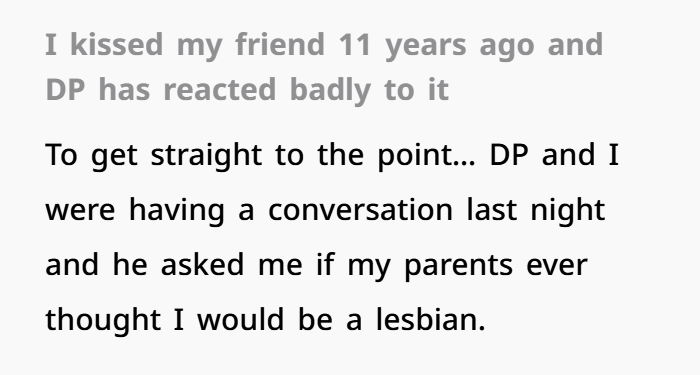
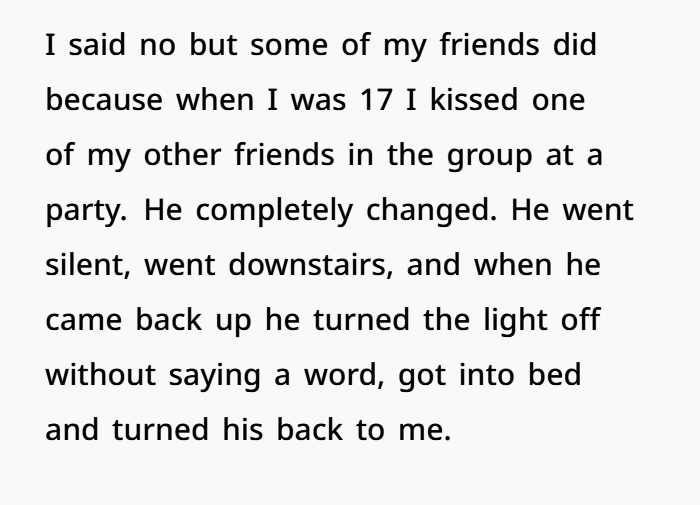
A woman had a simple conversation with her partner that quickly became an emotional problem. Her partner asked if anyone had ever thought she might be attracted to women. She answered honestly and shared that when she was 17, she kissed a female friend once at a party. To her, it was just a small moment from the past that did not affect her current relationship.
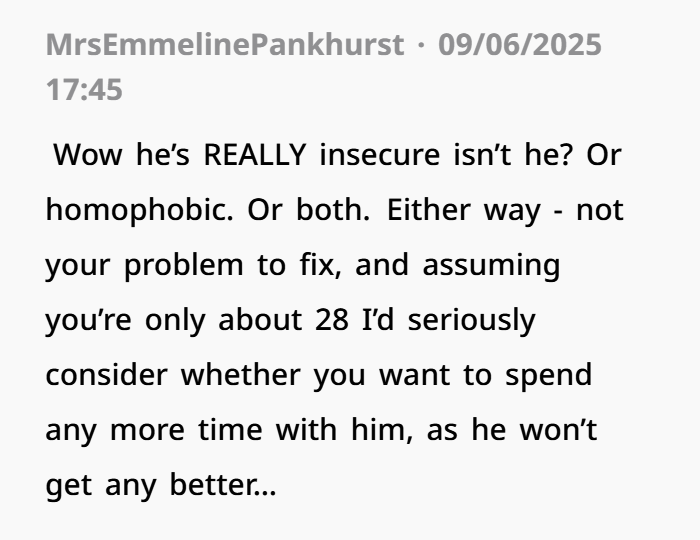
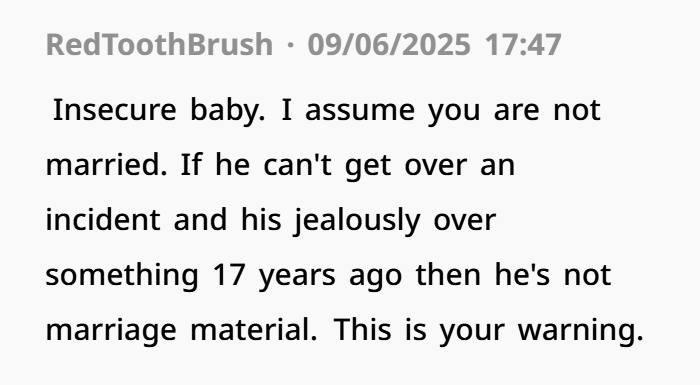
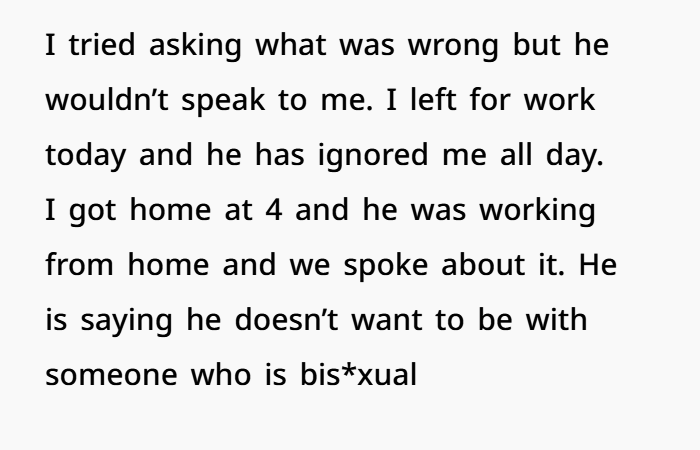
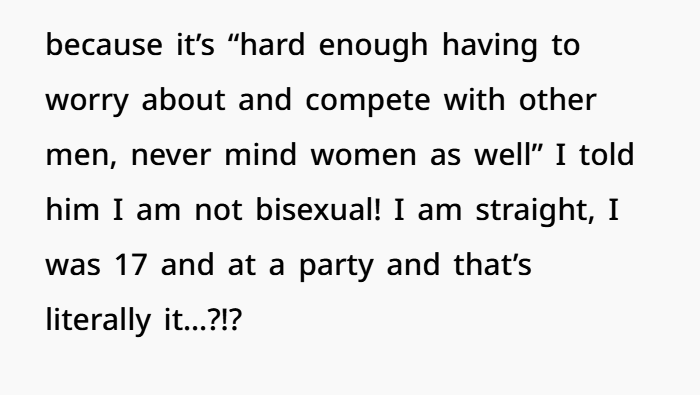
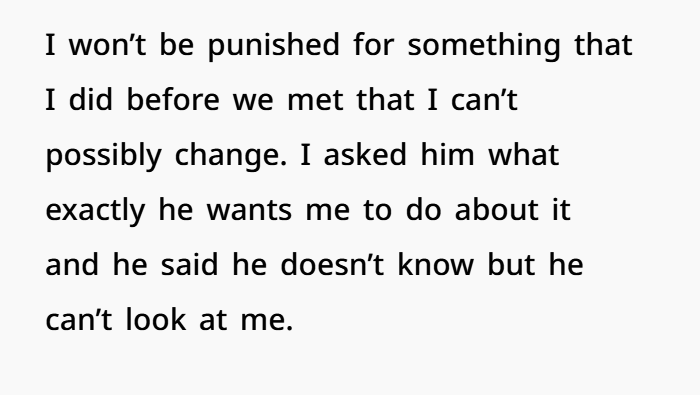
However, her partner reacted very differently. His mood changed, and he became quiet and distant. Later, he explained that he felt uncomfortable and said he did not want to be in a relationship with someone who might be bisexual. This turned a simple discussion about the past into a bigger relationship issue involving trust, insecurity, and communication.
She tried to explain that the experience happened many years ago and was not connected to her current feelings or commitment. She wanted him to understand that one past experience does not define a person or change the love and trust in a relationship.
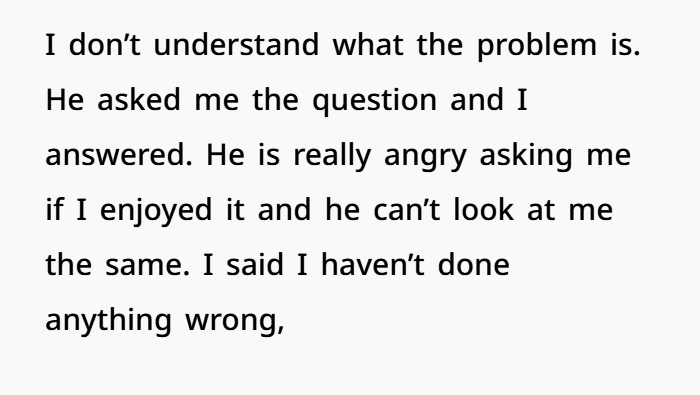
Even after her explanation, he continued to focus on the situation. He questioned her feelings and made assumptions about what the moment meant. Eventually, he said that he could not see her in the same way anymore.
Now she is wondering if his reaction is normal or if it shows deeper relationship problems. Healthy relationships often require respect, honest communication, and understanding that people can have different experiences before meeting their partner. Handling personal history with kindness and trust is an important part of building a strong relationship.
When a Partner Overreacts to Your Past: Understanding Trust, Insecurity, and Healthy Communication
At first, this situation may look like it is only about a kiss.
But the real issue is much bigger.
It is about trust, insecurity, communication, and how people understand their partner’s past.
Sometimes a small event can create a big emotional reaction when fear and misunderstandings are involved.
A Teenage Experience Does Not Define Someone
The situation happened when you were 17 years old.
You were at a party and shared a kiss with a friend.
For many people, teenage years include moments of curiosity, learning, and understanding themselves better.
A single experience from adolescence does not automatically define someone’s identity, future relationships, or personal values.
People grow and change as they get older.
A past moment does not always represent who someone is today.
In healthy relationships, partners understand that everyone has a history before they meet.
Understanding His Reaction
The comment about “competing with men and women” shows something important.
It may come from insecurity and fear rather than from the actual situation.
Some people view relationships as something they have to constantly protect from competition.
Instead of thinking:
“My partner chooses me.”
They may think:
“I have to worry about losing my partner.”
This type of thinking can create stress in a relationship.
Fear Can Change How People See Things
When someone feels insecure, they may start looking for signs that support their fears.
This can cause them to misunderstand normal situations.
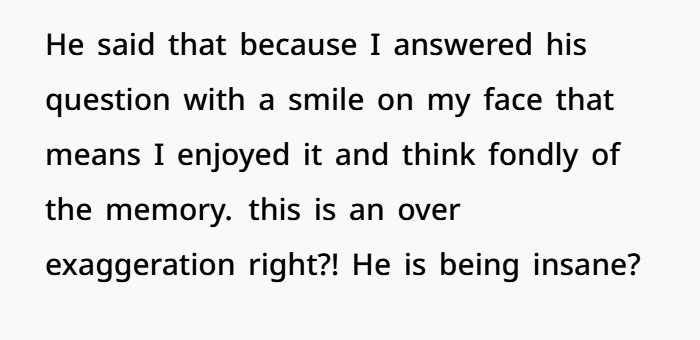
For example, a smile during an uncomfortable conversation does not always mean someone enjoyed something or had hidden feelings.
People smile for many reasons:
- Nervousness
- Awkwardness
- Feeling unsure
- Trying to handle an uncomfortable moment
Assuming one small action proves something bigger can create unnecessary conflict.
Sexual Orientation and Misunderstandings
Another important part of this situation is understanding identity.
A person’s past experience does not always define their sexual orientation.
People can have different experiences throughout their lives, and identity is personal.
Having a past same-sex experience does not automatically mean someone’s current relationship choices or commitment are different.
Healthy relationships are built on trust, honesty, and respect.
A person’s ability to be loyal depends on their values and choices, not simply on who they may have been attracted to in the past.
The Bigger Concern: How Conflict Is Handled
The most concerning part may not be the original event.
It may be how the disagreement was handled.
Healthy relationships require communication, even during uncomfortable conversations.
However, when someone:
- Stops communicating
- Withdraws affection
- Ignores their partner for long periods
- Responds with accusations instead of discussion
it can create emotional distance.
Sometimes people withdraw because they feel hurt or overwhelmed.
But if this becomes a repeated pattern, it can damage trust and emotional connection.
Feeling Blamed for Something You Did Not Hide
One important detail is that you were honest when asked.
You did not hide your past.
You answered a question openly.
Honesty is an important part of a healthy relationship.
When someone shares something personal and receives a very negative reaction, they may start questioning themselves.
They may think:
“Did I do something wrong?”
This can happen when another person’s reaction feels much stronger than the situation itself.
When Insecurity Becomes a Relationship Problem
Everyone experiences insecurity sometimes.
Feeling worried, jealous, or uncertain can happen in relationships.
The important part is how those feelings are handled.
A healthy approach sounds like:
“I feel insecure, and I want to understand this better.”
An unhealthy approach may look like:
“You caused my insecurity, so you need to fix it.”
Partners can support each other, but each person is responsible for managing their own emotions.
What a Healthy Conversation Could Look Like
Instead of focusing only on the past, couples can talk about what they need now.
A productive conversation may include:
- “What are you feeling?”
- “What fear is behind this reaction?”
- “How can we build more trust?”
- “How can we respect each other’s experiences?”
The goal should not be to prove who is right.
The goal should be understanding each other.
Does This Mean the Relationship Cannot Work?
Not necessarily.
A difficult moment does not automatically mean a relationship is unhealthy.
People can learn, communicate, and grow.
But both partners need to be willing to reflect.
One person cannot carry all the responsibility for making the relationship feel secure.
A strong relationship requires effort from both sides.
The Real Lesson
The important question is not only:
“Was the reaction too much?”
It is also:
“What does this situation show about how we handle differences?”
Everyone has a past.
Everyone has experiences that shaped them.
A healthy relationship is not built on judging every part of someone’s history.
It is built on trust, respect, honesty, and the ability to handle uncomfortable conversations with care.
A single moment from the past should not destroy a relationship.
But the way partners respond to difficult moments can reveal a lot about the future of that relationship.
Top Comments From Readers