I Didn’t Invite My Sister to My Wedding After What She Said About Me

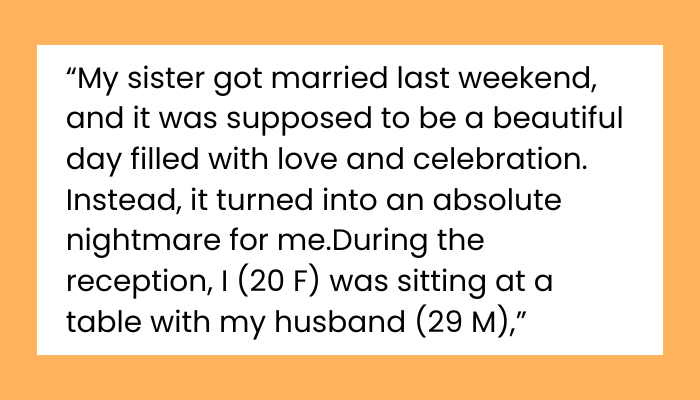
Wedding family problems can sometimes become much bigger than expected. This story is about a 25-year-old bride who became involved in a difficult family conflict before her wedding.
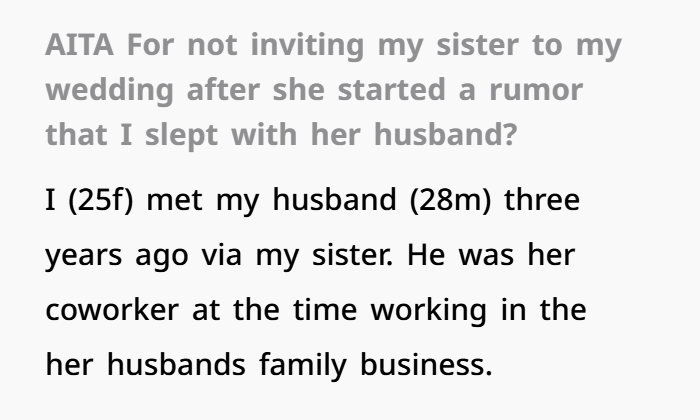
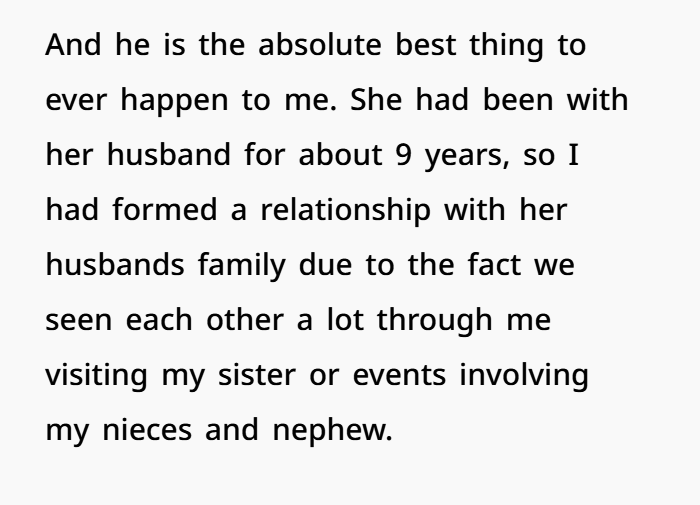
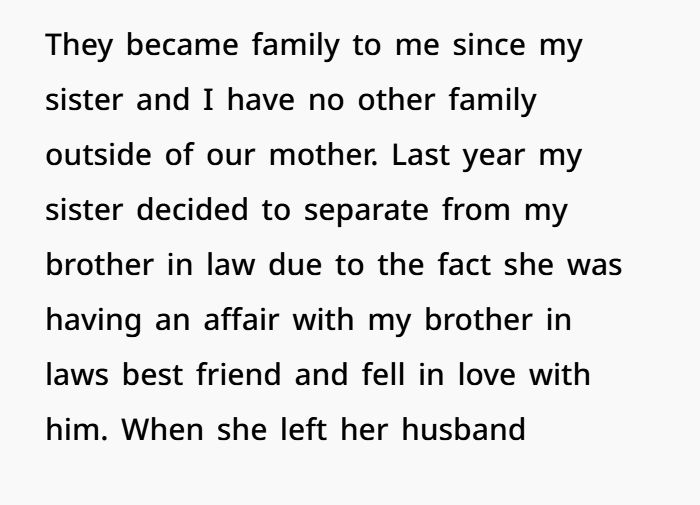
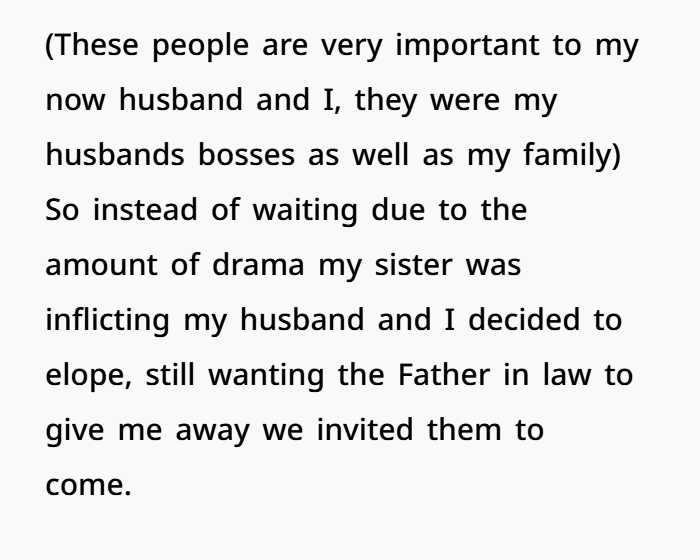
The bride explained that she met her husband through her sister a few years earlier. Her husband worked at the same family business as her sister’s husband, so they all spent time together. Over time, she became close with her sister’s husband and his family. Since she and her sister did not have a large extended family, these relationships became very important to her. She felt welcomed and supported by them.
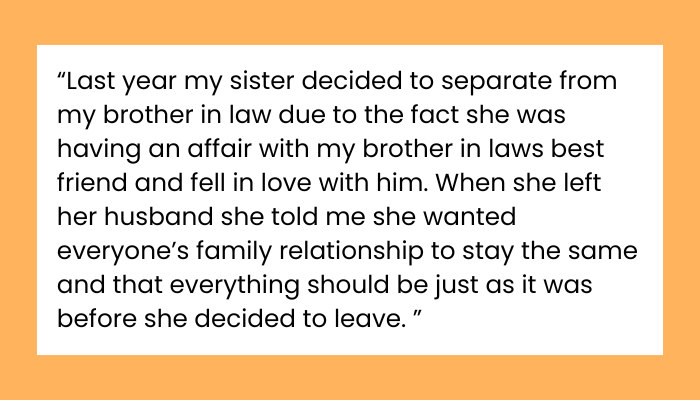
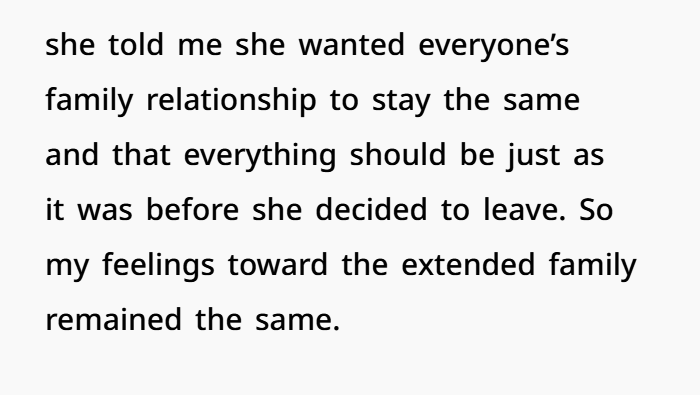
The situation changed when her sister left her husband after having an affair with his best friend. At first, the sister said that the divorce should not affect everyone’s relationships with each other. She believed people should be able to stay connected with both sides of the family.
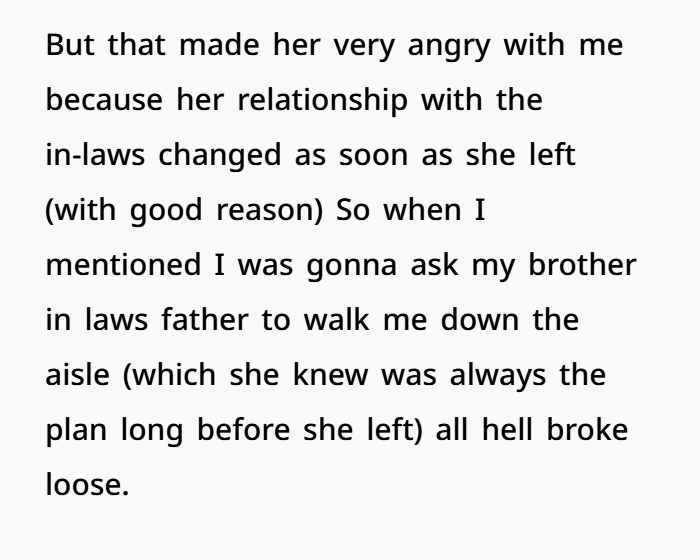
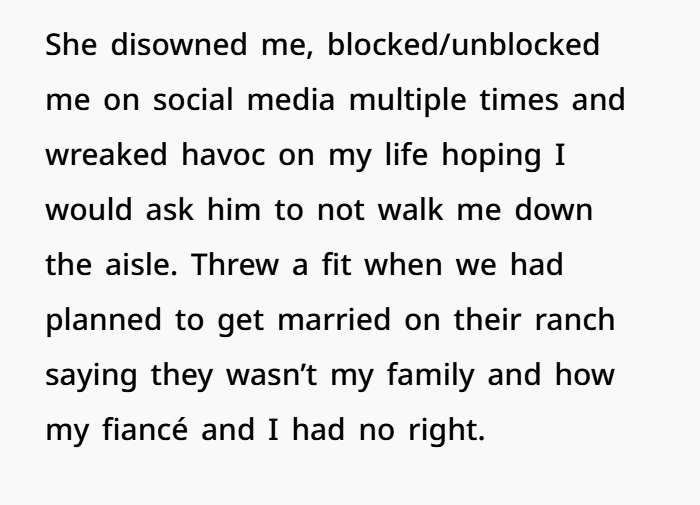
However, things became tense when the bride shared that she wanted her brother-in-law’s father to walk her down the aisle at her wedding. Her sister became very upset about the decision. The disagreement led to arguments, social media blocking, and more family conflict.
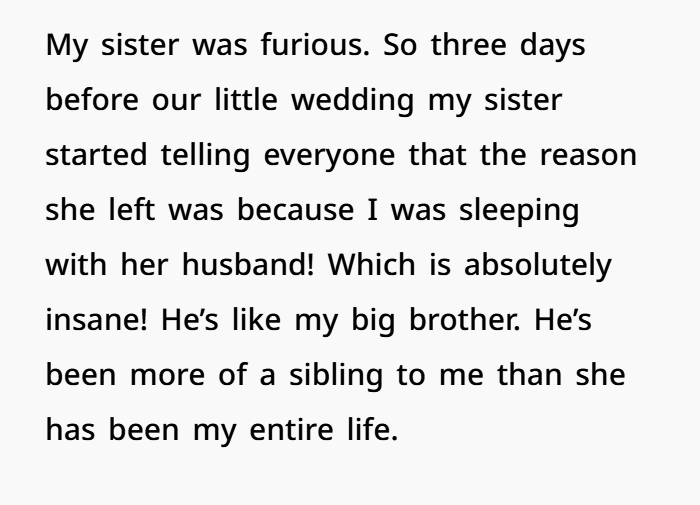
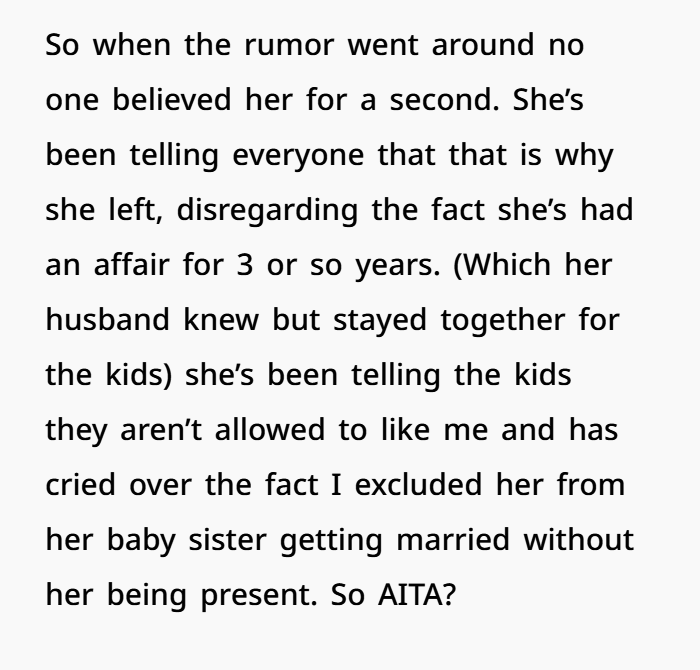
The situation became even worse when the sister started sharing a rumor that the bride had been involved with her husband. The bride says this accusation is not true and feels hurt by the claim. Now she is wondering if removing her sister from the wedding guest list was the right choice or if she went too far.
Family conflicts around weddings can be very emotional because they involve relationships, trust, and personal feelings. Setting clear boundaries and having honest conversations can help people handle difficult family situations.
When Family Conflict Affects a Wedding: Understanding Trust, Rumors, and Boundaries
Family problems can become very complicated when divorce, rumors, and important life events happen at the same time.
A wedding is usually a happy moment, but unresolved family issues can quickly create stress and emotional conflict. When trust has already been damaged, even small disagreements can become much bigger.
These situations are rarely only about one problem. They often involve:
- Family relationships
- Trust issues
- Personal boundaries
- Reputation
- Emotional healing after divorce
Understanding these different sides can help explain why family conflicts become so difficult.
The Impact of Serious Rumors
One of the biggest problems in this situation is the accusation itself.
Saying that someone had an affair with a family member’s spouse is a very serious claim. Even if a rumor is not true, it can still affect a person’s reputation, relationships, and emotional well-being.
False accusations can create long-lasting damage because people may remember the claim even after they learn the truth.
In some situations, spreading false information that harms someone’s reputation may have legal consequences depending on local laws. However, most family conflicts involving rumors are not handled through legal action. Instead, the biggest damage often happens through broken trust and damaged relationships.
Why Timing Can Make Family Conflict Worse
The timing of a conflict can change how people view a situation.
If a serious accusation appears shortly before a major event like a wedding, emotions can become even stronger.
Weddings are important family moments. They involve excitement, attention, and celebration. When someone introduces conflict during that time, it can create stress for everyone involved.
Family conflict experts often explain that major life events can bring hidden problems to the surface. Old disagreements and unresolved emotions sometimes appear during moments when families are already under pressure.
Divorce, Trust, and Protecting Reputation
Divorce can be emotionally difficult for everyone involved.
When a marriage ends, especially after trust problems, people may experience feelings like:
- Anger
- Sadness
- Embarrassment
- Disappointment
- Fear of judgment
Sometimes people may try to explain the situation in a way that protects their image or reduces blame.
This does not automatically mean every accusation is false. However, relationship experts often say that during emotional conflicts, people may react from pain rather than from a calm perspective.
That is why clear communication and honesty are important during difficult family situations.
When Families Stay Connected After Divorce
Long-term relationships often create strong connections between families.
When two people are married for many years, their families usually become close. Siblings, parents, and relatives may build their own relationships over time.
After a divorce, those connections do not always disappear immediately.
A person may continue caring about their former in-laws or family members because they were an important part of their life for many years.
From one person’s perspective, staying connected may feel normal and respectful.
But from another person’s perspective, it may feel like a lack of loyalty.
This is where family loyalty conflicts often begin.
Why Divorce Can Create Loyalty Problems
After a breakup or divorce, family members sometimes feel pressure to choose sides.
They may think:
- Who should I support?
- Am I betraying someone by staying close to the other person?
- Can I care about both sides?
Family counselors often explain that these situations are emotionally challenging because people are trying to support someone they love while also maintaining other important relationships.
There is not always one simple answer.
Why Weddings Can Increase Family Tension
Weddings are emotional events.
They represent love, commitment, family traditions, and new beginnings. Because of this, unresolved family issues often become more noticeable during wedding planning.
Problems may appear around:
- Guest lists
- Wedding roles
- Family involvement
- Old disagreements
A wedding can bring happiness, but it can also highlight existing conflicts.
Choosing Someone Special for a Wedding Role
Many modern weddings include people who are important to the bride or groom, even if they are not traditional choices.
Some people choose:
- Parents
- Step-parents
- Grandparents
- Mentors
- Close family friends
In this situation, choosing someone from a former spouse’s family may represent years of appreciation and emotional connection.
For one person, it may feel like a loving gesture.
For another person, it may feel hurtful or like rejection.
Both reactions come from different emotional experiences.
How Rumors Spread and Create More Damage
Once a serious rumor starts, it can quickly grow.
People may share information without knowing the full story. Each person may add their own opinions, making the situation even more complicated.
The problem with rumors is that they can affect how people see someone, even after the information is proven wrong.
This is why protecting personal reputation and avoiding unnecessary gossip is important.
Healthy communication is usually a better solution than spreading accusations or making assumptions.
Protecting Children During Family Conflict
Family conflict becomes even more sensitive when children are involved.
Divorce and family disagreements can already be stressful for children. They should not be placed in the middle of adult problems.
Child development experts often recommend that adults avoid making children choose sides or cutting off relationships as a way to punish someone else.
Children usually benefit from feeling safe, supported, and surrounded by healthy relationships.
The Importance of Personal Boundaries
Setting boundaries is an important part of protecting emotional health.
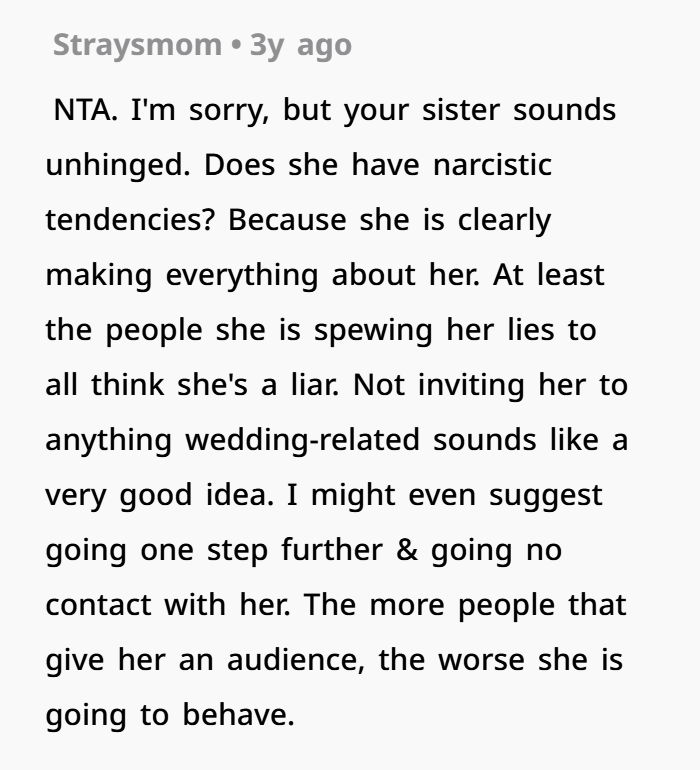
Choosing not to invite someone to a wedding because they are creating conflict does not always mean someone is being unfair.
Sometimes boundaries are necessary to protect:
- Mental health
- Emotional peace
- Important life events
- Personal relationships
Every family situation is different, but people have the right to create a safe environment during important moments.
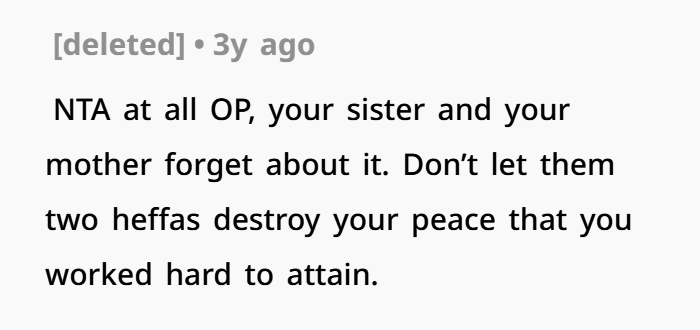
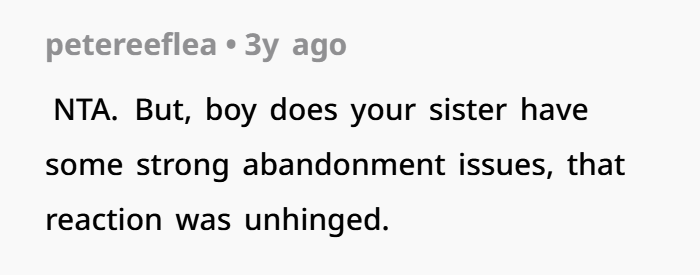
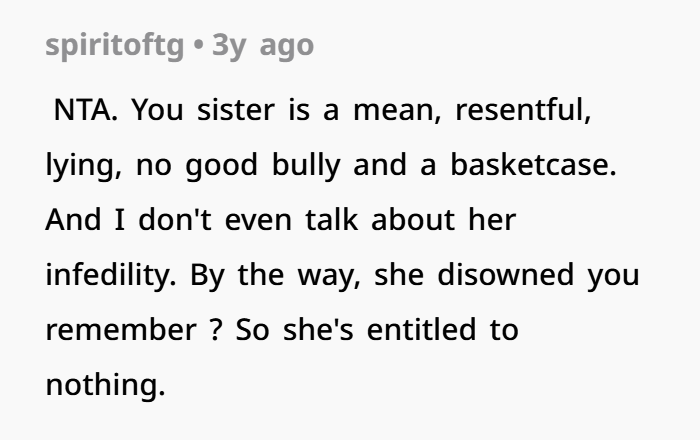
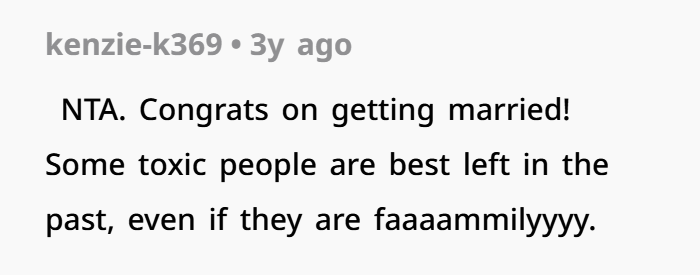
The Reactions Are In
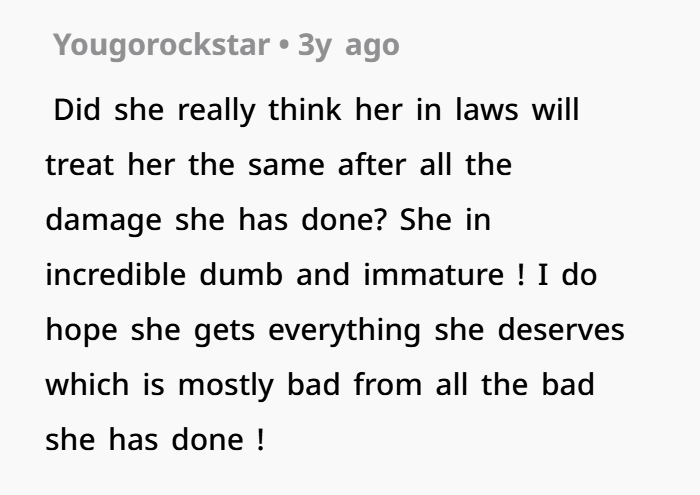
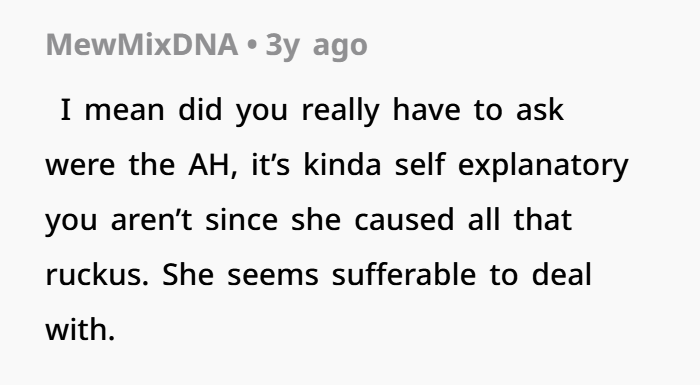
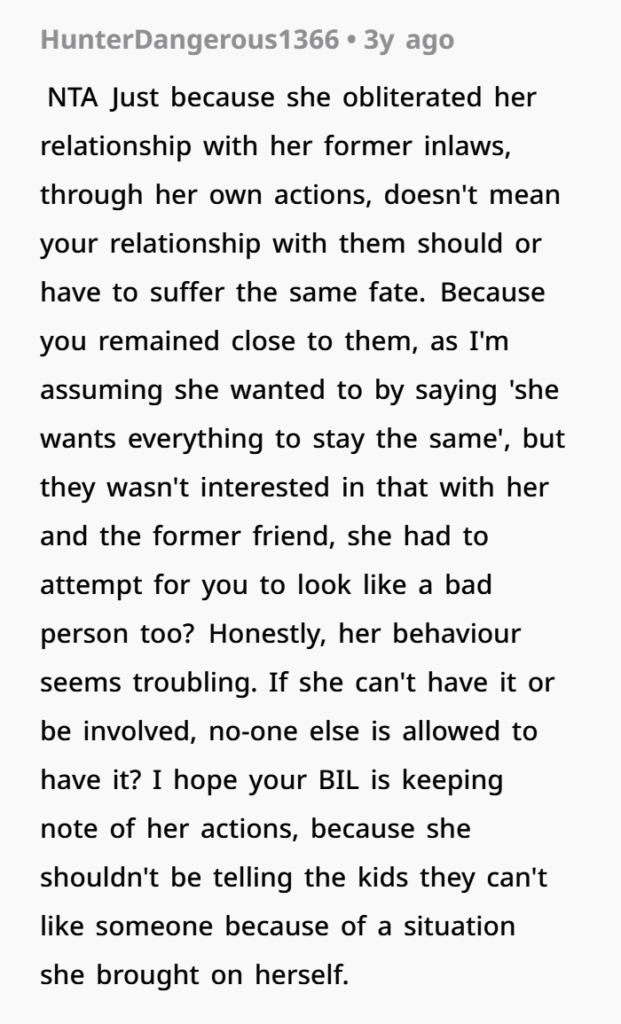
Final Thoughts
Family conflicts involving divorce, rumors, and weddings can become extremely emotional.
What starts as a disagreement about a guest list or wedding decision can turn into a much deeper issue involving trust, loyalty, and years of family history.
The healthiest approach is usually based on honesty, respectful communication, and clear boundaries.
Not every relationship can be repaired quickly. Some family wounds take time to heal.
But understanding each person’s feelings, avoiding harmful rumors, and focusing on respect can help families move toward a healthier future.