AITA for Telling My Brother He’s Controlling After He Called Me the Golden Child?

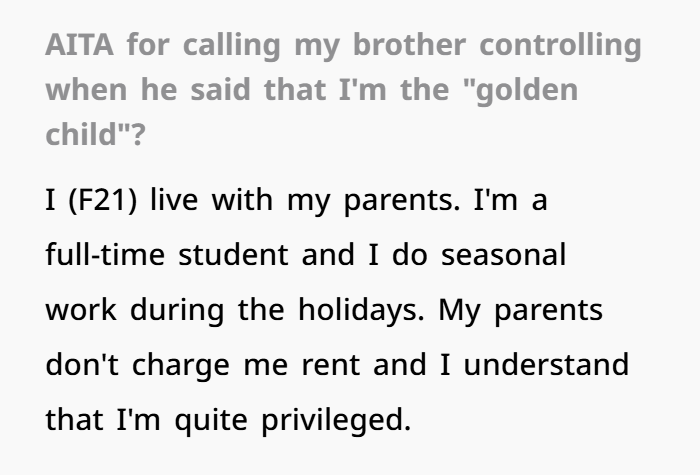
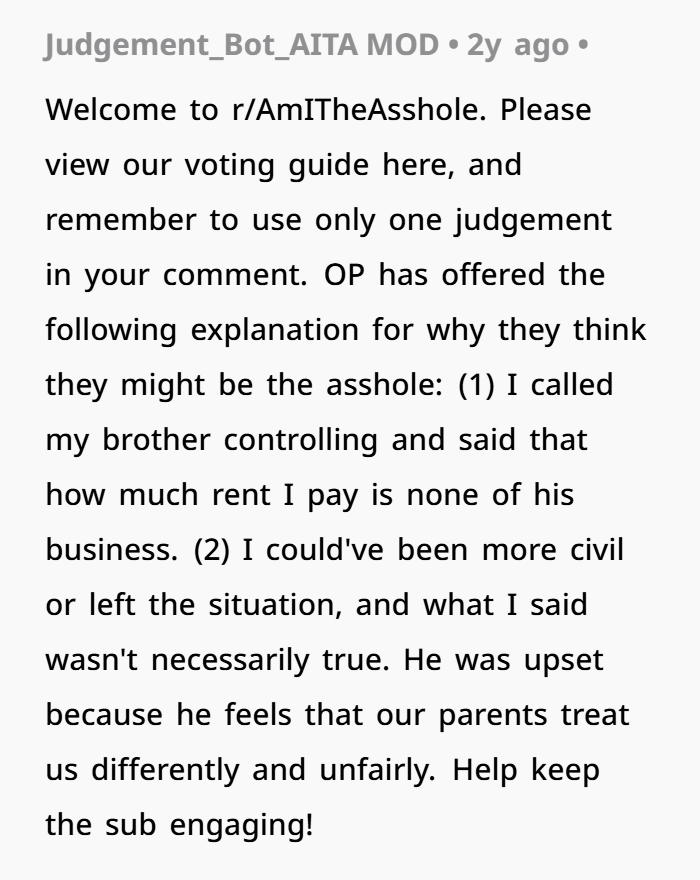
A family dinner turned into an uncomfortable argument when a discussion about moving out brought up old feelings. The original poster (OP) is 21 years old, a full-time student, and currently lives at home without paying rent. She works seasonal jobs and says she understands that she has support from her parents.
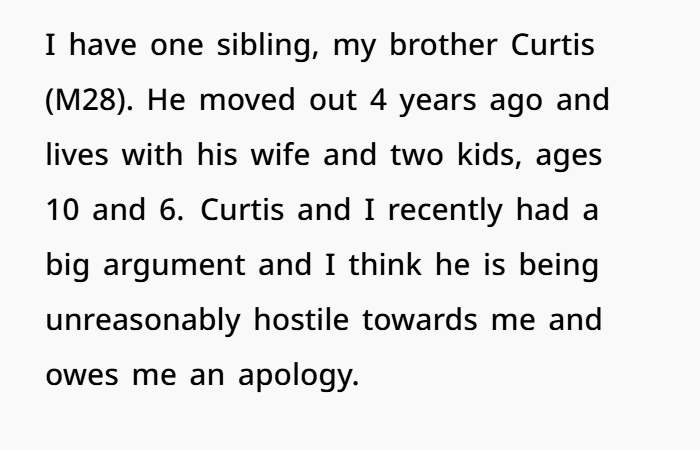
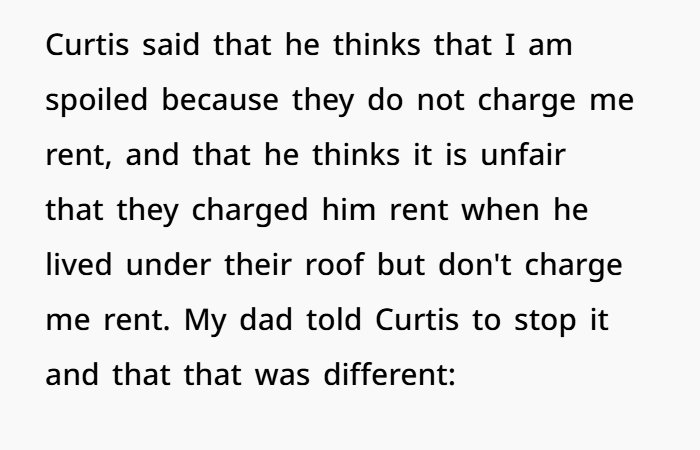
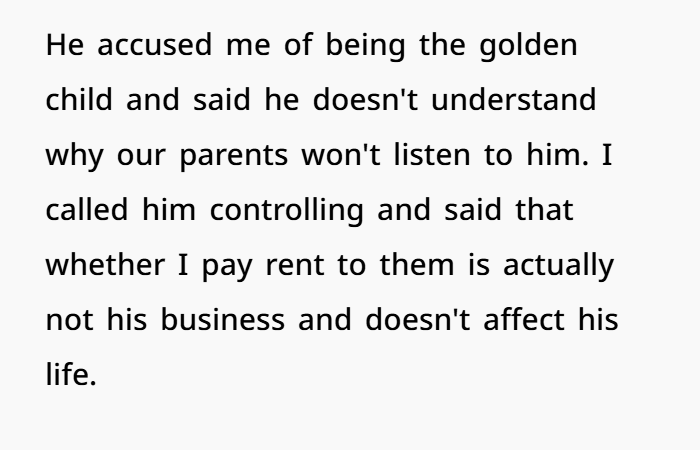
During dinner, her older brother Curtis, who is 28 and has his own family, shared his opinion about her living situation. He said she was being treated differently and called her the “golden child.” He felt that their parents had given her more support than they gave him when he was younger.
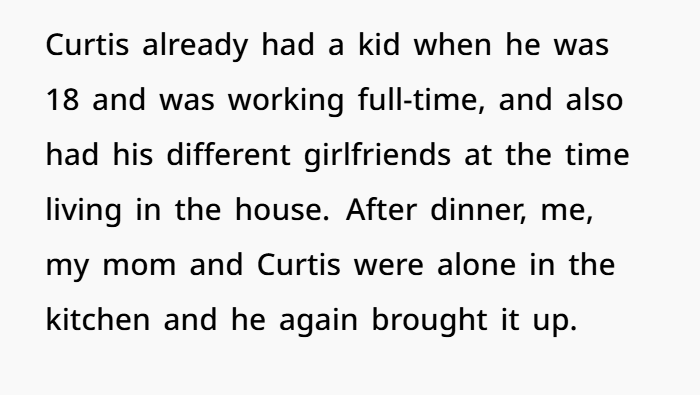
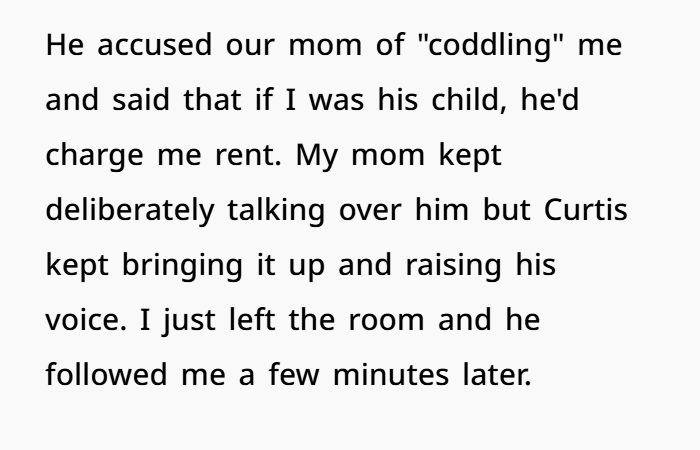
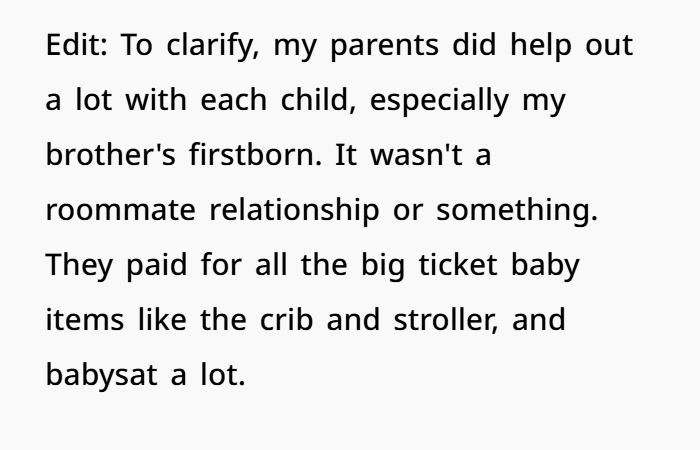
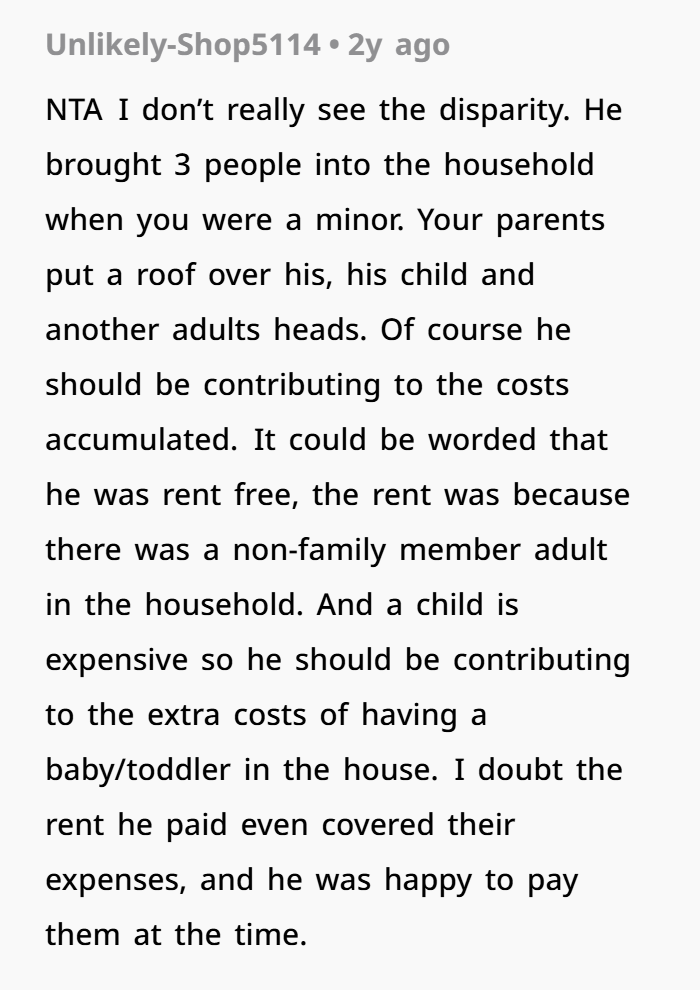
Curtis explained that he paid rent when he lived at home. However, their father pointed out that the situations were different. Curtis had become a parent at a young age, worked full-time, and had different responsibilities during that time. The conversation became more heated when Curtis continued the argument and later confronted OP privately.
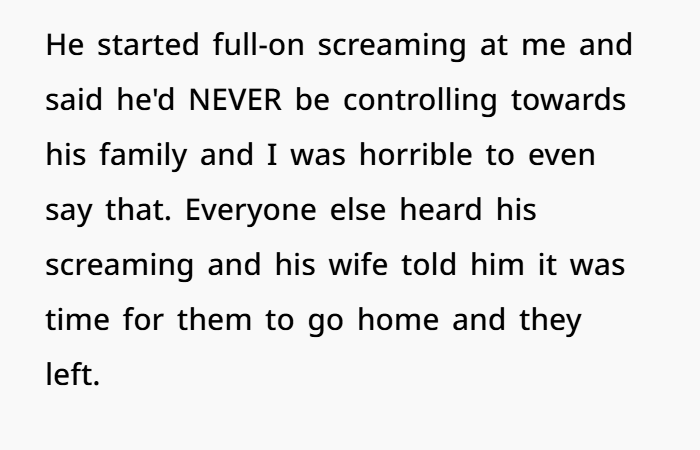
When OP told him that his behavior felt controlling, Curtis became very upset. The disagreement grew louder, and his wife eventually stepped in and asked him to leave. Now OP is wondering if she was wrong for speaking up or if she was simply defending herself during a difficult family conversation.
The situation shows how family expectations, financial support, and different life choices can create conflict. Open communication, respect, and understanding each person’s circumstances can help families handle disagreements in a healthier way.
This brother doesn’t agree and demanded that his sister pay rent to their parent because that’s what he had to do


Family Favoritism, Rent, and Sibling Conflict: Understanding Different Parenting Choices
Family disagreements can become complicated, especially when money, housing, and old feelings are involved.
Many adult siblings struggle when they feel they were treated differently growing up. One child may feel they had more responsibilities, while another child may feel they are being judged unfairly.
These situations are rarely just about one argument. They are often connected to years of emotions, expectations, and different life experiences.
This story brings up important topics like family financial support, living with parents as an adult, cost of living challenges, and healthy family boundaries.
What Does “Golden Child” Really Mean?
The term “golden child” is often used when someone believes one family member receives special treatment.
Usually, it describes a child who is:
- Protected from consequences
- Given extra attention
- Praised more than others
- Allowed more freedom
Sometimes this happens in families.
However, not every difference between siblings means favoritism.
Parents often make decisions based on each child’s situation, age, responsibilities, and needs.
Treating children differently does not always mean treating them unfairly.
Why Siblings May See the Same Situation Differently
In this situation, one sibling believes the other is receiving special treatment because she does not pay rent while living at home.
But the two situations are not exactly the same.
One sibling became a parent at a young age, had a full-time job, and had more adult responsibilities while still living with family.
The other sibling is still studying and has a different lifestyle and financial situation.
Parents may decide to offer different types of support depending on what each child needs at that moment.
For example:
- A student may receive more financial help while finishing school
- A working adult may be expected to contribute more at home
- A parent may receive different support than a child without those responsibilities
Different treatment does not always equal unfair treatment.
Is Rent-Free Living Unfair?
Housing costs have become a major concern for many families.
With rising rent prices and the high cost of living, more young adults are staying with their parents longer or receiving financial support.
This type of support can help young adults:
- Save money
- Avoid unnecessary debt
- Finish education
- Build financial stability
Many parents choose not to charge rent while their child is studying because they see it as an investment in their future.
At the same time, some parents ask adult children to contribute financially once they have a stable income.
Both approaches can be reasonable.
The important thing is that the family agrees on expectations.
Why Old Resentments Can Affect New Arguments
Sometimes an argument about money is not really only about money.
A sibling may feel they had to grow up faster.
They may remember:
- Having more responsibilities
- Making difficult choices early
- Feeling less supported
- Watching younger siblings receive different treatment
Those feelings can stay for years.
When a new situation happens, old emotions may come back.
However, one sibling cannot be responsible for fixing another sibling’s past experiences.
Everyone’s life path is different.
Setting Boundaries Between Adult Siblings
Adult siblings can have different opinions about family decisions.
However, there is a difference between sharing a concern and trying to control another person’s life.
A respectful conversation sounds like:
“I feel hurt because I remember things differently.”
A controlling conversation may sound like:
“You should do this because I think it is fair.”
Adults have the right to make personal decisions about their finances, education, and living arrangements.
Family members can share their feelings, but they cannot always decide what another person should do.
When a Conversation Goes Too Far
Family discussions can become unhealthy when someone:
- Keeps repeating the same argument
- Raises their voice
- Pressures someone to agree
- Refuses to respect another person’s choice
Even when someone feels hurt or frustrated, respectful communication still matters.
Strong emotions are understandable, but they should not become a reason to attack another person.
Understanding Both Sides
It is possible to understand why the sibling felt upset while also recognizing that the other person may not have done anything wrong.
The sibling who paid rent may feel:
“I had to work hard, so why was my experience different?”
The other sibling may feel:
“I am in a different stage of life, and my needs are different.”
Both feelings can exist.
The solution is not always making everything exactly equal.
Sometimes the solution is understanding why decisions were made.
The Importance of Family Boundaries
Healthy families need both support and independence.
Parents can choose how they help their adult children.
Adult children can appreciate that support while making their own choices.
Siblings can disagree without trying to control each other.
Good relationships require:
- Honest conversations
- Respect for personal choices
- Understanding different circumstances
- Clear boundaries
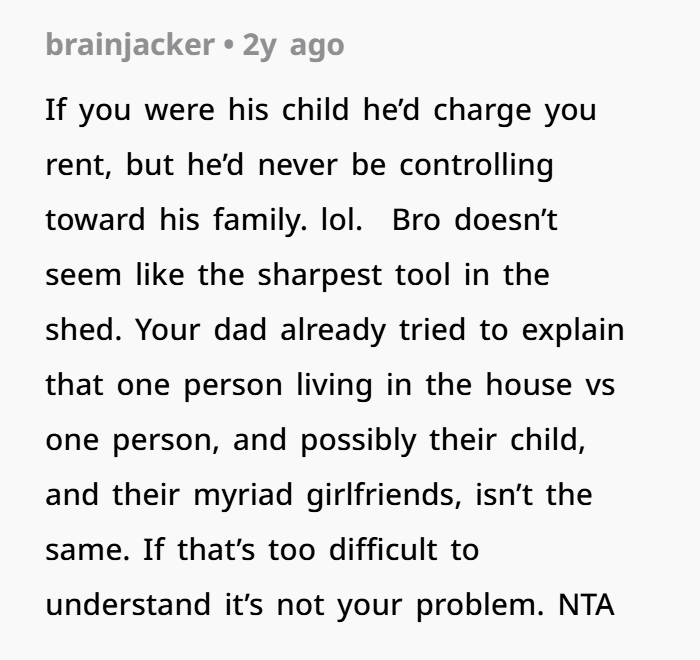
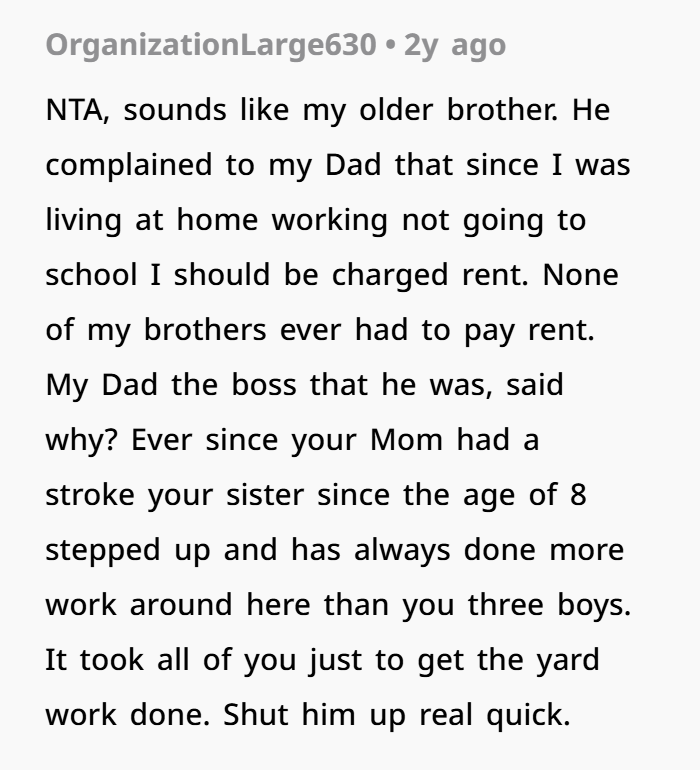
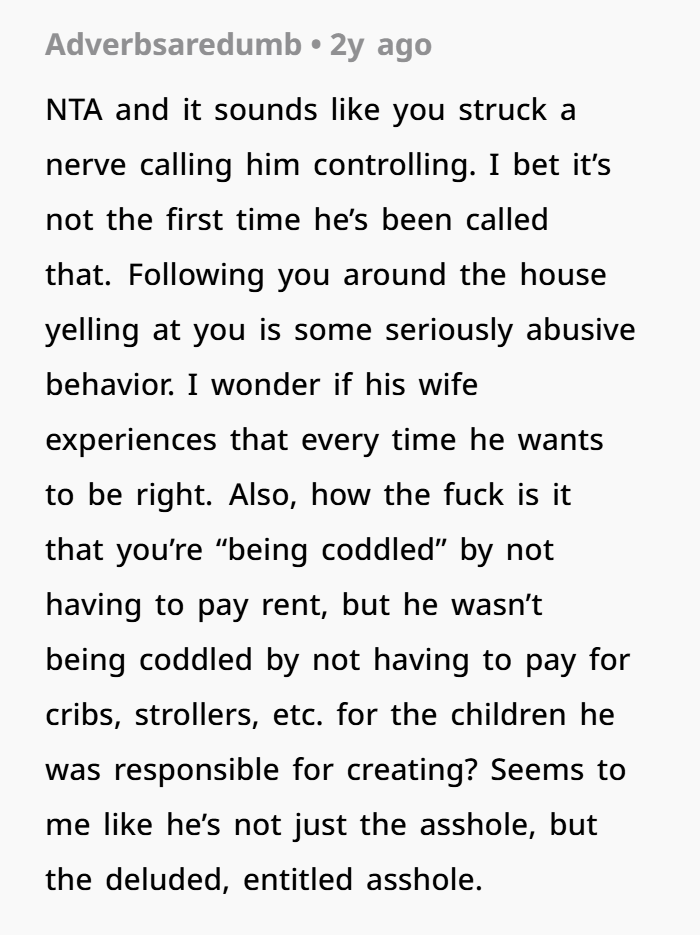
The sister provided more information in the comments

Final Thoughts
Family conflicts about money and fairness are common.
Questions about rent, financial support, and living arrangements can bring up strong emotions, especially between siblings.
However, fairness does not always mean everyone receives the exact same thing.
Families often make decisions based on individual needs and circumstances.
The healthiest approach is to communicate openly, respect boundaries, and remember that every person’s journey is different.