She Ended a 10-Year Friendship After a Birthday Dinner Fight Over Food—Was She Wrong?

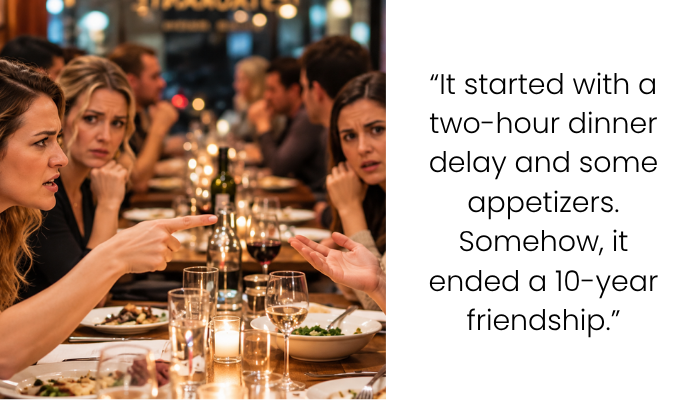
She never expected a restaurant bill to put a 10-year friendship at risk. A woman and her partner were invited to her best friend’s birthday dinner and were told to budget for the meal. Then their meeting time was pushed back by two hours. They were hungry, so they stopped for a few starters before heading to the restaurant.
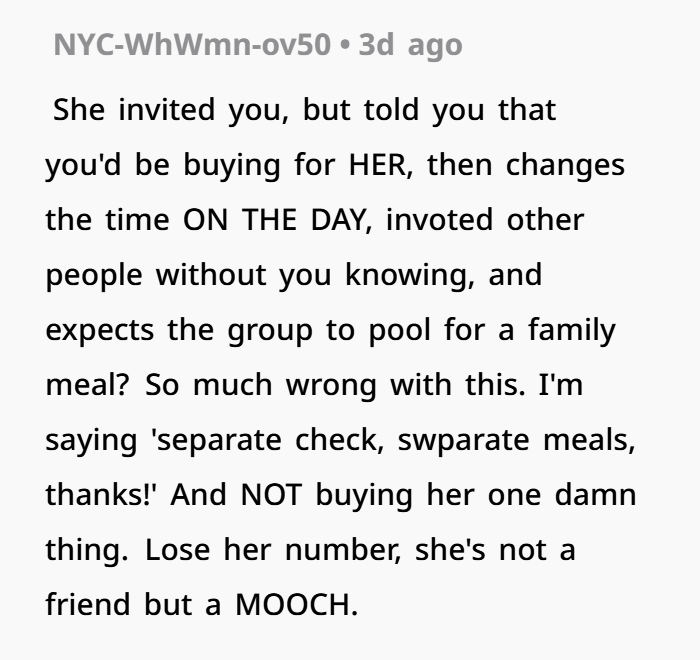
Once they arrived, they learned the birthday dinner had a specific plan. Everyone was supposed to share one large meal and split the cost. The couple had never been told about this arrangement. Since they had already eaten, they didn’t take part in the meal as much as expected, and the other guests could end up paying a larger share of the restaurant bill.
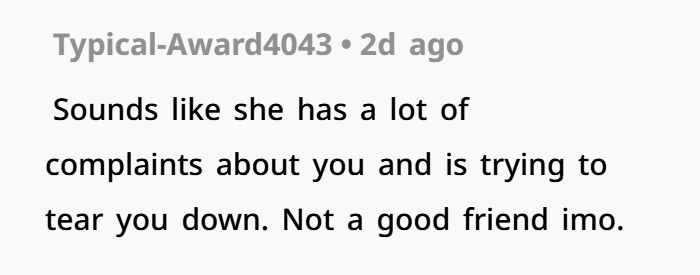
That small issue quickly became a bigger disagreement about money and respect. The birthday girl felt her friend should have waited to eat. The woman felt she couldn’t follow a plan she didn’t know existed. With restaurant prices and everyday living expenses already putting pressure on personal budgets, clear communication about shared costs can help avoid uncomfortable situations like this.
The disagreement didn’t end at dinner. A later phone call turned into shouting and harsh words, and the woman eventually decided to walk away from the friendship. Now she’s questioning whether she went too far. Was this really about eating before a birthday dinner, or did the argument reveal deeper problems with communication, financial expectations, and healthy friendship boundaries?

It Started With a Simple Birthday Dinner
A birthday dinner with a close friend should be easy.
You meet at a restaurant, order some food, celebrate, pay the bill, and go home.
But for one woman, a birthday dinner turned into a major disagreement with her best friend.
They had been friends for around 10 years.
The problem started with dinner plans and money.
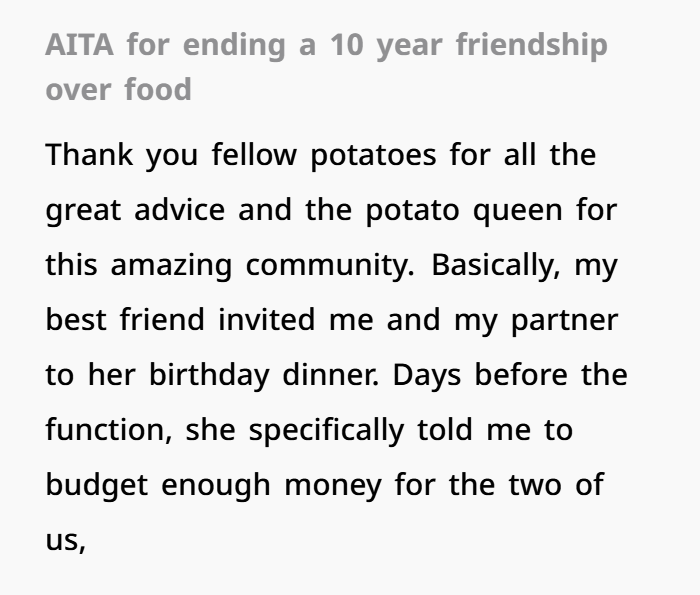
Her best friend invited her and her partner to a birthday dinner.
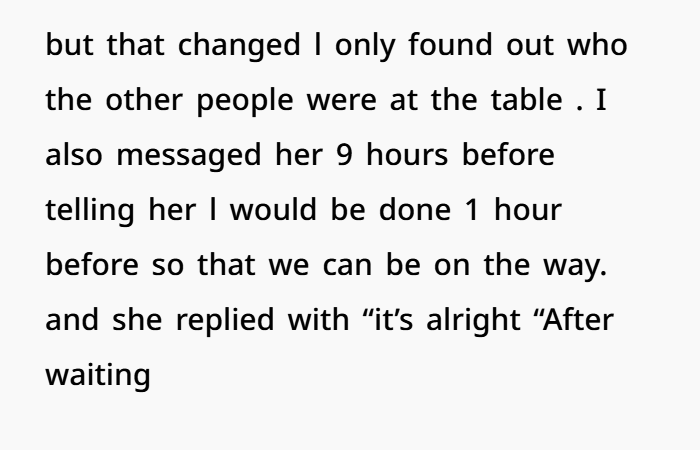
A few days before the event, the birthday girl told her to make sure she had enough money for herself and her partner.
That seemed reasonable.
Eating at a restaurant can be expensive, especially when you are paying for two people.
So the woman planned her budget and made sure she had enough money.
But one important detail was missing.
Nobody told her exactly how the restaurant bill would be divided.
That became a problem later.
The Dinner Was Delayed by Two Hours
On the day of the dinner, the plans suddenly changed.
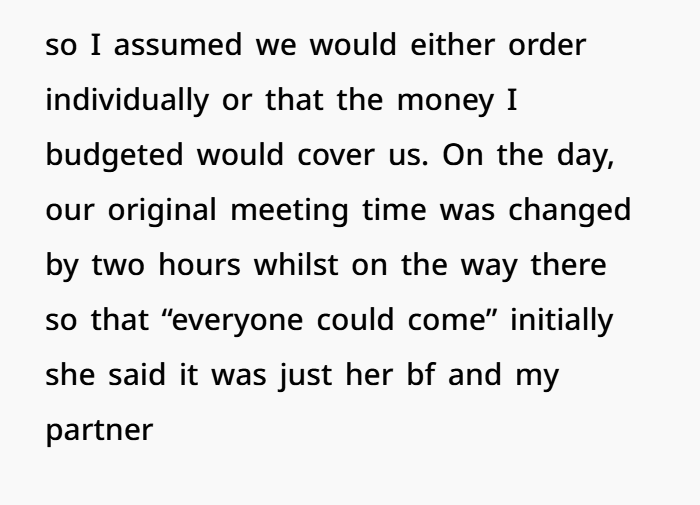
The meeting time was pushed back by two hours.
The woman and her partner were already on their way when they learned about the delay.
According to her, the dinner was delayed so more people could attend.
That also surprised her.
She originally thought the dinner would include herself, her partner, the birthday girl, and the birthday girl’s boyfriend.
But more guests were there when they finally arrived.
Some were relatives of her friend’s partner.
Extra guests were not necessarily a problem.
Plans can change.
But several important details were now different from what the woman had expected.
They Got Hungry While Waiting
A two-hour delay is a long time when you are expecting dinner.
The woman and her partner became hungry.
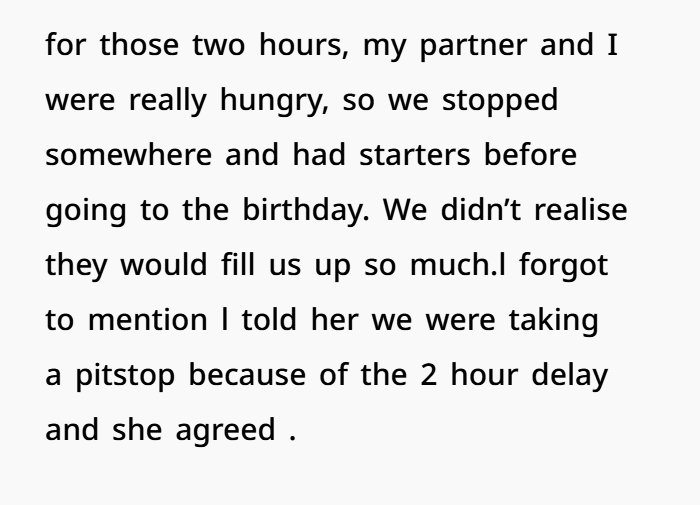
So they decided to stop somewhere and get a few starters.
They did not hide this from the birthday girl.
According to the woman, she told her friend they were stopping for food because dinner had been delayed.
Her friend was apparently fine with it.
So the couple ate.
The starters were more filling than they expected.
By the time they reached the birthday dinner, they were not very hungry.
That created an awkward situation.
But there was another surprise waiting for them.
Everyone Was Expected to Share One Large Meal
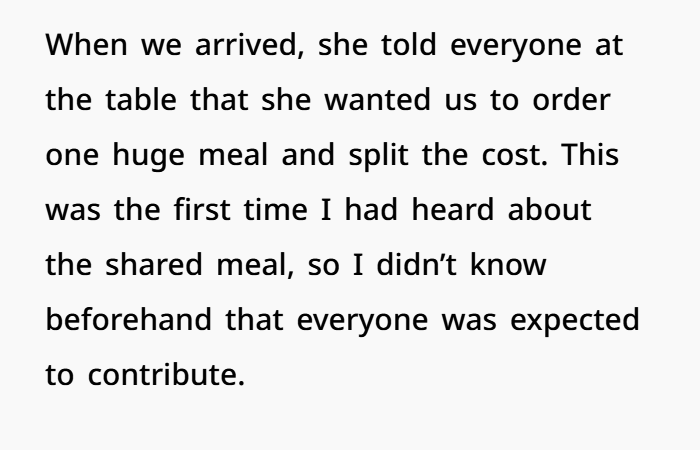
After they arrived, the birthday girl explained the plan.
The table would order one large meal to share.
Then everyone would split the restaurant bill.
According to the woman, nobody had explained this beforehand.
That was an important detail.
Being told to bring money for dinner can mean different things.
Maybe each person orders and pays for their own food.
Maybe each couple pays separately.
Maybe the entire table splits the bill equally.
Or everyone might share food and divide the total cost.
These arrangements can lead to very different restaurant costs.
That is why it helps to discuss payment before the dinner.
The Birthday Girl Was Upset
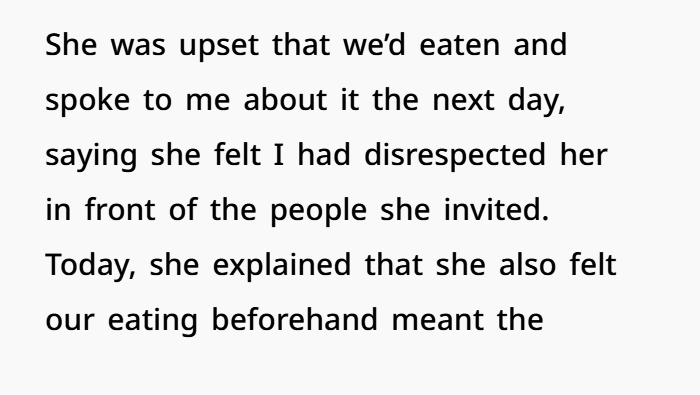
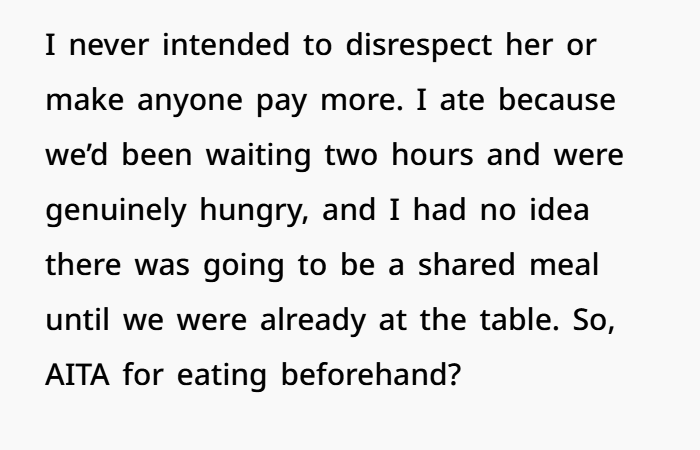
The woman and her partner had already eaten.
Because of that, they did not need much of the shared meal.
The birthday girl was unhappy about this.
The next day, she talked to her friend about it.
According to the woman, the birthday girl felt that eating before arriving had been disrespectful.
She also felt embarrassed in front of the other guests.
The woman was confused.
She had not been trying to disrespect anyone.
Dinner had been delayed by two hours.
She and her partner became hungry.
She told the birthday girl that they were stopping for food.
And nobody had told them about the shared meal.
From her point of view, there was no way to know that eating beforehand would create a problem.
Then the Disagreement Became About Money
Later, another part of the problem became clear.
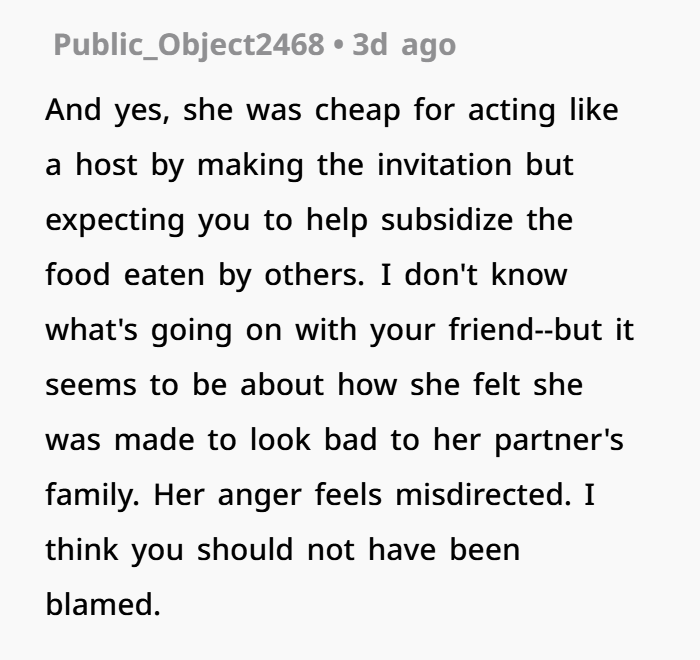
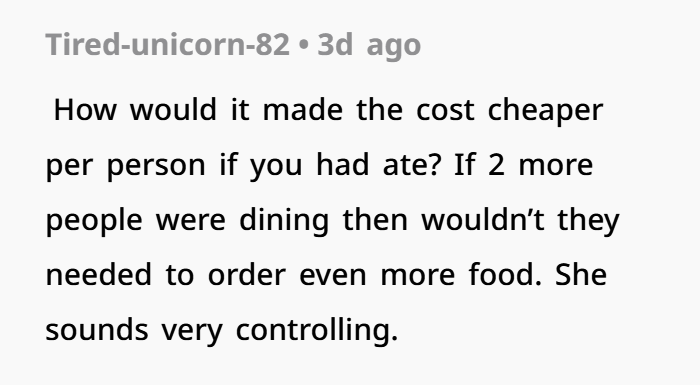
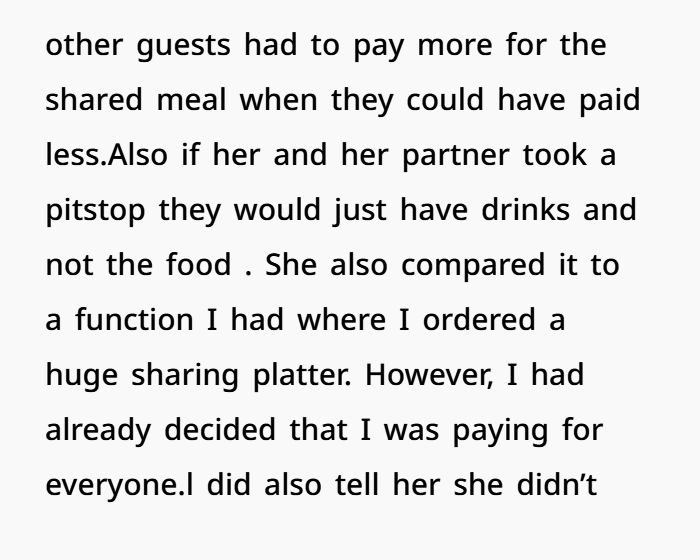
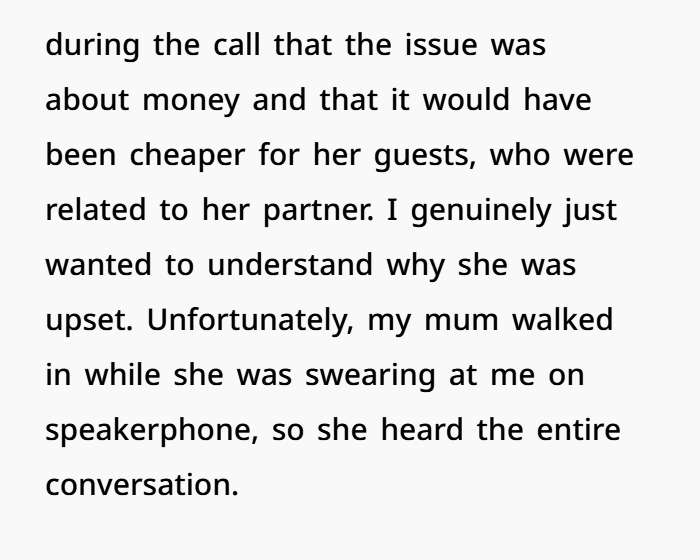
The birthday girl explained that the remaining guests had to pay more because the couple did not fully participate in the shared meal.
If more people had shared the food, the total restaurant bill would have been divided among more guests.
Now the disagreement made more sense.
It was not only about eating before dinner.
It was also about money.
If someone is expected to contribute toward a shared meal, it is helpful to tell them before the food is ordered.
That allows people to decide whether the cost works with their personal budget.
Splitting a Restaurant Bill Can Get Complicated
Group dinners can sometimes create uncomfortable money situations.
One person may order a small meal and water.
Another person may order a more expensive meal, appetizers, and dessert.
Then someone suggests splitting the entire bill equally.
That system can work perfectly when everyone agrees.
The problem starts when people have different expectations.
There is nothing wrong with splitting a restaurant bill.
There is also nothing wrong with ordering food for the whole table to share.
But everyone should understand the plan.
A simple message before dinner could have prevented much of this disagreement.
The birthday girl could have told everyone that they were ordering a shared meal and dividing the total cost.
Then the guests would know how much money they might need.
They would also know not to eat beforehand.
Budgeting for Restaurant Meals Can Help
Dining out can become expensive.
The final cost may include food, drinks, taxes, service charges, and tips.
For people trying to manage household expenses, restaurant spending may be part of a monthly personal budget.
Some people set a fixed amount for dining out each month.
Others track every purchase as part of their money management plan.
People who pay by credit card may also use cards that offer cash back, dining rewards, or travel rewards on restaurant purchases.
But rewards are only useful when spending still fits within a comfortable budget.
Clear communication is especially important when several people are sharing the same restaurant bill.
Everyone should know what they are expected to pay.
Her Friend Compared It to Another Birthday Event
During the disagreement, the birthday girl mentioned another event the woman had hosted.
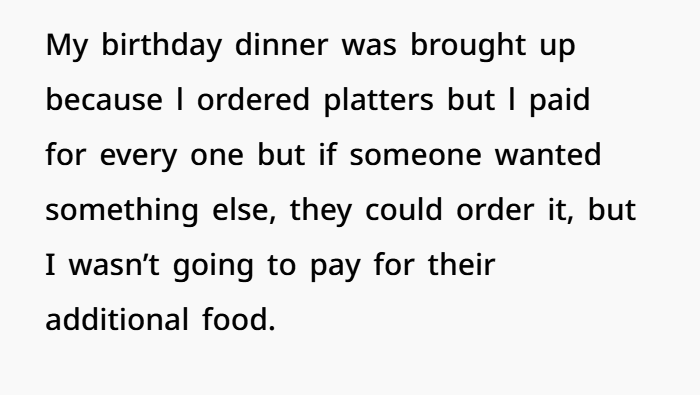
At that event, the woman had ordered large platters of food for everyone.
At first, the situations sounded similar.
But there was an important difference.
The woman said she paid for the shared food herself.
Her guests were not expected to split the cost.
If someone wanted additional food, they could order it and pay separately.
That is a different arrangement.
Hosting a meal and paying for your guests is not the same as organizing a shared meal where everyone is expected to contribute.
The Guest List Also Became a Problem
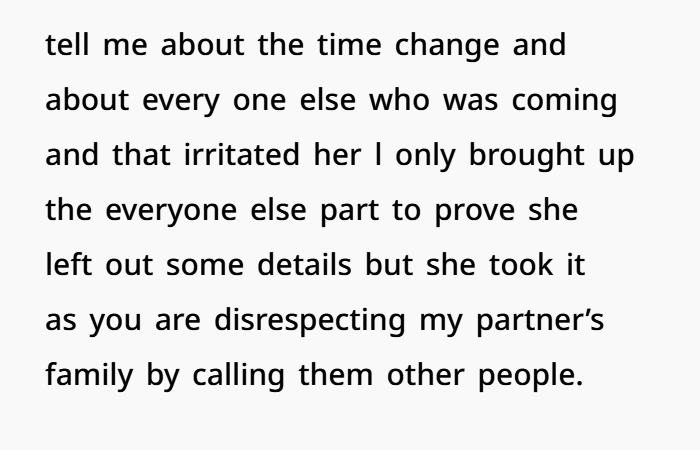
The woman also mentioned that she did not know more people would be attending.
She was not saying those guests should not have been invited.
Her point was that several details had changed or had not been explained.
The dinner time changed.
The guest list was different from what she expected.
The shared meal was not mentioned.
And the payment plan was not explained.
But her friend understood the comment differently.
She felt the woman was being disrespectful toward her partner’s family.
The disagreement was now about more than food.
It had become about money, communication, family, and respect.
A Calm Conversation Could Have Solved the Problem
At this point, the disagreement still seemed possible to fix.
The two women had been friends for around 10 years.
They could have talked calmly about what happened.
The birthday girl could have explained that she expected everyone to share the meal.
The woman could have explained that she did not know about that plan.
Both could have accepted that communication was not clear.
Then they could have moved forward.
Instead, the disagreement became more serious.
The Phone Call Changed Things
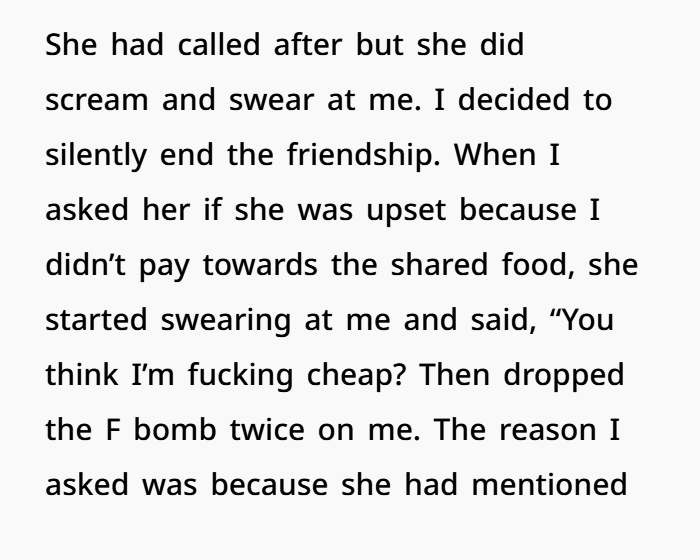
Later, the birthday girl called her friend.
According to the woman, the conversation became heated.
Her friend raised her voice and used strong language.
The woman asked whether the real problem was that she had not contributed toward the shared food.
It was a reasonable question because the birthday girl had already said that the other guests ended up paying more.
But the question made her friend even more upset.
The woman’s mother also walked into the room while the call was on speakerphone.
She heard part of the disagreement.
After the call, the woman started thinking seriously about the future of the friendship.
She Decided to Step Away
The woman did not send a long message ending the friendship.
She did not start another argument.
She simply decided she wanted to step away.
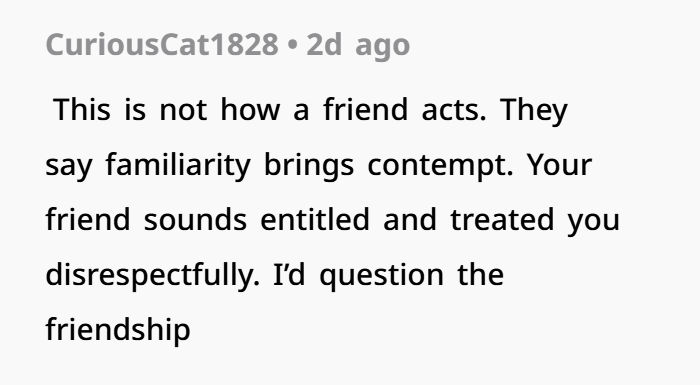
At first, ending a 10-year friendship over a restaurant dinner may sound extreme.
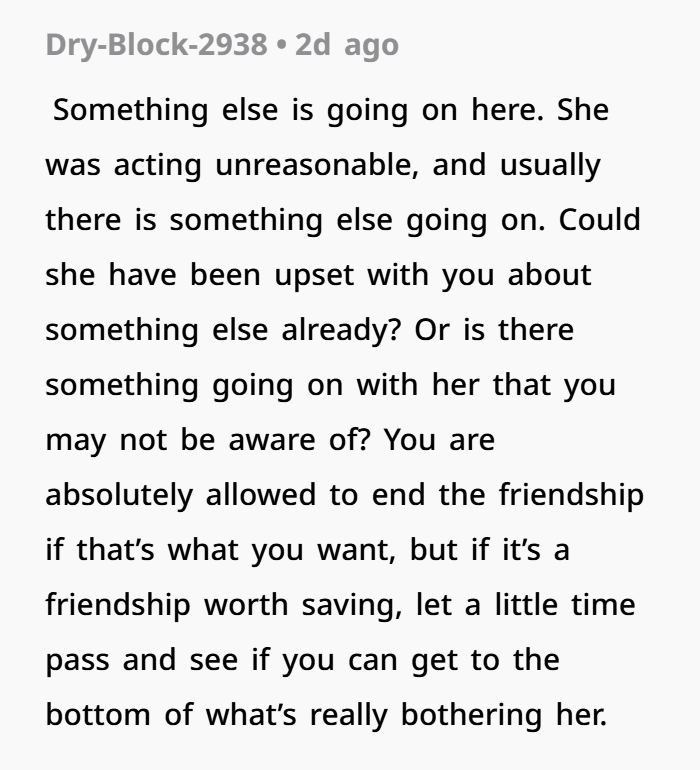
But the food was not really the main problem.
The bigger issue was how the disagreement was handled.
A small misunderstanding about dinner plans had become a much larger conflict.
Was Eating Before Dinner Wrong?
Under normal circumstances, eating a large meal right before a birthday dinner might seem inconsiderate.
But this situation was different.
Dinner was unexpectedly delayed by two hours.
The couple was already traveling.
They became hungry.
The woman told the birthday girl that they were stopping for food.
According to her account, the birthday girl agreed.
The couple also did not know that everyone was expected to share one large meal and divide the cost.
Without that information, they could not know that eating beforehand might affect the other guests.
The Birthday Girl Was Allowed to Feel Disappointed
There is another side to consider.
It was her birthday.
She may have imagined everyone sitting together and sharing the same meal.
When two guests arrived after already eating, she may have felt disappointed.
That feeling is understandable.
She may also have felt uncomfortable because the other guests had to pay more than expected.
But disappointment can be discussed calmly.
A misunderstanding does not have to become a major argument.
The Biggest Problem Was Communication
Most parts of this disagreement came back to one issue.
Communication.
The dinner time changed.
The guest list was not clear.
The shared meal was not explained.
The plan for splitting the restaurant bill was also not discussed beforehand.
These details matter when money is involved.
If guests are specifically told to budget for a dinner, they should have a basic idea of how much they may be expected to spend and how payment will work.
That makes personal budgeting easier and helps prevent surprises.
Clear Money Conversations Can Prevent Arguments
Talking about money with friends can sometimes feel uncomfortable.
But avoiding the subject can create bigger problems.
Before a group dinner, people can simply agree on how the bill will be handled.
Some groups ask for separate checks.
Others split the total equally.
Sometimes one person uses a rewards credit card to pay the full restaurant bill and everyone sends their share afterward.
Any of these options can work.
The important part is agreement.
Good money management does not mean refusing to spend money.
It means understanding what you are paying for and making choices that fit your budget.
This Was Not Really About Food
The woman was not reconsidering a 10-year friendship simply because of some starters.
The bigger issue was what happened after the dinner.
A small misunderstanding became personal.
The communication became difficult.
And the final phone call left the woman questioning whether the friendship still felt respectful.
Ten years is a long time to know someone.
The two friends may eventually decide to have another calm conversation.
They may also decide that some distance is better.
A long friendship has value, but healthy friendships still need respect and good communication.
Her Decision Was Understandable
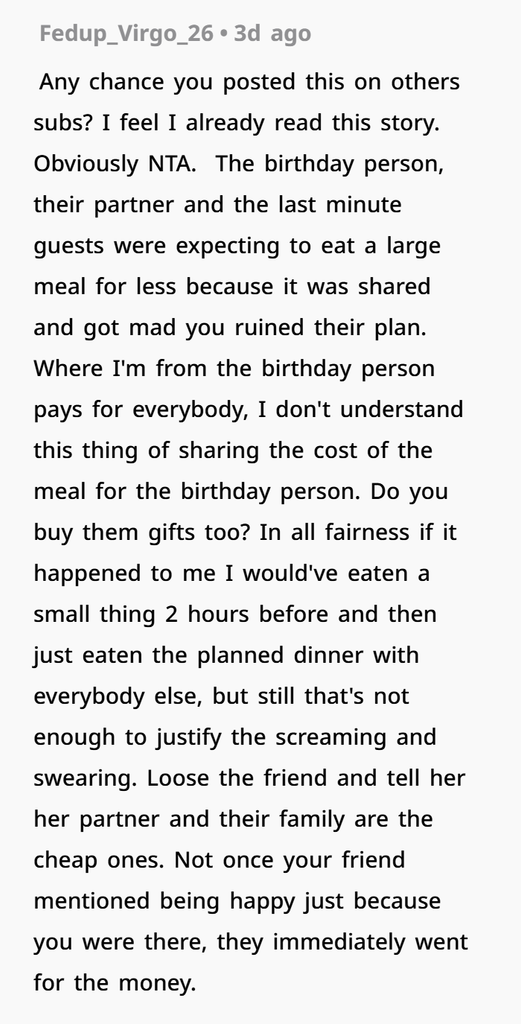
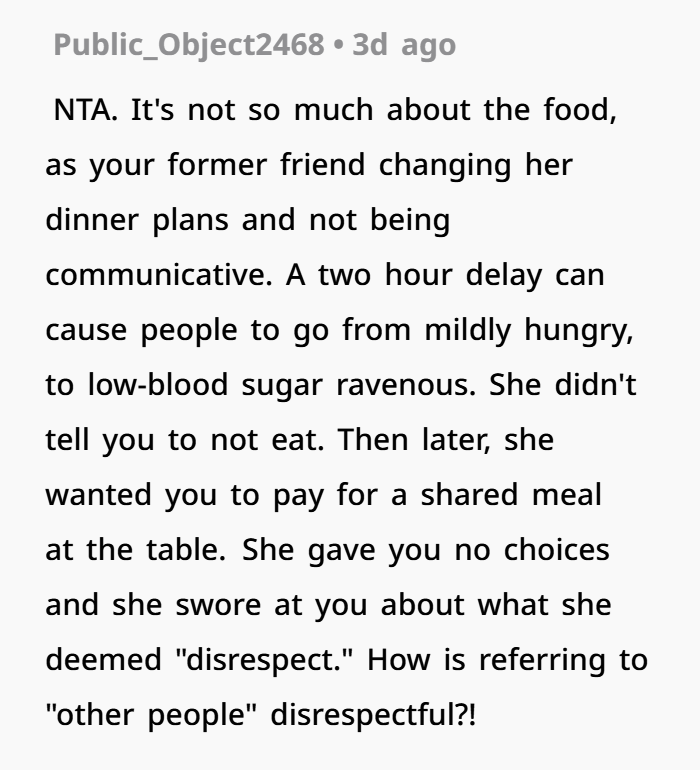
Based on the woman’s version of events, stopping for food after an unexpected two-hour delay was understandable.
She said the birthday girl knew they were making the stop.
She also said nobody had explained the shared meal or bill-splitting plan.
The birthday girl was allowed to feel disappointed.
She was also allowed to explain that the change caused the other guests to pay more.
But the disagreement did not need to become so personal.
In the end, this was not really a 10-year friendship ending because of food.
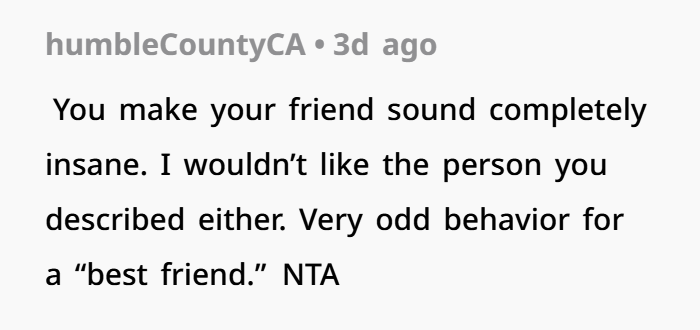
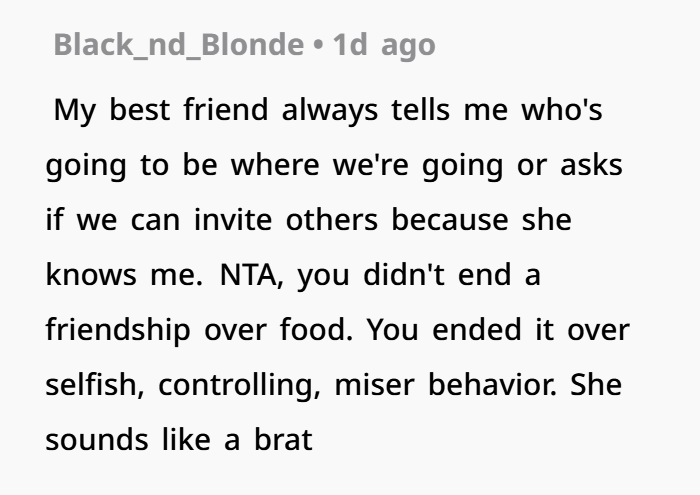
It was a friendship being tested by poor communication, unexpected expenses, and the way a disagreement was handled.
Sometimes a small problem can reveal a much bigger issue.
The Comments Are In