AITA for Resenting My Dad After He Forced Me Into a Chaotic Blended Family?

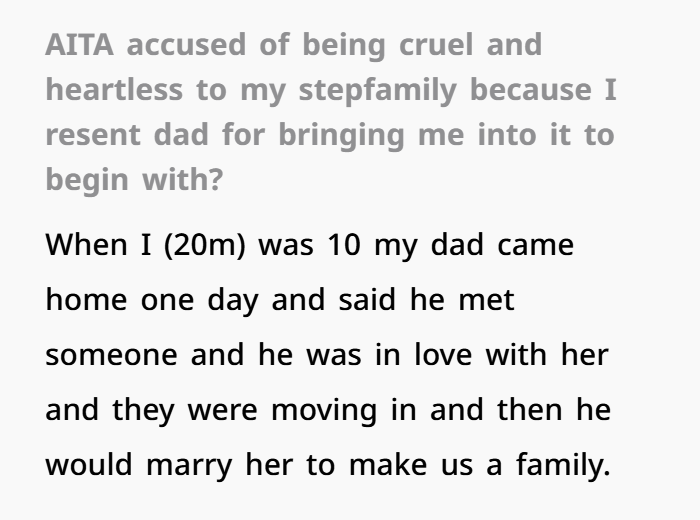
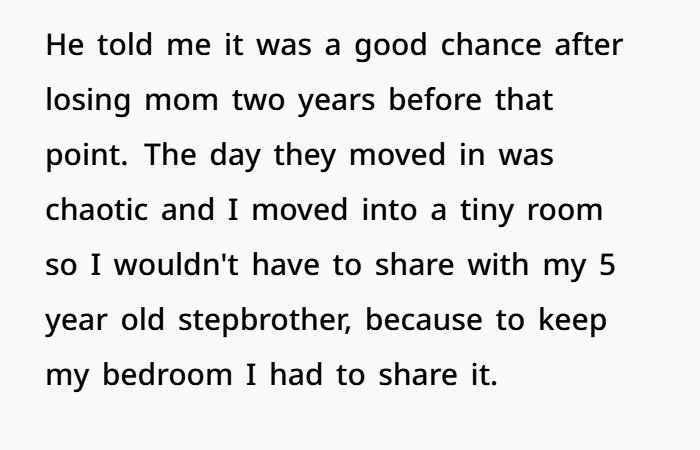
Losing a parent during childhood can be a very painful experience. In this story, a man shared how difficult life became after losing his mother when he was young. Only two years later, when he was 10 years old, his father introduced a new partner and planned to create a blended family.
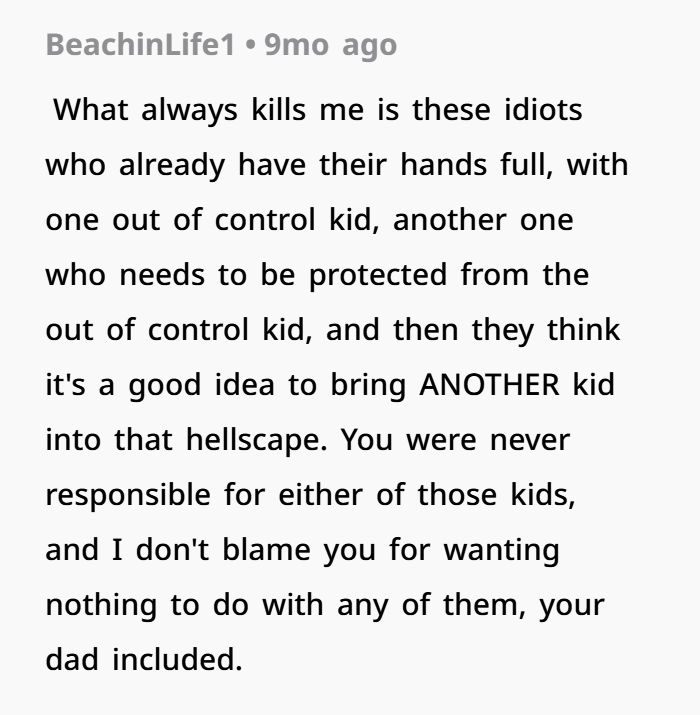
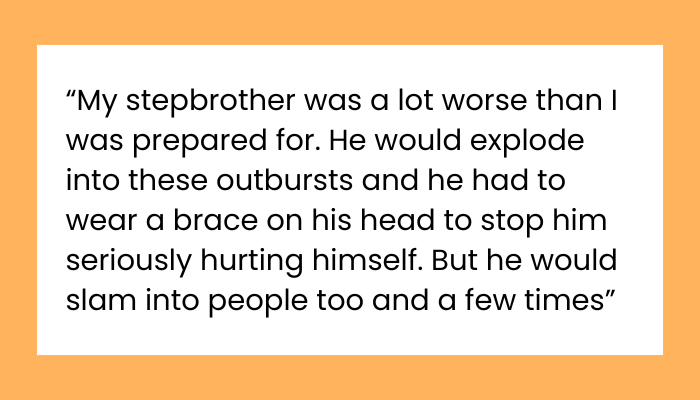
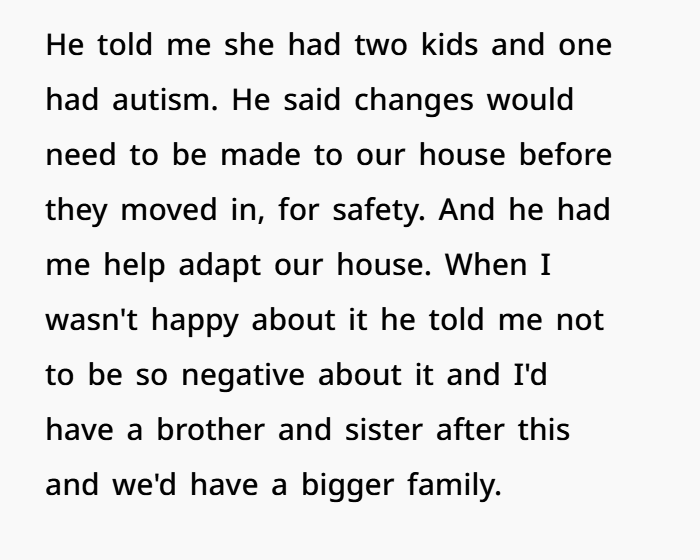
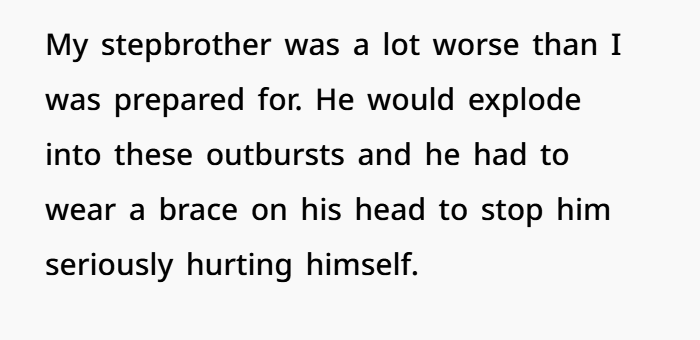
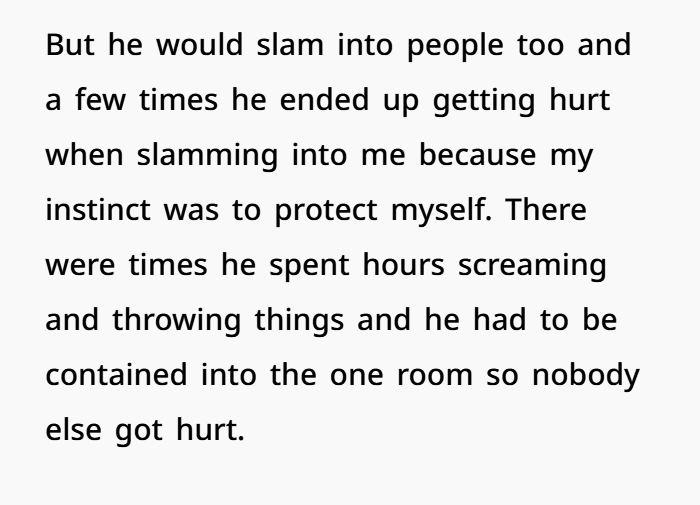
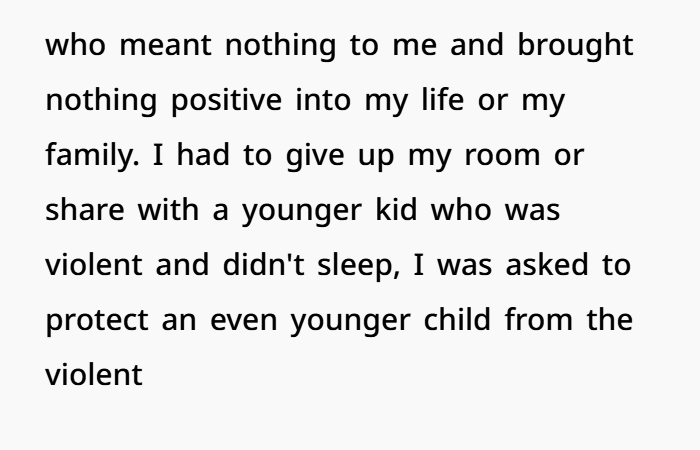
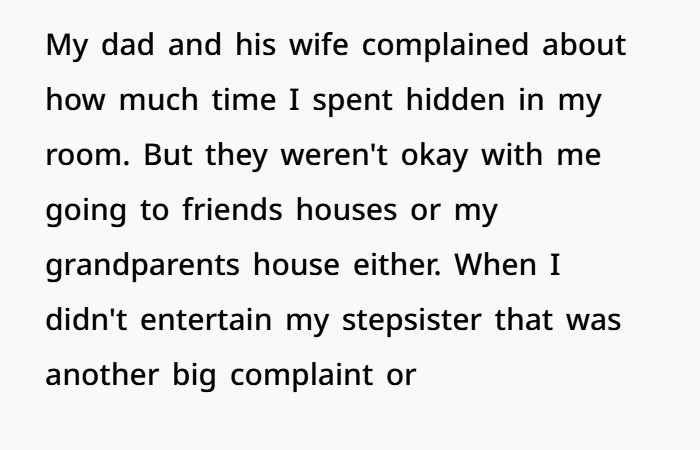
The father moved his partner and her two children into their home. The change was difficult for the child because he was still dealing with grief and adjusting to a completely new family situation. One of the stepchildren had autism spectrum disorder and needed extra support because of challenging behaviors and sensory needs. The young boy found it hard to understand and handle these changes.
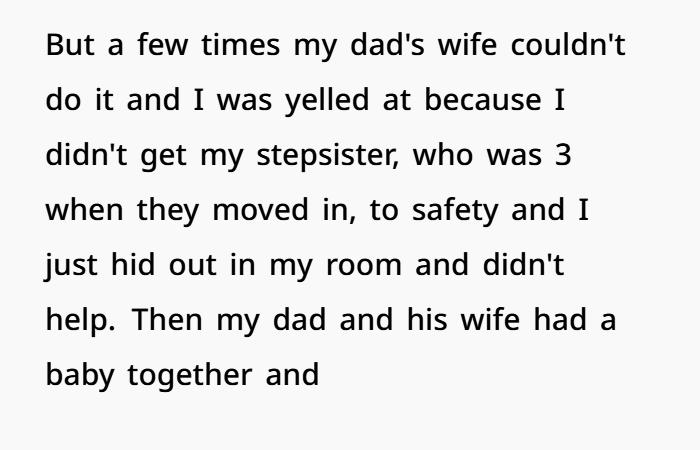
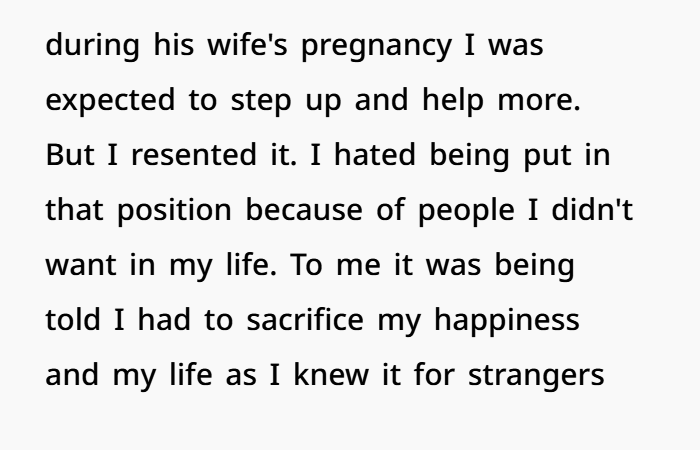
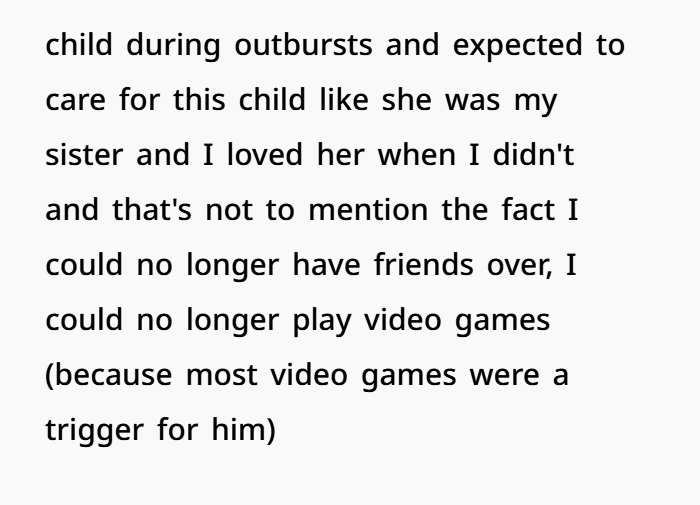
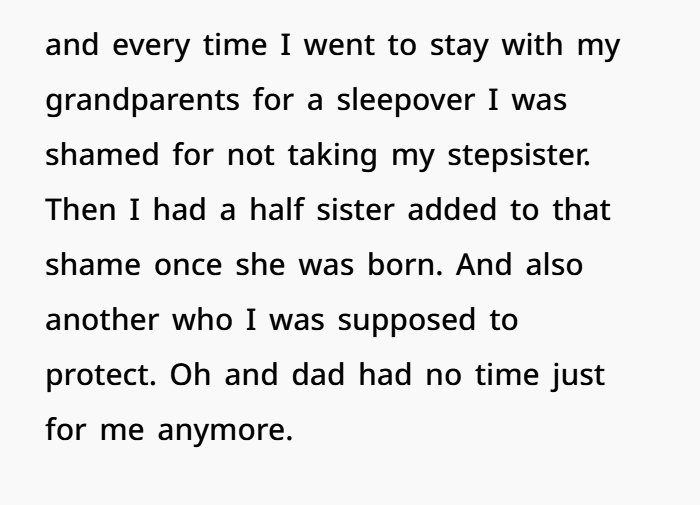
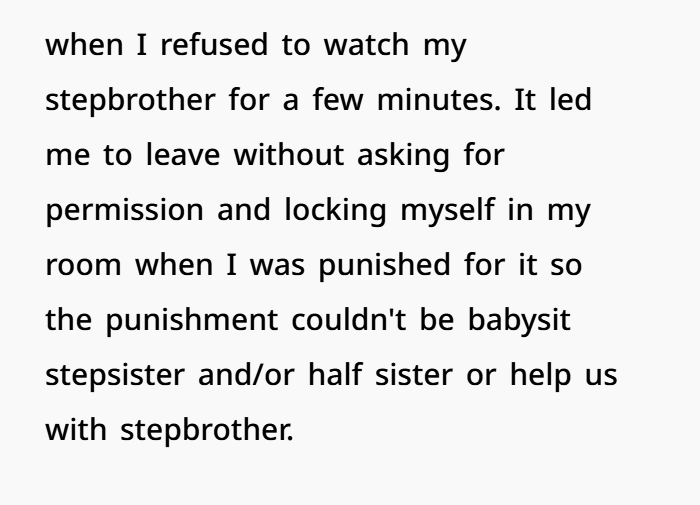
According to his story, he felt that his own needs were often ignored. He said he was expected to help with younger children, deal with stressful situations, and adjust quickly without much emotional support. When he tried to set personal boundaries or spend time away from the family challenges, he felt guilty and misunderstood.
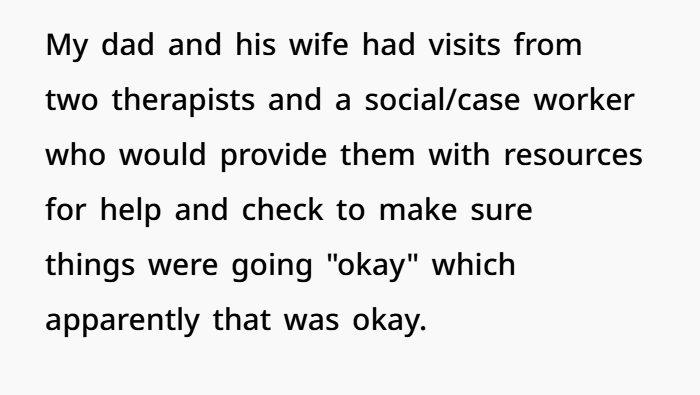
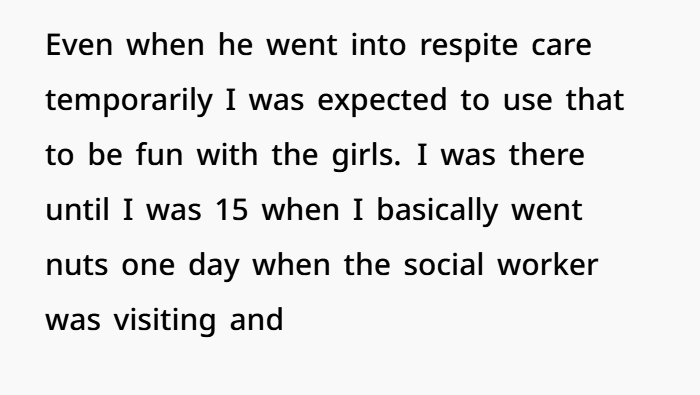
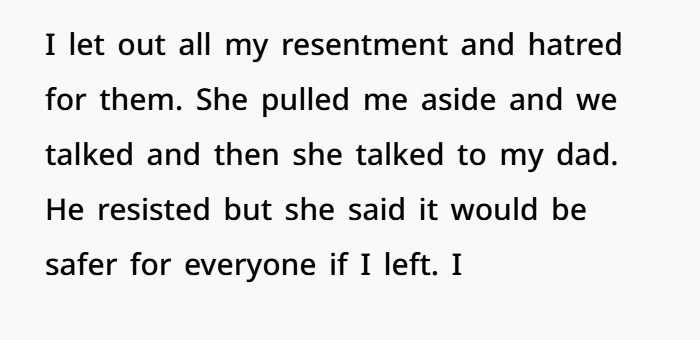
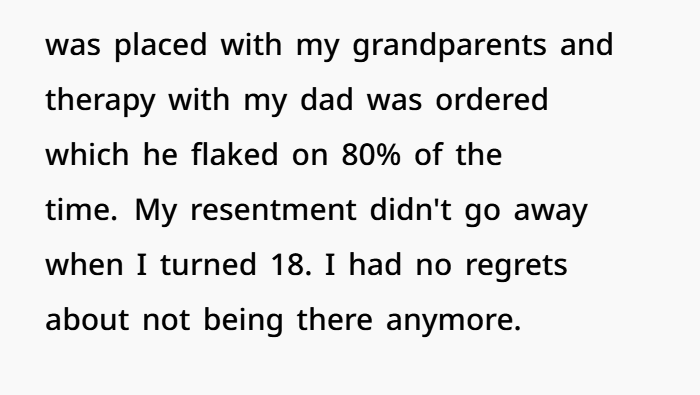
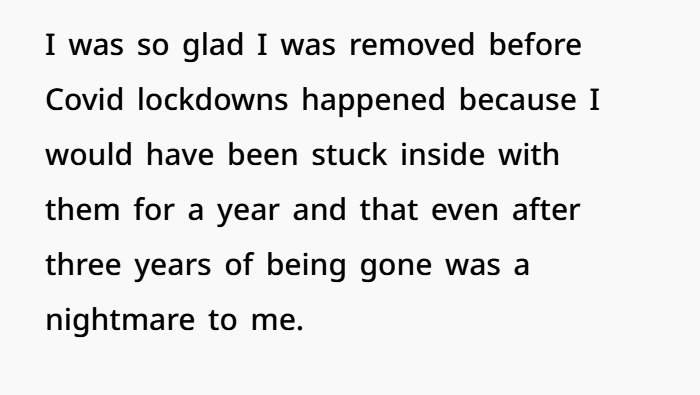
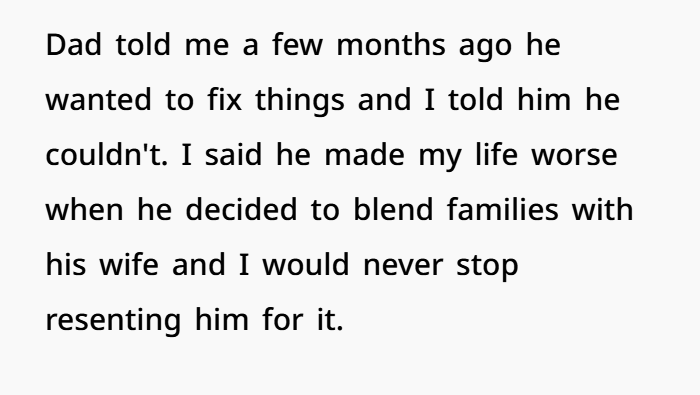
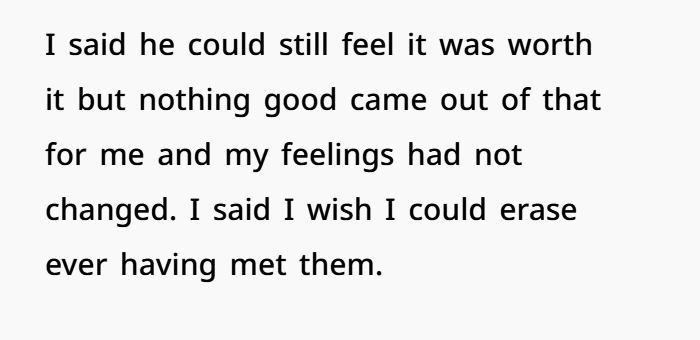
Eventually, the situation became so difficult that outside support became involved, and he was removed from the home. Now as an adult, he still has complicated feelings about his childhood and his relationship with his father. His story has started conversations about blended families, childhood trauma, emotional support, family boundaries, and the importance of making sure every child feels safe and valued.

When Blended Families Struggle: Understanding Childhood Grief, Parenting, and Emotional Needs
Some family stories become popular because they bring attention to problems many people do not talk about openly.
One important topic is how difficult blended families can become when children are expected to adjust quickly to major life changes.
Many parents hope that love alone will bring a new family together. However, family therapists and child development experts often explain that building a healthy blended family takes time, patience, and emotional support.
Children usually need stability, trust, and a feeling of safety before they can accept big changes.
When a Child Experiences Too Many Changes at Once
According to the story, the child was still grieving the loss of his mother when his entire family structure changed.
Child grief experts often explain that children need time to process loss. They may need:
- Emotional support
- Stable routines
- Open communication
- A safe place to express feelings
When a child experiences a major loss and then faces more changes immediately, it can create feelings of sadness, anger, confusion, and anxiety.
For children, having no control over these changes can be especially difficult.
The Pressure of Too Much Responsibility
One major issue discussed in this story was the amount of responsibility placed on the child.
Mental health professionals use the term parentification when a child takes on adult responsibilities too early.
This can happen in families dealing with:
- Health challenges
- Disability care
- Family stress
- Emotional struggles
- Major life changes
Helping family members is not always harmful. Many children enjoy being helpful.
However, problems can develop when a child feels responsible for managing situations that are too difficult for their age.
Supporting Children With Special Needs While Protecting Everyone’s Needs
Another important part of this discussion involves families raising children with high support needs.
Children with autism and other developmental differences may experience challenges with:
- Communication
- Sensory needs
- Emotional regulation
- Daily routines
Families caring for children with special needs often experience caregiver stress and emotional exhaustion. Many parents work extremely hard to provide the right support.
At the same time, experts also recognize that siblings in these households have emotional needs too.
Both things can be true:
A child with special needs deserves care and understanding.
A sibling also deserves attention, safety, and emotional support.
Why Siblings Can Feel Overlooked
In some families, one child’s needs naturally require more time and attention.
This can sometimes leave other children feeling invisible.
Some mental health discussions use the term “glass children” to describe siblings who feel overlooked because another family member receives most of the focus.
These siblings may experience feelings such as:
- Guilt
- Loneliness
- Resentment
- Pressure to always be responsible
Having these feelings does not mean they do not love their family. It often means their own emotional needs were not being noticed.
The Challenges of Building a Blended Family
Blended families can be successful, but relationships usually take time to develop.
Family therapists often recommend that parents avoid forcing instant closeness between stepchildren and new family members.
Children may need time to:
- Build trust
- Adjust to new roles
- Feel comfortable
- Create their own relationships
A parent may choose to remarry, but children do not always process those changes at the same speed.
The Importance of Healthy Boundaries
Another major topic in this story was personal boundaries.
Children need to learn that helping family is important, but their own feelings and needs matter too.
Healthy family relationships include:
- Respecting privacy
- Listening to concerns
- Allowing personal space
- Creating age-appropriate responsibilities
When children feel their emotions are ignored for years, they may develop anger and frustration that becomes harder to manage later.
When Family Stress Becomes Too Much
According to the story, outside professionals eventually became involved because the situation had become very difficult.
When family situations become overwhelming, support from professionals can be helpful.
This support may include:
- Family counseling
- Individual therapy
- Parenting guidance
- Grief counseling
- Behavioral support
Early support can help families understand each other and create healthier communication.
Understanding Anger After Childhood Trauma
Strong emotions in adulthood can sometimes connect back to unresolved childhood experiences.
A person who feels ignored, unheard, or unsupported for many years may carry those feelings into adulthood.
Childhood trauma and emotional neglect can affect:
- Relationships
- Self-confidence
- Trust
- Communication
- Mental health
Understanding these connections can help people heal and create healthier patterns.
Looking Beyond Harsh Words
Sometimes people judge someone only by their strongest emotional reaction.
However, strong words often come from strong emotions.
A person may say something hurtful when they are carrying years of sadness, anger, or disappointment.
This does not mean every reaction is healthy or acceptable. It simply means understanding the background can help explain why someone feels that way.
The Bigger Lesson About Family Relationships
The main lesson from stories like this is that every person in a family matters.
Parents need support.
Children need support.
Siblings need support.
Families become stronger when everyone’s emotional needs are considered.
Creating a blended family takes more than good intentions. It requires patience, communication, understanding, and professional support when needed.
A child’s feelings should not be ignored, and parents also need compassion as they navigate difficult situations.
Healthy families are built when every person feels heard, respected, and valued.
What The Comments Reveal