My Wife Cheated Just 10 Days After Our Wedding… And I’m Still Trying to Understand Why

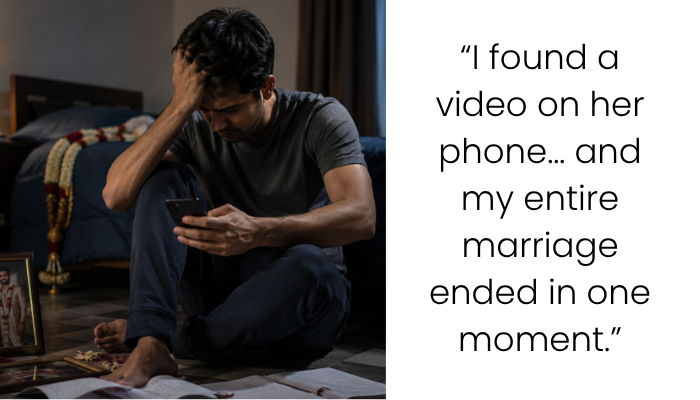
Marriage is often seen as the beginning of a new and happy chapter, but sometimes unexpected problems can appear very quickly. In this story, a 30-year-old man shared his experience after entering an arranged marriage. He spent six months getting to know his future wife and believed they had built a strong relationship. Both families supported the marriage, and there were no major problems before the wedding.
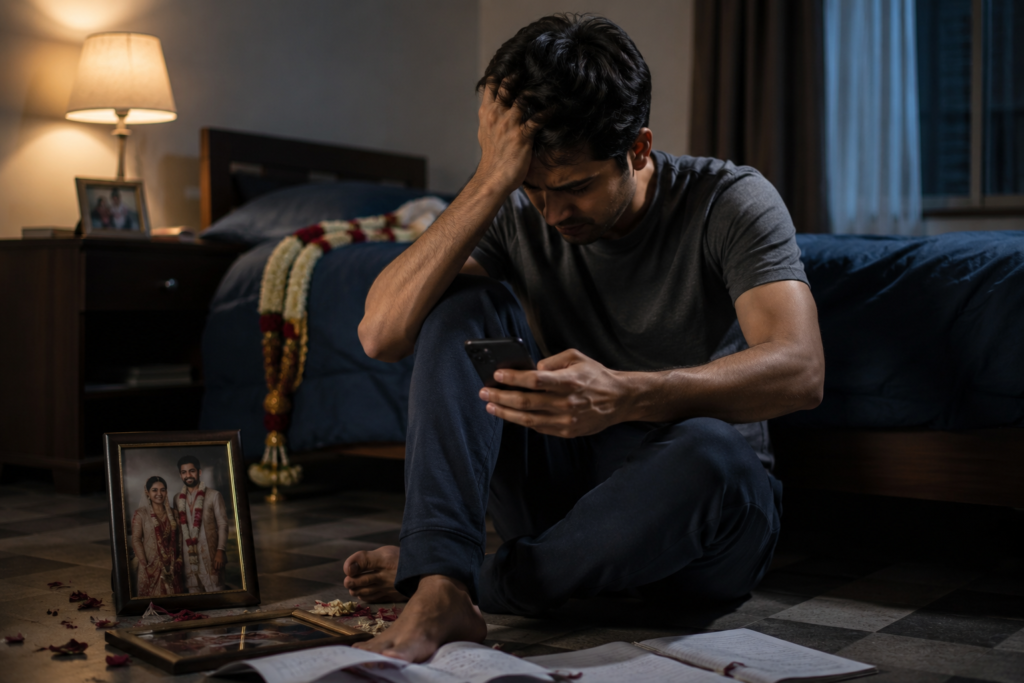
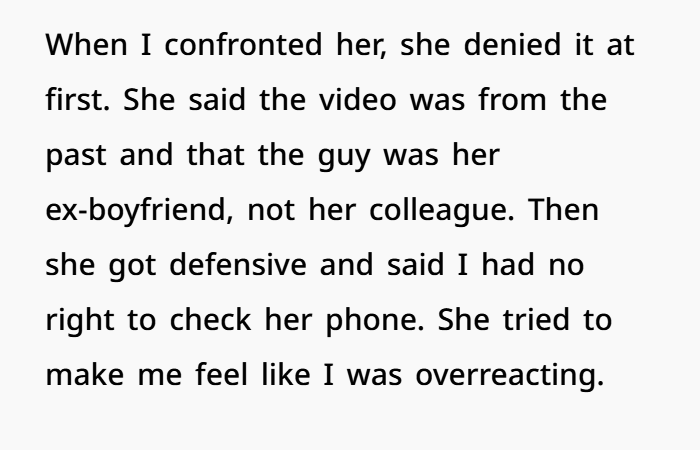
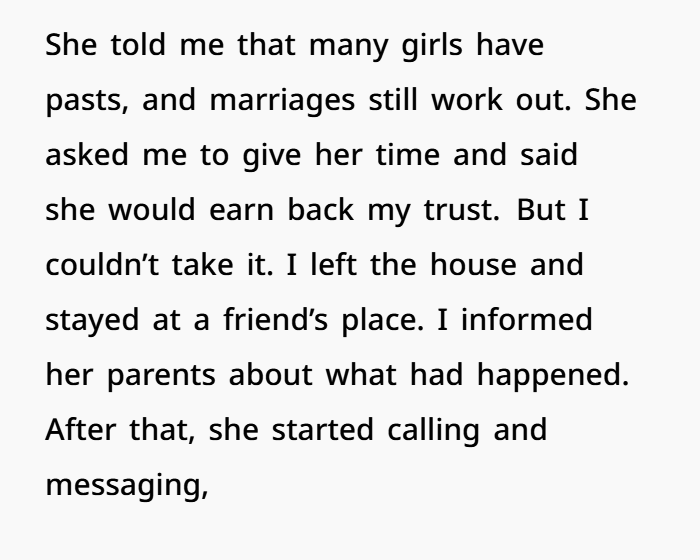
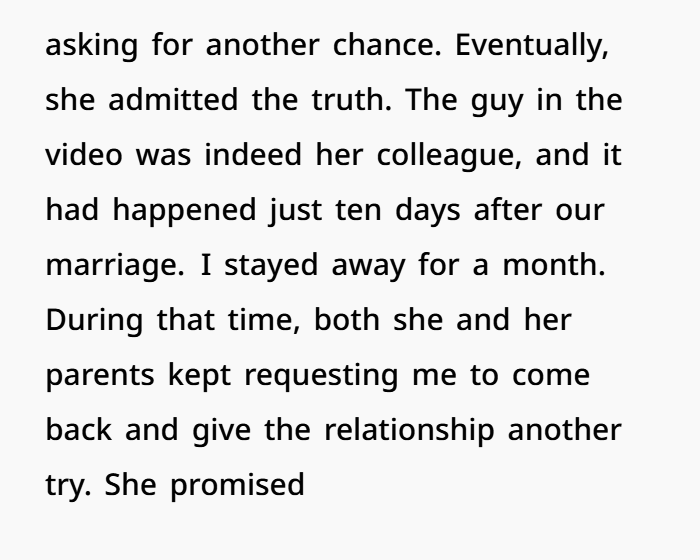
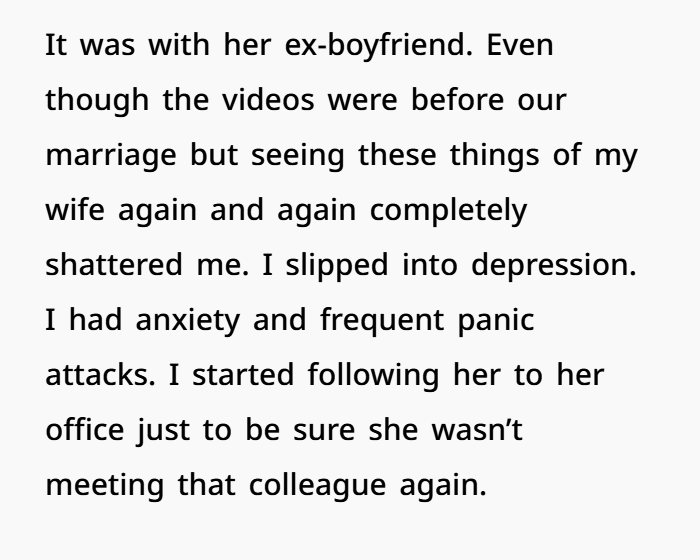
However, only a few days after the marriage, he discovered information that damaged his trust. He learned that his wife had met a male coworker during a work break and that there had been a relationship outside their marriage. When he found evidence on her phone, he felt shocked and deeply hurt. At first, she denied what happened and explained the situation differently, but later she admitted that the relationship had happened after the wedding.
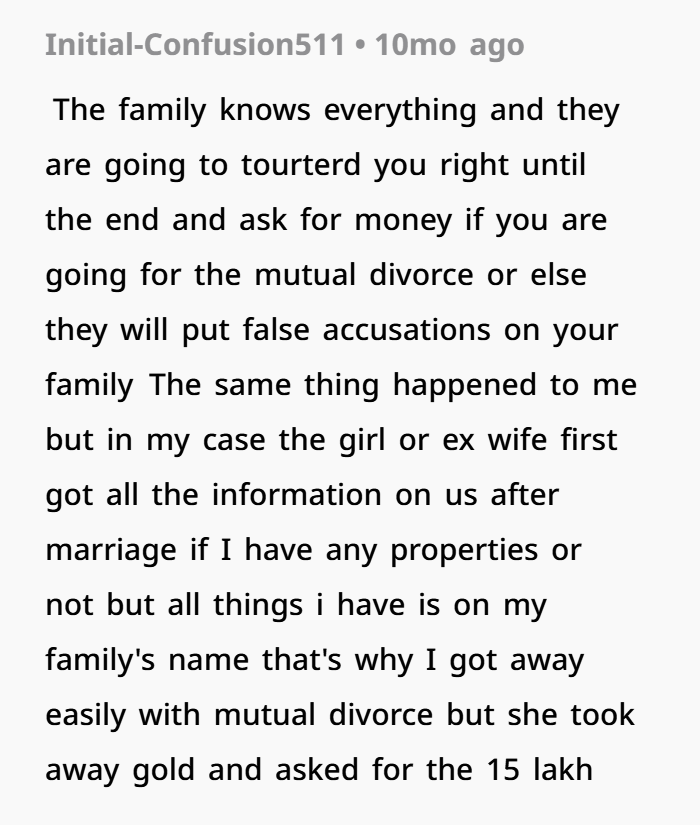
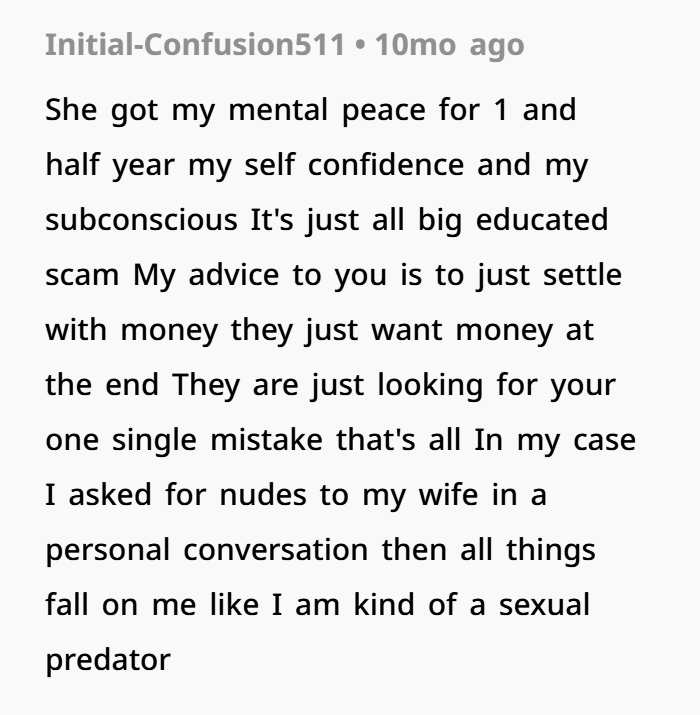
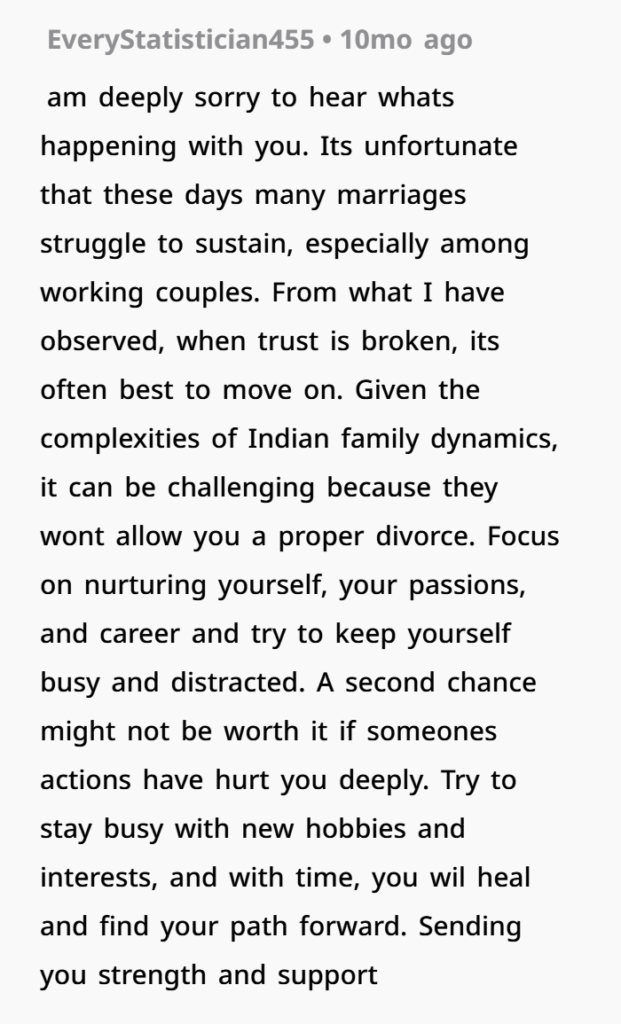
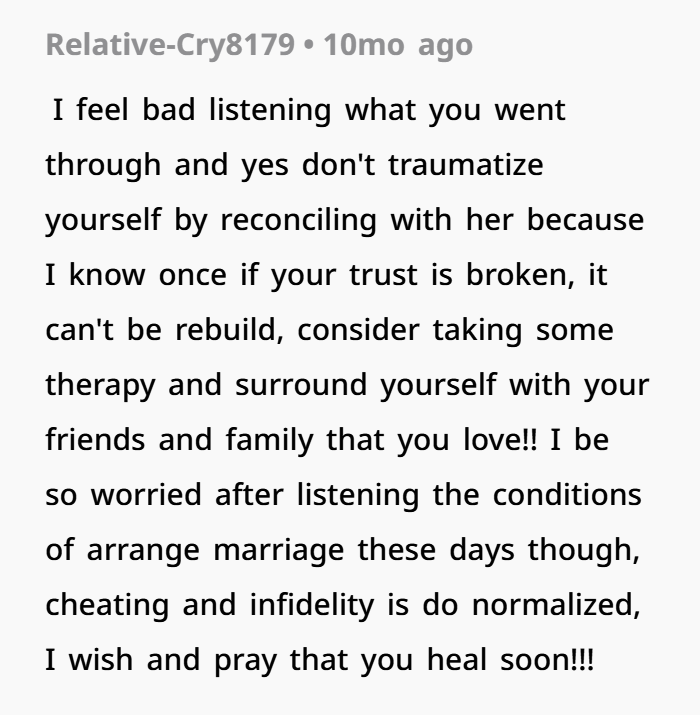
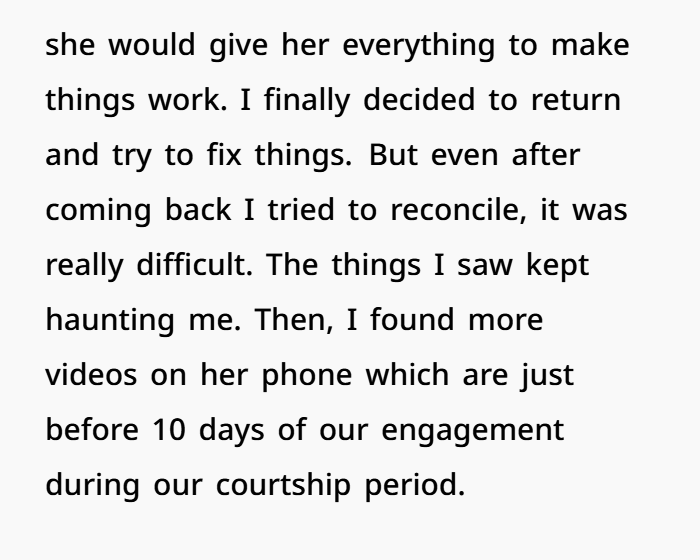
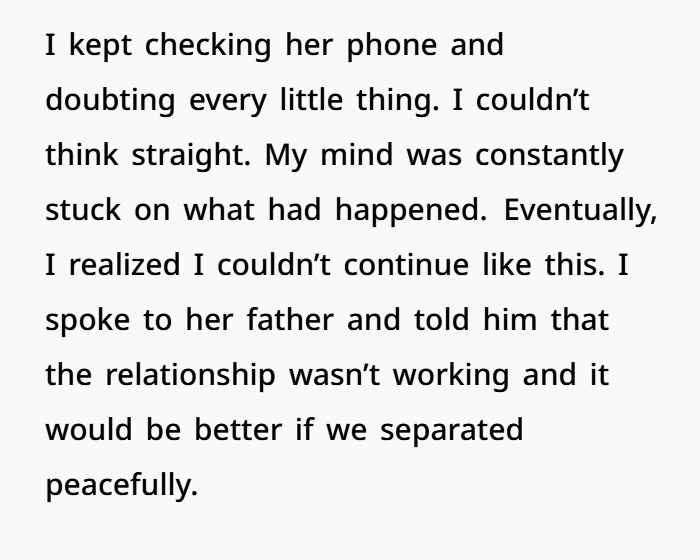
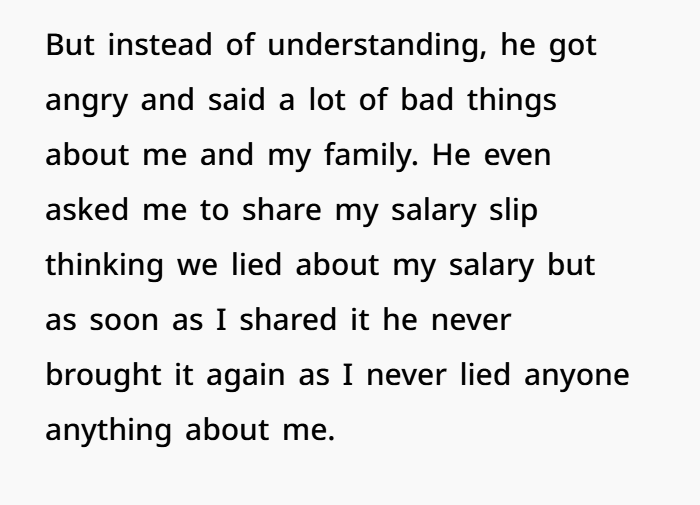
After a short separation and many apologies from both sides of the family, he decided to try saving the marriage. He wanted to rebuild trust and move forward. However, more information from the past came out, which made the healing process even harder for him. He began experiencing strong emotional stress, anxiety, and difficulty trusting his partner again.
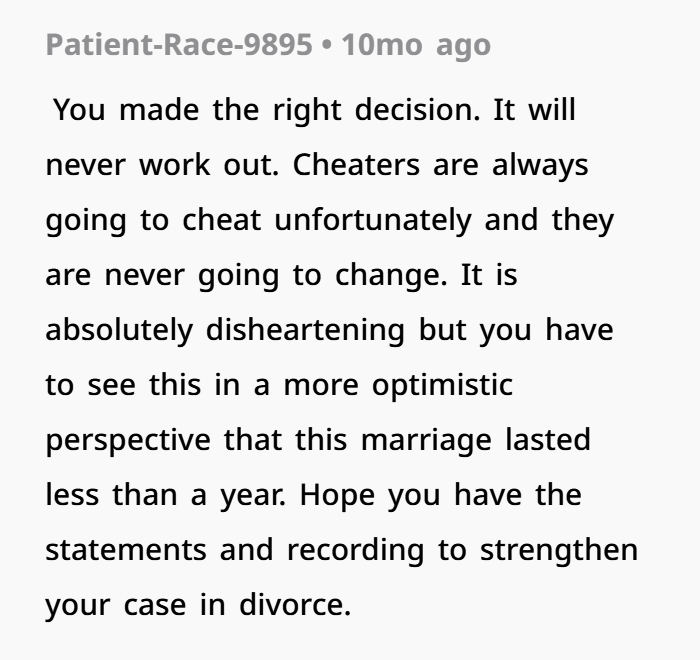
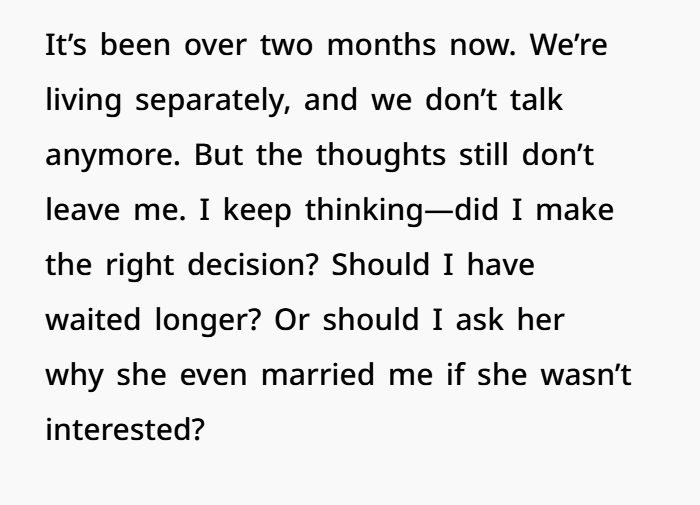
Over time, he realized that the relationship was affecting his mental and emotional health. He decided that living separately was the best choice for his well-being. The experience made him question his decisions and the future of the marriage. The story shows how important honesty, trust, communication, and emotional support are in building a healthy relationship.

When Trust Breaks After Marriage: Understanding Betrayal, Healing, and Emotional Recovery
Being betrayed soon after marriage can be one of the most painful experiences a person can go through.
The timing can make the situation feel even harder because a marriage is supposed to be the beginning of a new chapter. Couples are often still celebrating, building memories, and adjusting to life together when something unexpected changes everything.
When trust is broken so early, it can affect much more than the relationship. It can affect a person’s confidence, emotional health, and view of love.
The Emotional Shock of Infidelity
Discovering that a partner has been unfaithful can create intense emotional pain.
Many people describe feeling:
- Shock
- Anger
- Confusion
- Anxiety
- Sadness
- Difficulty trusting again
Some people experience strong stress reactions after betrayal, including constant worrying, trouble sleeping, or repeatedly thinking about what happened.
This type of emotional pain is often called betrayal trauma because it involves losing trust in someone who was supposed to provide love and safety.
Why Early Marriage Betrayal Feels Different
When cheating happens shortly after marriage, many people struggle because the relationship has not had enough time to build a strong emotional foundation.
This can be especially difficult in marriages where emotional connection and trust are still developing.
Every relationship grows differently. Some couples spend years together before marriage, while others build their connection after marriage. In either situation, honesty and trust are important parts of creating a healthy relationship.
When those things are damaged early, rebuilding can become extremely challenging.
The Impact of Lies After Betrayal
Many people find that the pain becomes worse when dishonesty continues after the betrayal is discovered.
The emotional damage is not only about what happened. It is also about feeling confused about what is true.
After trust is broken, people often start asking questions like:
- Did I really know this person?
- Was the relationship honest?
- What else was hidden from me?
- Can I trust my own judgment?
These questions can create emotional stress and make healing more difficult.
How Infidelity Can Affect Mental Health
Relationship betrayal can have a serious emotional impact.
Some people experience:
- Trust issues
- Fear of future relationships
- Constant overthinking
- Anxiety about being hurt again
- Difficulty feeling emotionally safe
After a painful betrayal, the brain may become more alert to possible danger. A person may notice small details more than before because they are trying to protect themselves from being hurt again.
This reaction does not mean someone is naturally suspicious. It can be a response to emotional pain.
The Challenge of Rebuilding Trust
Some couples are able to recover after infidelity, but rebuilding trust takes time and effort.
Successful relationship recovery usually requires:
- Complete honesty
- Accountability
- Open communication
- Emotional support
- Patience
- A willingness to change
Saying sorry is only one part of healing. The person who caused the hurt must also show through actions that they are committed to rebuilding trust.
When Reconciliation Becomes Difficult
Many people try to save a marriage after betrayal because they value their relationship, family, or shared history.
However, reconciliation becomes difficult when one person is still deeply hurt and the other person does not fully understand the emotional damage.
Trying to move forward too quickly can sometimes create more pressure instead of healing.
Emotional recovery does not happen simply because someone decides they should be okay.
Healing takes time.
The Role of Family and Outside Opinions
In some relationships, family members become involved after a major conflict.
Sometimes families offer support. Other times, discussions can become focused on reputation, blame, or protecting appearances.
However, the most important issue is usually the emotional health of the people directly involved.
A healthy approach focuses on:
- Understanding the situation
- Taking responsibility
- Supporting healing
- Creating respectful solutions
Why Searching for Answers Can Become Exhausting
After betrayal, many people spend a lot of time trying to understand why it happened.
They may think:
“Why did this happen?”
“Was I not enough?”
“Could I have prevented it?”
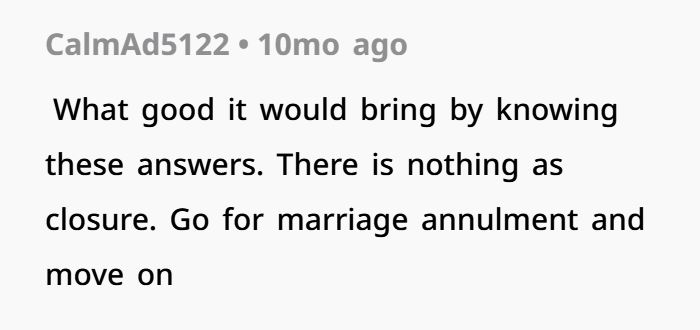
These questions are normal, but searching for answers forever can keep someone trapped in the past.
Sometimes healing begins when the focus changes from understanding another person’s choices to rebuilding your own life.
Moving Forward After Relationship Trauma
Recovering from infidelity is not only about ending or saving a relationship.
It is also about rebuilding yourself.
Helpful steps may include:
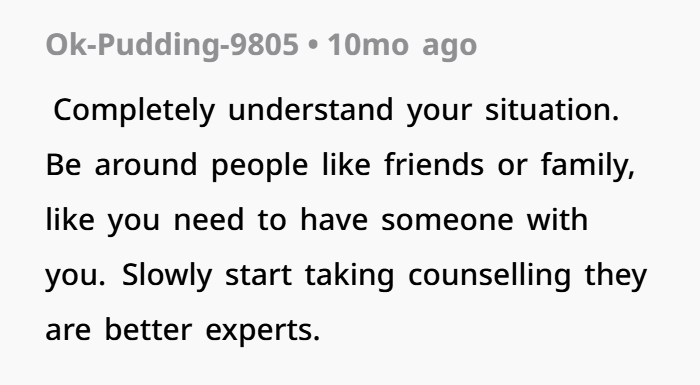
- Talking with trusted people
- Seeking professional mental health support
- Learning healthy boundaries
- Taking time to process emotions
- Focusing on personal growth
Marriage counseling or individual therapy can help some people understand their feelings and decide what is healthiest for their future.
The Importance of Emotional Safety in Marriage
A healthy marriage requires more than love.
It also requires:
- Respect
- Trust
- Honesty
- Emotional security
- Communication
Without these things, even strong feelings can struggle to survive.
A person should not have to ignore their own mental health just to keep a relationship together.
The Bigger Lesson About Healing
The hardest part after betrayal is often accepting that some things cannot be changed.
A person may never fully understand another person’s choices. They may never receive every answer they wanted.
But healing does not always come from getting every explanation.
Sometimes healing comes from accepting what happened, protecting your emotional well-being, and creating a healthier future.
Being hurt by someone you trusted can change you, but it does not have to define the rest of your life.
The most important step after betrayal is learning how to trust yourself again.
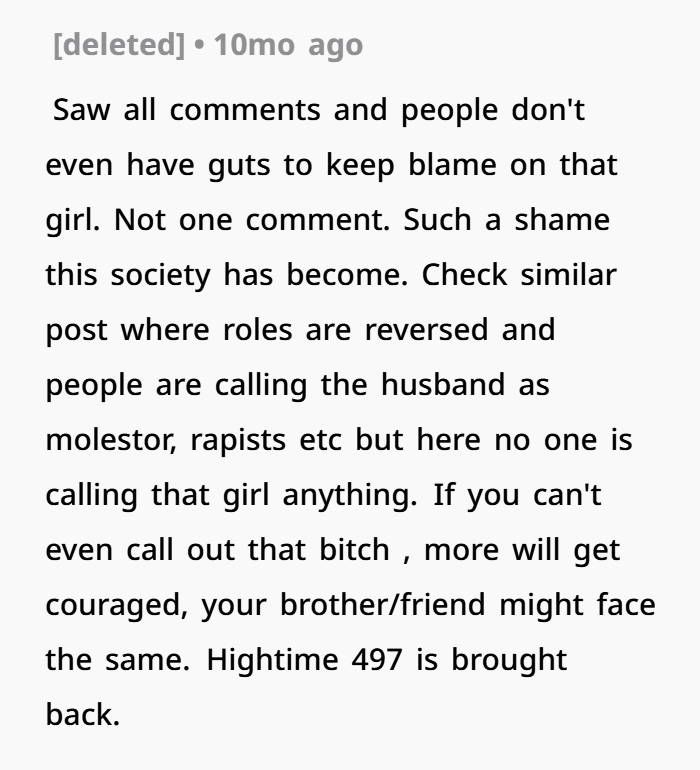
The Reactions Are In