He Cheated, Now Wants Her Around My Kids… AITA for Saying No?

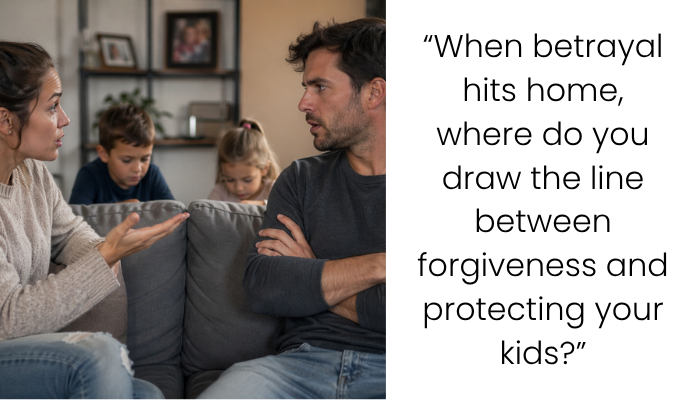
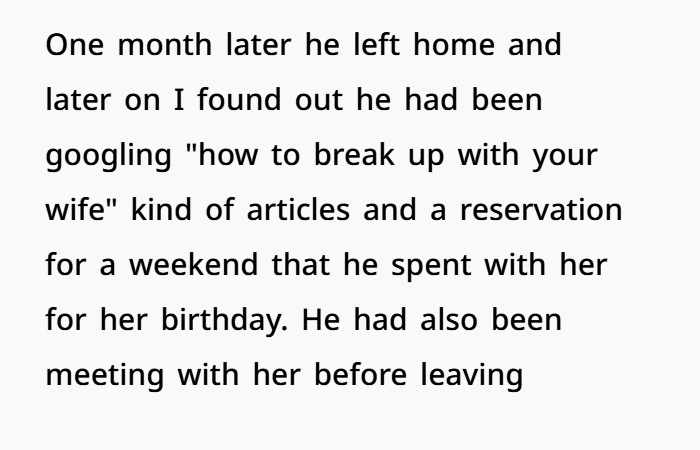
A woman in her late 20s shared her experience after her long-term marriage ended in a painful way. She explained that she and her husband had spent almost 10 years building a life together. However, she later discovered that he had been involved in a hidden relationship with a coworker for some time.
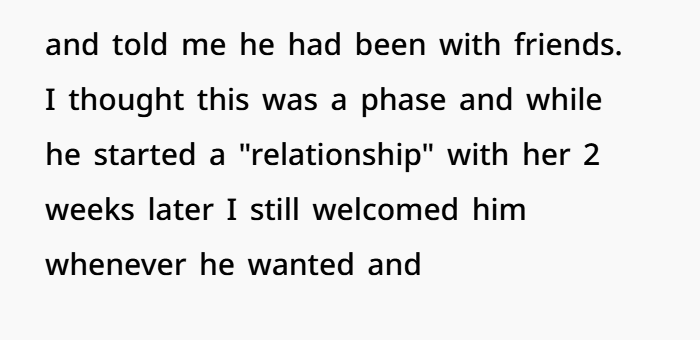
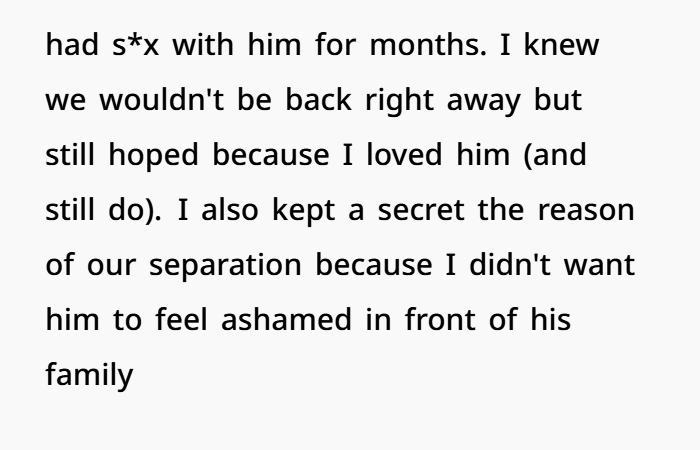
She said the situation was not just a sudden mistake. She believed her husband had already been thinking about leaving the marriage before she found out. Despite the hurt, she decided to stay at first because she hoped they could repair their relationship through time, communication, and marriage counseling.
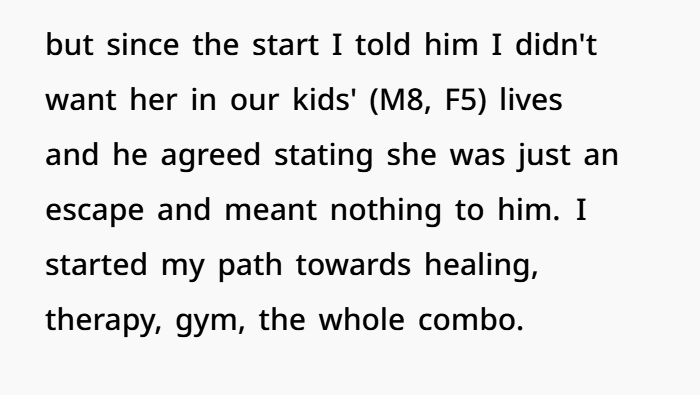
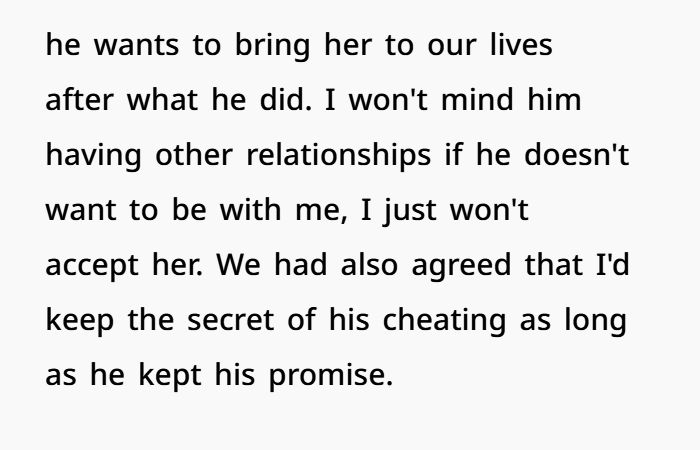
The situation became more difficult when her husband wanted to move forward with the other woman and introduce her to their children. The woman said she was not against him starting a new relationship, but she had concerns about that specific person becoming part of their children’s lives. She felt that her children’s emotional well-being needed to come first.
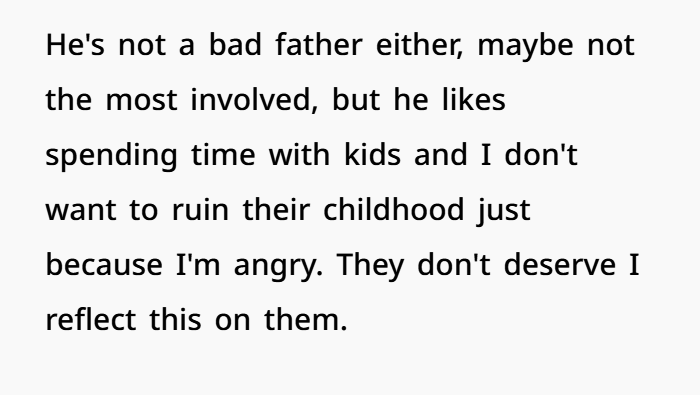
Now, the couple is facing challenges involving co-parenting, family boundaries, and decisions about their children’s future. She is trying to decide how to handle the situation while protecting her children and creating a healthy environment for them. The story highlights why communication, respect, and clear parenting boundaries are important after a separation or divorce.

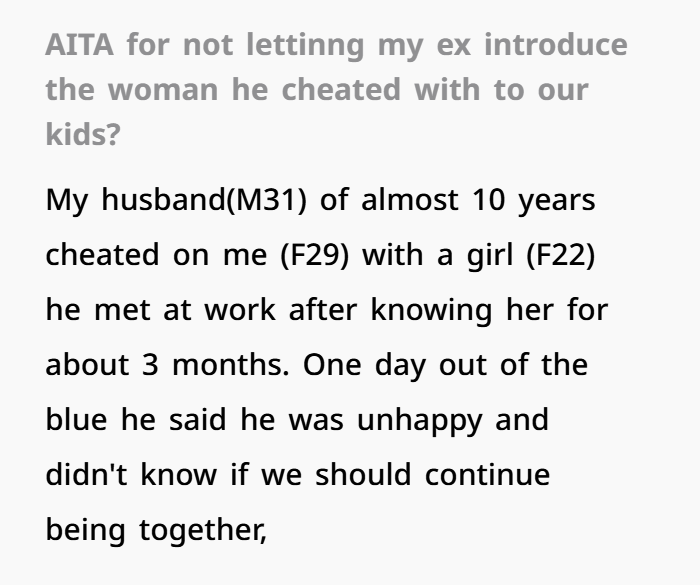



Co-Parenting After Cheating: Protecting Kids After Divorce
This situation is complicated because it involves many things at once:
- Broken trust
- Divorce
- Parenting decisions
- New relationships
- Children’s emotions
Many people search for topics like “co-parenting after infidelity,” “introducing a new partner after divorce,” and “how cheating affects children.” Stories like this show why these topics can be so difficult for families.
Cheating Does Not Only Hurt the Couple
When someone cheats in a long-term marriage, the damage is usually bigger than just the relationship between two adults.
A marriage with children is a whole family system. When trust is broken, it can affect everyone in the home.
Children may not know every detail, but they often notice changes.
They may feel:
- Tension between parents
- Stress at home
- Confusion about what is happening
- Changes in family routines
Infidelity can create emotional pain for the couple, but it can also affect the children’s sense of safety and stability.
A Pattern of Behavior Matters
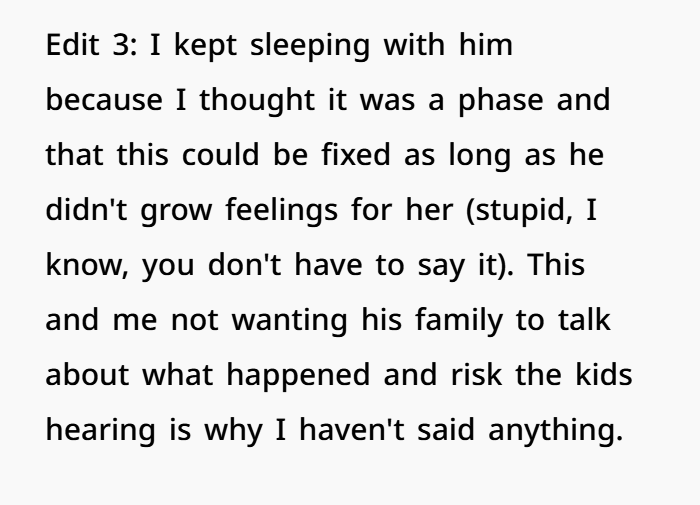
In this situation, the problem was not only the affair.
It was also the lying, planning, and hiding.
There is a difference between making one bad choice and creating a pattern of dishonesty.
When people are dealing with divorce, custody questions, or family law issues, patterns of behavior often become important. They can affect how people view trust, responsibility, and decision-making.
A parent’s choices matter because children depend on adults to create a safe and stable environment.
The New Partner Creates More Questions
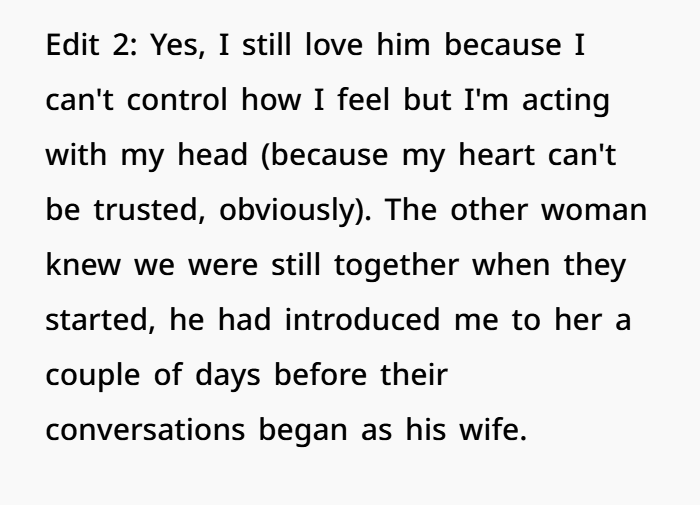
The other woman knew he was married and still continued the relationship.
That does not automatically mean she is a bad person or unsafe around children.
However, it is understandable why the other parent may feel uncomfortable.
Parents naturally care about who spends time around their children. They want to know:
- Who is influencing their kids?
- Is this person respectful?
- Will this change affect the children emotionally?
These concerns are common after divorce, especially when a new relationship started during the marriage.
Can One Parent Stop the Other Parent From Introducing Someone New?
This is where things become legally complicated.
In many co-parenting situations, each parent has the ability to make choices during their own parenting time unless a court order says otherwise.
However, many family therapists and child development experts recommend waiting before introducing a new partner to children.
A common recommendation is to allow time for stability first.
Why?
Because children can become attached quickly.
If a parent introduces different partners too soon, children may experience:
- Confusion
- Emotional stress
- Fear of more changes
- Difficulty trusting relationships
The timing matters.
And this situation is even more sensitive because the new partner is connected to the end of the marriage.
For the children, this person may not feel like a normal new relationship. They may connect that person with a painful family change.
The Promise Between the Parents
The couple had an agreement.
The cheating would remain private, and in return, one important boundary would be respected.
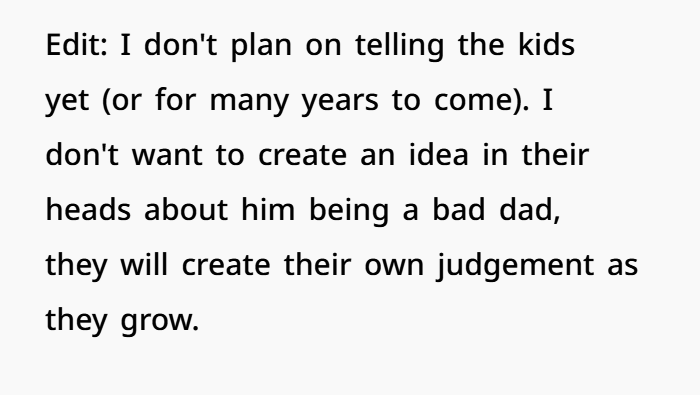
The goal was likely to protect the children from unnecessary drama and adult conflict.
Many divorced parents try to do this. They avoid sharing painful details with children because they want to create a calmer environment.
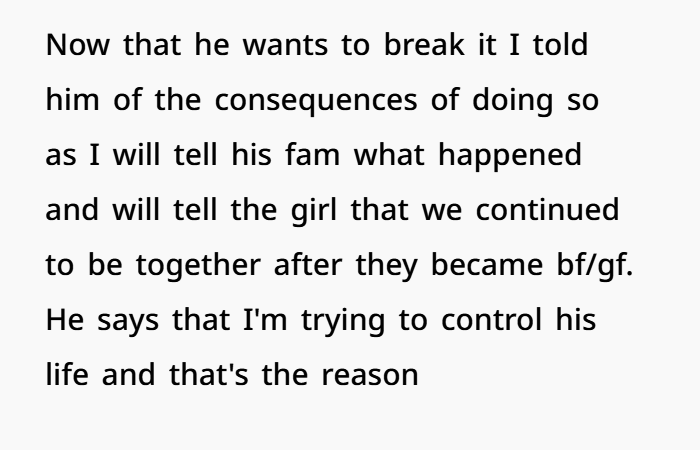
But when one person breaks the agreement, the other person naturally feels hurt.
That creates a difficult question:
Is it wrong to tell the truth after someone breaks their promise?
Sharing the Truth After Betrayal
The answer is not simple.
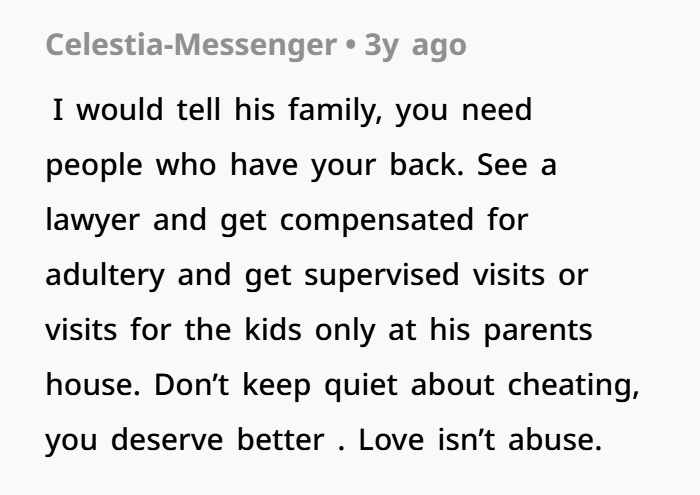
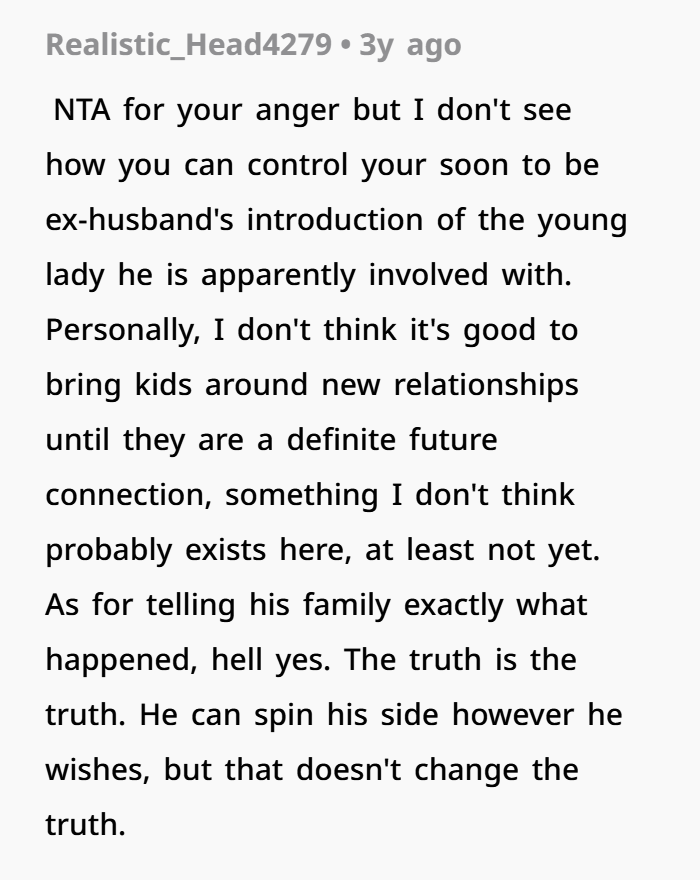
A person has the right to talk about their own experience. They do not have to hide pain forever.
However, there is a difference between:
- Sharing the truth to heal
- Sharing the truth only to hurt someone
The intention matters.
If the situation becomes a public fight or a way to attack the other parent, it can make co-parenting much harder.
Family courts and custody professionals usually focus on one major goal:
Creating a stable environment for children.
Even when emotions are strong, parents often benefit from keeping communication calm and focused on the children.
Healing After a Broken Relationship
Another difficult part of this story is the emotional connection that remained after the marriage changed.
When one person moves forward with a new relationship while the other person is still emotionally attached, healing can become much harder.
This can create feelings like:
- Rejection
- Anger
- Sadness
- Confusion
- Feeling replaced
Those emotions are normal after betrayal.
Therapy, emotional support, exercise, and rebuilding personal confidence can help people move forward.
But decisions made only from pain can sometimes create more conflict later.
What Are the Best Options Moving Forward?
There are a few healthier ways to handle this situation.
1. Set Clear Boundaries
Communicate calmly about what you are comfortable with.
Instead of threats or arguments, focus on clear concerns and what you need for your children.
2. Consider a Formal Co-Parenting Agreement
A family law professional can help create clear rules about parenting communication, schedules, and introductions of new partners.
Having a written plan can reduce future conflict.
3. Share Your Story Carefully
If you decide to tell others what happened, do it because you want honesty and emotional freedom.
Try not to make the goal revenge.
4. Focus on Your Children’s Emotional Safety
Children need stability, love, and support more than anything.
Even if they eventually meet a parent’s new partner, what matters most is that they feel safe, valued, and cared for.
See The Comments Below








Final Thoughts
This situation is not only about cheating or a new relationship.
It is about trust, boundaries, healing, and protecting children during a difficult family transition.
Your feelings after betrayal are understandable.
Wanting to protect your children and maintain respect is normal.
The biggest challenge is making choices that help you heal without turning the situation into a long-term battle.
Because in the end, the people who need the most protection from adult conflict are the children.