The Pregnancy You Didn’t Share: Guilt, Truth, and a Shocking Paternity Fallout

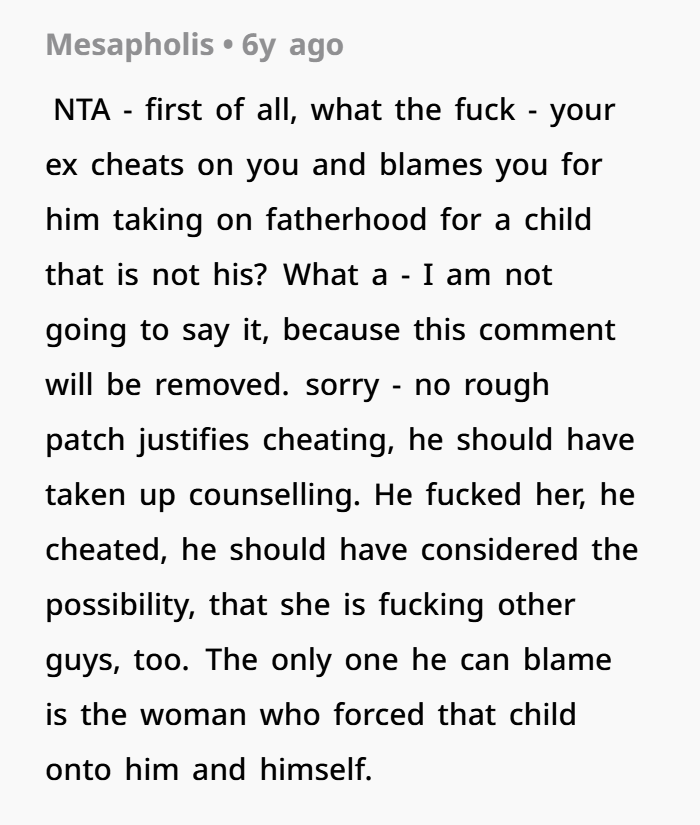
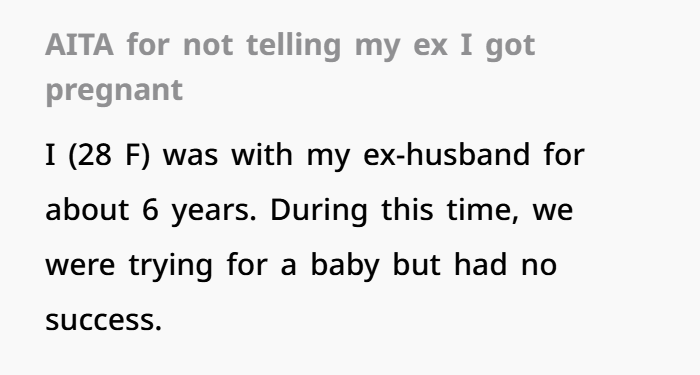
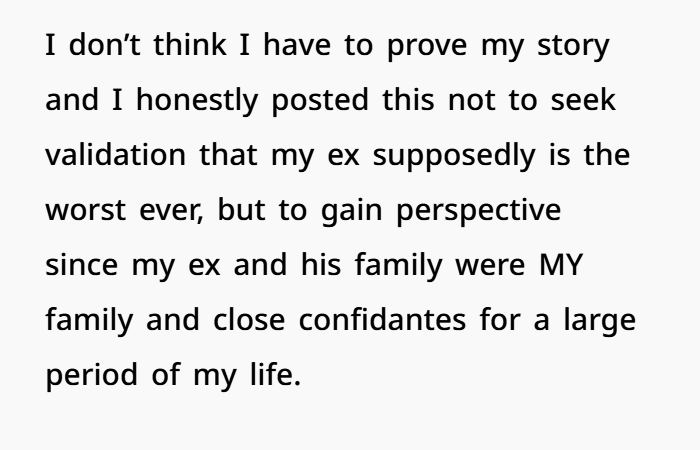
A woman shared a difficult story about the end of her marriage and the challenges she faced before starting a new chapter in her life. She explained that she and her husband spent years trying to have a baby and experienced the emotional stress that can come with fertility struggles.
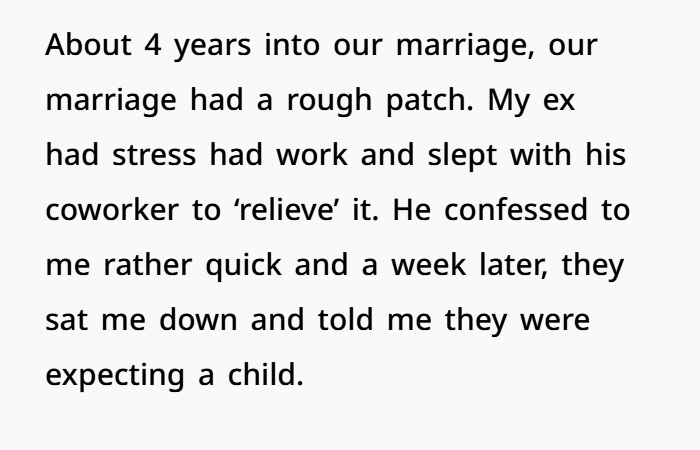
During that difficult time, she discovered that her husband had been unfaithful. She later learned that the other woman was pregnant. The news was extremely painful, but she decided to stay in the marriage because she hoped they could rebuild their relationship through love, commitment, and counseling.
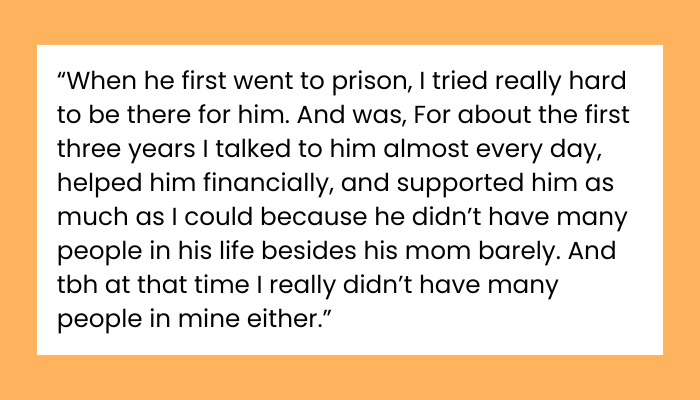
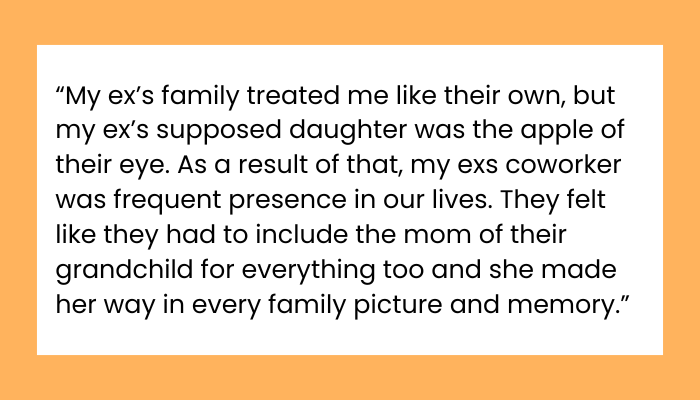
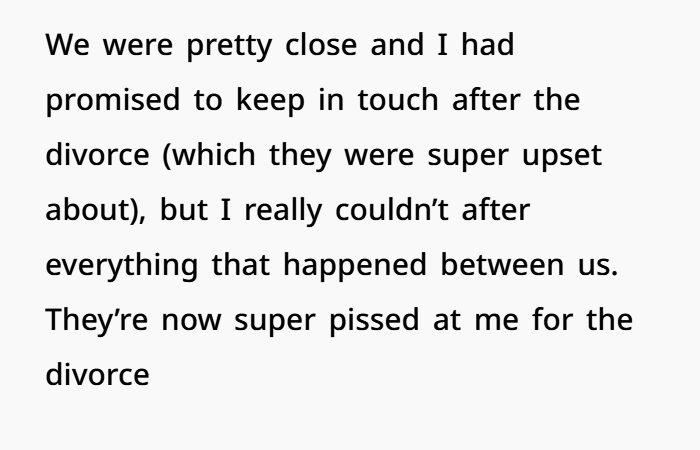
However, she felt that things did not improve. The other woman became a regular part of her husband’s life, and she felt pushed aside by his family and the situation around them. After a long period of emotional pain, she decided to leave the marriage and focus on healing, personal growth, and creating a new future for herself.
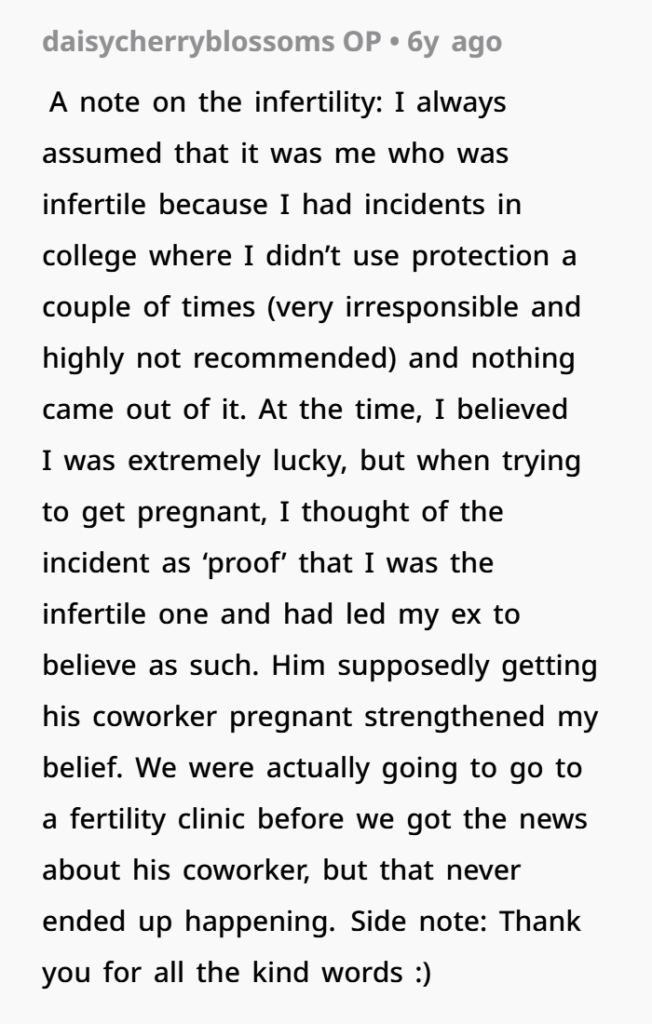
Later, she started a new relationship and became pregnant. She saw this as a hopeful moment but also wondered if her previous fertility struggles were connected to her former husband. She chose not to bring up the topic because she did not want to reopen old conflicts.
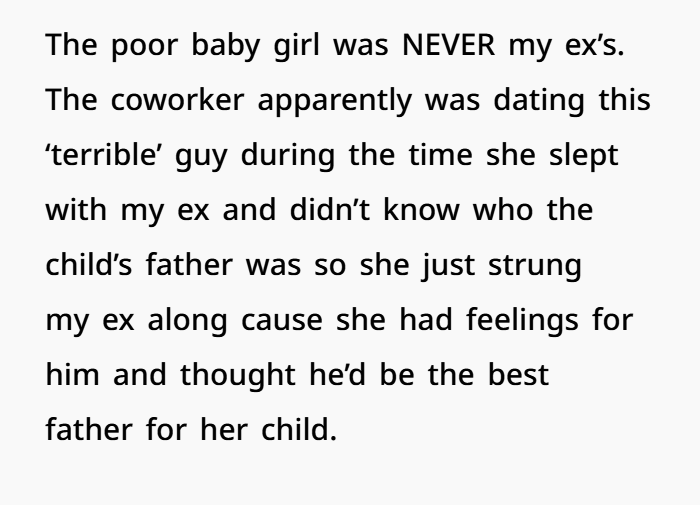
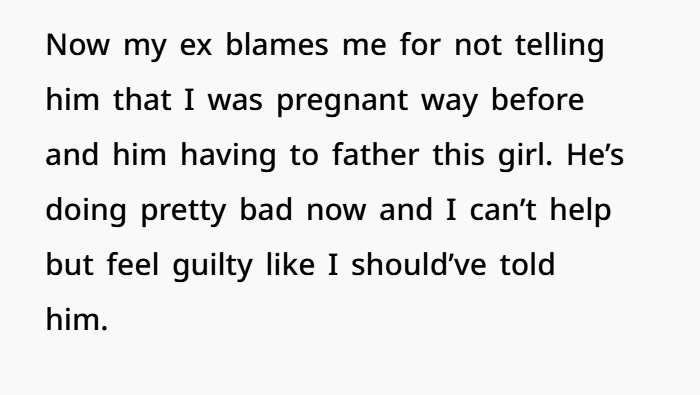
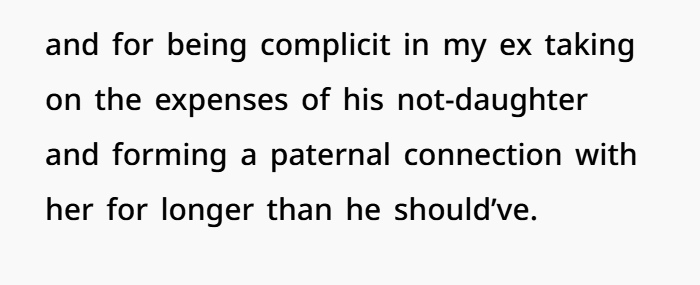
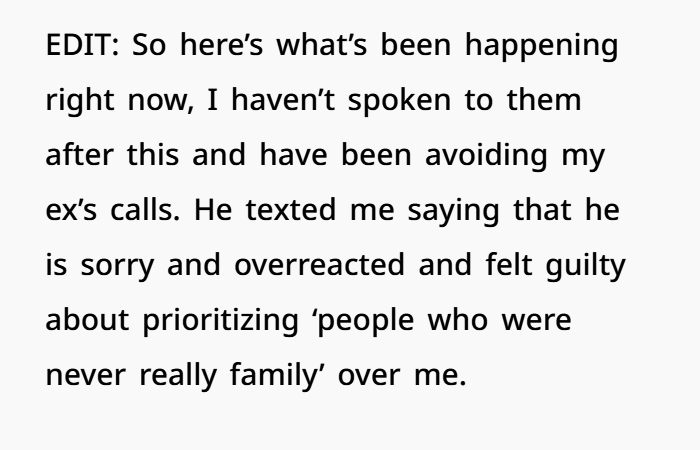
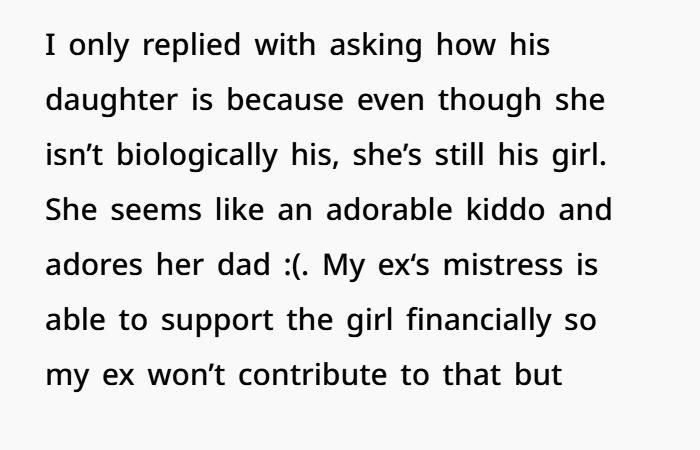
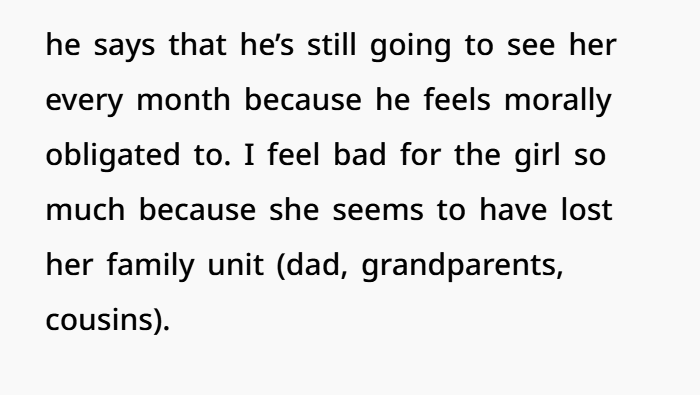
The situation became complicated when her ex-husband’s family learned about her pregnancy. A DNA test later revealed that the child her ex-husband believed was his was not biologically his. The discovery created more emotional conflict and difficult conversations between everyone involved. The story shows how trust, honesty, and communication can have a major impact on relationships and family decisions.

Infidelity, Paternity Questions, and Moving Forward After Divorce
Some relationship stories are difficult because there are many emotions involved.
They are not always simple situations where one person is completely right and another person is completely wrong.
Sometimes there are many layers:
- Broken trust
- Infidelity
- Family issues
- Legal questions
- Emotional healing
This type of situation shows how decisions from the past can continue affecting people years later.
Fertility Problems Are Not Only a Woman’s Issue
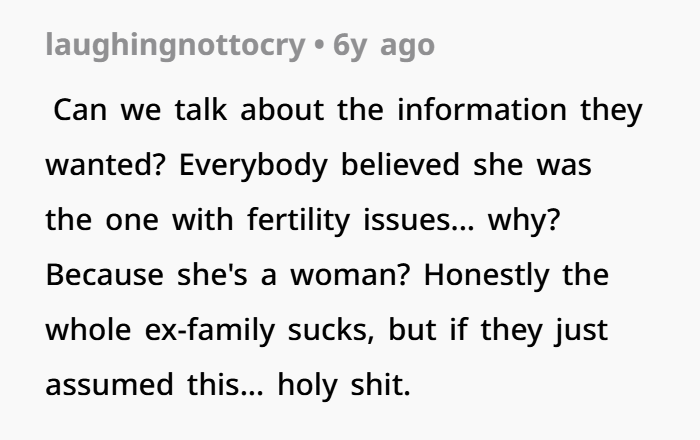
One important part of this story is the misunderstanding around fertility.
Many people still believe fertility problems are mainly caused by women.
But medical research shows that fertility challenges can involve either partner.
That is why fertility specialists usually recommend that both people get checked when a couple is having trouble conceiving.
Testing both partners can help provide answers and prevent years of confusion or unnecessary blame.
When one person carries all the guilt, it can create emotional stress and damage a relationship.
Fertility struggles are already difficult enough without one partner feeling responsible for everything.
The Emotional Impact of Discovering Paternity Problems
Finding out that a child is not biologically yours can be extremely painful.
For someone who believed they were the biological parent, the news can create feelings of:
- Shock
- Anger
- Sadness
- Confusion
- Loss
A person may feel like their understanding of their own life has suddenly changed.
However, situations involving paternity can also become complicated legally.
Family law often considers many factors, including:
- The child’s best interests
- Existing parent-child relationships
- The role someone has played in the child’s life
Biological connection is important, but parenting is also built through love, care, and daily involvement.
The Importance of the Parent-Child Bond
A child does not understand adult conflicts.
They only know the people who care for them.
A parent figure can provide:
- Stability
- Love
- Guidance
- Emotional support
A DNA result may change some facts, but it does not automatically erase years of memories and connection.
Many family experts emphasize that children need safety and consistency above everything else.
A loving relationship can still be meaningful even when complicated circumstances exist.
What Happens After Divorce?
After a divorce, relationships change.
Former partners usually no longer have the same responsibilities they had during marriage.
Healthy post-divorce boundaries are important for emotional recovery.
These boundaries may include:
- Limited communication
- Focusing only on necessary topics
- Avoiding situations that reopen old pain
When a marriage ends because of betrayal, rebuilding a separate life can be especially important.
Moving forward does not mean someone is being cruel.
Sometimes it means protecting emotional health.
Did the Ex Have a Responsibility to Share Personal News?
This question can be complicated.
Some people may feel an ex-partner deserves to know important life updates.
Others believe that after divorce, each person has the right to privacy and independence.
In situations without shared children or ongoing responsibilities, many people choose to keep personal matters private.
The important factor is understanding the difference between kindness and obligation.
A person can feel sympathy for someone’s pain without being responsible for every consequence of their life.
Where Responsibility Really Belongs
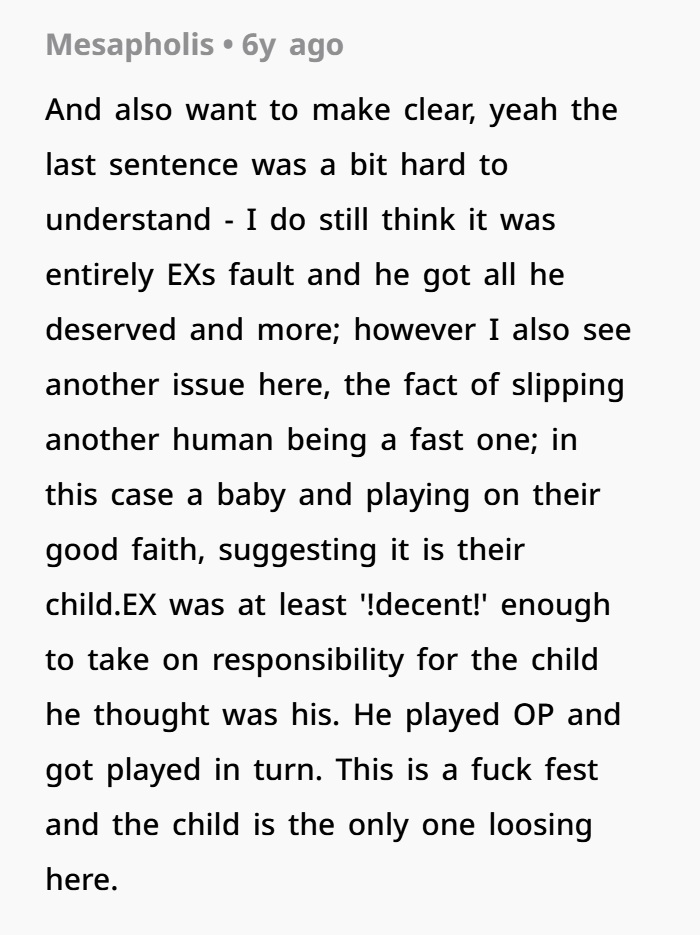
In situations involving betrayal, it is important to look at who made which choices.
People are responsible for their own decisions.
Cheating, dishonesty, and hiding important information can create serious emotional harm.
At the same time, anger after a painful discovery can sometimes be directed toward the wrong person.
Strong emotions can make people look for someone to blame, even when the situation is more complicated.
Understanding responsibility clearly can help people heal.
The Role of Guilt After a Difficult Situation
Guilt can be confusing.
Sometimes people feel guilty because they see another person suffering.
But feeling sympathy does not always mean someone caused the problem.
Healthy emotional healing often requires understanding:
- What was your responsibility?
- What was someone else’s choice?
- What can you control now?
Taking responsibility for your own actions is important.
Taking responsibility for someone else’s decisions is not.
Healing and Building a New Life
One of the biggest lessons in situations like this is the importance of moving forward.
After a painful relationship ends, people often focus on:
- Emotional healing
- Personal growth
- Building a healthier future
- Creating stronger boundaries
Starting over does not mean forgetting the past.
It means learning from it and choosing a better direction.
The Bigger Lesson
This story is not only about divorce or paternity.
It is about trust, choices, and how people handle difficult moments.
Relationships can become complicated.
People can make mistakes.
Families can experience painful changes.
But healing is possible through honesty, support, and healthy boundaries.
The past may always be part of someone’s story.
But it does not have to control their future.
Comments From The Community