My Autistic Nephew Broke My $400 Glasses… And My Sister-In-Law Said It Was My Fault

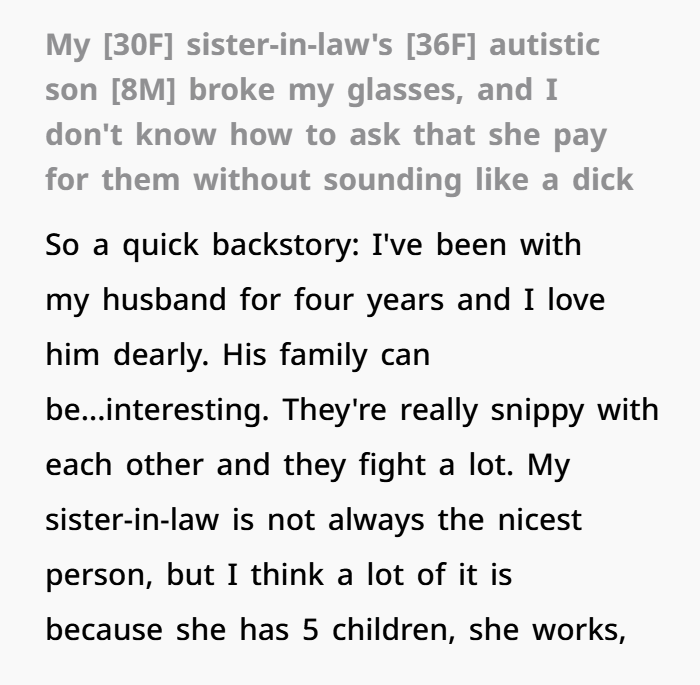
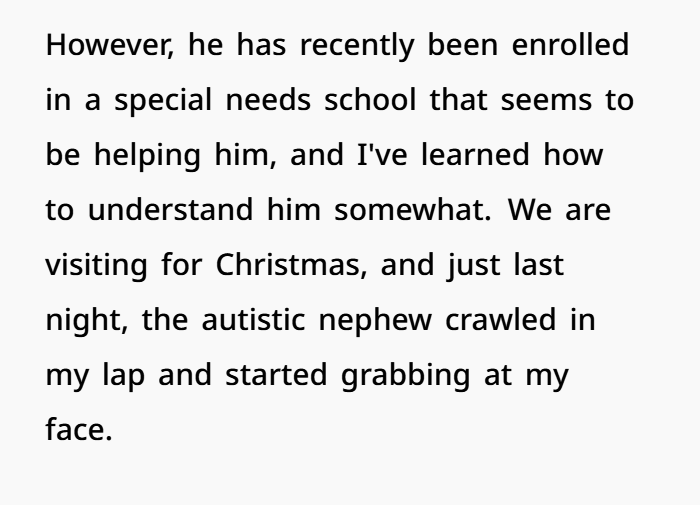
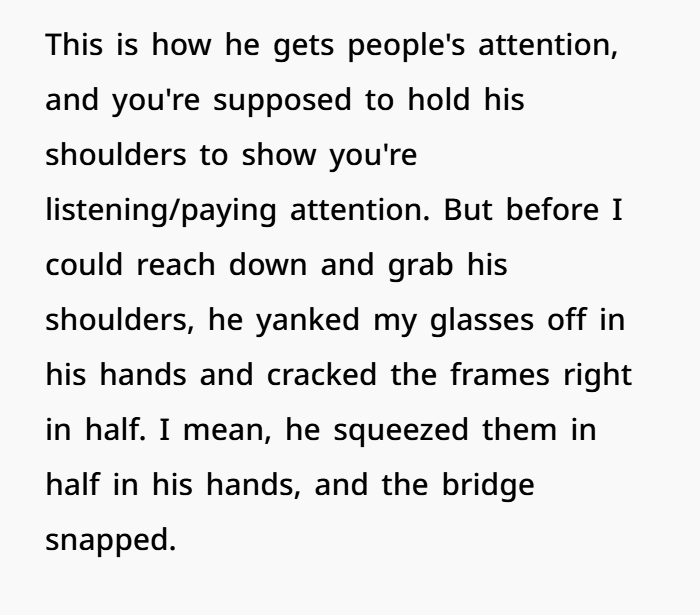
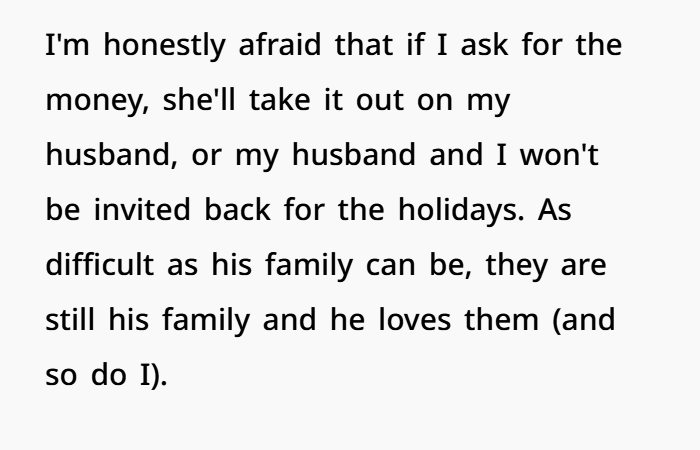
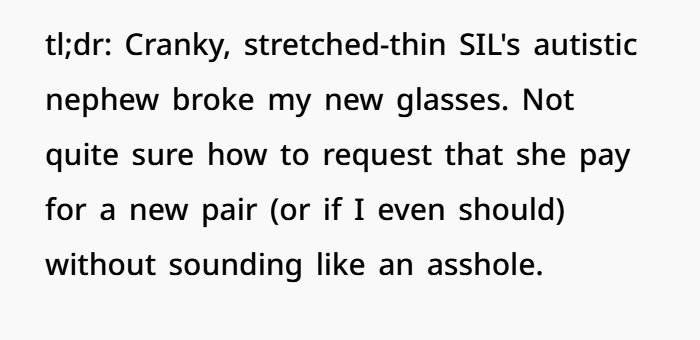
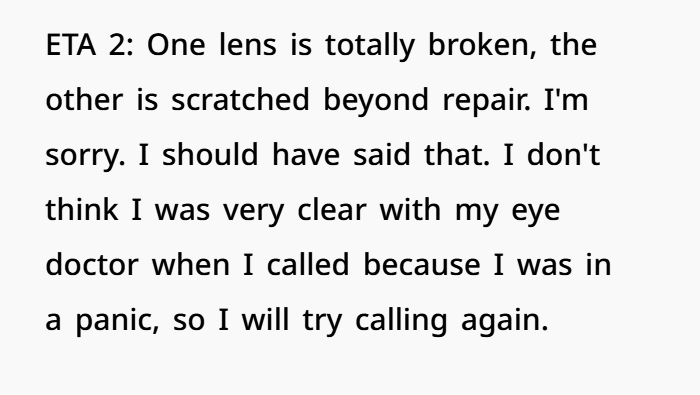
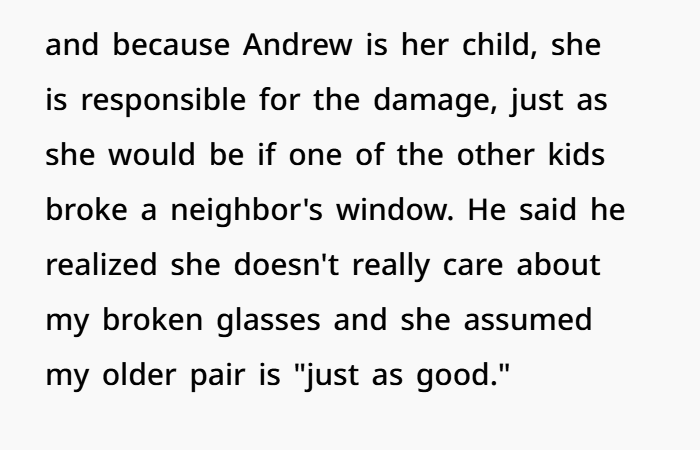
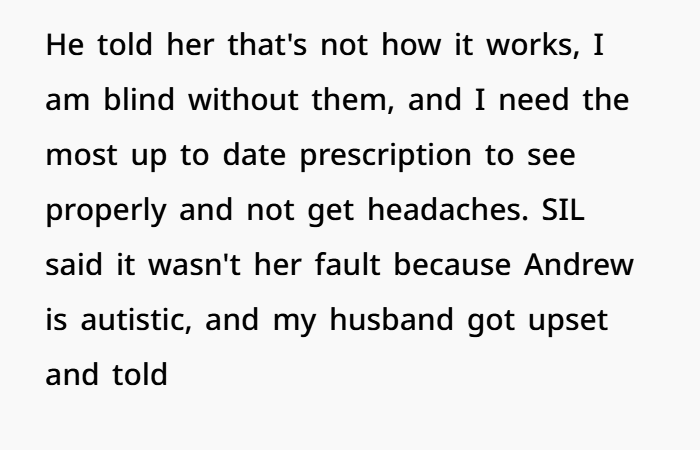
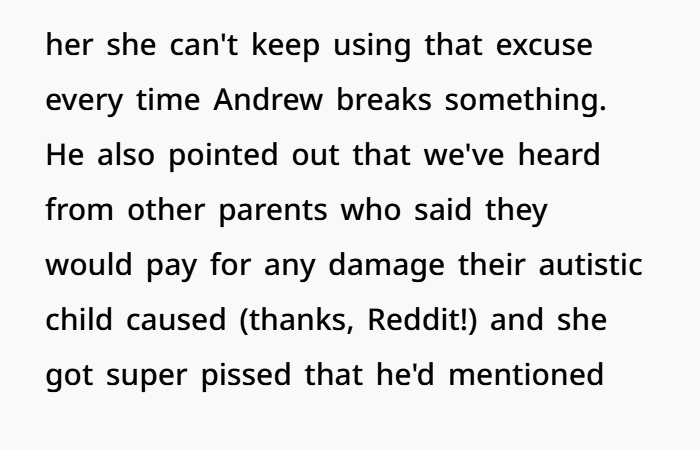
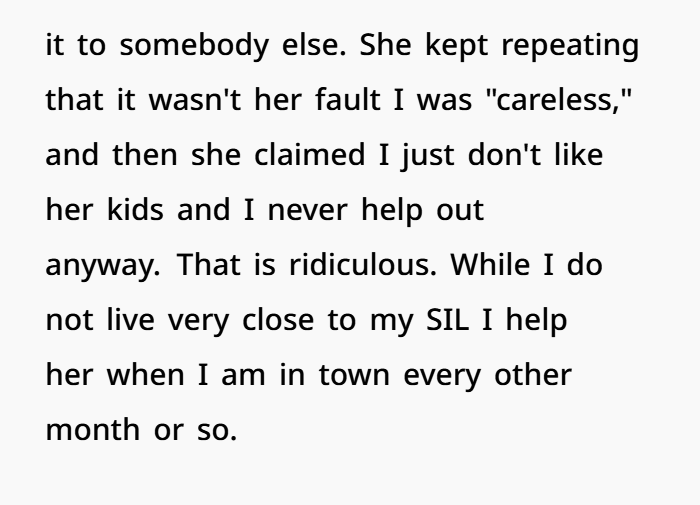
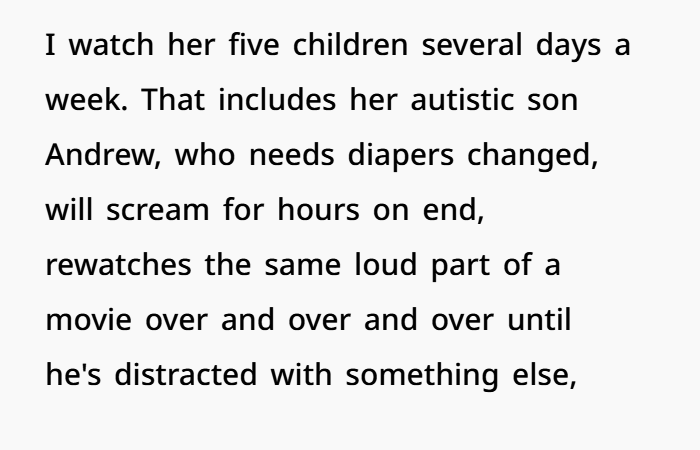
Family disagreements can become difficult when money, health needs, and personal responsibilities are involved. In this story, a woman shared what happened during a family Christmas visit when her autistic nephew accidentally broke her new prescription glasses. The child was sitting with her and grabbed the glasses, causing them to snap. The glasses had cost her nearly $400, and replacing them would be a major financial challenge.
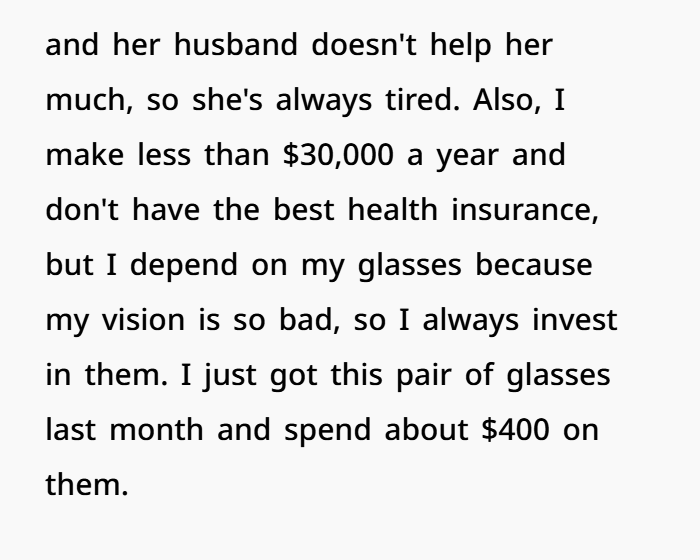
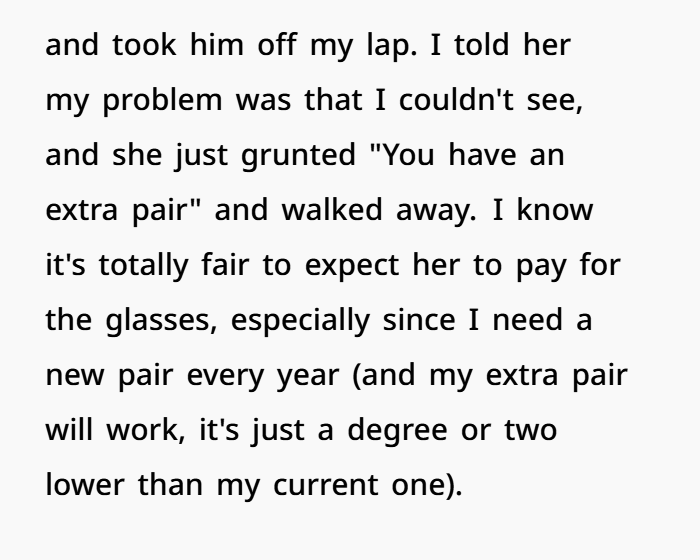
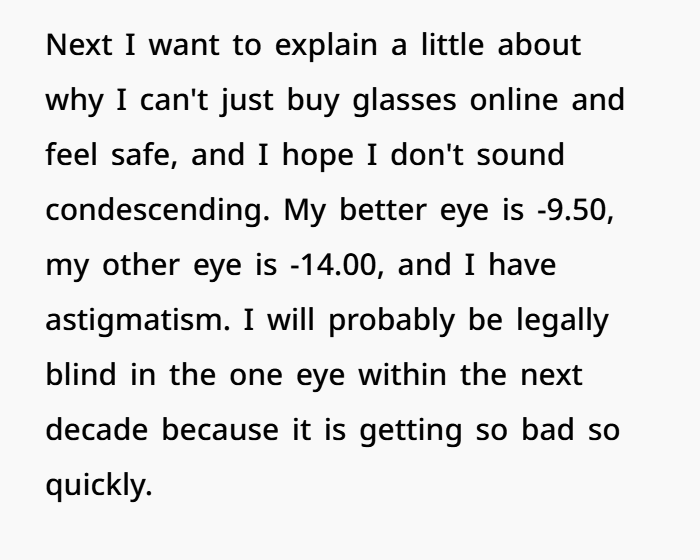
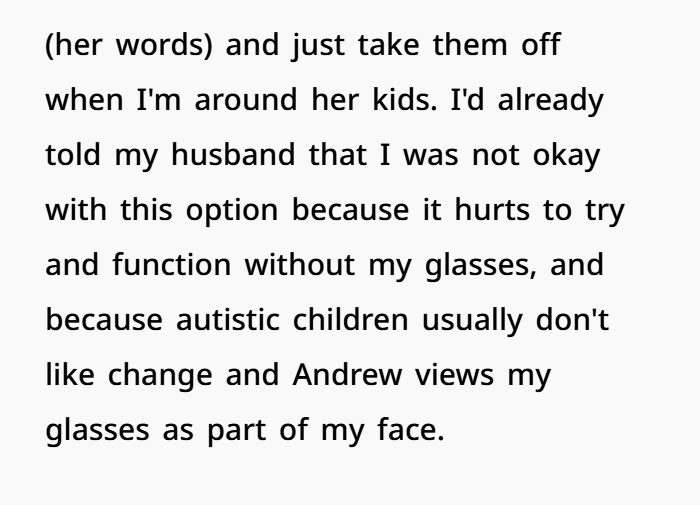
The woman explained that she has serious vision problems and depends on her prescription eyewear for daily activities. Because of her limited insurance coverage, buying new glasses was not easy. She hoped her sister-in-law would understand the situation and help find a solution, but she felt that her concerns were not taken seriously.
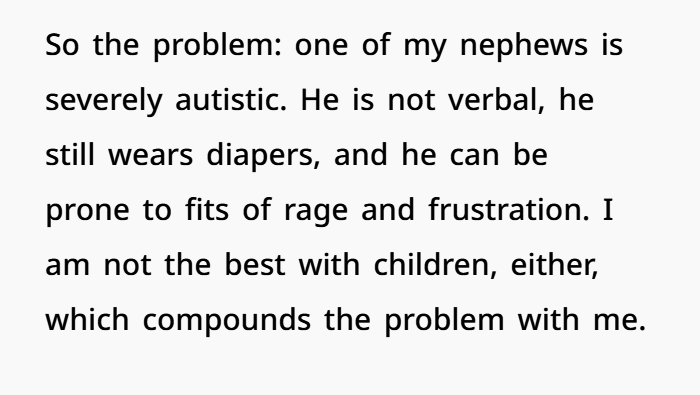
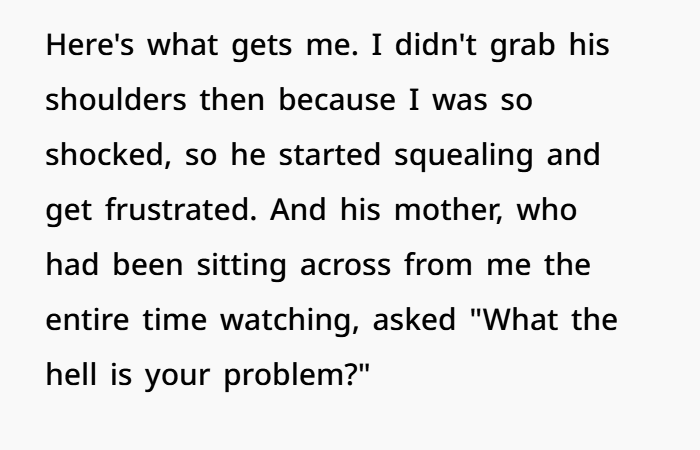
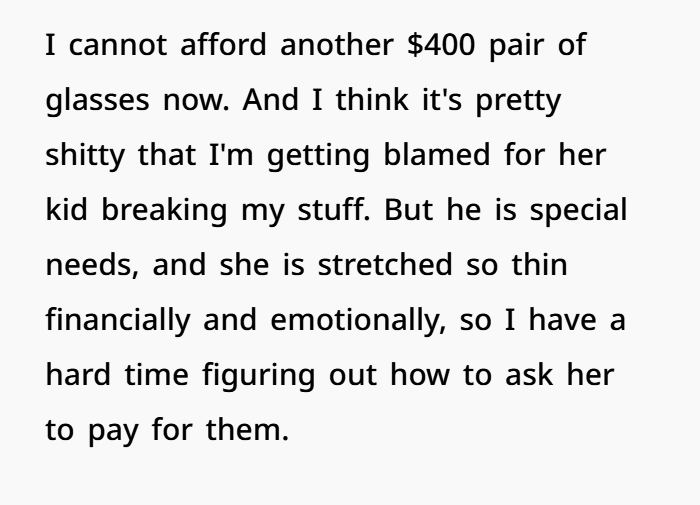
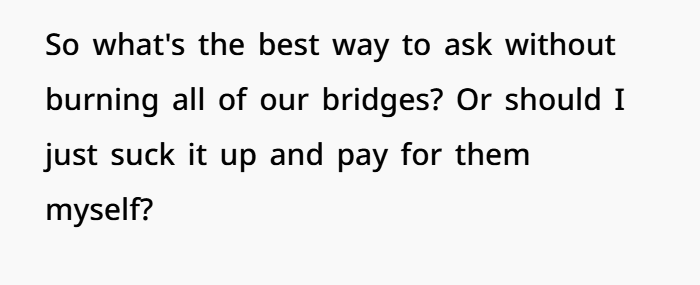
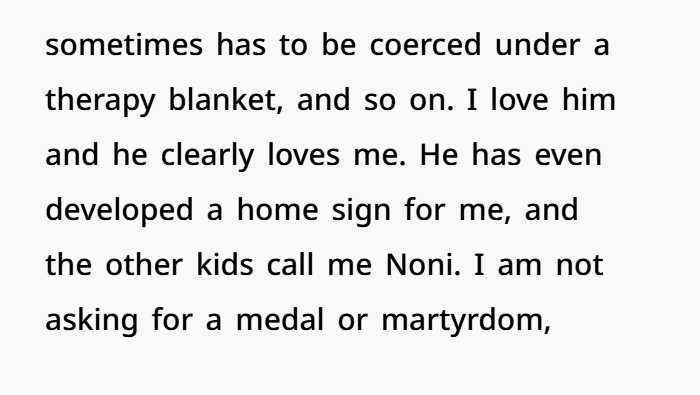
The situation was complicated because her sister-in-law was already managing the challenges of raising five children, including a son with autism who needs extra care and support. The woman did not want to blame the child or create more stress for the family. She understood that accidents happen, but she also felt that the cost of replacing the glasses should not become her responsibility alone.
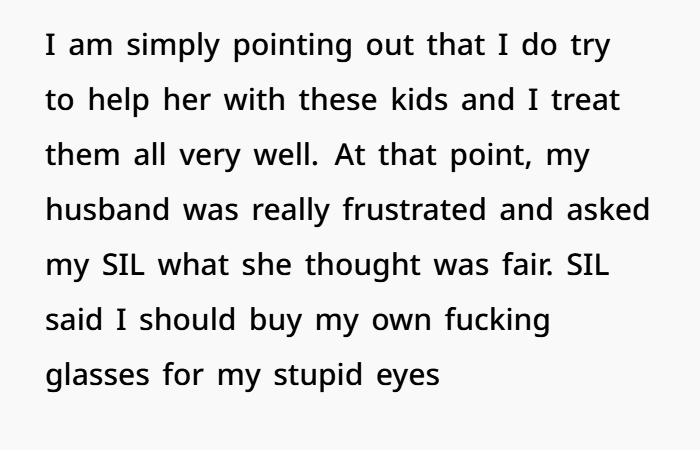
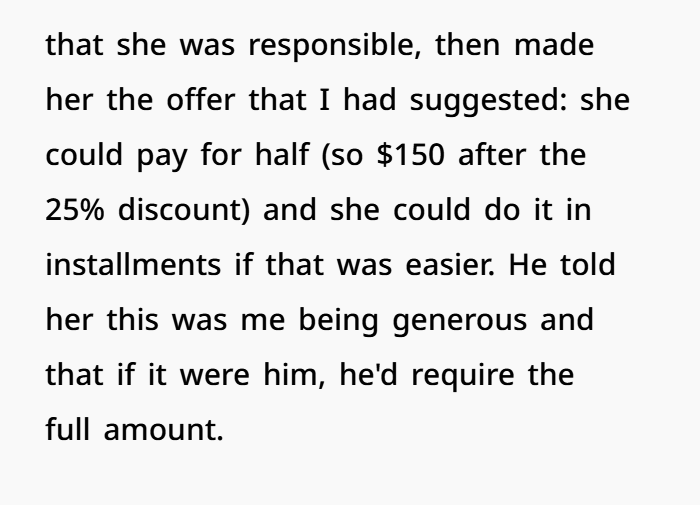
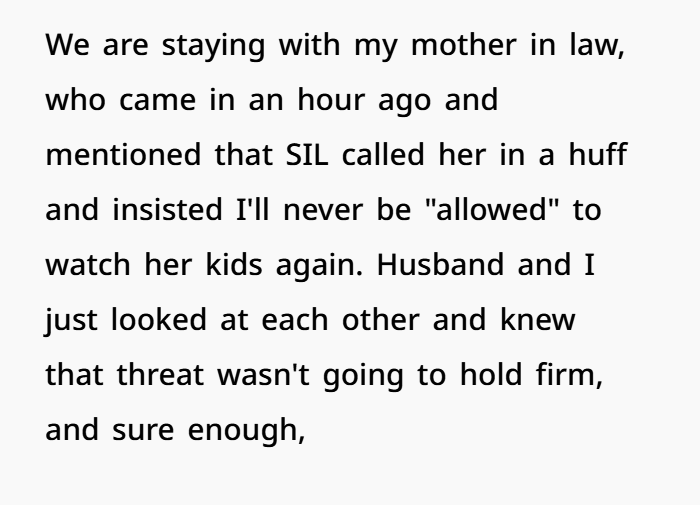
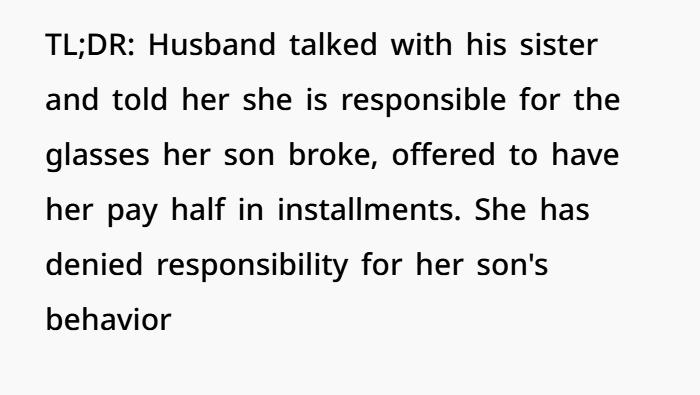
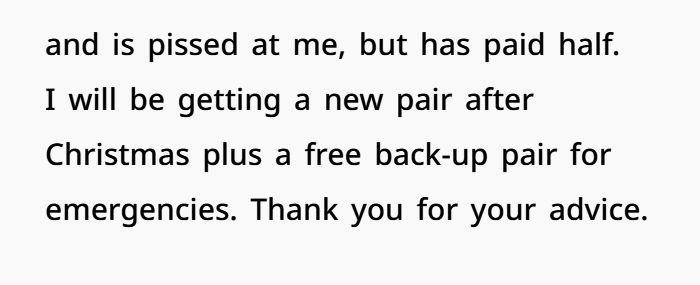
Eventually, her husband became involved and spoke with his sister about the issue. The conversation turned into a larger family disagreement with strong emotions on both sides. The situation highlighted important topics like family support, financial responsibility, disability awareness, and communication. It also showed how difficult it can be for families to find a balance between understanding each other and taking responsibility when accidents happen.


Autism, Family Boundaries, and Responsibility: A Story About Compassion and Accountability
Some family stories become popular online because they bring up difficult questions that many people do not know how to discuss.
One question that came up in this situation was simple but complicated: when a child with special needs accidentally damages something important, how should families handle responsibility?
Many people understand that children with autism or other developmental differences may communicate and behave in ways that require extra patience and support. At the same time, accidents can still create real problems, especially when the damaged item is expensive or medically necessary.
This story became a conversation about finding the balance between compassion and accountability.
When an Accident Creates a Financial Problem
The situation became more serious because the damaged item was not just something decorative or optional.
The glasses involved were prescription glasses needed for daily life. For someone with severe vision problems, corrective lenses are not a luxury. They are an important healthcare item that helps with normal activities like reading, moving around safely, working, and completing everyday tasks.
At first, some people online did not fully understand why replacing the glasses was such a big issue. They assumed buying another pair would be simple.
However, after learning more about the person’s vision needs, many people realized that prescription eyewear can be expensive and difficult to replace quickly.
The Rising Cost of Healthcare and Vision Care
One reason this story connected with many people was because it touched on a larger issue: healthcare costs.
Medical expenses can create financial stress for many families. Prescription glasses, specialty lenses, and vision care can become expensive depending on a person’s needs.
Costs may increase because of things like:
- Strong prescription lenses
- Astigmatism correction
- High-quality lens materials
- Special coatings
- Replacement fees
For people already managing a tight budget, an unexpected healthcare expense can create a lot of stress.
This is why many readers viewed the situation as more than just a broken pair of glasses. They saw it as a discussion about medical costs, financial pressure, and access to necessary care.
Understanding Autism and Special Needs Parenting
Many people agreed on one important point: the child was not intentionally trying to cause harm.
Children with autism may experience challenges with communication, emotions, sensory needs, and physical behaviors. Every child is different, and some children need more support and supervision than others.
Parents of children with special needs often handle many daily challenges, including:
- Therapy appointments
- Communication support
- Emotional regulation
- School needs
- Daily care routines
Special needs parenting can require a great deal of patience and energy.
Many autism parents also experience caregiver stress because they are constantly trying to support their child while managing their own emotional and physical health.
Compassion Does Not Remove Responsibility
This became the main point of discussion.
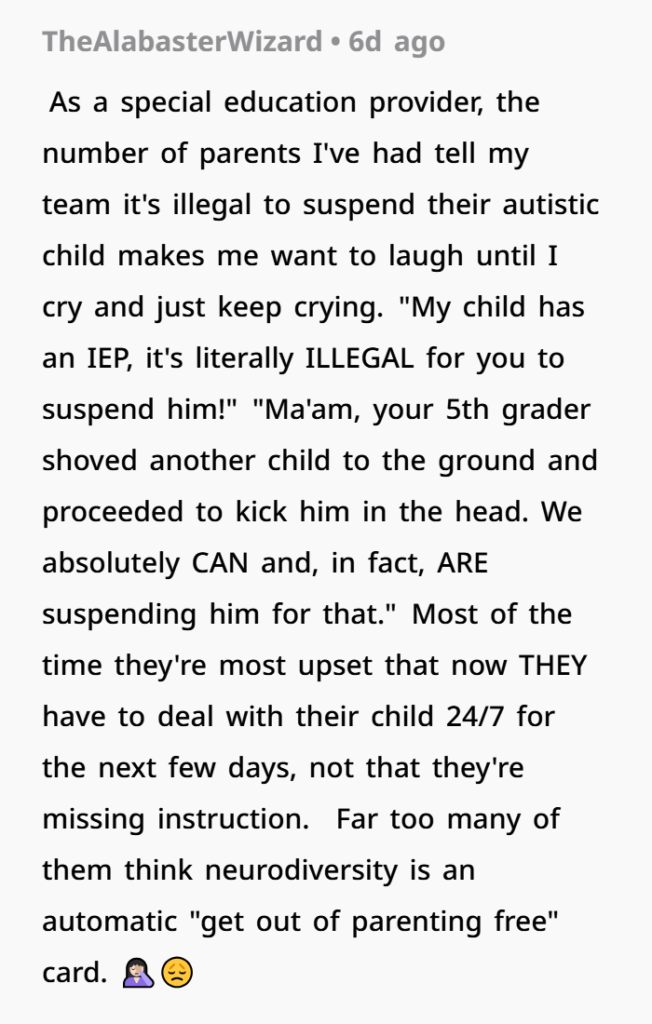
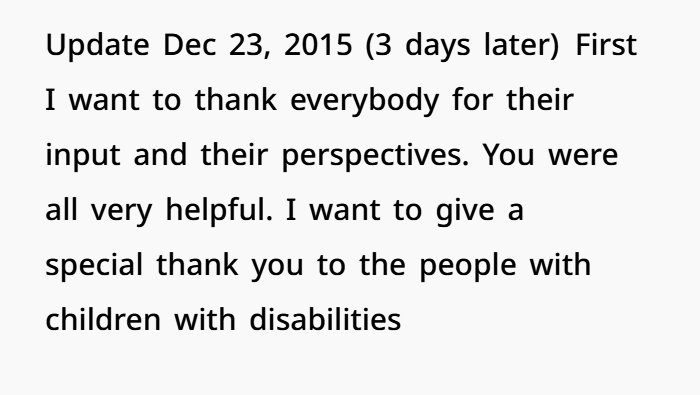
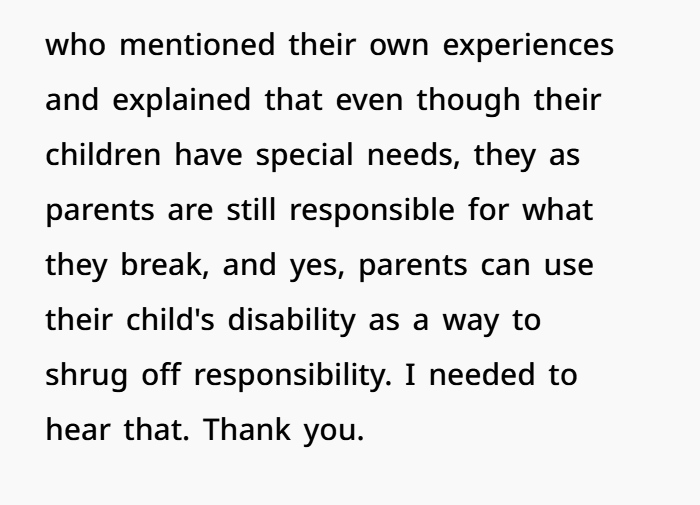
Many people felt that understanding autism and supporting families with disabilities is important. However, they also believed that compassion and accountability can exist together.
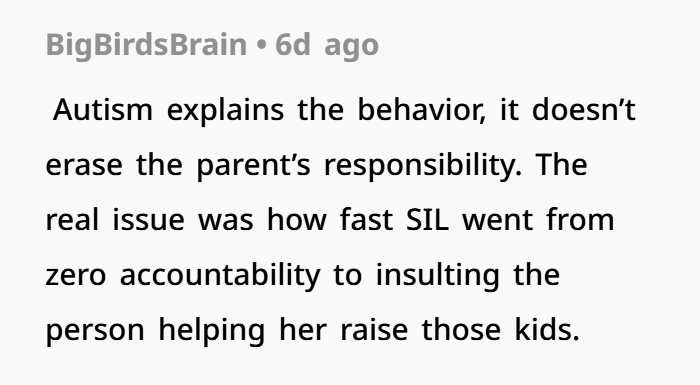
A child’s disability may explain why an accident happened, but it does not mean the consequences disappear.
Families often work through situations like this by:
- Apologizing when something goes wrong
- Discussing solutions calmly
- Sharing responsibility when possible
- Creating better safety plans for the future
The goal is not blame. The goal is finding a fair solution.
Why the Reaction Created More Conflict
Many readers focused less on the accident itself and more on how the adults handled the situation afterward.
People often respond emotionally when they feel stressed, embarrassed, or overwhelmed. Family conflicts can become worse when people feel defensive instead of trying to understand each other.
In situations involving money and children, emotions can become especially strong.
A simple problem can quickly turn into a bigger argument about:
- Respect
- Boundaries
- Family expectations
- Financial responsibility
- Past frustrations
Caregiver Burnout Is Real
It is also important to recognize that raising a child with high support needs can be exhausting.
Many caregivers experience:
- Emotional stress
- Financial pressure
- Lack of personal time
- Mental exhaustion
- Feelings of isolation
Caregiver burnout is a serious issue that affects many families.
When people are overwhelmed, they may not always react in the best way. Stress can make communication harder and create more conflict.
However, stress does not mean people should ignore the feelings or needs of others.
Healthy communication and mutual respect are still important.
Setting Healthy Family Boundaries
Another important part of this story was the idea of creating new boundaries after an accident.
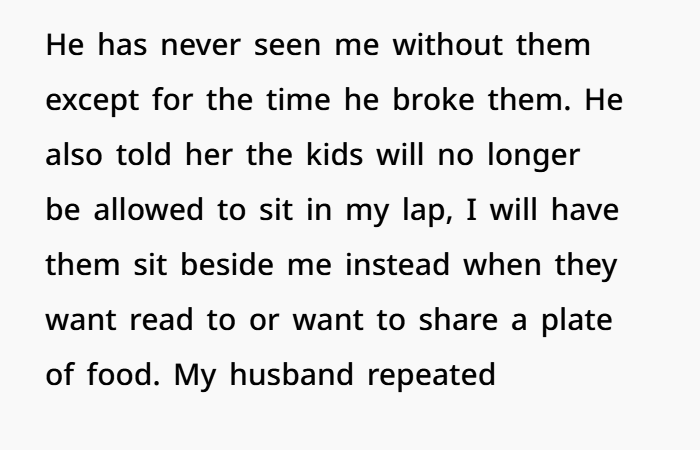
The person involved decided to change how children interacted with her while she was wearing prescription glasses.
Many families with children who have special needs create routines and boundaries to prevent future problems.
These boundaries are not about punishment. They are about safety, comfort, and reducing stress for everyone involved.
Examples of healthy boundaries may include:
- Creating safe spaces
- Setting clear expectations
- Changing routines when needed
- Communicating needs openly
Boundaries can help families maintain positive relationships.
The Importance of Supportive Relationships
Many people also noticed the importance of having support from a spouse or partner during family disagreements.
Healthy relationships often require people to protect each other emotionally while also trying to handle difficult situations fairly.
Having a supportive partner can make stressful family situations easier to manage.
The Bigger Lesson From This Story
The reason this story connected with so many people is because it was not only about glasses or money.
It was about a bigger question many families face:
How do we care for others while also protecting our own needs?
Supporting children with autism and respecting families with disabilities is incredibly important. At the same time, people also deserve respect for their personal belongings, healthcare needs, finances, and emotional well-being.
Compassion and accountability do not have to compete with each other.
Families can support children with special needs while also having honest conversations about responsibility, boundaries, and financial challenges.
Finding that balance is not always easy, but it is an important part of building healthier relationships.
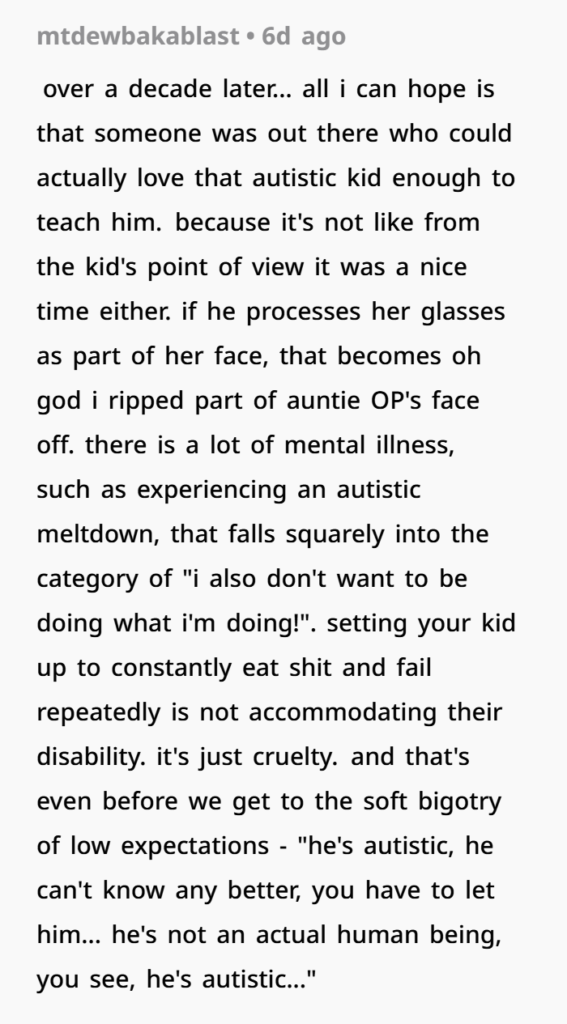
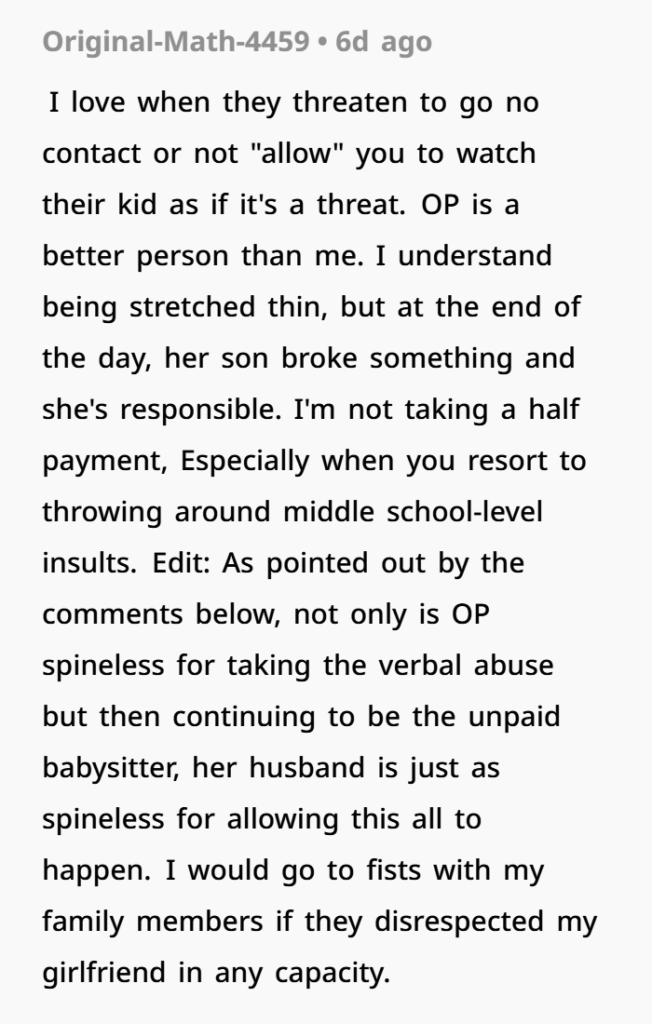
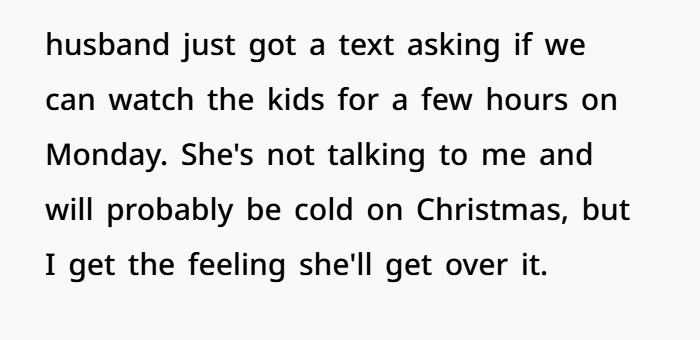
Most commenters supported the author, claiming that the kid’s autism doesn’t mean that his parents aren’t actually responsible for his behavior