My Husband Refuses Life Insurance, and Now I’m Questioning Our Future

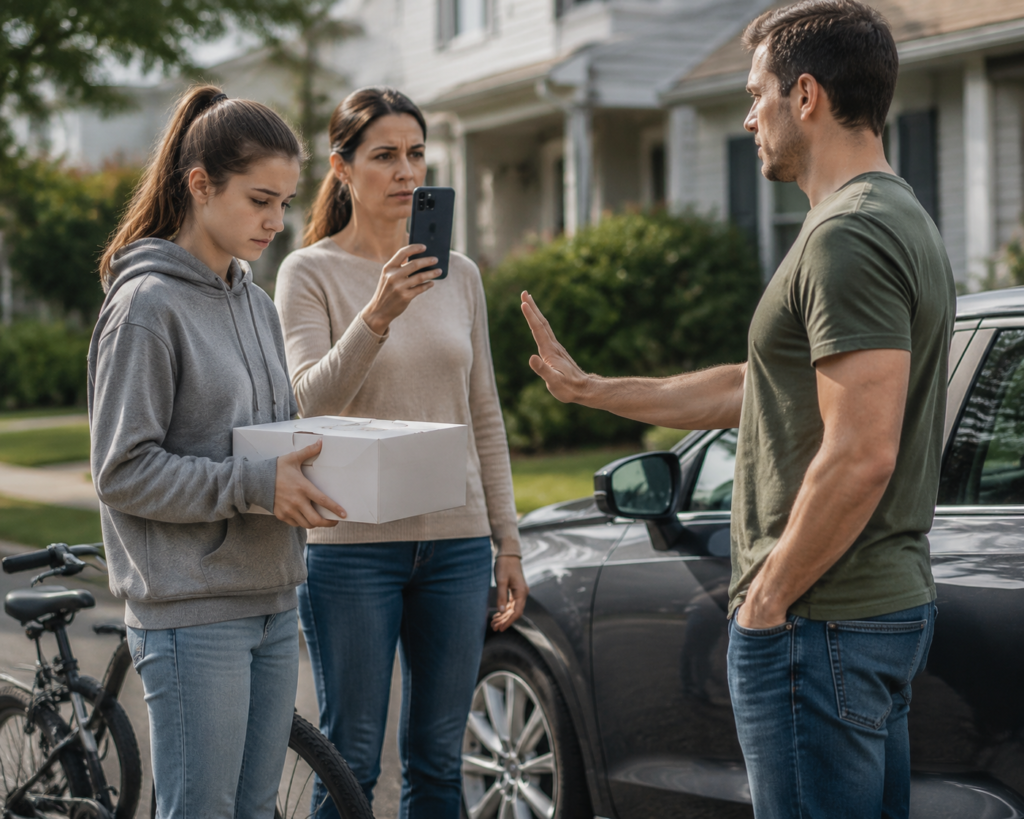
A small neighborhood accident became a bigger issue than anyone expected. A teenager accidentally scratched her neighbor’s car while riding her bike. The damage looked serious at first, but the repair cost was very small. The car owner decided not to ask the teenager or her mother for payment because he believed it was just an accident.
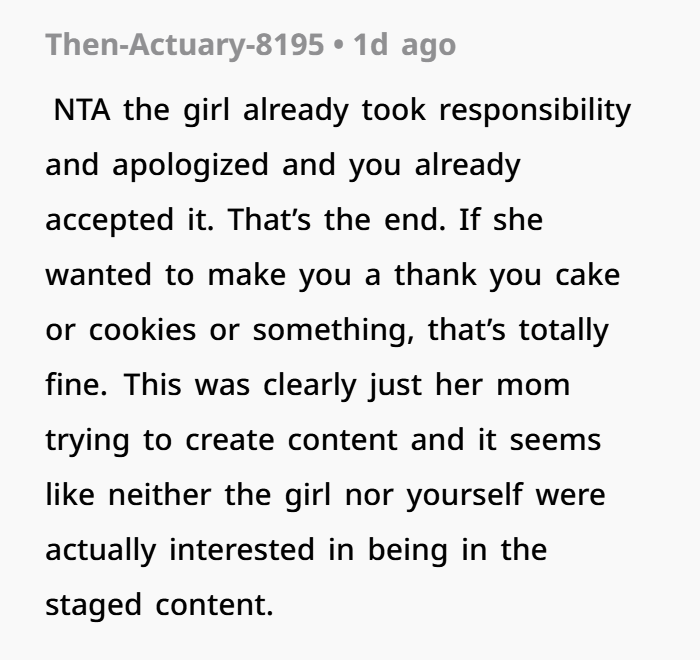
The teenager apologized and seemed truly sorry about what happened. The neighbor accepted her apology and told her that mistakes can happen. He thought the situation was finished and that there was no need for any further action.
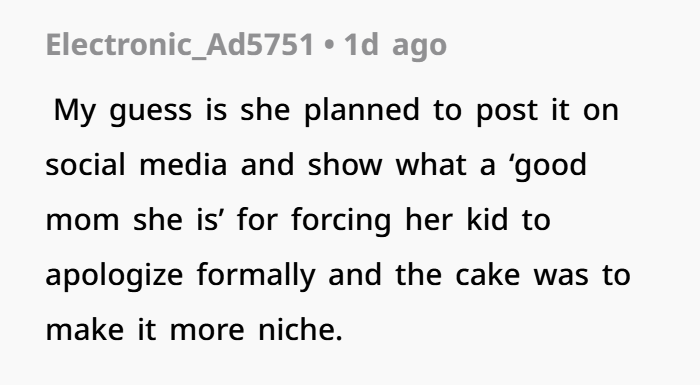
A few days later, the teenager’s mother visited with a cake as a kind gesture and wanted her daughter to apologize again. However, the neighbor noticed that the conversation was being recorded. The mother wanted a video of the apology and his response, but he was not comfortable being filmed without permission.
He politely refused to be part of the recording, which upset the mother. The situation created a disagreement about personal boundaries, privacy, and respect. This story shows why clear communication and consent are important in everyday situations. Maintaining good relationships with neighbors often requires kindness, honesty, and respect for everyone’s comfort.
When a Simple Accident Becomes a Lesson About Privacy and Social Media
At first, this situation may look like a small neighborhood problem. A teenager accidentally damaged a parked car, apologized, and tried to make things right.
But the situation became more complicated because it involved privacy, recording without permission, social media, and how people choose to share personal moments online.
Taking Responsibility After an Accident
The first important part of this story is how the teenager handled the accident.
She scratched a parked car, stopped, admitted what happened, and told her parent. This shows responsibility because she did not try to hide the mistake or avoid the consequences.
Making mistakes is part of growing up. What matters is how someone responds afterward.
Taking ownership, apologizing, and trying to fix the problem are valuable life lessons for teenagers.
The Car Owner’s Response Was Reasonable
The car owner also handled the situation calmly.
The damage was small, the repair cost was low, and he decided not to ask for payment. Instead of turning the situation into a bigger conflict, he accepted the apology and moved on.
Many disagreements involving property damage can become stressful when insurance claims or legal issues are involved. However, in this case, both sides appeared to solve the problem peacefully.
No lawsuit was needed. No insurance dispute happened. The issue seemed resolved.
The Second Apology Changed the Situation
Later, the teenager wanted to apologize again. She still felt bad about what happened.
Wanting to apologize again can show that someone understands the impact of their actions. Bringing a small gift as a kind gesture can also be a thoughtful way to show appreciation.
If the situation had ended there, many people would likely see it as a positive example of accountability and forgiveness.
However, the situation changed when a camera appeared.
Why Recording Without Permission Can Be a Problem
Recording personal conversations or interactions can create privacy concerns.
Even if recording is allowed in some public places, that does not mean everyone feels comfortable being filmed.
There is a difference between:
- Agreeing to accept an apology
- Agreeing to be recorded
- Agreeing to have a video shared online
These are separate choices.
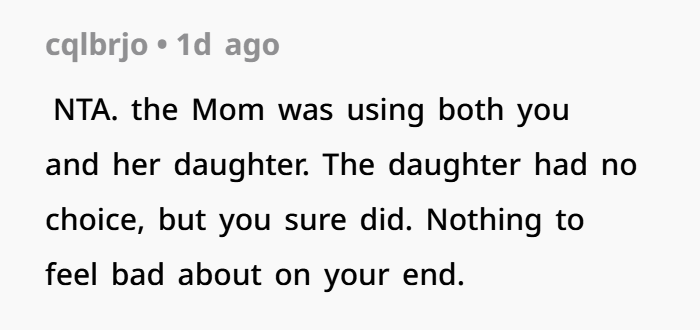
Many people want to control when and how they appear on social media. Being recorded unexpectedly can make someone feel uncomfortable or pressured.
The Importance of Asking for Consent
Consent is an important part of respectful communication.
Before recording someone, it is better to ask clearly:
“Would you be okay if we recorded this?”
Giving someone the choice shows respect for their privacy.
A person should not feel forced to agree just because the purpose of the video seems positive.
The Challenge of Sharing Personal Moments Online
Social media has changed how people share their lives. Many families use videos to celebrate important moments, share lessons, or create memories.
However, online content can sometimes create problems.
A short video may not show the full story. People watching online may not understand the background and may make assumptions based only on a few seconds of footage.
This can affect someone’s reputation or make a situation look different from what really happened.
Teaching Responsibility Without Creating Pressure
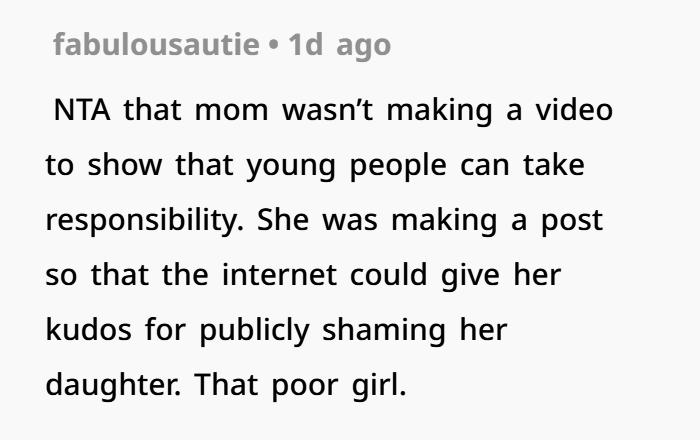
The mother’s goal may have been to show her daughter’s growth and responsibility. Teaching children accountability is important.
However, children often learn better when they understand their actions privately instead of feeling like they are performing for an audience.
The main lesson should be:
“I made a mistake, and I learned from it.”
Not:
“How will other people see me?”
A genuine apology does not need an audience to have value.
Respecting Personal Boundaries
Some people may believe accepting the recording request would have been the easier choice. They may feel it would help maintain a good relationship with neighbors.
That is one possible viewpoint.
However, another important viewpoint is that people have the right to set boundaries. A person can accept an apology while still choosing not to appear in a video.
Saying no to being recorded does not mean someone is being unkind.
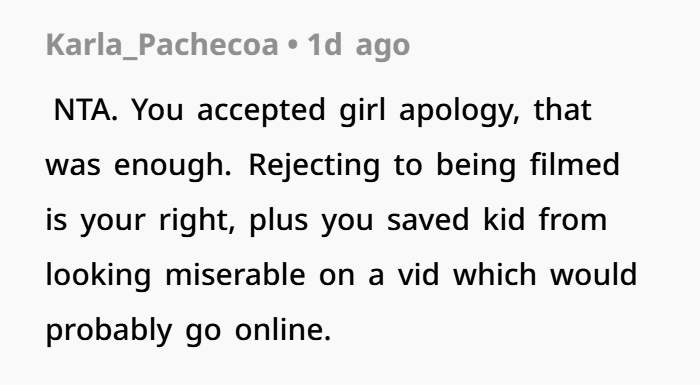
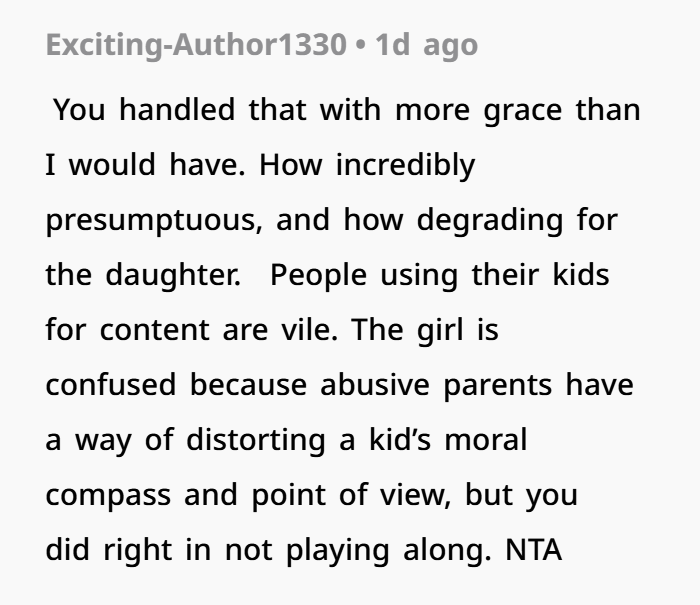
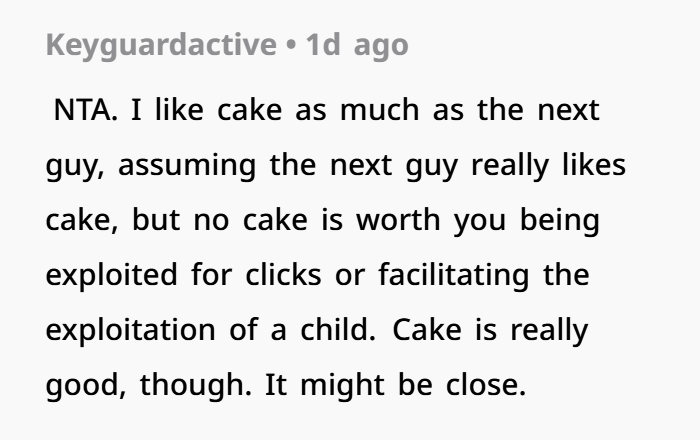
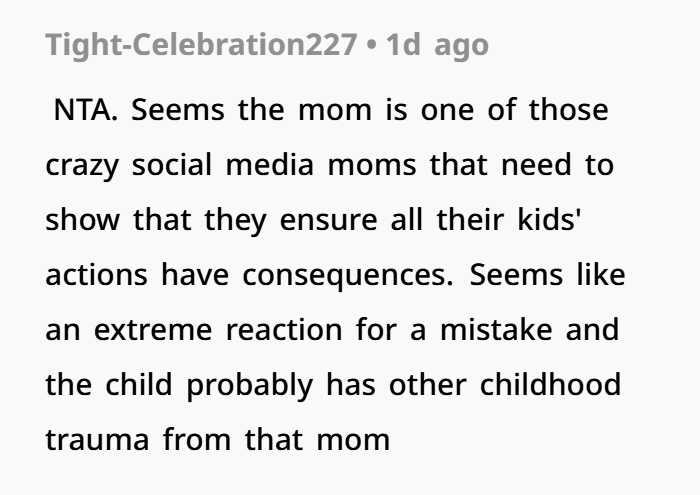
Readers’ Comments Speak Out
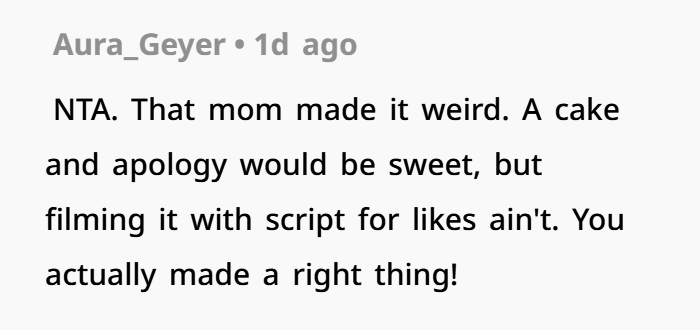
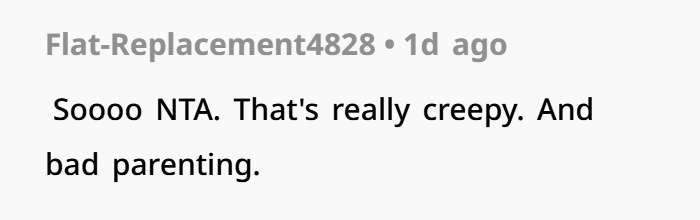
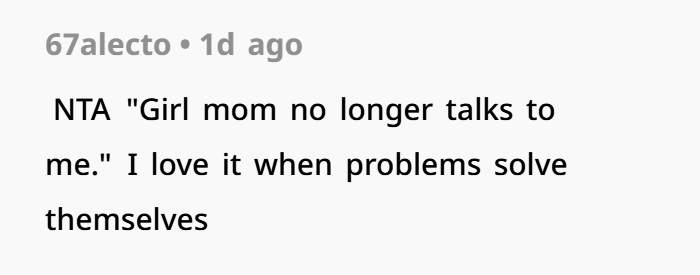
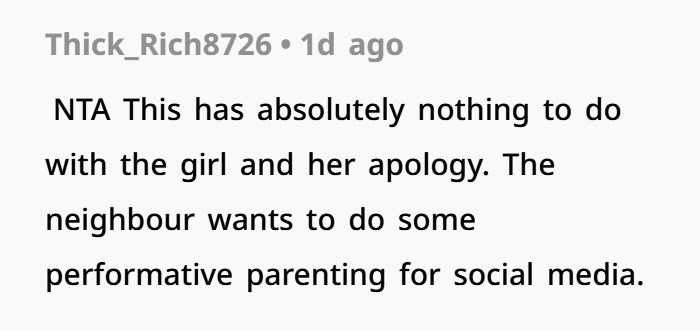
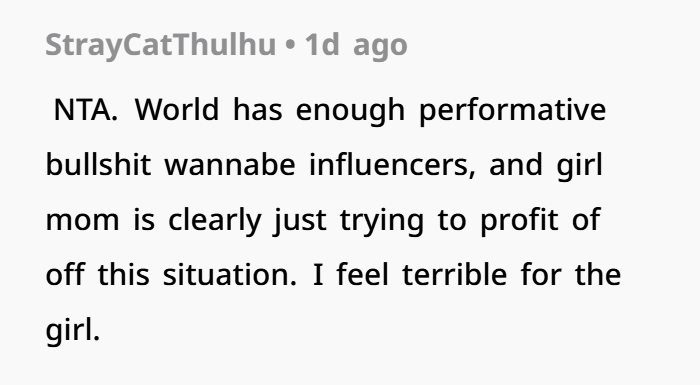
The Bigger Lesson
The teenager learned an important lesson about responsibility. The car owner showed forgiveness and patience.
The remaining disagreement was not about the accident. It was about whether a private moment should become public content.
Kind actions are often most meaningful when they are genuine, not performed for an audience.
The car owner did not reject the apology. He simply chose not to be recorded.
That difference is why many people believe respecting privacy was the right choice.