Woman Shocked When New Employee Gets The Promotion She Was Promised


Employees want to feel appreciated for their time, effort, and skills. While career growth often comes from dedication, employers should also provide honest guidance about promotions and future opportunities.
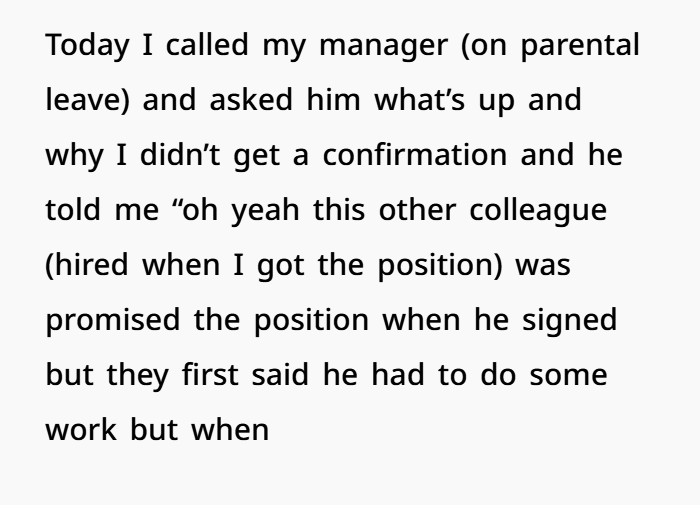
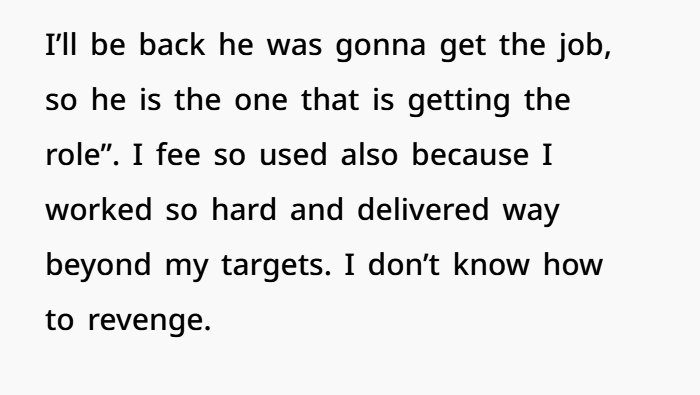
A woman recently shared her experience after believing she had a chance to move into a higher position at her job. She worked hard because she thought her efforts would help her earn that opportunity.
Later, she learned that her manager had already considered another person for the role. She decided to have a conversation with her workplace and shared an update about how she planned to move forward.
The story is a reminder that strong workplace relationships are built on fairness, communication, and respect. Clear career paths and supportive management can help employees feel more confident and motivated.

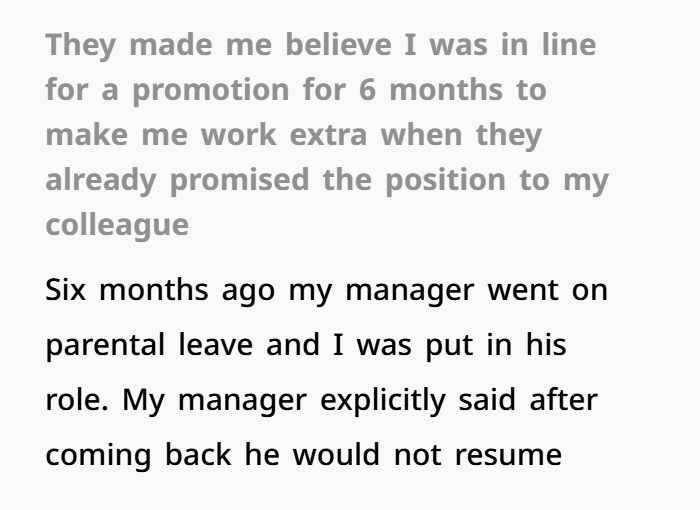
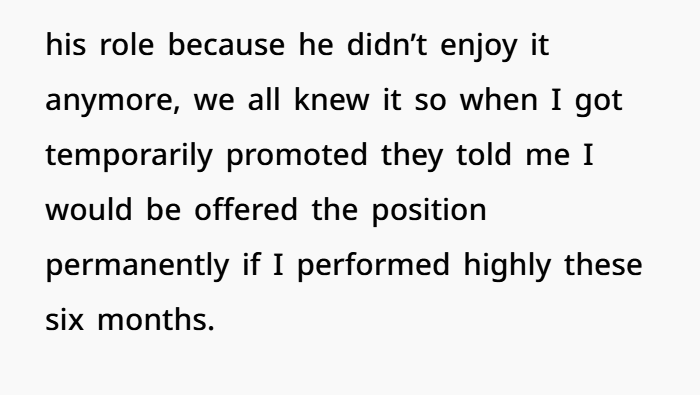
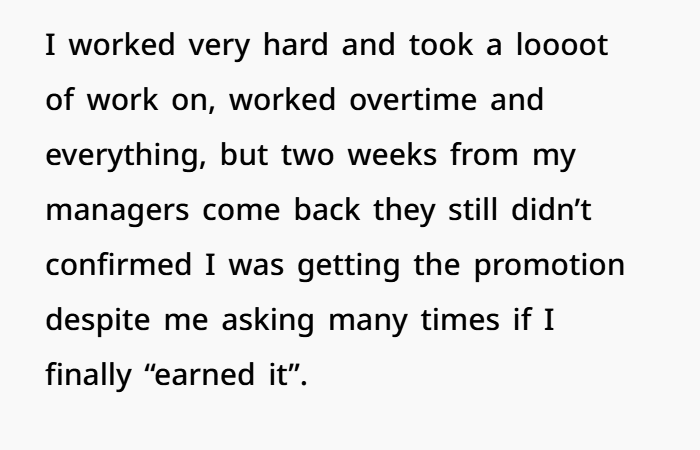
Many employees work hard because they want to grow in their careers. They hope their effort will lead to a promotion, better pay, or more job security.
However, employees should be careful when a manager promises future rewards without giving clear details. A conversation about a possible promotion can feel exciting, but a verbal promise does not always guarantee a career opportunity.
Why Some Employees Feel Misled by Workplace Promises
In some companies, managers may encourage employees by saying they are being considered for a higher position. They may ask employees to take on extra responsibilities, complete more projects, or work harder to prove their skills.
Sometimes, these opportunities are real and can lead to career growth.
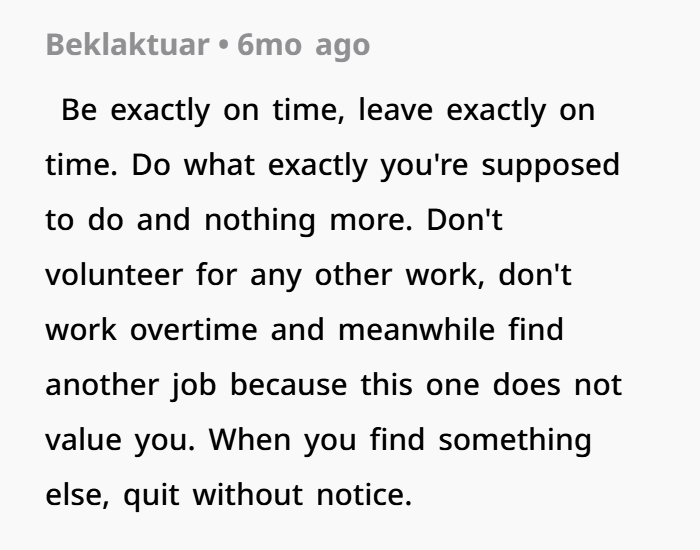
But in some cases, employees may continue doing extra work while waiting for a promotion that never happens. This can create disappointment, stress, and frustration.
Employees should remember that their time and skills have value. A healthy workplace should recognize hard work through fair compensation, professional growth, and clear career development opportunities.
The Importance of Clear Communication at Work
Good communication is one of the most important parts of a successful workplace. Employees should feel comfortable asking questions about their career path and future opportunities.
If a manager mentions a possible promotion, employees can ask:
- What goals do I need to achieve?
- How will my performance be measured?
- When will we review my progress?
- What changes will happen to my salary and responsibilities?
Having clear answers can help avoid misunderstandings and create better workplace relationships.
Always Keep Important Agreements in Writing
One of the best ways to protect your career is to keep important workplace discussions documented.
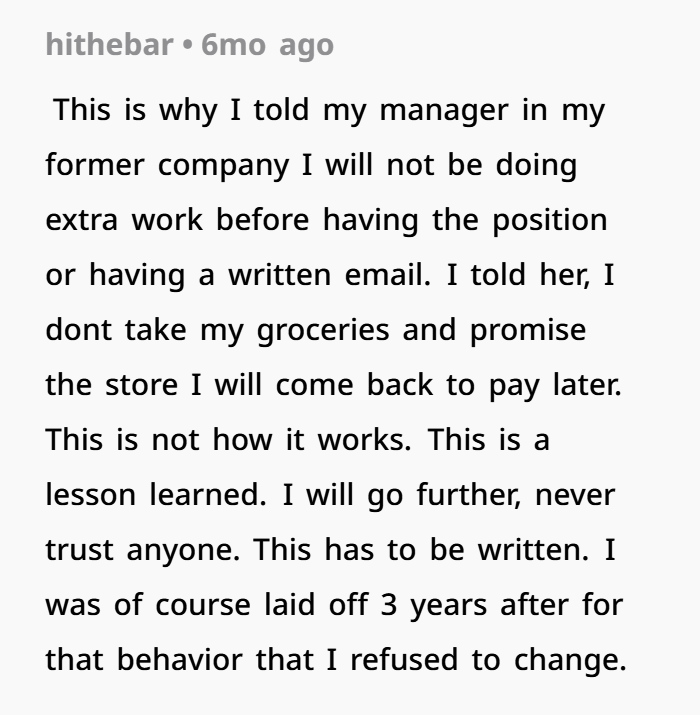
Written communication, such as emails or official documents, can help confirm expectations. This is especially important when discussing promotions, salary increases, job responsibilities, or performance goals.
For example, if a manager says that a promotion may happen after meeting certain targets, a follow-up email can help both sides understand the plan.
A professional company should be willing to discuss expectations openly and provide clear information about career advancement.
Extra Responsibilities Should Have Fair Recognition
Taking on additional tasks can help employees gain experience and develop new skills. It can also show leadership abilities and improve future career opportunities.
However, consistently doing more work without recognition, support, or proper compensation can lead to workplace stress and burnout.
A positive work environment values employees and understands the importance of employee satisfaction. Companies that support their teams often have better employee retention and stronger workplace culture.
Employees should also take care of their own well-being. Career success is important, but maintaining a healthy work-life balance is equally valuable.
What to Do When a Career Promise Is Not Fulfilled
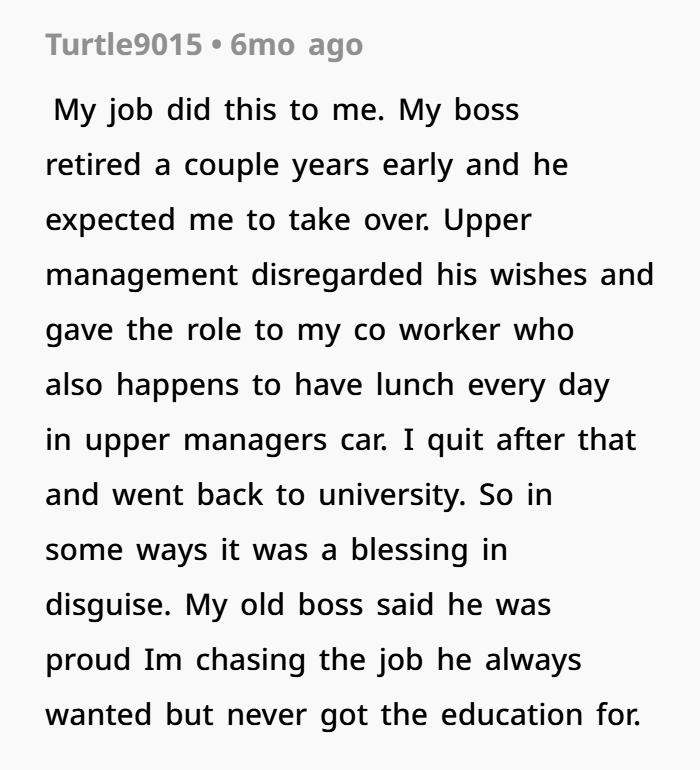
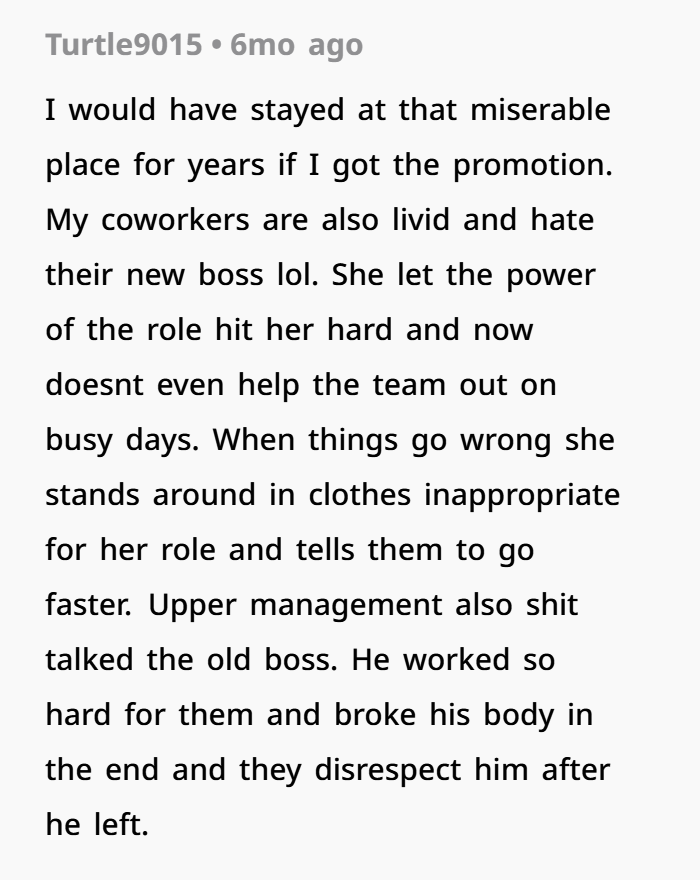
If a promised promotion or opportunity does not happen, it can be frustrating. Instead of reacting emotionally, focus on making smart career decisions.
Helpful steps include:
- Keep a record of your achievements and completed projects.
- Review your employment contract and workplace policies.
- Discuss your concerns professionally with your manager.
- Consider other career opportunities if your growth is limited.
Sometimes, the best decision is finding an employer that respects your skills and provides better opportunities for professional development.
Focus on Building a Better Future
Feeling disappointed at work is difficult, especially after putting in extra effort. However, focusing on your future can help you move forward.
Improving your skills, updating your resume, building professional connections, and exploring new job opportunities can open new doors.
A successful career is built on hard work, but it also requires respect, clear expectations, and fair treatment.
By understanding your workplace rights, asking the right questions, and setting healthy boundaries, you can make better decisions and protect your professional growth.
What The Comments Reveal