Bride’s Wedding Food Lie Backfires When a Guest’s Child Gets Sick


Some people can become so confident in their own beliefs that they stop considering how their actions affect others. This kind of behavior can create problems in everyday situations, from small disagreements to more serious issues involving people’s health and safety. Understanding and respecting other people’s needs is an important part of creating a kinder and safer community.
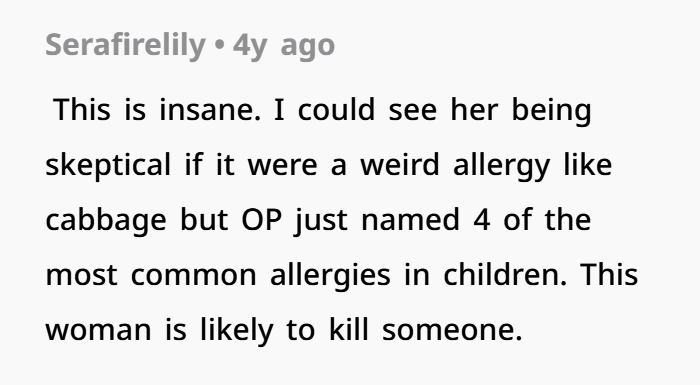
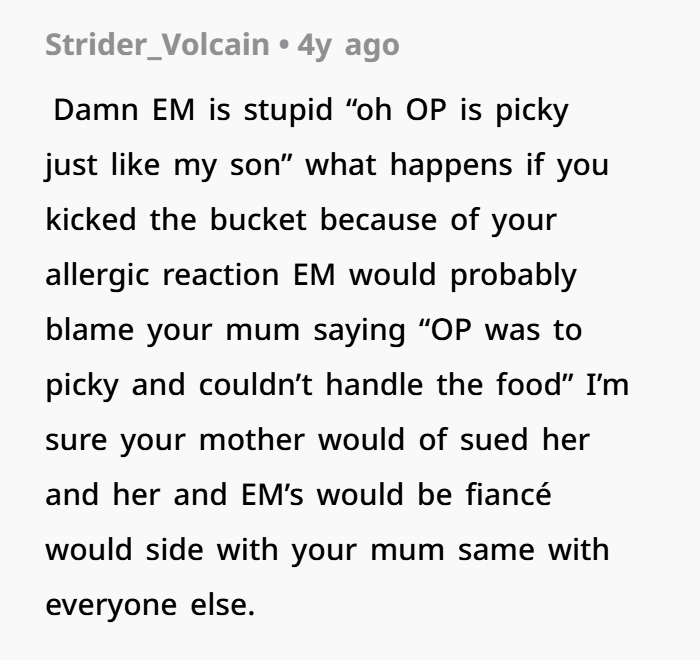
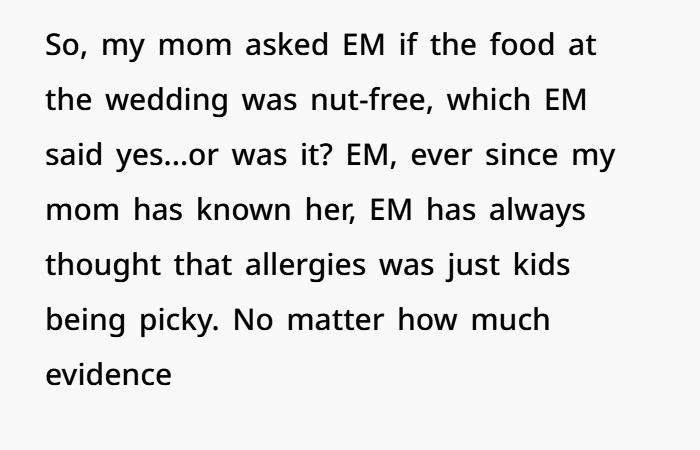
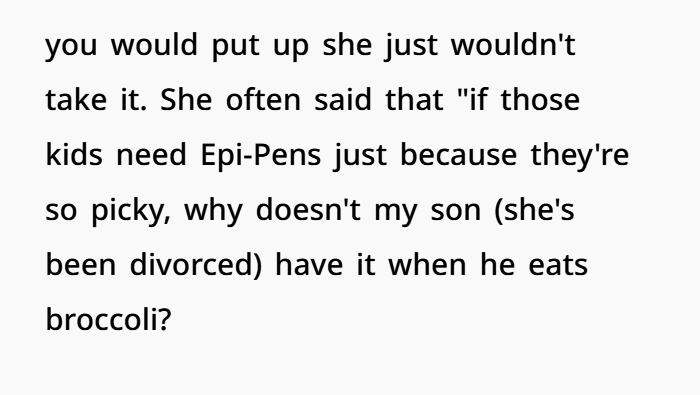
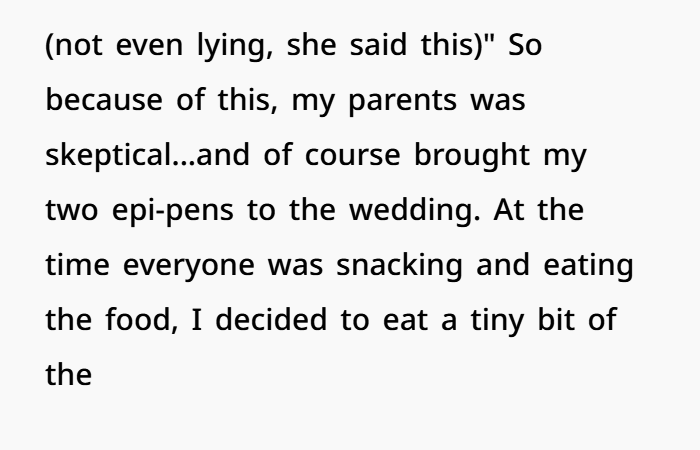
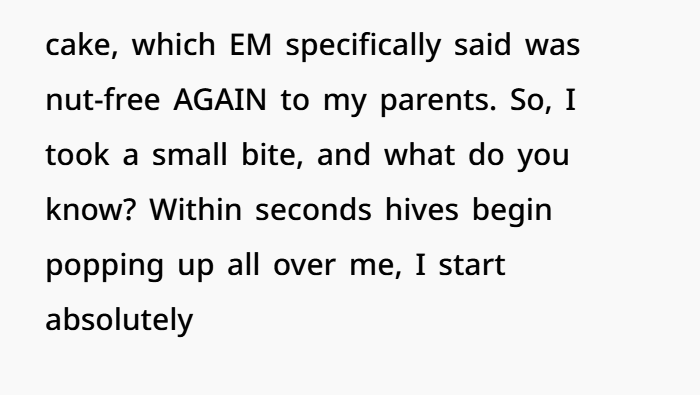
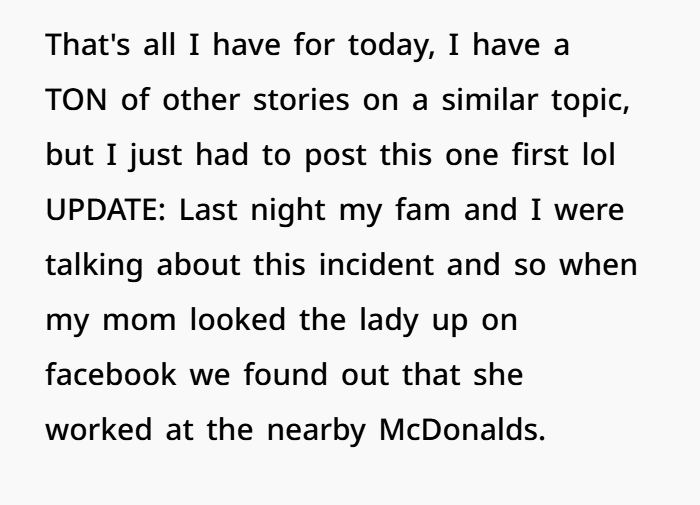
One person shared a story from childhood about an experience involving a woman who did not believe food allergies were real. She thought that children were simply being difficult about what they ate and did not take allergy concerns seriously.
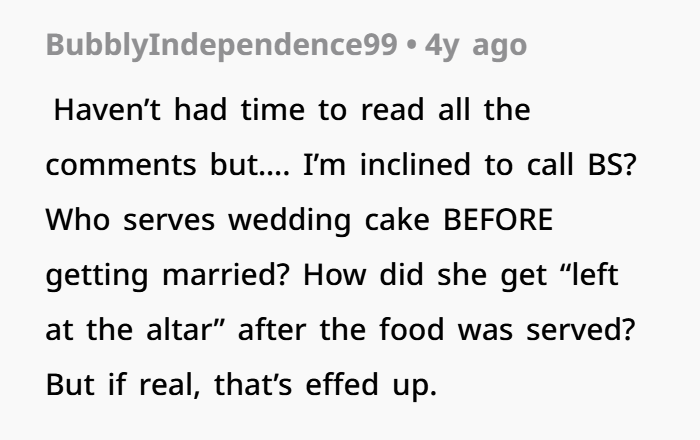
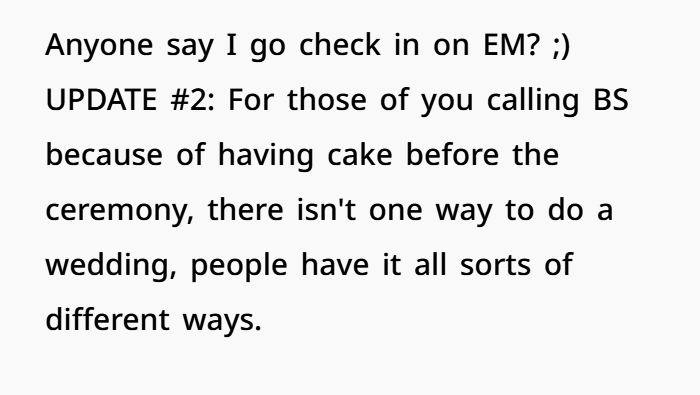
According to the story, the woman provided incorrect information about the ingredients in a wedding cake because she believed the allergy warning was unnecessary. This decision caused a serious situation during the event, and emergency medical help had to be contacted.
Stories like this highlight the importance of food safety, health awareness, and respecting personal needs. Whether at home, during celebrations, or in daily life, being careful about ingredients and following safe practices can help protect others and create a more welcoming environment for everyone.

Understanding Food Allergies: Why Awareness and Safety Are So Important
Food allergies are a serious health issue, but they are still misunderstood by many people. Some people believe allergies are exaggerated or that parents are simply being too careful. However, food allergies are real medical conditions that can affect a person’s health in a very short amount of time.
Learning about food allergies is important because better awareness can help prevent dangerous situations and create safer environments for everyone.
Why Some People Do Not Understand Food Allergies
One reason food allergies are sometimes ignored is because many people have never seen a severe allergic reaction.
A person with a food allergy may look completely healthy before eating a certain food. But after exposure, their body can react quickly and require emergency medical care.
For someone who has never experienced or witnessed an allergic reaction, this sudden change may seem surprising. They may think the situation is not serious because the person looked fine just moments before.
The truth is that allergic reactions can happen quickly because the immune system is responding to something it sees as a threat.
Why Food Allergy Myths Continue
Food allergy myths often come from a lack of personal experience and understanding.
Some older adults grew up at a time when fewer people talked about diagnosed food allergies. Because of this, some may believe allergies are more common today than they really are.
Better healthcare, improved testing, and more awareness have helped many people receive proper diagnoses and treatment.
Another reason for confusion is the way people use the word “allergy” in everyday conversations. Some people say they are “allergic” to foods they simply dislike. However, a true food allergy is very different.
A food preference is a choice. A food allergy is a medical condition involving the immune system.
Food Allergies Are Different From Being A Picky Eater
A child who refuses to eat a certain food because they do not like the taste is showing a personal preference.
A child with a peanut allergy is dealing with a completely different situation.
When someone has a peanut allergy, the immune system mistakenly reacts to peanut proteins. The body releases chemicals that can cause symptoms throughout the body.
Common food allergy symptoms may include:
- Hives or skin irritation
- Swelling
- Stomach discomfort
- Trouble breathing
- Dizziness
- A sudden drop in blood pressure
A severe allergic reaction is called anaphylaxis. This can become life-threatening and requires immediate medical attention.
Food allergies are not about being difficult or overly cautious. They are about protecting a person’s health and safety.
Millions Of People Live With Food Allergies
Food allergies are more common than many people realize. Millions of children and adults worldwide manage food allergies every day.
In the United States, more than 33 million people live with food allergies. Many people visit emergency rooms each year because of accidental exposure to allergens.
Some of the most common food allergens include:
- Peanuts
- Tree nuts
- Milk
- Eggs
- Fish
- Shellfish
- Wheat
- Soy
People with food allergies often need to carefully check food labels, ask questions at restaurants, and take extra precautions during social events.
Why Allergic Reactions Can Be Unpredictable
One of the biggest challenges with food allergies is that reactions can vary from one situation to another.
A person may experience mild symptoms after one exposure but have a much more serious reaction another time.
For example, someone may only develop skin symptoms during one allergic reaction but may experience breathing problems during another.
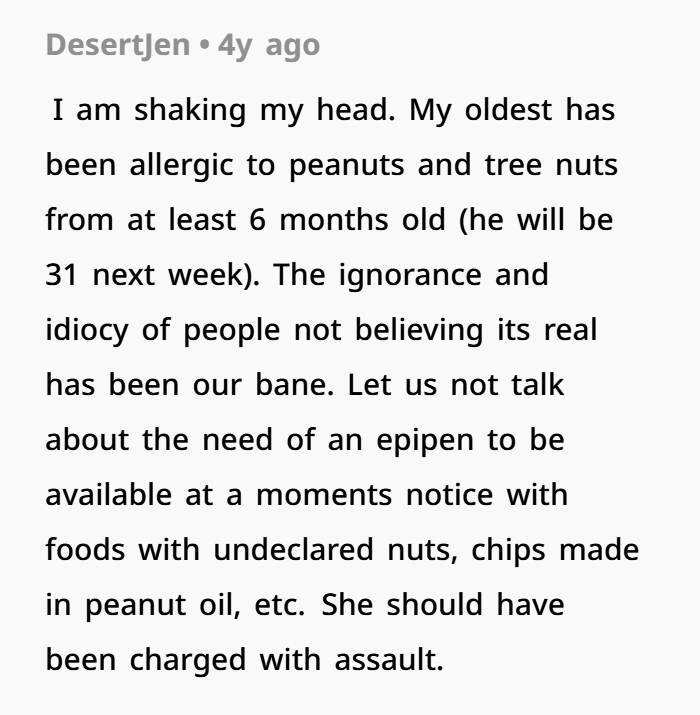
Because reactions can be unpredictable, many people with severe allergies carry an epinephrine auto-injector for emergency situations.
Parents of children with food allergies often bring emergency medication to school activities, parties, and family events because being prepared can help protect their child.
The Importance Of Preventing Cross-Contamination
For some people with severe allergies, even a small amount of an allergen can cause a reaction.
Cross-contamination can happen when:
- The same cooking tools are used for different foods
- Surfaces are not cleaned properly
- Ingredients accidentally mix together
- Food labels do not clearly list allergens
This is why food safety is important at home, restaurants, schools, and workplaces.
Simple steps like reading ingredient labels, cleaning preparation areas, and avoiding accidental contact with allergens can help reduce risks.
Why Food Allergy Awareness Matters
Food allergies are a real medical condition that deserves understanding and respect.
People with allergies are not trying to make life difficult. They are taking necessary steps to protect their health and avoid serious allergic reactions.
Learning about food allergy symptoms, emergency treatment, and safe food practices can help families, restaurants, schools, and communities create safer spaces.
A better understanding of food allergies can make everyday activities, celebrations, and shared meals safer for everyone.
The Reactions Are In