AITA for Choosing a “Family Trip” Over My Son’s One Special Moment?

This story is about a father and son dealing with a difficult emotional situation. After many years of financial struggles, the father finally reached a point where he could afford a special $15,000 family vacation. He wanted to create happy memories and give his children an experience they had never had before, including international travel and a comfortable holiday.
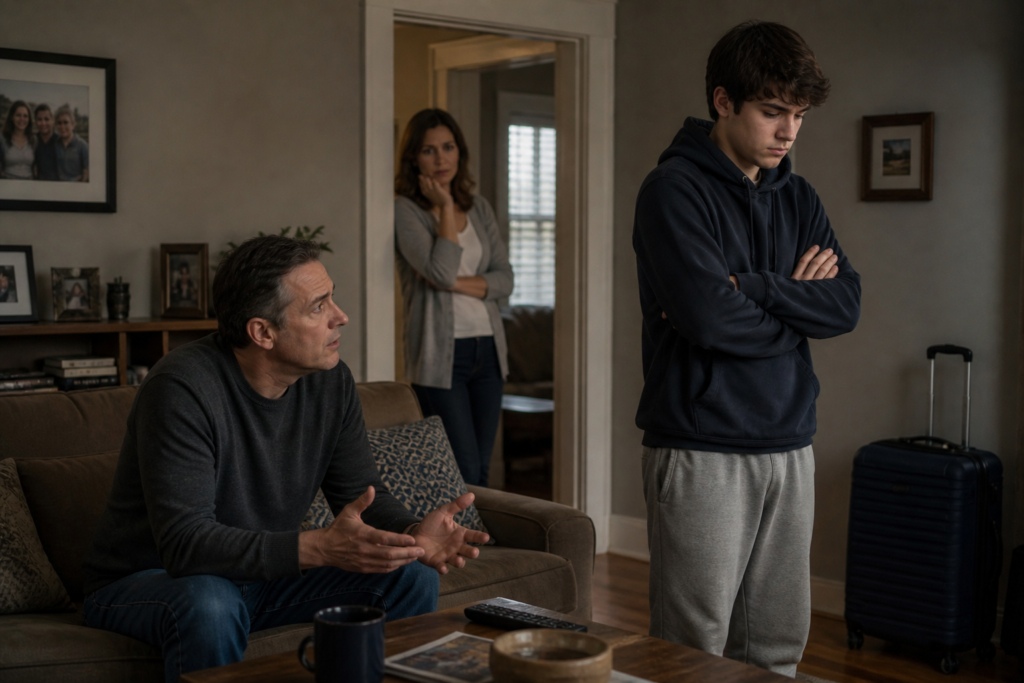
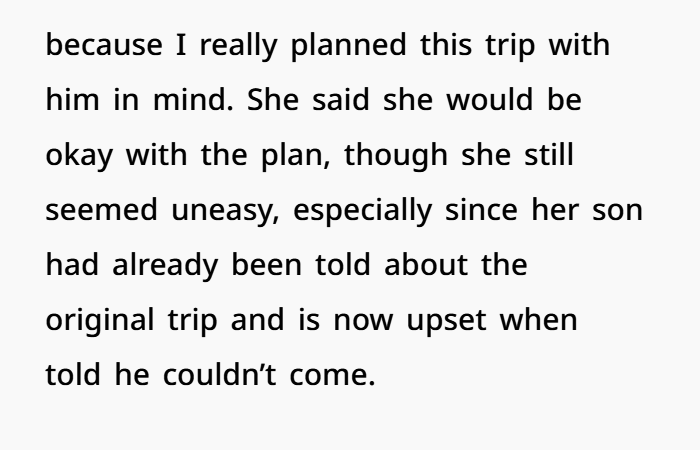
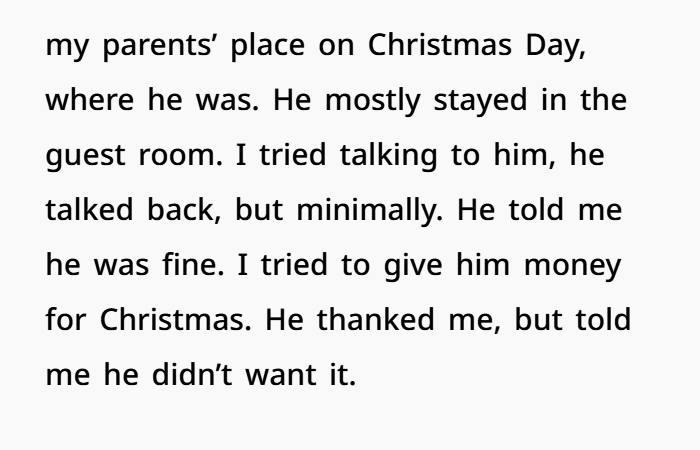
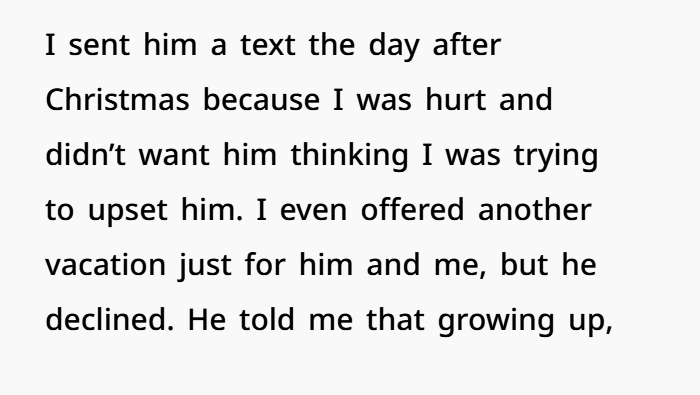
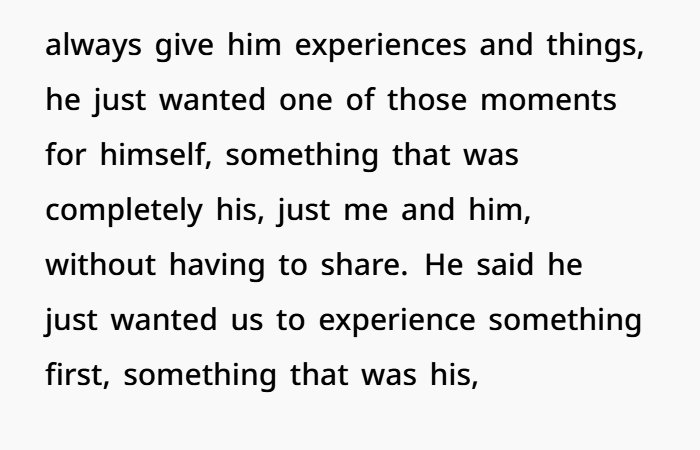
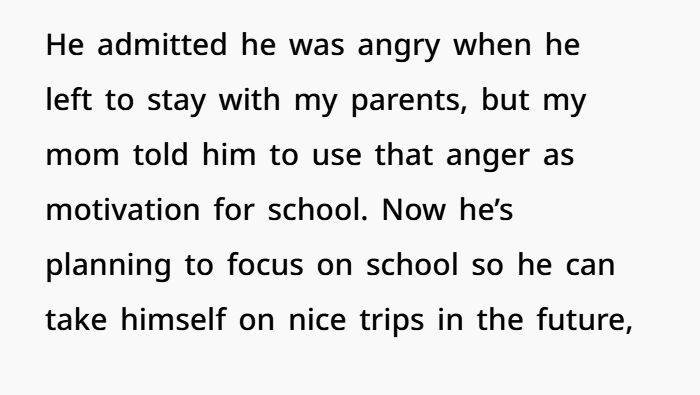
The father saw the trip as a chance to spend quality time together and strengthen the family bond. However, his son had a different feeling about it. The son believed the vacation was supposed to be a special experience just for him. He wanted something that felt personal and different from the experiences his stepbrother had already enjoyed.
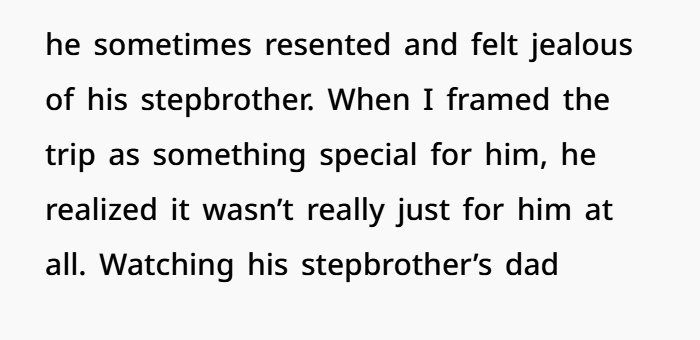
The reason the trip became emotional was because the two children had different childhood experiences. The son felt that his stepbrother had received more opportunities, including vacations and other experiences, through his biological father. Over time, these differences created feelings of being left out and overlooked.
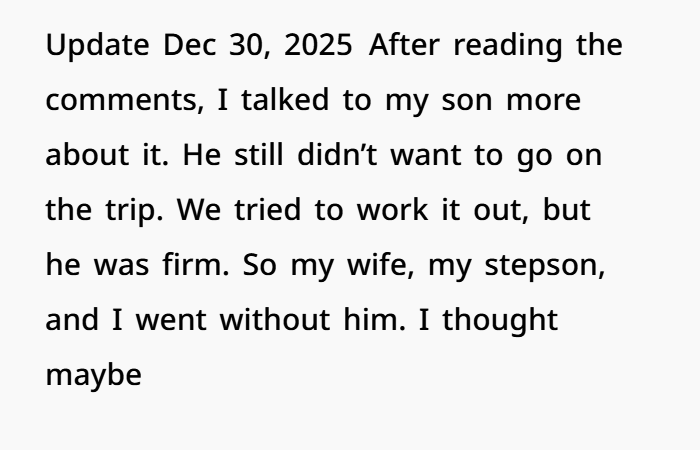
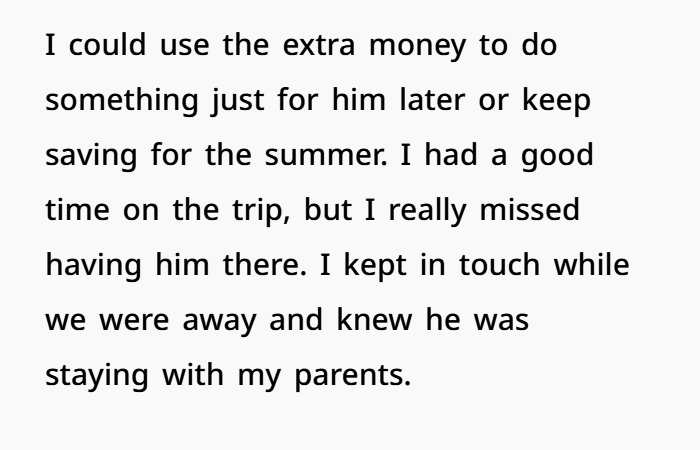
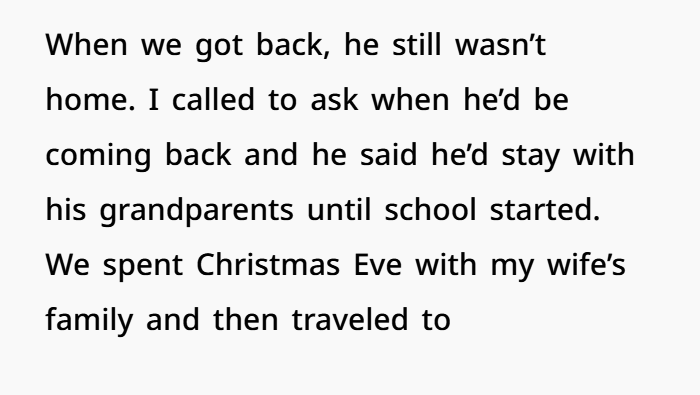
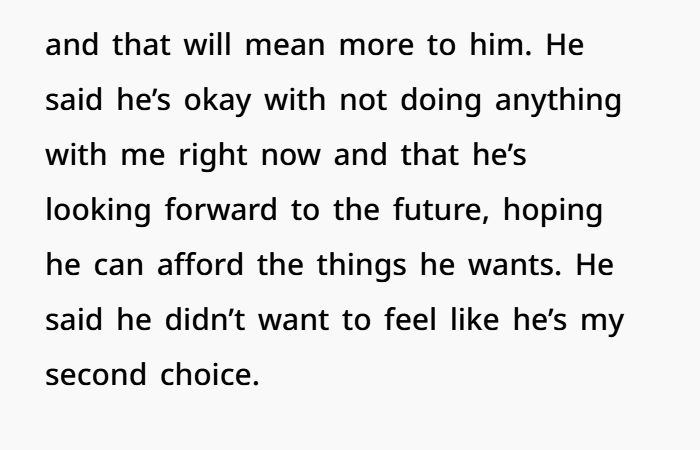
When the vacation became a shared family trip, the son felt disappointed and decided not to go. He became more distant instead of starting an argument. Later, he explained that his reaction was not about the vacation itself but about years of feeling like important moments were never fully his.
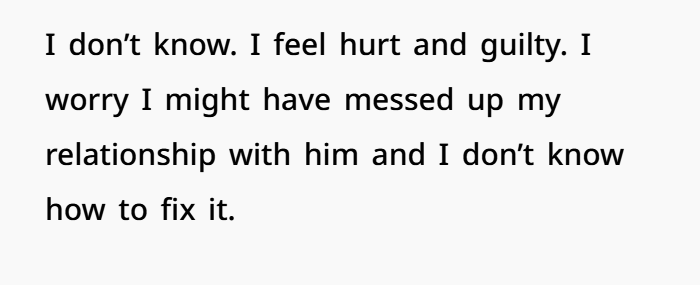
The father was left feeling hurt and wondering if his attempt to create a happy memory had caused more pain. This situation shows how important communication, understanding emotions, and recognizing each family member’s feelings can be when creating strong family relationships.
Blended Family Parenting: When Fairness Does Not Always Feel Equal
In blended families, parents often try their best to treat every child fairly.
They want everyone to feel included.
They want every child to feel loved.
But sometimes, making things equal on the outside does not always feel fair emotionally.
This situation is not only about a vacation.
It is about feelings, family relationships, and a child’s need to feel important.
Equal Treatment and Fair Treatment Are Not Always the Same
Many parents believe fairness means giving every child the same things.
The same trips.
The same opportunities.
The same experiences.
That sounds fair.
However, children do not always come from the same background.
Their past experiences matter.
One child may have already enjoyed many opportunities, while another child may have missed out on those experiences for years.
Because of that, the same opportunity can have a very different emotional meaning for each child.
The Experience Gap Between Children
In blended families, children may have different life experiences.
One child may have grown up with more financial comfort, more activities, or more family experiences.
Another child may have had fewer opportunities.
This difference can create what some people call an experience gap.
It is not only about money.
It is about memories.
It is about feeling included.
It is about the moments a child remembers while growing up.
For one child, a special trip may feel normal.
For another child, that same trip may feel like a once-in-a-lifetime experience.
Why Personal Moments Matter to Children
Children often want moments that feel special and personal.
They want to feel:
- Chosen
- Important
- Seen
- Valued
A child may not only remember the activity itself.
They may remember how it made them feel.
A special experience can represent:
“My parent wanted to create this memory with me.”
That emotional meaning can be very powerful.
Why the Reaction May Have Been So Strong
From the outside, including both children may seem like the right choice.
A parent may think:
“I do not want anyone to feel left out.”
That comes from a loving place.
However, the child who has been waiting for a special moment may see things differently.
If they already feel like they often have to share important experiences, they may feel disappointed when another person becomes part of that moment too.
The issue may not be the other child.
The issue may be the feeling of never having something that feels completely theirs.
Silent Withdrawal Can Be a Sign of Hurt
Not every child responds to disappointment with anger.
Some children become quiet.
They stop asking.
They stop expecting.
They create emotional distance.
This does not always mean they do not care.
Sometimes it means they are protecting themselves from feeling disappointed again.
When someone believes their feelings will not change a situation, they may stop expressing those feelings.
The Real Meaning Behind “I Feel Like Second Choice”
A statement like:
“I do not want to feel like a second choice.”
is usually about more than one event.
It is often about a bigger emotional question:
“Do I matter?”
“Am I important to you?”
“Will you choose me when it matters?”
Children in blended families often think about their place in the family.
They want to know they belong.
They want emotional security.
Money Cannot Always Fix Emotional Hurt
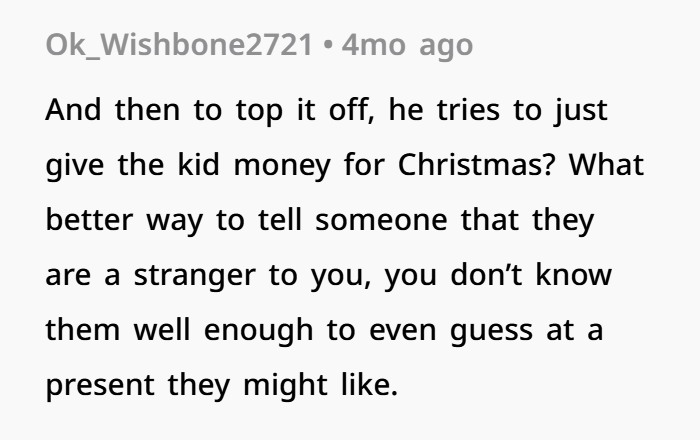
When a child refuses money or gifts after feeling hurt, it often shows that the problem is not about the cost of something.
They may not want compensation.
They may want understanding.
They may want their feelings to be recognized.
Emotional connection is different from financial support.
A child may remember feeling valued more than they remember what they received.
Parenting in Blended Families Is Complicated
There is no perfect formula for raising children in blended families.
Parents often have to balance:
- Fairness
- Individual needs
- Family unity
- Different childhood experiences
Sometimes a decision that seems logical can still hurt someone emotionally.
That does not mean the parent does not love the child.
It means family relationships require more than equal treatment.
They require understanding.
Moving Forward With Better Communication
The most important thing in situations like this is communication.
Parents can help by:
- Listening without becoming defensive
- Asking children how they feel
- Understanding their perspective
- Creating individual moments with each child
Every child benefits from feeling that they have a special place in their parent’s life.
The Bigger Lesson
This story is not really about a vacation.
It is about emotional connection.
It is about a child wanting to feel chosen and important.
In blended family parenting, fairness is not always about giving everyone the exact same thing.
Sometimes fairness means understanding what each child needs emotionally.
Children may forget many details about the things they receive.
But they often remember how loved, valued, and important they felt.
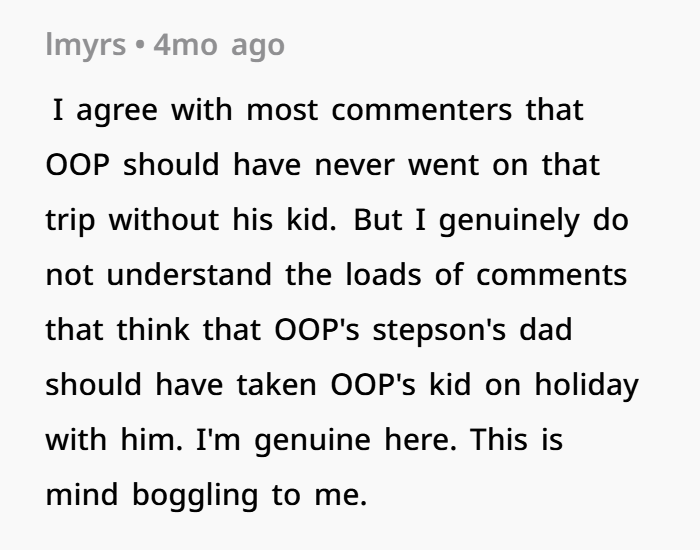
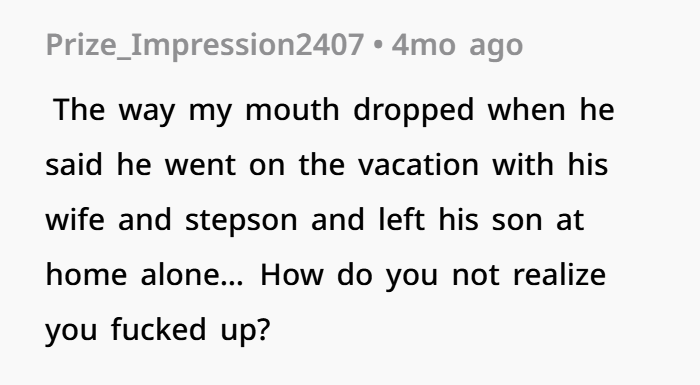
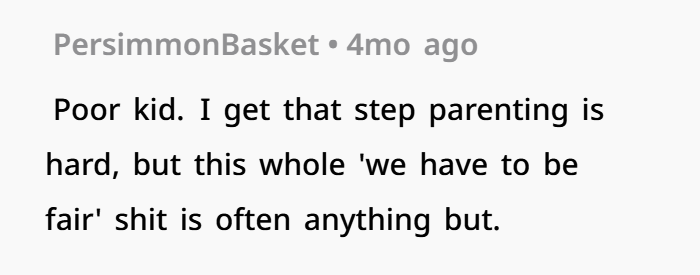
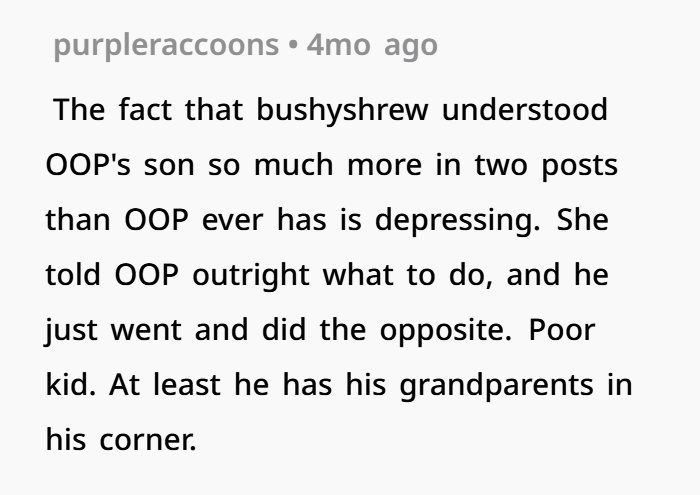
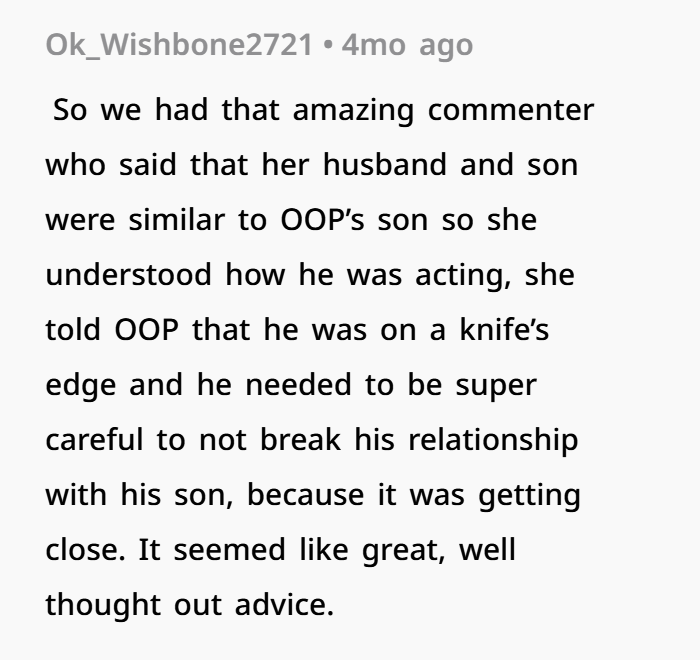
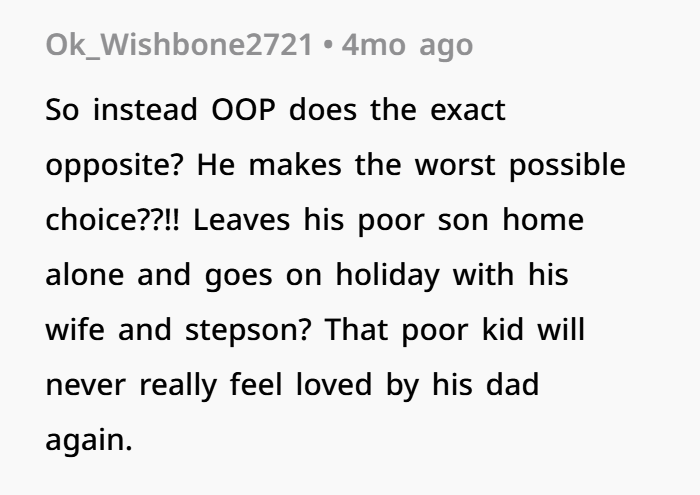
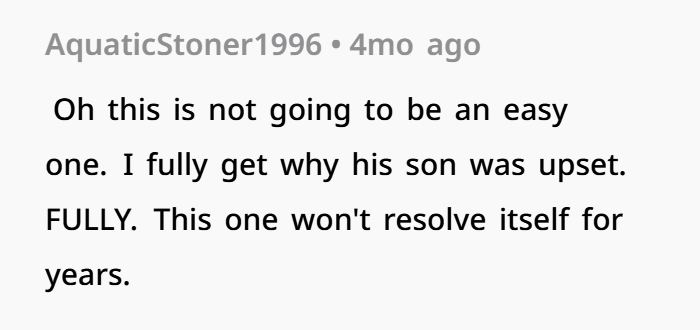
Most folks felt that the dad did the wrong thing by leaving his son behind and eventually taking his stepson along on the holiday