Sister Accused Me Of “Male Privilege” Until She Found Out I Had Cancer

Family conflicts can become very emotional, especially when people do not know what someone else is quietly going through. In this story, a 46-year-old man shared how years of tension with his younger sister finally reached a breaking point during a family gathering. A simple conversation about their family members turned into another disagreement about gender roles, family expectations, and personal struggles.
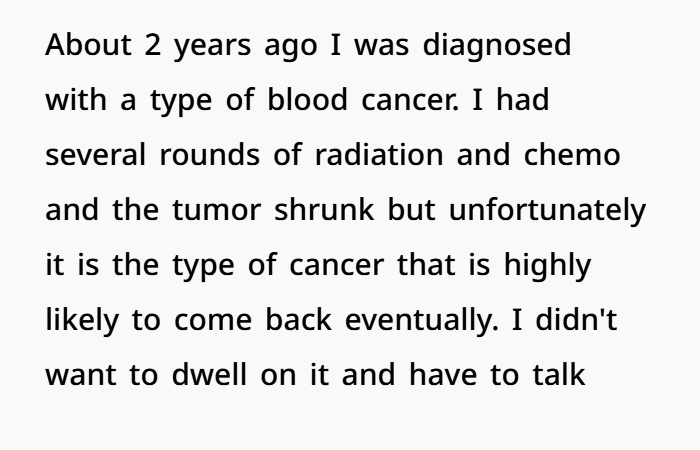
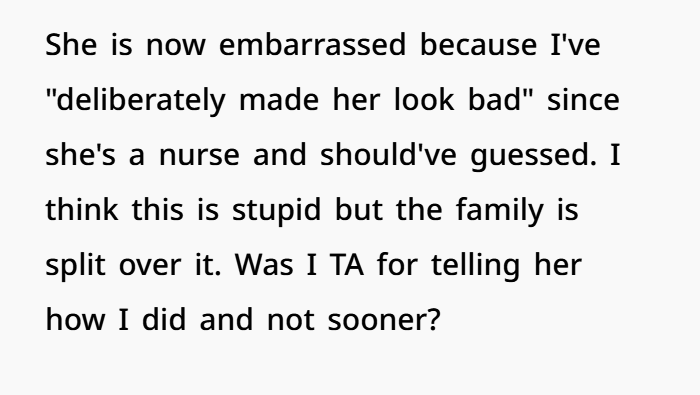
What his sister did not know was that he had been dealing with a serious health challenge for years. He had been receiving cancer treatment, including chemotherapy and radiation therapy, but he had chosen to keep his medical information private. He had not shared his diagnosis with the wider family because he was handling his health journey in his own way.
During the family event, the conversation changed when he calmly explained the truth about his health condition. His sister realized that some of the changes she had previously commented on were actually related to his cancer treatment and its side effects. She felt embarrassed and upset after learning the real reason behind what she had noticed.
The situation created a larger conversation about privacy, family communication, and respecting personal health choices. Many people believe that everyone has the right to decide when and how they share private medical information. The story also shows why kindness and understanding are important, because people may be facing difficult challenges that others cannot see.

A Family Conflict Revealed Hidden Pain, Sibling Resentment, and the Importance of Compassion
Family disagreements can last for years.
Sometimes people forgive and move forward. Other times, old feelings stay hidden and appear again during holidays, family events, or difficult moments.
This story became popular because it showed how financial differences, sibling comparisons, and family misunderstandings can create long-term emotional distance.
But the biggest lesson was not about money.
It was about how important it is to understand what people may be going through privately.
When Sibling Comparisons Create Resentment
According to the story, the relationship between a brother and sister had been difficult for many years.
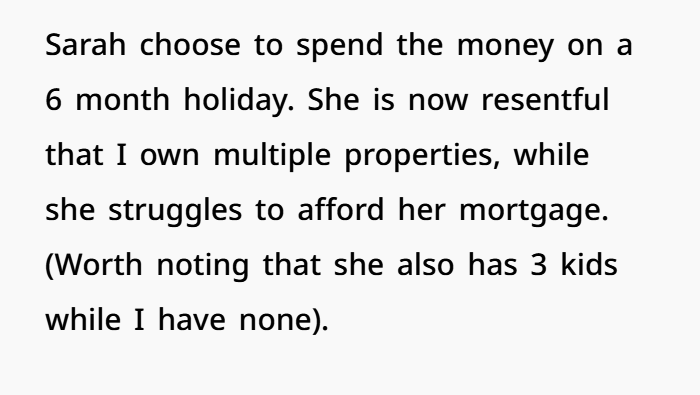
The sister, Sarah, was described as someone who often felt overlooked during family events. Over time, feelings of unfairness and comparison seemed to create tension between the siblings.
Many families experience similar situations.
Siblings may compare:
- Career success
- Income
- Homes
- Relationships
- Lifestyle choices
Even when parents treat children equally, people can still feel that life has been unfair.
Sometimes those feelings come from comparing the final results without considering the different choices, risks, and circumstances behind them.
Different Financial Choices Can Lead to Different Results
The story explained that both siblings received the same financial support from their parents when they became adults.
They each received the same amount of money and had the same starting opportunity.
However, they made different choices.
The brother used his money toward long-term investments and building financial stability. Over time, those decisions helped him create wealth through property investments and careful financial planning.
His sister chose to spend her money differently, including on travel and personal experiences.
Neither choice is automatically wrong.
People value different things at different stages of life.
However, problems can happen when someone looks at another person’s success years later and only sees the final result instead of the journey behind it.
The Hidden Cancer Diagnosis
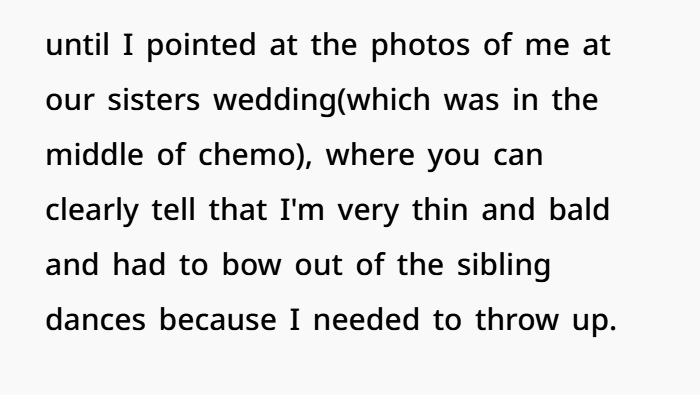
The situation became much more emotional when the brother revealed that he had been privately dealing with blood cancer.
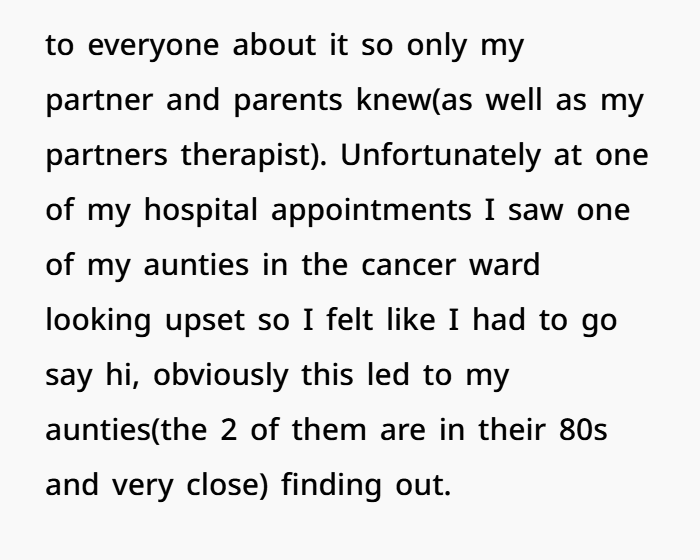
He had gone through medical treatment, including chemotherapy and radiation, while only telling a small group of trusted people.
Many people with serious health conditions make personal decisions about who they want to tell.
A cancer diagnosis can bring many emotions, including:
- Fear
- Stress
- Uncertainty
- Emotional exhaustion
Some patients prefer privacy because they do not want every conversation to become focused on their illness.
Others need time to process the diagnosis before sharing it with family and friends.
There is no single correct way to handle a serious medical situation.
Why Some People Keep Health Problems Private
Many cancer patients explain that privacy helps them maintain a sense of normal life.
Constant questions about treatment, symptoms, and recovery can sometimes become overwhelming.
During difficult health journeys, people often need emotional support, but they may also need space.
Respecting someone’s privacy is an important part of supporting them.
Family Support After the Diagnosis
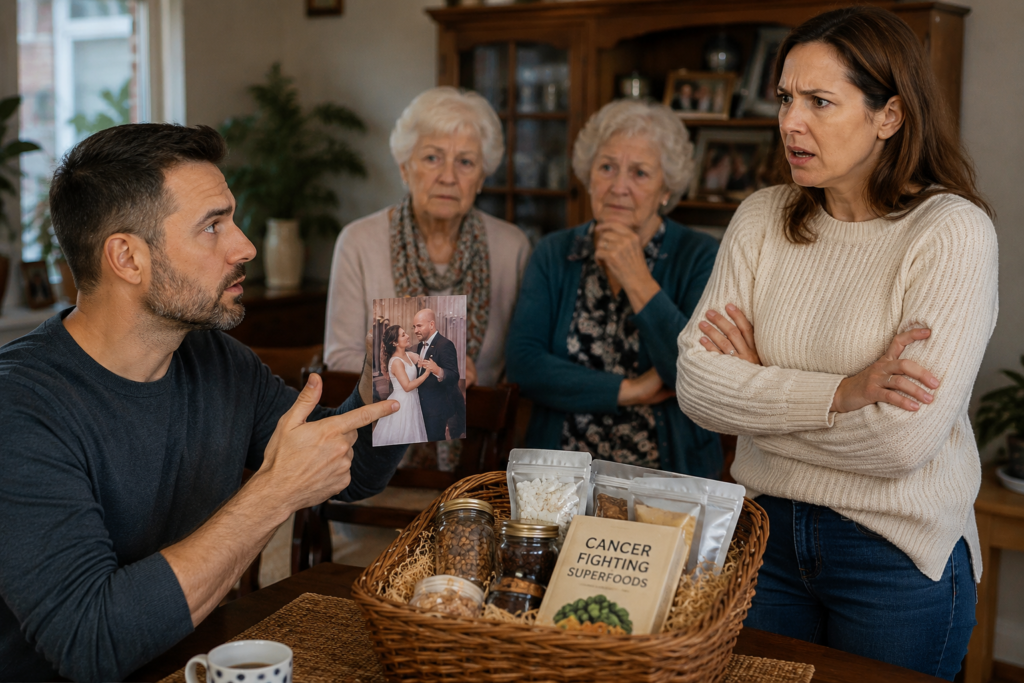
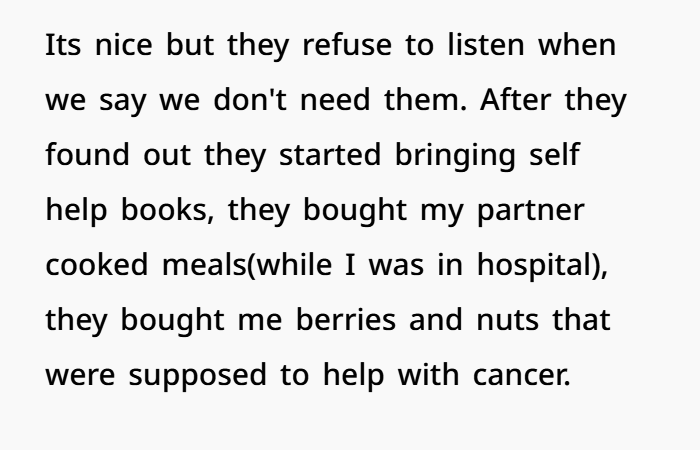
Eventually, some family members discovered the brother was receiving cancer treatment.
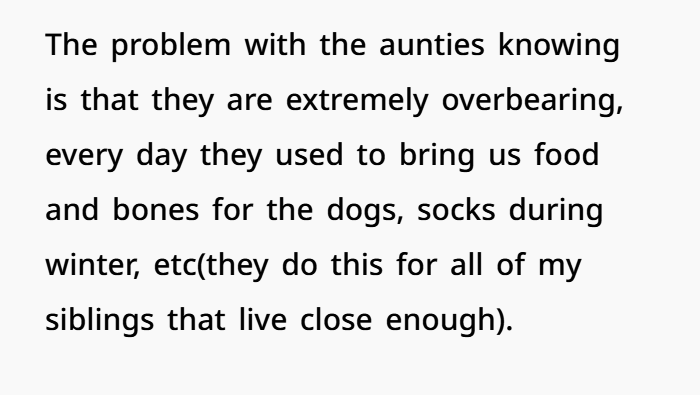
According to the story, relatives responded with care and support.
They brought food, helpful items, and thoughtful gifts as a way of showing love.
Many families express support through actions instead of words.
Cooking meals, checking in regularly, and helping with daily needs are common ways people show compassion during health challenges.
While these gestures may not replace professional medical care, emotional support can be very meaningful during difficult times.
A Family Conversation Changed Everything
The conflict reached a turning point during a family gathering.
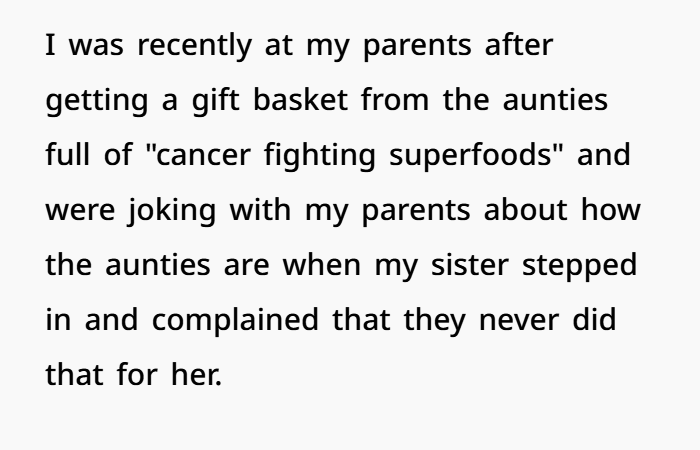
The discussion started with comments about the extra support the brother was receiving from relatives.
According to the story, Sarah viewed the attention as another example of family favoritism.
She believed her brother received special treatment.
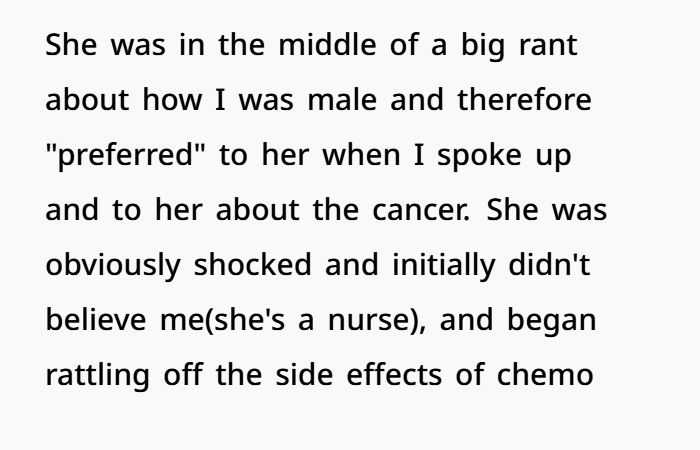
However, the brother then explained the real reason the family had become more supportive.
They knew he was dealing with cancer.
The conversation changed immediately.
The Importance of Looking Beyond Appearances
One important lesson from this story is that people often do not know what others are experiencing privately.
Someone may appear successful, happy, or comfortable while dealing with serious personal struggles.
Financial stability does not mean someone has an easy life.
A successful career, a nice home, or personal achievements do not show the full picture of someone’s experiences.
Everyone carries challenges that others may not see.
How Resentment Can Affect Relationships
Long-term resentment can change the way people see each other.
When someone feels hurt or overlooked for many years, they may start interpreting situations through that emotional lens.
A person may focus on:
- What someone else has
- What they believe they missed
- Why life feels unfair
This can make it difficult to recognize another person’s struggles.
Healthy communication can help family members understand each other better before resentment grows.
The Role of Compassion in Family Relationships
Family relationships are complicated.
People can have different experiences, different choices, and different struggles.
Instead of assuming someone has an easier life, it is often better to ask questions and listen.
Compassion does not mean ignoring problems.
It means trying to understand the full situation before judging someone.
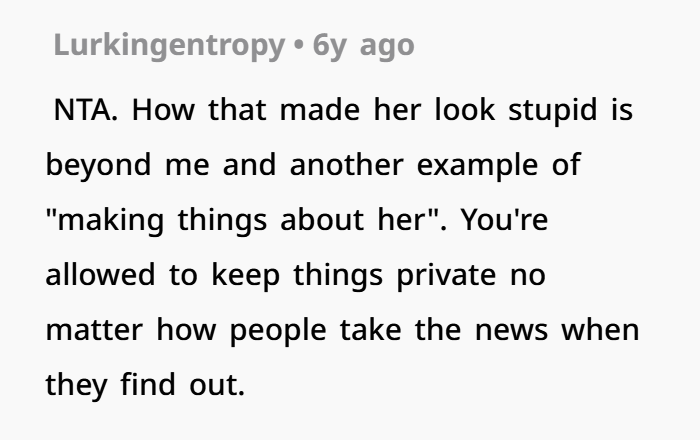
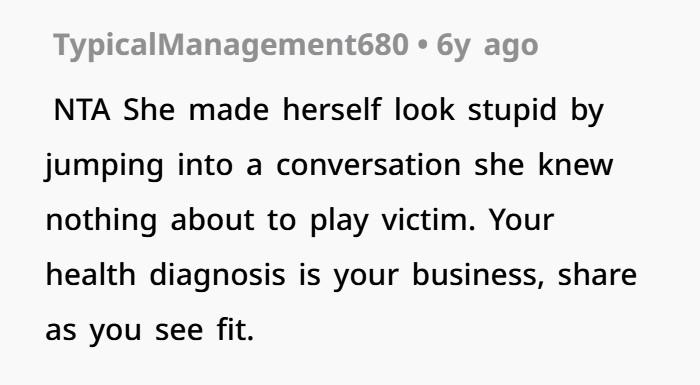
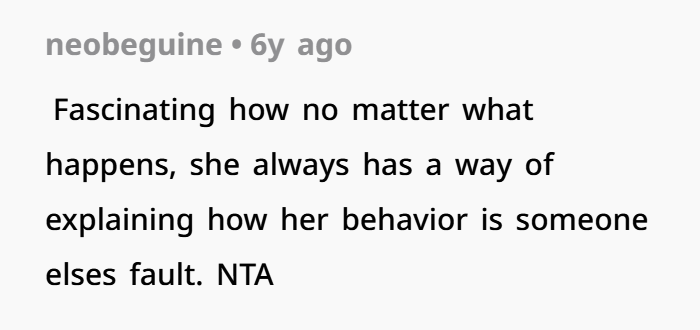
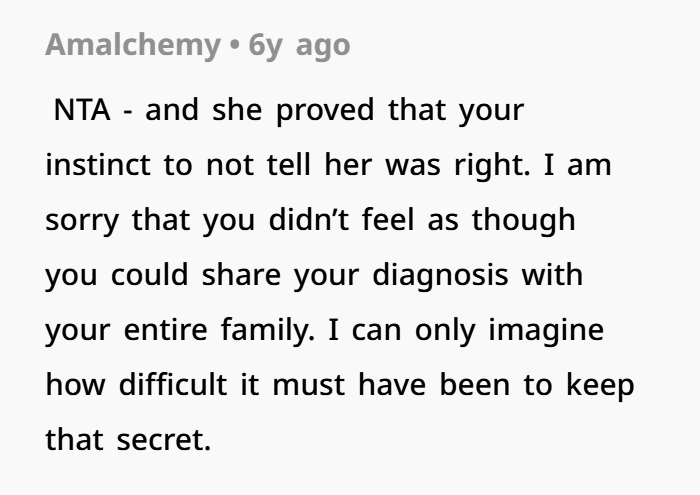
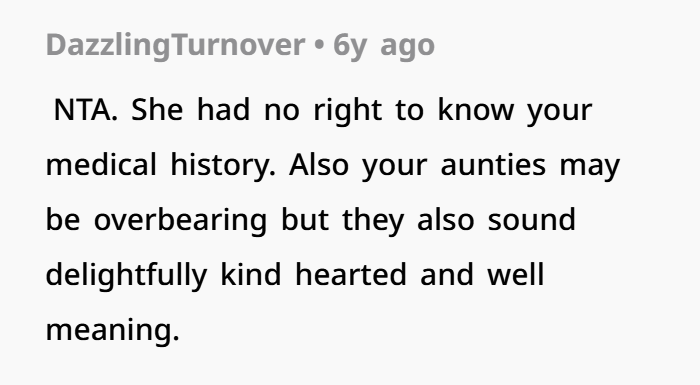
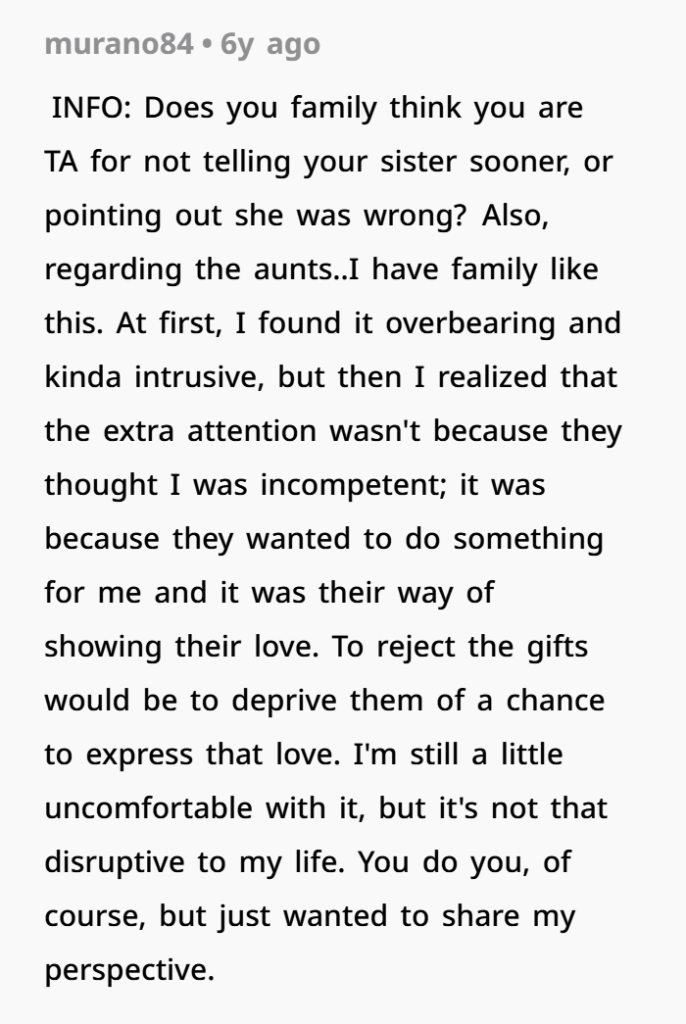
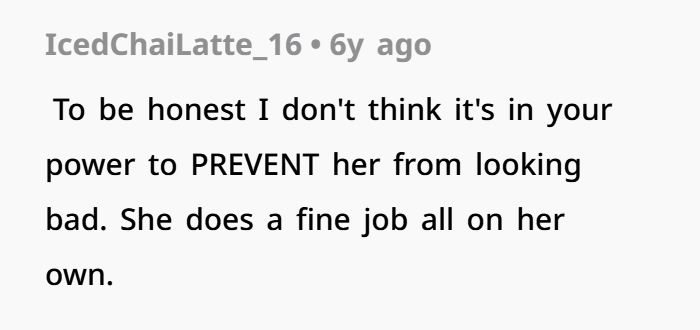
Readers’ Comments Speak Out



Final Thoughts
This story was not only about money, success, or a medical diagnosis.
It was about hidden struggles, family expectations, and the importance of empathy.
The biggest reminder is simple:
You never fully know what someone is carrying behind the scenes.
A person who looks successful may be facing serious challenges, and a person who seems distant may be dealing with pain they have never shared.
Better communication, understanding, and kindness can help families heal old wounds and build stronger relationships.