Woman Exposes Husband’s Year-Long Affair to Girlfriend’s Mom

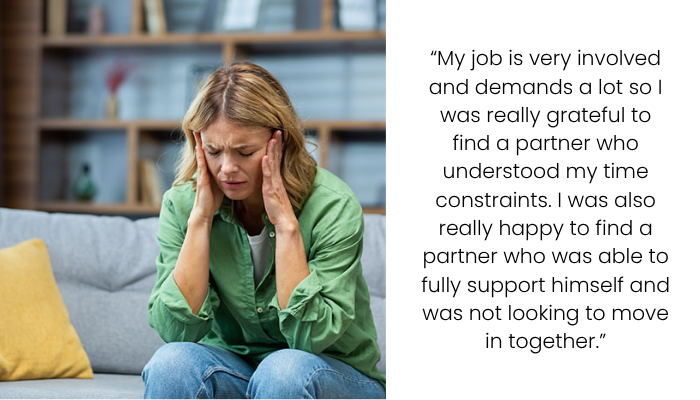
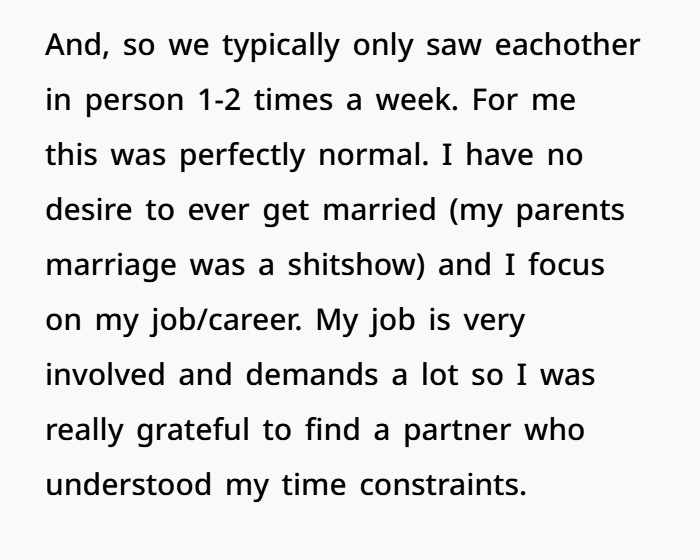
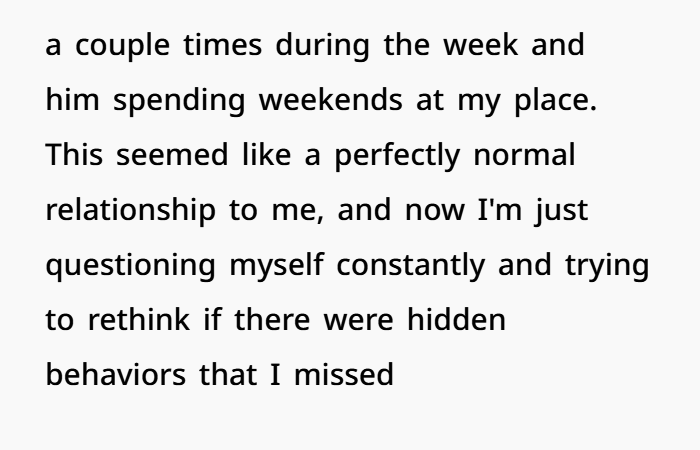
She believed she had found a healthy and stable relationship. At 38, she was not looking for a perfect love story or a rushed commitment. She wanted a relationship that fit into her busy life, respected her personal goals, and gave her a sense of comfort and trust.
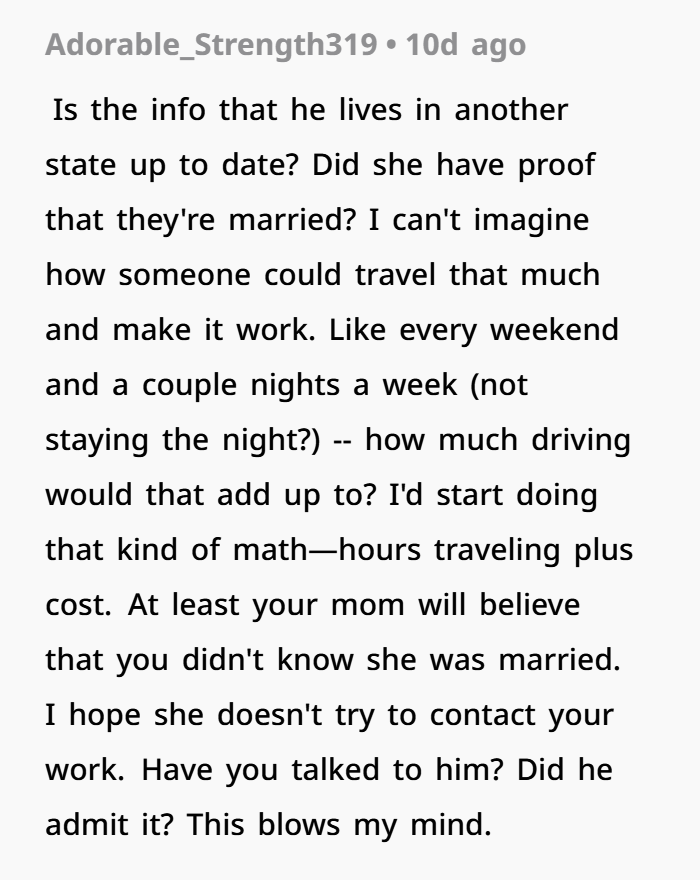
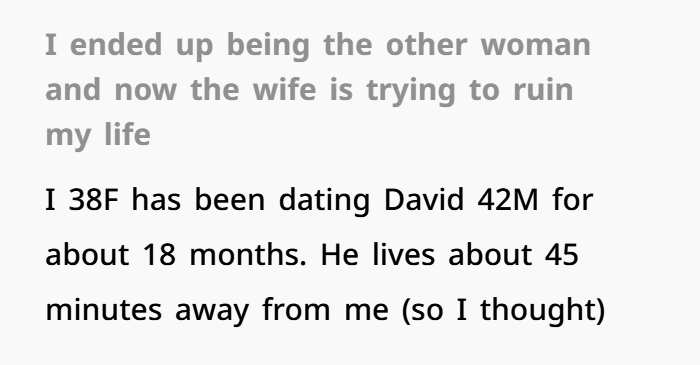
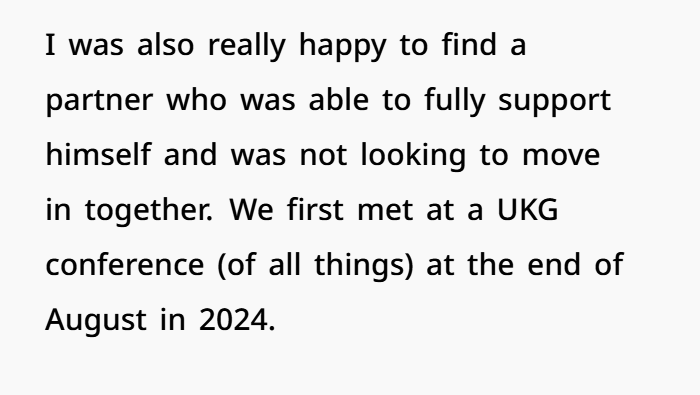
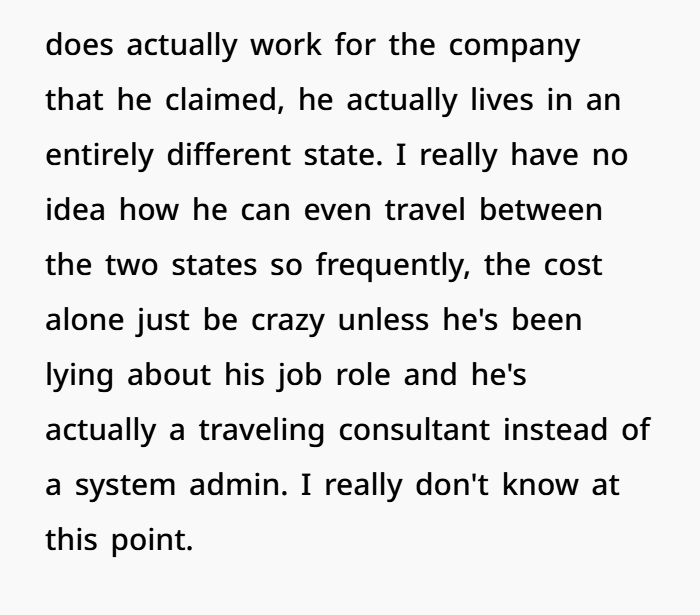
She met David at a conference, and things seemed easy from the beginning. They lived in different places, which gave them space and independence. He respected her time, listened to her needs, and treated her well. For more than a year, she did not notice any warning signs. She felt like she had finally found a relationship that was safe and reliable.
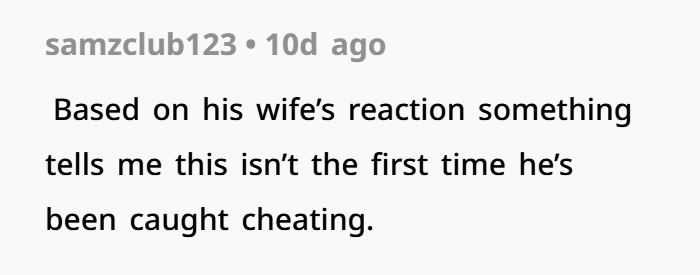
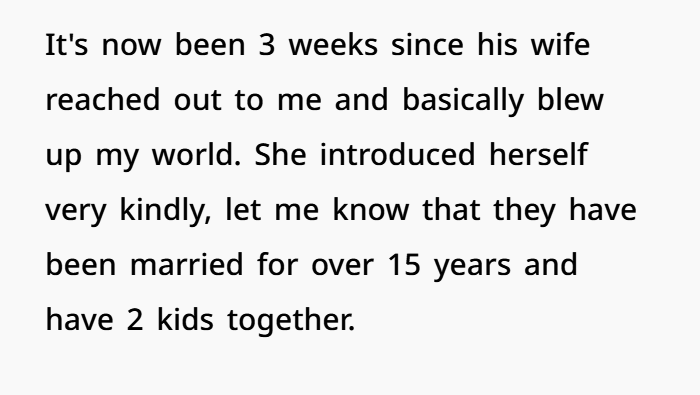
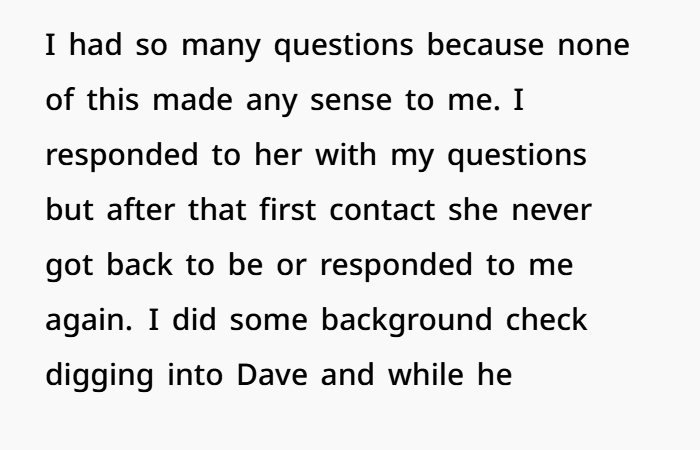
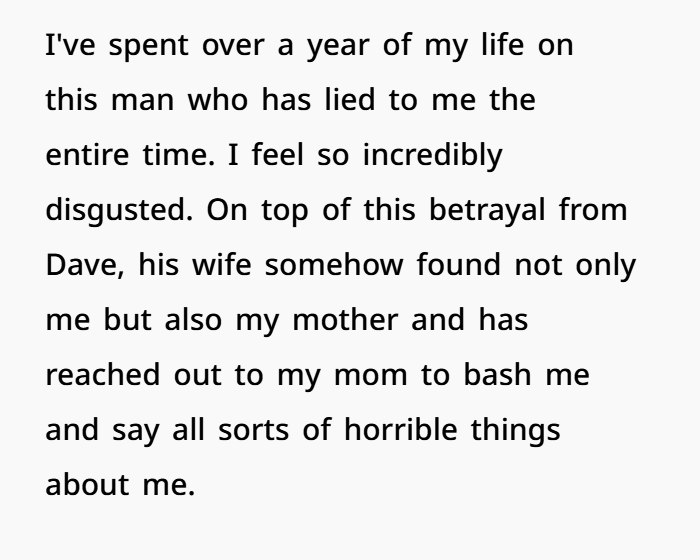
Everything changed when she received a message from another woman. The woman calmly explained that she was David’s wife. She was not his former partner or someone from his past. She was still married to him and had been with him for 15 years. She also had two children with him. This news completely changed how she saw the relationship.
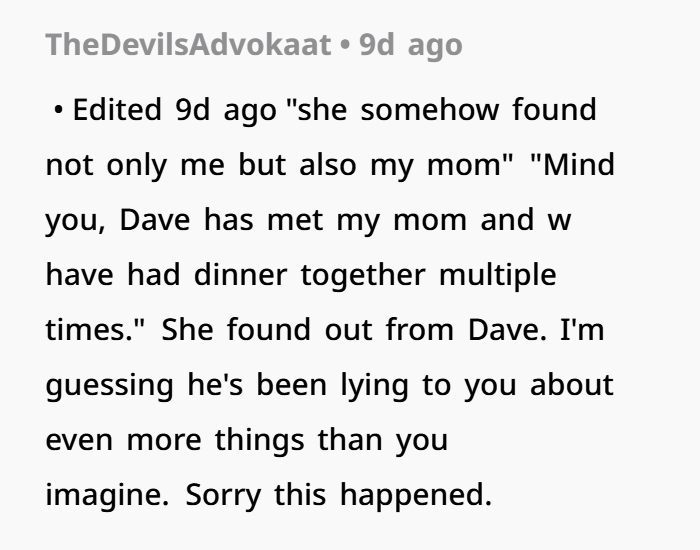
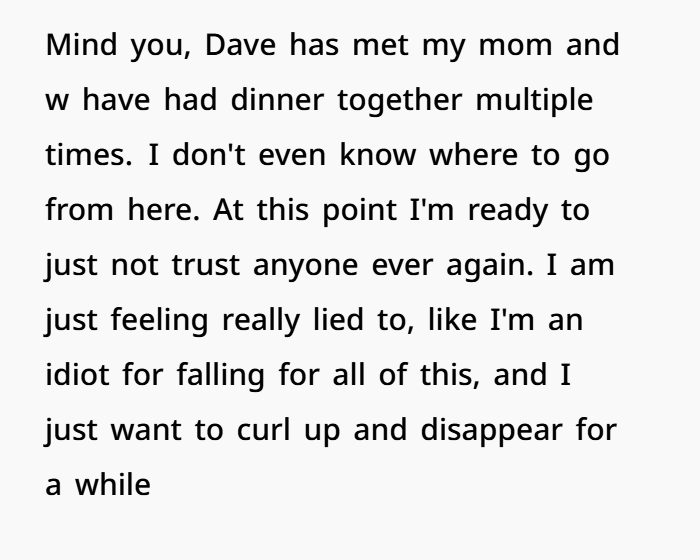
She realized that David had been hiding a major part of his life. He had been managing two separate worlds and keeping important information from her. The situation became even more stressful when his wife contacted her family and shared accusations about her personal life.
Now she is dealing with the emotional impact of the situation. Along with heartbreak, she is facing stress, anxiety, and concerns about her personal reputation. She is trying to understand how she missed the signs and how to move forward after losing trust in someone she believed she knew.
Situations involving hidden relationships and broken trust can be extremely painful. Healing often requires time, emotional support, and healthy boundaries while processing difficult experiences.
When Trust Is Broken: Understanding Betrayal, Healing, and Moving Forward
Some relationship situations feel so personal that you may think, “How could this happen to me?”
But the truth is, many people experience similar situations. Stories about betrayal, broken trust, and hidden relationships are common topics in relationship advice discussions and emotional health conversations.
The hardest part is often not only the cheating itself.
It is the long period of dishonesty.
When someone hides the truth for a long time, it can affect a person’s emotions, confidence, and ability to trust their own judgment.
Why Long-Term Deception Hurts So Much
Finding out that someone you trusted was not honest can be extremely painful.
Many people experience a mix of emotions, including sadness, anger, confusion, and disappointment.
They may start asking themselves:
- “How did I not notice?”
- “Were the good moments real?”
- “Can I trust my own decisions?”
These reactions are normal after a major betrayal.
In mental health discussions, this type of experience is often connected to betrayal trauma. It describes the emotional pain that happens when someone close breaks your trust in a serious way.
The damage is not only about losing a relationship. It can also affect your confidence, emotional security, and view of future relationships.
When Someone Is Deceived Without Knowing
One important detail in this situation is that she did not know she was involved with someone who was already married.
There is a major difference between knowingly choosing to hurt someone and being misled by another person.
If someone hides important information and creates a false story, the person who believes that story is also affected by the deception.
Many people focus only on the affair itself, but they forget that dishonesty can hurt more than one person.
The person who was lied to may also experience emotional pain, confusion, and a loss of trust.
How Double Lives Can Stay Hidden
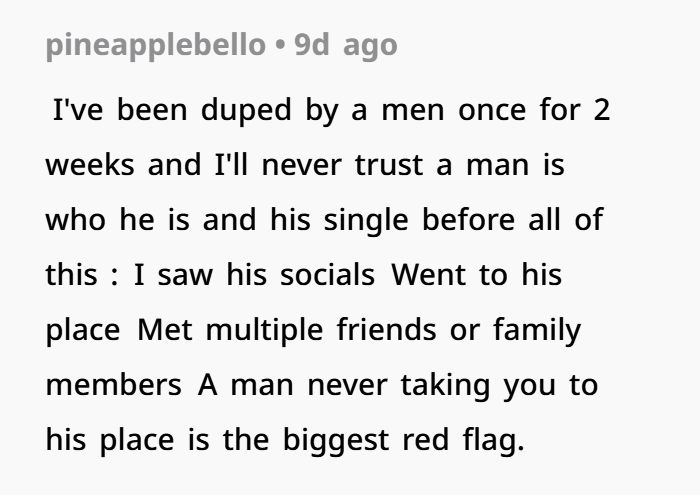
Some people are able to hide major parts of their lives for a long time by carefully separating different areas of their life.
They may control when they communicate, create explanations for their absence, or keep different groups of people separate.
This can make the situation look normal from the outside.
When someone receives regular attention, communication, and affection over many months, trusting that person is a natural response.
Building trust is a normal part of relationships.
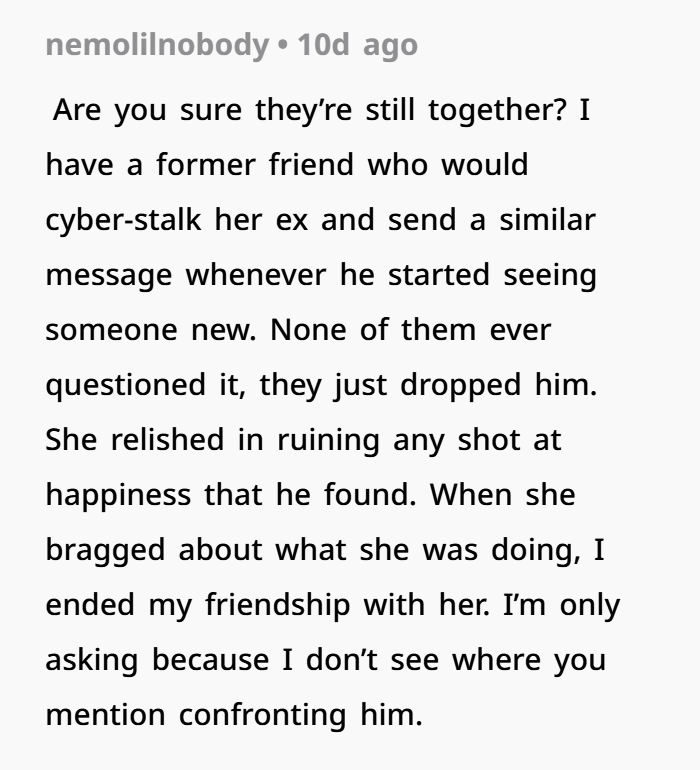
The responsibility belongs to the person who chooses to lie, not the person who believed what they were shown.
Understanding the Other Person’s Reaction
The spouse’s first reaction can also be complicated.
When someone discovers a major betrayal, their first response may come from shock. They may want answers, details, and a clear understanding of what happened.
Many people in difficult relationship situations first try to understand the truth before deciding how they feel.
However, emotions can become overwhelming.
Feelings like anger, sadness, embarrassment, and fear are common after discovering infidelity.
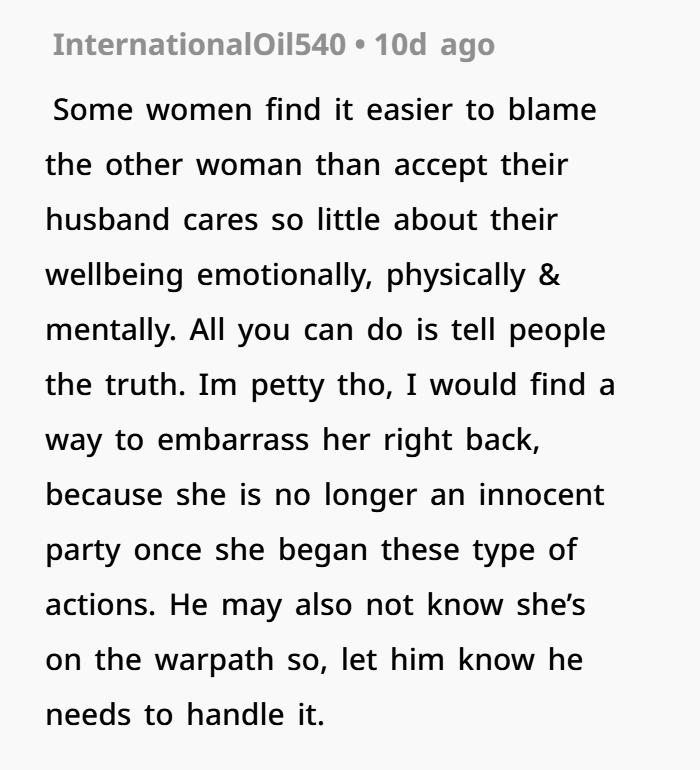
Sometimes people direct their pain toward the wrong person because they are struggling to process what happened.
This does not make harmful actions acceptable, but it can help explain why people react strongly during emotional situations.
Setting Boundaries After Conflict
When a situation becomes stressful, protecting your emotional well-being is important.
If someone repeatedly contacts you, involves your family, or creates more conflict, setting clear boundaries can help.
Healthy boundaries may include:
- Limiting communication
- Keeping records of important messages
- Asking family members not to get involved
- Taking time away from the situation
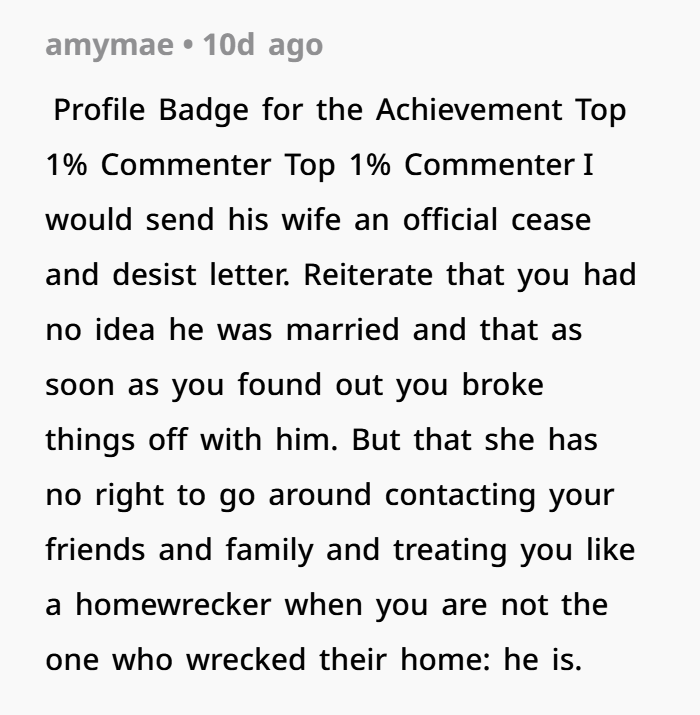
In serious situations, people may also consider getting professional legal advice about their options. Laws about harassment, privacy, and reputation vary depending on location, so understanding your rights can be helpful.
The Emotional Impact of Feeling “Foolish”
One of the most painful feelings after deception is thinking:
“I should have known.”
Many people blame themselves after being lied to.
They replay conversations, look for missed signs, and question their own judgment.
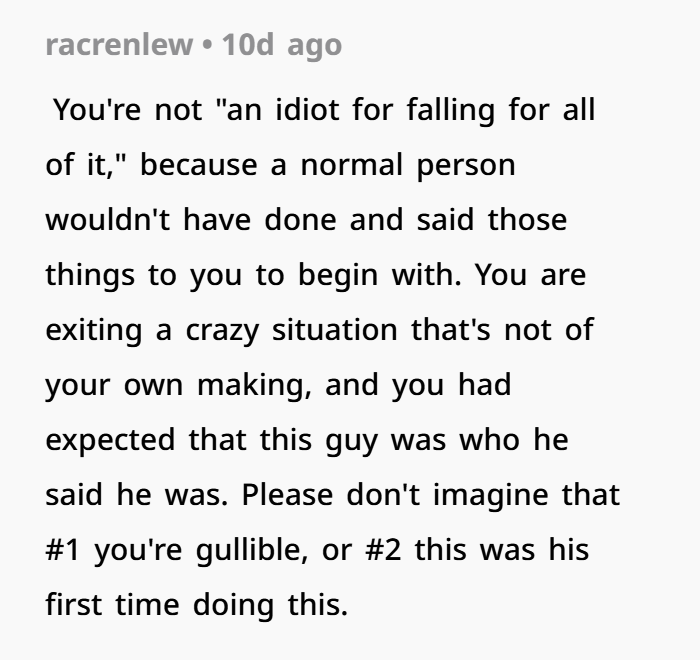
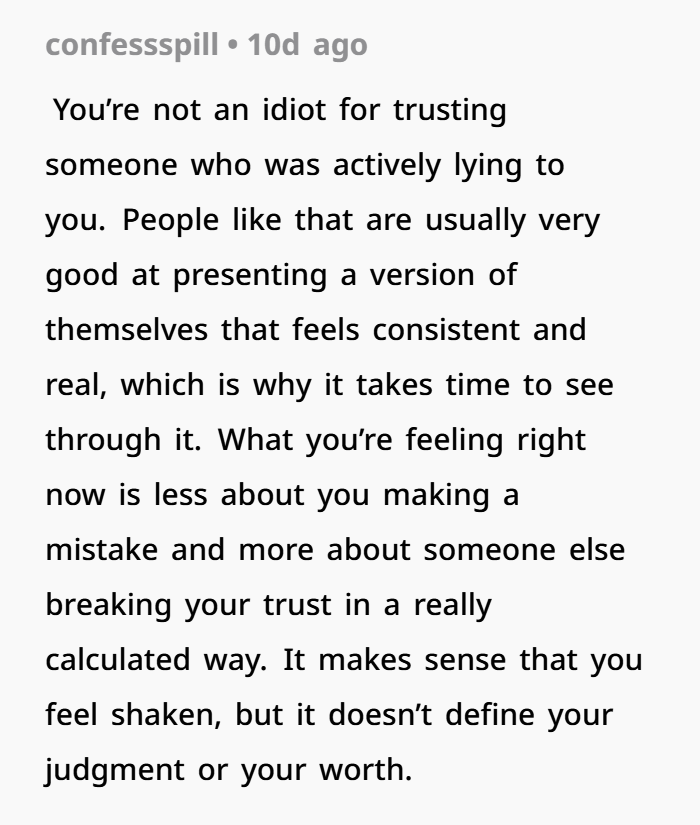
But trusting someone who consistently acts loving, caring, and honest is not a mistake.
Trust is a normal part of a healthy relationship.
A person who creates a believable story and hides important facts is responsible for the deception.
The person who believed the story is not responsible for someone else’s dishonesty.
How Betrayal Can Affect Future Relationships
After an experience like this, it is common to develop trust issues.
Some people become afraid of getting close to someone again. Others start analyzing every small detail because they want to avoid being hurt in the future.
This is a normal response to emotional pain.
Healing does not mean pretending nothing happened. It means slowly rebuilding confidence and learning to feel safe again.
Healthy relationships in the future are still possible, even after a painful experience.
Focus on Healing, Not Blaming Yourself
Right now, the most important thing is emotional stability.
You do not need to solve every question immediately.
Give yourself time and space.
Helpful steps may include:
- Taking a break from unnecessary contact
- Spending time with supportive friends and family
- Focusing on your daily routine
- Talking with a trusted person or mental health professional if needed
- Allowing yourself to process your emotions
Healing is not about forgetting what happened.
It is about understanding that someone else’s dishonesty does not define your worth.
Rebuilding Your Sense of Reality
The hardest part of betrayal is sometimes not losing the person.
It is losing the future and the story you thought you were building.
You may feel like your memories, choices, and emotions are suddenly confusing.
That feeling can take time to process.
But with support, self-care, and patience, people can rebuild trust in themselves.
You did not lose because you believed someone.
You were hurt because someone chose not to be honest.
And moving forward starts with remembering that.
Top Comments From Readers