Driver Takes A Handicapped Parking Spot, And An Angry Confrontation Follows


Growing older often brings wisdom and experience, and many people believe seniors should always be treated with respect. At the same time, respect works both ways. Age should never be a reason to ignore rules or make someone else feel uncomfortable.
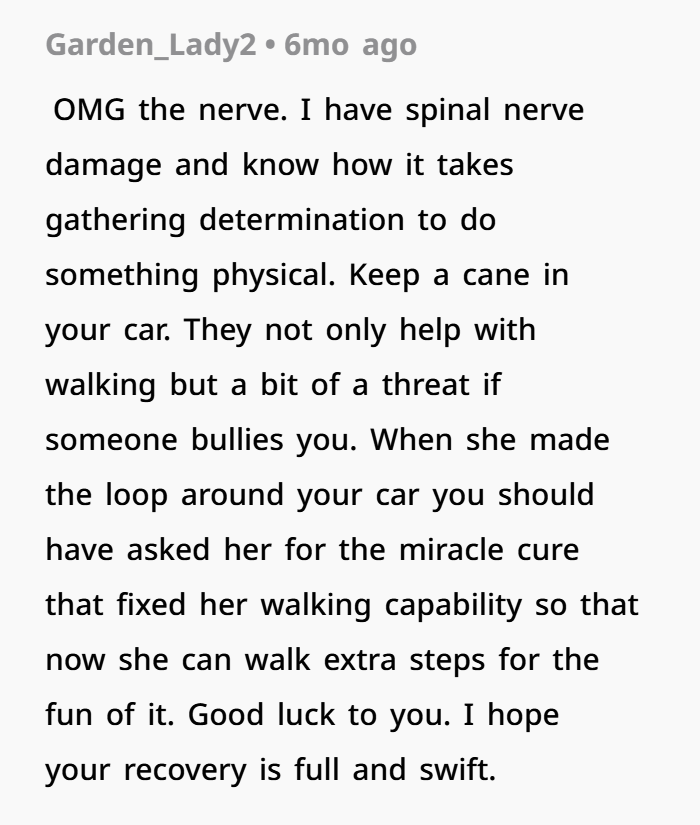
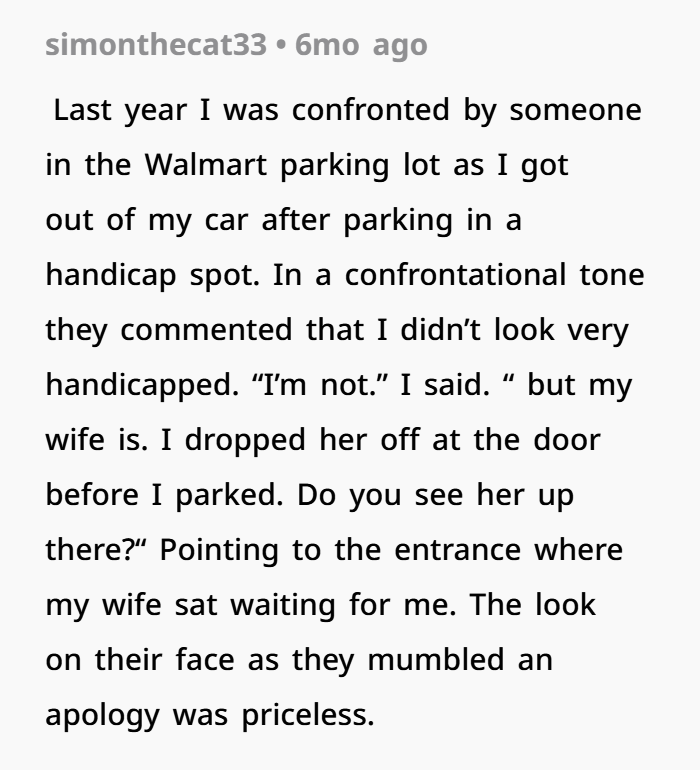
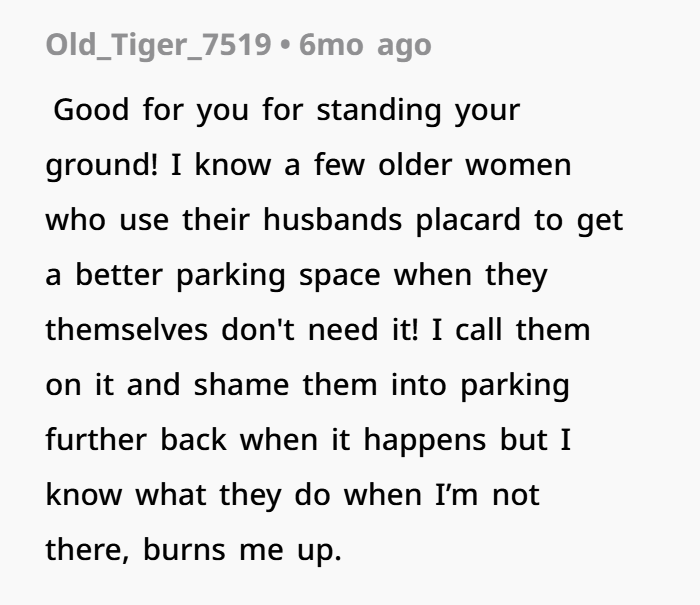
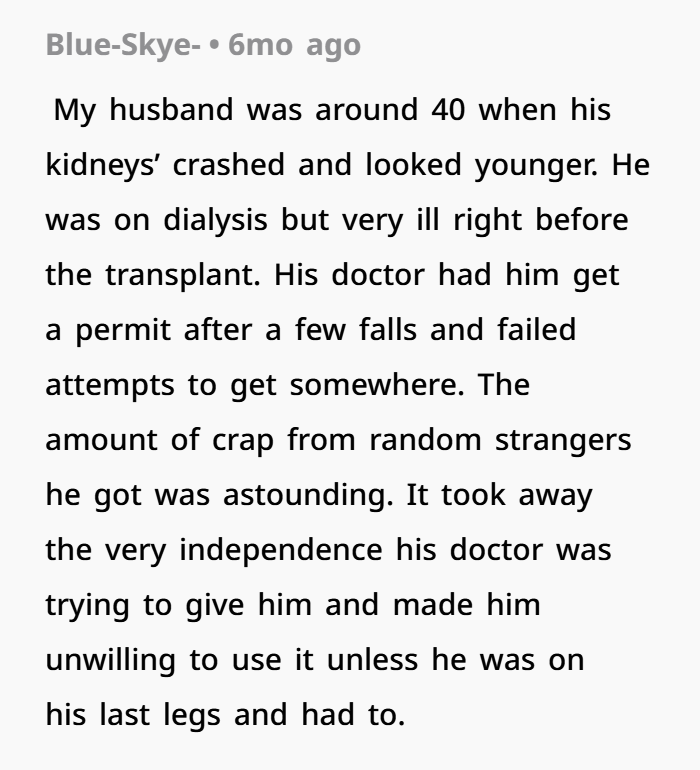
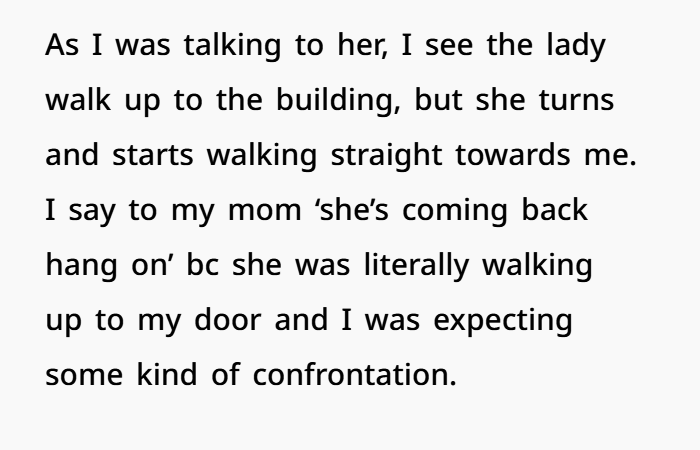
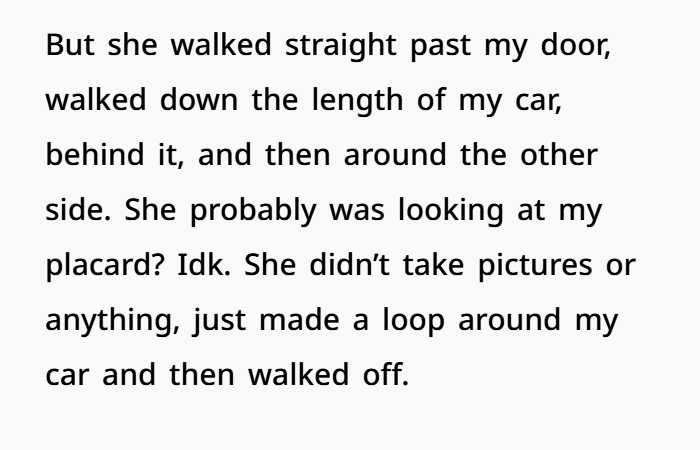
One online story caught attention after an elderly woman had a disagreement with a disabled person about a parking spot. The situation started when she wanted the person to move their vehicle, but the parking space was designed for people who need accessible parking options.
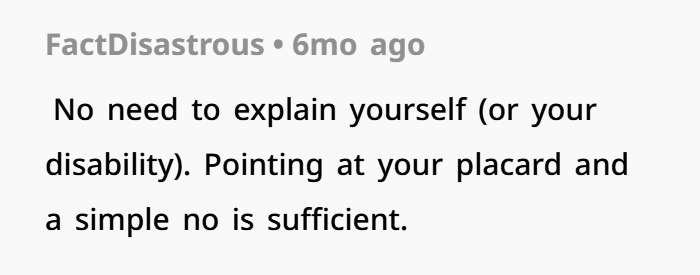
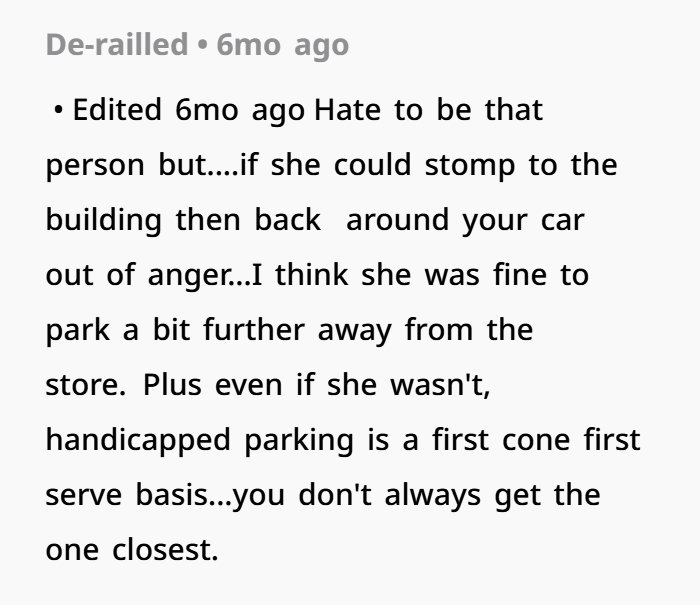
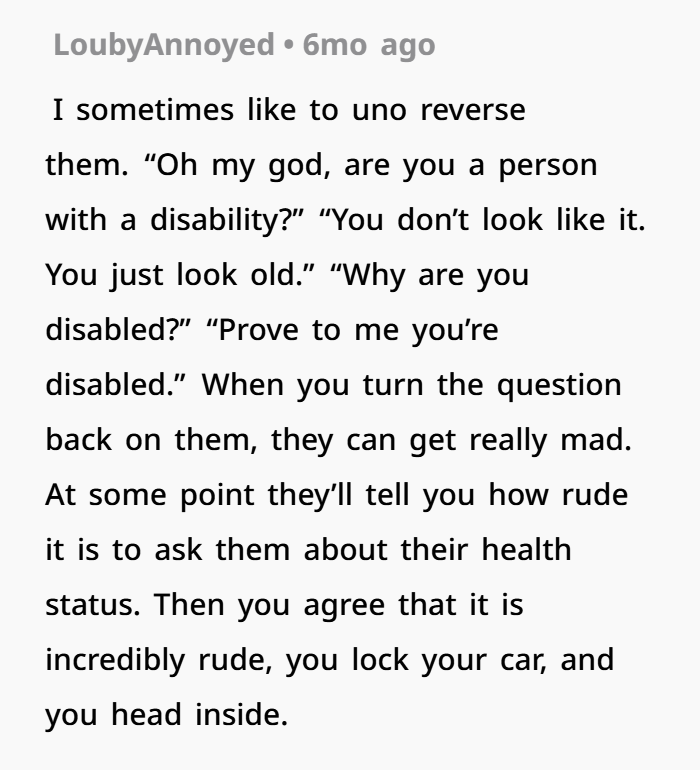
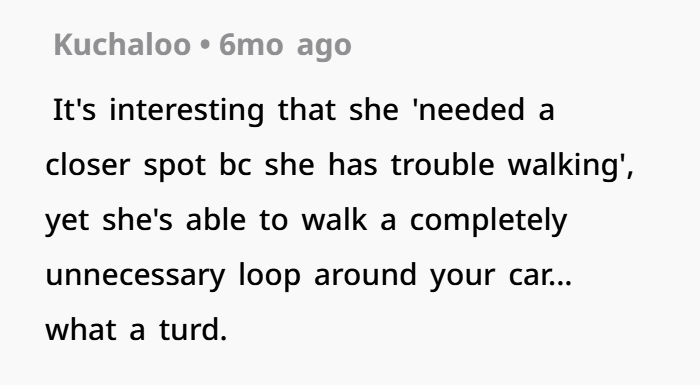
The individual later shared the experience on Reddit, where people talked about the importance of disability awareness, public safety, and treating others fairly. Many readers agreed that accessibility rules exist to support people who may face daily challenges.
This story is a good reminder that kindness and understanding matter in every situation. Whether at home, in public places, or while using shared facilities, respecting others helps create a more welcoming environment for everyone.

Growing older brings many changes in life. Retirement, health concerns, and changes in family roles can sometimes affect a person’s emotions and behavior.
When an older person acts demanding or expects special treatment, some people may wonder if entitlement is connected to aging. However, age itself does not make someone entitled. Many factors, including personality, life experiences, emotional health, and major life changes, can influence a person’s actions.
Losing a Sense of Purpose Can Be Difficult
For many people, work and family responsibilities give them a strong sense of purpose. They may spend decades making decisions, supporting others, and being the person people depend on.
After retirement or as health changes occur, some older adults may feel that their role in life is changing. They may no longer have the same responsibilities, independence, or influence they once had.
Mental health professionals explain that this loss of status can sometimes affect confidence and emotional well-being. A person who feels less important may try to regain control by expecting more attention or demanding more from others.
This behavior may come from feelings of insecurity or fear of becoming less valued. Understanding these emotions can help people respond with patience while still maintaining healthy boundaries.
Aging Can Bring Emotional and Lifestyle Changes
Aging is a natural part of life, but it can come with challenges. Retirement planning, financial concerns, health issues, and changes in relationships can create stress.
Some older adults were raised in cultures where age was strongly connected with authority and respect. Because of this, they may have different expectations about how younger people should treat them.
Respect for older generations is important, but healthy relationships require balance. Respect should be based on kindness and understanding, not fear or pressure.
Understanding Does Not Mean Accepting Bad Behavior
When dealing with someone who seems entitled, it is helpful to show empathy while also protecting personal boundaries.
Empathy means trying to understand what someone may be feeling. It does not mean agreeing with every action or allowing unfair treatment.
For example, if a family member makes unreasonable demands, a calm conversation can often work better than an argument. Clearly explaining limits can help maintain a healthier relationship.
Experts often recommend using respectful communication, patience, and emotional awareness when handling difficult situations.
Avoiding Negative Views About Older People
It is important not to judge all older adults because of the actions of a few individuals.
Many older people continue to make valuable contributions to their families, workplaces, and communities. They offer experience, guidance, and support that can benefit younger generations.
At the same time, younger people should also be respected. Their time, choices, and feelings matter too.
Age-related stereotypes can create unnecessary tension between generations. Building stronger relationships requires understanding people as individuals rather than making assumptions based only on age.
Accepting New Roles After Retirement
Life changes at every stage. After retirement, some people need to find new ways to feel connected and useful.
Developing new hobbies, spending quality time with family, volunteering, learning new skills, and staying socially active can support healthy aging and emotional wellness.
Accepting change can make the transition into later life easier. A person’s value does not disappear when their job or responsibilities change.
Healthy Boundaries Create Better Relationships
Conflicts between older and younger people can happen because of misunderstandings on both sides. A younger person may feel overwhelmed by constant demands, while an older person may feel ignored or less important.
The best solution is respectful communication. Both sides should try to listen, show kindness, and understand each other’s feelings.
Healthy aging is not only about physical health. It also includes emotional well-being, independence, strong relationships, and a positive sense of purpose.
Showing compassion while setting clear boundaries can help families and communities create stronger connections across generations.
See The Comments Below