Told My Sister I Won’t See Her Again If She Doesn’t Discipline Her Son for Biting Me

This story is about family relationships, personal boundaries, and what happens when someone feels pushed too far. A woman shared her experience after spending time babysitting her 14-year-old nephew, who has autism. She understood that he could become overwhelmed and tried to follow his usual routine. However, when it was time to stop using his iPad and prepare for bed, the situation became difficult.
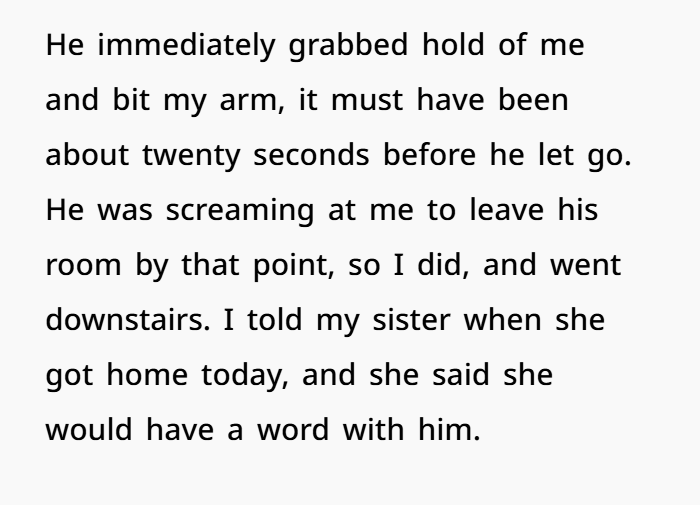
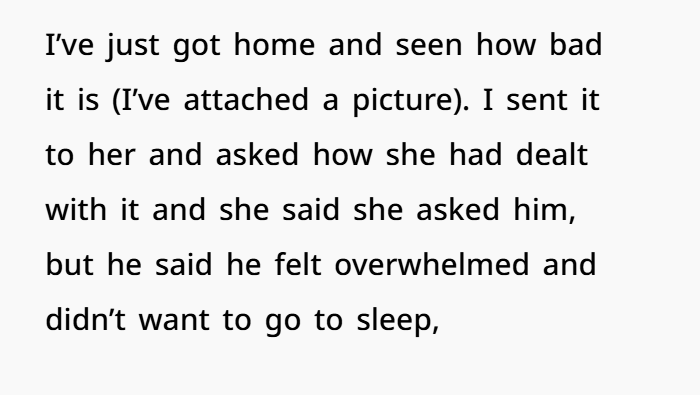
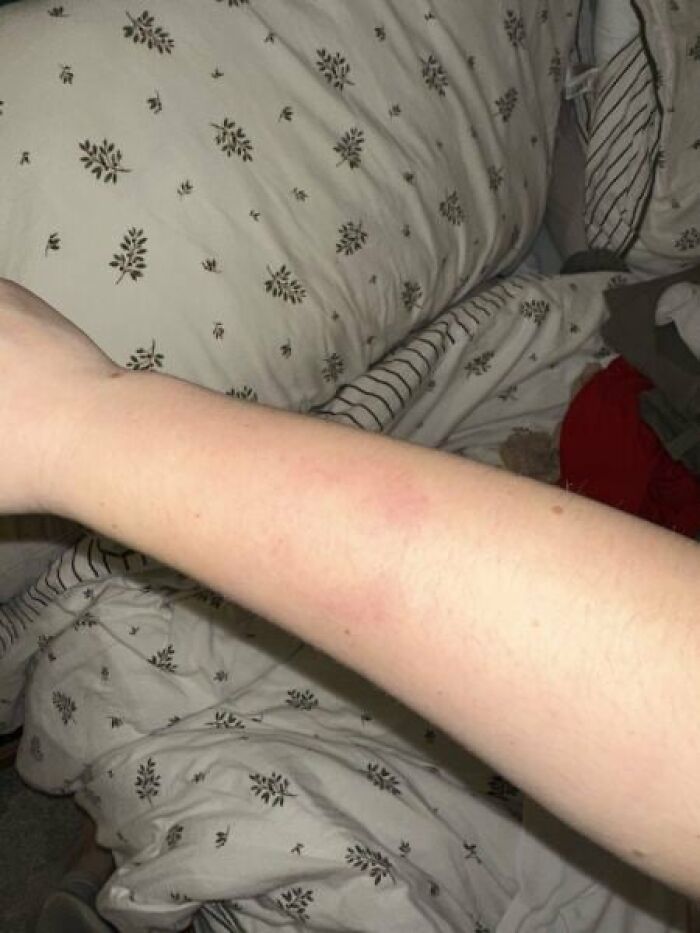
During the moment of stress, her nephew grabbed her and bit her, causing pain and leaving a bruise. The woman told her sister what happened because she expected a conversation about safety, support, and how to handle the behavior in the future.
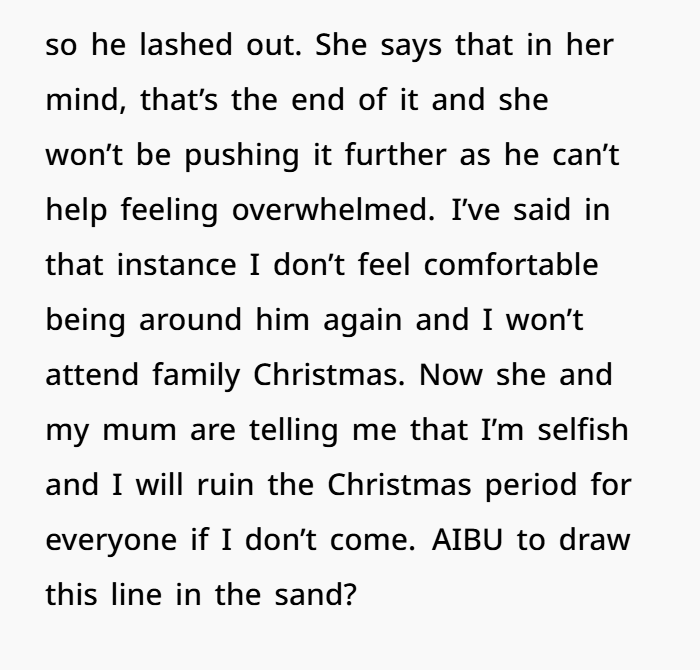
Instead, her sister explained that her son was overwhelmed and said the situation was part of his challenges. The woman felt that her feelings and safety were not being taken seriously. After thinking about it, she decided that she could no longer continue babysitting unless the behavior was properly addressed.
Her decision created conflict within the family. Her sister and mother felt she was being unfair and worried that she would miss important family events. Now, she is questioning whether she was wrong for setting a boundary and choosing to protect her own well-being while still caring about her family.
The poster shared that her sister was a single mom with two children, and that her teenage son, who had autism, sometimes got violent and angry
My Nephew Hurt Me Because Of His Autism — Am I Wrong For Setting Boundaries?
Family situations can become very difficult when love, responsibility, and personal safety all come together.
This story brings up an important conversation about autism, family relationships, caregiving, and healthy boundaries.
Supporting someone with autism is important, but support does not mean ignoring harmful behavior or pretending that someone was not hurt.
Understanding and accountability can exist together.
Autism Explains Behavior, But It Does Not Remove Responsibility
Autism can affect how a person communicates, handles emotions, and responds to stressful situations.
Some autistic people may experience:
- Sensory overload
- Difficulty managing strong emotions
- Challenges with communication
- Trouble expressing frustration in healthy ways
These challenges are real and deserve understanding.
However, autism does not mean that someone should never learn boundaries or how their actions affect others.
If someone hurts another person, the situation still needs attention.
The goal is not punishment.
The goal is learning, support, and preventing the same problem from happening again.
A helpful response may include:
- Talking about what happened
- Helping the person understand the impact
- Finding better ways to handle future situations
You Are Allowed To Protect Your Own Safety
In this situation, the person was physically hurt.
They were trying to follow a normal routine and help their family member, but the situation became painful and upsetting.
Feeling hurt after being bitten or physically harmed is normal.
The important issue is not only what happened. It is also how the family responded afterward.
When someone gets hurt, they usually need:
- Acknowledgment
- Support
- A conversation about what happened
- A plan for the future
Ignoring the problem can make the injured person feel like their feelings do not matter.
Setting a boundary does not mean you do not care about your family.
It means you are also taking care of yourself.
Family Pressure Should Not Replace Safety
Sometimes families put pressure on one person to keep everything peaceful.
This often happens during holidays or important family events.
People may say:
“You are ruining the holiday.”
“Can’t you just let it go?”
“Don’t make this a bigger problem.”
But keeping a happy atmosphere should not require someone to hide their pain.
A family celebration should not depend on one person pretending they are okay when they are not.
Healthy families make space for everyone’s feelings.
When Parents Avoid Conflict
Sometimes parents struggle with setting limits because they are tired, worried, or afraid of creating more problems.
They may try to avoid conflict by asking the person who is easier to reason with to accept the situation.
In this case, that person may feel like they are always expected to understand everyone else.
But the person who is usually patient and flexible also has feelings.
Being understanding does not mean accepting everything.
Everyone deserves respect.
You Can Love Someone And Still Need Distance
One of the hardest things about family boundaries is that love and distance can exist at the same time.
You can care about someone and still decide that you need space.
You can understand someone’s challenges and still say:
“This situation is hurting me, and something needs to change.”
Taking a step back does not mean you hate your family.
Sometimes space is necessary to protect your emotional health and prevent resentment.
People With Autism Can Learn Skills And Boundaries
It is important not to assume that autistic people cannot grow or improve.
Many autistic individuals learn ways to manage emotions, communicate needs, and handle difficult situations with the right support.
Helpful tools may include:
- Behavioral support
- Communication strategies
- Therapy services
- Consistent routines and expectations
The goal is not to change who someone is.
The goal is to help them safely interact with others and build healthy relationships.
Support Should Not Mean Making Excuses
There is a difference between understanding why something happened and saying it does not matter.
Both things can be true:
“This behavior happened because of a challenge.”
And:
“This behavior still needs to be addressed.”
That balance helps everyone.
The person who caused harm deserves support.
The person who was hurt deserves support too.
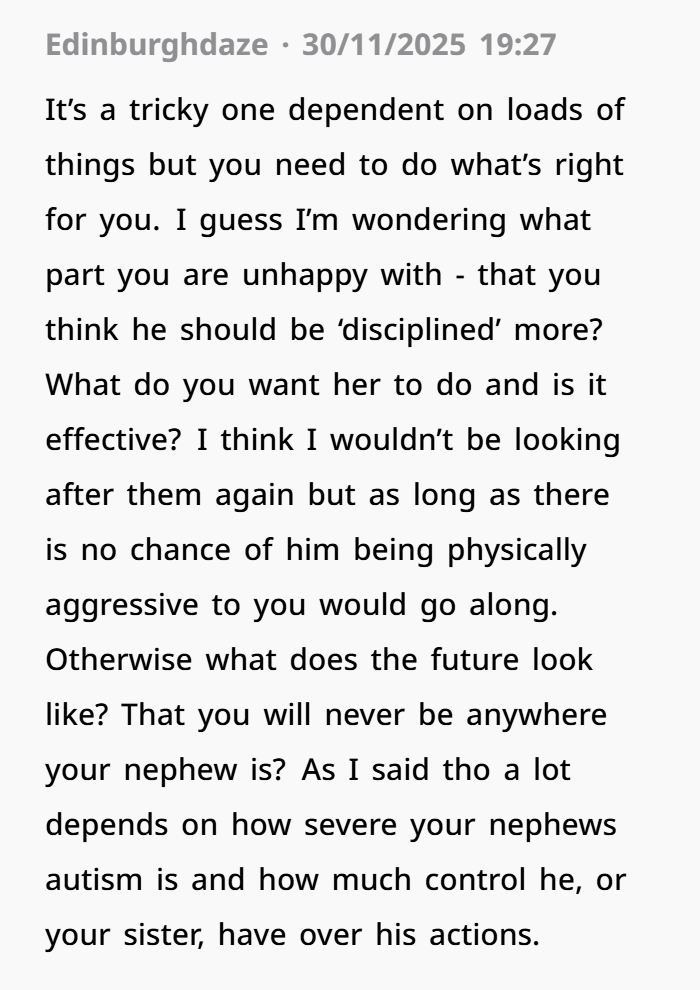
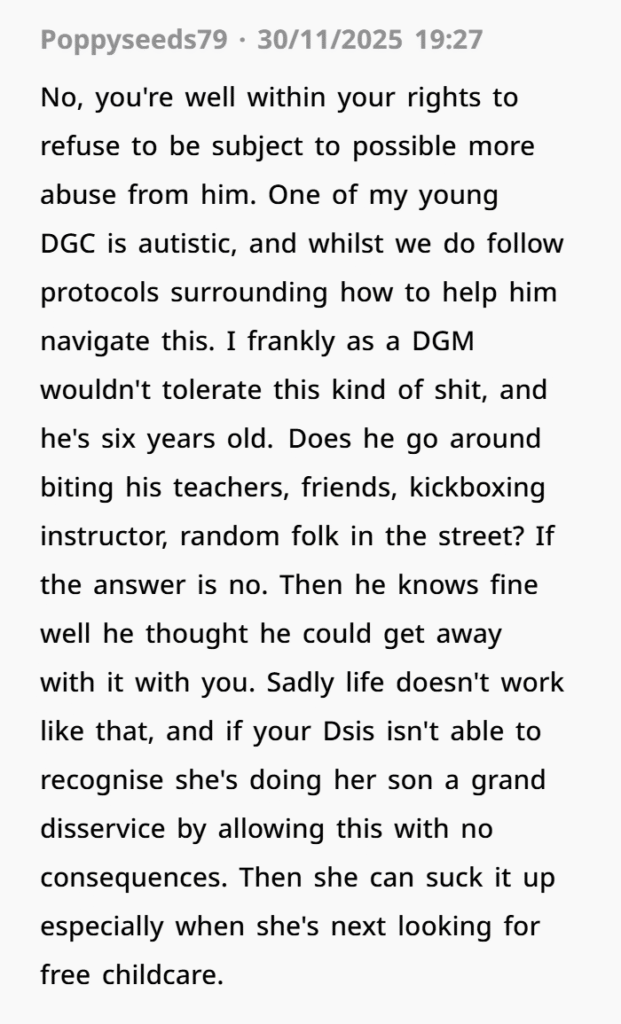
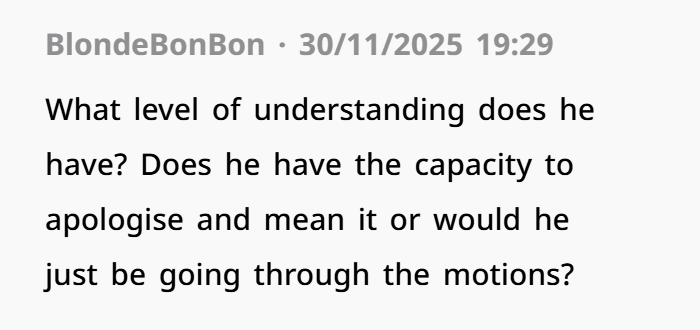
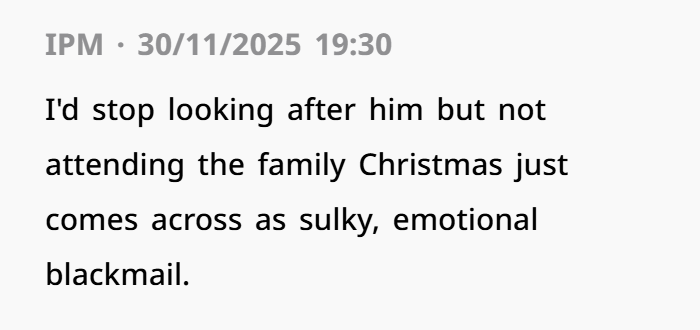
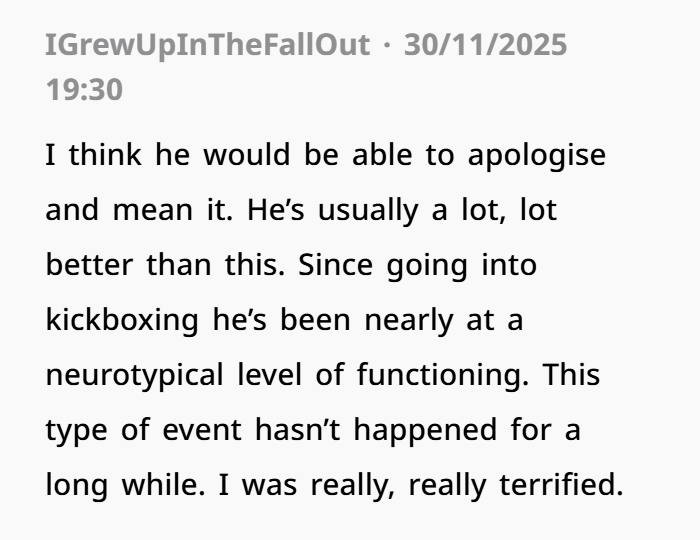
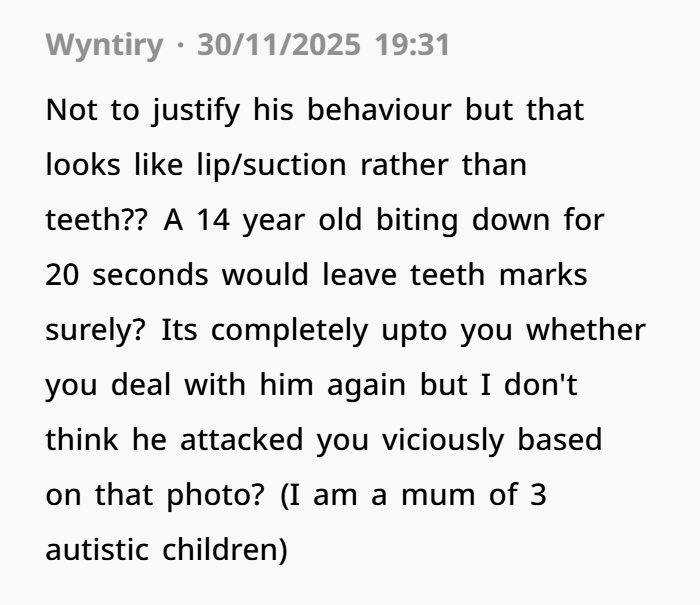
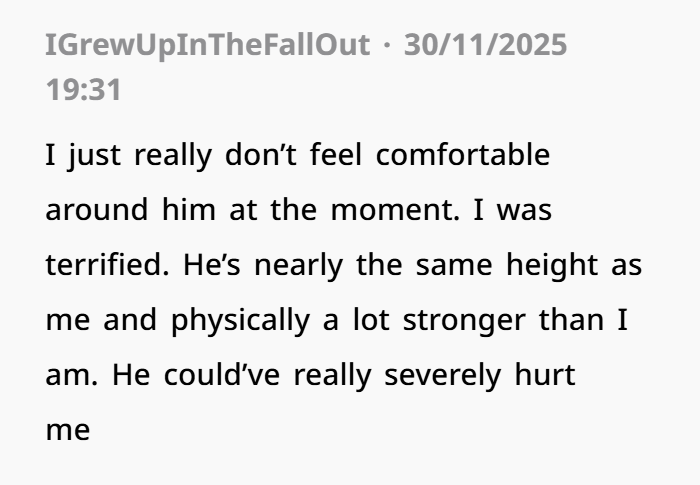
Folks were divided on the issue, with some taking the woman’s side and others feeling that she had overreacted
Final Thoughts
This situation is not about blaming someone for having autism.
It is about finding a healthy balance between compassion and personal boundaries.
Family members can be supportive while also expecting respectful behavior.
You are not a bad person for wanting to feel safe.
You are not selfish for needing acknowledgment after being hurt.
Sometimes setting a boundary is not a rejection of family.
Sometimes it is a way to create healthier relationships for everyone involved.