Family Meltdown After I Refuse to ‘Equalize’ My Niece’s Privileged Life

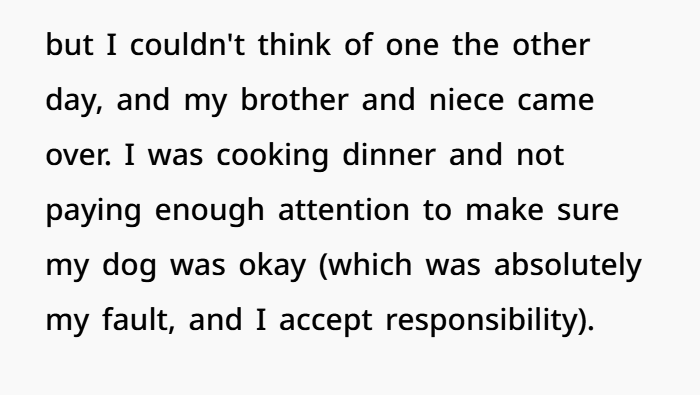
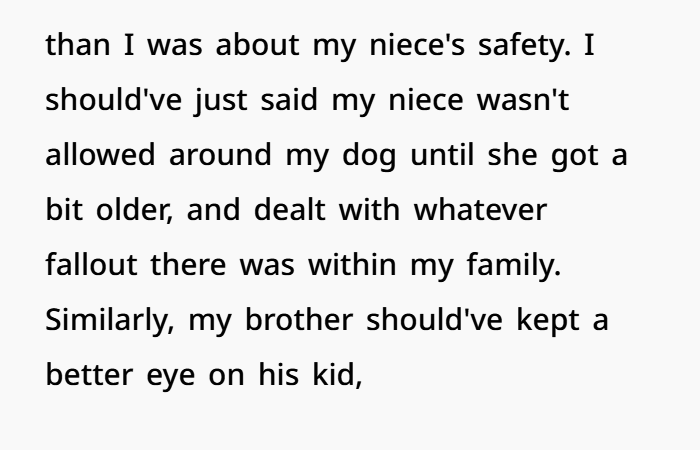
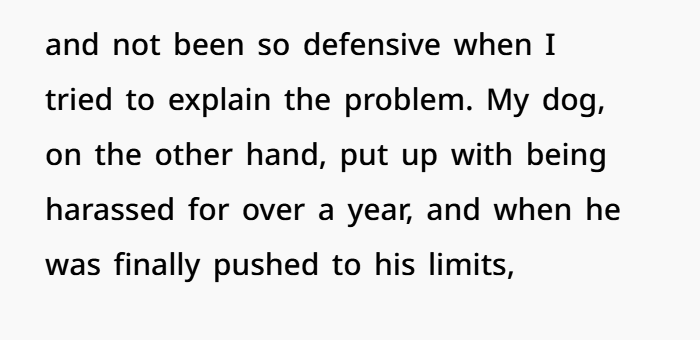
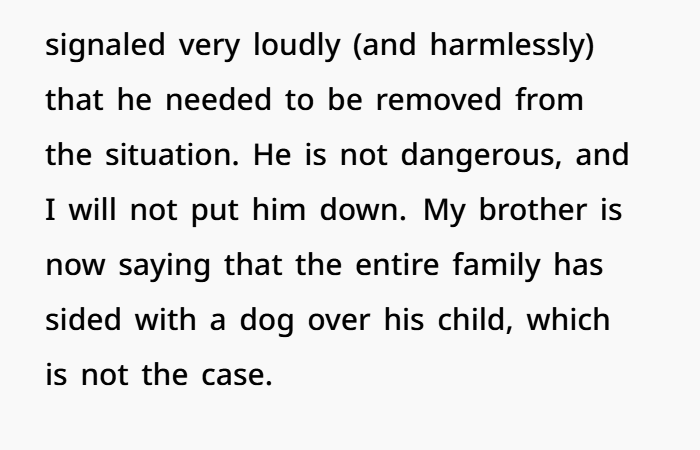
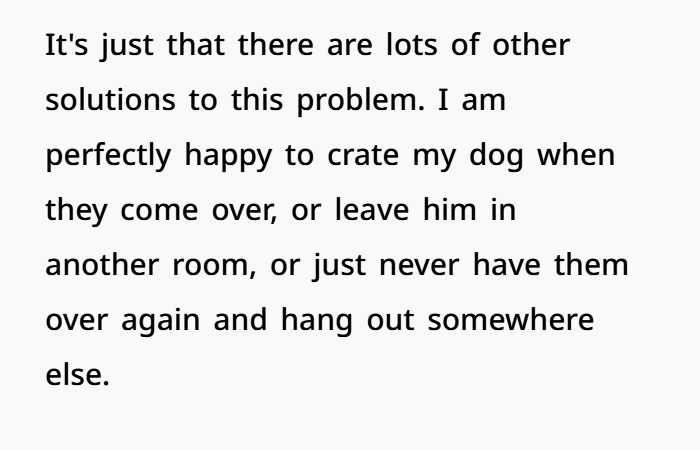
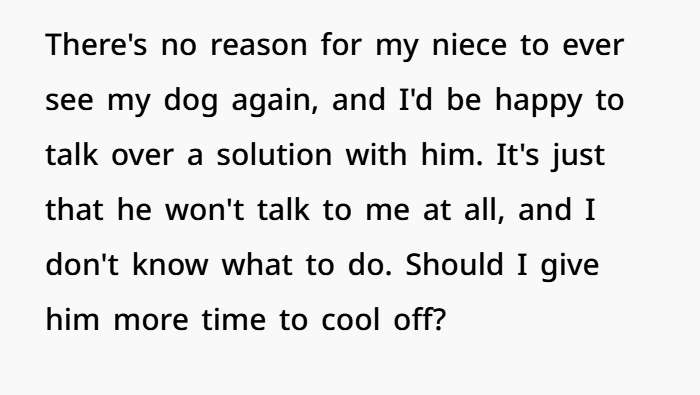
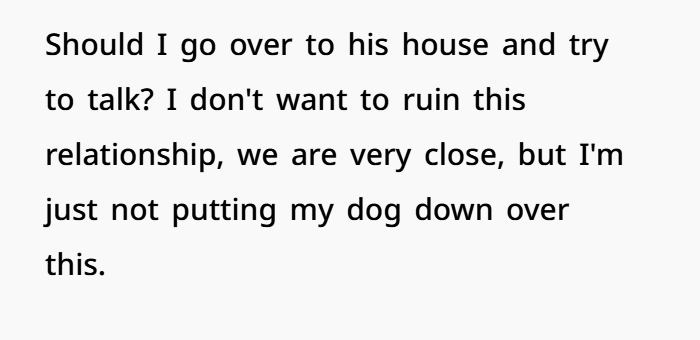
A 28-year-old woman shared a family conflict involving her dog and her young niece. She has years of experience with dog care, pet training, and helping dogs with behavior challenges. She owns a 5-year-old lab mix that she describes as friendly, calm, and good around children. However, she follows one important rule: dogs and young children should always be supervised when they are together.
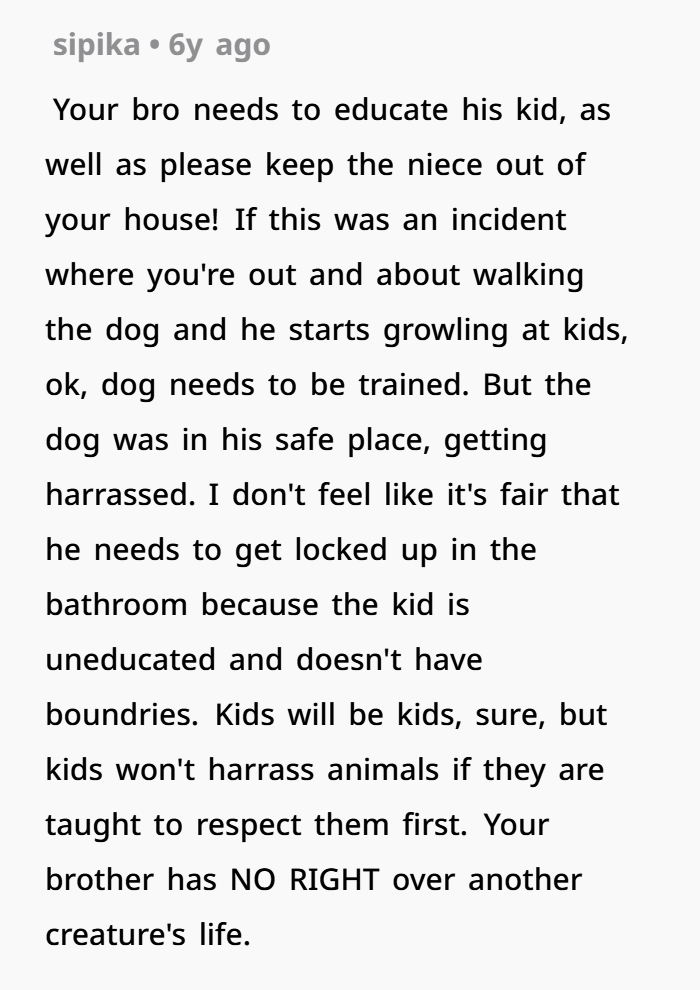
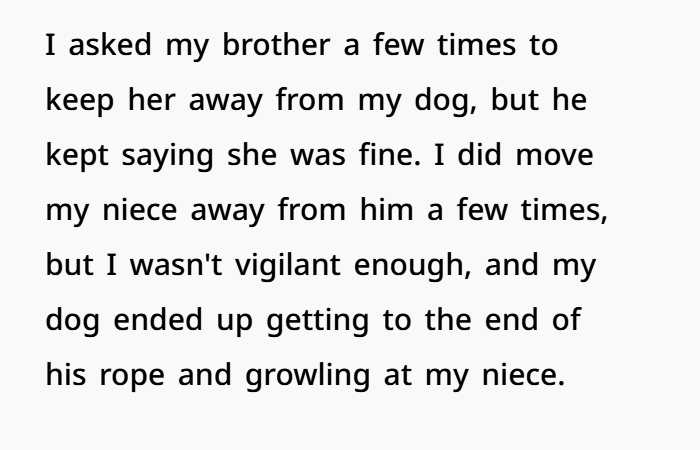
Her 3-year-old niece often plays roughly with the dog. The child has pulled the dog’s fur, grabbed its ears, and climbed on it without understanding that dogs also need personal space. The woman said she warned her brother and sister-in-law several times about teaching safe behavior around pets, but they did not take her concerns seriously.
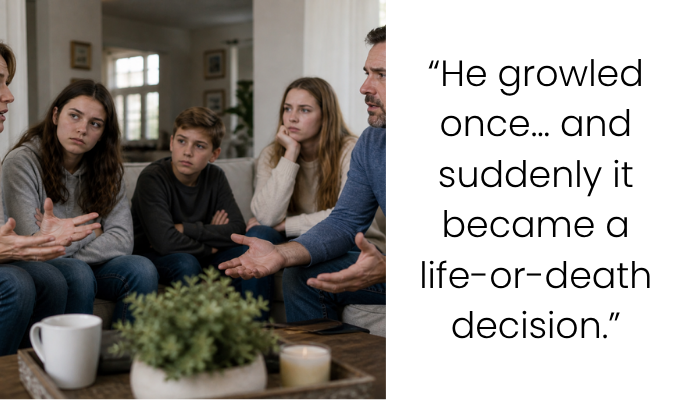
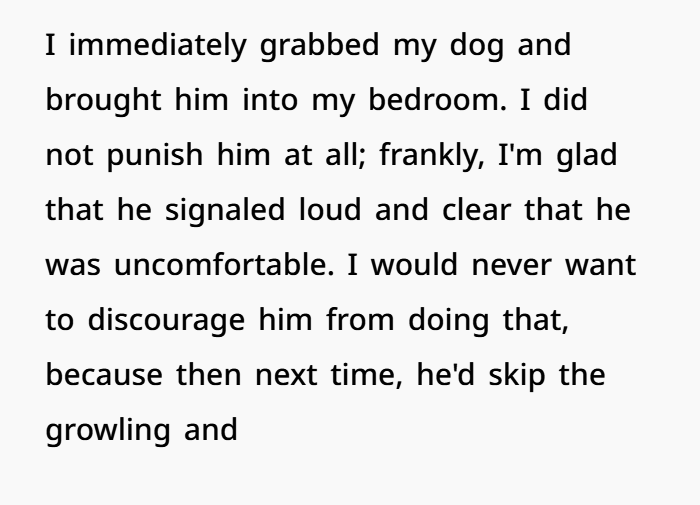
During a family visit, the situation became stressful. While the woman was busy in the kitchen, her niece continued bothering the dog. The dog eventually growled, which the owner explained was a warning signal and a way for the dog to communicate discomfort. She stepped in immediately and separated them before anything worse happened.
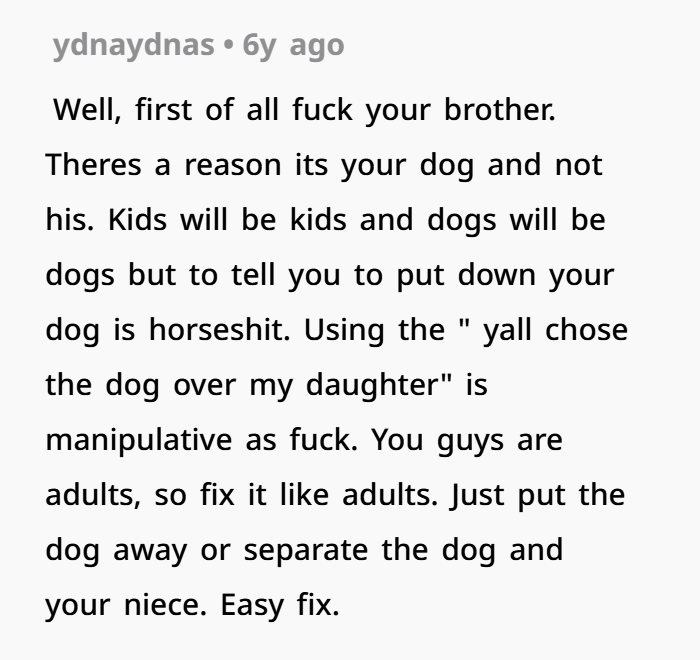
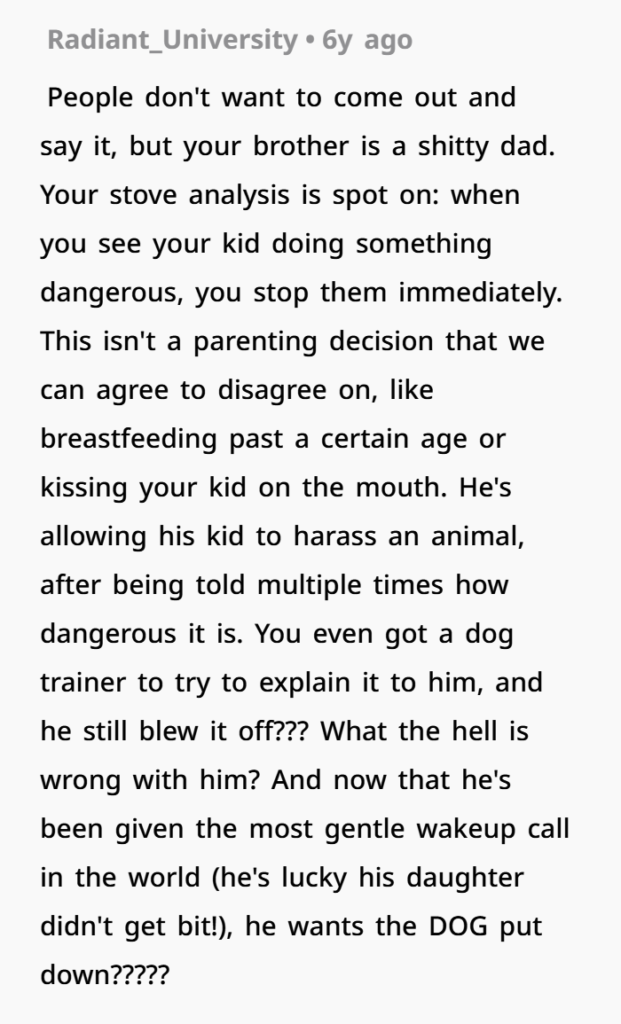
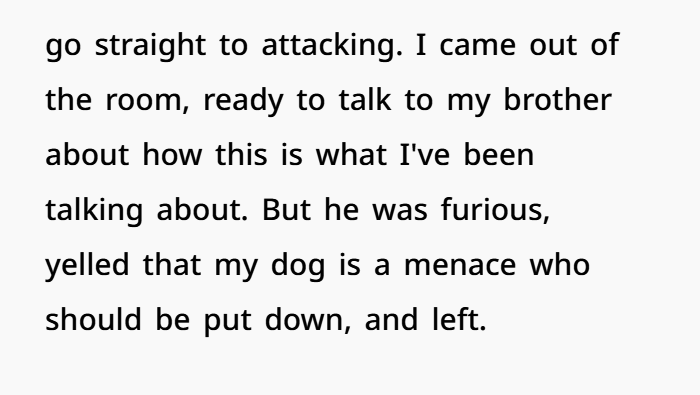
The child’s father became very upset and said the dog should be put down. He also stopped communicating with his sister after the incident. Now the woman is dealing with a difficult family situation while trying to protect both her relationship with her family and the pet she believes showed normal dog behavior. The situation highlights why child safety, pet supervision, and teaching children how to respect animals are important parts of responsible pet ownership.
Dog Growling Around Children: Understanding Pet Behavior and Safety
A dog growling near a child can feel scary for any family.
Many people immediately think:
“Is this dog dangerous?”
But understanding animal behavior is important before making a decision.
A growl is not always an attack.
In many cases, it is a dog’s way of communicating discomfort.
A Growl Is a Warning Signal
Dogs communicate through body language.
Before a serious reaction happens, many dogs show smaller warning signs, such as:
- Moving away
- Becoming stiff
- Avoiding eye contact
- Licking their lips
- Looking uncomfortable
- Growling
A growl is often a dog saying:
“I am uncomfortable. Please give me space.”
This warning can actually help prevent a worse situation.
Why Punishing a Growl Can Be Risky
Many animal behavior experts recommend not punishing a dog for growling.
The reason is simple.
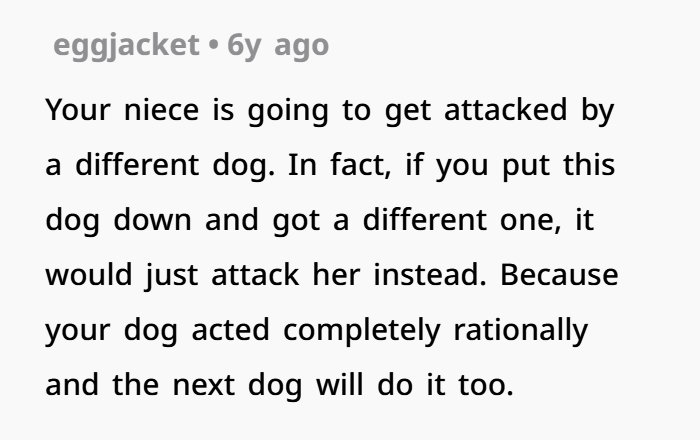
If a dog learns that warning signals are not allowed, it may stop giving those signals.
A dog that no longer warns people may react more suddenly in the future.
The goal of responsible dog training is not to remove communication.
The goal is to understand the message and manage the situation safely.
Children and Dogs Need Supervision
This is not about blaming a child.
Young children are still learning boundaries.
A small child may not understand that pulling, climbing on, hugging tightly, or bothering a dog can make the animal uncomfortable.
That is normal child development.
The important part is supervision.
Many child safety experts recommend that young children and dogs should always have active adult supervision, especially when they are together.
Even friendly family pets need space and respect.
Why Dog Safety Matters at Home
Many dog-related injuries happen at home with dogs that children already know.
This does not mean family dogs are dangerous.
It means adults need to understand dog behavior and prevent stressful situations.
Problems often happen when:
- A child continues bothering a dog
- The dog has no quiet space
- Adults miss warning signs
- Boundaries are not taught
Good pet ownership includes creating a safe environment for everyone.
Responsibility Should Be Shared
In situations involving children and pets, responsibility usually belongs to the adults.
The dog owner has a responsibility to understand the dog’s behavior.
Parents also have a responsibility to teach children safe interactions with animals.
If warnings were given before, and concerns were already discussed, that information matters.
Many problems can be prevented when everyone takes safety seriously.
Fear Can Change How People See Situations
A parent’s fear for their child is completely understandable.
When someone sees a dog growl near a child, emotions can take over quickly.
They may immediately think about the worst possible outcome.
However, looking at the full situation is important.
Questions that matter include:
- What happened before the growl?
- Was the dog being bothered?
- Were warning signs ignored?
- Was the interaction supervised?
Understanding the whole situation helps people make better decisions.
Does a Growl Mean a Dog Should Be Put Down?
A serious decision like euthanasia should not be based on a single growl alone.
Animal behavior professionals usually look at many factors, including:
- The dog’s history
- Whether aggression was repeated
- Whether behavior was predictable
- Whether safety can be improved through training and management
A dog that gives a warning and stops may be showing communication rather than uncontrolled aggression.
Every situation should be evaluated carefully.
Safer Solutions Can Help Everyone
There are many ways families can reduce risk while keeping both children and pets safe.
Possible solutions include:
- Creating separate spaces
- Using gates or crates when needed
- Teaching children animal boundaries
- Supervising interactions
- Avoiding stressful situations for the dog
Responsible pet ownership is about prevention.
It is not about ignoring safety concerns.
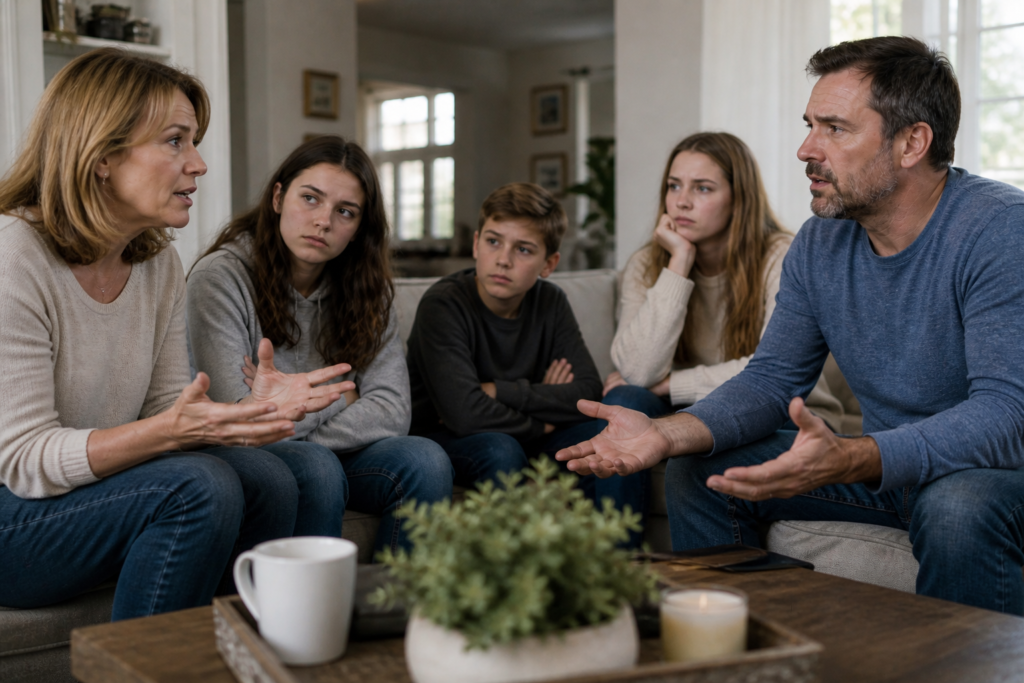
The Bigger Family Conflict
Sometimes disagreements about pets are not only about the animal.
They are also about fear, trust, and family relationships.
One person may feel:
“My child needs protection.”
Another person may feel:
“My pet is being unfairly blamed.”
Both people may be reacting from strong emotions.
The best conversations focus on solutions instead of blame.
Instead of saying:
“Your child caused this.”
or
“Your dog is dangerous.”
A healthier approach is:
“How can we make sure everyone is safe next time?”
Moving Forward With Better Communication
After an emotional situation, people often need time before having a calm conversation.
Trying to solve everything while everyone is upset can make the conflict worse.
A better conversation can focus on:
- Safety plans
- Clear boundaries
- Shared responsibility
- Respect for everyone involved
The goal is not to choose between a child and a pet.
The goal is to create a safe environment where both can be protected.
The Main Lesson
Dogs communicate through behavior.
Children are still learning.
Adults are responsible for creating safe situations.
A growl should be taken seriously, but it should also be understood.
With proper supervision, training, and communication, many family situations involving children and pets can be managed safely.
Good pet ownership is not only about loving an animal.
It is also about understanding the animal, respecting boundaries, and making thoughtful choices that protect everyone.
The Comments Are In